Women’s Health

Auto Added by WPeMatico

10 Best Exercises to Get Rid of Apron Belly (Free Video Workout)

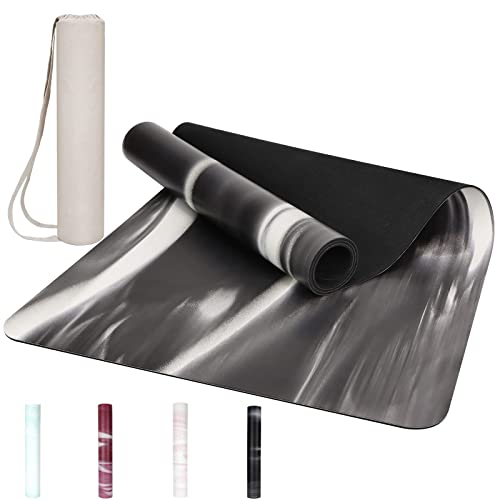
10 Best Exercises to Get Rid of Apron Belly (Free Video Workout) Extra belly fat is something no one wants to deal with, but trust me, it’s possible to improve your stomach with these effective exercises to get rid of apron belly. Consistency is key! Are you self-conscious about your apron belly? Do you want to know how to get rid of it? You may have even seen programs or articles that claim to provide a quick fix, but the best way to reduce apron belly fat is to adopt a healthy lifestyle that includes a sensible diet and regular exercise. An apron belly, often referred to as an “overhang” is a term used to describe excess fat and skin that hangs down over the lower abdomen. It’s commonly associated with factors such as weight gain, pregnancy or aging.  Addressing an apron belly involves a combination of targeted exercises, a healthy diet, and lifestyle changes. Just remember that it takes time and consistency to see results. This blog post will show you 10 exercises that you can do to reduce your apron belly fat. These exercises are simple and can be done at home with no equipment. Looking for additional core workouts? Check out my favorite ab exercises for women! Yoga Mat Non Slip, Hot Yoga Mat(72″X 26″/5mm), Rubber Exercise Mat Check Price We earn a commission if you make a purchase, at no additional cost to you. Table of contents Understanding Apron Belly Fat What Causes Apron Belly Fat? Why is Apron Belly Fat Dangerous? How Can I Get Rid of Apron Belly Fat? Benefits of Using Exercises to Get Rid Apron Belly Fat 10 Exercises to Get Rid of Apron Belly Squats Lunges Deadlifts Pushups Plank Holds Sit Ups Russian Twists Bicycle Crunches Side Planks Mountain Climbers Cardiovascular Exercise to Get Rid of Apron Belly Other Cardio Exercises That Will Help The Importance of Clean Eating And Lifestyle Habits Understanding Apron Belly Fat This condition got the name “apron belly” because it’s literally an apron-like flap of skin that hangs down over your lower abs.  It can be hard for figuring out how to dress. It can get in your way as you move. And for most people who have this issue, they need to make some basic lifestyle changes to start to see a reduction.   Here’s what you need to know about apron belly fat: What Causes Apron Belly Fat? Apron belly fat, or sometimes called a mother’s apron, is a type of subcutaneous fat that accumulates around the waistline. There are several causes: Weight Gain Excess calories intake leading to weight gain.  Over time this continued weight gain can settle in the middle and contribute to this stomach overhang.  Pregnancy The expansion of the abdominal area during pregnancy can result in stretched skin and muscles, contributing to the development of an apron belly.   Aging As individuals age, their metabolism may slow down, leading to changes in the body composition, including increased fat accumulation in the abdominal region.  Why is Apron Belly Fat Dangerous? Apron belly fat is more than just a cosmetic problem. It’s been linked to increased health risks:  Diabetes and Heart Disease Excess abdominal fat is associated with an increased risk of type 2 diabetes and cardiovascular diseases. Back Pain The additional weight carried in the abdominal area can strain the lower back, leading to discomfort and potential long-term issues. Poor Posture The presence of an apron belly can affect posture, contributing to back pain and muscle imbalances. How Can I Get Rid of Apron Belly Fat? The good news is that you can get rid of apron belly fat (and avoid a tummy tuck or another surgical procedure), but it does take more than just a few core strengthening exercises.  If you’re carrying around excess apron belly fat in the abdominal area due to weight gain or other factors, here are some non-surgical options you can do to start reducing overall fat and your apron belly:  Cardiovascular Exercise Engage in regular aerobic activities such as brisk walking, running, cycling, or swimming to burn calories and promote overall fat loss, including in the abdominal area. Strength Training Incorporate strength training exercises to build muscle and boost metabolism. Focus on compound movements like squats, deadlifts, and lunges, which engage multiple muscle groups. Core Exercises Perform targeted abdominal exercises to strengthen the core muscles, including planks, leg raises, and bicycle crunches. This can help tone and tighten the abdominal area. Healthy Diet Adopt a balanced and nutritious diet. Focus on whole foods, lean proteins, vegetables, and whole grains. Avoid excessive consumption of processed foods, sugary beverages, and high-calorie snacks. Hydration Drink an adequate amount of water to support overall health and facilitate metabolism. Posture Improvement Work on maintaining good posture to prevent the appearance of an exaggerated apron belly. This involves exercises to strengthen the back and core muscles. Consistency Achieving lasting results requires consistency and patience. Make lifestyle changes that are sustainable in the long term. Benefits of Using Exercises to Get Rid Apron Belly Fat There are many benefits to exercising to reduce apron belly fat. As you read above, there are certain health risks associated with an apron belly, not to mention physical discomfort and body confidence.  By reducing and eliminating this excess fat, you will help improve your overall health and fitness level. It can also help to tone your stomach muscles and make them stronger.  Additionally, exercising can help to reduce stress levels, which can contribute to a reduction in apron belly fat. All of the below strength and cardiovascular exercises will help to burn calories and improve your overall fitness level. When combined with a healthy diet, exercise can be an extremely effective way to reduce apron belly fat. Aim for at least 30 minutes of moderate-intensity exercise most days of the week. If you’re just starting out, you can break this up into shorter sessions throughout the day. 10 Exercises to Get Rid of Apron Belly It’s important

10 Best Exercises to Get Rid of Apron Belly (Free Video Workout) Read More »

14 Tips To Avoid Holiday Weight Gain This Season

14 Tips To Avoid Holiday Weight Gain This Season Don’t let the holiday season derail your fitness goals. Check out these 14 tips to help you enjoy the festivities without worrying about packing on the pounds! Managing your weight and sticking to an exercise program can easily slip down your priority wish list during the holiday season. Purchasing gifts, trimming the tree, sampling holiday treats and finding the perfect fuzzy sweater are way more fun this time of year than remembering to avoid holiday weight gain! There are lots of factors that come into play when dealing with weight gain. Even hormones can have a surprising impact. But, by taking control of your holiday eating and fitting in a little extra movement when you can, you are more likely to maintain a healthy weight and keep those extra pounds away. These amazing 14 tips and strategies are some of the best ways to have a blast this holiday season while still managing to keep that holiday weight gain at bay. Table of contents Common Causes of Holiday Weight Gain Overeating Drinking Too Much Alcohol Stress Eating Inactivity Can You Avoid Holiday Weight Gain? Average Weight Gain During The Holidays 14 Best Tips For Avoiding Holiday Weight Gain Get Moving And Stick to Your Exercise Routine Stick To A Five-A-Day Plan Watch What You Drink (Liquid Calories) Allow For Indulgences And Enjoy Dessert Control Your Temptation Triggers Never Go To A Party Hungry Exercise In Bursts Just Say No Focus On The People, Not The Food Control Your Portion Sizes Eat Healthy Appetizers and Snacks Choose Plant-Based Sides Avoid Buffet-Style Meals Get Enough Rest and Hydration Common Causes of Holiday Weight Gain The holiday season is a time for gatherings with family and friends, and often, these gatherings involve food. It’s no wonder then that many people struggle to avoid holiday weight gain.  Here are four common causes of extra weight gain around the holidays and how you can avoid them: Overeating Overeating is probably the most common cause of holiday weight gain near the end of the year. When we’re surrounded by delicious food, it’s hard not to overindulge.  To avoid overeating, don’t go to parties with an empty stomach. Try to eat a little something before you go to holiday parties or events.  This way, you’ll be less likely to over fill up on party food.  And when you’re at a party, make sure to eat slowly, keep portion size appropriate, and stop when you’re full. Drinking Too Much Alcohol Drinking alcohol can also lead to weight gain. Alcoholic beverages are high in calories, and they can also reduce our inhibitions, which can lead to overeating. After a few cocktails your self discipline goes out the door.  If you’re trying to avoid holiday weight gain, limit your alcohol intake. Stick to one or two drinks, and make sure to alternate alcohol with water. Stress Eating The holidays can be a stressful time for some people. And when we’re stressed, we may turn to food for comfort and it can lead to weight gain.  To avoid stress eating in the first place, try to find other ways to cope with holiday stress. Even things like taking a walk, meditation, deep breathing exercises or talking to a friend. Inactivity The holidays can also be a time when we’re less active. We may not have time for our usual exercise routine, or we may be tempted to lounge around and relax more than usual.  Less calories burned and more calories consumed will lead to weight gain.  To avoid gaining weight from inactivity, make sure to find time for some physical activity, even if it’s just a short walk around the block. You don’t need a personal trainer to stay active! The holidays don’t have to be a time when we gain weight. By being aware of the common causes of holiday weight gain and taking steps to avoid them, we can enjoy the holidays without worrying about our waistline. Can You Avoid Holiday Weight Gain? The holidays are a time for families to get together, share meals, and exchange gifts. It’s also a time when many people see their weight go up.  One study analyzed two groups of adults. They used a control group, and an intervention group. The intervention group was given specific tools to help them manage weight loss during the holidays, while the control group was just given information on healthy living. The intervention group ended up losing an average of 0.3 lbs, while the control group gained 0.8 lbs on average. So, it is possible to not only avoid holiday weight gain, but actually lose too! The good news is there are plenty of things you can do to avoid holiday weight gain. Keep reading to see my favorite tips. Average Weight Gain During The Holidays The holidays are a time for family, friends, and of course, food! It’s no surprise that the average American gains weight during this time of year. But how much weight is too much? And how can you avoid putting on those extra pounds? The average American gains about 1-2 pounds from Thanksgiving to New Year’s Day.  The good news is that isn’t probably as much as you thought. Don’t throw in the towel thinking “oh well, I’m going to gain 10 pounds so I’m just going to eat anything I want.”  Realize that you have some control and if you are a little disciplined and smart about choices, you can avoid feeling like you came out of the holidays with a bigger belly.   I recommend using the following tips to enjoy the holidays without letting them sabotage your health! 14 Best Tips For Avoiding Holiday Weight Gain Holiday weight gain is common, but it’s not impossible to avoid. Yes, you can still enjoy the holiday season. It’s totally possible to modify your behaviors and movement to make the most of the season, while still maintaining a healthy weight. Here are my favorite 14 tips to avoid holiday weight gain: Get Moving And Stick to Your Exercise Routine Food and

14 Tips To Avoid Holiday Weight Gain This Season Read More »

The Best Walking Pads From A Fitness Expert [2023]

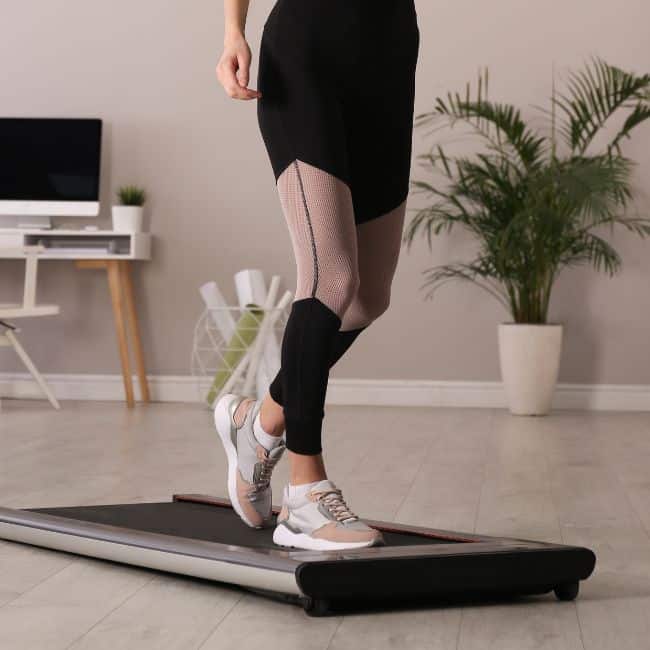
The Best Walking Pads From A Fitness Expert [2023] The best foldable walking pads will help you reach your daily fitness goals without sacrificing cost or space. Take it from a fitness expert, with sedentary lifestyles on the rise, there has never been a better time to add more movement to your life! Even if you have a great workout routine, sitting at a desk all day can take a toll on your body. We aren’t meant to live a sedentary lifestyle and the best walking pads can help us hit those daily steps goals. Motion is lotion! Moving your body through a healthy range of motion with light exercise keeps it working smoothly. It can even help prevent future health issues. Luckily, there is a simple solution. The best walking pad can help keep your body in constant motion, even in the minimal space of a home office. The ease of use and quiet noise level makes the under-desk treadmill a game changer. These smart mini treadmills can transform your zoom calls into a walking workout with minimal effort on your part. I don’t know about you, but when I see a great way to add more low-impact activity into my day, I JUMP on it.  Whether it’s working, watching TV, or cooking, even a basic walking pad can help change any sedentary activity into an active one. Their compact size and affordable lightweight design makes them more approachable than traditional treadmills. In a world where people are spending more and more time sitting, I recommend doing the opposite. Move your body more every day and you’ll be surprised by the results. Keep reading to explore whether walking pads might be a great option for you to increase your daily activity levels. Then, check out my favorite picks, including the walking pad treadmill I own and love! First, let’s dive into why getting more steps in daily matters. Table of contents Non-Exercise Activity Thermogenesis (NEAT) Walking Pads vs. Treadmills Benefits of Walking Pads Getting Started With Walking Pads Cursor Fitness Under Desk Treadmill 2 in 1 Walking Pad WALKINGPAD C1 Foldable Treadmill Walking Pad WALKINGPAD S1 Foldable Walking Pad Ultra Slim Smart Fold FYC Under Desk Treadmill RHYTHM FUN Treadmill Walking Pads for Weight Loss Under Desk Walking Pads for Working From Home FLEXISPOT Electric Standing Desk Non-Exercise Activity Thermogenesis (NEAT) We typically think of movement and calorie expenditure in terms of minutes of exercise. But, a lot of our daily activity actually comes from “non-exercise activity thermogenesis” (NEAT). This includes all the activities we fit into our busy schedules that aren’t “exercise.” Things like walking to lunch, pacing on the phone, cleaning, cooking, climbing up and down stairs, standing with a friend or watching your kids, folding laundry, hobbies, and the list goes on.  Think of all the daily tasks that require some kind of small physical activity. That’s NEAT. Dr. James Levine of the Mayo Clinic explains the importance of NEAT and the worthwhile opportunity for weight loss and other health gains. Dr. Levine pioneered the treadmill desk and his studies showed that when a healthy individual walks at a slow pace of around 1-2 mph during the workday, they can burn a significant amount of extra calories. This can make a huge impact in people’s weight loss efforts. It’s not sweaty exercise, it’s just consistent movement. Levine makes convincing arguments that NEAT could burn up to 1,000 extra calories per day when added strategically to the workday. He also explained that obese individuals perform drastically less NEAT than those within a healthy weight range. As we begin to understand the importance of NEAT, it’s easy to see how working from home or sitting at a desk all day can be quite an obstacle. How can you incorporate more movement into your day when you’re glued to a desk? That’s where walking pads come into play! Walking Pads vs. Treadmills Both walking pads and classic treadmills provide an opportunity for cardiovascular exercise. They are both exercise equipment tools with user-friendly operation that can be used in a home gym or home office. However, the two have pretty stark differences. Treadmills are commonly known for their powerful performance and have been a staple running machine in home gyms for years. They are typically heavy and immobile, and take up quite a bit of space. Treadmills come with lots of great features, like incline control and higher maximum speed capacities. They can be used for anything from a daily walk to an intense run. These are my favorite treadmill workouts for weight loss. Walking pads are a newer product to the market. With many workers trying to combat sitting at a desk all day, and social media trends like cozy cardio, it makes sense that these walking pads are quickly gaining popular product reviews.  These compact treadmill options are smaller, have lower speed capacities, and are usually portable making them a great option for limited space. They are a simpler, more afforadable option that allow you to walk for a long time in your home work environment or living room. Some have the capacity for running, but not nearly in the same way as a traditional treadmill does. Want to learn more about the best exercise tools for home? Check out my picks for the best home gym equipment. Benefits of Walking Pads I think walking pads are brilliant! From a personal standpoint, I have a regular workout routine in the early morning but I still sit at my computer desk to work all day. I can’t stand how little movement my body is getting the rest of the day. However, I am not interested in a full size treadmill that would have to go in my basement. I wanted a portable walking machine that I can use in my kitchen under my counter or in my family room.   Living in the midwest also means the weather varies quite a bit throughout the year. I love getting outside in the evening to walk, but in the colder months it can be tough. Walking pads work well just about anywhere. Any space from a small apartment to a home will work. Whether you’re working from home or just watching TV, the extra steps will benefit your health and general mobility. Here are just a few of the benefits of walking pads: Increase NEAT activity easily at home Compact designs are great for small spaces Easy to store when not

The Best Walking Pads From A Fitness Expert [2023] Read More »

What is a Cycle Syncing Diet, and Should You Try It?

What is a Cycle Syncing Diet, and Should You Try It? If you’re someone who deals with a menstrual cycle, it’s safe to say you’re no stranger to the ups and downs of each month. Thanks to hormonal changes with each phase, it can be quite a bumpy ride. Can cycle syncing food smooth the journey and help you feel better? Let’s find out! What is Cycle Syncing? Cycle syncing is adjusting your nutrition and exercise to the phases of your cycle. These adjustments cater to the changes in your hormones to help balance things out. In this article, we’ll focus on the best foods to eat during each phase. The Benefits Hormones can be chaotic (is there anything we haven’t blamed them for?). But did you know that certain foods may help balance them out and improve symptoms of hormonal changes during your cycle? Other foods replenish vitamins and minerals or remedy symptoms. Some reported benefits of cycle syncing food include: Decreased cramping, bloating, and other period symptoms Improved mood Decreased stress and anxiety Decreased fatigue   Cycle Syncing Diet But not like, a diet diet. Here are some nutrients to target during each phase of your cycle with some easy ways to get them on your plate. Menstrual Phase (Days 0-7) Ugh, your period. Maybe you’re bloated and crampy, and all you’re craving is some comfort food and a nap. This is when estrogen is the lowest. Here’s what to eat. Iron When you lose blood, you lose iron. Eat iron-rich foods like lean meat, beans, leafy green vegetables, and lentils, PLUS Vitamin C-rich foods like citrus, strawberries, tomatoes, bell peppers, and broccoli to help maximize iron absorption. Omega-3s Foods high in omega-3 fatty acids like salmon, flaxseeds, chia seeds, and walnuts fight inflammation and might help with cramping. Foods to support energy levels The best way to keep your energy levels up? Don’t skip meals! And try to include a serving of protein with each meal and snack. Magnesium If you suffer from menstrual migraines (same, ugh), some studies suggest that supplementing with magnesium could prevent an attack. Follicular Phase (Days 8-13) Your energy is back and you’re feeling great! Support your energy levels with lean protein, whole grains, legumes, starchy vegetables, and fruit. Fermented foods Fermented foods improve your gut microbiota, which is vital for estrogen metabolism. We’re here to support hormone balance, so we want to support that metabolism in any way we can! Plus, we love gut health. Healthy fats Finally, healthy fats like avocado, salmon, and olive oil, plus fat-soluble vitamin E foods like sweet potato, leafy greens, and nuts support healthy ovaries and reproductive health – especially important if you’re trying to conceive! Ovulatory Phase (Days 14-15) The ovulatory phase is…when you ovulate! During this short phase, keep eating a healthy, balanced diet and the foods that support estrogen balance. Cruciferous vegetables Think broccoli, cauliflower, and Brussels sprouts. A chemical in cruciferous veggies called 3,3-Diindolylmethane may support the liver to help your body get rid of excess estrogen. Zinc, folate, and antioxidants These are especially important if you’re trying to conceive, but also play a role in reproductive health even if you aren’t! Luteal Phase (Days 16-28) Here we are, approaching menstruation again. A lot of us start to feel PMS symptoms like mood swings, headaches, and bloating. You might feel extra hungry too. Drink your water! Hydration is important in every phase, but especially when you’re headache and bloat-prone. Starchy vegetables Carbs will help with the hunger part, especially if you’re incorporating the right ones. Starchy veggies like sweet potatoes will fuel your body with carbs, but also pack in some nutrients, like our bestie fiber! Magnesium Magnesium can help with anxiety, headaches, and even water retention. Oh, and research shows that many Americans aren’t getting enough! One study actually states that around 48% aren’t meeting the recommended intake. A supplement may help, but you can also include magnesium-rich foods like dark chocolate (yes!), avocado, nuts, and legumes. The Cons of Cycle Syncing Cycle syncing can be great BUT (there’s always a but, right?), as with all wellness trends, there are some cons to cycle syncing. First, it’s not supported by a ton of science yet. We really just need more research to confidently say this works, who it works for, and really nail down the benefits. Second, this may not work for people with irregular periods or people who are on birth control. If you have an irregular period, it’s going to be a lot harder to track which phase you’re in. Birth control uses synthetic hormones to prevent ovulation, which means cycle syncing likely will not be as effective. Don’t overthink it If planning your diet around your cycle feels like too much, that’s FINE! The best thing is to eat a balanced, varied diet made up of foods that make YOU feel good. Adding in some of these nutrients may help, but there’s no way to say one thing will work for everyone. Our bodies, lifestyles, menstrual cycles, and hormone levels are all different. If you feel like your symptoms are impacting your life or require special attention, definitely chat with your healthcare provider to construct the best plan for you. Have you tried cycle syncing food? Did you notice a difference? Tell us in the comments!     If you’re someone who deals with a menstrual cycle, it’s safe to say you’re no stranger to the ups and downs of each month. Thanks to hormonal changes with each… Breanna Woods MS, RD{authorlink}https://www.blogilates.com/blog/cycle-syncing-food/Blogilates The official blog of Cassey Ho https://www.blogilates.com/wp-content/uploads/2021/02/fav-1.png

What is a Cycle Syncing Diet, and Should You Try It? Read More »

14 Signs of Vitamin D Deficiency & Best Treatments

14 Signs of Vitamin D Deficiency & Best Treatments Low levels of vitamin D seem innocent, but these 14 signs of vitamin D deficiency and the health conditions they can lead to may surprise you. Learn the symptoms so you can watch out for this common imbalance, plus learn the best ways to fix it! Vitamin D deficiencies don’t just happen for communities that live further from the equator, or only during the winter months. Low levels of vitamin D, or the “sunshine vitamin” are common in the United States. Many of us assume vitamin d supplementation isn’t necessary. Isn’t spending time outside and eating foods rich in vitamin D enough? Well, less than 10 percent of women over the age of 50 are getting the recommended amount through food. Unfortunately there very few foods have therapeutic levels of vitamin D that will naturally support our health needs. Many people are also spending an increasing amount of time indoors, both working and living. That combination creates a higher risk for lower vitamin D levels. Can you even imagine getting enough natural vitamin D outside in the middle of a midwest winter? Explore the most common signs of vitamin D deficiency below to see if you might be at risk, and how you can boost your intake. Table of contents 14 Signs of Vitamin D Deficiency 1. Persistent Aches 2. Fatigue 3. White Spots 4. Getting Sick Easily 5. Heart Palpitations 6. Dizziness 7. Weight Gain & Obesity 8. Fingernail Changes 9. Lower Back Pain 10. Head Sweating & Hair Loss 11. Darker Skin 12. Gut Trouble 13. Depression 14. Aged 50+ How to Improve Vitamin D Deficiency Safely Sunlight Nutrition Supplements Best Supplements for Treating Vitamin D Deficiencies Vitamin D2 vs. Vitamin D3 The Best Vitamin D Supplements FAQ 14 Signs of Vitamin D Deficiency You may think that vitamin D only impacts our mood, but that couldn’t be further from the truth. Not getting enough vitamin D can cause a whole host of health conditions. Each individual vitamin plays an important role in our body, and having an imbalance can mess with the entire ecosystem. Explore the most common symptoms of vitamin D deficiency below to see if you might be suffering from low levels of vitamin D. Metagenics Vitamin D3 5,000 IU with Vitamin K2 – Vitamin D Supplement Check Price We earn a commission if you make a purchase, at no additional cost to you. 1. Persistent Aches If you’re noticing persistent aches or muscle weakness it might be caused by low vitamin D levels. When levels are low your body isn’t able to absorb calcium and phosphorus at the same efficiency. This causes an increased risk of symptoms like bone pain, muscle pain, muscle weakness, falls, low bone mass, and even bone fractures. If left untreated, these symptoms could turn into later diagnoses of osteomalacia, osteoporosis, and myopathy. 2. Fatigue Vitamin D can help keep your immune system healthy and your energy levels up. When there is a lack of vitamin D, your energy levels can start to deplete. If you’re feeling exhausted or more fatigue than usual, it may be worth considering whether you are getting enough of this essential vitamin. Feelings of fatigue might also come from the depression or feelings of sadness that are common signs of vitamin D deficiency. 3. White Spots Not only can you experience white spots or patches on your skin from low levels of vitamin D, you might also notice a dull complexion, less glow, dry or flaky skin on your face or other areas of your body. The white patches are not typically a cause for concern, but a good sign that your body is telling you something is off. 4. Getting Sick Easily Vitamin D plays an important role in our immune system. If vitamin D levels are too low, our body’s ability to fight off infections weakens. As you can imagine, this will greatly increase the chance of getting sick.  You may notice frequent colds, the flu, or respiratory tract infections like bronchitis and pneumonia. 5. Heart Palpitations Vitamin D has an influence on calcium in the body. Low levels of calcium (hypocalcemia) can cause irregular heartbeat. At a severe level this could lead to cardiac events. So believe it or not, because of it’s relationship with calcium, low levels of vitamin D can lead to heart palpitations or other heart related symptoms. 6. Dizziness Vitamin D has an impact on many bodily functions. One of these is our circadian rhythm, which helps us regulate sleep. If you are vitamin D deficient, your sleep may be off too. This can cause feelings of tiredness, fatigue, and even chronic fatigue syndrome. Lack of sleep can cause symptoms of lightheadedness or dizziness, making these another sign of vitamin D deficiency. 7. Weight Gain & Obesity Vitamin D is fat soluble, which means the more body fat you have, the more it gets diluted. People who are overweight or obese may require more daily vitamin D to make up for this dilution effect. Not to mention, with depression and fatigue being other possible symptoms, it can be difficult to exercise regularly and stay healthy! 8. Fingernail Changes There are lots of vitamins that are important for your hair and and nails. Vitamin D is one of them. Low levels of vitamin D can make nails feel softer and thinner than usual. The medical term for this is hapalonychia. This can cause your nails to break more easily, or split and flake at the end.  9. Lower Back Pain You may not have thought lower back pain could be linked to the “sunshine vitamin” but it can be! Lower back pain and bone pain in general can be a symptom of vitamin D deficiency. Vitamin D helps our body absorb calcium, which helps maintain bone health. Without enough, we start to see decreased muscle strength in the waist, back and neck. 10. Head Sweating & Hair Loss One of the classic signs of vitamin D deficiency is a sweaty head. Oddly

14 Signs of Vitamin D Deficiency & Best Treatments Read More »

15 Best Mobility Exercises for Seniors to Stay Active

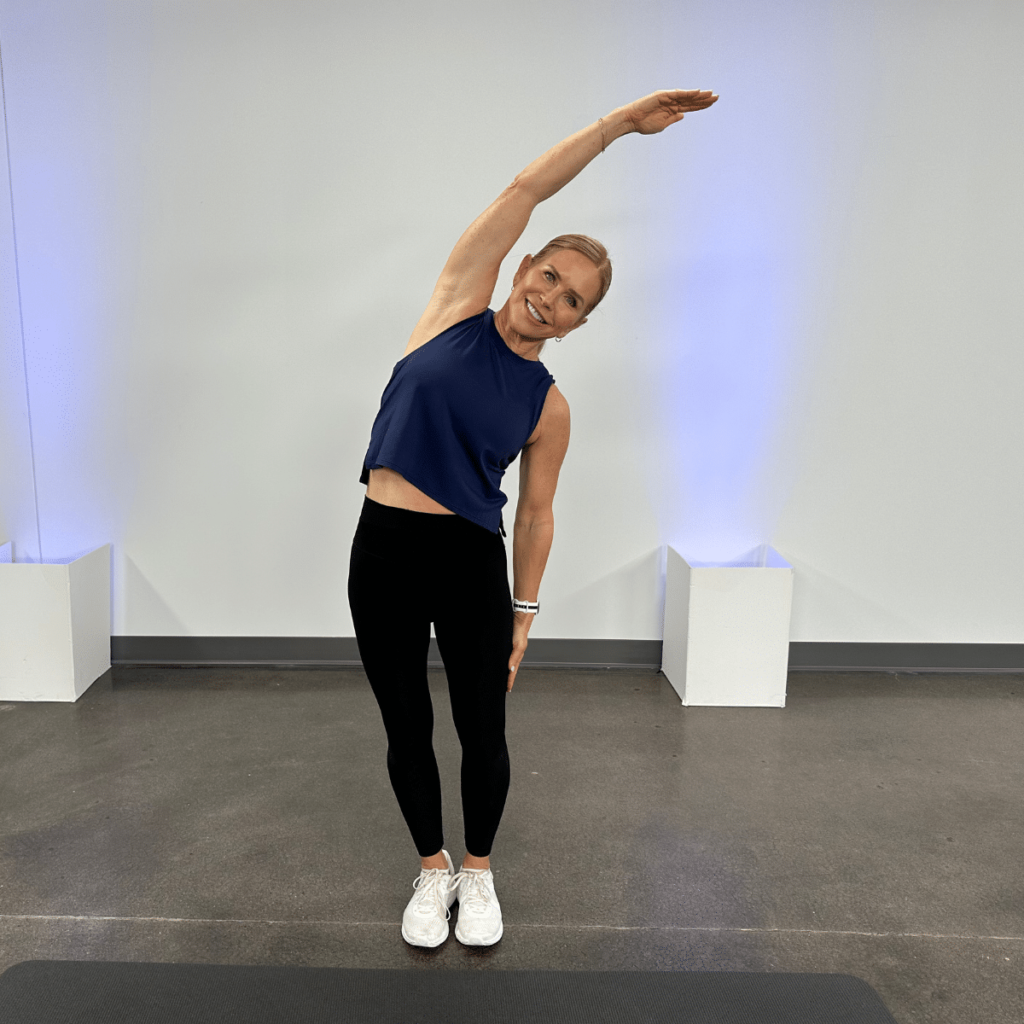
15 Best Mobility Exercises for Seniors to Stay Active One of the best things you can do to stay healthy and active with age is to make mobility exercises a regular part of your routine. Did you know that limited mobility is actually the thing that makes you look the oldest? Don’t worry if you’re already noticing mobility issues crop up, because it’s never too late to see benefits! In fact, a quick mobility routine is often all it takes to start feeling better.  To see the benefits firsthand, try the 15 best mobility exercises for seniors. These are the best exercises that will keep you in action and impact your overall health for years to come. Table of Contents The Benefits of Mobility Exercises for Seniors Tips for Doing These Exercises 15 Mobility Exercises for Seniors FAQs The Benefits of Mobility Exercises for Seniors Before we dive into which mobility exercises to add to your regular exercise routine, let’s talk about why you should do them in the first place. Here are the standout health benefits of mobility exercises for seniors: Keeps joints healthy. Motion is lotion! Moving your joints through a healthy range of motion washes them in fluid, keeps them working smoothly and can help prevent joint pain.  Improves stiffness and pain. It’s pretty common for joints to creak and hurt with age, especially if you have arthritis. Movement is often the number-one solution to stiff, achy joints, largely thanks to that fluid we mentioned earlier.   Makes everyday activities easier. When your joints feel better, everyday activities tend to feel better, too. Plus, teaching your joints to move in a greater range of motion makes more movements possible, because you’re not limited by how far your ankles, knees, hips, spine, shoulders, elbows, and wrists can bend and rotate. An active lifestyle improves your quality of life and can help prevent risk of injury too. Help you stay active. If mobility exercises can make daily life easier, they can also help you stay active. Staying active is key for keeping your muscles strong, your heart and lungs fit, your mind sharp, and your balance on point. Aside from fending off chronic conditions, staying active can also help you live independently, maintain great mental health, and muscle strength.    Makes you look (and feel!) younger. Few things make you look and feel older than the inability to move. Mobility exercises are simple to add to your routine, and can shave years off if done consistently. Related: 9 Hip-Strengthening Exercises for Seniors Tips for Doing These Exercises These mobility exercises and stretching exercises are for older adults with mobility issues and those looking to stay active. They’re not for people with injuries. These folks should work with a physical therapist or other healthcare provider who can supervise their recovery. You only need floor space and a yoga mat for most of these exercises. There are also chair exercises that use a seated position.  Do these exercises two to three times per week. Keep your movements controlled and work at a comfortable pace. If you can build them into your daily routine, even better! At first, these exercises might feel awkward and stiff. But the more you do them, the warmer your muscles and the looser your joints will get. Over time, the following exercises will feel easier, and so will daily physical activity. Can’t do an exercise as written? Good news! We’ve included tips to modify a move if needed.  Amazon Basics Extra Thick Yoga Mat with Carrying Strap Check Price We earn a commission if you make a purchase, at no additional cost to you. COSCO Vinyl Folding Chair, 4 Pack, Black Check Price We earn a commission if you make a purchase, at no additional cost to you. 15 Mobility Exercises for Seniors 1. Shoulder rolls Basic shoulder rolls are simple exercises that loosen up the shoulder muscles and joints. Shoulder mobility is critical for basic tasks like reaching overhead and sports like tennis and swimming.  How to perform a shoulder roll: Stand with your feet hip-width apart. Shrug your shoulders up toward your ears. Then, slowly roll them in a forward motion. After about 30 seconds, roll your shoulders in a backward motion.  Muscle Groups Targeted: Shoulders 2. Arm circles This move loosens the shoulder joints and engages the shoulders, biceps, and triceps. It’s an easy way way to improve posture and get your arms and shoulders ready for sports like swimming and pickleball. How to perform an arm circle: Stand tall with your feet shoulder-width apart.  Raise and extend your arms to your sides.  Without bending the elbows, rotate your arms forward in small circles for 30 seconds. Then, rotate your arms backward in small circles for 30 seconds.  Muscle Groups Targeted: Shoulders, Biceps, Triceps, Upper Back 3. Hip circles This simple exercise helps loosen up the muscles and joints in your hips. As the hips play a role in practically every activity you do, it’s important for them to have a healthy range of motion. How to perform a hip circle: Stand tall with your feet shoulder-width apart and place your hands on your hips. Keeping a slight bend in your knees, slowly circle your hips in a clockwise direction for 30 seconds. Then switch directions and circle your hips counterclockwise for 30 seconds..  Muscle Groups Targeted: Lower Back, Hips 4. Standing side bends The standing side bend stretches the spine and obliques (side-abs). This helps improve posture for sports, new exercise, and daily activities. How to perform a standing side bend: Stand tall with feet and legs together. On an inhale, reach both arms straight up overhead.  Lower your right arm to the right side of your body. On an exhale, lengthen the left arm over your head, bending your body gently to the right.  Inhale to return both arms overhead and repeat on the left side. Do six to 10 reps per side. Do this exercise in a sturdy chair if you get tired from standing or can’t keep your balance while bending. If chair exercises fit your comfort zone, try these 10 best chair exercises for seniors too! Muscle Groups Targeted: Spine, Obliques 5. Wall push-ups Wall push-ups are a great mobility exercise for seniors that target the shoulders, chest and triceps. It helps with daily activities such as pushing open doors and getting up from a chair. How to perform a wall

15 Best Mobility Exercises for Seniors to Stay Active Read More »