Women’s Health

Auto Added by WPeMatico

6 Early Warning Signs of Osteoporosis To Watch For

6 Early Warning Signs of Osteoporosis To Watch For Discover the 6 early warning signs of osteoporosis every woman should watch for to protect bone health. Learn how to identify symptoms early and take proactive steps to maintain strong, healthy bones. As someone who’s been through all stages of life—pregnancy, perimenopause, and now post-menopause—I can tell you firsthand that the health choices you make now matter. Your bones are constantly changing, and after the age of 35, we naturally start losing bone density if we’re not actively doing something to maintain it. Osteoporosis is often called a “silent disease” because it develops gradually over the years without showing any obvious symptoms until a fracture happens. However, for women over 50, understanding the early warning signs of osteoporosis can make a significant difference in managing and potentially preventing further bone loss. By recognizing these signs, you can take proactive steps to maintain your bone health and reduce the risk of fractures. Understanding Osteoporosis Before we discuss the early warning signs, it’s important to understand what osteoporosis is. Osteoporosis is a condition that weakens bones, making them fragile and more likely to break. It occurs when the creation of new bone doesn’t keep up with the removal of old bone. Women, especially those over 50, are at a higher risk due to factors like menopause, which can accelerate bone loss. Early Warning Signs of Osteoporosis These are the most common early warning signs of osteoporosis to watch for so you can take proactive steps to maintain strong, healthy bones. 1. Receding Gums Did you know your dentist might be the first to notice signs of osteoporosis? Receding gums can be an early indicator of bone loss. The jawbone supports your teeth, and if it’s losing density, your gums may start to recede. 2. Weak Grip Strength A weakening grip isn’t just about losing hand strength. It might also indicate decreasing bone density. Studies have shown a link between weak grip strength and low bone mineral density. 3. Brittle Fingernails While nail health can be affected by many factors, consistently brittle nails may hint at underlying bone health issues. If you notice your nails breaking or chipping more often, it might be worth discussing this with your healthcare provider. 4. Height Loss Have you noticed you’re not as tall as you once were? Losing height is a common sign associated with osteoporosis due to compression fractures in the spine. Even a slight reduction in height can be a red flag. 5. Back Pain Persistent back pain, especially in the lower back, could indicate micro-fractures in the vertebrae. These fractures can be a result of weakened bones and should not be ignored. If this is something you struggle with, I also recommend incorporating these back pain exercises into your routine. 6. Stooped Posture A noticeably curved upper back, often referred to as a dowager’s hump, is another sign of vertebral fractures due to osteoporosis. This change in posture results from the collapse of weakened vertebrae. These are the posture exercises I recommend to help you stand taller and stronger. Risk Factors for Osteoporosis Apart from these signs, being aware of the risk factors can also help in early detection. Some factors include: Family history of osteoporosis Personal history of fractures Sedentary lifestyle Excessive alcohol consumption Smoking Low calcium intake Taking Proactive Steps If you recognize any of these early warning signs of osteoporosis, don’t wait for a fracture to occur before taking action. Consider the following steps to manage and potentially prevent osteoporosis: Diet and Nutrition Ensure adequate calcium and vitamin D, vitamin K and magnesium intake to support bone health. Foods rich in these nutrients include dairy products, leafy greens, and fortified cereals. Regular Exercise There are certain exercises that are better for individuals dealing with osteopenia and osteoporosis. I put together a guide on the best osteoporosis exercises so you can add safe movement to your weekly routine! Lifestyle Modifications Quit smoking and limit alcohol consumption to help preserve bone health. Bone Density Test When it comes to checking your bone density, the go-to test is the DEXA scan (Dual-Energy X-ray Absorptiometry). This quick, non-invasive test is the gold standard for diagnosing osteoporosis and assessing your risk of fractures. The DEXA scan measures the density of bones in your hip, spine, and sometimes other areas, giving you a clear picture of your bone health. It’s painless and only takes about 10-15 minutes—think of it like getting an X-ray, but specifically designed to check your bone strength. This test can provide valuable information about your bone health and risk of fractures. The Bottom Line Being aware of the early warning signs of osteoporosis and taking proactive steps can significantly impact your long-term bone health. I will shout from the top of my soap box how important strength training is in your 40’s, 50’s and beyond. You are never too late or too old to try to improve your bone density. By staying informed and taking action, you can maintain your bone health and continue living an active and fulfilling life. Discover the 6 early warning signs of osteoporosis every woman should watch for to protect bone health. Learn how to identify symptoms early and take proactive steps to maintain strong, healthy bones. As someone who’s been through all stages of life—pregnancy, perimenopause, and now post-menopause—I can tell you firsthand that the health choices you make […] Chris Freytag, CPT{authorlink}https://gethealthyu.com/early-warning-signs-of-osteoporosis/Get Healthy U | Chris Freytag

6 Early Warning Signs of Osteoporosis To Watch For Read More »

10 Osteoporosis Exercises to Strengthen Your Bones At Any Age

10 Osteoporosis Exercises to Strengthen Your Bones At Any Age Discover 10 effective osteoporosis exercises to strengthen your bones at any age. Improve bone health, balance, and reduce fracture risk with these simple routines. As a 59 year old fitness trainer, I talk with middle aged women everyday who are either trying to avoid bone loss, or are already diagnosed with it, and want to know what they can do. Maintaining strong and healthy bones is crucial as we age, particularly for individuals diagnosed with osteoporosis or osteopenia. Engaging in the right kind of physical activity can significantly enhance bone health, improve balance, and reduce the risk of fractures. In this article, I will explore ten effective exercises that are beneficial for those with osteoporosis and offer insights into exercises to avoid, signs to watch for, and supplements that can further support bone strength. Understanding Exercise and Bone Health Regular exercise plays a vital role in maintaining bone density and overall health. For those with osteoporosis or osteopenia, incorporating specific types of exercise can be especially beneficial. Weight-bearing and resistance exercises help stimulate bone growth and improve muscle strength, which are essential for maintaining bone density. Additionally, exercises that focus on balance and flexibility can prevent falls, a common risk for those with weakened bones. Understanding how exercise impacts bone health is key. When you perform weight-bearing activities, your muscles work against gravity, applying pressure to your bones. This pressure stimulates bone cells to produce new tissue, resulting in stronger bones. It’s important to choose exercises that suit your fitness level and consult with a healthcare professional before starting any new exercise routine. What is Osteopenia and Osteoporosis? Osteopenia and osteoporosis are conditions characterized by low bone density, which increases the risk of fractures. Osteopenia is a precursor to osteoporosis, indicating that bone density is below normal but not low enough to be classified as osteoporosis. Both conditions are more common in women, particularly those over 50, due to hormonal changes associated with menopause that affect bone health. Osteoporosis is often referred to as a “silent disease” because it progresses without symptoms until a fracture occurs. Understanding the difference between these two conditions and recognizing their early warning signs can help individuals take preventive measures to protect their bones. To manage these conditions effectively, it’s crucial to focus on building bone strength through exercise, diet, and lifestyle changes. Regular monitoring of bone density and working with healthcare professionals can also help manage the progression of the disease. 10 Best Osteoporosis Exercises If you’re struggling with osteopenia or osteoporosis, these are the exercises I recommend incorporating into your weekly fitness routine: 1. Walking Walking is a simple yet effective weight-bearing exercise. It helps improve bone density, cardiovascular health, and overall fitness. Aim for brisk walks of 30 minutes a day to get the most benefit. Anyone that knows me, knows that I’m passionate about walking! I love walking outside with my dog or friends, and I love using my walking pad while working indoors. Here are a few of my favorite walking resources: Beginner’s Guide to Power Walking How to Burn More Fat While Walking 3 Walking Workouts for Weight Loss 2. Climbing Stairs Stair climbing is another excellent weight-bearing exercise. It engages multiple muscle groups and puts pressure on bones, stimulating growth. Incorporate stairs into your daily routine whenever possible. A similar activity would be the elliptical machine if you need to be inside or at the gym. 3. Dancing Dancing is a fun way to exercise and boost bone health. It combines weight-bearing movements with balance and coordination, making it an ideal activity for those with osteoporosis. 4. Thai Chi Tai Chi is a gentle martial art that focuses on slow, controlled movements. It improves balance, flexibility, and strength, reducing the risk of falls and fractures. 5. Resistance Band Exercises Resistance bands provide a safe way to build muscle strength and bone density. These are a few exercise variations that can be cone with an exercise band at home: Resistance Band Bicep Curl Resistance Band Overhead Shoulder Press Leg Lifts 6. Weightlifting Lifting weights helps increase bone density by applying stress to bones. Start with light weights and gradually increase as you build strength. Check out my favorite strength training moves for women over 50. 7. Yoga Gentle yoga enhances flexibility, balance, and muscle strength. Poses like the Tree Pose and Warrior Pose where you hold them for a period of time are particularly beneficial for improving bone health. Get started with these 10 yoga poses you should do every day. 8. Pilates This practice focuses on core strength, flexibility, and balance. Pilates incorporates resistance exercises that are gentle on the joints and help strengthen bones. Follow my pilates exercises for beginners to get started! 9. Bodyweight Exercises Exercises like push-ups, squats, and lunges use your body weight to build muscle and bone strength. They can be easily adapted to suit your fitness level. 10. Balance Training Balance exercises such as standing on one leg or using a balance board can improve stability and prevent falls, which is crucial for individuals with osteoporosis. These are the balance exercises I recommend for any age. Exercises to Avoid with Osteoporosis While exercise is beneficial for bone health, certain activities may increase the risk of injury for those with osteoporosis. High-impact activities like running and jumping can put excessive stress on fragile bones, leading to fractures. Exercises that involve bending forward or twisting the spine, such as sit-ups, crunches, or golf swings, can increase the risk of vertebral fractures. Intense yoga poses that involve holding extreme twists or intense forward folds and spinal flexion. It’s essential to tailor your exercise routine to your specific needs and limitations. Consulting with a healthcare provider or physical therapist can help identify safe and effective exercises that meet your fitness goals. Who Is At Risk For Getting Osteoporosis Understanding who is at risk is crucial for taking preventive measures. Here’s a rundown of the primary

10 Osteoporosis Exercises to Strengthen Your Bones At Any Age Read More »

Middle-Aged Women vs. TikTok: Workout Wars

Middle-Aged Women vs. TikTok: Workout Wars Recently, TikTok has been buzzing with videos poking fun at middle-aged women for their unconventional workout routines. These videos, often accompanied by playful comments, suggest that middle-aged women will do anything but traditional workouts or lift weights. But is there more to these “goofy” exercises than meet the eye? I think so! From hula hopping to rebounding and drumming, these women are finding joy in movement that goes beyond the typical gym routine. Some might see these activities as silly. But, as a fitness expert with decades of experience training women, I see them as an effective way to get your heart pumping and have fun in the process. Photo Credit: TikTok, @clips4each, @beastbloxtt, @uniqueharo Embracing The Fun Factor in Workouts As a 58-year-old personal trainer with over 35 years of experience, I can confidently say that fitness is not a one-size-fits-all journey. The beauty of working out is that it can be tailored to fit your lifestyle, preferences, and yes, even your sense of humor. I say to the TikTokers (in jest of course), be careful who you mess with. One thing I know is that middle aged women today are confident and know what we want. We have the wisdom and experience to choose activities that make us happy, regardless of societal expectations. After all, exercise should be enjoyable and us middle agers are proving that you can stay fit while having a great time.   Cardio Exercise Can Be Creative The statement that middle-aged women are doing “everything but a workout” is simply inaccurate. A cardio workout is any activity that gets your heart rate up and makes you breathe harder. It doesn’t matter what form it takes. If it gets your heart pumping, it’s a workout. The Centers for Disease Control and Prevention (CDC) recommends that American adults get at least 150 minutes of heart-pumping exercise each week. This can be achieved through various forms of physical activity, and there are no strict rules about how it should be done. Go running or biking if you want. But many of the unconventional workouts seen on TikTok, like rebounding and bungee dancing, can achieve the same thing – a healthy heart. The added bonus is that you may laugh a little and feel more energized. I always say it’s about your attitude and effort. How hard you work is up to you, no matter the form of exercise.  I can attest to the value of fun in fitness myself. Traditional workouts like running no longer serve me. I started to loathe running because my hips and back didn’t love the pounding. But, I love to hula hoop or do step aerobics or power walk and my heart rate soars while I’m enjoying myself. What some might call “tomfoolery,” I call “fun!” Strength Training For Middle Aged Women In addition to cardiovascular exercise, the CDC suggests incorporating strength training sessions twice a week, targeting all major muscle groups. Contrary to what some TikTok videos might imply, many middle-aged women are actively engaged in strength training workouts. In fact, lots of women in my age group are lifting heavier weights than some of our younger counterparts. In my online workout streaming platform, Get Healthy U TV, we perform circuits and intervals while strength training with dumbbells, proving that middle-aged women are more than capable of building strength and muscle. We pick up 15 and 20 pound dumbbells and curl them like it’s our job. The Benefits of Unconventional Workouts Engaging in fun and varied activities can reduce stress, improve mood, increase muscle mass and enhance overall fitness. Quite honestly, I try to preach that exercise should not feel like a chore every time, but rather a fun and rewarding part of your daily routine. Often these different types of workouts are done with friends or by signing up for a class. Having a community of people to try these new adventures with you can help to motivate and encourage you to stay accountable. The Relevance of Middle-Aged Women A common theme among women my age is feeling less seen and heard by the younger generation. So, thank you TikTokers for making us feel relevant and influential enough to catch your attention.  People are watching what we do and, in many cases, admiring our ability to have fun while staying fit. One commenter on TikTok summed it up perfectly: “Bro, you can’t fault them… They’re having more fun than we are!” Final Thoughts Middle-aged women are redefining what it means to work out, proving that fitness can be fun, creative, and effective at any age. The TikTok trend highlighting our unconventional workouts serves as a reminder that staying active and healthy doesn’t have to follow a specific formula. By choosing activities they enjoy, women over 50 are setting a powerful example for others to follow. For those looking to explore more about fitness and find their unique workout style, consider joining a supportive community or seeking guidance from a fitness professional. Whether you’re a middle-aged woman, fitness enthusiast, or social media user, remember that the best workout is one that you love and look forward to. Stay active, stay happy, and most importantly, have fun with your fitness journey! Recently, TikTok has been buzzing with videos poking fun at middle-aged women for their unconventional workout routines. These videos, often accompanied by playful comments, suggest that middle-aged women will do anything but traditional workouts or lift weights. But is there more to these “goofy” exercises than meet the eye? I think so! From hula hopping […] Chris Freytag, CPT{authorlink}https://gethealthyu.com/middle-aged-women-vs-tiktok/Get Healthy U | Chris Freytag

Middle-Aged Women vs. TikTok: Workout Wars Read More »

5 Benefits of HIIT Workouts During Menopause

5 Benefits of HIIT Workouts During Menopause In the realm of fitness, High-Intensity Interval Training (HIIT) has gained a lot of traction for its efficiency and effectiveness. But how does it fare for midlife women, particularly those navigating perimenopause and post-menopause stages? As a 59-year-old personal trainer with over three decades of experience, I’m here to tell you that HIIT can be a game-changer for us. In midlife, we women are experiencing changes in our metabolism and hormonal imbalances. HIIT can be great way to push yourself a little harder and improve many health markers. If you have been fairly sedentary for the past few decades, you will want to work your way up to HIIT training.  But, if you have been mildly active and are ready for more, read on and let me tell you why HIIT exercise isn’t harmful and is actually helpful for your heart health, metabolism, bone health, muscle mass and more.   The Mayo Clinic backs me up with findings that HIIT training can reverse the aging process in older adults. Here are the benefits of HIIT workouts during menopause: 1. Metabolism Boost As we age, our metabolism naturally slows down, which can make maintaining or losing weight more challenging. HIIT workouts during menopause is an effective way to counteract this metabolic decline. The high-intensity nature of HIIT workouts creates an “afterburn” effect, scientifically known as excess post-exercise oxygen consumption (EPOC). This means that after a HIIT session, your body continues to burn calories at an elevated rate, even when you’re at rest. This boost in metabolic rate helps combat midlife weight gain, making it easier to manage a healthy weight and improve overall metabolic health. Here are a few additional resources about metabolism during menopause: How to Increase Your Metabolism After 50 How to Find Your Metabolic Body Type Foods That Help Increase Metabolism & Burn Fat 2. Muscle Mass A common menopausal symptom for women is a decrease in muscle mass due to hormonal changes (decreasing estrogen and progesterone) and lack of use. HIIT is not only about cardio; it often incorporates strength training elements that are crucial for maintaining and building muscle mass. The high-intensity intervals push your muscles to their limits, promoting muscle growth and strength. Preserving muscle mass is vital as it supports overall metabolic rate, aids in weight management, and enhances functional fitness, helping us stay strong and active in our daily lives. 3. Bone Mass Bone density decreases as we age if we are not actively doing something to maintain it or increase it. This process naturally increases the risk of osteoporosis and fractures. HIIT often includes weight-bearing and resistance exercises that are essential for maintaining and even improving bone density. These exercises stimulate bone formation and help slow down the rate of bone loss. By incorporating HIIT into your fitness routine, you can support your bone health, reduce the risk of osteoporosis, and maintain a stronger skeletal structure.  4. Lifestyle Improvements HIIT is well known for its cardiovascular benefits, which are crucial for maintaining heart health as we age. Regular HIIT workouts improve heart function, increase stamina, and enhance overall cardiovascular health. Additionally, HIIT is known to boost energy levels, improve mood, and enhance mental clarity. The endorphin release during high-intensity exercise can help alleviate stress and anxiety, leading to a better quality of life. These improvements extend beyond physical health, positively impacting our mental and emotional well-being. The big thing here is to realize YOU define what “high intensity” means to you. As I’ve gotten older, what I call high intensity may feel easy to a 30 year old female. It’s about how it feels in your body and how you push yourself.  5. Time Efficiency One of the greatest advantages of HIIT is its time efficiency. In our midlife years, balancing work, family, and personal commitments can be challenging, and finding time for exercise might seem daunting. HIIT workouts can be completed in as little as 20-30 minutes, making them easy to fit into a busy schedule. Despite the shorter duration, HIIT workouts are highly effective, providing the benefits of longer exercise sessions in a fraction of the time. This efficiency can help you stay consistent with your fitness routine, even with a packed schedule. The Argument Against HIIT and the Cortisol Myths Now that I’ve shared the benefits of HIIT workouts during menopause, I wanted to address the argument you may have heard against it. Menopausal women seem to hear from their doctors and media sources that increased cortisol is the reason they are gaining belly fat and that high intensity exercise elevates cortisol levels so they need to stop. That is oversimplified and incorrect.  Cortisol which is often referred to as the “stress hormone”, is a misunderstood topic. While it’s true that acute stress from intense workouts can temporarily elevate cortisol, it’s important to differentiate between acute and chronic stress. Acute stress is a short-term response to a specific event or situation, such as a sudden increase in workload or an unexpected argument.  Chronic stress is a prolonged and ongoing state of stress that can be caused by factors such as chronic health conditions, financial difficulties, or relationship problems. During exercise, our bodies experience an acute stress response due to the physical demands placed on our muscles and cardiovascular system. This triggers the release of cortisol. In small amounts, like when you exercise, cortisol can actually be beneficial as it helps to regulate blood sugar levels and aids in tissue repair.  However, excessive or chronic release of cortisol can have negative effects on our health. Chronic elevation of cortisol levels has also been linked to an increased risk of chronic diseases such as heart disease, diabetes, and obesity. The real takeaway is managing balance and ensuring recovery times between workouts, which allows the body to reap the benefits without succumbing to chronic stress. How Much HIIT Exercise Should You do in Peri and Post Menopause? Balancing HIIT with other forms of exercise is crucial. Aim for 2-3 HIIT sessions per

5 Benefits of HIIT Workouts During Menopause Read More »

5 Tips for Embracing a Positive Menopause Mindset

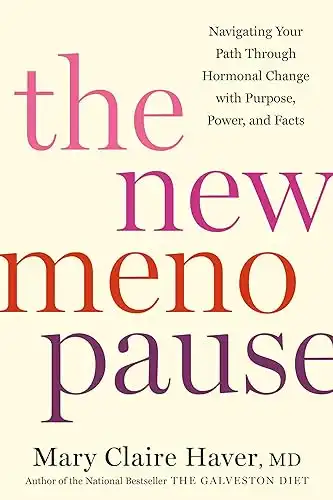
5 Tips for Embracing a Positive Menopause Mindset Use my five expert tips to transform your energy to focus on a positive menopause mindset and enjoy this stage of life! I’ve always been a firm believer in the power of positive thinking. I have long repeated the phrase, “where our mind goes, our energy flows.” And as the menopause transition started to rear it’s head in my life,  I realized that I was going to have to embrace this next chapter with a can-do attitude. How I managed menopause was going to be up to my mindset.  Growing up, our female relatives may not have discussed menopause with us, or if they did, it was often only in reference to the common menopause symptoms like unpleasant hot flashes, night sweats, and mood swings that come with it. Because of this, as most of us approach menopause, we’re typically greeted with either a lack of information altogether or a completely negative picture of how to deal with it.  Menopause is a significant transition in a woman’s life. Now on the other side of the transition, I want to share how a positive menopause mindset during this phase helped me maintain my sanity. Mindset is crucial for several reasons, impacting both mental and physical well-being. Here’s why a positive attitude can make all the difference. This Is Not Your Mother’s Menopause In the past, menopause was often shrouded in secrecy, treated as something to be endured quietly. Today, however, we have the opportunity to redefine this stage of life. Menopause is not a curse; it’s a natural transition that every woman goes through. It’s time to let go of those outdated beliefs and educate ourselves on what is really happening to our bodies. Menopause is not an end but a new beginning—a chance to focus on our health and well-being like never before. Many of us live for decades after menopause and how we look at this new part of our lives will define what comes next.  My Personal Journey with Menopause Perimenopause just snuck up on me. I had a full six months where I felt tired and moody and I didn’t put two and two together till after the fact that it was my fluctuating hormones causing these physical symptoms.I was struggling in my workouts, had brain fog, and in general felt flat.  And then I realized it was the beginning of my journey through menopause. I never was taught anything about menopause in my earlier years and never discussed it with my mom or friends so this was all new for me. To start feeling better, I decided to “reset my mindset”  and dig into the books, research, podcasts, anything I could get my hands on. I’ve put together the best tips that worked for me below so you can hopefully have a manageable and positive peri- and post menopausal transition: 1. Embrace the Change Menopause is a natural part of life’s journey, marking the transition from one stage to another. By seeing menopause as a natural and expected milestone, you can approach it with acceptance and even anticipation. Remember that this change signifies a new chapter filled with opportunities for growth, self-discovery, and renewed focus on personal health and well-being. This phase can be a time to reconnect with yourself, discover new interests, and set new goals. 2. Knowledge is Power Get educated about what is happening to your body and what to expect. Understanding the biological and hormonal changes can demystify the process and reduce anxiety. Read books, attend seminars, and talk to healthcare providers who specialize in menopause. Knowing what to expect and learning about various coping strategies can demystify the process and equip you with the tools needed to navigate it confidently. The more informed you are, the more control you’ll feel over your own health journey. I personally recommending reading The New Menopause Book by Dr. Mary Claire Haver. It has a wealth of knowledge that I have read many times, highlighted, and use as my trusted resource. More Menopause Resources 19 Ways to Get Rid of Menopause Belly Fat Menopause Joint Pain: Causes & Treatments 7 Best Supplements for Menopause Weight Gain Am I in Perimenopause? 3. Lifestyle Tweaks Small, intentional changes in your lifestyle can have a profound impact on how you experience menopause. Focus on these three basics: Healthy Eating: Incorporate a balanced menopause diet rich in fruits, vegetables, whole grains, and lean proteins. Foods high in calcium and vitamin D are essential for bone health, which becomes more critical during menopause. Regular Exercise: Establish a consistent workout routine that includes cardiovascular exercises, strength training, and flexibility exercises. Physical activity can alleviate many menopause symptoms, including weight gain, mood swings, and sleep disturbances. Mindfulness Practices: Incorporate activities like a yoga practice, meditation, or deep-breathing exercises to reduce stress and promote mental clarity. These practices can enhance emotional well-being and help you stay grounded. These tweaks not only boost your physical health but also enhance your emotional resilience, helping you feel more energized and in control. 4. Find Your People Building a support network is essential during menopause. Surround yourself with friends, family, and peers who understand what you’re going through. Sharing experiences, advice, and even a good laugh can be incredibly uplifting. Don’t be shy about reaching out—you’re not alone. 5. Accept the Challenge Look at menopause-related challenges as opportunities to grow and become more resilient. Each hurdle you encounter is a chance to gain wisdom, resilience, and a deeper understanding of yourself. Embrace the changes with an open heart, and focus on the personal growth and strength that come from navigating this transition. By maintaining a positive mindset and seeing challenges as opportunities, you’ll find yourself more equipped to handle the ups and downs with grace and confidence. Taking Charge of Your Health Changing your mindset is just the beginning. There are so many symptoms of menopause but here are some practical steps you can take to navigate this time of life with confidence: 

5 Tips for Embracing a Positive Menopause Mindset Read More »

Collagen Protein vs. Whey Protein (& Why I Take Both!)

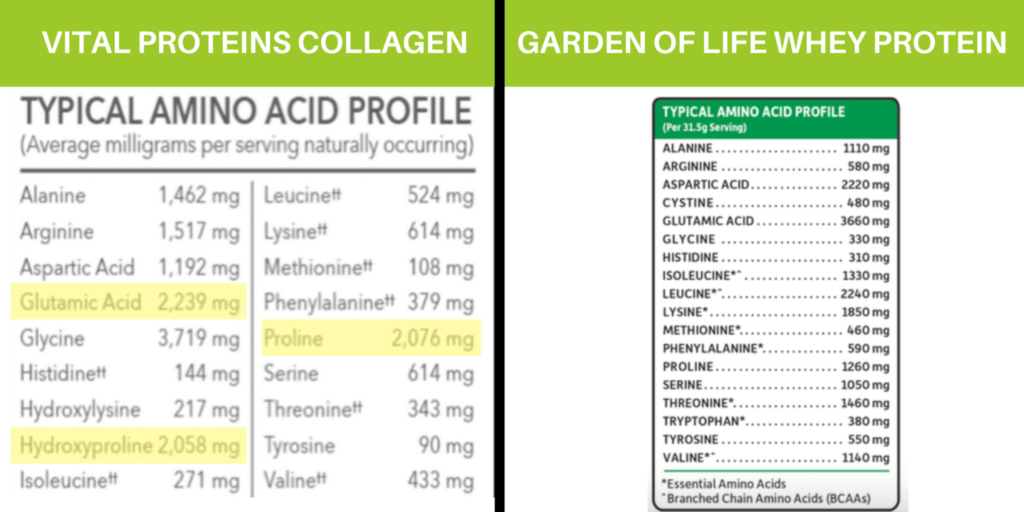
Collagen Protein vs. Whey Protein (& Why I Take Both!) Learn the differences of collagen protein vs whey protein to understand the unique benefits of both, and why you may want to incorporate both into your routine. After decades as a fitness instructor and women’s health coach, I’m going to break down the protein powder combination that works best for me. Both collagen and whey proteins are beneficial to your joint and muscle health (especially if you exercise often). But, women ask me all the time, what exactly is the difference between collagen protein vs. whey protein? The main difference between collagen and whey lies in the amino acid profile. Each contains different profiles of amino acids, meaning you will receive different benefits depending on which one you take. I will mention right away that I use collagen AND whey protein powder every day. I’m going to explain both protein sources, their benefits, and why I take each of them as a post-menopausal woman. Collagen Protein vs. Whey Protein: What’s the Difference? Both collagen protein and whey protein offer substantial benefits. The main difference between the two comes down to their amino acid profiles. Check out the example below (remember that 1,000 milligrams are equivalent to 1 gram): Here, Vital Proteins Collagen contains a high value of glutamic acid (2.2 grams), hydroxyproline (2 grams), and proline (2 grams). These particular amino acids primarily benefit your hair, skin, and nails. On the other hand, Garden of Life Whey Protein contains a high value of isoleucine (1.33 grams), leucine (2.24 grams), and valine (1.14 grams), which are very beneficial for muscle recovery. Additionally, collagen contains eight out of the nine essential amino acids, as opposed to whey which contains all nine.  Overall, collagen and whey proteins both offer great health benefits. Whichever one you choose should be based on your own personal needs. Whey Protein Helps boost muscle growth and help muscle recovery after a workout. Collagen Protein Helps ease joint pain or improve your skin, hair, and nails. The good news? You can take collagen and whey protein simultaneously to maximize their combined muscle and joint benefits. This should boost your overall health and nutrition. What is Collagen? Collagen is the most abundant protein in your body, making up around 30 percent of your total body protein and 70 to 80 percent of your skin. It helps your body form the connective tissue found in your skin, bones, muscles, tendons, and cartilage. Collagen helps these body parts stay strong—without it, they lose elasticity and the ability to function properly. The collagen protein, which is naturally produced by the body, is made up of 18 beneficial amino acids—the molecules that combine to form proteins. Three key amino acids found in collagen include glycine, proline, and hydroxyproline. They account for 57 percent of its total amino acids. The reason they are so important? Amino acids are the building blocks of protein, which your body needs to maintain functionality and good health.  Along these lines, you may be wondering—what are collagen peptides? Collagen peptides are basically collagen protein in a more broken-down form. They are small pieces of animal collagen that are more easily digestible. Often, the two phrases “collagen peptides” and “collagen proteins” are used interchangeably.  The Natural Decline in Collagen Collagen production starts declining as we age. If you are perimenopausal or postmenopausal, you’ll want to read this! Collagen supplements can help maintain younger-looking skin and healthy joints. Studies show that women’s skin loses about 30% of its collagen during the first five years of menopause. After that, the decline is more gradual. Women lose about 2% of their collagen ever year for the next 20 years. As collagen diminishes, our skin loses it firmness and begins to sag. A decrease in collagen can lead to wrinkled or sagging skin, hollowing of the eyes, weakened muscles, stiffer joints, digestive issues, and problems with blood flow.  Of course, supplements are also a popular option among those looking to boost collagen production. Benefits of Collagen Protein Supplements Collagen peptides are essentially broken down forms of collagen responsible for maintaining the strength and elasticity of your skin, hair, nails, joints, and more. As I mentioned, as we age, our natural collagen production declines. This leads to wrinkles, joint pain, and other signs of aging. Collagen peptides are derived from animal sources such as bovine or marine collagen . They are hydrolyzed, meaning they’re broken down into smaller, more easily digestible molecules. One of the primary benefits of taking collagen peptides is their ability to support skin health. Studies suggest that collagen supplementation can improve skin elasticity, hydration, and overall appearance. It can reduce the appearance of wrinkles and promoting a more youthful complexion. Another benefit of collagen peptides is to support joint health. It does this by promoting the production of cartilage, the connective tissue that cushions joints and prevents friction. This can help reduce joint pain and stiffness, particularly in individuals with conditions like osteoarthritis. Collagen peptides may also benefit hair and nail health, promoting stronger, thicker hair and reducing brittleness and breakage in nails. I add a scoop of collagen powder to my AG1 greens every morning and shake it up. For me it’s the easiest way to stay consistent. However, many women tell me they add it to their coffee or smoothie. Just remember that collagen supplements are not a magic bullet. They work best when combined with a healthy diet and lifestyle. What is Whey Protein? Milk is comprised of two proteins: whey and casein. Whey is the liquid left behind during the cheese-making process. It is extracted and concentrated into a powder, which can be found in protein supplements such as shakes, drinks, powders, gels, and energy bars. Whey is a fast-absorbing protein that contains all nine essential amino acids your body needs to maintain good health. It helps with building muscle, repairing tissue, and boosting your immune system. It also offers the highest concentration of branched-chain amino acids (BCAAs)

Collagen Protein vs. Whey Protein (& Why I Take Both!) Read More »

10 Common Menopause Symptoms & How to Handle Them

10 Common Menopause Symptoms & How to Handle Them Exploring the 10 most common menopause symptoms will help you understand where potential symptoms may be coming from, and how you can take back control of your life during this phase! Menopause is a significant phase in every woman’s life, marking the end of her reproductive years. As a certified fitness trainer and health coach who has navigated these changes myself, I understand the challenges you’re facing. At 48 years old, when perimenopause set in for me, I was uneducated and clueless how to handle these symptoms. Now, at 59 years old, I’ve been through it all. I have spent hours learning and researching and I now know why these menopausal symptoms occur and the best ways to naturally handle them.   I talk to thousands of midlife women as part of my job who are going through this transition and experiencing these symptoms, and it’s important to remember you are not alone. And I like to say “aging is inevitable but suffering is not.” Pretty much every woman will experience some, (if not all) of these symptoms, and more solutions are now available as menopause becomes a more openly discussed topic.  I’m going to break down the ten most common menopause symptoms and the best treatment options to effectively manage these changes. Knowledge is power, and when you’re armed with these tips, it makes navigating menopause in daily life a little bit easier. The Phases of Menopause Perimenopause are the years leading up to menopause when your sex hormones (primarily progesterone, and estrogen) begin to fluctuate indicating the natural decline and eventual end of ovarian function within your menstrual cycle. The length of this stage is impossible to diagnose. Each woman’s experience is different. Menopause is just actually one day. It’s the day on the calendar that marks the absence of menstrual periods for 12 consecutive months. It typically occurs between ages 45 and 55. Post menopause are the years that follow for the rest of your life.   Symptoms typically start in perimenopause and don’t necessarily go away once you are in post menopause. Many of them linger. Let’s talk about the 10 most common symptoms (believe me, there are about 50 more) and how to deal with them.  I want to mention that all these symptoms are discussed in The New Menopause Book by Dr. Mary Claire Haver. Chapter 10 is a full tool kit for menopause symptoms and is filled with more details for each of these traits. This book is an amazing resource that I have read many times, highlighted paragraphs and use as a trusted resource. I suggest every woman entering perimenopause reads this book.  1. Hot Flashes Hot flashes are sudden feelings of warmth, often intense, that spread over the body. They commonly start in the upper body and face and can spread over your whole body instantaneously. You will notice a change in your body temperature, even feeling like your body is on fire.  Why Do Hot Flashes Happen? Fluctuating hormone levels (less estrogen) affect the body’s temperature regulation. Hot flashes come on very quickly.  How to Deal With Hot Flashes: Stay Cool: Wear lightweight clothing and keep your environment cool. Dress in layers (try my favorite Lululemon lookalikes) so you can peel off a few if needed.  Hydrate: Stay hydrated by drinking plenty of water. Use my tips for drinking more water to get inspiration! Diet & Lifestyle: Eating healthy and eliminating processed foods can help. Avoid spicy foods, caffeine, and alcohol which can trigger hot flashes. Relaxation Techniques: Practice deep breathing exercises at the onset of hot flashes. Also, for overall stress reduction try meditation.  Cooling Necklaces:  A friend tipped me off to these Hot Girl Pearls. She warned me they are large (like Wilma Flintstone size), but they work. I also love these Nano-Ice Cooling necklaces which come in a variety of colors. 2. Night Sweats Night sweats are different than hot flashes. Think of them as hot flashes on steroids that occur during sleep, causing excessive sweating. Basically, you wake up and your pajamas and sheets are soaking wet. I went from sleeping in sweatpants and socks to wearing a tank top and shorts with a fan blowing on my face even in the middle of winter. What Causes Night Sweats? Again, hormonal fluctuations, particularly decreased estrogen levels, interfere with the body’s heat regulation. How To Deal With Night Sweats: Bedroom Environment: Keep your bedroom cool and well-ventilated. Use a ceiling fan. I also put a fan facing me on my nightstand. Light Bedding: Use lightweight blankets and moisture-wicking pajamas. Hydration: Drink plenty of fluids throughout the day. 3. Joint Pain Many women experience menopause joint pain and stiffness. I had no idea this was a symptom of perimenopause and I had hip pain for months thinking I had pulled a muscle. Finally I was tipped off that this could be normal in perimenopause. This issue often goes undiagnosed but it can be a real problem.  Why Does Menopause Joint Pain Happen? The decline in estrogen can cause inflammation and pain in the joints. How To Deal With Menopause Joint Pain: Stay Active: Regular workouts and mobility exercises help keep joints flexible. Joints are where two bones come together and keeping them naturally lubricated through consistent movement helps. My motto is “motion is lotion”.  Diet: Eat a healthy diet rich in anti-inflammatory foods like fatty fish, nuts, and leafy greens. Supplements: Consider Omega-3 supplements for joint health. 4. Mood Swings Mood swings are sudden and intense changes in emotional state, often without any apparent reason. Think irritability, depression, more anxiety than usual. One minute you are fine, the next you are sobbing at a sappy commercial. You feel like you aren’t controlling your own emotions or mood changes.   What Causes Menopausal Mood Swings? Hormonal imbalances can impact brain chemicals that regulate mood. And, if you are sleep deprived (another one of our 10 common symptoms) your mood swings are worse.  How to Handle Mood

10 Common Menopause Symptoms & How to Handle Them Read More »

Pros & Cons of Using a Fitness Tracker for Middle-Aged Women

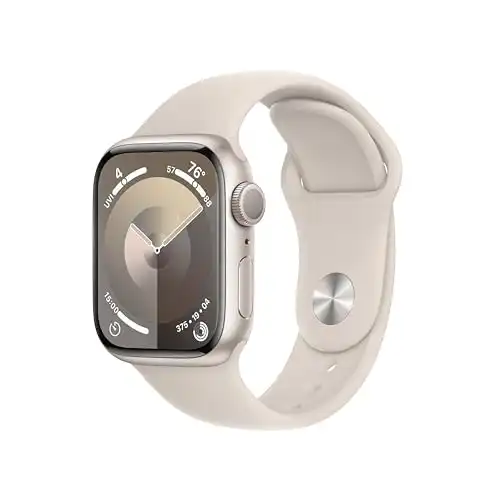
Pros & Cons of Using a Fitness Tracker for Middle-Aged Women Fitness trackers have become an essential piece of home gym equipment, and a regular part of our daily lives. Especially for those of us working towards or maintaining fitness goals! A fitness tracker is a wearable device (often designed as a watch) that monitors various aspects of your physical health throughout the day while you wear it. And these devices have a come a long way in terms of design and functionality. With sleek, popular designs, fitness trackers promise to help with goal setting (hit those daily steps!) and health monitoring (think quality of sleep!). But, they also come with a fair share of concerns. As a fitness expert with decades of experience training women, I’m going to explore the pros and cons of using a fitness tracker, specifically for middle-aged women. The Advantages of Using a Fitness Tracker As you can imagine based on their popularity, there are many benefits that come with using a fitness tracker consistently. I’ll start by saying I am a fan and I wear an Apple watch. But l want to share the reasons why or why not to wear one as a mid-life woman. Goal Setting and Motivation One of the most significant benefits of using a fitness tracker is its ability to help you set and achieve your fitness goals. Whether it’s increasing your daily step count (have you ever wondered how many steps it actually takes to lose weight?), staying active throughout the day, or monitoring your nighttime patterns to focus on getting better sleep, these devices provide tangible targets to aim for. They can serve as a daily reminder and motivator, keeping you focused on your health and fitness objectives. Health Tracking For middle-aged women, keeping an eye on health metrics such as heart rate, blood oxygen, and sleep quality can be vital. Fitness trackers offer an easy way to monitor these aspects continuously, allowing for early detection of potential health issues. Some trackers like the Apple watch will help you manage your medications, check for afib, and call 911 in emergency situations. This continuous feedback can empower you to make informed decisions about your health and lifestyle. Workout Guidance Many fitness trackers come equipped with built-in workout routines and suggestions, making it easier than ever to get a guided exercise session without the need for a personal trainer or gym membership. This feature is particularly beneficial for those new to exercising or looking to diversify their workout regimen. Convenience The convenience of having a multipurpose device on your wrist cannot be overstated. Beyond just fitness, these gadgets can offer functionalities like message notifications, weather updates, and music control, integrating seamlessly into your daily life. The Disadvantages of Using a Fitness Tracker Even with their popularity, not everyone is getting behind these clever devices. So what are the cons of using a fitness tracker? Let’s explore the downside of fitness tracking devices. Accuracy of the Device While fitness trackers have come a long way, the accuracy of the data they provide can sometimes be questionable. Steps counted, calories burned, and sleep monitored can all have variances, which might lead to slight misinterpretations of your health and activity levels. For most people it’s close enough. But some people get very focused on the numbers. Obsessive Behavior There’s a fine line between being motivated by your fitness goals and becoming obsessed with them. For some, the constant monitoring and data tracking can lead to an unhealthy fixation on numbers, potentially overshadowing the real focus on health and well-being. Cost Quality fitness trackers are not cheap, and the initial investment can be quite high. Considering the need for periodic upgrades and replacements, the cost can add up, making it a significant factor to consider before purchasing. Battery Life The convenience of a fitness tracker can quickly diminish if you’re constantly needing to charge it. Battery life varies widely among different models, with some requiring daily charging, which can be a hassle for busy individuals. Data Privacy With the collection of significant amounts of personal health and activity data comes the concern of privacy. Ensuring that your data is secure and understanding how it is used by the device manufacturer is crucial. Fitness trackers offer a convenient and innovative way for middle-aged women to monitor their health and fitness goals. However, it’s important to weigh the pros like motivation, health tracking, workout guidance, and convenience against the cons including data accuracy, potential for obsessive behavior, cost, battery life, and privacy concerns. Ultimately, the decision to use a fitness tracker should align with your personal health goals and lifestyle preferences, ensuring it serves as a tool for empowerment rather than a source of stress. Whether you decide to use a fitness tracker or not, remember that the path to wellness is personal and varied, and the best approach is the one that makes you feel supported, motivated, and healthy. Product Image Product Name Primary Button Apple Watch Series 9 [GPS 41mm] Smartwatch with Starlight Aluminum Case with Starlight Sport Band M/L Check Price Apple Watch Series 8 Smart Watch Check Price Garmin Rugged Outdoor Watch with GPS, Built for All Elements Check Price Wearable4U – Garmin Approach S12 Premium GPS Golf Watch, White with Power Pack Bundle Check Price Apple Watch Series 9 [GPS 41mm] Smartwatch with Starlight Aluminum Case with Starlight Sport Band M/L Check Price Apple Watch Series 8 Smart Watch Check Price Garmin Rugged Outdoor Watch with GPS, Built for All Elements Check Price Wearable4U – Garmin Approach S12 Premium GPS Golf Watch, White with Power Pack Bundle Check Price Fitness trackers have become an essential piece of home gym equipment, and a regular part of our daily lives. Especially for those of us working towards or maintaining fitness goals! A fitness tracker is a wearable device (often designed as a watch) that monitors various aspects of your physical health throughout the day while you […] Chris Freytag, CPT{authorlink}https://gethealthyu.com/fitness-trackers/Get Healthy

Pros & Cons of Using a Fitness Tracker for Middle-Aged Women Read More »

Menopause Joint Pain: Causes & Treatments

Menopause Joint Pain: Causes & Treatments Menopause marks a significant transition in a woman’s life, bringing about numerous physiological and hormonal changes that affect health and well-being. While hot flashes and night sweats are among the most talked about symptoms, menopause joint pain is a challenge that often flies under the radar. In fact, a reported 71% of perimenopausal women experience varying degrees of joint pain, which is exactly why we need to learn about it and talk about it! I have decades of experience training women, and I want to highlight just how important it is to understand the relationship between menopause and joint pain within your body. I suffered through menopause related joint pain for way longer than I should have because I didn’t understand the cause. I’m going to walk you through what this type of pain can feel like, where it comes from, and the best treatment options out there. Entering the menopause phase of your life doesn’t mean you should be living in pain! Keep reading to take the first steps towards improving your symptoms! What Does Menopause-Related Joint Pain Feel Like? Joint pain during the menopausal transition can manifest as persistent, dull aches or severe discomfort affecting the knees, hips, hands, and other joints. This pain often comes paired with stiffness and a reduced range of motion, particularly after periods of inactivity. Swelling, tenderness, and a feeling of warmth around the joints are also common. For many, this pain intensifies during or after physical activity, significantly impacting daily functioning and quality of life. Reflecting on my personal experience, as I navigated through my last years of perimenopause, I was plagued by severe hip pain. It was enough discomfort to make me think I had sustained a tear or some form of physical injury. Without the knowledge that joint pain was actually linked to perimenopausal symptoms, I continued to try to alleviate the pain through increased stretching, hoping for some form of relief.  Regrettably, eight years ago, there was a substantial gap in disseminating information about the connection between joint pain and hormonal shifts occurring during menopause. This lack of awareness subjected me to not only physical pain but lack of direction on how to heal.  By sharing this information below, I hope to enlighten younger women about this lesser-known symptom of perimenopause and help you understand how to deal with it.  What Causes Menopause Joint Pain? The decline in estrogen levels is a key factor contributing to joint pain during menopause. Estrogen has a protective effect on the joints by reducing inflammation and maintaining bone density. Its decline can lead to increased inflammation and decreased bone density, contributing to joint discomfort. Additionally, changes in collagen production affect the strength and elasticity of joint tissues, leading to stiffness and reduced range of motion.  Metabolic changes, including weight gain and redistribution of body fat, increase the load on weight-bearing joints, exacerbating pain and discomfort. Sleep disturbances and increased stress, which are common during menopause, can further contribute to joint pain by affecting the body’s ability to repair and manage inflammation. As you can see, there are a lot of bodily changes happening during this phase of life that can alter how your joints are functioning. Menopause Joint Pain Relief Strategies Now that you understand the connection between menopause and joint pain, let’s try and make it better. If you’re suffering from pain symptoms like the examples described above, explore the strategies below to start feeling relief! 1. Regular Exercise I know not everyone likes to hear this advice, but engaging in regular exercise can greatly help to alleviate joint pain during menopause. I tell women all the time, you have reached the time of life where you have to stop making excuses and just start exercising! It’s a matter of how much you care about what your next decades will look like. Focusing on strength training moves that target all muscle groups is highly beneficial. This not only enhances your muscle power, but it also helps with performing daily chores and activities more efficiently. Incorporating mobility exercises improves joint flexibility, helping to keep them lubricated, maintaining their health and preventing stiffness. Cardiovascular exercises are important too. They are great for maintaining your overall health, keeping the heart healthy and managing weight, which indirectly can reduce the pressure on joints. These are my favorite cardio workouts that don’t involved any running! 2. Maintaining a Healthy Weight This strategy focuses on reducing the pressure on joints, particularly the knees. This is especially important as society becomes more sedentary and less active during menopausal years. A balanced weight helps in keeping your joints healthy and less stressed. 3. Hot or Cold Therapy Applying heat or cold to the affected areas may alleviate pain and inflammation. Heat helps to relax muscles and increase blood flow, while cold therapy can reduce inflammation and numb the joint area to reduce pain. I use heat therapy on my low back everyday as preventative. I have a cord free infrared back pad I wear for 20 minutes in the morning to reduce inflammation and warm up my muscles. 4. Acupuncture of Massage Therapy These are natural methods of pain relief. Acupuncture involves the insertion of very thin needles through your skin at strategic points on your body, while massage therapy involves manipulating body tissues to relieve pain or tension. 5. OTC Pain Medications or Joint Supplements These could provide relief from joint pain. However, these should be used in consultation with your healthcare provider to prevent any potential side-effects or interactions. 6. Hormone Replacement Therapy (HRT) Under a doctor’s guidance, HRT can help manage menopause symptoms, including joint pain. It involves supplementing the body with either estrogen or a combination of estrogen and another hormone, progesterone. You need to seek out a doctor or functional medicine practitioner that is willing to test your hormones and listen to you. By adding HRT to your routine, you may find great relief. Everybody is different. It works

Menopause Joint Pain: Causes & Treatments Read More »

How Functional Strength Training Helps Maintain Independence

How Functional Strength Training Helps Maintain Independence Functional strength training is the key to maintaining mobility and independence at every age. It builds muscles commonly used in everyday activities, making it easier and more enjoyable to move through your day. If you’re new to the concept of functional fitness, keep reading! I’m breaking down what exactly it is, how you can incorporate functional workouts into your schedule and the benefits that come with doing that. Plus, I’m giving you my favorite functional strength training exercises to get started with! What Is Functional Strength Training? Alright, ladies, let’s talk about functional strength training. As we age, many women including myself are switching our reasons for strength training from vanity (aesthetics) to wanting to just move better and be active in our daily life.  I know the term “functional strength” might sound a bit daunting, but trust me, it’s nothing complicated. In fact, it’s all about getting back to the basics and focusing on movements that mimic everyday activities. As we hit our 40s and beyond, maintaining functional strength becomes crucial for our overall health and well-being. What Is A Functional Strength Workout? So, what exactly makes it a workout? Well, picture this: you’re lifting groceries, carrying your grandkids, or even just getting up from a chair. These are all movements that require strength and stability in various muscles throughout your body. A functional strength workout targets those muscles, helping you build strength and endurance for real-life activities. Now, let’s break it down a bit further. A typical functional strength workout might include exercises like squats, lunges, push-ups, and rows. These movements engage multiple muscle groups at once, rather than isolating individual muscles like you might do with traditional weightlifting exercises. This not only saves time but also helps improve coordination and balance, which are essential as we age. (To learn more about this concept, check out which muscles groups are the best to workout together.) But functional strength isn’t just about lifting weights. It’s also about incorporating movements that challenge your stability and mobility, like balancing on one leg or doing core exercises on an unstable surface. These types of exercises help improve your body’s ability to move efficiently and reduce the risk of injury in everyday activities. Is Functional Strength Training Effective?  Absolutely! Functional fitness training is incredibly effective, especially for midlife women. Here are a few reasons why: Real-World Applicability Functional training focuses on movements that mimic everyday activities. As we age, it’s vital to maintain strength and mobility for tasks like lifting groceries, bending down to pick something up, or even playing with grandchildren. By training our bodies to perform these movements effectively, we enhance our ability to navigate daily life with ease. Prevention of Injuries Functional strength training targets multiple muscle groups simultaneously, improving overall strength, stability, and coordination. This comprehensive approach helps reduce the risk of injuries, particularly common ones that occur during daily activities or as a result of age-related declines in muscle mass and flexibility. Improved Functional Capacity As midlife women, we want to maintain our independence and quality of life for as long as possible. Functional fitness training helps us do just that by enhancing our functional capacity—the ability to perform tasks and activities efficiently and safely. Whether it’s climbing stairs, carrying groceries, or participating in recreational activities, functional training ensures that we can continue to enjoy life to the fullest. Enhanced Balance and Mobility Many functional exercises involve movements that challenge balance and proprioception, which is our body’s awareness of its position in space. By incorporating balance exercises into our workouts, we can improve our balance and reduce the risk of falls—a common concern for older adults. Here are a few more of my recommendations for building strength, balance, and mobility: 15 Best Mobility Exercises to Stay Active at Any Age Best Strength Training Moves for Women Over 50 Exercises to Improve Balance at Any Age Adaptability Functional training can be tailored to suit individual needs and fitness levels. Whether you’re a beginner or an experienced exerciser, there are endless variations and progressions to keep your workouts challenging and effective. Why is Functional Training Important?  Overall, functional fitness training is essential for midlife women because it helps us maintain our independence, prevent injuries, and improve our overall quality of life as we age.  Whether you’re a seasoned gym-goer or just starting out, incorporating functional strength workouts into your routine is key to staying strong, healthy, and independent as you navigate through midlife and beyond. Remember, it’s not about how much weight you can lift, but how well you can move and function in your daily life. So, let’s get moving and embrace the power of functional strength! How to Incorporate Functional Strength Training Into Your Workouts It’s easy to add some of these exercises into your workouts. Do a few each day and spend even 10-15 minutes on some sort of functional training.    Some common functional exercises to include in your workouts include: Push-Ups (push motion)  Mid Back Rows (pull motion)  Walking Lunges (everyday leg strength)  Jumping, Lunging, or Stepping onto an Elevated Surface (use your step platform)  Bodyweight Squats (getting out of a chair)  Russian Twists (core rotation)  Single Leg Deadlifts (movements done while balancing on one leg) Product Image Product Name Primary Button Amazon Basics Neoprene Coated Dumbbell Hand Weight Set, Set of 2 Check Price The Step – Original Aerobic Platform for Total Body Fitness Check Price SPRI Xertube Resistance Bands with Handles Check Price Amazon Basics Neoprene Coated Dumbbell Hand Weight Set, Set of 2 Check Price The Step – Original Aerobic Platform for Total Body Fitness Check Price SPRI Xertube Resistance Bands with Handles Check Price Functional strength training is the key to maintaining mobility and independence at every age. It builds muscles commonly used in everyday activities, making it easier and more enjoyable to move through your day. If you’re new to the concept of functional fitness, keep reading! I’m breaking down what exactly

How Functional Strength Training Helps Maintain Independence Read More »