Women’s Health

Auto Added by WPeMatico

7 Benefits of Adding a Step Platform to Your Home Gym

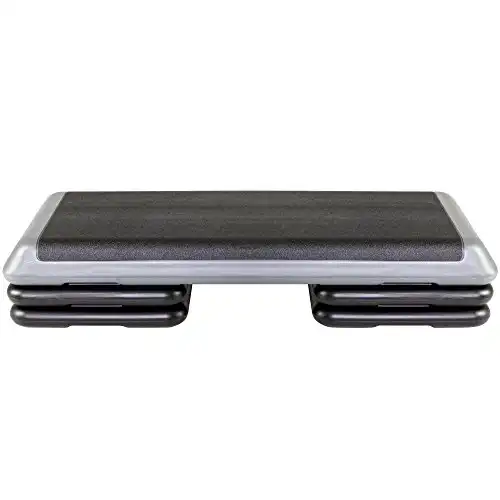
7 Benefits of Adding a Step Platform to Your Home Gym The step platform is a versatile exercise tool that comes with tons of benefits. With decades of experience training women, I’m breaking down the top reasons you might want to add a step platform to your home gym. Plus, I’m sharing my top picks! If you were exercising in the 90’s then you think of a step platform as a tool for step aerobics. Remember all the repeater knees, v-steps and straddle steps? Flash forward 30 years and the step platform is a versatile piece of equipment that can be used for a variety of cardio and strength workouts. Check out the benefits below to see if you’re missing on out this useful tool. Then, get started building muscle with my guide to the best step exercises for your home workout! 1. It’s a Versatile Training Tool Step platforms came on the aerobics scene in the late 1980s. While they’re still used for step aerobics, they’ve evolved into a far more versatile training tool that can be used to build muscle strength and deepen stretches. 2. You Can Adjust Your Workout Intensity By adding risers, you can create different heights to make strength exercises easier or harder. Can’t do a full pushup yet? Elevate your hands on the step platform. Want to intensify a plyometric exercise like the jump squat? Jump onto the exercise step! 3. It Doubles as an Exercise Bench The platform doubles as a strength training bench for upper body moves like chest presses, core exercises like bicycle twists. It also works for lower body moves like reverse lunges, and even stretches like the seated toe touch. You can easily create total-body workouts right in your living room! 4. It Can Help You Lose Weight Step platforms are a great way to burn calories. Stepping up and down gets your heart pumping—think of how you feel after climbing a flight of stairs! Adding a high-intensity step aerobic workout to your schedule can help with weight loss when combined with a healthy diet. 5. It’s a Safe Choice for Older Adults A step platform can be used to create low-impact workouts, which is ideal for older adults. It helps build balance and coordination while strengthening your bones. 6. Step Platforms are Convenient and Easy to Use Exercise steps are a great piece of home gym equipment because they’re lightweight and easy to move. Simply set them aside to save space when you’re done using them! Plus, it’s easy to adjust the height of the step by adding or removing risers.  7. It Creates a Fun Workout! Last but not least, step platforms provide the perfect way to change up your workouts. Try a few of the best step exercises I linked below to keep things fresh. More possibilities equals more fun! Explore My Free Step Platform Workouts I love using step exercises in my workouts. With decades of experience training thousands of women, I can tell you – these are popular workouts for a reason. They’re fun, and they work! Check out my 33 Favorite Step Exercises for At Home Workouts to try my top picks. I also put together five of my full length step platform workout videos that are filled with great moves and tips for free! You can view these workout videos (between 30-45 minutes each) and follow along with me! I’ll give you form tips and keep you motivated! My Top Step Platform Picks I use these regularly for my online workouts — you can’t go wrong, no matter which you choose! ZENY 43” Exercise Aerobic Step Platform With 4 Detachable Risers The Step Original Aerobic Platform (43”) With Risers Tone Fitness Compact Aerobic Step Platform (27”) Product Image Product Name Primary Button The Step – Original Aerobic Platform for Total Body Fitness Check Price ZENY 43” Exercise Aerobic Step Platform Adjustable Fitness Stepper with 4 Detachable Risers Check Price Tone Fitness Aerobic Step, Pink, Exercise Step Platform Check Price The Step – Original Aerobic Platform for Total Body Fitness Check Price ZENY 43” Exercise Aerobic Step Platform Adjustable Fitness Stepper with 4 Detachable Risers Check Price Tone Fitness Aerobic Step, Pink, Exercise Step Platform Check Price The step platform is a versatile exercise tool that comes with tons of benefits. With decades of experience training women, I’m breaking down the top reasons you might want to add a step platform to your home gym. Plus, I’m sharing my top picks! If you were exercising in the 90’s then you think of […] Chris Freytag, CPT{authorlink}https://gethealthyu.com/step-platform-benefits/Get Healthy U | Chris Freytag

7 Benefits of Adding a Step Platform to Your Home Gym Read More »
When Should You Increase Your Weights?

When Should You Increase Your Weights? A question I get from women every week is how should I know when I should switch up my weights? This is a great question because knowing when to increase your dumbbells in your exercise routine is essential for continued progress, motivation, results and to avoid plateaus.  I’ve shared many times about the benefits of strength training exercises for midlife women and why muscle strength is key for longevity and aging well. Assuming you are doing some resistance training already, this question comes up all the time. Women tend to be afraid of heavy lifting thinking they will become bulky and thick. But, that’s the opposite of what happens for most women. Typically using heavier weights with fewer reps will help to: Increase your lean muscle mass to change your body composition Improve your metabolic rate Sculpt your muscles and to give you more energy The good news is you are never too late or too old to build muscle. Many women are stronger in their later years because they more time to focus on taking better care of themselves. Famous author, Miriam Nelson, outlines in her best selling book, Strong Women Stay Young, how after a year of strength training twice a week, women’s bodies were 15 to 20 years more youthful. They had less fat and more muscle; bone loss was prevented or reversed; their strength and energy increased dramatically; and they showed surprising gains in balance and flexibility. So if you think you might be ready to increase your weights, check this list first! After teaching strength classes and lifting weights myself for 30 years, here is my advice for when to increase your dumbbells. Consistent Ease If you find that your current dumbbells feel too light or easy to lift throughout your entire workout, it’s a clear sign that it’s time to increase the resistance. Your muscles adapt and grow stronger over time, so what once challenged you may now feel like a breeze. I always say, “the struggle is real” when weight lifting. It should feel hard to do and make you work! Repetitions Increase Another way to look at it is, if you’re consistently hitting the higher end of your repetition range with ease (e.g., 12-15 reps when aiming for 8-12), it’s a cue to up the weight. Hitting your desired rep range with comfort indicates your muscles are no longer being adequately challenged. No Muscle Fatigue Muscle fatigue during and after your workout is a good indicator that you’re pushing your muscles to their limits. If you’re not feeling that satisfying burn or fatigue after your sets, it’s time to dial up the weight to stimulate further growth. As I said above, a good rule of thumb is to struggle to do those last few reps and keep your rep range no higher than 15 per set. Plateaus in Progress If you’ve hit an exercise plateau in your strength gains or muscle growth despite consistent effort and proper form, it could be due to your dumbbells being too light. Increasing the resistance forces your muscles to adapt and grow beyond their current capacity.  Improved Technique As your form and technique improve over time, you’ll find exercises becoming more manageable. While this is a positive sign of progress, it also means it’s time to challenge yourself with heavier weights to continue seeing improvements in strength and muscle definition. I always say “Good form first before increasing load.” If you’re newer to weight training, take a look at my strength training for beginner’s guide for helpful tips! Minimal Soreness While you don’t need to feel sore after every workout, minimal or no soreness could indicate that your muscles have adapted to your current routine. Gradually increasing the weight will help reintroduce that soreness, indicating muscle growth and adaptation. You can also learn more about which muscles groups to workout together to get the most out of your exercise. Energy Surplus If you’re finishing your workouts with plenty of energy to spare, it’s a sign that your current weights aren’t pushing you to your limits. Increasing the resistance will require more effort, leaving you feeling appropriately fatigued post-workout. Time Elapsed This is the concept of progressive overload. Generally, every 4-6 weeks, it’s advisable to reassess your weights and make adjustments accordingly. This timeframe allows for sufficient adaptation and progress monitoring, ensuring you stay on track towards your strength and muscle-building goals. The Bottom Line If your goals involve wanting to sculpt and build your muscles to get stronger, you have to go heavier and break down your muscle fibers, so they can repair and remodel. Don’t get me wrong, lifting light weights with higher reps has it’s place to improve your muscle endurance. But, if your goal is getting stronger and toned, heavy weights are your friend. One last thing, lifting heavier weights helps to build bone mass which is an important concept for us older women. Along with good nutrition, pumping iron can help to strengthen your bones so keep going with your weight training and keep progressing!  A question I get from women every week is how should I know when I should switch up my weights? This is a great question because knowing when to increase your dumbbells in your exercise routine is essential for continued progress, motivation, results and to avoid plateaus.  I’ve shared many times about the benefits of strength […] Chris Freytag, CPT{authorlink}https://gethealthyu.com/when-should-you-increase-your-weights/Get Healthy U | Chris Freytag

When Should You Increase Your Weights? Read More »

10 Reasons You Need More Protein As You Age

10 Reasons You Need More Protein As You Age As a certified personal trainer, I can attest to the vital role protein plays, especially for women in their mid-life years. I am constantly reminding midlife women to eat more protein, because: Many women tell me that they feel weaker and old Many women tell me they feel tired during their workouts (if they workout) Many women tell me they don’t like to eat meat Many women tell me they are just not eating as much Protein is essential for women in midlife for several important reasons. As we age our nutritional needs change and protein becomes particularly crucial for various aspects of health. Here are the 10 reasons why protein is important for women in this age group, and why you need more of it as you get older: 1. Muscle Mass Preservation As we age, we naturally start to lose muscle mass, a process known as sarcopenia. Protein intake becomes critical to help preserve muscle mass, which is essential for maintaining strength, mobility, and overall functional independence. Try my favorite strength training moves for women over 50 and the best mobility exercises for staying active paired with more protein to see the best results. 2. Metabolism Support Protein has a higher thermic effect compared to carbohydrates and fats, meaning your body burns more calories digesting and metabolizing it. This can be particularly beneficial for women in mid-life who may experience a slowdown in metabolism. In addition to protein, these are the top foods that can increase your metabolism. 3. Bone Health Adequate protein intake is associated with better bone health. Since women are at a higher risk of osteoporosis as they age, ensuring sufficient protein intake can help support bone density and reduce the risk of fractures. 4. Hormonal Balance Protein is crucial for hormone synthesis and regulation. Hormonal changes during menopause can affect metabolism and body composition, making protein intake even more important for maintaining hormonal balance. See my additional tips for balancing hormones for weight loss. 5. Blood Sugar Regulation Including protein in meals can help stabilize blood sugar levels, which is essential for managing energy levels, mood, and preventing insulin resistance. If high blood sugar is something you struggling with, check out the foods that can help lower blood sugar naturally. 6. Satiety and Weight Management Protein-rich foods are more filling and can help control appetite and reduce cravings, which can be beneficial for women navigating weight management challenges during mid-life. You can also give my 25 sneaky weight loss tips that actually a work a try ; ). 7. Muscle Recovery and Repair Whether engaging in resistance training or simply daily activities, protein is essential for muscle recovery and repair, supporting overall physical function and reducing the risk of injury. 8. Skin Health Protein is essential for collagen synthesis, which helps maintain skin elasticity and firmness. Ensuring adequate protein intake can contribute to healthier skin as women age. You can also give my favorite anti-aging skincare a try! 9. Immune Function Protein plays a role in immune function, helping to produce antibodies and supporting the body’s defense against infections and illnesses, which becomes increasingly important as we age. Browse these immunity guides for extra support: Best Immune Boosting Foods Try This Tea for Immune System Support 20 Top Anti-Inflammatory Foods 10. Nutrient Absorption Protein facilitates the absorption of essential nutrients, including vitamins and minerals, ensuring optimal nutrient utilization for overall health and well-being. Incorporating protein-rich foods such as lean meats, poultry, fish, eggs, dairy, legumes, nuts, and seeds into daily meals and snacks can help women in mid-life meet their protein needs and reap the numerous benefits it offers for health and vitality. Recommended Amount of Protein for Women Post-Menopause The recommended amount of protein for women in their post-menopausal years varies depending on factors such as activity level, muscle mass, overall health, and individual goals. However, as a general guideline, the Recommended Dietary Allowance (RDA) for protein for adult women is 0.36 grams of protein per pound of body weight per day. For women in mid-life and beyond, some experts like myself suggest slightly higher protein intake to support muscle preservation, bone health, and overall well-being. Recommendations may range from .5 to 1 gram of protein per pound of body weight per day for older adults. For example, a woman who weighs 150 pounds, may aim for approximately 54 to 75  grams of protein per day, while a more active woman with the same weight may target closer to 75 to 150 grams of protein daily. It’s essential for women to listen to their bodies, monitor their nutritional intake, and adjust their protein intake based on their individual needs, activity levels, and any specific health considerations they may have. Consulting with a healthcare provider or a registered dietitian can provide personalized guidance on protein intake and overall nutrition for women in their post-menopausal years. The Best High-Protein Foods to Add to Your Diet Now that you know how important protein is (especially for women as they age), it’s time to add it to your weekly nutrition plan! I put together a guide on the best high protein foods so you can get easy ideas based on your dietary preferences. Once you start adding the right amount of protein to your diet, you may be surprised how great you feel! Delicious Protein Recipe Inspiration Give my favorite protein-packed recipes a try to start hitting your optimal levels each day. No Bake Peanut Butter Energy Balls ​High Protein Overnight Oats Healthy Green Protein Smoothie ​Protein Bars with Peanut Butter ​Strawberry Peanut Butter Smoothie As a certified personal trainer, I can attest to the vital role protein plays, especially for women in their mid-life years. I am constantly reminding midlife women to eat more protein, because: Protein is essential for women in midlife for several important reasons. As we age our nutritional needs change and protein becomes particularly crucial […] Chris Freytag, CPT{authorlink}https://gethealthyu.com/how-much-protein-do-we-really-need/Get Healthy U |

10 Reasons You Need More Protein As You Age Read More »

5 Women’s Fitness Myths I’m Begging You to Ignore

5 Women’s Fitness Myths I’m Begging You to Ignore As a fitness expert with decades of experience, the women’s fitness myths flying around the media drive me crazy. I thought it would be fun (and useful!) to take you through some of the most common fitness myths, and give you the real answers. I’m Chris Freytag, a certified personal trainer and health coach. I’m 58 years old and I’m through menopause. I’ve trained thousands of women and I help midlife women navigate their health journey to look and feel their best. Today, I’m ready to bust some myths. These are the top women’s fitness myths I’m begging you to ignore! Myth #1: Spot Reduction Works Spot reduction is the idea that you can choose one area of your body to lose fat. And, I’m here to tell you spot reduction does not work. When you lose weight and lose fat, it uniformly comes off all over your body. You can’t just pick an area to lose fat. However, as you are losing fat, you can gain muscle and you can spot sculpt. So if you want a bigger bicep, then pick up a heavier weight and do bicep curls! If you want toned shoulders, do shoulder exercises. Keep in mind to see the muscle sculpting you are working on, you need to lose the top layer of fat to see it. I always say, “You need to shed the padding to see the inner workings of your muscles.” Myth #2: Cardio is the Best Way to Lose Fat I love cardio. Cardio is great for heart health, and for me, it’s great mental health. But the secret to aging gracefully, losing fat, and maintaining your metabolism is strength training. As we get older, we lose muscle. We lose about a half a pound to a pound of muscle a year starting around the age of 35, if we are not actively replacing it. And the key is strength training. If you are over the age of 40 and you are not strength training, it is absolutely time to start! More muscle, a better metabolism. And it’s just a fact that stronger people move more than weaker people. Get strong not just older. New to strength training? Start with my favorite strength training moves for women over 50. Myth #3: The More Exercise, the Better The next myth I commonly hear is that the more exercise, the better. That is also not true. Overtraining can lead to injury, can lead to feeling more tired, and can also lead to other health issues. The key is to listen to your body. As we get older, things change. Rest and recovery become a key part of keeping your body healthy. I, myself, at age 58, am doing way more mobility training and stretching than I ever have, and it feels great. Explore the best ways to add movement to your day whether it be a cardio workout, a walking pad during your workday, or a daily yoga practice. Find a level of activity that pushes you, but feels comfortable and healthy. And as we age, moderate low impact exercise seems to be a little easier to stay consistent with doing. Listen to your body, and don’t feel pressured to over-do it! Myth #4: Menopausal Weight Gain is Inevitable Another myth I hear all the time from midlife women is that when you are in perimenopause or post menopause, weight gain is inevitable. There’s nothing you can do about it. That’s simply not true. Yes, your hormones are changing, but you are in charge. How you move your body and what you eat makes a difference. For many of us getting older, we forget to pay attention to the fact that our lives may be naturally becoming more sedentary. Not always, but a lot of us used to be chasing kids or running from sporting event to sporting event. We’re sitting on the couch a bit more, spending more time at our desks, and ultimately burning less calories throughout the day. And if you’re not strength training you’re also burning less metabolic calories. Muscle burns more calories at a resting heart rate than body fat does. The less muscle you have, the less you burn. And yes, weight gain can happen. But you are in charge of what you put in your mouth. That’s the number one decision you make every day. So get rid of the processed food, chemicals, and junk that cause low energy and increase cellular inflammation. Focus on the best foods for menopause symptoms, and move your body more! Myth #5: Strength Training Will Bulk You Up The last myth I hear all the time is, well, I’m afraid to lift weights, especially heavy ones, because I’m afraid I’m going to bulk up. You will not bulk up. Most of us females do not have the testosterone levels to support bulking up like you think of when you think of somebody getting a lot of hypertrophy. So pick up those weights. If you’re just getting started, 5 pound weights are perfect. Don’t hurt yourself, but work your way up. Maybe eventually you’re using 10, 12, or 15 pound weights. Be consistent, and focus on building muscle. A pound of muscle and a pound of fat weigh the same. But think of a pound of muscle like a piece of meat. It’s small, compact, and dense. Think of a pound of fat like cotton candy. It’s got a lot of air in it. It takes up a lot more space. So the more muscle you have, you may actually shrink your body. As a fitness expert, I want women to understand how their body works so they can live their best lives. Knowledge is power and unfortunately there are so many flawed messages in the media. I love debunking these common women’s fitness myths and hope that you can make the best strategic choices for your health and wellbeing. It’s

5 Women’s Fitness Myths I’m Begging You to Ignore Read More »

The Best Walking Pads From A Fitness Expert (2024)

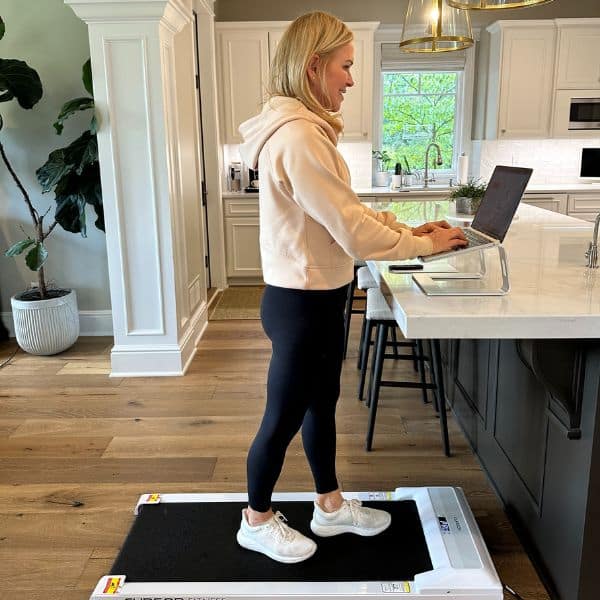
The Best Walking Pads From A Fitness Expert (2024) The best walking pads will help you reach your daily fitness goals and combat a sedentary lifestyle without sacrificing cost or space. Get my expert opinion on speed capacity, portability, size, and affordability, so you can choose the best walking pad for you! Walking pads come in a variety of sizes, with a mix of functionalities, and of course, different pricing. But the best walking pad for you, is the one you’ll use the most. I’m looking at the top reviewed walking pads to help you find your perfect match. Whether you need a foldable option, or need to stick to a specific budget, I can help! My walking pad has been a game changer for my daily steps and movement. Instead of sitting still at my desk all day, I’m getting true exercise in while I work. Trust me, this is a health purchase you won’t regret ; ) Here are my top picks for the best walking pads, including the specific model I have myself! Cursor Fitness Under Desk Treadmill 2 in 1 Walking Pad (My Walking Pad!) I was so excited to get this under desk treadmill on Amazon Prime Big Deal Days. A lot of my day is spent in front of a computer. Right now that means I’m sitting a lot! I’m excited to use my new walking pad for working from home. Instead of sitting on my butt all day, I can stand at my kitchen island overhang and type away while I slowly walk.  I love the sturdiness of this walking pad, and the great reviews didn’t hurt either. The white design matches the aesthetic factors in my home, and it’s easy to move and put away. Most Popular Features: Minimal noise Easy to put away Compact Sleek design Fits under desk Smooth and steady surface with cushioning Easy to navigate control panel Several speed options Compelling Review From Amazon: “I love how compact and lightweight this walking treadmill is. You can very easily pick it up and move it around to exercise anywhere in the house and easily store out of the way, instead of it becoming another place to hang clothes on. This is great for brisk walking but not a running pace, which is great for watching TV and getting some steps in. Would also be perfect for a standup desk area. The remote works well and helps you fine tune the speed easily. It has proven to be durable, lightweight, and not too noisy. The value is exceptional and I hope I get a ton of use out of it.” CURSOR FITNESS Under Desk Treadmill, 2 in 1 Walking Pad, 265 LBS Capacity for Home and Office Workout Check Price We earn a commission if you make a purchase, at no additional cost to you. WALKINGPAD C1 Foldable Treadmill Walking Pad This sleek walking pad is a great foldable option. It comes with a super compact design, manual and automatic control options, and syncs with your Apple Watch.  Most Popular Features: Works well will standing desks Comfortable to walk on Foldable Slim design Remote feature Smart safety features Syncs with fitness watches Speed setting capabilities Great customer service Compelling Review From Amazon: “I love it so far!! I upgraded from my cheap one I bought on Amazon 2 years ago and I love how this one folds under my desk and how it’s skinnier than my old one so my chair fits next to it. The app for me works great and I love how it also syncs with my watch! I also love how you can set your own speeds and it automatically adjusts.“ WalkingPad C1 Foldable Treadmill Walking Pad Smart Jogging Exercise Fitness Equipment, Low Noise Footstep Induction,Folding Under Desk (White) Check Price We earn a commission if you make a purchase, at no additional cost to you. WALKINGPAD S1 Foldable Walking Pad Ultra Slim Smart Fold This space saving walking pad has a foldable design with two rollers for easy movement. It also comes with a remote control, footstep induction speed control, and a noise free experience. Most Popular Features: Space saving design Easy setup Foldable Remote feature Front wheels make it easy to move on flat surfaces Good for working from home activity Great supplement to regular exercise Excellent customer service Compelling Review From Amazon: “10/10 worth the money. If you work from home this is a must. Would buy again.” WALKINGPAD C2 Folding Treadmill Foldable Walking Pad Ultra Slim Smart Fold – Device for Home Office Under Desk (White) Check Price We earn a commission if you make a purchase, at no additional cost to you. FYC Under Desk Treadmill This under desk treadmill has two different mode capacities. It can be used under a desk for walking, or independently with raised handlebars for running. It’s easy to use and its foldable design make it a compact option for reaching your exercise goals. Most Popular Features: Easy setup Stores in flat or upright position Sturdy Quiet Lightweight Remote feature Clear display Easily rolls Compelling Review From Amazon: “This is one of the best purchases that I’ve made on Amazon. I’ve used it almost every single day since I bought it over a year ago. It still is working great and has done wonder for not only my physical health but my mental health. I’m able to easily walk while I work and it’s so compact that I can store right in my home office next to my desk. My 65 year old mom even bought one for herself after testing out mine! Highly recommend this walking pad for anyone looking.” FYC Under Desk Treadmill – 2 in 1 Folding Treadmill Desk Workstation for Home Check Price We earn a commission if you make a purchase, at no additional cost to you. RHYTHM FUN Treadmill This under desk treadmill has a wider belt compared to other walking pads, giving it a higher comfort level and smoother experience. It’s compact, space saving, and comes with a noise reduction design. Most Popular Features: Great tech support Quiet design Easily movable Simple

The Best Walking Pads From A Fitness Expert (2024) Read More »

Strength Training for Women Over 50: 11 Best Moves

Strength Training for Women Over 50: 11 Best Moves While aging is inevitable, aging well is not. There are many factors involved in maintaining good physical and mental health as you age, but one of the most important things to consider as you grow older is weight training. The below strength training exercises are proven to get results for women over 50. I’ve been a personal trainer for over 30 years. My body has aged right along with my clients. I know from personal experience that strength training not only keeps you feeling and looking younger and stronger but actually physically slows down the aging process. And while exercise comes in many forms, strength training is where the true anti-aging magic happens. Muscle is the secret to metabolism, having energy, sleeping better, maintaining weight and balancing hormones. Strength training is one of the best types of exercises for women over 50 – it’s time to start!  Let’s explore in detail the benefits of strength training for women and some of the specific strength training exercises that I recommend that women over 50 do. Weight Training for Women Over 50 Program Guide Benefits Of Weight Training for Women over 50 11 Strength Training Exercises Women Over 50 Should Do  Additional Strength Training Tips Before You Get Started  7 Reasons Why Is It Important to Strength Train After 50  I sound like a broken record but as a 58 year old woman, I know firsthand that women who consistently strength train look, feel and move better. Muscle is the secret to aging well and keeping independent and mobile. 1. Weight Training For Women Builds Lean Muscle Mass  As we get older, our bodies inevitably go through muscle loss if we’re not focused on a strength training workout regularly. We women lose approximately a half pound to a full pound of muscle a year after the age of 35 if we are not actively replacing it. Those who strength train see tighter, more toned bodies. And, it’s a myth that weight training will make you bulk up. Muscle is a more dense, metabolic tissue than body fat and takes less space. It will, in fact, help you achieve that coveted sculpted appearance everyone wants. Cardio workouts help burn calories and get your heart pumping, which is critical for your overall heart health and weight management. But strength training is the secret to aging gracefully and feeling capable. Being stronger means you can stay independent and strong for life’s daily activities such as carrying groceries, lifting grandchildren, or engaging in fun activities like golf or other sports.  As I said above, around the age of 35, we women start to lose our muscle mass if not doing anything to actively replace it. As many women age, they become more sedentary, and hence, their muscles start to deteriorate. There is no pill to take or potion to drink that builds muscle. You have to do the work. 2. Weight Training For Women Builds Bone Density & Reduces Injury Risk Muscle loss can have further consequences on bone health. Unexpected falls put countless older people in the hospital every year. In fact, according to the CDC, falls are the leading cause of injury and death in older Americans. By training the muscle and connective tissue that surrounds your bones, you are making yourself stronger and helping to prevent a fall from happening in the first place. Bone density is a big deal and strength training is the best way to preserve it. The stronger your muscles are, the less likely you’ll be to get injured during everyday tasks or workouts. How? Strong muscles protect your bones and joints when they’re in motion and make your ligaments better at absorbing the shock they endure during dynamic movements. To avoid random strains and sprains, incorporate weekly strength training into your routine. Injury prevention is important, especially as you age—and it’s an often-overlooked benefit of building muscle. 3. Weight Training For Women Decreases Body Fat Maintaining a healthy weight is important when it comes to preventing many diseases that come with aging. Strength training can help you build muscle and paired with a healthy clean diet, can help you decrease body fat. Strength training also creates an calorie after-burn, keeping your body churning through calories for a longer period of time after your workout than a cardio workout. 4. Weight Training Speeds Up Metabolism It’s cruel but true – as you age, your metabolism can begin to slow down. One great way to revive it is by weight training. Your resting metabolic rate (RMR) is how many calories your body burns at rest; the more muscle you have on your body, the higher that metabolic rate is. Essentially, the more muscle you have, the faster your metabolism works. Let that sink in: more muscle means a faster metabolism. When you have more muscle mass in your body, you burn more calories every day even when just sitting on the couch. 5. Weight Training Improves Mental Health Strength training is not just about more muscle mass. As you get older, you may go through a lot of life changes. Feeling strong gives you confidence, makes you feel better about your body, and helps you sleep better. Adopting a strength training program has been shown to boost your mental health which is so important as we enter this next phase known as mid-life. Harvard Medical School reports that exercise helps lessen the incidence and the degree of clinical depression. 6. Weight Training For Women Improves Balance, Coordination, and Mobility Regular strengthening workouts improve your balance and coordination, which helps you do just about everything, from yoga and dance to daily tasks. As you age, you tend to lose the overall muscle strength that allows you to balance. By lifting weights, you are not only building up muscle strength and protecting bone health, but you are also forcing your body to fire up your core muscles and stabilizers, thus improving overall balance and coordination. The concept of functional fitness  is that

Strength Training for Women Over 50: 11 Best Moves Read More »

9 Magnesium Deficiency Symptoms & How to Treat It

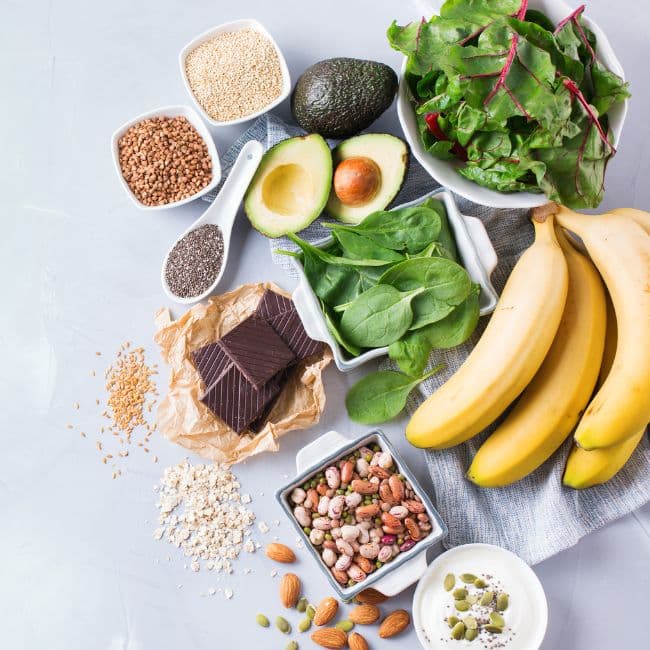
9 Magnesium Deficiency Symptoms & How to Treat It Spot the signs of magnesium deficiency and learn effective treatments to rebalance your wellbeing. Expert advice for boosting your magnesium levels. Magnesium is a mineral that plays a crucial role in many bodily functions, from nerve and muscle function to heart health and bone strength. Inadequate magnesium levels can lead to various symptoms and affect your overall wellbeing. Do you suffer from leg cramps, fatigue, migraines, sleep issues, anxiety, or high blood pressure? If you have one or more of these health conditions you could be one of many Americans that are deficient in magnesium. And you wouldn’t be alone. According to Dr. Mark Hyman, the majority of Americans are deficient in this mineral and essential nutrient! In this article I’m going to review the most common symptoms of magnesium deficiency, and explain how you can get more magnesium from dietary changes, supplements, or lifestyle adjustments. First, let’s talk about the most common symptoms. 1. Muscle Cramps and Spasms One of the primary symptoms of magnesium deficiency is muscle muscle spasms and cramps. Magnesium helps regulate muscle contraction. When levels are low, it can result in involuntary muscle twitching or painful cramps. 2. Fatigue and Weakness Feeling constantly tired or weak could be an indication of magnesium deficiency. Magnesium is involved in energy production and plays a significant role in the utilization of glucose. Without sufficient magnesium, your body may struggle to generate adequate energy. 3. Irregular Heartbeat Magnesium is essential for maintaining a healthy heart rhythm. When levels are low, you may experience an irregular heartbeat, also known as arrhythmia. It is important to address this symptom promptly, as it can have serious implications for cardiovascular health. 4. Poor Bone Health Magnesium is crucial for maintaining strong and healthy bones. When magnesium levels are deficient, it can affect calcium absorption and bone mineral density, leading to weakened bones and an increased risk of osteoporosis. 5. Anxiety and Depression Magnesium plays a role in regulating neurotransmitters and mood. A deficiency in magnesium can contribute to anxiety and depression symptoms. Supplementing with magnesium may help alleviate these mental health concerns. 6. Sleep Disturbances Low magnesium levels can disrupt sleep patterns and lead to insomnia or restless sleep. Magnesium promotes relaxation and helps regulate neurotransmitters involved in sleep regulation, making it an important mineral for a good night’s rest. 7. Digestive Issues Magnesium is involved in various digestive processes, and a deficiency can lead to digestive issues such as constipation or an upset stomach. Ensuring adequate magnesium levels can support healthy digestion and bowel movements. 8. Headaches and Migraines Magnesium deficiency has been linked to an increased risk of headaches and migraines. Supplementing with magnesium or maintaining sufficient levels may help reduce the frequency and intensity of these debilitating headaches. These are just a few of the common symptoms that may indicate magnesium deficiency. If you are experiencing any of these symptoms, it is advisable to consult with a healthcare professional for proper diagnosis! Understanding Magnesium Deficiency Magnesium deficiency is a condition in which the body lacks an adequate amount of magnesium, an essential mineral responsible for numerous bodily functions. Magnesium plays a crucial role in maintaining overall health and well-being. It is involved in more than 300 biochemical reactions in the body, including energy production, protein synthesis, muscle and nerve function, blood pressure regulation, and bone health. Insufficient magnesium levels can disrupt these processes and lead to various health issues. And magnesium isn’t the only supplement you should pay attention to. That’s why I broke down my picks for the best supplements during menopause. Potential Causes of Magnesium Deficiency There are several potential causes of magnesium deficiency, which include: Inadequate dietary intake: Not consuming enough magnesium-rich foods, such as leafy green vegetables, legumes, nuts, and whole grains. Malabsorption issues: Conditions like celiac disease, Crohn’s disease, and gastrointestinal disorders can hinder the absorption of magnesium from the diet. Medications and medical treatments: Certain medications, such as diuretics and proton pump inhibitors, can increase the excretion of magnesium or interfere with absorption. Additionally, chemotherapy and radiation therapy can also affect magnesium levels. Chronic conditions: Conditions like diabetes, kidney disease, and alcoholism can lead to magnesium deficiency as the body’s ability to properly regulate magnesium is compromised. Stress: Prolonged stress can deplete magnesium levels in the body as the stress response increases the excretion of magnesium through urine. Dietary Sources of Magnesium Incorporating foods rich in magnesium into your daily diet is an excellent way to ensure an adequate intake of this essential mineral. Here are some top dietary sources of magnesium that you can easily include in your meals: Food Magnesium Serving (mg) Avocado 1 cup cubed = 44 mg (explore more benefits of eating avocados!) Beans 1 cup cooked = 120 mg (try these black bean meal ideas) Quinoa 1 cup cooked = 118 mg Cashews 1/4 cup = 116 mg Fish 4 ounces of salmon = 138 mg Oatmeal 1 cup cooked = 61 mg Broccoli 1/2 cup cooked = 51 mg Bananas 1 med size banana = 33 mg By incorporating a variety of magnesium-rich foods into your meals, you can ensure that your body receives the necessary amount of this vital mineral. Prioritize whole foods and limit processed ones to optimize your magnesium intake and support your overall well-being. Need some recipe ideas? Try these magnesium-rich ideas: Easy & Healthy Guacamole Recipe (Chipotle Copycat) Vegetarian Black Bean Enchiladas Delicious Breakfast Quinoa Bowl Recipe Healthy Oat Flour Banana Muffins (one of my personal favorites!) Supplements for Magnesium Deficiency When addressing magnesium deficiency, supplements can play a vital role in replenishing your magnesium levels. They provide a convenient and effective way to ensure you meet your daily recommended intake. However, before you start taking magnesium supplements, it’s important to understand the different kinds and what they are used for. Types of Magnesium Supplements There are several types of magnesium supplements, each with its own unique properties and advantages: Magnesium Type Benefit Magnesium

9 Magnesium Deficiency Symptoms & How to Treat It Read More »

Best Kitchen Gadgets on Amazon From a Fitness Expert

Best Kitchen Gadgets on Amazon From a Fitness Expert Discover must-have best kitchen gadgets from Amazon that will elevate your cooking and help you live a healthier lifestyle! If you’re looking to elevate your cooking and make your time in the kitchen more efficient and enjoyable, the right kitchen gadgets can make all the difference. As a fitness expert who understands the importance of healthy living, I’ve curated a selection of the best kitchen gadgets available on Amazon to help you achieve your culinary goals. I’m no chef, but I like to make home made meals and I’ve landed on a few amazing items that make cooking healthy faster and easier. From essential kitchen tools for healthy cooking to high-quality knives for precision cutting, innovative appliances for time-saving, smart gadgets for meal planning, and eco-friendly options for sustainable cooking, these top picks have got you covered. With the right kitchen gadgets at your fingertips, cooking nutritious meals has never been easier or more enjoyable. So, let’s dive in and discover some of the best kitchen gadgets available on Amazon. Best Small Kitchen Appliances When it comes to healthy cooking, having the right kitchen gadgets can make all the difference. Not only do they help to simplify meal prep, but they can also provide you with the tools you need to create nutritious meals quickly and easily. Here are some essential kitchen appliances to consider adding to your collection: High Powered Blender A high powered blender is an essential kitchen gadget for healthy cooking. This versatile appliance can help you make smoothies (try my tropical smoothie bowl!), soups, and sauces with ease. I recommend a blender that is powerful enough to blend tough ingredients like nuts and seeds because they are the perfect tool for creating delicious and nutritious treats. Compelling Review From Amazon: “The best blender I’ve had. Worth every penny! When you blend anything it blends so well there is no need to strain it. It is a little noisy but [you] get used to it. The blender cup fits 64 oz of liquid which is so necessary sometimes when you are blending for a big size meal. I recommend this to anyone who uses a blender often.” Air Fryer An air fryer is an excellent gadget for healthy cooking as it allows you to fry food with little to no oil. This is accomplished by circulating hot air around the food, producing a crispy texture without all the added fat. Air fryers are perfect for making crispy vegetables, chicken, and seafood. Compelling Review From Amazon: “This is my first time buying an Air Fryer. It definitely lives up to its reputation. The Ninja Air Fryer is easy to use and not only does it fry up crunchy French fries…it even reheats pizza so the crust is nice and crunchy and the cheese melted! 🙂 We love it!” Hand Mixer A hand mixer is a great addition to any kitchen. When you standing mixer won’t do the job, this kitchen gadget is for you! It has five speeds and can mix ingredients from a variety of recipes. Compelling Review From Amazon: “I already had a Kitchenaid stand mixer but needed a hand mixer for the small jobs. This fits the bill perfectly. It is portable, sturdy yet lightweight with plenty of power.” Hand Blender (or Immersion Blender) An immersion blender is a handheld kitchen gadget that is perfect for making soups, sauces, and smoothies right in the pot or glass. It is a simple, efficient and faster alternative to a traditional blender. Some models come with attachments like whisks or choppers, making them even more versatile. Compelling Review From Amazon: “The absolutely BEST and most Powerful blender we have ever had!! Makes Blending & Stirring a effortless!Liked everything about it. So glad a friend recommended it. Makes a creamy cusard in seconds with no effort at all. HIGHLY RECOMMEND!!!!!!” Stand Mixer A classic stand mixer is so much more than just a pretty kitchen counter accessory! I did tons of research before choosing my KitchenAid mixer size, and this mini is the perfect one for me. It’s easy to use, easy to clean, and has great suction power! Compelling Review From Amazon: “This Kitchenaid is light weight and sized right for me and my kitchen. I like that it is strong enough to make bread and making cookies is a breeze compared to a hand mixer.” Coffee Maker What kitchen would be complete without a great coffee maker? There are SO many options out there, but I think the best kitchen gadget for coffee is this mini Keurig single serve machine. It fits anywhere, and it’s travel mug friendly! Compelling Review From Amazon: “This pan is large, cleans easily, big enough for my family, heat’s evenly and perfect! Goes from cooktop to oven flawlessly. I swear my dinners taste better and is perfect for serving right from the oven to my table! Durable and will last for years!” Juicer If you’ve read my beginner’s guide to juicing, you’re probably on the hunt for the perfect high quality juicer. The best juicers are easy to use with powerful durability. And no one does it better than Breville! Compelling Review From Amazon: “This machine is easy to use ,easy to clean and doesn’t take up much counterspace. Squeezes most of the juice out. The pulp comes out dry. Very happy with this purchase.” Food Processor A food processor is a great kitchen gadget to have on hand. These tools can make cooking faster, easier, and more enjoyable, allowing you to create a wide variety of dishes with ease. Whether you’re making smoothies, purees, soups, sauces, or spreads, a reliable food processor can be your new best friend in the kitchen. Compelling Review From Amazon: “It chops within seconds and is very easy to use. Cleanup is quick by hand, no dishwasher is necessary. I bought this one because I needed something that can be used every day without the hassle of cleaning. Nice chopper, loud, cleans easily, lightweight.”

Best Kitchen Gadgets on Amazon From a Fitness Expert Read More »

10 Expert Tips to Lose Weight Without Dieting

10 Expert Tips to Lose Weight Without Dieting Discover expert strategies to lose weight without dieting! Embrace these simple lifestyle changes to achieve your weight loss goals. Are you tired of counting calories and following strict diets to lose weight? As a personal trainer, the only diet I will ever suggest is this: healthy lifestyle changes. Losing weight doesn’t have to be a daunting task if you focus on simple but powerful lifestyle changes. To lose weight you need to: Make better food choices to nourish your body Eliminate processed foods Eat in a calorie deficit There are a million diets out on the internet that don’t work because they are typically super restrictive and hard to maintain for a long period of time. ` Instead of focusing on fad diets, I’m going to walk you through expert tips and strategies to help you achieve your weight loss goals in an approachable way. By implementing simple changes you can effectively lose weight without feeling deprived. Keep reading for my top 10 tips! Table of contents Understanding the Basics of Weight Loss 10 Simple Ways to Lose Weight Without Dieting 1. EDIT Your Food Choices 2. Embrace a Healthy Lifestyle Mindset 3. Use the 80/20 Rule 4. Watch Your Portions 5. Eat More Protein 6. Eat More Fiber Rich Foods 7. Use a Calorie Tracking App 8. Drink More Water 9. Move Your Body More 10. Get More Sleep FAQ Understanding the Basics of Weight Loss Weight loss can seem like an overwhelming task, but it all comes down to consuming fewer calories than your body needs. By doing so, your body taps into its stored body fat for energy, leading to weight loss. While diets are often centered around elimination of food groups, fasting, and special supplements,, there are alternative approaches you can take to lose weight while still enjoying your favorite foods. Here are a few of the key takeaways for understanding the basics of how weight loss works: Reducing portion sizes can help prevent weight gain and promote weight loss. Focusing on consuming nutrient-dense foods can be more impactful than specific diets. Practicing mindful eating can help avoid overeating. Staying hydrated throughout the day can help reduce cravings and boost metabolism. Regular physical activity, such as strength training, walking or dancing, can help burn calories and increase muscle tone. 10 Simple Ways to Lose Weight Without Dieting If you are tired of the weight loss roller coaster and you want to shed pounds for good, you are not alone. In fact, nearly 1 in 3 adults are overweight. Weight loss journeys can be an incredibly frustrating process, especially if you’re focusing on the wrong things. These are my favorite tips for successful weight loss (without the dieting!): 1. EDIT Your Food Choices Rearrange those four letters in the word “diet” and “edit” what you eat instead. Editing means making better food choices, being smarter about what you will eat, what you will eat less of, and what you might cut out altogether. It’s about gradual changes and mindful eating. Not crazy elimination diets, or intermittent fasting, or tedious counting calories. It’s about feeling in control of what you eat. Not saying you are on a diet, but rather making better choices to help improve your overall health. When you make smarter food choices, you end up naturally eating fewer unhealthy foods. This will ultimately reduce your overall calorie intake. Think of your strategy as meal planning or clean eating, not dieting. You will find that your relationship with food and your choices become a lot easier when you ditch the diet mentality! 2. Embrace a Healthy Lifestyle Mindset Accept that successful weight loss takes time. Remember, it’s a process and you’ll need to have patience and a positive mindset. Make your ‘why’ for eating healthy about deeper more meaningful things. Reducing blood sugar, reducing cortisol, improving cholesterol and blood pressure are all great examples. But your why should be unique to you! Remember that how you feel is a direct correlation to what you put in your mouth. Food is fuel and what you eat and the nutrients you get or don’t get into your body will affect how you feel, think, and act everyday. The best weight loss plans are foiled when the only motivation is weight loss. Make it about deeper reasons and think about how healthy eating can improve every aspect of your life. 3. Use the 80/20 Rule Use the 80/20 rule when it comes to eating. Eat healthy 80% of the time and give yourself 20% wiggle room. Some days you will do better than other days, and that’s perfectly okay. You don’t have to become the perfect clean-eating human. Each day try and get more of your choices to favor your health. If you have a bad day, wake up tomorrow and reset your mindset. Lean your life toward healthier choices. Be compassionate and kind to yourself when you make less-than-stellar choices. Skip the mentality of “I’m on a diet or I’m not.” Super restrictive diets have been proven not to last. The 80/20 rule is about moderation not perfection. 4. Watch Your Portions Weight gain and weight loss is an energy equation. Yes, that’s simplified, but if you take in too many calories—more than your body needs or can burn—you will gain weight. To lose weight steadily and keep it off, you need to eat fewer calories and watch your portion sizes. So what’s the difference between portions and servings? A portion is how much food you choose to eat. A serving is a standard amount (or guideline) used by food companies to identify how much to eat, as well as the calories and nutritional content in your food. Think about it, one of your portions could be several servings! They key to weight loss may be not having to eliminate your favorite foods, but just to eat less food overall. Take a nod from one of my favorite authors,

10 Expert Tips to Lose Weight Without Dieting Read More »

19 Ways To Get Rid of Menopause Belly Fat

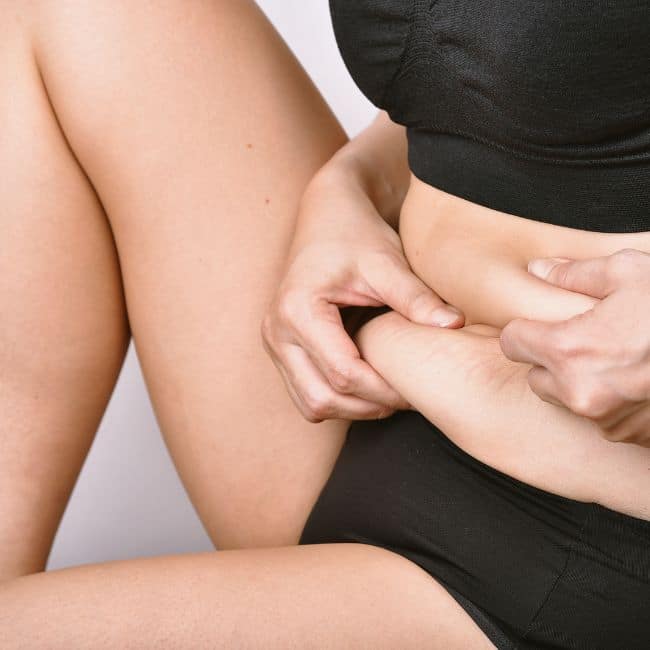
19 Ways To Get Rid of Menopause Belly Fat Explore 19 effective strategies to tackle menopause belly fat and reclaim your confidence with my easy-to-follow tips for a healthier you! Menopause can be a challenging time for many women. It comes with a range of symptoms that can affect quality of life, including one of the most common – menopause belly fat. Whether you’re in perimenopause (the 2-10 years leading up to menopause) or you’re in the throes of menopause itself, you may notice an increased weight gain, particularly around your middle. You may have heard terms like meno-pot belly, menopause apron belly, or menopause hanging pouch referring to this common but frustrating issue. Many women gain a “menopause belly” in their 40s and 50s, and many of us know from experience it can be frustrating to try and work it off. But, don’t feel powerless in menopause! This stubborn fat can be frustrating and difficult to manage, but there are effective strategies to combat it and improve overall health and wellness. In this article, we’ll explore 19 ways to get rid of menopause belly fat and achieve a healthier, more balanced body. From exercise and nutrition to lifestyle changes and self-care, I will cover a range of approaches to help you take control of your health and confidently navigate the symptoms of menopause as it relates to belly fat. Table of contents Understanding Menopause and its Effects on Belly Fat Hormones and Body Fat Weight Gain In The Midsection During Menopause Subcutaneous vs. Visceral Fat in Menopause 19 Ways to Get Rid of Menopausal Belly Fat 1. Start Your Day With ACV or Lemon Water 2. Add Strength Training To Your Workouts 3. Cut Back On Sweets 4. Eat Smaller Meals More Often 5. Strengthen Your Core 6. Minimize Stress 7. Keep Eating Habits in Check 8. Get More Sleep Every Night 9. Do HIIT Exercises 10. Stand More Often 11. Increase Your Protein Intake 12. Find an Exercise Group or Friend 13. Decrease Alcohol Intake 14. Skip Crash Diets 15. Use an Activity Tracker 16. Support Your Body with Supplements 17. Stay Hydrated 18. Focus on Fiber-Rich Foods 19. Talk to Your Doctor Embracing a Positive Body Image Additional Menopause Resources FAQ Understanding Menopause and its Effects on Belly Fat As women age, they go through menopause, which causes changes in their bodies. Menopause occurs when the ovaries stop producing eggs, and the levels of female sex hormones like estrogen and progesterone decrease. The hormonal changes that occur during menopause can have a significant impact on a woman’s body composition. Understanding the relationship between menopause, belly fat, and estrogen levels can help women take steps to manage their weight, support their overall health, and avoid future health risks. Let’s start by exploring some of the relationships happening within our bodies. Hormones and Body Fat As you begin to transition into menopause, your ovaries no longer produce high levels of estrogen and progesterone. Changes in these hormone levels can cause uncomfortable symptoms. Common menopause symptoms include hot flashes, night sweats and other unpleasant events. But the one issue women ask me about all the time is the onset of weight gain around the abdomen known as menopause belly fat. Contributors to weight gain and extra belly fat at menopause include declining estrogen levels, age-related loss of muscle tissue and lifestyle factors such as poor diet and lack of exercise. This type of weight gain is linked to an increased risk of cardiovascular disease, diabetes, and metabolic syndrome. When estrogen levels plummet, the body fat that used to settle around the hips, thighs, or butt may start to settle around your middle instead. Your progesterone decreases during menopause too, and this contributes to elevated cortisol levels in the body. And, surprise, elevated cortisol can cause menopause belly weight gain as well. Changes in estrogen and progesterone levels during menopause can both lead to weight gain. And unfortunately, this belly fat is notoriously difficult to lose. Weren’t the hot flashes, mood swings and night sweats enough!? Weight Gain In The Midsection During Menopause So yes, decreasing estrogen levels can affect your fat mass in the midsection area. But beyond the hormones, another factor most women don’t consider is that as we hit our 40’s 50’s and 60’s, we tend to have unknowingly become a bit more sedentary, making weight gain all the more common. It varies based on your lifestyle and job but the majority of us are not chasing little kids anymore, not moving as much, and spending more time sitting. Then to make matters worse, you may have stopped strength training. You will start to lose about a a half pound to a pound of muscle mass each year after the age of 35 if you are not actively replacing it. As you lose muscle, your metabolism slows down, aches and pains set it, and the belly fat appears. Slower metabolism means those cravings and carbs are going to have a much longer lasting impact than they used to. This shift in body composition can be challenging to manage. The key to aging is to strength train. Building and maintaining muscle mass becomes increasingly important during our later years and post menopause. Muscles help to boost metabolism and burn calories, aiding in weight management. (A pound of muscle burns more calories at rest than a pound of body fat.) Additionally, strength training can help to counteract the effects of age-related muscle loss. Subcutaneous vs. Visceral Fat in Menopause Belly fat isn’t just annoying, it’s complicated and can lead to a whole host of health problems. One of the many changes that occurs with menopause, is a tendency for subcutaneous fat (fat that is stored just beneath the skin) to convert to visceral fat. Visceral fat is stored deep within the abdominal cavity and surrounds important organs like the stomach, liver and intestines, increasing the risk of fat-related illnesses like cardiovascular disease, diabetes (due to insulin resistance) and certain

19 Ways To Get Rid of Menopause Belly Fat Read More »