Training Tips

Auto Added by WPeMatico

10 Osteoporosis Exercises to Strengthen Your Bones At Any Age

10 Osteoporosis Exercises to Strengthen Your Bones At Any Age Discover 10 effective osteoporosis exercises to strengthen your bones at any age. Improve bone health, balance, and reduce fracture risk with these simple routines. As a 59 year old fitness trainer, I talk with middle aged women everyday who are either trying to avoid bone loss, or are already diagnosed with it, and want to know what they can do. Maintaining strong and healthy bones is crucial as we age, particularly for individuals diagnosed with osteoporosis or osteopenia. Engaging in the right kind of physical activity can significantly enhance bone health, improve balance, and reduce the risk of fractures. In this article, I will explore ten effective exercises that are beneficial for those with osteoporosis and offer insights into exercises to avoid, signs to watch for, and supplements that can further support bone strength. Understanding Exercise and Bone Health Regular exercise plays a vital role in maintaining bone density and overall health. For those with osteoporosis or osteopenia, incorporating specific types of exercise can be especially beneficial. Weight-bearing and resistance exercises help stimulate bone growth and improve muscle strength, which are essential for maintaining bone density. Additionally, exercises that focus on balance and flexibility can prevent falls, a common risk for those with weakened bones. Understanding how exercise impacts bone health is key. When you perform weight-bearing activities, your muscles work against gravity, applying pressure to your bones. This pressure stimulates bone cells to produce new tissue, resulting in stronger bones. It’s important to choose exercises that suit your fitness level and consult with a healthcare professional before starting any new exercise routine. What is Osteopenia and Osteoporosis? Osteopenia and osteoporosis are conditions characterized by low bone density, which increases the risk of fractures. Osteopenia is a precursor to osteoporosis, indicating that bone density is below normal but not low enough to be classified as osteoporosis. Both conditions are more common in women, particularly those over 50, due to hormonal changes associated with menopause that affect bone health. Osteoporosis is often referred to as a “silent disease” because it progresses without symptoms until a fracture occurs. Understanding the difference between these two conditions and recognizing their early warning signs can help individuals take preventive measures to protect their bones. To manage these conditions effectively, it’s crucial to focus on building bone strength through exercise, diet, and lifestyle changes. Regular monitoring of bone density and working with healthcare professionals can also help manage the progression of the disease. 10 Best Osteoporosis Exercises If you’re struggling with osteopenia or osteoporosis, these are the exercises I recommend incorporating into your weekly fitness routine: 1. Walking Walking is a simple yet effective weight-bearing exercise. It helps improve bone density, cardiovascular health, and overall fitness. Aim for brisk walks of 30 minutes a day to get the most benefit. Anyone that knows me, knows that I’m passionate about walking! I love walking outside with my dog or friends, and I love using my walking pad while working indoors. Here are a few of my favorite walking resources: Beginner’s Guide to Power Walking How to Burn More Fat While Walking 3 Walking Workouts for Weight Loss 2. Climbing Stairs Stair climbing is another excellent weight-bearing exercise. It engages multiple muscle groups and puts pressure on bones, stimulating growth. Incorporate stairs into your daily routine whenever possible. A similar activity would be the elliptical machine if you need to be inside or at the gym. 3. Dancing Dancing is a fun way to exercise and boost bone health. It combines weight-bearing movements with balance and coordination, making it an ideal activity for those with osteoporosis. 4. Thai Chi Tai Chi is a gentle martial art that focuses on slow, controlled movements. It improves balance, flexibility, and strength, reducing the risk of falls and fractures. 5. Resistance Band Exercises Resistance bands provide a safe way to build muscle strength and bone density. These are a few exercise variations that can be cone with an exercise band at home: Resistance Band Bicep Curl Resistance Band Overhead Shoulder Press Leg Lifts 6. Weightlifting Lifting weights helps increase bone density by applying stress to bones. Start with light weights and gradually increase as you build strength. Check out my favorite strength training moves for women over 50. 7. Yoga Gentle yoga enhances flexibility, balance, and muscle strength. Poses like the Tree Pose and Warrior Pose where you hold them for a period of time are particularly beneficial for improving bone health. Get started with these 10 yoga poses you should do every day. 8. Pilates This practice focuses on core strength, flexibility, and balance. Pilates incorporates resistance exercises that are gentle on the joints and help strengthen bones. Follow my pilates exercises for beginners to get started! 9. Bodyweight Exercises Exercises like push-ups, squats, and lunges use your body weight to build muscle and bone strength. They can be easily adapted to suit your fitness level. 10. Balance Training Balance exercises such as standing on one leg or using a balance board can improve stability and prevent falls, which is crucial for individuals with osteoporosis. These are the balance exercises I recommend for any age. Exercises to Avoid with Osteoporosis While exercise is beneficial for bone health, certain activities may increase the risk of injury for those with osteoporosis. High-impact activities like running and jumping can put excessive stress on fragile bones, leading to fractures. Exercises that involve bending forward or twisting the spine, such as sit-ups, crunches, or golf swings, can increase the risk of vertebral fractures. Intense yoga poses that involve holding extreme twists or intense forward folds and spinal flexion. It’s essential to tailor your exercise routine to your specific needs and limitations. Consulting with a healthcare provider or physical therapist can help identify safe and effective exercises that meet your fitness goals. Who Is At Risk For Getting Osteoporosis Understanding who is at risk is crucial for taking preventive measures. Here’s a rundown of the primary

10 Osteoporosis Exercises to Strengthen Your Bones At Any Age Read More »

7 Proven Ways to Burn More Fat While Walking

7 Proven Ways to Burn More Fat While Walking Discover 7 proven strategies to supercharge your walking routine and burn more fat, tailored for women over 50. As a seasoned fitness influencer and personal trainer, I share practical tips to help you stay fit, strong, and energized on your fitness journey. If you’re someone who loves walking but is unsure how to maximize fat burn, you’re in the right place. Not only is walking low impact and gentle on your joints, but it also helps you stay active, clears your mind, and can, indeed, help you burn fat and lose weight. However, if your goal is to shed some pounds, you need to be strategic about it. I’m going to share seven proven ways to burn more fat while walking and make weight loss a real possibility. These walking strategies can make all the difference! Understanding Fat Burn and Calorie Deficit Before I get into the strategies, it’s vital to understand how fat burning works. When you exercise, your body uses two types of fuel—carbohydrates and fats. While the type of fuel you’re burning can vary, you do tend to burn more fat when exercising in lower intensity heart rate zones, like zone 2. If you want to learn more about heart rate zones, use my target heart rate zone calculator guide to get started! However, the key to losing weight is creating a calorie deficit. Simply put, you need to burn more calories than you consume. So don’t get too caught up in which type of fuel you’re using during exercise. The goal should be to move more and eat healthily to create that calorie deficit and ultimately lose body fat. With this understanding, let’s explore seven strategies to pump up your walking routine to help you achieve your weight loss goals. Don’t be afraid to take it up a notch, be inspired to know you are getting stronger and more fit. 1. Increase Your Step Count The most obvious strategy to burn more fat while walking is to increase your step count. Once you’re truly aware of your movement, you become motivated to match it daily and maybe set a goal to increase your step count. Start tracking your steps—there are many different ways to do this. You can use any fitness tracker like a Fitbit, an Apple Watch, a Whoop band, or an Oura ring. Tracking your steps can become almost like a daily game. They say what we track, we can improve. If you’re not tracking your step count, how do you really know how many steps you’re getting in? I set a goal for myself to hit 10,000 steps every day, and recently, I’ve increased my goal. The more steps you get in, the more calories you’re going to burn, and the more energy you’re going to expend. The more energy you’re burning, the more likely you are to get into a calorie deficit. I explain this in more detail in my guide to how many steps you need a day to lose weight. Some days, I hit 20,000 steps; other days, just 5,000. But my goal now is to average 12,000 steps a day. 2. Increase Your Speed The second strategy for burning more fat while walking is another obvious one—increase your speed. Many people don’t realize they’ve gotten into a habit of walking at a specific pace. By simply picking up the pace and doing some brisk walking, you can burn more calories. Speed walking engages more muscles, increases your heart rate, and ultimately leads to greater calorie expenditure. Start by setting small speed goals, like walking a bit faster for 5-10 minutes, and gradually increase this duration as your stamina improves. Over time, you’ll find that you’re able to walk faster naturally, and you’ll be burning more calories without even realizing it. 3. Walk on an Incline The third strategy is to walk on an incline. And while I have some great treadmill workouts for weight loss, this doesn’t necessarily mean you have to use a treadmill. You can look for inclines in your regular walking paths, whether it’s a hill, a set of stairs, or even a steep driveway. Walking uphill requires more effort, engages different muscle groups, and significantly increases calorie burn. If you prefer using a treadmill, gradually increase the incline just as you would with your step count. Start with a slight incline and work your way up to steeper angles. This variation in terrain will not only make your walks more challenging but also prevent workout monotony. 4. Incorporate Intervals The fourth strategy for increasing your fat burn while walking is to incorporate intervals into your walking routine. Interval training involves alternating between periods of high intensity and low intensity. For instance, you could walk at a brisk pace for 2 minutes, then slow down for 1 minute, and repeat this cycle. Using a timer, pick up your pace using a work-to-rest ratio that challenges you. I normally walk in a zone 2 pace, where I can comfortably talk but am breathing through my mouth not my nose. With intervals, I push myself to zones 3 or 4, sometimes even jogging for short bursts. You can customize the intervals to suit your fitness level and goals. 5. Try Nordic Walking Strategy number five is to add walking sticks, also known as Nordic walking. This involves using specially designed poles to increase resistance and improve posture and balance while you walk. Research shows that Nordic walking can increase calorie burn by 20% compared to regular walking and uses 90% of your body’s muscles. Nordic walking not only boosts your cardiovascular fitness but also engages your arms, shoulders, and core, providing a full-body workout. It’s especially beneficial for those looking to add variety to their walking routine and enhance their overall fitness. 6. Add a Walking Vest The sixth strategy for burning more fat while walking is to add a weighted vest. A weighted vest can increase the

7 Proven Ways to Burn More Fat While Walking Read More »

LMNT Electrolyte Review: How I Boosted My Energy At 50+

LMNT Electrolyte Review: How I Boosted My Energy At 50+ As a fitness influencer and personal trainer in my 50s, maintaining energy and hydration is crucial, especially before workouts. In this LMNT electrolyte review, I’ll share what’s inside these electrolyte packets, how they help boost my energy before training sessions, my favorite flavors, and why they’ve become a staple in my routine. Plus, you can grab a free sample pack with any purchase to do a taste test of your own! If you follow me on social media, you hear me talk about LMNT electrolyte drink mix a lot. If you attend my live fitness classes, you see me drink it at every workout. After six months of using the product, this is my review. This review uncovers all you need to know about LMNT. From understanding what’s inside each packet to exploring my personal six-month experience and who stands to benefit—or not—from this product. For health enthusiasts, elite athletes, and anyone seeking a balanced lifestyle, finding the right supplements is as crucial as the workout itself and using an electrolyte drink mix may be a game changer for you like it has been for me. For more information on electrolytes, see my breakdown of the best electrolyte supplements and why I use them every day. What’s Inside the Packet Understanding the contents of any supplement is essential. LMNT is a clean electrolyte drink mix that boasts a potent combination of sodium, potassium, and magnesium—all essential minerals for maintaining fluid balance and muscle function. Each packet contains: 1000 mg of Sodium—Vital for nerve and muscle function, sodium helps manage the body’s fluid balance. 200 mg of Potassium—This crucial mineral supports cellular function and cardiovascular health. 60 mg of Magnesium—Known for its muscle and nerve benefits, magnesium also aids in energy production. What LMNT doesn’t include is equally important. It’s sugar-free, gluten-free, and devoid of artificial ingredients, making it suitable for those on keto or paleo diets. The flavors range from refreshing watermelon to spicy mango chili, offering something for every palate. The ingredient list for the 9 flavors of LMNT will vary slightly, but here’s the overview: Sodium (Sodium chloride) Citric Acid Magnesium Malate Potassium Chloride Natural Flavors Stevia Leaf Extract You can find the ingredient lists for each flavor here. My Experience Using LMNT for the Last 6 Months Having incorporated LMNT into my routine for the past half-year, I’ve noticed substantial changes. Not going to lie, my first sip I was like “this is so salty.” But now, I’ve come to crave it. Whether it’s for my workouts, or just daily activities, I’ve noticed upping my electrolytes, in particular sodium, has been a difference maker for me. I just feel stronger and can go longer. I work out at 5:30am and at that hour, energy is key. Initially, I was drawn to LMNT because of my low sodium intake and frequent fatigue during workouts. Since adjusting my electrolyte levels, I’ve experienced more motivation in my workouts with the ability to finish with sustained energy.   Another surprising change for me was a reduction in menopausal headaches (one of the frustrating, but common menopause symptoms). Post menopause, I randomly get headaches and perhaps the extra sodium has been helping to reduce them which I love. (No medical claim here!) Also I personally crave less salty snacks in the mid-afternoon. Instead of overindulging in something like chips, I know can have one handful and sip on my LMNT and totally be satisfied. The citrus salt and orange flavors have become my go-to flavors. But honestly, I love them all. Keep reading for more to come on flavors. My pro tip for you: Start but using a half packet in 32 oz of water. Use ice cubes, make it nice and cold, and stir it up. Once you get used to the taste, add the whole packet per 32-40 oz of water. I literally crave it for my workouts and as an afternoon pick-me-up. Why Hydration Is So Important Whether you’re a fitness junkie, a health-conscious individual, or a middle-aged woman seeking to optimize workout performance, staying hydrated and maintaining electrolyte balance is essential, especially when engaging in regular physical activity. As we age, our body’s ability to regulate fluid balance can change, making it more important to replenish lost electrolytes. This is where an electrolyte drink can be a difference maker. These beverages help to quickly restore essential minerals like sodium, potassium, and magnesium that are lost through sweat during workouts. Keeping your electrolyte levels in check not only prevents dehydration but also supports muscle function, reduces the risk of cramps, and helps maintain energy levels, allowing you to stay strong and active without missing a beat. Whether you’re doing my favorite strength training moves for women over 50, one of my walking workouts for weight loss, or a daily yoga practice, an electrolyte drink can be an effective way to support your body’s needs and keep you feeling your best. Hydration is a key player in overall health, influencing everything from physical performance to cognitive function. Many people think hydration is solely about water intake, but electrolytes are a big part of it. They ensure that our muscles contract properly, support nerve function, and maintain the balance of fluids in our bodies. More About Outdated Information on Salt Intake Another reason I’m such a fan of LMNT is after diving into the science behind sodium, I realized much of what we’ve been told for decades is outdated. The FDA has long recommended that adults consume less than 2.3 grams of sodium per day, arguing that this restriction helps lower blood pressure. But, recent research paints a different picture. Many of these sodium restrictions target sedentary individuals who consume ultra-processed diets filled with sugar and chemicals—hardly a reflection of those who lead active, health-conscious lifestyles. In reality, sodium is crucial for cellular hydration, especially for those of us who exercise regularly and lose minerals through sweat. Studies have debunked the blanket

LMNT Electrolyte Review: How I Boosted My Energy At 50+ Read More »

5 Benefits of HIIT Workouts During Menopause

5 Benefits of HIIT Workouts During Menopause In the realm of fitness, High-Intensity Interval Training (HIIT) has gained a lot of traction for its efficiency and effectiveness. But how does it fare for midlife women, particularly those navigating perimenopause and post-menopause stages? As a 59-year-old personal trainer with over three decades of experience, I’m here to tell you that HIIT can be a game-changer for us. In midlife, we women are experiencing changes in our metabolism and hormonal imbalances. HIIT can be great way to push yourself a little harder and improve many health markers. If you have been fairly sedentary for the past few decades, you will want to work your way up to HIIT training.  But, if you have been mildly active and are ready for more, read on and let me tell you why HIIT exercise isn’t harmful and is actually helpful for your heart health, metabolism, bone health, muscle mass and more.   The Mayo Clinic backs me up with findings that HIIT training can reverse the aging process in older adults. Here are the benefits of HIIT workouts during menopause: 1. Metabolism Boost As we age, our metabolism naturally slows down, which can make maintaining or losing weight more challenging. HIIT workouts during menopause is an effective way to counteract this metabolic decline. The high-intensity nature of HIIT workouts creates an “afterburn” effect, scientifically known as excess post-exercise oxygen consumption (EPOC). This means that after a HIIT session, your body continues to burn calories at an elevated rate, even when you’re at rest. This boost in metabolic rate helps combat midlife weight gain, making it easier to manage a healthy weight and improve overall metabolic health. Here are a few additional resources about metabolism during menopause: How to Increase Your Metabolism After 50 How to Find Your Metabolic Body Type Foods That Help Increase Metabolism & Burn Fat 2. Muscle Mass A common menopausal symptom for women is a decrease in muscle mass due to hormonal changes (decreasing estrogen and progesterone) and lack of use. HIIT is not only about cardio; it often incorporates strength training elements that are crucial for maintaining and building muscle mass. The high-intensity intervals push your muscles to their limits, promoting muscle growth and strength. Preserving muscle mass is vital as it supports overall metabolic rate, aids in weight management, and enhances functional fitness, helping us stay strong and active in our daily lives. 3. Bone Mass Bone density decreases as we age if we are not actively doing something to maintain it or increase it. This process naturally increases the risk of osteoporosis and fractures. HIIT often includes weight-bearing and resistance exercises that are essential for maintaining and even improving bone density. These exercises stimulate bone formation and help slow down the rate of bone loss. By incorporating HIIT into your fitness routine, you can support your bone health, reduce the risk of osteoporosis, and maintain a stronger skeletal structure.  4. Lifestyle Improvements HIIT is well known for its cardiovascular benefits, which are crucial for maintaining heart health as we age. Regular HIIT workouts improve heart function, increase stamina, and enhance overall cardiovascular health. Additionally, HIIT is known to boost energy levels, improve mood, and enhance mental clarity. The endorphin release during high-intensity exercise can help alleviate stress and anxiety, leading to a better quality of life. These improvements extend beyond physical health, positively impacting our mental and emotional well-being. The big thing here is to realize YOU define what “high intensity” means to you. As I’ve gotten older, what I call high intensity may feel easy to a 30 year old female. It’s about how it feels in your body and how you push yourself.  5. Time Efficiency One of the greatest advantages of HIIT is its time efficiency. In our midlife years, balancing work, family, and personal commitments can be challenging, and finding time for exercise might seem daunting. HIIT workouts can be completed in as little as 20-30 minutes, making them easy to fit into a busy schedule. Despite the shorter duration, HIIT workouts are highly effective, providing the benefits of longer exercise sessions in a fraction of the time. This efficiency can help you stay consistent with your fitness routine, even with a packed schedule. The Argument Against HIIT and the Cortisol Myths Now that I’ve shared the benefits of HIIT workouts during menopause, I wanted to address the argument you may have heard against it. Menopausal women seem to hear from their doctors and media sources that increased cortisol is the reason they are gaining belly fat and that high intensity exercise elevates cortisol levels so they need to stop. That is oversimplified and incorrect.  Cortisol which is often referred to as the “stress hormone”, is a misunderstood topic. While it’s true that acute stress from intense workouts can temporarily elevate cortisol, it’s important to differentiate between acute and chronic stress. Acute stress is a short-term response to a specific event or situation, such as a sudden increase in workload or an unexpected argument.  Chronic stress is a prolonged and ongoing state of stress that can be caused by factors such as chronic health conditions, financial difficulties, or relationship problems. During exercise, our bodies experience an acute stress response due to the physical demands placed on our muscles and cardiovascular system. This triggers the release of cortisol. In small amounts, like when you exercise, cortisol can actually be beneficial as it helps to regulate blood sugar levels and aids in tissue repair.  However, excessive or chronic release of cortisol can have negative effects on our health. Chronic elevation of cortisol levels has also been linked to an increased risk of chronic diseases such as heart disease, diabetes, and obesity. The real takeaway is managing balance and ensuring recovery times between workouts, which allows the body to reap the benefits without succumbing to chronic stress. How Much HIIT Exercise Should You do in Peri and Post Menopause? Balancing HIIT with other forms of exercise is crucial. Aim for 2-3 HIIT sessions per

5 Benefits of HIIT Workouts During Menopause Read More »

Pros & Cons of Using a Fitness Tracker for Middle-Aged Women

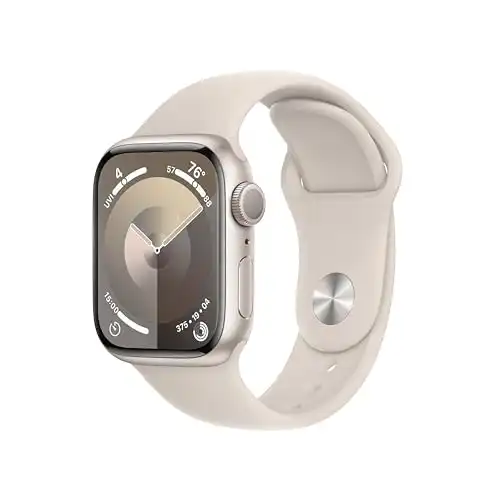
Pros & Cons of Using a Fitness Tracker for Middle-Aged Women Fitness trackers have become an essential piece of home gym equipment, and a regular part of our daily lives. Especially for those of us working towards or maintaining fitness goals! A fitness tracker is a wearable device (often designed as a watch) that monitors various aspects of your physical health throughout the day while you wear it. And these devices have a come a long way in terms of design and functionality. With sleek, popular designs, fitness trackers promise to help with goal setting (hit those daily steps!) and health monitoring (think quality of sleep!). But, they also come with a fair share of concerns. As a fitness expert with decades of experience training women, I’m going to explore the pros and cons of using a fitness tracker, specifically for middle-aged women. The Advantages of Using a Fitness Tracker As you can imagine based on their popularity, there are many benefits that come with using a fitness tracker consistently. I’ll start by saying I am a fan and I wear an Apple watch. But l want to share the reasons why or why not to wear one as a mid-life woman. Goal Setting and Motivation One of the most significant benefits of using a fitness tracker is its ability to help you set and achieve your fitness goals. Whether it’s increasing your daily step count (have you ever wondered how many steps it actually takes to lose weight?), staying active throughout the day, or monitoring your nighttime patterns to focus on getting better sleep, these devices provide tangible targets to aim for. They can serve as a daily reminder and motivator, keeping you focused on your health and fitness objectives. Health Tracking For middle-aged women, keeping an eye on health metrics such as heart rate, blood oxygen, and sleep quality can be vital. Fitness trackers offer an easy way to monitor these aspects continuously, allowing for early detection of potential health issues. Some trackers like the Apple watch will help you manage your medications, check for afib, and call 911 in emergency situations. This continuous feedback can empower you to make informed decisions about your health and lifestyle. Workout Guidance Many fitness trackers come equipped with built-in workout routines and suggestions, making it easier than ever to get a guided exercise session without the need for a personal trainer or gym membership. This feature is particularly beneficial for those new to exercising or looking to diversify their workout regimen. Convenience The convenience of having a multipurpose device on your wrist cannot be overstated. Beyond just fitness, these gadgets can offer functionalities like message notifications, weather updates, and music control, integrating seamlessly into your daily life. The Disadvantages of Using a Fitness Tracker Even with their popularity, not everyone is getting behind these clever devices. So what are the cons of using a fitness tracker? Let’s explore the downside of fitness tracking devices. Accuracy of the Device While fitness trackers have come a long way, the accuracy of the data they provide can sometimes be questionable. Steps counted, calories burned, and sleep monitored can all have variances, which might lead to slight misinterpretations of your health and activity levels. For most people it’s close enough. But some people get very focused on the numbers. Obsessive Behavior There’s a fine line between being motivated by your fitness goals and becoming obsessed with them. For some, the constant monitoring and data tracking can lead to an unhealthy fixation on numbers, potentially overshadowing the real focus on health and well-being. Cost Quality fitness trackers are not cheap, and the initial investment can be quite high. Considering the need for periodic upgrades and replacements, the cost can add up, making it a significant factor to consider before purchasing. Battery Life The convenience of a fitness tracker can quickly diminish if you’re constantly needing to charge it. Battery life varies widely among different models, with some requiring daily charging, which can be a hassle for busy individuals. Data Privacy With the collection of significant amounts of personal health and activity data comes the concern of privacy. Ensuring that your data is secure and understanding how it is used by the device manufacturer is crucial. Fitness trackers offer a convenient and innovative way for middle-aged women to monitor their health and fitness goals. However, it’s important to weigh the pros like motivation, health tracking, workout guidance, and convenience against the cons including data accuracy, potential for obsessive behavior, cost, battery life, and privacy concerns. Ultimately, the decision to use a fitness tracker should align with your personal health goals and lifestyle preferences, ensuring it serves as a tool for empowerment rather than a source of stress. Whether you decide to use a fitness tracker or not, remember that the path to wellness is personal and varied, and the best approach is the one that makes you feel supported, motivated, and healthy. Product Image Product Name Primary Button Apple Watch Series 9 [GPS 41mm] Smartwatch with Starlight Aluminum Case with Starlight Sport Band M/L Check Price Apple Watch Series 8 Smart Watch Check Price Garmin Rugged Outdoor Watch with GPS, Built for All Elements Check Price Wearable4U – Garmin Approach S12 Premium GPS Golf Watch, White with Power Pack Bundle Check Price Apple Watch Series 9 [GPS 41mm] Smartwatch with Starlight Aluminum Case with Starlight Sport Band M/L Check Price Apple Watch Series 8 Smart Watch Check Price Garmin Rugged Outdoor Watch with GPS, Built for All Elements Check Price Wearable4U – Garmin Approach S12 Premium GPS Golf Watch, White with Power Pack Bundle Check Price Fitness trackers have become an essential piece of home gym equipment, and a regular part of our daily lives. Especially for those of us working towards or maintaining fitness goals! A fitness tracker is a wearable device (often designed as a watch) that monitors various aspects of your physical health throughout the day while you […] Chris Freytag, CPT{authorlink}https://gethealthyu.com/fitness-trackers/Get Healthy

Pros & Cons of Using a Fitness Tracker for Middle-Aged Women Read More »

The Powerful Benefits of Agility Ladder Exercise

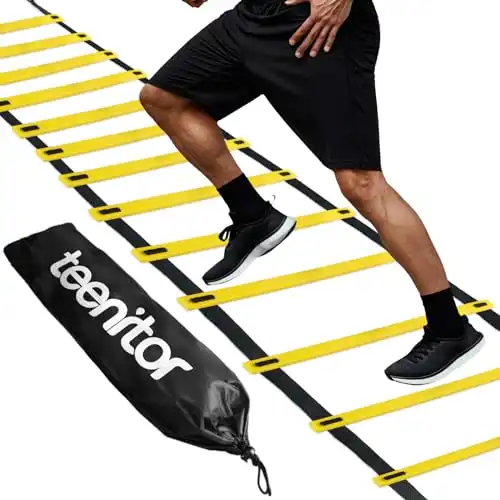
The Powerful Benefits of Agility Ladder Exercise Agility ladder exercise is great for so many reasons. Yes, your heart rate increases and you burn lots of calories, but there’s so much more to it than that. Ladder drills will mix up your workout and keep you interested even when you’re in a fitness rut. I’m going to walk you through each of the benefits of agility ladder exercise so you can see just how powerful this form of exercise is. Once I convince you to try using an agility ladder, make sure you try my favorite agility ladder drills that burn calories fast! 1. Improves Speed, Agility, and Quickness Whether you’re an athlete or an exercise newbie, agility ladder drills are the perfect form of cross-training because they help improve your speed, agility, and quickness. Speed: your ability to move with fast feet in one direction as quickly as possible Agility: your coordination—your ability to accelerate, decelerate, and handle a change of direction Quickness: your ability to use fast footwork to react or switch positions quickly These three factors not only improve your athletic performance in other sports and activities but can help you boost your fitness level for virtually any type of workout you do. You’ll see the benefits in your strength training, cardio workouts and even your yoga practice. 2. Enhances Balance and Flexibility Agility ladder drills require coordinated and controlled footwork that helps improve balance and lower body flexibility. Balance is a critical component in sports, and also in regular daily life. These agility ladder exercises involve all three planes of motion to help you develop and maintain great balance. And improving your balance may help reduce the risk of falls and injuries. It’s a win, win! 3. Increases Cardiovascular Fitness These drills help burn calories and build endurance, leading to improved overall fitness and a healthy body composition. Because agility ladder drills require so much precision, foot speed, and focus, they can elevate your heart rate in a short amount of time. Getting your heart rate up through cardiovascular exercise is a great way to keep your heart healthy and young. The CDC recommends a minimum of 150 minutes of heart-pumping cardio per week; agility ladder exercises can certainly be a part of that! You can also check out my top 9 picks for the best cardio workouts for weight loss. No running included! 4. Agility Ladder Exercise Burns Tons Of Calories Speed ladder drills are a great form of cardio that burn mega calories! They are considered a type of high-intensity interval training (HIIT). This means they do what I always preach- accomplish more in less time! By going “all-out” in short bursts of intense effort and then taking a brief pause, you typically blast fat and burn more calories than you would be doing most lower-intensity, steady-state cardio activities. There are many different types of workouts that fall into this HIIT category. You can see a few of my favorites in my list of 7 total body exercises that burn fat and build muscle. 5. Keeps You Mentally Sharp Stay young with a workout that will keep you on your toes and thinking fast! These agility ladder drills require you to focus and concentrate, connecting your brain to your body. Improving your coordination not only benefits your daily life, but keeps your mind young. Many people deal with increased brain fog symptoms as they age, and regular exercise can help. Your mind tells your body how and when to move. And with these agility ladder drills, you are thinking on your feet, pun intended! Studies show that Alzheimer’s patients who participate in exercise programs including balance and coordination components retain more muscle strength and control than patients who do not. Plus, from the moment you put your foot into the first ladder exercise, your brain will be focused and your training session will fly by. 6. It’s FUN! We all get bored sometimes with our workout. If you feel like you’re in a rut and sick of trudging away on the treadmill one more day, try these ladder drills instead! I promise you will feel more athletic and agile the more you work with agility laddersl. Go at your own speed and look for improvement with repetition. You can do ladder exercises outside, in the garage, or in the basement. It’s something different, and it’s just plain fun. Your kids may even want to join in! And if you watched the video above, you are seeing my in-person boot camp using the ladders outside. Ladders have become a fan favorite of this group. We have around 70 people working out and having fun! Choosing the Right Agility Ladder For You There are several different styles of agility ladders. I love the roll out ladders. They are more expensive but also more durable and stable. I have have mine for a decade and still using the same one. They also are better for stability because you are less likely to trip on this style. The slat style ladders are popular because they are affordable and easy to fold up and carry with you. Often these are used on grass or football fields for youth sports. Here are a few styles to consider if you’re shopping for a slat style agility ladder: Slatted Agility Ladder with Carry Bag 20 ft Exercise Ladder with Ground Stakes Product Image Product Name Primary Button Teenitor 13 Rung Agility Ladder Speed Ladder Training Ladder for Speed, Carry Bag Agility Training Equipment, Workout Ladder Check Price Ohuhu Agility Ladder Speed Training Equipment 12 Rung Exercise Ladders with Ground Stakes | Ladder with Carry Bag Check Price Teenitor 13 Rung Agility Ladder Speed Ladder Training Ladder for Speed, Carry Bag Agility Training Equipment, Workout Ladder Check Price Ohuhu Agility Ladder Speed Training Equipment 12 Rung Exercise Ladders with Ground Stakes | Ladder with Carry Bag Check Price Agility ladder exercise is great for so many reasons. Yes, your heart rate increases and you burn lots

The Powerful Benefits of Agility Ladder Exercise Read More »

How Functional Strength Training Helps Maintain Independence

How Functional Strength Training Helps Maintain Independence Functional strength training is the key to maintaining mobility and independence at every age. It builds muscles commonly used in everyday activities, making it easier and more enjoyable to move through your day. If you’re new to the concept of functional fitness, keep reading! I’m breaking down what exactly it is, how you can incorporate functional workouts into your schedule and the benefits that come with doing that. Plus, I’m giving you my favorite functional strength training exercises to get started with! What Is Functional Strength Training? Alright, ladies, let’s talk about functional strength training. As we age, many women including myself are switching our reasons for strength training from vanity (aesthetics) to wanting to just move better and be active in our daily life.  I know the term “functional strength” might sound a bit daunting, but trust me, it’s nothing complicated. In fact, it’s all about getting back to the basics and focusing on movements that mimic everyday activities. As we hit our 40s and beyond, maintaining functional strength becomes crucial for our overall health and well-being. What Is A Functional Strength Workout? So, what exactly makes it a workout? Well, picture this: you’re lifting groceries, carrying your grandkids, or even just getting up from a chair. These are all movements that require strength and stability in various muscles throughout your body. A functional strength workout targets those muscles, helping you build strength and endurance for real-life activities. Now, let’s break it down a bit further. A typical functional strength workout might include exercises like squats, lunges, push-ups, and rows. These movements engage multiple muscle groups at once, rather than isolating individual muscles like you might do with traditional weightlifting exercises. This not only saves time but also helps improve coordination and balance, which are essential as we age. (To learn more about this concept, check out which muscles groups are the best to workout together.) But functional strength isn’t just about lifting weights. It’s also about incorporating movements that challenge your stability and mobility, like balancing on one leg or doing core exercises on an unstable surface. These types of exercises help improve your body’s ability to move efficiently and reduce the risk of injury in everyday activities. Is Functional Strength Training Effective?  Absolutely! Functional fitness training is incredibly effective, especially for midlife women. Here are a few reasons why: Real-World Applicability Functional training focuses on movements that mimic everyday activities. As we age, it’s vital to maintain strength and mobility for tasks like lifting groceries, bending down to pick something up, or even playing with grandchildren. By training our bodies to perform these movements effectively, we enhance our ability to navigate daily life with ease. Prevention of Injuries Functional strength training targets multiple muscle groups simultaneously, improving overall strength, stability, and coordination. This comprehensive approach helps reduce the risk of injuries, particularly common ones that occur during daily activities or as a result of age-related declines in muscle mass and flexibility. Improved Functional Capacity As midlife women, we want to maintain our independence and quality of life for as long as possible. Functional fitness training helps us do just that by enhancing our functional capacity—the ability to perform tasks and activities efficiently and safely. Whether it’s climbing stairs, carrying groceries, or participating in recreational activities, functional training ensures that we can continue to enjoy life to the fullest. Enhanced Balance and Mobility Many functional exercises involve movements that challenge balance and proprioception, which is our body’s awareness of its position in space. By incorporating balance exercises into our workouts, we can improve our balance and reduce the risk of falls—a common concern for older adults. Here are a few more of my recommendations for building strength, balance, and mobility: 15 Best Mobility Exercises to Stay Active at Any Age Best Strength Training Moves for Women Over 50 Exercises to Improve Balance at Any Age Adaptability Functional training can be tailored to suit individual needs and fitness levels. Whether you’re a beginner or an experienced exerciser, there are endless variations and progressions to keep your workouts challenging and effective. Why is Functional Training Important?  Overall, functional fitness training is essential for midlife women because it helps us maintain our independence, prevent injuries, and improve our overall quality of life as we age.  Whether you’re a seasoned gym-goer or just starting out, incorporating functional strength workouts into your routine is key to staying strong, healthy, and independent as you navigate through midlife and beyond. Remember, it’s not about how much weight you can lift, but how well you can move and function in your daily life. So, let’s get moving and embrace the power of functional strength! How to Incorporate Functional Strength Training Into Your Workouts It’s easy to add some of these exercises into your workouts. Do a few each day and spend even 10-15 minutes on some sort of functional training.    Some common functional exercises to include in your workouts include: Push-Ups (push motion)  Mid Back Rows (pull motion)  Walking Lunges (everyday leg strength)  Jumping, Lunging, or Stepping onto an Elevated Surface (use your step platform)  Bodyweight Squats (getting out of a chair)  Russian Twists (core rotation)  Single Leg Deadlifts (movements done while balancing on one leg) Product Image Product Name Primary Button Amazon Basics Neoprene Coated Dumbbell Hand Weight Set, Set of 2 Check Price The Step – Original Aerobic Platform for Total Body Fitness Check Price SPRI Xertube Resistance Bands with Handles Check Price Amazon Basics Neoprene Coated Dumbbell Hand Weight Set, Set of 2 Check Price The Step – Original Aerobic Platform for Total Body Fitness Check Price SPRI Xertube Resistance Bands with Handles Check Price Functional strength training is the key to maintaining mobility and independence at every age. It builds muscles commonly used in everyday activities, making it easier and more enjoyable to move through your day. If you’re new to the concept of functional fitness, keep reading! I’m breaking down what exactly

How Functional Strength Training Helps Maintain Independence Read More »

7 Benefits of Adding a Step Platform to Your Home Gym

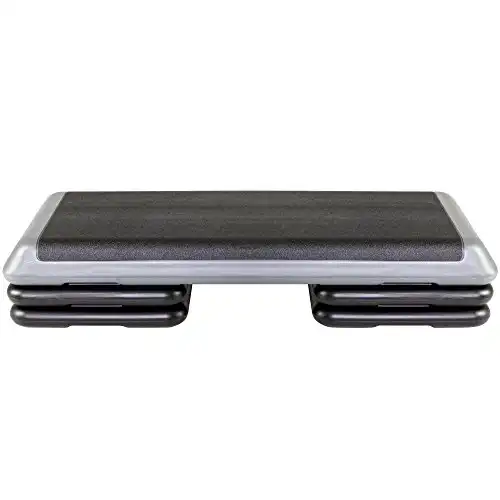
7 Benefits of Adding a Step Platform to Your Home Gym The step platform is a versatile exercise tool that comes with tons of benefits. With decades of experience training women, I’m breaking down the top reasons you might want to add a step platform to your home gym. Plus, I’m sharing my top picks! If you were exercising in the 90’s then you think of a step platform as a tool for step aerobics. Remember all the repeater knees, v-steps and straddle steps? Flash forward 30 years and the step platform is a versatile piece of equipment that can be used for a variety of cardio and strength workouts. Check out the benefits below to see if you’re missing on out this useful tool. Then, get started building muscle with my guide to the best step exercises for your home workout! 1. It’s a Versatile Training Tool Step platforms came on the aerobics scene in the late 1980s. While they’re still used for step aerobics, they’ve evolved into a far more versatile training tool that can be used to build muscle strength and deepen stretches. 2. You Can Adjust Your Workout Intensity By adding risers, you can create different heights to make strength exercises easier or harder. Can’t do a full pushup yet? Elevate your hands on the step platform. Want to intensify a plyometric exercise like the jump squat? Jump onto the exercise step! 3. It Doubles as an Exercise Bench The platform doubles as a strength training bench for upper body moves like chest presses, core exercises like bicycle twists. It also works for lower body moves like reverse lunges, and even stretches like the seated toe touch. You can easily create total-body workouts right in your living room! 4. It Can Help You Lose Weight Step platforms are a great way to burn calories. Stepping up and down gets your heart pumping—think of how you feel after climbing a flight of stairs! Adding a high-intensity step aerobic workout to your schedule can help with weight loss when combined with a healthy diet. 5. It’s a Safe Choice for Older Adults A step platform can be used to create low-impact workouts, which is ideal for older adults. It helps build balance and coordination while strengthening your bones. 6. Step Platforms are Convenient and Easy to Use Exercise steps are a great piece of home gym equipment because they’re lightweight and easy to move. Simply set them aside to save space when you’re done using them! Plus, it’s easy to adjust the height of the step by adding or removing risers.  7. It Creates a Fun Workout! Last but not least, step platforms provide the perfect way to change up your workouts. Try a few of the best step exercises I linked below to keep things fresh. More possibilities equals more fun! Explore My Free Step Platform Workouts I love using step exercises in my workouts. With decades of experience training thousands of women, I can tell you – these are popular workouts for a reason. They’re fun, and they work! Check out my 33 Favorite Step Exercises for At Home Workouts to try my top picks. I also put together five of my full length step platform workout videos that are filled with great moves and tips for free! You can view these workout videos (between 30-45 minutes each) and follow along with me! I’ll give you form tips and keep you motivated! My Top Step Platform Picks I use these regularly for my online workouts — you can’t go wrong, no matter which you choose! ZENY 43” Exercise Aerobic Step Platform With 4 Detachable Risers The Step Original Aerobic Platform (43”) With Risers Tone Fitness Compact Aerobic Step Platform (27”) Product Image Product Name Primary Button The Step – Original Aerobic Platform for Total Body Fitness Check Price ZENY 43” Exercise Aerobic Step Platform Adjustable Fitness Stepper with 4 Detachable Risers Check Price Tone Fitness Aerobic Step, Pink, Exercise Step Platform Check Price The Step – Original Aerobic Platform for Total Body Fitness Check Price ZENY 43” Exercise Aerobic Step Platform Adjustable Fitness Stepper with 4 Detachable Risers Check Price Tone Fitness Aerobic Step, Pink, Exercise Step Platform Check Price The step platform is a versatile exercise tool that comes with tons of benefits. With decades of experience training women, I’m breaking down the top reasons you might want to add a step platform to your home gym. Plus, I’m sharing my top picks! If you were exercising in the 90’s then you think of […] Chris Freytag, CPT{authorlink}https://gethealthyu.com/step-platform-benefits/Get Healthy U | Chris Freytag

7 Benefits of Adding a Step Platform to Your Home Gym Read More »

When Should You Increase Your Weights?

When Should You Increase Your Weights? A question I get from women every week is how should I know when I should switch up my weights? This is a great question because knowing when to increase your dumbbells in your exercise routine is essential for continued progress, motivation, results and to avoid plateaus.  I’ve shared many times about the benefits of strength training exercises for midlife women and why muscle strength is key for longevity and aging well. Assuming you are doing some resistance training already, this question comes up all the time. Women tend to be afraid of heavy lifting thinking they will become bulky and thick. But, that’s the opposite of what happens for most women. Typically using heavier weights with fewer reps will help to: Increase your lean muscle mass to change your body composition Improve your metabolic rate Sculpt your muscles and to give you more energy The good news is you are never too late or too old to build muscle. Many women are stronger in their later years because they more time to focus on taking better care of themselves. Famous author, Miriam Nelson, outlines in her best selling book, Strong Women Stay Young, how after a year of strength training twice a week, women’s bodies were 15 to 20 years more youthful. They had less fat and more muscle; bone loss was prevented or reversed; their strength and energy increased dramatically; and they showed surprising gains in balance and flexibility. So if you think you might be ready to increase your weights, check this list first! After teaching strength classes and lifting weights myself for 30 years, here is my advice for when to increase your dumbbells. Consistent Ease If you find that your current dumbbells feel too light or easy to lift throughout your entire workout, it’s a clear sign that it’s time to increase the resistance. Your muscles adapt and grow stronger over time, so what once challenged you may now feel like a breeze. I always say, “the struggle is real” when weight lifting. It should feel hard to do and make you work! Repetitions Increase Another way to look at it is, if you’re consistently hitting the higher end of your repetition range with ease (e.g., 12-15 reps when aiming for 8-12), it’s a cue to up the weight. Hitting your desired rep range with comfort indicates your muscles are no longer being adequately challenged. No Muscle Fatigue Muscle fatigue during and after your workout is a good indicator that you’re pushing your muscles to their limits. If you’re not feeling that satisfying burn or fatigue after your sets, it’s time to dial up the weight to stimulate further growth. As I said above, a good rule of thumb is to struggle to do those last few reps and keep your rep range no higher than 15 per set. Plateaus in Progress If you’ve hit an exercise plateau in your strength gains or muscle growth despite consistent effort and proper form, it could be due to your dumbbells being too light. Increasing the resistance forces your muscles to adapt and grow beyond their current capacity.  Improved Technique As your form and technique improve over time, you’ll find exercises becoming more manageable. While this is a positive sign of progress, it also means it’s time to challenge yourself with heavier weights to continue seeing improvements in strength and muscle definition. I always say “Good form first before increasing load.” If you’re newer to weight training, take a look at my strength training for beginner’s guide for helpful tips! Minimal Soreness While you don’t need to feel sore after every workout, minimal or no soreness could indicate that your muscles have adapted to your current routine. Gradually increasing the weight will help reintroduce that soreness, indicating muscle growth and adaptation. You can also learn more about which muscles groups to workout together to get the most out of your exercise. Energy Surplus If you’re finishing your workouts with plenty of energy to spare, it’s a sign that your current weights aren’t pushing you to your limits. Increasing the resistance will require more effort, leaving you feeling appropriately fatigued post-workout. Time Elapsed This is the concept of progressive overload. Generally, every 4-6 weeks, it’s advisable to reassess your weights and make adjustments accordingly. This timeframe allows for sufficient adaptation and progress monitoring, ensuring you stay on track towards your strength and muscle-building goals. The Bottom Line If your goals involve wanting to sculpt and build your muscles to get stronger, you have to go heavier and break down your muscle fibers, so they can repair and remodel. Don’t get me wrong, lifting light weights with higher reps has it’s place to improve your muscle endurance. But, if your goal is getting stronger and toned, heavy weights are your friend. One last thing, lifting heavier weights helps to build bone mass which is an important concept for us older women. Along with good nutrition, pumping iron can help to strengthen your bones so keep going with your weight training and keep progressing!  A question I get from women every week is how should I know when I should switch up my weights? This is a great question because knowing when to increase your dumbbells in your exercise routine is essential for continued progress, motivation, results and to avoid plateaus.  I’ve shared many times about the benefits of strength […] Chris Freytag, CPT{authorlink}https://gethealthyu.com/when-should-you-increase-your-weights/Get Healthy U | Chris Freytag

When Should You Increase Your Weights? Read More »

3 Metabolic Body Types Explained (Find Yours!)

3 Metabolic Body Types Explained (Find Yours!) Understanding the three metabolic body types is an important step in learning exactly what your body needs when it comes to nutrition and exercise. Do you know yours? People come in all shapes in sizes, depending on genetics and lifestyle choices. Maybe you’re one of those people who stays slim no matter what you eat, or maybe you struggle a little more with weight loss. Either way, it all comes down to your metabolic type—or the way your body processes and utilizes nutrients. There are three main metabolic body types: mesomorph, ectomorph, and endomorph. Learning about the different types of metabolism can help you train and eat specifically for your body type, and I’ll cover them all here! Metabolism Basics Before discussing the different metabolic types, it’s helpful to understand how, exactly, your metabolism works. In short, metabolism is the process by which your body changes calories from food and drink into energy. Even at rest, your body needs energy for everything it does, including breathing, sending blood through the body, maintaining hormone levels, and growing and repairing cells. The number of calories your body uses to do all of these things is known as basal metabolic rate. Your basal metabolic rate is determined mainly by muscle mass, but also relies on your body composition, sex, and age. Metabolism works at different intensities in different people (i.e., a “fast” or “slow” metabolism), and is mostly determined by your genes. The Different Metabolic Body Types Now that you understand the general metabolism process, here is a breakdown of each of the different metabolic body types: Ectomorph Ectomorphs are naturally slim individuals with a fast metabolism. They typically have a lean body frame, long limbs, and a hard time gaining weight. Ectomorphs tend to burn calories quickly and may need to increase their calorie intake to support their energy needs. Mesomorph Mesomorphs have a naturally athletic build with well-defined muscles and a medium frame. They are the lucky ones who can easily gain muscle and lose fat. Mesomorphs usually have a balanced metabolism and can focus on maintaining their physique through a combination of exercise and proper nutrition. Endomorph Endomorphs tend to store more body fat and have a slower metabolism. They often have a softer, curvier body shape and may find it challenging to lose weight. Endomorphs benefit from a balanced approach to nutrition and exercise, focusing on diet plans and maintaining a calorie deficit to support weight loss goals. Understanding the different metabolic body types can help you determine the best ways to lose weight and stay healthy. For example, following a metabolic diet based on your body shape can be a game changer!  The reason? People have different macronutrient needs based on their metabolic types. Knowing the types of metabolism can really help you understand your unique body type and how to work with it, not against it. How Do I Know My Metabolism Type? Below, I’ve outlined the characteristics of each metabolic body type so you can assess which category you might fall into. Keep in mind that many people are a combination of two body types, so don’t stress about completely fitting the bill of one specifically! Read on to get the low-down on each of the three metabolic body types, plus fitness and diet tips to tailor your, energy and life to match your specific type. Use these tips as a way to maximize your weight loss potential and help you make the most of your genetic makeup. Remember, we are all born beautiful in our individual shapes and sizes. Listen to your body and follow only the advice that resonates with you! Metabolic Body Type #1: Ectomorph Ectomorphs are typically slender, with small joints and a light build. Think of that slim friend who tends to eat whatever she wants without gaining a pound. Ectomorphs have a narrow frame and fast metabolism, meaning they’re often able to overeat without gaining much weight. Ectomorph Characteristics Thin, lean body Flat chest Small shoulders Not muscular Fast metabolism Prone to periods of hyperactivity Hard to gain weight Nutrition Advice For The Ectomorph Body Type If are an ectomorph and looking to maintain a healthy weight while getting stronger, it’s essential to get enough protein and incorporate strength training into your workout routine.  Here are more nutrition tips for the ectomorph body type: Always eat breakfast as a part of your diet! Try one of my favorite, easy healthy breakfast recipes. Your body tends to use all three macronutrients equally, also known as a Triple Macro Burner. Eat a greater amount of healthy whole grains and complex carbohydrates, especially post-workout. Eat more frequently; for example, eating 6 smaller meals spread over the course of the day instead of 3 larger ones. Supplement with protein shakes like this Peanut Butter Cup Protein Smoothiebefore or after your workouts. Fitness Advice For The Ectomorph Body Type If you’re not already, be sure you’re incorporating strength training into your weekly workouts and prioritize that over cardio. Focus on simple strength workouts three days a week that hone in on all the major muscle groups. Try some compound moves and work towards heavier weights to see some changes.    Here are some great strength workouts for Ectomorphs: The Beginner Strength Training Guide for Women 20-Minute Back To Basics Strength Workout Strength Training for Women Over 50: 11 Moves Too often, ectomorphs haven’t given strength training a proper chance because it feels hard to put on the muscle.  Stay consistent, go heavier, and you may see muscles emerge! Metabolic Body Type #2: Mesomorph Mesomorphs typically have an athletic, medium build and can gain muscle easily. Unfortunately, they also gain fat easily, so they need to be careful not to overeat—which many tend to do because they take their naturally athletic body for granted. Mesomorph Characteristics Athletic Medium-sized body structure Strong Broad shoulders Gains muscle easily Responds well to exercise Extra body fat tends to be in the lower

3 Metabolic Body Types Explained (Find Yours!) Read More »