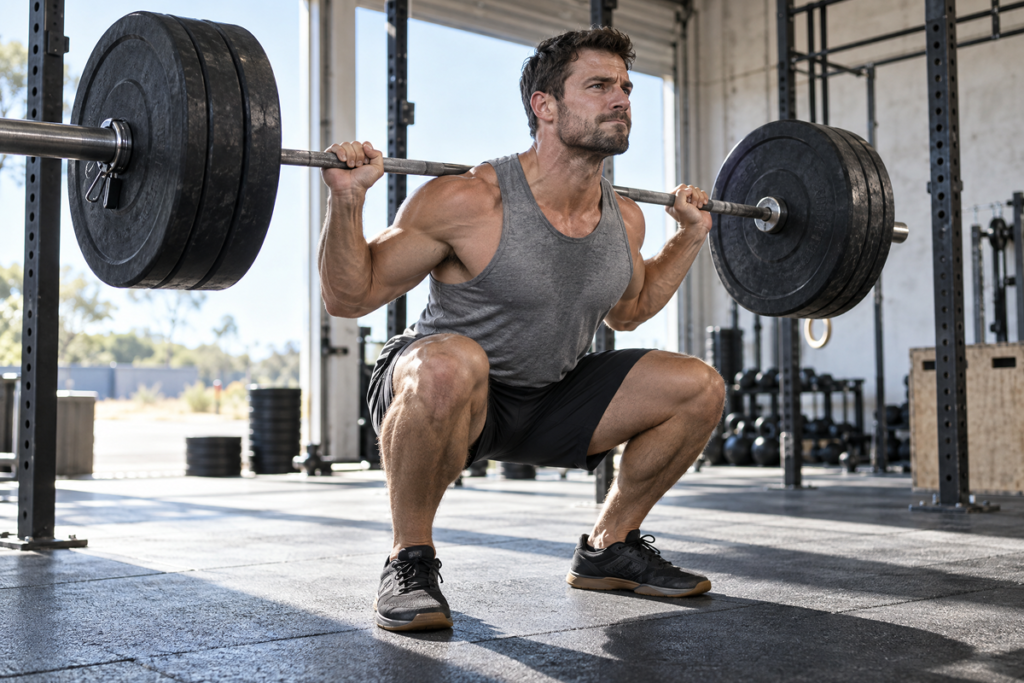
Can You Build Muscle Without Protein? What the Science Says
Can You Build Muscle Without Protein? What the Science Says In This Article Why Your Muscles Need Protein to Grow·Can You Build Muscle With No Protein at All?·Can You Build Muscle Without Protein Powder?·How Much Protein Do You Need to Build Muscle?·Do Older Adults or Certain Groups Need More Protein?·What Happens If You Don’t Get Enough Protein?·Protein Powders Are Optional. Protein Is Not. Muscle growth relies on consistent, progressive training combined with a healthy diet. One of the most discussed topics when it comes to food for fitness is protein intake. Can you build muscle without protein, or are protein supplements just marketing gimmicks? No. You cannot maintain or grow muscle without adequate dietary protein. Your body needs amino acids from proteins to build and repair muscle tissue and support muscle protein synthesis.. However, the protein you consume doesn’t have to come from powders and supplements. Why Your Muscles Need Protein to Grow Muscle protein synthesis (MPS) is the process your body uses to build new muscle proteins. Resistance training stimulates MPS and signals your muscles to adapt to the demands of training. Dietary protein provides the amino acids your body needs to support that remodeling and, over time, muscle growth. Your body cannot make the nine essential amino acids in sufficient amounts, so they must come from your diet. Both whole foods and protein supplements can provide these amino acids. Over time, gaining muscle requires muscle protein synthesis to exceed muscle protein breakdown. Resistance training provides a powerful stimulus for MPS, while adequate dietary protein supplies the amino acids needed to support that response.[i] Can You Build Muscle With No Protein at All? No. Without dietary protein, your body would not receive the essential amino acids it needs to maintain and build muscle tissue. Even when some protein is consumed, consistently getting too little can make it harder to maintain muscle and maximize your response to resistance training. When you don’t consume enough protein but continue training, your body may start to break down muscle tissue in order to support essential functions in your body. This isn’t about choosing to take or cut out supplements. It’s about the basic requirement your body has for dietary protein, whether that’s from foods like fish, meat, and pulses, or from another source, such as protein powders. Resistance training can still provide benefits when protein intake is less than optimal, but adequate protein helps maximize muscle repair, adaptation, and growth. Chronically inadequate protein and energy intake can make maintaining or gaining muscle more difficult. Can You Build Muscle Without Protein Powder? Absolutely, yes. Protein powder is protein provided in a convenient, easy-to-consume format, but that doesn’t make it a requirement for muscle growth. Whole foods can provide all of the essential amino acids needed to support muscle growth, making protein powder optional for most people. You can gain dietary protein from: Chicken Fish Eggs Tofu Tempeh Legumes If you’re on a plant-based diet, you can combine beans, lentils, nuts, and seeds in varying quantities to support your protein goals. Chickpea curries or smoothies combined with chia seeds, for example, are tasty ways to support a balance of micronutrients and protein without relying on animal-based products. The main advantage of protein powder is its convenience. It’s a concentrated version of protein that’s easy to mix up and consume, making it ideal for people who need a post- or pre-workout boost or for anyone who struggles to consume adequate protein from their diet alone. How Much Protein Do You Need to Build Muscle? For gentle muscle growth or muscle maintenance, around 1.4 to 2.0 grams of protein per kilogram of body weight per day should be sufficient, while taking part in resistance training.[ii] It’s worth noting that gains tend to plateau around 1.6 grams per kilogram of body weight per day. So, consuming large volumes of protein above this won’t necessarily give you dramatically boosted results.[iii] The big question: “How much protein do I need to build muscle?” It depends on your body weight: Current Body Weight Approximate Daily Protein Target (1.6 g/kg) 130 lbs (59 kg) ~94 g 160 lbs (73 kg) ~117 g 190 lbs (86 kg) ~138 g 220 lbs (100 kg) ~160 g Recover Post-Workout Protein contains 20 grams of protein per serving and provides a convenient way to contribute to your daily protein target after training and support muscle repair and recovery. Another option is P90X Whey Protein with 25 grams per serving, ideal for those on a structured strength program.* Shakeology, with 16–17 grams of protein per serving, can also help contribute to daily protein goals as part of an all-in-one daily nutrition shake, when consumed alongside other whole-food sources. Do Older Adults or Certain Groups Need More Protein? Protein is not a one-size-fits-all macronutrient. When you train more, you need more protein. People eating in a calorie deficit may also benefit from prioritizing protein because it can support satiety and help preserve lean mass during weight loss, particularly when combined with resistance training. Older adults may also benefit from increased protein intake. Expert recommendations suggest that healthy, older adults should consume 1.0 to 1.2 grams of protein per kilogram of body weight per day, more if they’re physically active.[iv] What Happens If You Don’t Get Enough Protein? Consistently inadequate protein intake can make it harder to support muscle protein synthesis, recovery, and the maintenance or growth of muscle mass. You may even experience muscle loss over time, which may be more noticeable if you’re on a calorie-deficit food plan. Protein is not optional for muscle growth, but the source is entirely a personal choice. The best protein sources for building muscle are the ones you will eat consistently and enjoy, so they continuously support your muscle growth goals. BODi powders like Recover, P90X, and Shakeology shakes offer three different approaches to help support protein goals, but they’re not the only ways to reach those targets. Protein Powders Are Optional. Protein Is Not. Building and maintaining muscle requires
Can You Build Muscle Without Protein? What the Science Says Read More »