Goal Setting

Auto Added by WPeMatico

Pros & Cons of Using a Fitness Tracker for Middle-Aged Women

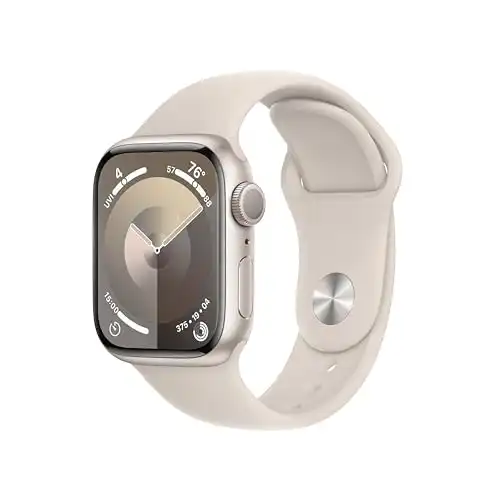
Pros & Cons of Using a Fitness Tracker for Middle-Aged Women Fitness trackers have become an essential piece of home gym equipment, and a regular part of our daily lives. Especially for those of us working towards or maintaining fitness goals! A fitness tracker is a wearable device (often designed as a watch) that monitors various aspects of your physical health throughout the day while you wear it. And these devices have a come a long way in terms of design and functionality. With sleek, popular designs, fitness trackers promise to help with goal setting (hit those daily steps!) and health monitoring (think quality of sleep!). But, they also come with a fair share of concerns. As a fitness expert with decades of experience training women, I’m going to explore the pros and cons of using a fitness tracker, specifically for middle-aged women. The Advantages of Using a Fitness Tracker As you can imagine based on their popularity, there are many benefits that come with using a fitness tracker consistently. I’ll start by saying I am a fan and I wear an Apple watch. But l want to share the reasons why or why not to wear one as a mid-life woman. Goal Setting and Motivation One of the most significant benefits of using a fitness tracker is its ability to help you set and achieve your fitness goals. Whether it’s increasing your daily step count (have you ever wondered how many steps it actually takes to lose weight?), staying active throughout the day, or monitoring your nighttime patterns to focus on getting better sleep, these devices provide tangible targets to aim for. They can serve as a daily reminder and motivator, keeping you focused on your health and fitness objectives. Health Tracking For middle-aged women, keeping an eye on health metrics such as heart rate, blood oxygen, and sleep quality can be vital. Fitness trackers offer an easy way to monitor these aspects continuously, allowing for early detection of potential health issues. Some trackers like the Apple watch will help you manage your medications, check for afib, and call 911 in emergency situations. This continuous feedback can empower you to make informed decisions about your health and lifestyle. Workout Guidance Many fitness trackers come equipped with built-in workout routines and suggestions, making it easier than ever to get a guided exercise session without the need for a personal trainer or gym membership. This feature is particularly beneficial for those new to exercising or looking to diversify their workout regimen. Convenience The convenience of having a multipurpose device on your wrist cannot be overstated. Beyond just fitness, these gadgets can offer functionalities like message notifications, weather updates, and music control, integrating seamlessly into your daily life. The Disadvantages of Using a Fitness Tracker Even with their popularity, not everyone is getting behind these clever devices. So what are the cons of using a fitness tracker? Let’s explore the downside of fitness tracking devices. Accuracy of the Device While fitness trackers have come a long way, the accuracy of the data they provide can sometimes be questionable. Steps counted, calories burned, and sleep monitored can all have variances, which might lead to slight misinterpretations of your health and activity levels. For most people it’s close enough. But some people get very focused on the numbers. Obsessive Behavior There’s a fine line between being motivated by your fitness goals and becoming obsessed with them. For some, the constant monitoring and data tracking can lead to an unhealthy fixation on numbers, potentially overshadowing the real focus on health and well-being. Cost Quality fitness trackers are not cheap, and the initial investment can be quite high. Considering the need for periodic upgrades and replacements, the cost can add up, making it a significant factor to consider before purchasing. Battery Life The convenience of a fitness tracker can quickly diminish if you’re constantly needing to charge it. Battery life varies widely among different models, with some requiring daily charging, which can be a hassle for busy individuals. Data Privacy With the collection of significant amounts of personal health and activity data comes the concern of privacy. Ensuring that your data is secure and understanding how it is used by the device manufacturer is crucial. Fitness trackers offer a convenient and innovative way for middle-aged women to monitor their health and fitness goals. However, it’s important to weigh the pros like motivation, health tracking, workout guidance, and convenience against the cons including data accuracy, potential for obsessive behavior, cost, battery life, and privacy concerns. Ultimately, the decision to use a fitness tracker should align with your personal health goals and lifestyle preferences, ensuring it serves as a tool for empowerment rather than a source of stress. Whether you decide to use a fitness tracker or not, remember that the path to wellness is personal and varied, and the best approach is the one that makes you feel supported, motivated, and healthy. Product Image Product Name Primary Button Apple Watch Series 9 [GPS 41mm] Smartwatch with Starlight Aluminum Case with Starlight Sport Band M/L Check Price Apple Watch Series 8 Smart Watch Check Price Garmin Rugged Outdoor Watch with GPS, Built for All Elements Check Price Wearable4U – Garmin Approach S12 Premium GPS Golf Watch, White with Power Pack Bundle Check Price Apple Watch Series 9 [GPS 41mm] Smartwatch with Starlight Aluminum Case with Starlight Sport Band M/L Check Price Apple Watch Series 8 Smart Watch Check Price Garmin Rugged Outdoor Watch with GPS, Built for All Elements Check Price Wearable4U – Garmin Approach S12 Premium GPS Golf Watch, White with Power Pack Bundle Check Price Fitness trackers have become an essential piece of home gym equipment, and a regular part of our daily lives. Especially for those of us working towards or maintaining fitness goals! A fitness tracker is a wearable device (often designed as a watch) that monitors various aspects of your physical health throughout the day while you […] Chris Freytag, CPT{authorlink}https://gethealthyu.com/fitness-trackers/Get Healthy

Pros & Cons of Using a Fitness Tracker for Middle-Aged Women Read More »
The Best Walking Pads From A Fitness Expert (2024)

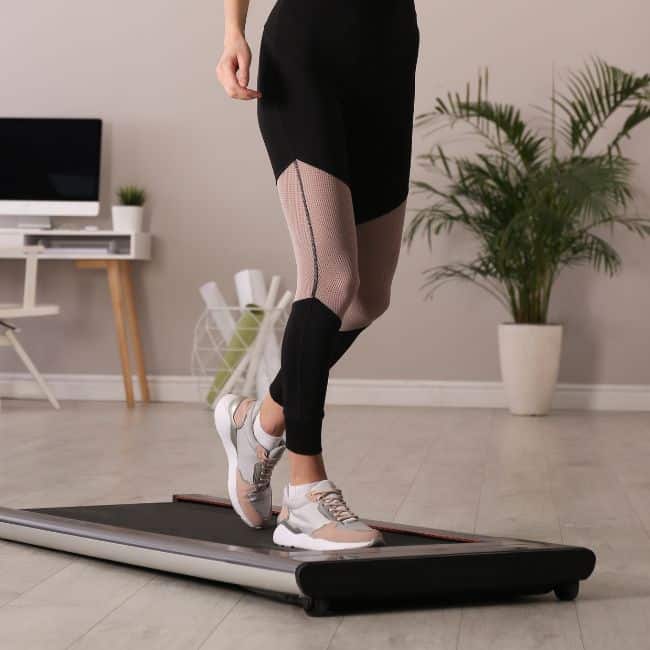
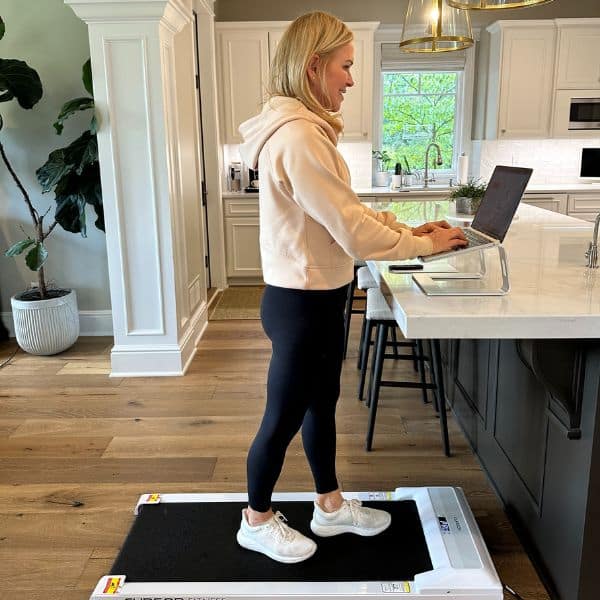
The Best Walking Pads From A Fitness Expert (2024) The best walking pads will help you reach your daily fitness goals and combat a sedentary lifestyle without sacrificing cost or space. Get my expert opinion on speed capacity, portability, size, and affordability, so you can choose the best walking pad for you! Walking pads come in a variety of sizes, with a mix of functionalities, and of course, different pricing. But the best walking pad for you, is the one you’ll use the most. I’m looking at the top reviewed walking pads to help you find your perfect match. Whether you need a foldable option, or need to stick to a specific budget, I can help! My walking pad has been a game changer for my daily steps and movement. Instead of sitting still at my desk all day, I’m getting true exercise in while I work. Trust me, this is a health purchase you won’t regret ; ) Here are my top picks for the best walking pads, including the specific model I have myself! Cursor Fitness Under Desk Treadmill 2 in 1 Walking Pad (My Walking Pad!) I was so excited to get this under desk treadmill on Amazon Prime Big Deal Days. A lot of my day is spent in front of a computer. Right now that means I’m sitting a lot! I’m excited to use my new walking pad for working from home. Instead of sitting on my butt all day, I can stand at my kitchen island overhang and type away while I slowly walk.  I love the sturdiness of this walking pad, and the great reviews didn’t hurt either. The white design matches the aesthetic factors in my home, and it’s easy to move and put away. Most Popular Features: Minimal noise Easy to put away Compact Sleek design Fits under desk Smooth and steady surface with cushioning Easy to navigate control panel Several speed options Compelling Review From Amazon: “I love how compact and lightweight this walking treadmill is. You can very easily pick it up and move it around to exercise anywhere in the house and easily store out of the way, instead of it becoming another place to hang clothes on. This is great for brisk walking but not a running pace, which is great for watching TV and getting some steps in. Would also be perfect for a standup desk area. The remote works well and helps you fine tune the speed easily. It has proven to be durable, lightweight, and not too noisy. The value is exceptional and I hope I get a ton of use out of it.” CURSOR FITNESS Under Desk Treadmill, 2 in 1 Walking Pad, 265 LBS Capacity for Home and Office Workout Check Price We earn a commission if you make a purchase, at no additional cost to you. WALKINGPAD C1 Foldable Treadmill Walking Pad This sleek walking pad is a great foldable option. It comes with a super compact design, manual and automatic control options, and syncs with your Apple Watch.  Most Popular Features: Works well will standing desks Comfortable to walk on Foldable Slim design Remote feature Smart safety features Syncs with fitness watches Speed setting capabilities Great customer service Compelling Review From Amazon: “I love it so far!! I upgraded from my cheap one I bought on Amazon 2 years ago and I love how this one folds under my desk and how it’s skinnier than my old one so my chair fits next to it. The app for me works great and I love how it also syncs with my watch! I also love how you can set your own speeds and it automatically adjusts.“ WalkingPad C1 Foldable Treadmill Walking Pad Smart Jogging Exercise Fitness Equipment, Low Noise Footstep Induction,Folding Under Desk (White) Check Price We earn a commission if you make a purchase, at no additional cost to you. WALKINGPAD S1 Foldable Walking Pad Ultra Slim Smart Fold This space saving walking pad has a foldable design with two rollers for easy movement. It also comes with a remote control, footstep induction speed control, and a noise free experience. Most Popular Features: Space saving design Easy setup Foldable Remote feature Front wheels make it easy to move on flat surfaces Good for working from home activity Great supplement to regular exercise Excellent customer service Compelling Review From Amazon: “10/10 worth the money. If you work from home this is a must. Would buy again.” WALKINGPAD C2 Folding Treadmill Foldable Walking Pad Ultra Slim Smart Fold – Device for Home Office Under Desk (White) Check Price We earn a commission if you make a purchase, at no additional cost to you. FYC Under Desk Treadmill This under desk treadmill has two different mode capacities. It can be used under a desk for walking, or independently with raised handlebars for running. It’s easy to use and its foldable design make it a compact option for reaching your exercise goals. Most Popular Features: Easy setup Stores in flat or upright position Sturdy Quiet Lightweight Remote feature Clear display Easily rolls Compelling Review From Amazon: “This is one of the best purchases that I’ve made on Amazon. I’ve used it almost every single day since I bought it over a year ago. It still is working great and has done wonder for not only my physical health but my mental health. I’m able to easily walk while I work and it’s so compact that I can store right in my home office next to my desk. My 65 year old mom even bought one for herself after testing out mine! Highly recommend this walking pad for anyone looking.” FYC Under Desk Treadmill – 2 in 1 Folding Treadmill Desk Workstation for Home Check Price We earn a commission if you make a purchase, at no additional cost to you. RHYTHM FUN Treadmill This under desk treadmill has a wider belt compared to other walking pads, giving it a higher comfort level and smoother experience. It’s compact, space saving, and comes with a noise reduction design. Most Popular Features: Great tech support Quiet design Easily movable Simple

The Best Walking Pads From A Fitness Expert (2024) Read More »

14 Tips To Avoid Holiday Weight Gain This Season

14 Tips To Avoid Holiday Weight Gain This Season Don’t let the holiday season derail your fitness goals. Check out these 14 tips to help you enjoy the festivities without worrying about packing on the pounds! Managing your weight and sticking to an exercise program can easily slip down your priority wish list during the holiday season. Purchasing gifts, trimming the tree, sampling holiday treats and finding the perfect fuzzy sweater are way more fun this time of year than remembering to avoid holiday weight gain! There are lots of factors that come into play when dealing with weight gain. Even hormones can have a surprising impact. But, by taking control of your holiday eating and fitting in a little extra movement when you can, you are more likely to maintain a healthy weight and keep those extra pounds away. These amazing 14 tips and strategies are some of the best ways to have a blast this holiday season while still managing to keep that holiday weight gain at bay. Table of contents Common Causes of Holiday Weight Gain Overeating Drinking Too Much Alcohol Stress Eating Inactivity Can You Avoid Holiday Weight Gain? Average Weight Gain During The Holidays 14 Best Tips For Avoiding Holiday Weight Gain Get Moving And Stick to Your Exercise Routine Stick To A Five-A-Day Plan Watch What You Drink (Liquid Calories) Allow For Indulgences And Enjoy Dessert Control Your Temptation Triggers Never Go To A Party Hungry Exercise In Bursts Just Say No Focus On The People, Not The Food Control Your Portion Sizes Eat Healthy Appetizers and Snacks Choose Plant-Based Sides Avoid Buffet-Style Meals Get Enough Rest and Hydration Common Causes of Holiday Weight Gain The holiday season is a time for gatherings with family and friends, and often, these gatherings involve food. It’s no wonder then that many people struggle to avoid holiday weight gain.  Here are four common causes of extra weight gain around the holidays and how you can avoid them: Overeating Overeating is probably the most common cause of holiday weight gain near the end of the year. When we’re surrounded by delicious food, it’s hard not to overindulge.  To avoid overeating, don’t go to parties with an empty stomach. Try to eat a little something before you go to holiday parties or events.  This way, you’ll be less likely to over fill up on party food.  And when you’re at a party, make sure to eat slowly, keep portion size appropriate, and stop when you’re full. Drinking Too Much Alcohol Drinking alcohol can also lead to weight gain. Alcoholic beverages are high in calories, and they can also reduce our inhibitions, which can lead to overeating. After a few cocktails your self discipline goes out the door.  If you’re trying to avoid holiday weight gain, limit your alcohol intake. Stick to one or two drinks, and make sure to alternate alcohol with water. Stress Eating The holidays can be a stressful time for some people. And when we’re stressed, we may turn to food for comfort and it can lead to weight gain.  To avoid stress eating in the first place, try to find other ways to cope with holiday stress. Even things like taking a walk, meditation, deep breathing exercises or talking to a friend. Inactivity The holidays can also be a time when we’re less active. We may not have time for our usual exercise routine, or we may be tempted to lounge around and relax more than usual.  Less calories burned and more calories consumed will lead to weight gain.  To avoid gaining weight from inactivity, make sure to find time for some physical activity, even if it’s just a short walk around the block. You don’t need a personal trainer to stay active! The holidays don’t have to be a time when we gain weight. By being aware of the common causes of holiday weight gain and taking steps to avoid them, we can enjoy the holidays without worrying about our waistline. Can You Avoid Holiday Weight Gain? The holidays are a time for families to get together, share meals, and exchange gifts. It’s also a time when many people see their weight go up.  One study analyzed two groups of adults. They used a control group, and an intervention group. The intervention group was given specific tools to help them manage weight loss during the holidays, while the control group was just given information on healthy living. The intervention group ended up losing an average of 0.3 lbs, while the control group gained 0.8 lbs on average. So, it is possible to not only avoid holiday weight gain, but actually lose too! The good news is there are plenty of things you can do to avoid holiday weight gain. Keep reading to see my favorite tips. Average Weight Gain During The Holidays The holidays are a time for family, friends, and of course, food! It’s no surprise that the average American gains weight during this time of year. But how much weight is too much? And how can you avoid putting on those extra pounds? The average American gains about 1-2 pounds from Thanksgiving to New Year’s Day.  The good news is that isn’t probably as much as you thought. Don’t throw in the towel thinking “oh well, I’m going to gain 10 pounds so I’m just going to eat anything I want.”  Realize that you have some control and if you are a little disciplined and smart about choices, you can avoid feeling like you came out of the holidays with a bigger belly.   I recommend using the following tips to enjoy the holidays without letting them sabotage your health! 14 Best Tips For Avoiding Holiday Weight Gain Holiday weight gain is common, but it’s not impossible to avoid. Yes, you can still enjoy the holiday season. It’s totally possible to modify your behaviors and movement to make the most of the season, while still maintaining a healthy weight. Here are my favorite 14 tips to avoid holiday weight gain: Get Moving And Stick to Your Exercise Routine Food and

14 Tips To Avoid Holiday Weight Gain This Season Read More »

The Best Walking Pads From A Fitness Expert [2023]

The Best Walking Pads From A Fitness Expert [2023] The best foldable walking pads will help you reach your daily fitness goals without sacrificing cost or space. Take it from a fitness expert, with sedentary lifestyles on the rise, there has never been a better time to add more movement to your life! Even if you have a great workout routine, sitting at a desk all day can take a toll on your body. We aren’t meant to live a sedentary lifestyle and the best walking pads can help us hit those daily steps goals. Motion is lotion! Moving your body through a healthy range of motion with light exercise keeps it working smoothly. It can even help prevent future health issues. Luckily, there is a simple solution. The best walking pad can help keep your body in constant motion, even in the minimal space of a home office. The ease of use and quiet noise level makes the under-desk treadmill a game changer. These smart mini treadmills can transform your zoom calls into a walking workout with minimal effort on your part. I don’t know about you, but when I see a great way to add more low-impact activity into my day, I JUMP on it.  Whether it’s working, watching TV, or cooking, even a basic walking pad can help change any sedentary activity into an active one. Their compact size and affordable lightweight design makes them more approachable than traditional treadmills. In a world where people are spending more and more time sitting, I recommend doing the opposite. Move your body more every day and you’ll be surprised by the results. Keep reading to explore whether walking pads might be a great option for you to increase your daily activity levels. Then, check out my favorite picks, including the walking pad treadmill I own and love! First, let’s dive into why getting more steps in daily matters. Table of contents Non-Exercise Activity Thermogenesis (NEAT) Walking Pads vs. Treadmills Benefits of Walking Pads Getting Started With Walking Pads Cursor Fitness Under Desk Treadmill 2 in 1 Walking Pad WALKINGPAD C1 Foldable Treadmill Walking Pad WALKINGPAD S1 Foldable Walking Pad Ultra Slim Smart Fold FYC Under Desk Treadmill RHYTHM FUN Treadmill Walking Pads for Weight Loss Under Desk Walking Pads for Working From Home FLEXISPOT Electric Standing Desk Non-Exercise Activity Thermogenesis (NEAT) We typically think of movement and calorie expenditure in terms of minutes of exercise. But, a lot of our daily activity actually comes from “non-exercise activity thermogenesis” (NEAT). This includes all the activities we fit into our busy schedules that aren’t “exercise.” Things like walking to lunch, pacing on the phone, cleaning, cooking, climbing up and down stairs, standing with a friend or watching your kids, folding laundry, hobbies, and the list goes on.  Think of all the daily tasks that require some kind of small physical activity. That’s NEAT. Dr. James Levine of the Mayo Clinic explains the importance of NEAT and the worthwhile opportunity for weight loss and other health gains. Dr. Levine pioneered the treadmill desk and his studies showed that when a healthy individual walks at a slow pace of around 1-2 mph during the workday, they can burn a significant amount of extra calories. This can make a huge impact in people’s weight loss efforts. It’s not sweaty exercise, it’s just consistent movement. Levine makes convincing arguments that NEAT could burn up to 1,000 extra calories per day when added strategically to the workday. He also explained that obese individuals perform drastically less NEAT than those within a healthy weight range. As we begin to understand the importance of NEAT, it’s easy to see how working from home or sitting at a desk all day can be quite an obstacle. How can you incorporate more movement into your day when you’re glued to a desk? That’s where walking pads come into play! Walking Pads vs. Treadmills Both walking pads and classic treadmills provide an opportunity for cardiovascular exercise. They are both exercise equipment tools with user-friendly operation that can be used in a home gym or home office. However, the two have pretty stark differences. Treadmills are commonly known for their powerful performance and have been a staple running machine in home gyms for years. They are typically heavy and immobile, and take up quite a bit of space. Treadmills come with lots of great features, like incline control and higher maximum speed capacities. They can be used for anything from a daily walk to an intense run. These are my favorite treadmill workouts for weight loss. Walking pads are a newer product to the market. With many workers trying to combat sitting at a desk all day, and social media trends like cozy cardio, it makes sense that these walking pads are quickly gaining popular product reviews.  These compact treadmill options are smaller, have lower speed capacities, and are usually portable making them a great option for limited space. They are a simpler, more afforadable option that allow you to walk for a long time in your home work environment or living room. Some have the capacity for running, but not nearly in the same way as a traditional treadmill does. Want to learn more about the best exercise tools for home? Check out my picks for the best home gym equipment. Benefits of Walking Pads I think walking pads are brilliant! From a personal standpoint, I have a regular workout routine in the early morning but I still sit at my computer desk to work all day. I can’t stand how little movement my body is getting the rest of the day. However, I am not interested in a full size treadmill that would have to go in my basement. I wanted a portable walking machine that I can use in my kitchen under my counter or in my family room.   Living in the midwest also means the weather varies quite a bit throughout the year. I love getting outside in the evening to walk, but in the colder months it can be tough. Walking pads work well just about anywhere. Any space from a small apartment to a home will work. Whether you’re working from home or just watching TV, the extra steps will benefit your health and general mobility. Here are just a few of the benefits of walking pads: Increase NEAT activity easily at home Compact designs are great for small spaces Easy to store when not

The Best Walking Pads From A Fitness Expert [2023] Read More »

15 Best Mobility Exercises for Seniors to Stay Active

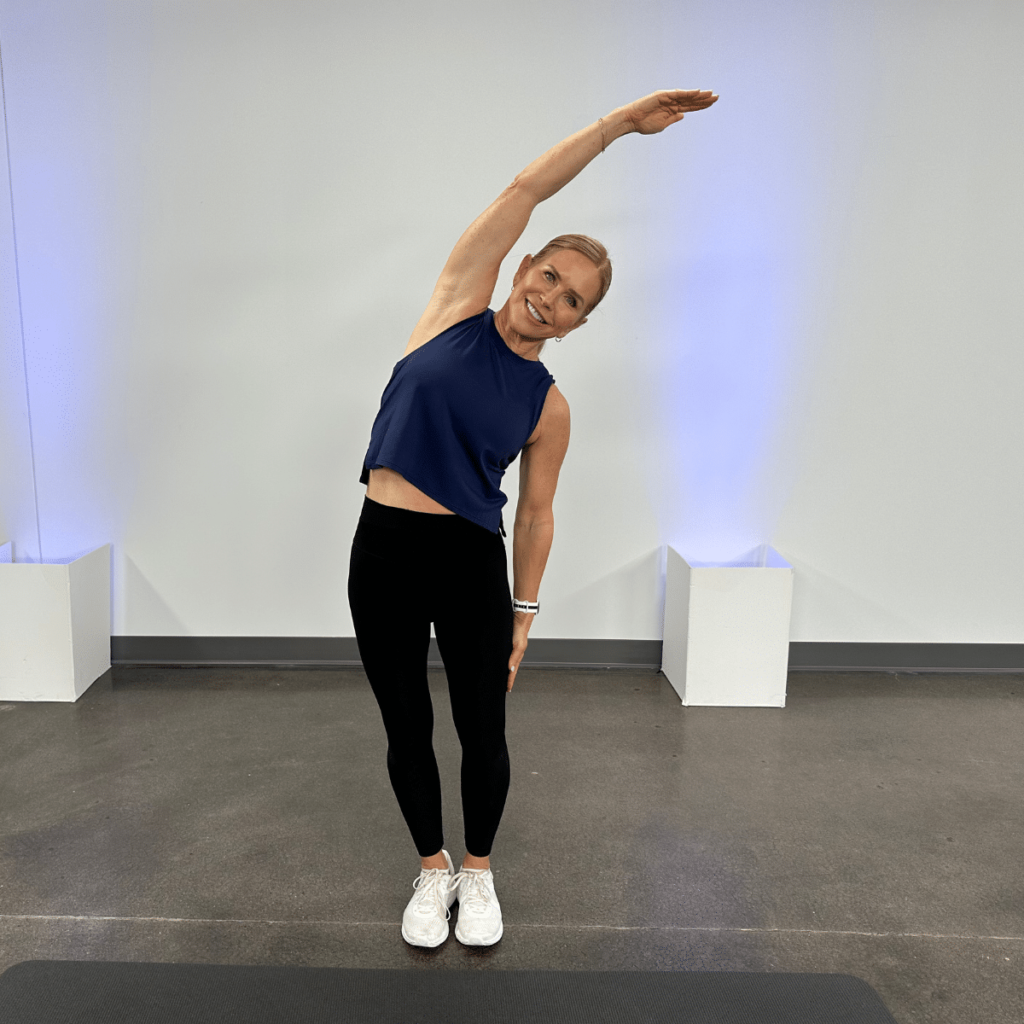
15 Best Mobility Exercises for Seniors to Stay Active One of the best things you can do to stay healthy and active with age is to make mobility exercises a regular part of your routine. Did you know that limited mobility is actually the thing that makes you look the oldest? Don’t worry if you’re already noticing mobility issues crop up, because it’s never too late to see benefits! In fact, a quick mobility routine is often all it takes to start feeling better.  To see the benefits firsthand, try the 15 best mobility exercises for seniors. These are the best exercises that will keep you in action and impact your overall health for years to come. Table of Contents The Benefits of Mobility Exercises for Seniors Tips for Doing These Exercises 15 Mobility Exercises for Seniors FAQs The Benefits of Mobility Exercises for Seniors Before we dive into which mobility exercises to add to your regular exercise routine, let’s talk about why you should do them in the first place. Here are the standout health benefits of mobility exercises for seniors: Keeps joints healthy. Motion is lotion! Moving your joints through a healthy range of motion washes them in fluid, keeps them working smoothly and can help prevent joint pain.  Improves stiffness and pain. It’s pretty common for joints to creak and hurt with age, especially if you have arthritis. Movement is often the number-one solution to stiff, achy joints, largely thanks to that fluid we mentioned earlier.   Makes everyday activities easier. When your joints feel better, everyday activities tend to feel better, too. Plus, teaching your joints to move in a greater range of motion makes more movements possible, because you’re not limited by how far your ankles, knees, hips, spine, shoulders, elbows, and wrists can bend and rotate. An active lifestyle improves your quality of life and can help prevent risk of injury too. Help you stay active. If mobility exercises can make daily life easier, they can also help you stay active. Staying active is key for keeping your muscles strong, your heart and lungs fit, your mind sharp, and your balance on point. Aside from fending off chronic conditions, staying active can also help you live independently, maintain great mental health, and muscle strength.    Makes you look (and feel!) younger. Few things make you look and feel older than the inability to move. Mobility exercises are simple to add to your routine, and can shave years off if done consistently. Related: 9 Hip-Strengthening Exercises for Seniors Tips for Doing These Exercises These mobility exercises and stretching exercises are for older adults with mobility issues and those looking to stay active. They’re not for people with injuries. These folks should work with a physical therapist or other healthcare provider who can supervise their recovery. You only need floor space and a yoga mat for most of these exercises. There are also chair exercises that use a seated position.  Do these exercises two to three times per week. Keep your movements controlled and work at a comfortable pace. If you can build them into your daily routine, even better! At first, these exercises might feel awkward and stiff. But the more you do them, the warmer your muscles and the looser your joints will get. Over time, the following exercises will feel easier, and so will daily physical activity. Can’t do an exercise as written? Good news! We’ve included tips to modify a move if needed.  Amazon Basics Extra Thick Yoga Mat with Carrying Strap Check Price We earn a commission if you make a purchase, at no additional cost to you. COSCO Vinyl Folding Chair, 4 Pack, Black Check Price We earn a commission if you make a purchase, at no additional cost to you. 15 Mobility Exercises for Seniors 1. Shoulder rolls Basic shoulder rolls are simple exercises that loosen up the shoulder muscles and joints. Shoulder mobility is critical for basic tasks like reaching overhead and sports like tennis and swimming.  How to perform a shoulder roll: Stand with your feet hip-width apart. Shrug your shoulders up toward your ears. Then, slowly roll them in a forward motion. After about 30 seconds, roll your shoulders in a backward motion.  Muscle Groups Targeted: Shoulders 2. Arm circles This move loosens the shoulder joints and engages the shoulders, biceps, and triceps. It’s an easy way way to improve posture and get your arms and shoulders ready for sports like swimming and pickleball. How to perform an arm circle: Stand tall with your feet shoulder-width apart.  Raise and extend your arms to your sides.  Without bending the elbows, rotate your arms forward in small circles for 30 seconds. Then, rotate your arms backward in small circles for 30 seconds.  Muscle Groups Targeted: Shoulders, Biceps, Triceps, Upper Back 3. Hip circles This simple exercise helps loosen up the muscles and joints in your hips. As the hips play a role in practically every activity you do, it’s important for them to have a healthy range of motion. How to perform a hip circle: Stand tall with your feet shoulder-width apart and place your hands on your hips. Keeping a slight bend in your knees, slowly circle your hips in a clockwise direction for 30 seconds. Then switch directions and circle your hips counterclockwise for 30 seconds..  Muscle Groups Targeted: Lower Back, Hips 4. Standing side bends The standing side bend stretches the spine and obliques (side-abs). This helps improve posture for sports, new exercise, and daily activities. How to perform a standing side bend: Stand tall with feet and legs together. On an inhale, reach both arms straight up overhead.  Lower your right arm to the right side of your body. On an exhale, lengthen the left arm over your head, bending your body gently to the right.  Inhale to return both arms overhead and repeat on the left side. Do six to 10 reps per side. Do this exercise in a sturdy chair if you get tired from standing or can’t keep your balance while bending. If chair exercises fit your comfort zone, try these 10 best chair exercises for seniors too! Muscle Groups Targeted: Spine, Obliques 5. Wall push-ups Wall push-ups are a great mobility exercise for seniors that target the shoulders, chest and triceps. It helps with daily activities such as pushing open doors and getting up from a chair. How to perform a wall

15 Best Mobility Exercises for Seniors to Stay Active Read More »

Emotional Eating And How To Break The Pattern

Emotional Eating And How To Break The Pattern Is emotional eating preventing you from losing weight? Does it keep you from feeling like your most energetic, healthy self? And most importantly, does it cause you to feel guilt or shame that eventually starts the cycle all over again? If so, you’re not alone. What Is Emotional Eating? Emotional eating is a form of disordered eating that involves consuming large quantities of food—usually comfort or junk foods—to cope with difficult emotions. It is a highly common cycle that most people have fallen into at some point in their lives. The good news is this: there are ways to break the cycle of emotional eating and heal both your physical and mental health. Why Do We Emotional Eat? Photo Credit: Shutterstock Firstly, it’s important to understand why we eat emotionally. We eat emotionally because food has a true physiological effect on our mood—whether it’s a temporary blood-sugar increase from carbs or a spike in serotonin thanks to chocolate or sweets. Not only that, but many of us are taught as children that sweets or treats are “rewards” for good behavior. We eat emotionally because it’s a maladaptive coping mechanism for getting what we really want: love, security, or comfort. While some people struggle with emotional eating during specific circumstances—maybe a stressful week at work, a frustrating meeting, or a bad breakup—others spend years of their life battling the constant urge to heal deep, long-lasting emotional wounds with food.  Empowerment coach for girls and women, Frannie Foltz, knows firsthand how the cycle of emotional eating can impact your life. “For years, emotional eating held me captive,” says Foltz. “My childhood was riddled with abuse; as a result, fear, shame, and loneliness lead me to seek comfort in food. Food was reliable, readily available, and a legal drug of choice to numb my pain. And I was the one in control of how much I ate, when, and where. By 21, I tipped the scales at 294lbs” Breaking The Pattern of Emotional Eating While many people think the cycle of emotional eating can be broken by just willing themselves to stop reaching for junk food, it’s important to understand that the root cause is, by definition, emotional.  Foltz, for example, tried to deal with her emotional eating by making dietary changes after college. She cut portions in half, reduced carbs after 4 pm, and drank water instead of diet soda. But she says the real shifts that helped break the cycle eventually occurred in her mind.”I realized that after a stressful day at work or being rejected by a guy, I was still resorting to binging. My habits were changing, but I was still allowing my emotions to reign—so much so that I’d take cake from the garbage can and make a box of brownies just to eat the entire batch.” Frannie Foltz, empowerment coach and trainer Foltz says it took an emotional and spiritual journey for her to break the cycle and lose weight—120 pounds, to be exact—which she has kept off for nearly two decades. “I finally began recognizing the pattern that when my emotions were triggered, my self-destructive eating patterns kicked into high gear. In time, I identified fear as the common emotion of all of my triggers—I was afraid of love because I had been hurt in the past, so I even feared loving myself. My body was heavy because my heart was heavy.” With this awareness, Foltz created practices to combat her bouts of emotional eating when fear reared its ugly head. “When negative thoughts entered my mind, I began replacing these destructive thoughts with positive, constructive thoughts so that my body would take the signals from my mind. Instead of thinking, ‘I need a Snickers now!’ I trained my brain to ask, ‘How is a Snickers bar going to make you less afraid?’” In essence, Foltz learned a valuable lesson: you can’t deal with the physical weight until you deal with the emotional weight.  But how do you even begin to deal with the emotions at the root of the problem? 7 Ways To Stop Emotional Eating Asses Your Emotional State. Before you open the fridge, asses your emotional state. Whenever you reach for junk or comfort foods, take a five second pause and ask yourself: “How am I feeling?” If you feel stressed, angry, bored, lonely, or low, give yourself a moment to pause. Write down three healthy ways you can make yourself feel better, and do one of those things before you eat. This helps break the pattern of (even subconsciously) numbing your pain with food. Identify What Triggers Your Binge. Once you’ve realized that you may be using food to cope with a specific emotion, identify the event or events that trigger the emotion. It could be something from that day, or even a deep wound from childhood. This helps you be aware and then prepare you for when you may be confronted with the trigger again. For Foltz, holidays were a major trigger she identified. “At every holiday fathering, my great aunt Mary would ask, ‘Why aren’t you married yet? What are you doing wrong?’ Knowing I was going to see her at the next holiday allowed me to prepare mentally and even script a response beforehand.” Find A Supportive Tribe. Surround yourself with friends who like to be active and who can support you when you have “one of those days.” Call a friend and ask her to join you for a walk, a barre class or anything where you can engage with one another and find comfort in a healthy way instead of reaching for the chips. Create A Daily Mantra. Foltz suggests creating a mantra you repeat daily, not just when triggered. “Wallpaper your world with it. Post-it to your makeup mirror, save it as a screensaver on your phone, write a note card and clip it to your sun visor in your car. You will begin to believe your affirmation, which will manifest into living it.” Have Healthy Comforts On Hand. Usually, emotional eating occurs when we

Emotional Eating And How To Break The Pattern Read More »

Try a Mood Board for Your Fitness and Wellness Resolutions This Year

Try a Mood Board for Your Fitness and Wellness Resolutions This Year The New Year is one of the best times of the year to set fitness and wellness resolutions. And one of the best ways to ensure you keep those fitness and wellness resolutions all year long? A mood board. Mood boards can be a great source of inspiration for making healthier decisions and moving towards your fitness and wellness goals. But what, exactly, is a mood board, how do they work,  and how can you use mood boards to become the happiest, healthiest version of yourself in 2023 (and beyond)? Sometimes called a vision board, a mood board is a collection of images, graphics, words, and other visual imagery collaged together. They essentially create a visual representation of a chosen topic, idea, concept, or goal. You can make a physical mood board (for example, by cutting out images from a magazine and collaging them on a piece of posterboard)—or, if you prefer the more tech-savvy route, you can create a virtual mood board using a digital design tool. What can you use a mood board for? Mood boards are extremely versatile. You can make one on just about every topic and for just about any reason (including just because you want to!). But one of the most effective ways to use them? To help you hit your goals. For example, let’s say you just bought a new home. You might make a mood board full of interior design images to help guide your decorating process—including the colors, styles, textures, and patterns you want to include in your home design. Or let’s say you’re still renting—but your goal is to buy a home in the near future. In that situation, you could make a mood board to keep you moving towards your goal, complete with photos of your dream neighborhood, the kind of home you’d like to buy, and images that will inspire positive financial habits. Mood boards can be a helpful tool in working towards any goal. But as the New Year approaches, they can be especially effective in helping you work towards your New Year’s resolutions—including your health and fitness resolutions. So how, exactly, can you use mood boards to help you hit your health and fitness goals—and keep you moving towards your healthiest, happiest self straight through 2023? Make sure all of your health goals are represented—mental, physical, and emotional When setting health resolutions for the coming year, it can be easy to focus on the physical—things like changing your diet or getting more exercise. And while you’ll 100 percent want to include those goals on your mood board, your physical health goals aren’t the only resolutions you want represented on your mood board. You’ll want to include your mental and emotional health goals as well. Think about the resolutions you want to make to improve your overall health in 2023—physical, mental, and emotional. For example, maybe your health resolutions look something like this: Physical: Run a 10k, learn to cook healthy meals at home, improve sleep hygiene and get 8 full hours of sleep each night Mental: Create a daily self-care practice, learn an instrument, read one book per month Emotional: Start seeing a therapist, schedule at least one “friend date” each week All of those resolutions are going to help you become a healthier, happier person—and so you’ll want to include them on your mood board. Include images that inspire you Once you know all of the health resolutions you want to include on your mood board—physical, mental, and emotional—it’s time to start putting your mood board together. And the first step in that process? Gathering images to create your collage. There’s no “right” way to search for, find, and collect imagery for a mood board. If you’re making a physical mood board, you might clip images from books and magazines or incorporate your own photos—while if you’re making a digital mood board, you might search the internet and take screenshots of images that align with your goals. But however you conduct your image search, the most important thing to keep in mind? Choose images that inspire you. Look for inspiring images that align with the goals you’re trying to hit. For example, is one of your fitness goals to finish your first marathon? Look for photos of people triumphantly crossing marathon finish lines or epic scenery shots of the location where you’d like to run. Are you planning on embracing a more plant-based lifestyle in the coming year? Make sure to incorporate lots of pictures of delicious, nutritious foods and meals to inspire your plant-based menu. Bottom line? The purpose of your mood board is to act as a visual representation of your health and fitness resolutions—and to inspire you to keep working towards those resolutions, even when it gets challenging. So, to make sure your mood board inspires you when you need it most? Choose inspiring images. Put your mood board on display A mood board is a great reminder of the goals that you’re working towards and inspiration to help you work towards those goals. But it can only remind and inspire you if you can actually see it. Display your mood board in a place where you’re sure to see it every day—for example, on your bedroom wall, on your dresser, or in your workout room. The more often you look at your mood board, the more visual reminders you’ll get of your fitness and wellness resolutions—and those reminders can help you stay accountable to hitting your goals and keeping your resolutions. Add to your mood board as necessary As the year progresses, your fitness and wellness resolutions may progress right along with it. So, if you want your mood board to continue to inspire you? Make sure to change and add to it as necessary. For example, let’s say your major New Year’s health resolution is to get better sleep—and, as such, your mood board is focused on

Try a Mood Board for Your Fitness and Wellness Resolutions This Year Read More »