Business & Career Resources

Auto Added by WPeMatico

How Coaches Balance Client Work and Continuing Education

How Coaches Balance Client Work and Continuing Education “What set me apart over 20+ years as a trainer and business owner was my commitment to keep learning. Education made me a better coach, a stronger leader, and a more trusted professional. If you want to grow your impact, serve clients at a higher level, and stand out in a crowded field, invest in your development every step of the way.”  – Diane Vives, M.S., AFPA Senior Director  In the health and fitness industry, growth is not optional.  Your clients depend on you to stay informed, credible, and current. Science evolves. Best practices shift. New tools emerge. Continuing education is how coaches stay sharp and effective.  Yet the reality is that many coaches are already stretched thin.  They manage client sessions, programming, communication, marketing, business operations, and not to mention their own personal wellness. Adding continuing education to an already full schedule can feel overwhelming. Many coaches struggle with balancing learning and client sessions while maintaining energy and focus.  The good news is that it is possible to create a sustainable rhythm. Coaches who thrive long term approach continuing education planning strategically. They treat professional development as part of their business model, not an afterthought.  Here is how experienced professionals build systems that support both client success and ongoing growth (without burning out).  Why Continuing Education Is Non-Negotiable  Before we talk about logistics, it helps to revisit why continuing education matters so much for coaches.  First, it protects your credibility. Certification renewal requirements, such as those for personal trainer continuing education, ensure that you remain aligned with current research and ethical standards. In a field that directly impacts people’s health, this is critical.  Second, it strengthens client outcomes. When you deepen your understanding of behavior change science, nutrition strategies, corrective exercise, stress management, or emerging research, you can serve your clients at a higher level.  Third, it supports your own career longevity. Professional development for coaches opens doors to specialization, leadership roles, and diversified income streams. It keeps your work interesting and intellectually stimulating.  And finally, it builds confidence. When you are actively learning, you can show up to client sessions with clarity and authority.  This is how AFPA Senior Director Diane Vives puts it:  “I’ve been fortunate to experience success as a strength and conditioning specialist, personal trainer, and business owner, and I credit so much of that success to staying curious, staying humble, and committing to my ongoing education.  Learning didn’t just improve my services; it expanded my perspective, connected me to incredible thought leaders, and shaped the way I served both clients and my team. The energy I put into my education came back exponentially in growth, impact, and revenue. Education was my superpower.”  The challenge is not whether to pursue continuing education. The challenge is how to integrate it into a sustainable coaching workload balance.  Unlock Unlimited CE with CE Advantage Why stop at just one course? With AFPA CE Advantage, you’ll get unlimited access to our entire continuing education catalog—including 90+ courses across nutrition, fitness, wellness, and specialty topics. Perfect for health coaches, nutrition professionals, and fitness experts, CE Advantage ensures you’ll always have the latest research and practical tools to better serve your clients. Exclusive member perks include: Unlimited access to the full CE library New courses released each month Renewal fees waived for active subscribers Unlimited re-tests at no extra cost 10% discount on AFPA certifications Keep your credentials current, expand your expertise, and save money with one simple subscription. Join CE Advantage The Real Challenge: Time, Energy, and Cognitive Load  It’s easy to underestimate the true demands of your schedule. Client-facing hours are only part of the picture. Behind each one-hour session is additional time spent reviewing notes, programming, checking messages, updating files, and preparing for the next appointment. Add marketing, billing, and administrative tasks, and your calendar fills up quickly.  This is where continuing education planning and time management become essential.  Learning requires focus and mental bandwidth. If you try to squeeze coursework into the final 20 minutes of an exhausting day, retention suffers. You may technically complete the requirement, but you are not truly integrating the material.  Balancing learning and client sessions is not about cramming more into your schedule. It is about designing your week with intention.  Shift Your Mindset: Education as Business Infrastructure  One of the most effective mindset shifts is to view coaching continuing education as business infrastructure.  You would not skip updating your liability insurance. You would not ignore client documentation. Continuing education deserves the same respect.  When you build professional development directly into your planning process, it stops feeling like an interruption and becomes part of how your practice operates.  This approach can also help you align learning with your business goals. For example:  If you are a personal trainer who wants to move into corrective exercise, choose continuing education that builds your skills in movement assessment, mobility, and exercise modification.  If you want to work more deeply with clients on habit change, seek out coursework in motivational interviewing, behavior change psychology, and client-centered coaching.  If you plan to launch small group training, prioritize continuing education in group dynamics or program design.  Strategic alignment prevents random course accumulation and instead creates purposeful growth.  Start Early and Plan Ahead  AFPA graduate Katya Schade shared with us a practical strategy she uses. She said:  “I start early after my certs renew. I put reminders in my calendar well before renewal time. I also look for free classes or summits from collaborative companies in the industry that would qualify.”  This advice reflects strong continuing education planning.  Rather than waiting until the final months before renewal, begin shortly after your certification period resets. Spreading coursework out over time reduces pressure dramatically.  Set calendar reminders 6 to 12 months before renewal deadlines. Break your required credits into manageable segments.  Early planning supports coaching workload balance and protects your mental energy.  Time Blocking for Continuing Education  Time blocking is one of the most effective continuing education time management tools.  Instead of leaving learning to chance, schedule it like a client appointment. This might look like:  Two hours every Friday morning reserved for coursework  One evening per week dedicated to reading or watching lectures  A monthly half day focused on professional development  The key is consistency. When education is already on your calendar, you reduce decision fatigue and don’t have to wonder when you will fit it in.  Equally important is protecting that time. Avoid

How Coaches Balance Client Work and Continuing Education Read More »
Why Coaching Skills Matter More Than Personal Records for Personal Trainers 

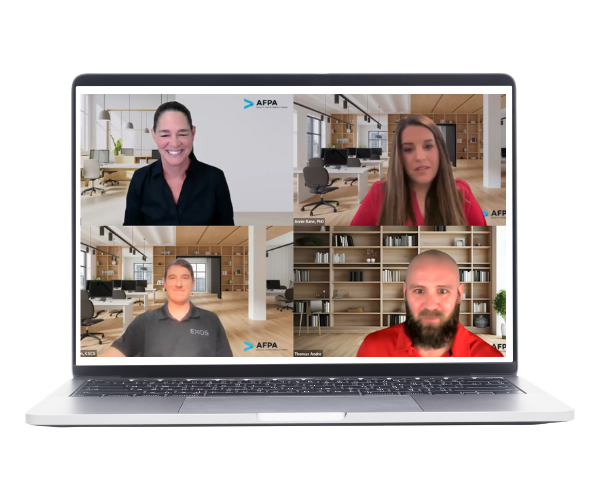
Why Coaching Skills Matter More Than Personal Records for Personal Trainers  Walk into any gym and you will see it. The fittest person in the room often draws attention. Defined muscles, impressive lifts, a list of personal records that turn heads. It is easy to assume that those accomplishments automatically make someone an exceptional personal trainer.  But clients don’t hire you to admire your achievements, they hire you to change their lives.  As a trainer, it is not your personal records, the way you look, or what you have accomplished athletically that makes a difference in your clients’ lives. It is how you coach them so they can change their own lives. That is what matters.  Clients do not succeed because their trainer has a history of personal wins. They succeed when they have a trainer who can help them find their own wins. Clients care more about what you can help them do than what you can do.  Coaching skills are the foundation of sustainable results, strong client relationships, and a thriving career. Still not so sure? Let’s get into it.  The Myth of the Perfect Physique  The fitness industry has long celebrated visible results. Social media amplifies highlight reels. Transformation photos, max lifts, and competition medals dominate feeds.  While there is nothing wrong with being proud of your accomplishments, those achievements do not automatically translate into effective coaching and communication skills. A personal trainer with an elite squat does not necessarily know how to help a busy parent build a consistent routine. A marathon finisher may not know how to support a client who struggles with motivation after a stressful workday.  Many aspiring professionals believe that the skills required to be a personal trainer are primarily technical and physical. They focus on mastering anatomy, program design, and performance metrics. Those are important. But they are only part of the equation.  The skills needed to be a personal trainer go far beyond counting reps and correcting form. They include empathy, active listening, motivational interviewing, leadership and coaching skills, and the ability to guide behavior change outside the gym walls.  Why Coaching Is Important in Personal Training  If you have ever wondered why coaching is important in personal training, consider this simple truth: workouts do not happen in a vacuum.  Clients bring their stress, habits, self-doubt, time constraints, and life responsibilities into every session. Even the most perfectly designed program will fail if it does not account for the human being following it.  Diane Vives, M.S., Senior Director of Health and Wellness Professional Education at AFPA, puts it this way:  “As a CSCS and personal trainer for 25+ years, I’ll always respect the craft of great coaching on the floor — smart assessment, precise exercise selection, and programming that’s progressive, individualized, and safe. But great programming alone isn’t what keeps people consistent through stress, setbacks, and changing seasons of life. That’s where coaching skills matter: building trust, creating a safe space to uncover real barriers, and guiding behavior change so the plan actually happens outside the gym.  When practical training expertise and health coaching skills work together, workouts become a pathway to sustainable results — and your fees become an investment clients understand, value, and stay for.”  That distinction is powerful. Programming builds capacity. Coaching builds consistency.  Consistency is what drives transformation.  Learn what’s working right now for top personal trainers Watch our free expert panel to uncover the latest tactics for getting clients, scaling your business, and thriving in 2025. Sign Up Now to Watch the Panel Coaching Skills Drive Behavior Change  Behavior change strategies in coaching are what bridge the gap between knowing and doing. Most clients already know that moving more and eating well are beneficial. The challenge is implementing those habits consistently in real life.  Effective coaching skills training teaches professionals how to:  Ask powerful, open-ended questions  Listen without judgment  Help clients clarify their own goals  Break large objectives into manageable steps  Identify obstacles and create realistic solutions  Reinforce progress in meaningful ways  These coaching and communication skills create ownership. Instead of telling clients what to do, you help them discover what works for them.  Shana Walsh, PhD, NBC-HWC, MCHES, AFPA’s Education and Curriculum Director, shares this insight:  “At the end of the day, being a great trainer isn’t about you, your records, or your personal fitness feats. It’s about your client, and how you can support them in reaching their goals. Some of the best trainers I’ve worked with aren’t the strongest or the leanest person in the room. They’re the ones who know how to coach in a way that helps clients grow into the best versions of themselves.”  This is the heart of personal training. Growth is not about replicating your path; it’s about helping someone design their own.  The Difference Between Instructing and Coaching  Instruction is telling someone what to do. Coaching is helping them understand why it matters and how to sustain it.  A trainer might say, “You need to work out four times a week.” A coach asks, “What would a realistic schedule look like for you this month?”  A trainer might correct a movement pattern. A coach explores what confidence means to the client in that moment.  Both roles are important. But coaching skills elevate instruction into transformation.  As Diane Vives explains:  “Great programming builds capacity. Great coaching builds consistency. The trainers who win in today’s fitness landscape deliver both — and that’s what turns workouts into lasting results and a business clients stay loyal to.”  Personal Records Do Not Equal Client Results  There is a common misconception that clients are primarily impressed by a trainer’s personal achievements. In reality, most clients are a lot more interested in whether you understand their struggles.  A new mother may not care about your deadlift PR. She cares about regaining energy and strength. A corporate executive may not be interested in your bodybuilding competition. He wants to reduce stress and feel better during long workdays.  Clients often want relatability, not perfection.  When you focus too heavily on your own accomplishments, you risk unintentionally creating distance. Clients may feel intimidated or discouraged if they believe they can never measure up.  True leadership and coaching skills close that gap. They communicate, “I am here to support you,” rather than, “Look what I can do.”  Shana Walsh offers a powerful reminder:  “If you ever start to question your own abilities, remember this: Simone Biles’ coach can’t do what Simone can do. Great coaching is about developing someone else’s potential, not proving your own.” 

Why Coaching Skills Matter More Than Personal Records for Personal Trainers  Read More »

7 Ways a Pre and Postnatal Fitness Certification Can Advance Your Career

7 Ways a Pre and Postnatal Fitness Certification Can Advance Your Career Few life stages are as transformative as pregnancy and postpartum recovery. For fitness professionals, earning a pre and postnatal fitness certification is not only a meaningful way to support clients during this pivotal time, but also a specialization that can open doors you may not have considered.  Here are seven ways a pre and postnatal fitness certification can advance your career in the fitness industry and help you make a lasting impact.  1. Meet the Growing Demand for Women’s Health Expertise  Women’s health is one of the fastest-growing segments of the wellness market.  According to Nova One Advisor, the global women’s health app market is projected to grow significantly through 2034, reflecting rising demand for personalized health support across reproductive life stages. Similarly, Grand View Research reports strong growth in pregnancy tracking and postpartum care apps from 2023 to 2030, driven by increased awareness of maternal health and digital engagement.  These trends tell us something important. Pregnant and postpartum individuals are actively seeking specialized guidance. They are investing in tools, education, and services that support their well-being.  As awareness around maternal health grows, so does the need for qualified professionals who can safely bridge the gap between healthcare and fitness. As a certified pre and postnatal fitness professional, you can become part of this broader ecosystem of women’s health support and meet the growing demand.  2. Expand Your Client Base with a High-Need Population  Pregnancy and postpartum are life events that require tailored training. Many general personal trainers feel unsure about programming for this population, which creates a gap in the market.  When you earn a pre and postnatal fitness certification, you can confidently work with:  Clients in all three trimesters  Newly postpartum clients navigating recovery  Active individuals returning to sport  Parents managing the physical demands of early parenthood  Becoming a prenatal fitness specialist and/or a postpartum fitness specialist allows you to serve a population that often struggles to find qualified support.  And, pregnant and postpartum clients are not short-term clients. Pregnancy lasts nine months. Postpartum recovery and rebuilding can take a year or longer. Many clients also return for subsequent pregnancies. This can create long-term client relationships.  If you are building a personal fitness trainer career, adding this specialization can increase retention and referrals. Clients who feel safe and supported during such a vulnerable life stage are likely to recommend you to friends, family, and healthcare providers.  3. Increase Your Earning Potential Through Specialization  Specialization often leads to higher rates. In many professions, niche expertise commands premium pricing, and fitness is no exception.  The 2024 Nationwide Survey of Health and Fitness Professionals by ProNatal Fitness found income and pricing trends that suggest certified coaches with specialized training can command higher session rates than non-certified peers. While rates vary by location and experience, specialization often signals advanced skill, which clients are willing to pay for.  When exploring fitness career benefits, it is important to think beyond hourly pay. Specialized credentials can also lead to:  Small group prenatal classes  Online prenatal or postpartum programs  Workshops in collaboration with doulas or physical therapists  Corporate wellness programs focused on working parents  A pre and postnatal fitness certification does not just increase income potential, it diversifies it.  FREE TRIAL Experience the AFPA Pre & Postnatal Fitness Specialist Course Firsthand for Free! Experience 2 full modules from the AFPA Pre & Postnatal Fitness Specialist Certification Course for 14 days. No credit card required! ENROLL FOR FREE 4. Build True Programming Confidence and Reduce Liability Risks  Training pregnant and postpartum clients without formal education can feel intimidating. Many trainers worry about safety, contraindications, and medical complexity. That hesitation can limit your willingness to work with this population.  A comprehensive pre and postnatal fitness certification provides structured, evidence-based education on:  Physiological changes during pregnancy  Cardiovascular, musculoskeletal, and hormonal adaptations  Warning signs that require medical referral  Safe exercise progressions and regressions  This knowledge builds confidence. And confidence translates into better coaching.  It also reduces professional risk. When you understand how to screen, assess, and program appropriately, you are better equipped to operate within scope of practice and collaborate with healthcare providers.  In a career in fitness industry settings, professionalism matters. A strong educational foundation demonstrates to clients and referral partners that you take your role seriously.  5. Strengthen Your Professional Credibility and Referral Network  Healthcare professionals recognize the value of exercise during and after pregnancy. However, they often struggle to find qualified trainers to refer patients to.  When you become certified in this field, you can build relationships with:  OB-GYNs  Midwives  Pelvic floor physical therapists  Chiropractors  Doulas  These relationships can become a steady source of referrals.  Recent industry coverage, such as reporting from Athletech News on Equinox launching a data-driven women’s health and performance program, reflects a broader shift toward structured, science-based approaches to women’s training. High-end fitness brands are investing in women’s health programming because demand is there.  When you align yourself with evidence-based education and respected certifications, you’ll strengthen your authority and ability to tap into these spaces.  6. Align with Major Wellness Trends Shaping 2026 and Beyond  Wellness trends are shifting toward metrics, innovative solutions, and holistic care.  Clients today are asking better questions. They want to understand:  How hormones impact energy and performance  Why certain exercises feel different during pregnancy  How to safely rebuild core strength postpartum  When to return to running or high-impact training  A pre and postnatal fitness certification equips you to answer these questions with clarity. (This is especially important in the age of social media, where misinformation spreads quickly.)  Staying aligned with current trends also ensures your career remains relevant. The fitness industry rewards professionals who adapt to change. Specializing in prenatal and postpartum fitness places you squarely within one of the most meaningful movements in wellness.  7. Deepen Your Impact and Professional Fulfillment  Beyond income and market growth, there is something even more powerful about entering this field. The work is deeply meaningful.  Pregnancy and early parenthood represent one of the most physically and emotionally demanding transitions in a person’s life. Clients may be navigating:  Body image changes  Pain and discomfort  Sleep deprivation  Anxiety about childbirth or recovery  When you are trained to support both the physical and psychological aspects of this journey, you get the opportunity to enter into this vulnerable and important time in someone’s life and become a trusted ally.  Don’t underestimate the power that finding meaning in your work has to motivate you to keep going and advancing your career.  Why the Best Certification for Prenatal and Postnatal Fitness Matters  Not all education

7 Ways a Pre and Postnatal Fitness Certification Can Advance Your Career Read More »

How to Support Clients Without Providing Medical Nutrition Therapy 

How to Support Clients Without Providing Medical Nutrition Therapy  Supporting clients through nutrition and lifestyle change is meaningful, impactful work. It is also work that comes with responsibility. As a nutrition professional or health coach, your role is not to diagnose, treat, or cure disease. Your role is to educate, guide, and support behavior change within a clearly defined scope of practice. When done well, this type of non-MNT work can be just as transformative as clinical care, and in many cases, it is the missing link that helps people turn recommendations into real life habits.  This article explores how AFPA-certified nutrition professionals can support clients ethically and effectively without crossing into medical nutrition therapy. We will clarify what medical nutrition therapy is, why scope of practice matters, how non-MNT nutrition therapy differs from clinical care, and how to confidently deliver high-value nutrition coaching  that protects both you and your clients.  What is Medical Nutrition Therapy?  Medical nutrition therapy, often referred to as MNT, is a clinical service provided by qualified healthcare professionals, most commonly registered dietitians. MNT involves the assessment, diagnosis, and treatment of medical conditions using nutrition interventions that are tailored to specific diseases or clinical diagnoses.  MNT is regulated at the state level and typically requires licensure, advanced clinical training, and ongoing medical oversight. It may include prescribing therapeutic diets for diabetes, kidney disease, cardiovascular disease, gastrointestinal disorders, and other diagnosed conditions. It can also involve interpreting lab values in a diagnostic way and adjusting nutrition plans as part of disease treatment.  AFPA-certified professionals do not practice medical nutrition therapy. That distinction is a safeguard that ensures ethical, legal, and effective client care. Working within scope protects the public, protects your credential, and helps maintain trust in the profession.  How Nutrition Coaching Differs from Clinical Care  Medical nutrition therapy and nutrition coaching serve different but complementary purposes. MNT focuses on clinical outcomes tied to disease management. Coaching focuses on education, habit formation, and sustainable lifestyle change.  As an AFPA-certified nutrition professional, you help clients understand healthy eating habits, build practical skills, and create routines that support long-term wellness. This distinction matters both legally and ethically.  Kellie Lunday, MS, RD, LD, Nutrition Content Lead at AFPA, describes this difference clearly:  “I think what makes non-MNT work so rewarding is that we get to help people navigate their actual lives. As coaches, we’re not making clinical diagnoses or prescribing a carbohydrate-controlled meal plan, but we are helping clients bridge the gap between recommendations and sustainable habits.  How do you meal prep when everyone in the household has different preferences? How do you handle family dinners after a long day of work? This practical, behavior-focused support is often the most challenging work, but it’s also where I see the most sustainable change with clients.”  This is the heart of effective nutrition coaching: you amplify medical care by helping clients implement realistic strategies that fit their personal routines, cultures, preferences, and constraints.  AFPA Nutrition Professionals Scope of Practice  Scope of Practice describes the procedures, actions, and processes that a professional is permitted to undertake in keeping with the terms of the credentials they have been issued.  AFPA nutrition professionals are trained to offer a wide range of services that support health without crossing into medical nutrition therapy. These services fall into two broad categories: general and therapeutic, both of which remain non-medical in nature.  Within the general scope, AFPA professionals may conduct diet and lifestyle assessments, educate and advocate for healthy eating habits, provide food shopping education, and suggest strategies for stress management and balanced living. Teaching classes and workshops, promoting physical activity, and sharing evidence-based information on basic nutritional wellness supplementation are also well within scope.  The therapeutic scope allows for deeper client engagement without diagnosing or treating disease. This includes client intake and assessment, advising on general and therapeutic menus, reviewing questionnaires and lab assessments provided by the client, and offering ongoing follow-up support. Professionals may summarize client cases, consult with medical practitioners, and provide clear guidance on how to implement healthy lifestyle changes.  Learn About AFPA’s Evidence-Based, Holistic Approach to Nutrition Explore our unique approach to whole-person nutrition, and learn how you can stay in scope while supporting clients as a holistic nutrition coach. Why Staying in Scope Strengthens Your Impact  Staying within scope allows you to focus on behavior change, education, and lifestyle support, areas where clients often need help.  As Kellie Lunday explains:  “Staying within your coaching scope of practice isn’t about limiting your impact, it actually protects both you and your clients. While my client might think it’s easier to go to one person for everything, the reality is that myself and other coaches can’t know it all! When we acknowledge what we don’t know and refer clients to the right medical professional or specialist, we’re showing them that their support team is going to be diverse and comprehensive.”  Clients rarely struggle because they lack information. They struggle because they cannot consistently apply that information in the context of their lives. This is where nutrition coaching excels. By staying in scope, you become the professional who helps clients bridge the gap between recommendations and daily behavior, providing the logistical tools for everyday success.  What Ethical, Effective Nutrition Support Looks Like in Practice  Ethical nutrition coaching is thoughtful, personalized, and evidence-informed. It focuses on helping clients make meaningful changes without positioning those changes as medical treatment. Here are a few examples of what that work might look like:  One of the most powerful tools you have is assessment. Understanding a client’s lifestyle allows you to create personalized strategies that honor culture, sustainability, and individuality.  From there, education becomes key. Helping clients connect daily nutrition habits with energy, mood, and overall well-being empowers them to make informed choices.  Meal planning is another area where non-MNT work shines. Helping clients build balanced, nourishing eating patterns that work for real life can dramatically improve consistency. In practice, this looks like:  Strategic Grocery Planning: Coaching a client on how to navigate the supermarket aisles efficiently and build a shopping list that aligns with their wellness goals.  Demystifying Food Labels: Teaching clients how to interpret nutrition fact panels and ingredient lists so they can make informed, independent choices at the store.  Building Balanced Snack Options: Helping a client curate a “go-to” list of quick, nutrient-dense snacks that keep their energy stable throughout a busy workday.  Kitchen Confidence: Sharing meal-prep techniques or food storage tips that make healthy eating feel less like a chore and more like a

How to Support Clients Without Providing Medical Nutrition Therapy  Read More »

From Certified to Published: How One AFPA Grad Turned Her Credentials Into a Book

From Certified to Published: How One AFPA Grad Turned Her Credentials Into a Book A lot of AFPA students and grads have incredible knowledge, real client wins, and a passion to impact more people. What they don’t always have is a simple way to turn that value into something clients can use again and again, even outside of sessions. That’s where publishing can be powerful, not as a huge life goal, but as a practical way to support people, build credibility, and extend your impact. AFPA graduate Kim Logan, a Gut Health Nutrition Specialist and creator of Gut Health Made Simple: Your Daily Tracker, did exactly that. She turned her experience and evidence-based training into a 30-day guided tracker designed to help readers identify patterns affecting their gut health and make more informed, sustainable choices. Here’s how she brought the project to life, what the process really looked like, and why creating your own resource might be more achievable than you think. Kim Logan is the founder of Grammy Going Green, a wellness business dedicated to making gut health and anti-inflammatory living feel simple, realistic, and doable. Through her YouTube channel Gut Health Made Simple, she shares science-backed education and practical lifestyle strategies to support people managing chronic inflammation and autoimmune-related challenges. Gut Health Made Simple: Your Daily Tracker is one of her latest projects, a 30-day guided journal designed to help readers identify patterns affecting their gut health, with built-in tips and resources to support informed, sustainable wellness choices. What kind of feedback have you received from people using the tracker? Prior to publishing, I offered a free PDF version of the tracker to friends, family, and colleagues for honest feedback. This led to 21 5-star reviews within weeks of publishing.  The overall sentiment is Gut Health Made Simple: Your Daily Tracker is easy-to-use, eye-opening, and a game-changer for overall health.  The most meaningful outcome that I’ve seen so far is from the client who inspired me to write the book. Though she has never presented with digestive or autoimmune issues, she has suffered from persistent anxiety and panic attacks for most of her life.  In recent years, through stress and poor eating habits, she gained 50+ pounds.  Because much of my social media focuses on food and its impact on gut health, she came to me looking for a “diet.” I explained that we would be working through more of a sustainable lifestyle “upgrade” rather than a fad. When I started compiling videos and free guides that I’ve created for stress, anti-inflammatory food choices, sleep management, motivation, movement, etc., I realized it would be beneficial to compile this information in one place along with regular self-assessments and daily tracker pages, so people could identify triggers AND choices that work for themselves. This particular client reported back within the week that, while she still had anxiety, she was able to manage it more effectively without going into full panic attacks (suggesting the gut-brain connection). Within a month, she had lost 11 pounds. She is still sending me videos of her new recipes that often include prebiotic fiber and cultured probiotics. How did completing the Gut Health Nutrition Specialist Certificate shape the way you approached this project? Without this program, I would not have the credibility to write and publish this book.  My interest in gut health stemmed from personal experience with an autoimmune disease. My doctor did not recommend that I make any dietary or lifestyle changes to manage the condition, so I did it on my own after reading a book called Gut Check by Dr. Steven Gundry.  Once I recognized the effect my gut health had on my condition, I wanted to understand the science and research available, and somehow I found AFPA!  From there, I was able to learn more about what happened to me and began to help others.  What specific knowledge or frameworks from AFPA showed up directly in your book? The book highlights the impact that diet, movement, stress management, and prioritizing sleep has on the gut microbiome.  These four facets were fundamental to the Gut Health Nutrition Specialist program and have given me a solid structure when working with/presenting to others. What did the Amazon publishing process actually look like for you? To begin, I was not aware that to self-publish on Amazon, I had to go through Kindle Direct Publishing (KDP Amazon) which required an account setup. From there, I watched videos specific to the type of book I was publishing (low content due the tracker pages). Here, I also learned about “bleed” and how that may affect printing. The process was fairly simple but required a number of manhours.  Because my book has tracker pages, I needed graphics, so I created the design in Canva with specific size parameters. Then, I downloaded the PDF and uploaded that to KDP Amazon. At this point, I was guided to select title, author(s), categories, keywords, print details, etc.  Once all of this was verified, I uploaded my content then was given the option to create my cover through KDP or create my own. I chose to create and upload my own cover.  I was able to launch a preview and approve from there. Publishing is only one part of the process, however.  To be a successful author, there has to be a solid plan for marketing. How long did it realistically take from idea to published?  I can tell you the exact time because it was an email that I sent that inspired me to create the tracker! On 10/6/2025, I compiled several of my YouTube videos along with some free guides for a client. I had sent the same information to a different client the day before and also sent her a food journal from Amazon. I realized that gifting clients food journals was not going to be cost effective, and that’s when the idea of compiling the information along with 30 days of daily tracking pages was born! Gut Health

From Certified to Published: How One AFPA Grad Turned Her Credentials Into a Book Read More »

The Role of a Holistic Nutrition Coach in Supporting Healthy Eating 

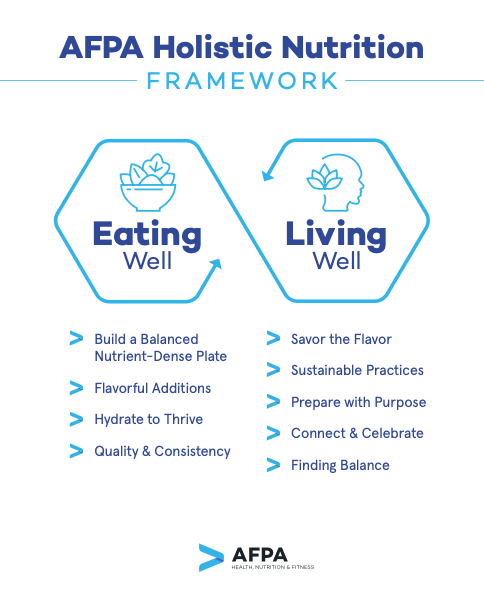
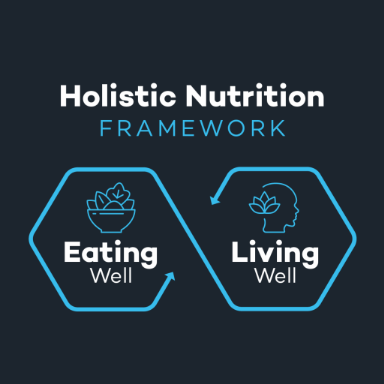
The Role of a Holistic Nutrition Coach in Supporting Healthy Eating  Most people who decide to improve their eating habits are not looking for a complicated plan, a rigid set of rules, or a short burst of motivation. They are looking for something more meaningful. They want guidance that sees the full picture of their health and treats food as one part of a much larger landscape. They want support that feels human and relatable rather than prescriptive.  “Most people already know exactly the changes they need to make to their diet, but what they can’t figure out is how,” says Shana Walsh, PhD, NBC-HWC, MCHES, CPT. This longing is what makes holistic nutrition coaching such a powerful force in the way people approach health today.  Holistic nutrition coaches fill a growing gap between scientific knowledge and everyday life. Clients struggle to navigate confusing nutrition headlines, overwhelming amounts of diet advice, and the pressure to chase quick fixes.   A holistic nutrition coach steps in without lectures or judgments. Instead, they offer a thoughtful, evidence-based approach that helps people understand not only what to eat, but also why their habits form the way they do and how everyday choices ripple out into mood, energy, sleep, stress, movement patterns, and relationships with others.  At AFPA, the Holistic Nutrition Coach Certification course was designed to respond to this very need. It provides an educational foundation that blends evidence-based nutrition and behavior change.  By the time coaches complete the program, they are prepared to guide people toward long-term transformation rather than temporary changes that disappear as soon as life gets complicated.   The Holistic Lens: Seeing Food Within the Full Context of Life  Holistic nutrition coaching is rooted in the idea that food choices cannot be separated from the rest of a person’s life. Eating patterns are influenced by emotions, sleep quality, work environment, cultural traditions, physical activity, social support, and even the simple rhythms of daily routines. When a coach helps someone explore what drives their choices outside the kitchen, clients often begin to see patterns that were invisible to them before.  For example, a client who feels frustrated by late night snacking may uncover that the behavior has less to do with hunger and more to do with stress. Another might realize that skipping breakfast is not a lack of willpower but a result of poor sleep and rushed mornings. Helping clients notice these connections often sparks meaningful breakthroughs because they no longer treat nutrition as an isolated problem. They begin to understand their choices with more compassion and curiosity rather than guilt.  AFPA’s program teaches coaches how to support clients through this exploration using a holistic framework that integrates emotional well-being, stress management, movement, sleep, and social connection with nutrition. When all these elements are considered together, healthier eating becomes more intuitive and much less overwhelming.  Evidence-Based Nutrition for the Real World  Holistic coaching does not replace scientific knowledge. In fact, it depends on it. When clients ask questions about nutrients, digestion, macronutrients, hydration, or metabolism, a coach needs to be able to explain these concepts clearly and accurately. AFPA’s curriculum emphasizes evidence-based nutrition and scientific literacy so that coaches can translate research into practical insights clients can actually use.  That might mean helping a client understand why fiber-rich foods support digestion and satiety, or explaining how carbohydrates influence energy and mood. It could involve clarifying misunderstandings about fats and showing how different types of fatty acids affect overall well-being. It may even include helping clients build a more balanced plate without overwhelming them with numbers or strict frameworks.  “One of the core principles we wanted to stress in this course is scientific literacy. As coaches, it’s essential to understand the research well enough to translate it into strategies that resonate with real people. Using the latest research allows me to answer client questions accurately, whether that’s about choosing quality supplements or why morning food choices affects their afternoon energy levels.”  – Kellie Lunday, MS, RD, LD, Nutrition Content Lead  By grounding conversations in science, coaches help clients feel confident in their choices. They can distinguish solid guidance from trends that make bold promises without meaningful evidence. This confidence allows clients to approach nutrition with curiosity rather than fear, and with empowerment rather than confusion.  Coaching Tools That Help People Practice Healthy Eating  Knowledge alone rarely changes behavior. People need strategies that fit their real lives. This is why AFPA prepares holistic nutrition coaches with tools that translate principles into daily habits.  Clients often ask how to adapt recipes to make them more nutrient-dense without sacrificing flavor or family preferences. Coaches learn how to help clients approach this through simple shifts such as integrating more colorful vegetables, experimenting with global seasonings, or adjusting cooking techniques to support nutrient retention. These small changes often build confidence in the kitchen and help clients feel more capable of preparing meals that nourish both body and lifestyle.  Another powerful tool is mindful eating. Many people eat on autopilot while distracted or stressed. Supporting clients in slowing down, noticing hunger and fullness cues, and creating intentional meal experiences can dramatically improve their relationship with food. This does not mean perfect awareness at every meal. Instead, it encourages clients to reconnect with their internal cues, which naturally leads to more balanced choices over time.  Seasonal and local eating is another area where coaches can offer helpful guidance. Many clients are curious about how to choose produce at the right time of year, how to reduce food waste, or how to shop more sustainably. Coaches learn to explain the benefits of fresh, seasonal ingredients and support clients in building simple habits around them.  These practical skills give clients something they can apply right away. When people feel equipped in the kitchen and confident reading labels, planning meals, and navigating grocery stores, healthy eating becomes accessible and less intimidating.  “I’ve found that practical skills are some of the most impactful ways to help people change their nutrition habits. These tools might seem simple, but they create lasting change because clients can actually use them every single day!”  -Kellie Lunday, MS, RD, LD, Nutrition Content Lead  Long-Term Change Rather Than Quick Fixes  Holistic nutrition

The Role of a Holistic Nutrition Coach in Supporting Healthy Eating  Read More »

How to Use the New Year to Launch Your Health Coaching Career 

How to Use the New Year to Launch Your Health Coaching Career  Seasonality shapes nearly every profession and health coaching is no exception. Farmers plan their entire year around growing seasons. Accountants feel the intensity of tax season. Retailers depend on the holiday rush.  In the health and wellness industry, the New Year is our most significant season. For those who want to become a health coach, January provides both momentum and clarity. You have an immediate opportunity to work with clients who are highly motivated, curious, and ready to commit. When you start during this annual rise in interest, you give yourself an early advantage in building confidence, gaining practical experience, and creating the foundation for a sustainable health coaching business.  Who Doesn’t Love a Fresh Start?  Every New Year, something remarkable happens. People look at their lives with a rare mix of hope, urgency, and honesty. They ask themselves what they truly want from their health, their daily habits, and their long-term wellbeing. Fitness centers swell with new members, grocery carts fill with vegetables and meal prep containers, and conversations across kitchen tables shift toward goals. In this window of motivation and momentum, a health coach has an opportunity unlike any other time of the year.  There is no better time to launch a career in health coaching than the beginning of the year. People are primed for change and they actively seek guidance from professionals who can help them translate that fresh motivation into sustainable growth.  The New Year brings reflection and a renewed sense of possibility. People begin asking different questions about their health, their routines, and their wellbeing. This shift creates a unique opening for health coaches to do what they are trained to do, which is to support individuals in becoming the healthiest version of themselves.  When someone decides that this is the year they will get stronger, improve sleep, manage stress more intentionally, or cultivate a healthier relationship with food, they are already halfway toward seeking a partner who can guide them through the challenging middle. The surge in interest gives aspiring coaches the perfect landscape to begin, because the audience that needs their support is already paying attention.  The Problem with Resolutions  When someone starts working with a coach in January, they might be trying to rewrite patterns that have lingered for months or years. They may be stepping into January with genuine hope that this time will be different. When you step into that moment with skill and compassion, you show them how consistent guidance can transform fragile resolutions into long lasting habits.  Health related resolutions are consistently among the most common commitments people make at the start of the year, yet many lose momentum quickly. This gap between intention and reality is not a sign that people lack strength or discipline. It is a sign that self-directed change becomes significantly more difficult without support.  “As health coaches, we know all about the data. We know that health-related goals are by far the most popular New Year’s resolutions,” says Shana Walsh, PhD, NBC-HWC, MCHES. “We also know that by Spring, more than 80% of resolutions fail. That failure is a massive signal that people need exactly the type of support that we offer. Our job is to catch those highly motivated people before they fall, and use our tools to help them succeed instead.”  If you are building a career as a health coach or exploring how to start a health and wellness coaching business, understanding this rhythm of motivation and struggle is essential. The New Year gives you the chance to step into that support role exactly when people need it most.  Turning New Year Momentum Into a Real Health Coaching Business  This seasonal momentum does more than energize potential clients. It also creates an ideal environment for aspiring coaches. The same energy that inspires personal resolutions can be used to build the foundation of a new business.  Once someone decides to become a health coach, the next step involves building a business that is focused, structured, and aligned with the clients they hope to serve.  January may be the perfect time to start, but momentum alone is not enough.  You need a plan that helps you step confidently into the role of health coach entrepreneur. A strong health coach business plan includes clarity about who you serve, how you support them, and how you will present your work to the world.  Below are the practical building blocks new coaches can put in place during the New Year to launch a sustainable and successful business.  Define Your Niche Before You Build Anything Else  One of the most misunderstood parts of becoming a health coach is the belief that casting a wide net will bring more clients. In reality, clarity attracts. A well-defined niche helps potential clients immediately recognize that you understand their specific challenges and can offer tailored solutions.  Whether you feel drawn to stress reduction, women’s health, digestive wellness, athletic performance, family nutrition, or another specialty, choosing a niche gives your business a unique identity. It also makes your marketing efforts far more efficient. When you know exactly whom you are speaking to, it becomes easier to create content, services, programs, and branding that resonate.  This is also the step where many coaches begin to feel their confidence rise. They shift from “I want to help everyone” to “I help this type of person with this type of challenge through this type of method.” That level of clarity lays the groundwork for every decision you make afterward.  Learn how to choose the best niche for your health and wellness coaching business.  Develop a Coaching Framework You Can Deliver Consistently  Clients do not just buy sessions. They buy transformation. To deliver meaningful results, you need a structured process that helps clients move from where they are to where they want to be. This framework can be flexible and personalized, but it should follow a predictable arc.  Many successful coaches use stages such as exploration, values clarification, habit building, goal setting, weekly check-ins, skill development, and periodic reflection. You may refine your approach over time, but having a methodology from the beginning demonstrates professionalism and helps clients feel grounded.  A coaching framework also

How to Use the New Year to Launch Your Health Coaching Career  Read More »

The Future of Food: Key Nutrition Shifts in 2026 

The Future of Food: Key Nutrition Shifts in 2026  As we move into 2026, the nutrition landscape is evolving in ways that feel both exciting and empowering. The future of food is grounded in a more balanced and thoughtful understanding of how what we eat influences how we feel, how we age, and how we show up for our daily lives.  Many people are realizing that health is not built on restriction or perfection but on daily choices that nourish the body and support long-term well-being. This shift has created a moment where emerging nutrition trends are aligning with science, sustainability, and a renewed interest in understanding food more deeply.   For nutrition professionals, this moment represents an opportunity to guide clients through meaningful changes that strengthen their confidence and support their health goals in practical, lasting ways.  A New Era of Nutrition Awareness  Current shifts in nutrition show a growing desire for clarity and simplicity. Clients are asking more questions and are interested in understanding not just what to eat but why certain choices matter. This curiosity is helping create a more informed culture around eating patterns and lifestyle habits.  It is also reshaping the role of nutrition professionals, who are increasingly called to translate nutrition research into steps clients can carry out at home and to help clients sift through advice they find online.  As we move through this shift, the emphasis is less about identifying a perfect diet and more about combining science and personal preference to build a balanced and proactive approach.  A Move Toward Additions Rather Than Restrictions  One of the most hopeful recent trends in nutrition is the shift from restrictive thinking to a more positive, inclusive approach. Instead of creating long lists of foods to avoid, clients are increasingly asking how they can impact their current eating patterns with nutrient-dense additions.  “Many of my clients come to me convinced they need to follow a strict meal plan or remove their favorite foods to achieve their goals. I work with them to see that there is a ‘time and place’ for all foods, even pizza or brownies. Over time, once they embrace this flexibility, the stress around eating drops away, and they find sustainable patterns that work with their lives, not against them.”   – Kellie Lunday, MS, RD, LD This mindset helps reduce the sense of deprivation that often leads to frustration or abandonment of health goals. When people feel encouraged to enjoy more fruits, vegetables, fiber, and protein, they naturally build meals that support satiety, nutrient density, and enjoyment.  This shift also aligns with what we know about behavior change. People sustain habits when they feel good about their choices and do not feel punished by their eating plans. By creating space for exploration, variety, color, and flavor, clients often discover that the path toward healthier eating is more approachable than they imagined.   For nutrition coaches, this trend opens the door to conversations that focus on empowerment, long-term consistency, and the development of a positive relationship with food.  Protein Remains a Powerhouse for Daily Wellness  Among the most influential food and nutrition shifts heading into 2026 is the recognition that protein remains a foundational macronutrient. While discussions about trending healthy foods often highlight novel ingredients or creative recipe ideas, protein continues to hold its place due to its impact on satiety, muscle repair, and bone health. The demand for balanced protein intake has grown not as a fad but as a practical tool for everyday living.  Pro Tip: Help clients focus on a variety of plant and animal proteins to satisfy their taste preferences and daily protein needs.  Protein Intake: What’s the Right Amount?  Take a Peek Inside AFPA’s Holistic Nutrition Coach Certification Curious what it’s really like to study holistic nutrition at a professional level? Get the free course preview and see the actual learning modules, frameworks, and real-world coaching applications that prepare AFPA graduates for success. See Inside the Course Fiber Takes Center Stage in Gut Health Conversations  Another major nutritional shift is the sustained interest in fiber. Although the concept of “fibermaxxing” has been trendy, the underlying message holds true. Many people are still not reaching the daily recommended amounts of fiber, and this gap has real implications for digestive health, immune function, and metabolic wellness. As clients become more aware of emerging nutrition trends related to gut health, they are discovering that fiber supports a healthier gut microbiome, which in turn influences energy, mood, inflammation, and long-term health markers.  In 2026, fiber is less about gimmicks and more about practical incorporation. Increasing fiber intake requires a gradual approach for most people. Professional guidance can help clients understand that fiber works best when introduced slowly, allowing the digestive system to adapt. This measured approach helps minimize discomfort and encourages clients to stay consistent.  Recommending a balance of fruits, vegetables, legumes, and whole grains supports a steady increase toward the recommended 25 grams per day for women and 38 grams per day for men. As clients begin to feel improvements in digestion and fullness, they often gain confidence in their ability to make intentional dietary changes that last.  The Rise of Home Cooking and Culinary Curiosity  Food industry trends have also shifted significantly as people become more aware of the role ultra processed foods (UPFs) play in long-term health. The conversation around UPFs is not about categorizing foods as good or bad but about helping people understand that a heavy reliance on highly processed options may reduce nutrient intake and influence health outcomes over time. This awareness is leading many individuals to re-engage with home cooking and rediscover the enjoyment of preparing a meal from scratch.  Cooking at home promotes skill-building, autonomy, and mindfulness. It allows clients to connect with the ingredients they choose and incorporate more whole and minimally processed foods without feeling overwhelmed.  For nutrition professionals, this is an ideal time to introduce simple culinary strategies that support confidence in the kitchen. Even small skills, such as learning how to sauté vegetables or prepare a quick protein option, can make a meaningful difference in a client’s ability to stay consistent.   The Influence of GLP-1 Medications on Eating Patterns  Another significant development in the future of food is the impact of GLP-1 medications on eating behavior. Because GLP-1

The Future of Food: Key Nutrition Shifts in 2026  Read More »

Why NBHWC Certification Matters for Integrative and Functional Health Careers 

Why NBHWC Certification Matters for Integrative and Functional Health Careers  The Rising Standard in Holistic Health and Coaching  Health coaching is having a moment, but not because it is trendy. It is because integrative and functional practitioners have realized what has long been an issue. A brilliant care plan does not change anyone’s life if the person receiving it cannot follow it.  Clients want root-cause care. Providers want better outcomes. The missing link is a coach who knows how to translate clinical recommendations into real behavior change and who can do it at a standard the healthcare world trusts. That is exactly where NBHWC certification comes in.  At the heart of this shift is a powerful credential that signals mastery and trustworthiness: the NBHWC certification. The National Board for Health & Wellness Coaching sets the gold standard for health and wellness coaching, providing a unified framework for professionals who bridge the gap between healthcare and holistic wellness. For coaches aiming to stand out in the integrative health space, earning this certification is a statement of credibility, quality, and commitment to evidence-based practice.  Why Integrative and Functional Health Needs Board-Certified Coaches  Integrative and functional health careers center on understanding the whole person. They take into account the intricate relationships between nutrition, movement, sleep, emotional well-being, environment, and purpose. Yet knowledge alone is not enough to help clients achieve sustainable change. People rarely struggle because they lack information. They struggle because translating that information into daily action requires motivation, accountability, and consistent support.  That’s where a National Board Certified Health and Wellness Coach (NBC-HWC) comes in. These coaches are trained not just to share information, but to guide clients through the process of behavior change using structured, evidence-based techniques. They collaborate with clients to build sustainable habits, improve self-efficacy, and maintain progress long after a session ends.  As the health coaching field becomes more deeply embedded in healthcare systems, NBHWC certification has become the defining credential that demonstrates readiness to work alongside medical and allied health professionals. It validates that a coach has completed a NBHWC-approved certification program, logged practical experience, and passed a rigorous national exam.  The Value of the NBHWC Credential  The NBHWC board certification is recognized throughout the health and wellness industry as the highest level of professional achievement for coaches. Since its collaboration with the National Board of Medical Examiners in 2016, the NBHWC has set evidence-based standards that align coaching practice with healthcare integration.  This credential distinguishes coaches who have mastered both the art and science of behavior change. It signals that they have met stringent NBHWC certification requirements, including education, mentorship, and experience-based skill development. While anyone can call themselves a “coach,” the NBC-HWC designation proves that a practitioner has achieved a level of professional excellence that healthcare organizations, insurers, and clients can trust.  Beyond credibility, the NBHWC certification also fosters continued professional growth. Certified coaches gain access to the NBHWC national directory, professional development opportunities, exclusive networking events, and continuing education credits that keep their knowledge current.  Why NBHWC-Approved Training Makes a Difference  Not all health coach training programs are created equal. To be eligible for NBHWC board certification, you must complete an NBHWC-approved certification program that meets specific standards for curriculum, faculty, and student experience.  These programs are required to include comprehensive instruction in four core areas: coaching structure, coaching process, health and wellness knowledge, and ethics and legal considerations. They must provide both self-paced study and real-time, experiential learning that prepares students to facilitate authentic client transformation.  AFPA’s Certified Master Health and Wellness Coach program was designed to exceed these standards. It combines the Certified Health and Wellness Coach Course and the Advanced Health Coaching Intensive [Live] into one seamless hybrid experience. Together, they form one of the most comprehensive NBHWC-approved training pathways available for aspiring coaches who want to make an impact.  This hybrid model blends flexibility and structure. The self-paced portion builds a strong foundation in coaching theory, health behavior science, and holistic wellness principles. Students learn how to design effective coaching programs, communicate with empathy, and understand the mind-body connection that drives long-term success.  The live portion adds a collaborative element that mirrors real coaching practice. Participants meet via Zoom in small cohorts, apply what they’ve learned through interactive role-playing, and receive feedback from faculty who are themselves board-certified coaches.  The Most Comprehensive, Affordable Certification to Help You Become a Board-Certified Health Coach Enroll in the Certified Master Health and Wellness Coach Program Now Inside AFPA’s Certified Master Health and Wellness Coach Program  Students begin their journey in the Certified Health and Wellness Coach Course, a self-paced learning experience that takes anywhere from about two to six months to complete. This portion of the program offers more than 35 hours of dynamic video instruction, interactive exercises, and real-world case studies. It covers the essentials of what it means to be a health coach: how to structure sessions, build rapport, and use techniques like motivational interviewing to help clients clarify their values and goals.  The second component, the Advanced Health Coaching Intensive [Live], is a 12-week cohort-based course that brings coaching concepts to life. Here, students gain hands-on experience conducting coaching sessions in a supportive virtual environment. Faculty guide participants through key topics such as health behavior change theory, patient engagement models, and positive psychology. Students also learn how to manage challenges like client resistance, emotional responses, and misinformation while maintaining professionalism and empathy.  Together, these two components create a complete educational pathway that prepares graduates to apply for the Health and Wellness Coach Certifying Examination (HWCCE) and become National Board Certified Health and Wellness Coaches.  AFPA’s track record speaks for itself: 93% of AFPA graduates pass the NBHWC board exam on their first attempt, a testament to the quality of its instruction and support.  The AFPA Difference: Practical, Holistic, and Community-Focused  What sets AFPA apart is not just its NBHWC approval, but its philosophy. AFPA programs are built on the understanding that effective coaching is as much about human connection as it is about science. Students learn to approach each client as a whole person, considering physical, mental, social, and environmental factors that shape their health.  AFPA’s Certified Master Health and Wellness Coach program is taught by an exceptional faculty of experienced coaches, educators, and wellness practitioners. Instructors like Dr. Shana Walsh, PhD, NBC-HWC, MCHES, bring deep expertise in health behavior theory and a passion for helping

Why NBHWC Certification Matters for Integrative and Functional Health Careers  Read More »

How to Plan a Year of CE Without Stress

How to Plan a Year of CE Without Stress If you are a certified fitness, nutrition, or health coaching professional, you already know how valuable continuing education (CE) is to your success. It keeps your knowledge sharp, your skills relevant, and your confidence strong. Yet even for the most dedicated wellness professionals, staying on top of CE requirements can feel overwhelming. Between work, clients, and personal life, it’s easy to lose track of deadlines or feel unsure about which courses to take next. At AFPA, we believe that continuing education should feel empowering, not stressful. That’s why we created CE Advantage, a flexible and affordable way to complete your CE requirements while continuing to grow in your career. With one annual membership fee, you gain unlimited access to a large (and growing!) library of engaging, research-backed online CE courses designed to keep you inspired and in control of your professional development. If you hold an AFPA certification, you need 16 continuing education credits (CECs) every two years to maintain your credential. That may sound like a lot, but with CE Advantage, you can earn those credits at your own pace while exploring topics that truly interest you. Think of it as your ongoing professional growth plan that’s simple, sustainable, and designed with your success in mind. You can review the full details of AFPA’s renewal requirements here. Why CE Planning Often Feels Stressful We hear it all the time from professionals who love their work: “I didn’t realize my renewal was coming up so soon.” You are not alone. CE planning can sneak up on even the most organized person. Life gets busy, and continuing education often ends up pushed to the back burner until that renewal date is suddenly right around the corner. The stress often starts with time. Without a clear plan or continuing education schedule, it is easy to let weeks or months slip by. Before long, the idea of fitting in 16 CECs feels impossible. Then there is cost. Buying individual CE courses can add up, and when you’re juggling personal and professional expenses, the financial side of continuing education can feel like an extra burden. Last, there is the challenge of choice. With hundreds of options available online, deciding which courses actually support your goals can feel like information overload. Do you choose something practical as a personal trainer, like exercise programming, or something more exploratory, like mindfulness and stress management? Without a clear roadmap, it’s easy to second-guess every decision or feel overwhelmed. If that sounds familiar, take a deep breath. There’s a better way to approach CE planning, and we’ll outline a few example paths you can take later in this article whether you’re a nutrition coach, fitness professional, or health coach. CE Advantage Is Your Stress-Free Solution CE Advantage was designed to take the guesswork out of continuing education planning. Instead of piecing together individual courses and tracking separate purchases, you have access to everything you need in one place. With CE Advantage, you get unlimited continuing education through AFPA’s entire library of CE courses. You can explore over eighty topics (and growing) spanning fitness, nutrition, health coaching, general wellness, and business development. And new courses are added every month, which means your learning opportunities continue to grow throughout the year. Every course is fully online, self-paced, and developed by leading experts in their fields. You can log in whenever it fits your schedule—whether that is early morning before clients or during a quiet evening at home, and most CE courses can be completed easily in one sitting. Plus, there are no extra costs for retests, and your AFPA renewal fees are waived. Everything is included in one simple annual subscription. Beyond convenience, CE Advantage allows and encourages you to experiment, explore, and rediscover what excites you about your work. Sample CE Paths by Profession Because CE Advantage includes so many different options, it can help to look at a few examples of how you might organize your own continuing education roadmap. These sample plans show how professionals in different areas, including personal training, nutrition, and health coaching, can meet their 16 CEC requirement while staying motivated and inspired. Example CE Path for Personal Trainers If you are a personal trainer, you know that your impact and success extends far beyond reps and sets. This CE plan helps you deepen your vast impact by building on your technical knowledge while strengthening how you communicate and connect with clients. Key Concepts in Exercise Programming (2 CECs)Reinforce the fundamentals of safe, effective, and adaptable program design to meet a variety of client goals. Strategies for Virtual Personal Training (3 CECs)Learn to deliver high-quality, personalized coaching through digital platforms while maintaining strong relationships. Coaching Cues for Correcting Exercise Technique (3 CECs)Master clear and actionable communication that helps clients move safely and confidently. Hydration for Athletes and Fitness (5 CECs)Dive into the latest science on fluid balance, electrolytes, and performance for athletes and active clients. Mastering the Kettlebell Clean: Expert Technique and Common Pitfalls (3 CECs)Build your movement coaching skills and reduce injury risk by refining this essential exercise. Together, these courses provide a strong foundation in both the science and art of training. They help you evolve as a coach who not only understands movement but also knows how to motivate, teach, and lead with confidence. Example CE Path for Nutrition Coaches Nutrition professionals play a critical role in helping clients make sense of a noisy wellness world. Your expertise gives people clarity, confidence, and the tools to live healthier lives. This CE path combines evidence-based courses that explore both classic nutrition principles and cutting-edge research. Dietary Fiber 101 (3.5 CECs)Discover how dietary fiber supports digestion, metabolism, and overall health in ways many clients don’t yet understand. Probiotic and Prebiotic Foods: Nutrition, Gut Health, and the Brain (4 CECs)Explore the microbiome and its influence on mood, immunity, and disease prevention. Fad or Evidence-Based Diet? Paleo, Keto, Mediterranean, and More (3 CECs)Learn to confidently discuss

How to Plan a Year of CE Without Stress Read More »