The Role of a Holistic Nutrition Coach in Supporting Healthy Eating
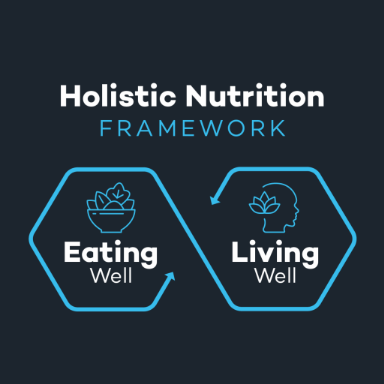
The Role of a Holistic Nutrition Coach in Supporting Healthy Eating Most people who decide to improve their eating habits are not looking for a complicated plan, a rigid set of rules, or a short burst of motivation. They are looking for something more meaningful. They want guidance that sees the full picture of their health and treats food as one part of a much larger landscape. They want support that feels human and relatable rather than prescriptive. “Most people already know exactly the changes they need to make to their diet, but what they can’t figure out is how,” says Shana Walsh, PhD, NBC-HWC, MCHES, CPT. This longing is what makes holistic nutrition coaching such a powerful force in the way people approach health today. Holistic nutrition coaches fill a growing gap between scientific knowledge and everyday life. Clients struggle to navigate confusing nutrition headlines, overwhelming amounts of diet advice, and the pressure to chase quick fixes. A holistic nutrition coach steps in without lectures or judgments. Instead, they offer a thoughtful, evidence-based approach that helps people understand not only what to eat, but also why their habits form the way they do and how everyday choices ripple out into mood, energy, sleep, stress, movement patterns, and relationships with others. At AFPA, the Holistic Nutrition Coach Certification course was designed to respond to this very need. It provides an educational foundation that blends evidence-based nutrition and behavior change. By the time coaches complete the program, they are prepared to guide people toward long-term transformation rather than temporary changes that disappear as soon as life gets complicated. The Holistic Lens: Seeing Food Within the Full Context of Life Holistic nutrition coaching is rooted in the idea that food choices cannot be separated from the rest of a person’s life. Eating patterns are influenced by emotions, sleep quality, work environment, cultural traditions, physical activity, social support, and even the simple rhythms of daily routines. When a coach helps someone explore what drives their choices outside the kitchen, clients often begin to see patterns that were invisible to them before. For example, a client who feels frustrated by late night snacking may uncover that the behavior has less to do with hunger and more to do with stress. Another might realize that skipping breakfast is not a lack of willpower but a result of poor sleep and rushed mornings. Helping clients notice these connections often sparks meaningful breakthroughs because they no longer treat nutrition as an isolated problem. They begin to understand their choices with more compassion and curiosity rather than guilt. AFPA’s program teaches coaches how to support clients through this exploration using a holistic framework that integrates emotional well-being, stress management, movement, sleep, and social connection with nutrition. When all these elements are considered together, healthier eating becomes more intuitive and much less overwhelming. Evidence-Based Nutrition for the Real World Holistic coaching does not replace scientific knowledge. In fact, it depends on it. When clients ask questions about nutrients, digestion, macronutrients, hydration, or metabolism, a coach needs to be able to explain these concepts clearly and accurately. AFPA’s curriculum emphasizes evidence-based nutrition and scientific literacy so that coaches can translate research into practical insights clients can actually use. That might mean helping a client understand why fiber-rich foods support digestion and satiety, or explaining how carbohydrates influence energy and mood. It could involve clarifying misunderstandings about fats and showing how different types of fatty acids affect overall well-being. It may even include helping clients build a more balanced plate without overwhelming them with numbers or strict frameworks. “One of the core principles we wanted to stress in this course is scientific literacy. As coaches, it’s essential to understand the research well enough to translate it into strategies that resonate with real people. Using the latest research allows me to answer client questions accurately, whether that’s about choosing quality supplements or why morning food choices affects their afternoon energy levels.” – Kellie Lunday, MS, RD, LD, Nutrition Content Lead By grounding conversations in science, coaches help clients feel confident in their choices. They can distinguish solid guidance from trends that make bold promises without meaningful evidence. This confidence allows clients to approach nutrition with curiosity rather than fear, and with empowerment rather than confusion. Coaching Tools That Help People Practice Healthy Eating Knowledge alone rarely changes behavior. People need strategies that fit their real lives. This is why AFPA prepares holistic nutrition coaches with tools that translate principles into daily habits. Clients often ask how to adapt recipes to make them more nutrient-dense without sacrificing flavor or family preferences. Coaches learn how to help clients approach this through simple shifts such as integrating more colorful vegetables, experimenting with global seasonings, or adjusting cooking techniques to support nutrient retention. These small changes often build confidence in the kitchen and help clients feel more capable of preparing meals that nourish both body and lifestyle. Another powerful tool is mindful eating. Many people eat on autopilot while distracted or stressed. Supporting clients in slowing down, noticing hunger and fullness cues, and creating intentional meal experiences can dramatically improve their relationship with food. This does not mean perfect awareness at every meal. Instead, it encourages clients to reconnect with their internal cues, which naturally leads to more balanced choices over time. Seasonal and local eating is another area where coaches can offer helpful guidance. Many clients are curious about how to choose produce at the right time of year, how to reduce food waste, or how to shop more sustainably. Coaches learn to explain the benefits of fresh, seasonal ingredients and support clients in building simple habits around them. These practical skills give clients something they can apply right away. When people feel equipped in the kitchen and confident reading labels, planning meals, and navigating grocery stores, healthy eating becomes accessible and less intimidating. “I’ve found that practical skills are some of the most impactful ways to help people change their nutrition habits. These tools might seem simple, but they create lasting change because clients can actually use them every single day!” -Kellie Lunday, MS, RD, LD, Nutrition Content Lead Long-Term Change Rather Than Quick Fixes Holistic nutrition
The Role of a Holistic Nutrition Coach in Supporting Healthy Eating Read More »