Fitness, Personal Training, & Exercise Science

Auto Added by WPeMatico

Why Coaching Skills Matter More Than Personal Records for Personal Trainers 

Why Coaching Skills Matter More Than Personal Records for Personal Trainers  Walk into any gym and you will see it. The fittest person in the room often draws attention. Defined muscles, impressive lifts, a list of personal records that turn heads. It is easy to assume that those accomplishments automatically make someone an exceptional personal trainer.  But clients don’t hire you to admire your achievements, they hire you to change their lives.  As a trainer, it is not your personal records, the way you look, or what you have accomplished athletically that makes a difference in your clients’ lives. It is how you coach them so they can change their own lives. That is what matters.  Clients do not succeed because their trainer has a history of personal wins. They succeed when they have a trainer who can help them find their own wins. Clients care more about what you can help them do than what you can do.  Coaching skills are the foundation of sustainable results, strong client relationships, and a thriving career. Still not so sure? Let’s get into it.  The Myth of the Perfect Physique  The fitness industry has long celebrated visible results. Social media amplifies highlight reels. Transformation photos, max lifts, and competition medals dominate feeds.  While there is nothing wrong with being proud of your accomplishments, those achievements do not automatically translate into effective coaching and communication skills. A personal trainer with an elite squat does not necessarily know how to help a busy parent build a consistent routine. A marathon finisher may not know how to support a client who struggles with motivation after a stressful workday.  Many aspiring professionals believe that the skills required to be a personal trainer are primarily technical and physical. They focus on mastering anatomy, program design, and performance metrics. Those are important. But they are only part of the equation.  The skills needed to be a personal trainer go far beyond counting reps and correcting form. They include empathy, active listening, motivational interviewing, leadership and coaching skills, and the ability to guide behavior change outside the gym walls.  Why Coaching Is Important in Personal Training  If you have ever wondered why coaching is important in personal training, consider this simple truth: workouts do not happen in a vacuum.  Clients bring their stress, habits, self-doubt, time constraints, and life responsibilities into every session. Even the most perfectly designed program will fail if it does not account for the human being following it.  Diane Vives, M.S., Senior Director of Health and Wellness Professional Education at AFPA, puts it this way:  “As a CSCS and personal trainer for 25+ years, I’ll always respect the craft of great coaching on the floor — smart assessment, precise exercise selection, and programming that’s progressive, individualized, and safe. But great programming alone isn’t what keeps people consistent through stress, setbacks, and changing seasons of life. That’s where coaching skills matter: building trust, creating a safe space to uncover real barriers, and guiding behavior change so the plan actually happens outside the gym.  When practical training expertise and health coaching skills work together, workouts become a pathway to sustainable results — and your fees become an investment clients understand, value, and stay for.”  That distinction is powerful. Programming builds capacity. Coaching builds consistency.  Consistency is what drives transformation.  Learn what’s working right now for top personal trainers Watch our free expert panel to uncover the latest tactics for getting clients, scaling your business, and thriving in 2025. Sign Up Now to Watch the Panel Coaching Skills Drive Behavior Change  Behavior change strategies in coaching are what bridge the gap between knowing and doing. Most clients already know that moving more and eating well are beneficial. The challenge is implementing those habits consistently in real life.  Effective coaching skills training teaches professionals how to:  Ask powerful, open-ended questions  Listen without judgment  Help clients clarify their own goals  Break large objectives into manageable steps  Identify obstacles and create realistic solutions  Reinforce progress in meaningful ways  These coaching and communication skills create ownership. Instead of telling clients what to do, you help them discover what works for them.  Shana Walsh, PhD, NBC-HWC, MCHES, AFPA’s Education and Curriculum Director, shares this insight:  “At the end of the day, being a great trainer isn’t about you, your records, or your personal fitness feats. It’s about your client, and how you can support them in reaching their goals. Some of the best trainers I’ve worked with aren’t the strongest or the leanest person in the room. They’re the ones who know how to coach in a way that helps clients grow into the best versions of themselves.”  This is the heart of personal training. Growth is not about replicating your path; it’s about helping someone design their own.  The Difference Between Instructing and Coaching  Instruction is telling someone what to do. Coaching is helping them understand why it matters and how to sustain it.  A trainer might say, “You need to work out four times a week.” A coach asks, “What would a realistic schedule look like for you this month?”  A trainer might correct a movement pattern. A coach explores what confidence means to the client in that moment.  Both roles are important. But coaching skills elevate instruction into transformation.  As Diane Vives explains:  “Great programming builds capacity. Great coaching builds consistency. The trainers who win in today’s fitness landscape deliver both — and that’s what turns workouts into lasting results and a business clients stay loyal to.”  Personal Records Do Not Equal Client Results  There is a common misconception that clients are primarily impressed by a trainer’s personal achievements. In reality, most clients are a lot more interested in whether you understand their struggles.  A new mother may not care about your deadlift PR. She cares about regaining energy and strength. A corporate executive may not be interested in your bodybuilding competition. He wants to reduce stress and feel better during long workdays.  Clients often want relatability, not perfection.  When you focus too heavily on your own accomplishments, you risk unintentionally creating distance. Clients may feel intimidated or discouraged if they believe they can never measure up.  True leadership and coaching skills close that gap. They communicate, “I am here to support you,” rather than, “Look what I can do.”  Shana Walsh offers a powerful reminder:  “If you ever start to question your own abilities, remember this: Simone Biles’ coach can’t do what Simone can do. Great coaching is about developing someone else’s potential, not proving your own.” 

Why Coaching Skills Matter More Than Personal Records for Personal Trainers  Read More »

7 Ways a Pre and Postnatal Fitness Certification Can Advance Your Career

7 Ways a Pre and Postnatal Fitness Certification Can Advance Your Career Few life stages are as transformative as pregnancy and postpartum recovery. For fitness professionals, earning a pre and postnatal fitness certification is not only a meaningful way to support clients during this pivotal time, but also a specialization that can open doors you may not have considered.  Here are seven ways a pre and postnatal fitness certification can advance your career in the fitness industry and help you make a lasting impact.  1. Meet the Growing Demand for Women’s Health Expertise  Women’s health is one of the fastest-growing segments of the wellness market.  According to Nova One Advisor, the global women’s health app market is projected to grow significantly through 2034, reflecting rising demand for personalized health support across reproductive life stages. Similarly, Grand View Research reports strong growth in pregnancy tracking and postpartum care apps from 2023 to 2030, driven by increased awareness of maternal health and digital engagement.  These trends tell us something important. Pregnant and postpartum individuals are actively seeking specialized guidance. They are investing in tools, education, and services that support their well-being.  As awareness around maternal health grows, so does the need for qualified professionals who can safely bridge the gap between healthcare and fitness. As a certified pre and postnatal fitness professional, you can become part of this broader ecosystem of women’s health support and meet the growing demand.  2. Expand Your Client Base with a High-Need Population  Pregnancy and postpartum are life events that require tailored training. Many general personal trainers feel unsure about programming for this population, which creates a gap in the market.  When you earn a pre and postnatal fitness certification, you can confidently work with:  Clients in all three trimesters  Newly postpartum clients navigating recovery  Active individuals returning to sport  Parents managing the physical demands of early parenthood  Becoming a prenatal fitness specialist and/or a postpartum fitness specialist allows you to serve a population that often struggles to find qualified support.  And, pregnant and postpartum clients are not short-term clients. Pregnancy lasts nine months. Postpartum recovery and rebuilding can take a year or longer. Many clients also return for subsequent pregnancies. This can create long-term client relationships.  If you are building a personal fitness trainer career, adding this specialization can increase retention and referrals. Clients who feel safe and supported during such a vulnerable life stage are likely to recommend you to friends, family, and healthcare providers.  3. Increase Your Earning Potential Through Specialization  Specialization often leads to higher rates. In many professions, niche expertise commands premium pricing, and fitness is no exception.  The 2024 Nationwide Survey of Health and Fitness Professionals by ProNatal Fitness found income and pricing trends that suggest certified coaches with specialized training can command higher session rates than non-certified peers. While rates vary by location and experience, specialization often signals advanced skill, which clients are willing to pay for.  When exploring fitness career benefits, it is important to think beyond hourly pay. Specialized credentials can also lead to:  Small group prenatal classes  Online prenatal or postpartum programs  Workshops in collaboration with doulas or physical therapists  Corporate wellness programs focused on working parents  A pre and postnatal fitness certification does not just increase income potential, it diversifies it.  FREE TRIAL Experience the AFPA Pre & Postnatal Fitness Specialist Course Firsthand for Free! Experience 2 full modules from the AFPA Pre & Postnatal Fitness Specialist Certification Course for 14 days. No credit card required! ENROLL FOR FREE 4. Build True Programming Confidence and Reduce Liability Risks  Training pregnant and postpartum clients without formal education can feel intimidating. Many trainers worry about safety, contraindications, and medical complexity. That hesitation can limit your willingness to work with this population.  A comprehensive pre and postnatal fitness certification provides structured, evidence-based education on:  Physiological changes during pregnancy  Cardiovascular, musculoskeletal, and hormonal adaptations  Warning signs that require medical referral  Safe exercise progressions and regressions  This knowledge builds confidence. And confidence translates into better coaching.  It also reduces professional risk. When you understand how to screen, assess, and program appropriately, you are better equipped to operate within scope of practice and collaborate with healthcare providers.  In a career in fitness industry settings, professionalism matters. A strong educational foundation demonstrates to clients and referral partners that you take your role seriously.  5. Strengthen Your Professional Credibility and Referral Network  Healthcare professionals recognize the value of exercise during and after pregnancy. However, they often struggle to find qualified trainers to refer patients to.  When you become certified in this field, you can build relationships with:  OB-GYNs  Midwives  Pelvic floor physical therapists  Chiropractors  Doulas  These relationships can become a steady source of referrals.  Recent industry coverage, such as reporting from Athletech News on Equinox launching a data-driven women’s health and performance program, reflects a broader shift toward structured, science-based approaches to women’s training. High-end fitness brands are investing in women’s health programming because demand is there.  When you align yourself with evidence-based education and respected certifications, you’ll strengthen your authority and ability to tap into these spaces.  6. Align with Major Wellness Trends Shaping 2026 and Beyond  Wellness trends are shifting toward metrics, innovative solutions, and holistic care.  Clients today are asking better questions. They want to understand:  How hormones impact energy and performance  Why certain exercises feel different during pregnancy  How to safely rebuild core strength postpartum  When to return to running or high-impact training  A pre and postnatal fitness certification equips you to answer these questions with clarity. (This is especially important in the age of social media, where misinformation spreads quickly.)  Staying aligned with current trends also ensures your career remains relevant. The fitness industry rewards professionals who adapt to change. Specializing in prenatal and postpartum fitness places you squarely within one of the most meaningful movements in wellness.  7. Deepen Your Impact and Professional Fulfillment  Beyond income and market growth, there is something even more powerful about entering this field. The work is deeply meaningful.  Pregnancy and early parenthood represent one of the most physically and emotionally demanding transitions in a person’s life. Clients may be navigating:  Body image changes  Pain and discomfort  Sleep deprivation  Anxiety about childbirth or recovery  When you are trained to support both the physical and psychological aspects of this journey, you get the opportunity to enter into this vulnerable and important time in someone’s life and become a trusted ally.  Don’t underestimate the power that finding meaning in your work has to motivate you to keep going and advancing your career.  Why the Best Certification for Prenatal and Postnatal Fitness Matters  Not all education

7 Ways a Pre and Postnatal Fitness Certification Can Advance Your Career Read More »

4 Kettlebell Exercises Clients Should Master

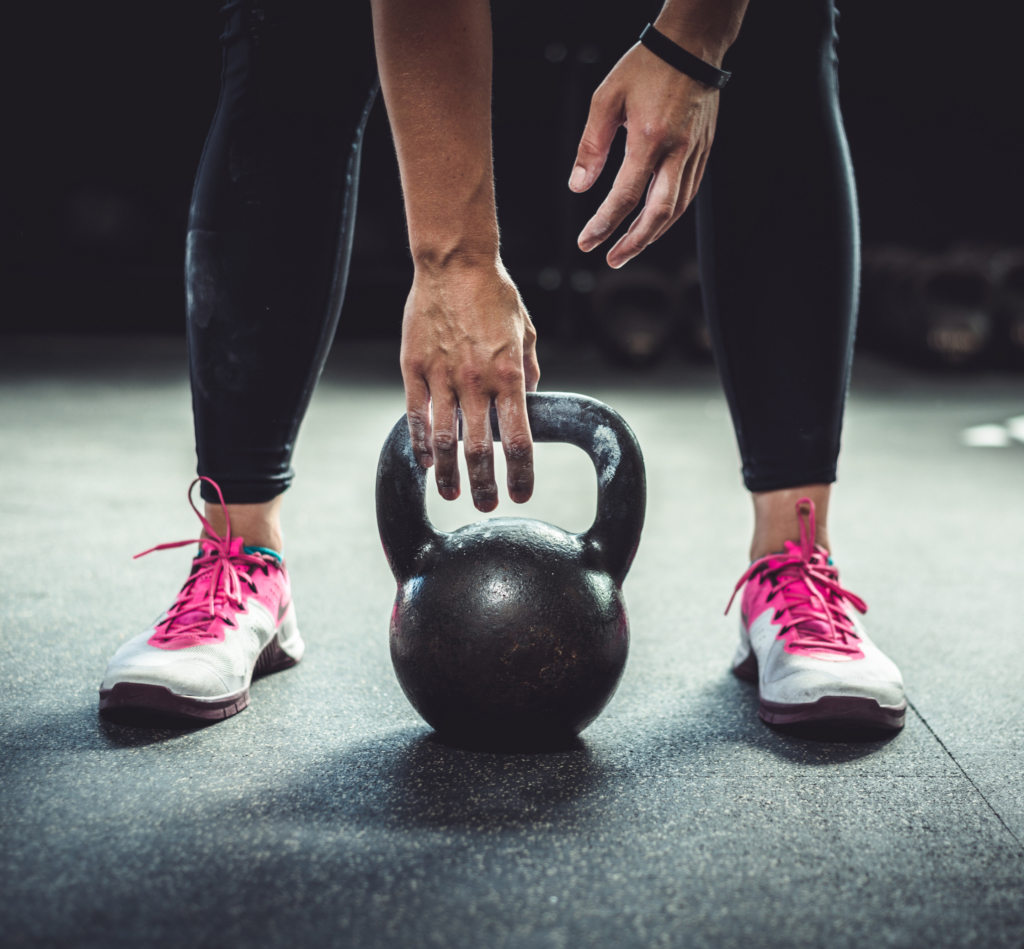
4 Kettlebell Exercises Clients Should Master Why These Four Lifts Matter for Every Client  In kettlebell training, there are dozens of movements, but only a handful that form the true foundation. The clean, press, squat, and snatch are those essentials. When clients master these four lifts, they gain access to safer, stronger, and more effective training. These lifts not only build strength and conditioning, they also reinforce universal skills like bracing, breathing, and stabilizing under load.  For personal trainers, teaching these exercises correctly ensures clients learn how to hinge, brace, breathe, and stabilize under load. These skills carry over into everything from athletic performance to everyday strength.  AFPA’s Kettlebell Essentials: The Iron Cardio Approach course is taught by Brett Jones, one of the world’s most respected kettlebell authorities. As the Director of Education for StrongFirst, Brett has spent more than two decades teaching coaches and clinicians around the globe. His work has shaped the modern approach to kettlebell training. With Brett, every rep is not just exercise—it is skill practice, refinement, and resilience-building.  The Kettlebell Clean  The kettlebell clean is the entry point to nearly every other kettlebell movement. It teaches clients how to safely bring the bell from the floor into the rack position, where it can be pressed, squatted, or transitioned into advanced lifts like the jerk or snatch. Without a reliable clean, the rest of a client’s kettlebell training will be built on shaky ground, because the rack position determines both safety and strength. Brett often reminds his students, “Your press will only be as good as your clean,” and that principle extends to nearly everything in kettlebell training.  Coaching Cues:  Lock and rock stance: Let the hips determine the natural foot position to spare the back.  Hinge first, not torso first: Initiate the clean by pushing the hips back and driving the feet through the floor.  Earth downs, not pickups: Instead of lifting the bell, push your energy into the ground so the bell floats into place.  Rack it right: Elbow tucked, wrist straight, bell resting softly against the forearm. Variations:  Single-arm clean  Double kettlebell clean  Kettlebell squat clean  Kettlebell power clean  The Kettlebell Press  The kettlebell press builds overhead strength, stability, and alignment, making it one of the most rewarding skills a client can learn. Moving a bell overhead challenges posture, breathing, and balance in ways that few other lifts can match. It develops not only the shoulders and arms but also the trunk and legs, because the entire body must stay braced and stable. Brett is known for saying that “the secret to happiness is putting a heavy weight overhead,” because pressing creates that victorious sense of mastery and confidence.  Coaching Cues:  Stack the joints: Bicep by the ear, bell over shoulder and hip.  Press through the ground: Think of driving yourself into the floor rather than just moving the bell upward.  Avoid shrugging: Focus on scapular upward rotation, not elevation.  Breathe with purpose: Use a diaphragmatic sniff before each press for optimal stability.  Variations: Kettlebell shoulder press  Double kettlebell press  Bottoms-up press  Kettlebell floor press  Beginner-Friendly, 101-Level Kettlebell Training Learn directly from Brett Jones, a top strength coach, and walk away ready to integrate kettlebells into any fitness routine with confidence.  Learn More The Kettlebell Squat  The squat is one of the most important human movement patterns, and kettlebells offer a practical, scalable way to teach it. For beginners, holding the kettlebell in a goblet position allows them to sit deeper while staying balanced, often unlocking mobility they did not know they had. For more advanced clients, front squats with double kettlebells challenge bracing and stability under load, while variations like split squats build single-leg strength. Regardless of the version, the kettlebell squat teaches control, stability, and confidence with a load, making it a cornerstone of client programming.  Coaching Cues:  Ankle mobility: Allows the knee and hip the space to drop down into the squat versus gliding body position forward.  Stay tall: Avoid lumbar rounding by respecting each client’s unique hip anatomy.  Brace with breath: Sniff at the top, brace, exhale while standing tall. Variations:  Goblet squat  Kettlebell front squat  Kettlebell sumo squat  Bulgarian split squat  Kettlebell squat press  The Kettlebell Snatch  The kettlebell snatch is often described as the most advanced of the big four lifts, and for good reason. It requires power, timing, coordination, and endurance all in a single motion, taking the bell from the ground to overhead in one fluid path. When done well, the snatch builds explosive hip drive, overhead stability, and conditioning, while also demanding skill and precision. Brett emphasizes that the snatch is not simply a swing gone higher, but “a clean that finishes overhead,” and that distinction makes all the difference for safety and performance.  Coaching Cues:  Keep the path tight: Prevent the bell from swinging too far out.  Protect the hands: Grip deep in the palm to safeguard calluses.  Absorb the drop: Guide the bell down with the hips, almost like giving a low five.  Breathe with the hips: Match exhalation with hip extension.  Variations:  One-arm kettlebell snatch  Double kettlebell snatch  Half snatch  Snatch test prep  Programming the Big Four Together  What sets Brett’s approach apart is not just how he teaches the lifts, but how he programs them. In the Iron Cardio method, the clean, press, squat, and sometimes snatch are practiced in short, sustainable sequences. A typical session might look like this: clean, press, squat, set the bell down, shake it off, then repeat. Each rep is treated as skill practice, not as a race to fatigue. Over time, this practice builds strength, conditioning, and resilience without burning clients out.  Programming Methods:  Rep ladders (1–2–3 and back down)  Traveling twos  Sliding singles  Classic plus snatch for added intensity  This is the programming mastery that has made Brett’s Iron Cardio protocols a reference point in the kettlebell world.  Learn from the Best to Teach like the Best The kettlebell clean, press, squat, and snatch are more than four exercises. They are the building blocks

4 Kettlebell Exercises Clients Should Master Read More »

Why Kettlebells Are One of the Most Effective Training Tools 

Why Kettlebells Are One of the Most Effective Training Tools  Kettlebells aren’t new, but in an era of high-tech fitness trends, they still stand as one of the most timeless, versatile, and effective training tools out there. Why is kettlebell training so effective? What makes these simple ball-shaped weights with a handle so useful?  Whether you’re a personal trainer, group fitness instructor, or strength coach, incorporating kettlebells into strength training programs can unlock a wide range of benefits for your clients. From improving strength and endurance to enhancing mobility and core stability, kettlebell workouts deliver functional results that carry over to real-life activities.  This article discusses why kettlebells might deserve a prime spot in your training toolbox, exploring the benefits of working out with kettlebells and how to effectively use kettlebell exercises to maximize client results.  The Kettlebell Advantage: Functional Fitness That Works  Unlike dumbbells or barbells, kettlebells are designed to be swung, pressed, and carried in ways that mimic the dynamic movements of everyday life. When you pick up a kettlebell, you’re not just lifting weight—you’re engaging multiple muscle groups, stabilizing through your core, and challenging your balance and coordination.  Why kettlebell training is effective comes down to the combination of strength, power, endurance, and mobility packed into each movement. Exercises like kettlebell swings, Turkish get-ups, presses, and snatches train the body to move as a connected unit rather than isolating individual muscles. This functional, full-body approach makes kettlebell workouts an ideal choice for both athletic performance and general fitness.  Impact on Athletic Performance  A 2024 systematic review published in Cureus examined how kettlebell training impacts athletic performance across strength, power, endurance, agility, and injury prevention. It revealed that kettlebell exercises activate key muscle groups—including the hips, thighs, core, and lower back—in ways that enhance neuromuscular coordination and functional strength.  Whether used in preseason conditioning, injury prevention, or high-intensity interval routines, kettlebell workouts deliver measurable gains in agility, flexibility, and resilience. Importantly, their dynamic, full-body nature helps athletes translate raw strength into sport-specific power, making kettlebells a versatile and cost-effective addition to any training plan.  Kettlebell Exercise Benefits That Go Beyond Strength  While many people associate kettlebells with strength, the benefits of kettlebell training go far beyond just building muscle. Research and trainer experience consistently show that kettlebell workouts improve cardiovascular fitness, muscular endurance, flexibility, and even mental focus.  For trainers leading kettlebell classes, the benefits extend to client retention and satisfaction. Kettlebell workouts are inherently engaging—dynamic movements like cleans, snatches, and swings keep participants mentally and physically challenged, helping prevent boredom and plateau. Plus, the compact size of kettlebells makes them ideal for small studios, home gyms, or outdoor sessions, offering maximum versatility with minimal space or equipment investment.  Another major bonus? Kettlebell workouts burn a lot of calories. Thanks to the combination of strength and cardio, kettlebell workouts can deliver calorie-burning benefits similar to high-intensity interval training (HIIT), helping clients meet body composition goals and support metabolic health.  Real-World Benefits of Working Out with Kettlebells  One of the most exciting advantages of kettlebell training is how effectively it prepares clients for real-world challenges. Carrying groceries, lifting kids, sprinting to catch a bus—these are the kinds of movements that kettlebell workouts mimic and strengthen.  Trainers who understand and leverage the benefits of working out with kettlebells are equipping clients not just for the gym, but for life. Kettlebell movements improve grip strength, shoulder stability, hip mobility, and overall coordination, all of which contribute to better performance in daily activities, sports, and even injury prevention.  Plus, kettlebells offer a unique blend of strength and cardio, making them an efficient option for clients with limited time. A 20- to 30-minute kettlebell session can deliver full-body conditioning, strength, and fat-burning benefits in one compact workout.   The Essential Kettlebell Course—Learn It, Use It, Coach It  Master kettlebell fundamentals and the Iron Cardio method, a proven system for building strength, endurance, and control, in as little as a weekend. Learn More Benefits for Older Adults  Kettlebell training also offers additional benefits for older adults aiming to maintain mobility and independence. One standout example is the Ballistic Exercise of the Lower Limb (BELL) trial, a study that investigated how regular kettlebell workouts impact adults aged 59–79. Over three months, participants followed a structured kettlebell program designed to improve functional strength and daily movement ability.  The results were striking: participants increased their predicted one-rep max (1RM) deadlift by 23%, showing meaningful gains in lifting strength—critical for safely handling everyday tasks. They also completed the five-times floor transfer 14% faster, a key indicator of agility and fall-prevention capability.  Participants also improved cardiovascular fitness, walking 7% farther in a six-minute test, and reported greater confidence in stair climbing and lifting objects. Impressively, the program also increased lean muscle mass, supporting healthier body composition and metabolism.  Perhaps most important, these benefits came with high adherence and only minor, non-serious adverse events, underscoring kettlebell training as not only effective but also safe and enjoyable for older adults. This study highlights kettlebells as a promising approach for promoting healthy aging and empowering older adults to stay strong, mobile, and independent.  Why Trainers Should Incorporate Kettlebells  If you’re wondering why you should start incorporating kettlebells into strength training sessions, consider this: kettlebells fill the gaps that traditional gym equipment often misses.  Most standard strength training focuses on linear, controlled movements. Machines isolate single muscles, and even free weights often follow predictable planes of motion. Kettlebells, on the other hand, invite rotation, acceleration, and deceleration—just like real life. This makes kettlebell training especially valuable for developing functional strength and injury resilience.  Kettlebell core exercises, for example, challenge deep stabilizing muscles that protect the spine and improve posture. Moves like kettlebell windmills, suitcase carries, and kettlebell halos aren’t just for building abs; they develop the kind of core control that enhances athletic performance and reduces injury risk.  The Science Behind Kettlebell Training Programs  Kettlebell training isn’t just popular because it looks cool or feels different—there’s solid scientific research showing why it works.

Why Kettlebells Are One of the Most Effective Training Tools  Read More »

Factors Affecting Muscular Strength

Factors Affecting Muscular Strength At AFPA, our team of kinesiology experts and certified personal trainers, with decades of combined experience, frequently hears from individuals wondering why their muscular strength gains differ from others despite following similar workout routines. This curiosity about muscular strength and how it varies drives many to seek answers. At AFPA, we’ve helped thousands unlock their fitness potential by teaching the science behind muscles and strength. This article explores the key factors that shape muscular performance, answers why muscular strength is important, and highlights muscular strength benefits like improved health and confidence. Whether you’re curious about muscular strength examples or seeking to define muscular strength for your fitness journey, let’s dive into the proven factors that drive results. What is Muscular Strength Muscular strength is the ability of a muscle or muscle group to exert maximum force in a single effort. It’s what allows you to tackle demanding tasks like lifting a heavy barbell or shoving a stuck lawnmower with ease. Unlike muscular endurance, which is about sustaining effort over time, muscular strength focuses on generating peak force, making it vital for both athletic feats and everyday activities. The functions of muscular tissue, such as contraction and force production, are at the heart of this ability, and developing muscular strength enhances not only performance but also overall health, supporting stronger bones, improved posture, and injury prevention. Muscular Strength Examples I often explain muscular strength by pointing to practical examples that bring the concept to life. Imagine pulling off a heavy deadlift in the gym, feeling your back, glutes, and legs fire up as you lift the barbell from the floor—that’s muscular strength powering through, engaging multiple muscle groups for a single, powerful effort. Outside the gym, muscular strength examples include hauling a heavy toddler up a staircase or giving a strong push to get a stalled car moving. These moments highlight the muscle strength needed for short, forceful actions, showing why building muscular strength is essential for both functional, everyday movement and fitness performance. Key Factors Shaping Muscular Strength Ready to unlock what makes some people power through lifts like superheroes while others struggle? Muscular strength isn’t just about hard work—it’s shaped by a fascinating mix of genetics and biology. From the type of muscle fibers firing in your body to your age, gender, and even the length of your limbs, these factors play a huge role in how strong you can become. Below, we’ll break down these game-changers, showing you how they influence your muscular performance and what you can do to maximize your muscle strength. Type of Muscle Fiber One of the most influential factors that affect strength is muscle fiber type. We have two basic types of muscle fibers, often referred to as “slow twitch” and “fast twitch.” Slow twitch muscle fibers are best used for cardiovascular (aerobic) activities. They produce small levels of force for long periods of time and thus are better suited for endurance activities. Fast twitch fibers are best used for anaerobic activities. They produce high levels of force for short periods of time and are best suited for power activities such as weightlifting. Most men and women have an equal combination of both slow twitch and fast twitch fibers. However, some people inherit a high percentage of slow twitch fibers that enhance their performance in endurance activities, such as long-distance runners. Most world-class marathon runners have a very high amount of slow twitch fibers. World-class sprinters or football players, for example, have relatively more fast twitch muscle fibers. Although both fiber types respond positively to strength training workouts, the fast twitch types experience greater increases in muscle size and strength, and thus may obtain greater and/or faster results from a strength training program. Age Another factor over which we have little control is age. Studies show that people of all ages can increase their muscle size and strength as a result of a safe and effective strength training program. However, the rate of strength and muscle gain appears to be greater from age 10-20, the years of rapid growth and development. After reaching normal physical maturity, muscular improvements usually don’t come as quickly. Learn How to Become a Certified Personal Trainer Online in Less Than 6 Months Gender Gender does not affect the quality of our muscle, but does influence the quantity. Although men’s and women’s muscle tissue are characteristically the same, men generally have more muscle tissue than women do because muscle size is increased by the presence of testosterone, the male sex hormone. The larger the muscles, the stronger the person; this is why most men are stronger than most women. Limb and Muscle Length Another strength factor that is naturally determined is limb length. Persons with short limbs tend to be able to lift more weight because of advantageous leverage factors (arms and legs). Similarly, differences in strength development may come about because of variation in muscle length. Some people have long muscles, and some people have short muscles. Persons with relatively long muscles have greater potential for developing size and strength than persons with relatively short muscles. Point of Tendon Insertion Muscle strength is also influenced by the point of tendon insertion. For example, let’s say Jim and John both have the same arm and muscle length. However, Jim’s biceps tendon attaches to his forearm farther from his elbow joint than John’s does. This gives Jim a biomechanical advantage: he is able to lift more weight than John in biceps exercises such as the Biceps Curl. Effective Training Techniques for Muscular Strength Building muscular strength hinges on training smarter, not just harder. I’ve seen the best results come from slow, deliberate lifting techniques that fully engage the functions of muscular tissue. Lifting until your muscles reach fatigue—think that moment when you can barely complete one more rep—triggers the growth needed for muscle strength. It’s not about piling on endless sets; it’s about intentional programming and quality. Programs like the AFPA Personal Trainer Certification dive

Factors Affecting Muscular Strength Read More »

Do You Need to Be Super Flexible to Become a Yoga Instructor? (Common Myths Debunked) 

Do You Need to Be Super Flexible to Become a Yoga Instructor? (Common Myths Debunked)  5 Common Yoga Myths—Busted: What Yoga Really Is and Who It’s For  Yoga has exploded in popularity over the past few decades, becoming a mainstay in gyms, studios, and living rooms around the world. Yet despite its widespread presence, there are still plenty of misconceptions that prevent people from stepping onto the mat or considering a career as a yoga instructor.  Let’s set the record straight.  Whether you’re wondering “Do you have to be flexible to do yoga?” or “Is yoga just stretching?”—this one is for you. We’ll bust five of the most common yoga myths, explain what yoga actually is, and show you why yoga is one of the most powerful practices you can explore—regardless of your age, body type, or current flexibility.  Myth #1: You Have to Be Flexible to Do Yoga  We hear this one all the time.  “I could never do yoga—I can’t even touch my toes.”  It’s one of the biggest misconceptions about yoga and also one of the most harmful. If you’ve ever wondered, “Can you do yoga if you’re not flexible?” or “Can an inflexible person do yoga?”, the answer is a resounding YES.  Yoga Is Not About Being Flexible. It’s About Becoming Aware.  Flexibility may improve through a regular yoga practice, but it’s not a prerequisite. In fact, yoga helps you work with the body you have, not the one you think you should have.  So, do you have to be flexible to do yoga? No. Flexibility is a benefit—not a requirement.  Many yoga students and even instructors begin their journey with limited mobility or tightness in key muscle groups. Over time, their yoga flexibility improves, but more importantly, they develop awareness, strength, and balance.  Rena Shoshana Forester, the primary instructor behind AFPA’s Yoga Instructor Certification course says it best: “Your yoga instructor was not born flexible! They just practice regularly. Also, we have ailments too, and we just turned to yoga as a tool for working through them.” If you’re still doubting whether you’re qualified to learn to teach yoga, let us say this: teaching yoga is about guiding others—not performing acrobatics. Sometimes, the best teachers are those who’ve overcome their own limitations and can relate to their students’ challenges.  It’s not about your toe-touching abilities, it’s about your passion and dedication to the practice.  Pro Tip: Look for a reputable yoga instructor certification program that emphasizes anatomy, inclusivity, and safe sequencing—not Instagram-worthy poses. Myth #2: Yoga Is Just Stretching  Stretching is part of yoga, but to say that yoga is stretching or that yoga is the same thing as stretching is like saying cooking is the same as boiling water.  So, is yoga just stretching? No. And it’s much more than that.  Yoga incorporates breathwork, mindfulness, and movement to create a holistic experience for the mind and body. It engages the nervous system, encourages mental clarity, and offers spiritual and emotional benefits that traditional stretching simply doesn’t target.  What Makes Yoga Different from Stretching?  Classical yoga is traditionally made up of “eight limbs,” with asana (the physical postures) being just one component. Other limbs include pranayama (breath control), dhyana (meditation), and yamas and niyamas (ethical guidelines for living).  Together, these elements create a well-rounded practice that nurtures not only the body, but also the mind and spirit—something simple stretching routines don’t offer. While yoga can improve mobility and includes plenty of yoga poses for flexibility, it’s about much more than limber hamstrings.  Myth #3: Pilates Is the Same as Yoga  This myth persists, even though yoga and Pilates are fundamentally different disciplines.  So, is Pilates the same as yoga? Not quite.  Yoga vs. Pilates: What’s the Difference?  While both practices emphasize controlled movement and breath awareness, their origins and goals differ:  Yoga has ancient spiritual roots from India. It combines physical postures (asanas), breath control (pranayama), and meditation. The intention is not just physical health, but union of mind, body, and spirit.  Pilates was developed in the 20th century by Joseph Pilates. It’s a fitness system designed to strengthen the core and improve posture and alignment.  Pilates classes focus on muscular conditioning, and can be done on the mat or using equipment, like the Pilates reformer. Yoga classes vary in intensity but tend to incorporate philosophy, meditation, and breathwork in addition to movement.  So while the two share surface-level similarities, they’re not interchangeable. If you’re looking to cultivate inner awareness and develop a lifelong practice that goes beyond the body, yoga offers something Pilates doesn’t.  Myth #4: Yoga Is Boring  If your only experience with yoga was a slow, silent class where you felt out of place or unsure of what you were doing, it’s understandable to think, “Why is yoga so boring?”  But here’s the truth: Yoga is only boring when it’s not the right style—or the right teacher—for you.  There are dozens of styles of yoga, from fast-paced vinyasa and power yoga to meditative yin or restorative practices. If you’ve only tried one, don’t write it off just yet.  AFPA Certified Yoga Instructor Amber Ludeman says, “My favorite part of the industry is that there is a [yoga] practice for everyone. I like a faster-paced flow with challenging transitions to a blend of hip-hop, 90s, alternative and pop music. Some people like relaxing Yin yoga with nature sounds. Other people need weights and balls to feel that burn.” Yoga Is Diverse—and Anything but Dull  Many people fall in love with the physical challenge of yoga, while others crave the deep calm it brings. Some love the music and movement; others love the silence and stillness.  So, is yoga boring? Only if you haven’t found the right flavor yet.  For example, if you want a challenge that leaves you sweaty and energized, try hot yoga or a power flow.  And if you’re someone who feels intimidated in a traditional gym setting, yoga can offer a supportive, non-competitive environment—something that’s especially powerful for beginners or

Do You Need to Be Super Flexible to Become a Yoga Instructor? (Common Myths Debunked)  Read More »

Personal Trainer Certification in Texas: Requirements and Costs

Personal Trainer Certification in Texas: Requirements and Costs Considering a career as a personal trainer in Texas? Whether you’re interested in working at a fitness facility or pursuing the entrepreneurial path of training clients independently, Texas offers a thriving fitness industry with abundant opportunities across the state—both in major cities like Austin, San Antonio, and Houston, and in smaller markets. So, what does it take to become a certified personal trainer in Texas? At AFPA, we’re here to guide you through the essentials, from the basic requirements and top certifications to the costs involved and insights into Texas’ diverse fitness landscape. Let’s explore what’s ahead and help you take the first step toward a rewarding career! Why Become a Certified Personal Trainer in Texas? Texas is a hotspot for fitness enthusiasts and professionals alike. The gym, health, and fitness club industry in the Lone Star State is projected to reach $2.4 billion in 2025, supported by nearly 9,000 fitness-related businesses. According to the U.S. Bureau of Labor Statistics, employment for fitness trainers nationwide is expected to grow 14% from 2023 to 2033, and Texas—America’s second most populous U.S. state—will likely drive much of that demand. Major markets include: Houston: Approximately 2,314,157 residents. San Antonio: Around 1,495,295 residents. Dallas: Approximately 1,302,868 residents. Austin: Close to 979,882 residents. This growth translates to opportunity. Whether you’re eyeing a role as a personal trainer at an independently-owned gym in Austin, Texas, or as a fitness pro at a nationwide fitness facility in San Antonio, TX, the state’s fitness culture offers a promising career path. Plus, the flexibility to work in gyms, launch your own business, or even offer online training makes this an appealing choice for many. What Do You Need to Become a Personal Trainer in Texas? Wondering what you need to become a personal trainer in Texas? The good news is that the requirements are straightforward and accessible, with no higher education required outside of a personal trainer certification program. Here’s the breakdown: Age: Most certification programs require you to be at least 18. Education: A high school diploma or GED is typically the minimum. CPR/AED Certification: Nearly all employers and certifying bodies mandate this for safety. Beyond these basics, Texas doesn’t require a state-specific license to practice as a personal trainer, meaning a reputable certification is your golden ticket. You’ll also need a passion for fitness, strong communication skills, and a desire to help others—qualities AFPA’s programs are designed to nurture. If you’re asking how to become a certified personal trainer in Texas, it starts with choosing the right certification, which we’ll cover next. How to Become a Certified Personal Trainer in Texas The certification process is clear-cut and can be completed relatively quickly and in just a few steps. Many certification programs are online, but some require you to take an in-person exam to earn your credentials. CPR/AED certification is separate from personal trainer certification, but it is easy to enroll in through organizations like the American Red Cross or the American Heart Association. Complete the Coursework: Programs vary from in-person to online formats—AFPA offers flexible personal training courses you can complete at your own pace. Get CPR/AED Certified: Most CPR/AED courses can be completed in a day, either online or in person. Pass the Exam: Demonstrate your knowledge of exercise science, client coaching, and more. Start Your Career: Apply to gyms, studios, or build your own client base in cities like Houston or Dallas. How long does it take to become a personal trainer? With AFPA, you can finish in as little as 2–6 months, depending on your schedule. Our online personal trainer certification option is perfect for busy Texans who want to study from anywhere—whether you’re in Austin or a rural town. Personal Trainer Certification Texas Cost The cost of a personal trainer certification in Texas varies based on the program. Remember, the upfront investment is a small price for a career with strong earning potential. Here’s what to expect: Certification Fees: Most programs range from $400 to $1,000+. AFPA offers competitive pricing and interest-free payment plans you can spread across 3 or 6 months. Extras: CPR/AED certification ($50–$100), exam fees (if separate), and study materials may add to the total. Online vs. In-Person: Personal trainer certification through AFPA is more affordable than traditional in-person courses, with no travel costs. What You’ll Do as a Personal Trainer Personal trainers do far more than just lead workouts—they’re coaches, motivators, and educators rolled into one. Your role is dynamic, impactful, and centered on transforming lives through fitness. Here’s a closer look at what you’ll do once certified: Design Tailored Programs: Create personalized workout plans tailored to each client’s unique goals—whether they’re aiming to build muscle, lose weight, or improve overall health. Lead Diverse Sessions: Conduct one-on-one training sessions or even virtual workouts. Flexibility is key—you’ll adapt to your clients’ schedules and preferences. Motivate and Track Progress: Inspiring clients is at the heart of your job. Celebrate their milestones—like hitting a new personal record or sticking to a routine—and keep them accountable with regular check-ins. Educate and Empower: Beyond exercises, teach clients about fitness principles—why warm-ups matter, how recovery boosts results, or what makes a balanced lifestyle. This knowledge empowers them to sustain their progress long-term. You could work in gyms, boutique studios, or independently. With AFPA’s personal fitness trainer course, you’ll gain the skills to excel in any setting, helping clients lead healthier lives in a state that values fitness. Salary and Career Outlook in Texas What can you earn as a personal trainer in Texas? According to Glassdoor, the total pay range for personal trainers in Austin, Texas is $53-99K/year, and in San Antonio, the range is $107-$200K/year. Your income depends on experience, location, and client volume. Specializing in areas like strength training, prenatal and postpartum fitness, or working with seniors can boost your earnings further. Learn How to Become a Certified Personal Trainer Online in Less Than 6 Months Why Choose AFPA for Your Certification? At AFPA,

Personal Trainer Certification in Texas: Requirements and Costs Read More »

Understanding Personal Trainer Certification in California 

Understanding Personal Trainer Certification in California  California dreamin’ of a career in fitness? With its thriving wellness and fitness-conscious culture, the Golden State is the perfect place to launch your personal training career. But where do you begin? What certifications do you need? Do you need a license to work as a trainer in California? Get the answers to all these questions and learn everything you need to know about becoming a certified personal trainer in California.  Why Become a Certified Personal Trainer in California?  Growing Demand for Personal Trainers  The timing couldn’t be more perfect for aspiring personal trainers in California. The fitness industry is experiencing remarkable growth, with employment of fitness trainers projected to grow 14% from 2023 to 2033 according to the U.S. Bureau of Labor Statistics. California’s fitness landscape is particularly impressive, with the state’s gym, health, and fitness club market valued at approximately $5 billion in 2023 and boasting over 15,000 fitness-related businesses statewide. The state’s massive population—which surpassed 39 billion people—creates an incredible opportunity for personal trainers. Major metropolitan areas offer especially promising markets:  Los Angeles: Approximately 3,822,238 residents  San Diego: Around 1,381,162 residents  San Jose: Close to 1,013,240 residents  San Francisco: Approximately 808,988 residents   Personal trainers do more than just guide workouts—they play a crucial role in promoting health and wellness, guiding individuals toward healthier lifestyles and improved well-being. In a state that prioritizes fitness and innovation, becoming a certified personal trainer not only offers a rewarding career but also contributes significantly to overall community health objectives.  Benefits of Certification  Pursuing certification as a personal trainer in California offers several advantages that can accelerate your fitness career. Whether you’re looking to work in a gym, start your own business, or train clients online, certification provides a solid foundation to build a successful and sustainable career.  1. Legitimacy and Credibility  A recognized certification establishes your expertise and professionalism. Most fitness facilities require certification, and clients are more likely to trust and hire trainers who have demonstrated their commitment to professional standards.  2. Increased Job Opportunities and Earning Potential  Certification opens doors to a wider range of employment opportunities and can lead to higher income. Certified personal trainers often have access to positions in reputable gyms, health clubs, corporate wellness programs, and more. Advanced certifications and specializations can command even higher rates.  3. Diverse Career Paths  With a certification, you have the flexibility to choose from various career paths. This versatility allows you to tailor your career to your interests and lifestyle. The common paths recently certified trainers take include: Employment at Fitness Centers: Work as a personal trainer in gyms or health clubs, providing one-on-one or group training sessions.  Entrepreneurship: Start your own personal training business, allowing you to set your schedule and develop specialized programs for your clients.  Online Coaching: Leverage technology to offer virtual training sessions, expanding your reach to clients beyond your local area.  Requirements to Become a Personal Trainer in California  Before you can start training clients and building your career, there are a few key requirements you’ll need to meet. While California does not have specific state licensing for personal trainers, most employers and clients look for trainers who hold a recognized certification, along with a solid educational foundation and CPR/AED training.  Minimum Age and Education Requirements  Becoming a personal trainer is an accessible career path, but there are some basic prerequisites you’ll need to fulfill:  You must be at least 18 years old to enroll in most certification programs  A high school diploma or GED is typically required.  CPR/AED Certification Requirement  Safety is a top priority in the fitness industry, which is why nearly all personal trainer certification programs require CPR (Cardiopulmonary Resuscitation) and AED (Automated External Defibrillator) certification before taking the final exam. CPR/AED certification ensures that you can respond quickly and effectively in the event of a medical emergency during a training session, and many gyms and health clubs won’t hire trainers who aren’t CPR/AED certified. You can obtain CPR/AED certification from organizations such as:  The American Red Cross (redcross.org)  The American Heart Association (heart.org)  The National Safety Council (nsc.org)  Most CPR/AED courses can be completed in a day, either online or in person, making it an easy but essential step in becoming a personal trainer.  Certification vs. Licensing – What’s Required in California?  A common question aspiring trainers ask is: Do I need a license to work as a personal trainer in California? The answer is no—California does not require a state-issued license for personal trainers. Instead, you’ll need a certification from a nationally recognized organization to prove your qualifications and land a job in the industry.  Learn How to Become a Certified Personal Trainer Online in Less Than 6 Months Best Personal Trainer Certifications for California  Choosing the right personal trainer certification in California is an important step toward building a successful career. While several organizations offer certification programs, not all are created equal. The best certifications provide comprehensive education and industry recognition, but there are also many other factors to consider when researching the best program for you.  Top Nationally Recognized Certifications  All the top recognized certifications provide a foundation in basic human anatomy and exercise physiology, but there’s a wide gap in practical tools and coaching skills also taught, as well as learning format and flexibility. AFPA (American Fitness Professionals & Associates) stands out as a top choice for aspiring trainers looking for a well-rounded, science-backed program that prepares them for real-world success.  Why Choose AFPA’s Certified Personal Trainer Program?  AFPA’s Certified Personal Trainer program offers everything you need to launch and run a thriving personal training career in California in a flexible, self-paced format. It provides:  Comprehensive training in exercise science, program design, and client assessments.  A unique focus on communication and cueing skills on the training floor.  Strategies to connect with clients, especially through setbacks.  Practical tools and resources, including a video exercise library and sample programs.  Flexible online learning so you can complete your certification at your own

Understanding Personal Trainer Certification in California  Read More »

How Much Do Personal Trainers Make? 

How Much Do Personal Trainers Make?  Discover Your Earning Potential as a Certified Personal Trainer   If you’ve ever considered becoming a personal trainer, one of the first questions you might ask is, “How much do personal trainers make?” The answer isn’t one-size-fits-all—it depends on your location, experience, specialization, and business model.   Some trainers start with modest earnings working at a commercial gym as they grow their client base, while others build and scale thriving businesses quickly, earning six figures or more. Let’s dig into the numbers, explore the factors that influence earning potential, and show you how to maximize your income as a personal trainer.  The Average Salary of a Personal Trainer  Personal trainers in the U.S. earn an average salary of $61,000 per year, with top earners making $93,000-$100,000+ annually, according to data from ZipRecruiter.   However, income can vary widely depending on several factors, including whether a trainer works independently or for a gym or sports club. Commercial gyms and athletic clubs, like Equinox or LA Fitness, typically pay new or freshly certified trainers a low or minimum wage to “work the floor,” then increase their pay per hour as they begin training clients and bringing in more revenue for the business.  Trainers can also work on a commission basis, earning commission for each session sold and bonuses for selling training packages.  Cities with High Personal Trainer Salaries  Where you train can have a big impact on your earnings potential. The highest paying cities for personal trainers in the United States are as follows, according to Indeed:  Chicago, IL ($37.59/hour)  New York, NY ($35.14/hour)  Washington, DC ($34.90/hour)  Los Angeles, CA ($31.75/hour)  Las Vegas, NV ($29.89/hour)  Highest Paying Gyms for Personal Trainers  If you want to maximize your earnings as a personal trainer in a commercial setting, choosing the right gym can make a big difference.  Here are the highest paying national gyms chains for personal trainers:  24 Hour Fitness – $26-38/hour [source]  Crunch Fitness – $21-35/hour [source]  Equinox – $20-33/hour [source]  LA Fitness – $20-34/hour [source]  Gold’s Gym – $20-31/hour [source]  Example Personal Trainer Earnings by Experience Level  Curious to know how your pay trajectory as a trainer might play out?  Here’s an example salary breakdown by experience level:  Entry-Level (0-2 years): $25,000 – $40,000 per year  Mid-Level (3-5 years): $40,000 – $75,000 per year  Experienced (5+ years, specialized): $75,000 – $100,000+ per year  Keep in mind, this can vary hugely depending on your business model and location. An experienced self-employed trainer in New York City with a specialized niche and advanced certifications can demand a higher session or hourly rate, and therefore salary, than a non-specialized trainer working in a commercial gym in a rural area.  Learn How to Become a Certified Personal Trainer Online in Less Than 6 Months Where Can Personal Trainers Work?  Different environments offer varying salary structures, benefits, and opportunities for growth.   Here’s a breakdown of common workplaces and their potential earnings:  Commercial Gyms: Offer a steady base salary plus commissions, making them a great entry point for new trainers. ($30,000 – $60,000/year)  Luxury Fitness Clubs: Provide higher hourly rates, bonuses, and premium clientele, leading to greater earning potential. ($50,000 – $90,000/year)  Private Studios & Self-Employment: Offer unlimited earning potential, allowing trainers to set their own rates and build a loyal client base. ($50,000 – $150,000+ per year)  Online Coaching: A scalable business model with a vast reach, allowing trainers to work remotely and generate passive income through programs and memberships. ($40,000 – $100,000+ per year)  Why Do Some Personal Trainers Have High-Paying Jobs?  Working for a commercial gym is a great way to build your client base and grow your skills, but income opportunities can be limited. Becoming a private or independent personal trainer offers a more entrepreneurial approach, where your earnings could be much higher because you set your own rates.  Keep in mind, if you use a gym to train clients, you will have to pay the gym a fee when you work with clients. Alternative approaches include using your own facility, working with clients outside or in their home, or offering remote personal training.  Independent personal trainers have to drum up their own business, but they can charge however much they like and don’t have outside pressure to sell more sessions. They are also responsible for accounting and taxes and sales and marketing.  Example salary of a private personal trainer:  Charges $65/session  Works 28 hours/week (28 sessions/week)  Makes $1,820/week, or $94,640/year  Some trainers break into the six-figure range. What sets them apart?  Reaching a six-figure income as a personal trainer isn’t just about putting in the hours—it’s about strategic growth, expertise, and leveraging multiple opportunities. Here’s what top-earning trainers do differently:  Certifications & Specializations: Trainers with advanced credentials, such as AFPA’s Master Personal Trainer Certification, can charge higher rates.  Building a Personal Brand: Social media presence, referrals, and niche expertise increase value.  Multiple Income Streams: Offering online coaching, group training, and digital products boosts earnings.  High-End Clientele: Working with corporate executives, athletes, or celebrities can skyrocket income.  What’s the Job Outlook for Fitness Trainers?  According to the Bureau of Labor Statistics, employment of fitness trainers and instructors is projected to grow 14% from 2023 to 2033, which is much faster than the average for all occupations. This strong demand shows a promising career path for aspiring fitness trainers.  What’s Driving This Growth?  Increased Focus on Health & Wellness – More people are recognizing the importance of regular exercise for overall well-being, disease prevention, and longevity.  Corporate Wellness Programs – Many companies are investing in workplace fitness programs to improve employee health and productivity.  Aging Population Seeking Active Lifestyles – Baby boomers are staying active longer and seeking fitness professionals to help with mobility, strength, and overall wellness.  The Rise of Virtual and Online Training – The shift to digital fitness solutions has expanded opportunities for personal trainers to work with clients globally.  What’s Involved in Being an Exercise Trainer?  Diane Vives, one of the top female Strength and Conditioning

How Much Do Personal Trainers Make?  Read More »

Best Fitness Podcasts of 2025: Improve Your Health with Expert Insights and Inspiration

Best Fitness Podcasts of 2025: Improve Your Health with Expert Insights and Inspiration In the ever-evolving world of fitness and wellness, one truth remains constant: the journey to better health is deeply personal. Now that we’re in 2025, the fitness podcast landscape continues to expand, offering a wealth of knowledge and inspiration for every step of your unique path. Having spent over a decade in the fitness and wellness industry as a personal trainer and health and wellness coach, now running a department for the digital fitness app Sworkit Health, I’ve witnessed firsthand how the right information and motivation can transform people’s health journeys. But it’s not just about professional experience—personal challenges often shape our deepest understanding of what truly matters in fitness. A debilitating injury in my 20s forced me to reevaluate my approach to physical training. It was a pivotal moment that taught me the importance of listening to my body, focusing on functional movements, and finding joy in exercise. This experience underscored a crucial lesson: effective fitness isn’t about pushing to extremes, but about finding balance, improving flexibility, and building strength and endurance in ways that respect our individual wants, needs, and limitations. With this perspective in mind, I’ve curated a list of the Top 10 Fitness Podcasts of 2025. These selections go beyond just workout tips—they offer diverse insights into holistic wellness, catering to various interests and fitness levels. Whether you’re a seasoned athlete, personal trainer, or just starting your movement journey, these best podcasts provide valuable information to help you move safely, effectively, and with joy! They’re designed to inspire, educate, and motivate you throughout the year, turning your commutes, workouts, and downtime at home into opportunities for inspiration and growth. Let’s explore these top 10 fitness podcasts that are making a significant impact in 2025. Learn How to Become a Certified Personal Trainer Online in Less Than 6 Months Top 10 Best Health & Fitness Podcasts (The Shortlist): The Peter Attia Drive FoundMyFitness Huberman Lab Mind Pump: Raw Fitness Truth Barbell Shrugged BJ Gaddour Podcast Fuel Your Strength with Steph Gaudreau Balance365 Life Radio The Rich Roll Podcast The Adventure Sports Podcast Honorable Mentions: The Dr. Josh Axe Show The Doctor’s Farmacy with Mark Hyman, M.D. Now that you’ve got the list, plus two of my personal faves, let’s dive into each one. I’ve grouped the podcasts to make them easier to sift through and identify which ones resonate with you most! Best Fitness Podcasts Backed by Science 1. The Peter Attia Drive Host: Dr. Peter Attia – Physician focusing on longevity and human performance Overview/Focus: Longevity, performance optimization, health span extension Targeted Audience: Health-conscious professionals, longevity enthusiasts, adults 35-65 Why Listen: Comprehensive discussions on longevity, performance optimization, and health featuring expert guests Where to Find: Apple Podcasts, Spotify, YouTube, Google Podcasts 2. Found My Fitness Host: Dr. Rhonda Patrick – Biomedical scientist Overview/Focus: Deep dives into the science of nutrition, longevity, and metabolism Targeted Audience: Science-minded health enthusiasts, nutrition geeks, adults 30-60 Why Listen: Cutting-edge research on nutrition, aging, and performance Where to Find: Apple Podcasts, Spotify, YouTube, Google Podcasts 3. Huberman Lab Host: Dr. Andrew Huberman – Neuroscientist and professor at Stanford Overview/Focus: Neuroscience-based approaches to health, performance, and well-being Targeted Audience: Science-minded individuals interested in biohacking and optimizing health and performance, adults 25-55 Why Listen: Science-based strategies for improving health, performance, and neuroplasticity Where to Find: Apple Podcasts, Spotify, YouTube, Google Podcasts Best General Fitness and Lifestyle Podcasts 4. Mind Pump: Raw Fitness Truth Hosts: Sal Di Stefano, Adam Schafer, Justin Andrews – Fitness industry veterans Overview/Focus: No-nonsense fitness advice, debunking myths, training techniques Targeted Audience: Fitness enthusiasts, bodybuilders, general public interested in evidence-based fitness and building muscle, adults 20-45 Why Listen: Fitness advice featuring people who call and write in asking for relatable fitness questions from the podcast hosts Where to Find: Apple Podcasts, Spotify, Stitcher, YouTube 5. Barbell Shrugged Hosts: Various (changes over time) – Strength coaches and athletes Overview/Focus: Strength training, CrossFit, weightlifting techniques and culture Targeted Audience: Weightlifters, CrossFit enthusiasts, strength athletes, adults 20-40 Why Listen: In-depth discussions on strength training, CrossFit, and fitness culture Where to Find: Apple Podcasts, Spotify, YouTube Fitness and Lifestyle Motivation for Men or Women 6. BJ Gaddour Podcast (for men) Host: BJ Gaddour – Fitness expert, former Men’s Health fitness director Overview/Focus: Workout tips, fitness motivation, health and wellness strategies Targeted Audience: General fitness enthusiasts, men 25-45 Why Listen: Actionable fitness tips and motivation from a renowned fitness expert Where to Find: Apple Podcasts, Spotify, Google Podcasts 7. Fuel Your Strength with Steph Gaudreau (for women) Host: Steph Gaudreau – Nutritionist, strength coach, and author Overview/Focus: Strength training and nutrition for women, particularly those over 40 Targeted Audience: Women 40+, strength training enthusiasts, nutrition-conscious individuals Why Listen: Empowering content on strength training and nutrition, especially for women over 40 Where to Find: Apple Podcasts, Spotify, Stitcher 8. Balance365 Life Radio (for women) Co-Hosts: Jennifer Campbell and Annie Brees – Nutrition coaches Overview/Focus: Sustainable weight loss, nutrition habits, body image for women Targeted Audience: Women seeking balanced approach to health and weight loss Why Listen: Practical advice on sustainable weight loss and balanced nutrition for women of all ages Where to Find: Apple Podcasts, Spotify, Stitcher Alternative Fitness Podcasts – Outdoor, Endurance, and Adventure Lifestyle 9. The Rich Roll Podcast Host: Rich Roll – Ultra-endurance athlete, author, and former entertainment lawyer Overview/Focus: Wellness, plant-based nutrition, fitness, spirituality, entrepreneurship Targeted Audience: Health-conscious adults, plant-based diet enthusiasts, endurance athletes, 30-50 age range Why Listen: Inspiring conversations on wellness, plant-based nutrition, and personal transformation (Personally, I love Rich Roll. As a former endurance and plant-based athlete and music agent, Rich brings a unique flavor to the world of fitness.) Where to Find: Apple Podcasts, Spotify, Google Podcasts, YouTube 10. The Adventure Sports Podcast Host: Mason Gravley – Outdoor enthusiast and entrepreneur Overview/Focus: Interviews with adventure sports athletes and enthusiasts Targeted Audience: Outdoor and extreme sports enthusiasts, adults 25-45 Why Listen: Exciting stories and insights

Best Fitness Podcasts of 2025: Improve Your Health with Expert Insights and Inspiration Read More »