continuing education

Auto Added by WPeMatico

How Coaches Balance Client Work and Continuing Education

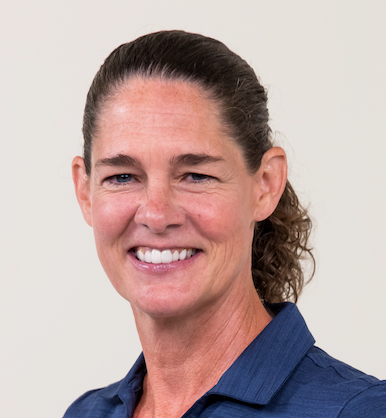
How Coaches Balance Client Work and Continuing Education “What set me apart over 20+ years as a trainer and business owner was my commitment to keep learning. Education made me a better coach, a stronger leader, and a more trusted professional. If you want to grow your impact, serve clients at a higher level, and stand out in a crowded field, invest in your development every step of the way.”  – Diane Vives, M.S., AFPA Senior Director  In the health and fitness industry, growth is not optional.  Your clients depend on you to stay informed, credible, and current. Science evolves. Best practices shift. New tools emerge. Continuing education is how coaches stay sharp and effective.  Yet the reality is that many coaches are already stretched thin.  They manage client sessions, programming, communication, marketing, business operations, and not to mention their own personal wellness. Adding continuing education to an already full schedule can feel overwhelming. Many coaches struggle with balancing learning and client sessions while maintaining energy and focus.  The good news is that it is possible to create a sustainable rhythm. Coaches who thrive long term approach continuing education planning strategically. They treat professional development as part of their business model, not an afterthought.  Here is how experienced professionals build systems that support both client success and ongoing growth (without burning out).  Why Continuing Education Is Non-Negotiable  Before we talk about logistics, it helps to revisit why continuing education matters so much for coaches.  First, it protects your credibility. Certification renewal requirements, such as those for personal trainer continuing education, ensure that you remain aligned with current research and ethical standards. In a field that directly impacts people’s health, this is critical.  Second, it strengthens client outcomes. When you deepen your understanding of behavior change science, nutrition strategies, corrective exercise, stress management, or emerging research, you can serve your clients at a higher level.  Third, it supports your own career longevity. Professional development for coaches opens doors to specialization, leadership roles, and diversified income streams. It keeps your work interesting and intellectually stimulating.  And finally, it builds confidence. When you are actively learning, you can show up to client sessions with clarity and authority.  This is how AFPA Senior Director Diane Vives puts it:  “I’ve been fortunate to experience success as a strength and conditioning specialist, personal trainer, and business owner, and I credit so much of that success to staying curious, staying humble, and committing to my ongoing education.  Learning didn’t just improve my services; it expanded my perspective, connected me to incredible thought leaders, and shaped the way I served both clients and my team. The energy I put into my education came back exponentially in growth, impact, and revenue. Education was my superpower.”  The challenge is not whether to pursue continuing education. The challenge is how to integrate it into a sustainable coaching workload balance.  Unlock Unlimited CE with CE Advantage Why stop at just one course? With AFPA CE Advantage, you’ll get unlimited access to our entire continuing education catalog—including 90+ courses across nutrition, fitness, wellness, and specialty topics. Perfect for health coaches, nutrition professionals, and fitness experts, CE Advantage ensures you’ll always have the latest research and practical tools to better serve your clients. Exclusive member perks include: Unlimited access to the full CE library New courses released each month Renewal fees waived for active subscribers Unlimited re-tests at no extra cost 10% discount on AFPA certifications Keep your credentials current, expand your expertise, and save money with one simple subscription. Join CE Advantage The Real Challenge: Time, Energy, and Cognitive Load  It’s easy to underestimate the true demands of your schedule. Client-facing hours are only part of the picture. Behind each one-hour session is additional time spent reviewing notes, programming, checking messages, updating files, and preparing for the next appointment. Add marketing, billing, and administrative tasks, and your calendar fills up quickly.  This is where continuing education planning and time management become essential.  Learning requires focus and mental bandwidth. If you try to squeeze coursework into the final 20 minutes of an exhausting day, retention suffers. You may technically complete the requirement, but you are not truly integrating the material.  Balancing learning and client sessions is not about cramming more into your schedule. It is about designing your week with intention.  Shift Your Mindset: Education as Business Infrastructure  One of the most effective mindset shifts is to view coaching continuing education as business infrastructure.  You would not skip updating your liability insurance. You would not ignore client documentation. Continuing education deserves the same respect.  When you build professional development directly into your planning process, it stops feeling like an interruption and becomes part of how your practice operates.  This approach can also help you align learning with your business goals. For example:  If you are a personal trainer who wants to move into corrective exercise, choose continuing education that builds your skills in movement assessment, mobility, and exercise modification.  If you want to work more deeply with clients on habit change, seek out coursework in motivational interviewing, behavior change psychology, and client-centered coaching.  If you plan to launch small group training, prioritize continuing education in group dynamics or program design.  Strategic alignment prevents random course accumulation and instead creates purposeful growth.  Start Early and Plan Ahead  AFPA graduate Katya Schade shared with us a practical strategy she uses. She said:  “I start early after my certs renew. I put reminders in my calendar well before renewal time. I also look for free classes or summits from collaborative companies in the industry that would qualify.”  This advice reflects strong continuing education planning.  Rather than waiting until the final months before renewal, begin shortly after your certification period resets. Spreading coursework out over time reduces pressure dramatically.  Set calendar reminders 6 to 12 months before renewal deadlines. Break your required credits into manageable segments.  Early planning supports coaching workload balance and protects your mental energy.  Time Blocking for Continuing Education  Time blocking is one of the most effective continuing education time management tools.  Instead of leaving learning to chance, schedule it like a client appointment. This might look like:  Two hours every Friday morning reserved for coursework  One evening per week dedicated to reading or watching lectures  A monthly half day focused on professional development  The key is consistency. When education is already on your calendar, you reduce decision fatigue and don’t have to wonder when you will fit it in.  Equally important is protecting that time. Avoid

How Coaches Balance Client Work and Continuing Education Read More »
How to Plan a Year of CE Without Stress

How to Plan a Year of CE Without Stress If you are a certified fitness, nutrition, or health coaching professional, you already know how valuable continuing education (CE) is to your success. It keeps your knowledge sharp, your skills relevant, and your confidence strong. Yet even for the most dedicated wellness professionals, staying on top of CE requirements can feel overwhelming. Between work, clients, and personal life, it’s easy to lose track of deadlines or feel unsure about which courses to take next. At AFPA, we believe that continuing education should feel empowering, not stressful. That’s why we created CE Advantage, a flexible and affordable way to complete your CE requirements while continuing to grow in your career. With one annual membership fee, you gain unlimited access to a large (and growing!) library of engaging, research-backed online CE courses designed to keep you inspired and in control of your professional development. If you hold an AFPA certification, you need 16 continuing education credits (CECs) every two years to maintain your credential. That may sound like a lot, but with CE Advantage, you can earn those credits at your own pace while exploring topics that truly interest you. Think of it as your ongoing professional growth plan that’s simple, sustainable, and designed with your success in mind. You can review the full details of AFPA’s renewal requirements here. Why CE Planning Often Feels Stressful We hear it all the time from professionals who love their work: “I didn’t realize my renewal was coming up so soon.” You are not alone. CE planning can sneak up on even the most organized person. Life gets busy, and continuing education often ends up pushed to the back burner until that renewal date is suddenly right around the corner. The stress often starts with time. Without a clear plan or continuing education schedule, it is easy to let weeks or months slip by. Before long, the idea of fitting in 16 CECs feels impossible. Then there is cost. Buying individual CE courses can add up, and when you’re juggling personal and professional expenses, the financial side of continuing education can feel like an extra burden. Last, there is the challenge of choice. With hundreds of options available online, deciding which courses actually support your goals can feel like information overload. Do you choose something practical as a personal trainer, like exercise programming, or something more exploratory, like mindfulness and stress management? Without a clear roadmap, it’s easy to second-guess every decision or feel overwhelmed. If that sounds familiar, take a deep breath. There’s a better way to approach CE planning, and we’ll outline a few example paths you can take later in this article whether you’re a nutrition coach, fitness professional, or health coach. CE Advantage Is Your Stress-Free Solution CE Advantage was designed to take the guesswork out of continuing education planning. Instead of piecing together individual courses and tracking separate purchases, you have access to everything you need in one place. With CE Advantage, you get unlimited continuing education through AFPA’s entire library of CE courses. You can explore over eighty topics (and growing) spanning fitness, nutrition, health coaching, general wellness, and business development. And new courses are added every month, which means your learning opportunities continue to grow throughout the year. Every course is fully online, self-paced, and developed by leading experts in their fields. You can log in whenever it fits your schedule—whether that is early morning before clients or during a quiet evening at home, and most CE courses can be completed easily in one sitting. Plus, there are no extra costs for retests, and your AFPA renewal fees are waived. Everything is included in one simple annual subscription. Beyond convenience, CE Advantage allows and encourages you to experiment, explore, and rediscover what excites you about your work. Sample CE Paths by Profession Because CE Advantage includes so many different options, it can help to look at a few examples of how you might organize your own continuing education roadmap. These sample plans show how professionals in different areas, including personal training, nutrition, and health coaching, can meet their 16 CEC requirement while staying motivated and inspired. Example CE Path for Personal Trainers If you are a personal trainer, you know that your impact and success extends far beyond reps and sets. This CE plan helps you deepen your vast impact by building on your technical knowledge while strengthening how you communicate and connect with clients. Key Concepts in Exercise Programming (2 CECs)Reinforce the fundamentals of safe, effective, and adaptable program design to meet a variety of client goals. Strategies for Virtual Personal Training (3 CECs)Learn to deliver high-quality, personalized coaching through digital platforms while maintaining strong relationships. Coaching Cues for Correcting Exercise Technique (3 CECs)Master clear and actionable communication that helps clients move safely and confidently. Hydration for Athletes and Fitness (5 CECs)Dive into the latest science on fluid balance, electrolytes, and performance for athletes and active clients. Mastering the Kettlebell Clean: Expert Technique and Common Pitfalls (3 CECs)Build your movement coaching skills and reduce injury risk by refining this essential exercise. Together, these courses provide a strong foundation in both the science and art of training. They help you evolve as a coach who not only understands movement but also knows how to motivate, teach, and lead with confidence. Example CE Path for Nutrition Coaches Nutrition professionals play a critical role in helping clients make sense of a noisy wellness world. Your expertise gives people clarity, confidence, and the tools to live healthier lives. This CE path combines evidence-based courses that explore both classic nutrition principles and cutting-edge research. Dietary Fiber 101 (3.5 CECs)Discover how dietary fiber supports digestion, metabolism, and overall health in ways many clients don’t yet understand. Probiotic and Prebiotic Foods: Nutrition, Gut Health, and the Brain (4 CECs)Explore the microbiome and its influence on mood, immunity, and disease prevention. Fad or Evidence-Based Diet? Paleo, Keto, Mediterranean, and More (3 CECs)Learn to confidently discuss

How to Plan a Year of CE Without Stress Read More »

How AFPA’s CE Advantage Can Help You Stay Certified and Grow Your Business

How AFPA’s CE Advantage Can Help You Stay Certified and Grow Your Business When you became certified as a health coach, fitness professional, or nutrition coach, you took the first step toward a career built on helping others live better. But maintaining that certification (and staying relevant in a dynamic industry) requires more than just passion. It requires continual learning that fuels your growth, sharpens your skills, and helps you adapt to your clients’ changing needs.  In case you are not familiar, let us introduce you to AFPA’s CE Advantage.  Our all-inclusive continuing education membership takes the stress out of staying certified and turns your professional development into an opportunity to build your business. It’s a space where you can deepen your expertise, explore new specialties, and earn CE credits with flexibility and ease.  When it comes to continuing ed, CE Advantage provides you with everything you need, and nothing you don’t (think irrelevant, low-quality course muddling up a catalog), all in one simple membership. Let’s take a closer look.  The Challenge: Juggling Certification Renewal and Career Growth  We’d wager that every certified professional knows the pressure of keeping up with continuing education. Between work, clients, and life, meeting CE requirements can feel like another full-time job. Add in renewal fees, individual course purchases, and the constant search for credible content, and what should be an exciting opportunity to learn can quickly become a hassle.  But continuing education should do more than help you renew your credentials. It should move your business forward. That’s the driving philosophy behind AFPA CE Advantage, designed to simplify renewal while giving you unlimited access to high-quality, practical learning.  What Is AFPA CE Advantage?  AFPA CE Advantage is an annual membership that gives you:  Unlimited access to 80+ CE courses across fitness, nutrition, health coaching, and business topics  Waived renewal fees for all AFPA certifications  Unlimited exam retakes  10% off all new AFPA certifications and certificates  Exclusive series such as Coaching in Action and Coaching Clients Through Chronic Conditions  All for one low, all-inclusive annual fee of $249 (regularly $349).  With CE Advantage, you can meet your certification renewal requirements and keep learning without worrying about hidden costs, deadlines, or add-ons.  Why Continuing Education Matters More Than Ever  The wellness industry is evolving fast. New research on exercise science, holistic nutrition, and behavior change is emerging every day. Clients expect their health coach or personal trainer to be up-to-date on the latest methods, and some can tell when you’re not.  By keeping your knowledge current, you:  Build trust and credibility with clients.  Can offer new programs and services that expand your income potential.  Maintain eligibility for certification renewal with ease.  Strengthen your professional confidence and long-term career stability.  In short, continuing education isn’t a box to check; it’s your growth strategy. And AFPA makes that strategy simple, flexible, and affordable.  One Membership. Every CE Hour.  Instead of purchasing courses individually, AFPA CE Advantage gives you unlimited access to the entire continuing education library for 12 months. You can take as many courses as you like, at your own pace, on any device.  You’ll find CE courses in every major area of wellness:  Health Coaching Courses  Explore evidence-based strategies that enhance client outcomes and coaching confidence. Here are some of the health coaching courses you’ll find in the on-demand CE catalog: Coaching Clients on Weight Loss Medication (CE Value: 6.00) Coaching in Action with Eric: Series 2, Episode 1—Building Trust and Rapport (CE Value: 2.0) Coaching in Action with Eric: Series 2, Episode 2—Setbacks and Self-Awareness (CE Value: 2.0) Coaching in Action with Eric: Series 2, Episode 3—Coaching with Empathy (CE Value: 2.0) Coaching in Action with Eric: Series 2, Episode 4—Progress, Not Perfection (CE Value: 2.0) Coaching in Action with Eric: Series 2, Episode 5—Evoking Awareness in Coaching (CE Value: 2.0) Coaching in Action with Eric: Series 2, Episode 6—Building Routines That Stick (CE Value: 2.0) Coaching in Action with Eric: Series 2, Episode 7—The Midpoint Check-In (CE Value: 2.0) Coaching in Action with Eric: Series 2, Episode 8—Coaching for Resilience (CE Value: 2.0) Coaching in Action with Eric: Series 2, Episode 9—Building Accountability (CE Value: 2.0) Coaching in Action with Eric: Series 2, Episode 10—Coaching in the Age of Misinformation (CE Value: 2.0) Coaching in Action with Eric: Series 2, Episode 11—Coaching for Self-Care (CE Value: 2.0) Coaching in Action with Eric: Series 2, Episode 12—The Final Session (CE Value: 2.0) Coaching in Action with Shana: Series 1, Episode 1—The Initial Session (CE Value: 2.0) Coaching Through Food & Body Image Struggles (CE Value: 5.0) Demystifying Weight Loss (CE Value: 2.0) Five Mistakes I Stopped Making as a Health Coach (CE Value: 3.0) Live Health Coaching Demo: Strategies Revealed (CE Value: 2.0) Rewire Your Brain: A Guide to Neuroplasticity for Coaches  (CE Value: 5.5) Supporting Clients with Eating Disorders: A Guide for Health Coaches (CE Value: 5.0) The Power of Creating Positive Habits (CE Value: 4.0) Nutrition Courses  Stay current on trending topics like gut health, hydration, and menopausal nutrition. Here are some of the nutrition courses you’ll find in the on-demand CE catalog: Beyond the Plate: How to Turn Nutrition Advice into Action (CE Value: 2.0) Binge Eating Disorder 101 (CE Value: 4.5) Cooking for Dietary Restrictions: Tips, Tricks, and Recipes (CE Value: 2.0) Dietary Fats Explained: Important, Essential, & Misunderstood (CE Value: 4.0) Dietary Fiber 101 (CE Value: 3.5) Fad or Evidence-Based Diet: Paleo, Keto, Mediterranean, and More (CE Value: 3.0) Heart Health 101 (CE Value: 4.5) Hydration for Athletes and Fitness (CE Value: 5.0) Intermittent Fasting: Science, Benefits, & Practical Strategies for Health Professionals (CE Value: 5.0) Menopausal Weight Gain: Strategies to Support Women in Midlife (CE Value: 3.0) Navigating Menopause with Nutrition (CE Value: 4.5) Nutrition By Addition: Creating a Positive Nutrition Mindset for Sustainable Change (CE Value: 3.5) Plant-Based Diets During Pregnancy (CE Value: 4.0) Probiotic and Prebiotic Foods: Nutrition, Gut Health, and the Brain (CE Value: 4.0) Processed Foods Unpacked (CE Value: 4.0) Spotting Pseudoscience in Gut Health and Nutrition (CE Value: 5.0) Supplement Training Course for Health Coaches (CE Value: 6.0) The Role of Omega-3s in Fitness Performance (CE Value: 4.0) The Ultimate Guide to Carbohydrates for Fitness Professionals (CE Value: 5.0) The Ultimate Guide to Protein

How AFPA’s CE Advantage Can Help You Stay Certified and Grow Your Business Read More »

Best Continuing Education Courses for Nutrition Coaches in 2025

Best Continuing Education Courses for Nutrition Coaches in 2025 Continuing Education for the Modern Nutrition Coach  The nutrition field is evolving faster than ever. In just the past few years, research has reshaped how we view carbohydrates, dietary fat, gut health, and even alcohol and wellness. Clients are asking more informed questions, trends come and go in the blink of an eye, and wellness professionals must stay ahead of the curve to remain credible and effective.  Continuing education is not optional. It’s the lifeline that keeps your practice current, your strategies evidence-based, and your impact meaningful. For 2025, AFPA’s newest and most popular continuing education courses tackle the very topics dominating client conversations and the wellness headlines.  From demystifying dietary fats to exploring the science of intermittent fasting, each course offers a deep dive into relevant knowledge you can immediately put into practice. Whether you want to help clients navigate menopause with nutrition, foster a positive mindset around food, or separate fad diets from proven approaches, these CE options are designed to expand your expertise and your confidence.  Let’s explore the best continuing education courses for nutrition coaches in 2025 and why these topics matter now more than ever.  Alcohol and Holistic Health  For many clients, alcohol isn’t just a beverage. It’s a habit, a social ritual, or even a coping mechanism. As a nutrition coach, you’re likely to field questions about the effects of alcohol on health, from its calorie content to its impact on sleep, mood, and long-term wellness.  This course takes a holistic view, looking beyond the obvious negative effects on health to consider how alcohol fits into cultural, emotional, and social contexts. You’ll gain insights into how the body metabolizes alcohol, what happens to brain chemistry, and the ripple effects on energy, digestion, hormonal balance, and mental well-being.  By learning strategies for mindful consumption, and alternatives that still foster social connection, you can better support clients who want to enjoy life while prioritizing health. The course also provides tools to help clients reassess their relationship with alcohol without resorting to an all-or-nothing approach.  For 2025, this topic is particularly timely. Post-pandemic drinking trends, increased awareness of alcohol’s role in chronic disease risk, and the rise of sober-curious movements mean your clients will value guidance that’s both realistic and compassionate.  Explore the Alcohol and Holistic Health CE course. Nutrition by Addition: Creating a Positive Nutrition Mindset for Sustainable Change  Many clients come to nutrition coaching with years, sometimes decades, of diet rules, food guilt, and a fear of “falling off the wagon.” This course flips that script entirely. Instead of starting with restriction, Nutrition by Addition focuses on how to foster a positive mindset around eating.  The concept is simple but powerful: help clients discover how to make sustainable dietary changes by focusing on what they can add (more fiber-rich vegetables, more antioxidant-packed berries, more heart-healthy fats) rather than what they have to give up. This reframing not only makes healthy eating feel less punishing, but it also builds lasting behavior change.  You’ll explore nutrient density, the psychology of mindset shifts, and mindful eating strategies that reduce overeating while increasing satisfaction. Clients who once obsessed over avoiding “bad” foods often find a sense of freedom in this approach, which ultimately leads to better adherence and overall well-being.  Explore the Nutrition by Addition: Creating a Positive Nutrition Mindset for Sustainable Change CE course. Navigating Menopause with Nutrition  Around 1.1 billion people worldwide are in perimenopause or postmenopausal. That’s a massive segment of the population that could use guidance on nutrition during menopause, a topic that has historically been underserved.  This course equips you with actionable strategies to navigate menopause with your clients. You’ll explore how shifting hormones affect metabolism, weight distribution, bone health, cardiovascular risk, and even brain function. From creating a diet rich in phytoestrogens and calcium to managing hot flashes through balanced eating patterns, you’ll leave with practical, evidence-based tools.  This training emphasizes the broader lifestyle picture. You’ll learn how sleep, physical activity, and stress management interact with nutrition to create a more holistic wellness plan. Clients will appreciate that you’re not just giving them a meal plan and are helping them thrive through one of life’s major transitions.  With more women openly discussing menopause in the media and the workplace, coaches who can confidently address this stage of life will stand out as trusted resources.  Explore the Navigating Menopause with Nutrition CE course. Dietary Fats Explained: Important, Essential, & Misunderstood  Few nutrition topics spark as much confusion as dietary fat. For decades, fat was villainized, only to be later celebrated, sometimes without nuance. Clients may ask, “What is dietary fat?” or “Why are dietary fats important?” and expect you to sort through the conflicting headlines.  This course demystifies fats by breaking down the different types (saturated, unsaturated, and trans) and their unique roles in the body. You’ll learn which foods with dietary fat offer protective benefits (think omega-3-rich salmon or avocado) and which should be limited. You’ll also address common myths, such as the idea that all fat leads to weight gain.  Understanding the benefits of dietary fat is critical for guiding clients toward balanced eating patterns that support hormone production, brain health, and long-term satiety. With practical strategies for incorporating healthy fats into meals, you’ll help clients fuel better, recover faster, and feel more satisfied with their diets.  In 2025, where misinformation spreads quickly on social media, having a grounded, evidence-based perspective on essential dietary fat can help you stand out as a credible educator.  Explore the Dietary Fats Explained: Important, Essential, & Misunderstood CE course. Intermittent Fasting: Science, Benefits, and Practical Strategies for Health Professionals  Few nutrition strategies have exploded in popularity like intermittent fasting. Clients might come to you with questions like, “What is intermittent fasting?” or “What’s the best intermittent fasting schedule?” This course cuts through the hype with a scientific deep dive into fasting’s metabolic, cognitive, and performance effects.  You’ll explore multiple approaches, from time-restricted eating to alternate-day fasting,

Best Continuing Education Courses for Nutrition Coaches in 2025 Read More »