Food & Nutrition Science

Auto Added by WPeMatico

What You Should Know About the 2025-2030 US Dietary Guidelines

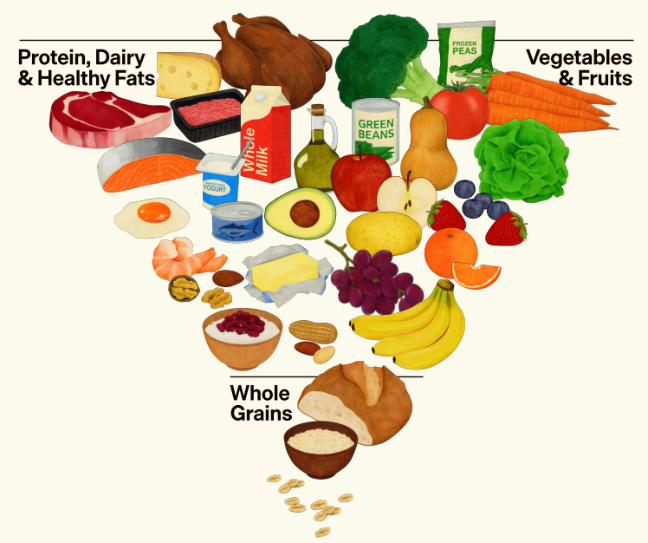
What You Should Know About the 2025-2030 US Dietary Guidelines Every five years, the federal government releases updated dietary guidelines for Americans based on the latest available evidence. These guidelines shape national nutrition policy, school meal programs, public health initiatives, healthcare recommendations, and food assistance programs across the country.  The new 2025-2030 Dietary Guidelines for Americans introduce what the report calls a “significant reset” in federal nutrition policy, with a clear and direct message: prioritize real, nutrient-dense food and significantly reduce highly processed products.  For health professionals, coaches, and individuals committed to lifelong wellness, understanding these updates is essential. At AFPA, we see the Dietary Guidelines as a resource. They offer broad public health direction, and it is our role as educators and practitioners to help translate them into practical, personalized strategies that support health and wellness.  Here is what you should know about the new US dietary guidelines and how they may shape dietary guidelines for healthy eating in the years ahead.  What Is the Purpose of Dietary Guidelines?  Before diving into the updates, it helps to revisit a common question: What is the purpose of dietary guidelines?  The dietary guidelines for Americans are designed to:  Promote health across the lifespan  Reduce the risk of chronic disease  Inform federal nutrition programs and policies  Provide science-based recommendations for the general public  They are not individualized prescriptions. Instead, they offer a population-level framework for dietary guidelines. The dietary guidelines provide evidence-based recommendations to help Americans meet nutrient needs, promote health, and prevent chronic disease.  They’re updated every five years. The US Departments of Agriculture and Health and Human Services review emerging research and publish new dietary guidelines for America accordingly. The 2025-2030 edition replaces the 2020-2025 version.  A Clear Shift: “Eat Real Food”  The most prominent theme in the 2025-2030 US dietary guidelines is a call to return to whole, nutrient-dense foods. The introduction emphasizes prioritizing protein, dairy, vegetables, fruits, healthy fats, and whole grains while dramatically reducing highly processed foods high in refined carbohydrates, added sugars, sodium, unhealthy fats, and chemical additives.  This is framed as a response to rising chronic disease rates. The report highlights high levels of obesity, prediabetes in adolescents, and diet-related chronic illness as major public health concerns.  The tone is direct and urgent. These dietary guidelines position food quality, not just calorie balance, at the center of national health strategy. Below is the updated food pyramid:  Take a Peek Inside AFPA’s Holistic Nutrition Coach Certification Curious what it’s really like to study holistic nutrition at a professional level? Get the free course preview and see the actual learning modules, frameworks, and real-world coaching applications that prepare AFPA graduates for success. See Inside the Course Protein Takes Center Stage  One of the more notable shifts in the new US dietary guidelines is the emphasis on prioritizing high-quality, nutrient-dense protein foods at every meal.  The guidelines recommend:  Consuming a variety of protein sources from both animal and plant foods  Including eggs, poultry, seafood, red meat, beans, lentils, nuts, seeds, and soy  Aiming for 1.2 to 1.6 grams of protein per kilogram of body weight per day  This protein range is higher than previous baseline recommendations for some populations and reflects growing attention to muscle mass, metabolic health, and aging.  The guidelines also suggest preparing protein foods using cooking methods such as baking, broiling, roasting, grilling, or stir-frying rather than deep frying.  For health professionals, this reinforces the importance of adequate protein intake across the lifespan, especially for older adults and physically active individuals.  Full-Fat Dairy Reintroduced  Another update within the American dietary guidelines is the inclusion of full-fat dairy products with no added sugars as part of a healthy dietary pattern.  The guidelines recommend approximately three servings of dairy per day in a 2,000-calorie pattern, adjusted for individual needs.  This reflects a continued evolution in the conversation around dietary fats. While saturated fat intake should not exceed 10 percent of total daily calories, the guidelines acknowledge that whole foods containing fats can be part of a nutrient-dense diet.  For practitioners, this highlights the importance of food context rather than isolating nutrients without considering the full dietary pattern.  Vegetables, Fruits, and Whole Grains Still Matter  The 2025-2030 USDA dietary guidelines chart emphasizes vegetables, fruits, and whole grains as core pillars.  For a 2,000-calorie dietary pattern, recommended daily targets include:  3 servings of vegetables  2 servings of fruits  2 to 4 servings of whole grains  The guidelines encourage eating vegetables and fruits in their whole form as well as whole grains. They encourage limiting refined carbohydrates, such as white bread and packaged breakfast foods, and juice intake.  This aligns with long-standing dietary guidelines for healthy eating, reinforcing fiber intake, phytonutrients, and glycemic stability.  A Stronger Stance on Highly Processed Foods  Perhaps the most explicit language in the new dietary guidelines addresses highly processed foods.  The report advises avoiding highly processed packaged and ready-to-eat foods that are high in added sugars and sodium. It also recommends limiting foods and beverages that include artificial flavors, petroleum-based dyes, artificial preservatives, and non-nutritive sweeteners.  The guidelines specify:  No amount of added sugars is recommended as part of a healthy diet  One meal should contain no more than 10 grams of added sugars  Sugar-sweetened beverages such as sodas and energy drinks should be avoided  This goes beyond previous sugar percentage limits and places more direct constraints at the meal level.  Sodium and Alcohol Recommendations  The US dietary guidelines sodium recommendation remains under 2,300 milligrams per day for the general population aged 14 and older. Lower thresholds apply for children based on age.  Highly processed foods high in sodium should be avoided.  Regarding US dietary guidelines for alcohol consumption, the message is simple: consume less alcohol for better overall health. Certain groups should completely avoid alcohol, including pregnant women and individuals recovering from alcohol use disorder.  This reinforces the broader public health shift toward reducing alcohol intake.  Guidance Across the Lifespan  The dietary guidelines for Americans continue to provide stage-specific recommendations.  Infancy and Early Childhood  For about the first six months, infants should be exclusively breastfed when possible, or receive iron-fortified formula. Vitamin D supplementation of 400 IU per day is recommended for breastfed infants.  Added sugars should be avoided in infancy and early childhood.  Early introduction of potentially allergenic foods such as peanuts, eggs, and shellfish is encouraged around six months, with medical guidance as needed.  Middle Childhood and Adolescence  Children and adolescents are encouraged to focus on nutrient-dense foods, avoid added sugars, and limit

What You Should Know About the 2025-2030 US Dietary Guidelines Read More »
How to Support Clients Without Providing Medical Nutrition Therapy 

How to Support Clients Without Providing Medical Nutrition Therapy  Supporting clients through nutrition and lifestyle change is meaningful, impactful work. It is also work that comes with responsibility. As a nutrition professional or health coach, your role is not to diagnose, treat, or cure disease. Your role is to educate, guide, and support behavior change within a clearly defined scope of practice. When done well, this type of non-MNT work can be just as transformative as clinical care, and in many cases, it is the missing link that helps people turn recommendations into real life habits.  This article explores how AFPA-certified nutrition professionals can support clients ethically and effectively without crossing into medical nutrition therapy. We will clarify what medical nutrition therapy is, why scope of practice matters, how non-MNT nutrition therapy differs from clinical care, and how to confidently deliver high-value nutrition coaching  that protects both you and your clients.  What is Medical Nutrition Therapy?  Medical nutrition therapy, often referred to as MNT, is a clinical service provided by qualified healthcare professionals, most commonly registered dietitians. MNT involves the assessment, diagnosis, and treatment of medical conditions using nutrition interventions that are tailored to specific diseases or clinical diagnoses.  MNT is regulated at the state level and typically requires licensure, advanced clinical training, and ongoing medical oversight. It may include prescribing therapeutic diets for diabetes, kidney disease, cardiovascular disease, gastrointestinal disorders, and other diagnosed conditions. It can also involve interpreting lab values in a diagnostic way and adjusting nutrition plans as part of disease treatment.  AFPA-certified professionals do not practice medical nutrition therapy. That distinction is a safeguard that ensures ethical, legal, and effective client care. Working within scope protects the public, protects your credential, and helps maintain trust in the profession.  How Nutrition Coaching Differs from Clinical Care  Medical nutrition therapy and nutrition coaching serve different but complementary purposes. MNT focuses on clinical outcomes tied to disease management. Coaching focuses on education, habit formation, and sustainable lifestyle change.  As an AFPA-certified nutrition professional, you help clients understand healthy eating habits, build practical skills, and create routines that support long-term wellness. This distinction matters both legally and ethically.  Kellie Lunday, MS, RD, LD, Nutrition Content Lead at AFPA, describes this difference clearly:  “I think what makes non-MNT work so rewarding is that we get to help people navigate their actual lives. As coaches, we’re not making clinical diagnoses or prescribing a carbohydrate-controlled meal plan, but we are helping clients bridge the gap between recommendations and sustainable habits.  How do you meal prep when everyone in the household has different preferences? How do you handle family dinners after a long day of work? This practical, behavior-focused support is often the most challenging work, but it’s also where I see the most sustainable change with clients.”  This is the heart of effective nutrition coaching: you amplify medical care by helping clients implement realistic strategies that fit their personal routines, cultures, preferences, and constraints.  AFPA Nutrition Professionals Scope of Practice  Scope of Practice describes the procedures, actions, and processes that a professional is permitted to undertake in keeping with the terms of the credentials they have been issued.  AFPA nutrition professionals are trained to offer a wide range of services that support health without crossing into medical nutrition therapy. These services fall into two broad categories: general and therapeutic, both of which remain non-medical in nature.  Within the general scope, AFPA professionals may conduct diet and lifestyle assessments, educate and advocate for healthy eating habits, provide food shopping education, and suggest strategies for stress management and balanced living. Teaching classes and workshops, promoting physical activity, and sharing evidence-based information on basic nutritional wellness supplementation are also well within scope.  The therapeutic scope allows for deeper client engagement without diagnosing or treating disease. This includes client intake and assessment, advising on general and therapeutic menus, reviewing questionnaires and lab assessments provided by the client, and offering ongoing follow-up support. Professionals may summarize client cases, consult with medical practitioners, and provide clear guidance on how to implement healthy lifestyle changes.  Learn About AFPA’s Evidence-Based, Holistic Approach to Nutrition Explore our unique approach to whole-person nutrition, and learn how you can stay in scope while supporting clients as a holistic nutrition coach. Why Staying in Scope Strengthens Your Impact  Staying within scope allows you to focus on behavior change, education, and lifestyle support, areas where clients often need help.  As Kellie Lunday explains:  “Staying within your coaching scope of practice isn’t about limiting your impact, it actually protects both you and your clients. While my client might think it’s easier to go to one person for everything, the reality is that myself and other coaches can’t know it all! When we acknowledge what we don’t know and refer clients to the right medical professional or specialist, we’re showing them that their support team is going to be diverse and comprehensive.”  Clients rarely struggle because they lack information. They struggle because they cannot consistently apply that information in the context of their lives. This is where nutrition coaching excels. By staying in scope, you become the professional who helps clients bridge the gap between recommendations and daily behavior, providing the logistical tools for everyday success.  What Ethical, Effective Nutrition Support Looks Like in Practice  Ethical nutrition coaching is thoughtful, personalized, and evidence-informed. It focuses on helping clients make meaningful changes without positioning those changes as medical treatment. Here are a few examples of what that work might look like:  One of the most powerful tools you have is assessment. Understanding a client’s lifestyle allows you to create personalized strategies that honor culture, sustainability, and individuality.  From there, education becomes key. Helping clients connect daily nutrition habits with energy, mood, and overall well-being empowers them to make informed choices.  Meal planning is another area where non-MNT work shines. Helping clients build balanced, nourishing eating patterns that work for real life can dramatically improve consistency. In practice, this looks like:  Strategic Grocery Planning: Coaching a client on how to navigate the supermarket aisles efficiently and build a shopping list that aligns with their wellness goals.  Demystifying Food Labels: Teaching clients how to interpret nutrition fact panels and ingredient lists so they can make informed, independent choices at the store.  Building Balanced Snack Options: Helping a client curate a “go-to” list of quick, nutrient-dense snacks that keep their energy stable throughout a busy workday.  Kitchen Confidence: Sharing meal-prep techniques or food storage tips that make healthy eating feel less like a chore and more like a

How to Support Clients Without Providing Medical Nutrition Therapy  Read More »

The Role of a Holistic Nutrition Coach in Supporting Healthy Eating 

The Role of a Holistic Nutrition Coach in Supporting Healthy Eating  Most people who decide to improve their eating habits are not looking for a complicated plan, a rigid set of rules, or a short burst of motivation. They are looking for something more meaningful. They want guidance that sees the full picture of their health and treats food as one part of a much larger landscape. They want support that feels human and relatable rather than prescriptive.  “Most people already know exactly the changes they need to make to their diet, but what they can’t figure out is how,” says Shana Walsh, PhD, NBC-HWC, MCHES, CPT. This longing is what makes holistic nutrition coaching such a powerful force in the way people approach health today.  Holistic nutrition coaches fill a growing gap between scientific knowledge and everyday life. Clients struggle to navigate confusing nutrition headlines, overwhelming amounts of diet advice, and the pressure to chase quick fixes.   A holistic nutrition coach steps in without lectures or judgments. Instead, they offer a thoughtful, evidence-based approach that helps people understand not only what to eat, but also why their habits form the way they do and how everyday choices ripple out into mood, energy, sleep, stress, movement patterns, and relationships with others.  At AFPA, the Holistic Nutrition Coach Certification course was designed to respond to this very need. It provides an educational foundation that blends evidence-based nutrition and behavior change.  By the time coaches complete the program, they are prepared to guide people toward long-term transformation rather than temporary changes that disappear as soon as life gets complicated.   The Holistic Lens: Seeing Food Within the Full Context of Life  Holistic nutrition coaching is rooted in the idea that food choices cannot be separated from the rest of a person’s life. Eating patterns are influenced by emotions, sleep quality, work environment, cultural traditions, physical activity, social support, and even the simple rhythms of daily routines. When a coach helps someone explore what drives their choices outside the kitchen, clients often begin to see patterns that were invisible to them before.  For example, a client who feels frustrated by late night snacking may uncover that the behavior has less to do with hunger and more to do with stress. Another might realize that skipping breakfast is not a lack of willpower but a result of poor sleep and rushed mornings. Helping clients notice these connections often sparks meaningful breakthroughs because they no longer treat nutrition as an isolated problem. They begin to understand their choices with more compassion and curiosity rather than guilt.  AFPA’s program teaches coaches how to support clients through this exploration using a holistic framework that integrates emotional well-being, stress management, movement, sleep, and social connection with nutrition. When all these elements are considered together, healthier eating becomes more intuitive and much less overwhelming.  Evidence-Based Nutrition for the Real World  Holistic coaching does not replace scientific knowledge. In fact, it depends on it. When clients ask questions about nutrients, digestion, macronutrients, hydration, or metabolism, a coach needs to be able to explain these concepts clearly and accurately. AFPA’s curriculum emphasizes evidence-based nutrition and scientific literacy so that coaches can translate research into practical insights clients can actually use.  That might mean helping a client understand why fiber-rich foods support digestion and satiety, or explaining how carbohydrates influence energy and mood. It could involve clarifying misunderstandings about fats and showing how different types of fatty acids affect overall well-being. It may even include helping clients build a more balanced plate without overwhelming them with numbers or strict frameworks.  “One of the core principles we wanted to stress in this course is scientific literacy. As coaches, it’s essential to understand the research well enough to translate it into strategies that resonate with real people. Using the latest research allows me to answer client questions accurately, whether that’s about choosing quality supplements or why morning food choices affects their afternoon energy levels.”  – Kellie Lunday, MS, RD, LD, Nutrition Content Lead  By grounding conversations in science, coaches help clients feel confident in their choices. They can distinguish solid guidance from trends that make bold promises without meaningful evidence. This confidence allows clients to approach nutrition with curiosity rather than fear, and with empowerment rather than confusion.  Coaching Tools That Help People Practice Healthy Eating  Knowledge alone rarely changes behavior. People need strategies that fit their real lives. This is why AFPA prepares holistic nutrition coaches with tools that translate principles into daily habits.  Clients often ask how to adapt recipes to make them more nutrient-dense without sacrificing flavor or family preferences. Coaches learn how to help clients approach this through simple shifts such as integrating more colorful vegetables, experimenting with global seasonings, or adjusting cooking techniques to support nutrient retention. These small changes often build confidence in the kitchen and help clients feel more capable of preparing meals that nourish both body and lifestyle.  Another powerful tool is mindful eating. Many people eat on autopilot while distracted or stressed. Supporting clients in slowing down, noticing hunger and fullness cues, and creating intentional meal experiences can dramatically improve their relationship with food. This does not mean perfect awareness at every meal. Instead, it encourages clients to reconnect with their internal cues, which naturally leads to more balanced choices over time.  Seasonal and local eating is another area where coaches can offer helpful guidance. Many clients are curious about how to choose produce at the right time of year, how to reduce food waste, or how to shop more sustainably. Coaches learn to explain the benefits of fresh, seasonal ingredients and support clients in building simple habits around them.  These practical skills give clients something they can apply right away. When people feel equipped in the kitchen and confident reading labels, planning meals, and navigating grocery stores, healthy eating becomes accessible and less intimidating.  “I’ve found that practical skills are some of the most impactful ways to help people change their nutrition habits. These tools might seem simple, but they create lasting change because clients can actually use them every single day!”  -Kellie Lunday, MS, RD, LD, Nutrition Content Lead  Long-Term Change Rather Than Quick Fixes  Holistic nutrition

The Role of a Holistic Nutrition Coach in Supporting Healthy Eating  Read More »

The Future of Food: Key Nutrition Shifts in 2026 

The Future of Food: Key Nutrition Shifts in 2026  As we move into 2026, the nutrition landscape is evolving in ways that feel both exciting and empowering. The future of food is grounded in a more balanced and thoughtful understanding of how what we eat influences how we feel, how we age, and how we show up for our daily lives.  Many people are realizing that health is not built on restriction or perfection but on daily choices that nourish the body and support long-term well-being. This shift has created a moment where emerging nutrition trends are aligning with science, sustainability, and a renewed interest in understanding food more deeply.   For nutrition professionals, this moment represents an opportunity to guide clients through meaningful changes that strengthen their confidence and support their health goals in practical, lasting ways.  A New Era of Nutrition Awareness  Current shifts in nutrition show a growing desire for clarity and simplicity. Clients are asking more questions and are interested in understanding not just what to eat but why certain choices matter. This curiosity is helping create a more informed culture around eating patterns and lifestyle habits.  It is also reshaping the role of nutrition professionals, who are increasingly called to translate nutrition research into steps clients can carry out at home and to help clients sift through advice they find online.  As we move through this shift, the emphasis is less about identifying a perfect diet and more about combining science and personal preference to build a balanced and proactive approach.  A Move Toward Additions Rather Than Restrictions  One of the most hopeful recent trends in nutrition is the shift from restrictive thinking to a more positive, inclusive approach. Instead of creating long lists of foods to avoid, clients are increasingly asking how they can impact their current eating patterns with nutrient-dense additions.  “Many of my clients come to me convinced they need to follow a strict meal plan or remove their favorite foods to achieve their goals. I work with them to see that there is a ‘time and place’ for all foods, even pizza or brownies. Over time, once they embrace this flexibility, the stress around eating drops away, and they find sustainable patterns that work with their lives, not against them.”   – Kellie Lunday, MS, RD, LD This mindset helps reduce the sense of deprivation that often leads to frustration or abandonment of health goals. When people feel encouraged to enjoy more fruits, vegetables, fiber, and protein, they naturally build meals that support satiety, nutrient density, and enjoyment.  This shift also aligns with what we know about behavior change. People sustain habits when they feel good about their choices and do not feel punished by their eating plans. By creating space for exploration, variety, color, and flavor, clients often discover that the path toward healthier eating is more approachable than they imagined.   For nutrition coaches, this trend opens the door to conversations that focus on empowerment, long-term consistency, and the development of a positive relationship with food.  Protein Remains a Powerhouse for Daily Wellness  Among the most influential food and nutrition shifts heading into 2026 is the recognition that protein remains a foundational macronutrient. While discussions about trending healthy foods often highlight novel ingredients or creative recipe ideas, protein continues to hold its place due to its impact on satiety, muscle repair, and bone health. The demand for balanced protein intake has grown not as a fad but as a practical tool for everyday living.  Pro Tip: Help clients focus on a variety of plant and animal proteins to satisfy their taste preferences and daily protein needs.  Protein Intake: What’s the Right Amount?  Take a Peek Inside AFPA’s Holistic Nutrition Coach Certification Curious what it’s really like to study holistic nutrition at a professional level? Get the free course preview and see the actual learning modules, frameworks, and real-world coaching applications that prepare AFPA graduates for success. See Inside the Course Fiber Takes Center Stage in Gut Health Conversations  Another major nutritional shift is the sustained interest in fiber. Although the concept of “fibermaxxing” has been trendy, the underlying message holds true. Many people are still not reaching the daily recommended amounts of fiber, and this gap has real implications for digestive health, immune function, and metabolic wellness. As clients become more aware of emerging nutrition trends related to gut health, they are discovering that fiber supports a healthier gut microbiome, which in turn influences energy, mood, inflammation, and long-term health markers.  In 2026, fiber is less about gimmicks and more about practical incorporation. Increasing fiber intake requires a gradual approach for most people. Professional guidance can help clients understand that fiber works best when introduced slowly, allowing the digestive system to adapt. This measured approach helps minimize discomfort and encourages clients to stay consistent.  Recommending a balance of fruits, vegetables, legumes, and whole grains supports a steady increase toward the recommended 25 grams per day for women and 38 grams per day for men. As clients begin to feel improvements in digestion and fullness, they often gain confidence in their ability to make intentional dietary changes that last.  The Rise of Home Cooking and Culinary Curiosity  Food industry trends have also shifted significantly as people become more aware of the role ultra processed foods (UPFs) play in long-term health. The conversation around UPFs is not about categorizing foods as good or bad but about helping people understand that a heavy reliance on highly processed options may reduce nutrient intake and influence health outcomes over time. This awareness is leading many individuals to re-engage with home cooking and rediscover the enjoyment of preparing a meal from scratch.  Cooking at home promotes skill-building, autonomy, and mindfulness. It allows clients to connect with the ingredients they choose and incorporate more whole and minimally processed foods without feeling overwhelmed.  For nutrition professionals, this is an ideal time to introduce simple culinary strategies that support confidence in the kitchen. Even small skills, such as learning how to sauté vegetables or prepare a quick protein option, can make a meaningful difference in a client’s ability to stay consistent.   The Influence of GLP-1 Medications on Eating Patterns  Another significant development in the future of food is the impact of GLP-1 medications on eating behavior. Because GLP-1

The Future of Food: Key Nutrition Shifts in 2026  Read More »

Habit-Based Nutrition Coaching: How to Build Health-Promoting Eating Habits That Last 

Habit-Based Nutrition Coaching: How to Build Health-Promoting Eating Habits That Last  Why Habits Matter More Than Willpower  When most people think about changing their nutrition, they picture overhauling their diet overnight. Strict meal plans and rigid rules often feel like the fastest way to see results. Yet these approaches rarely last because issue is not a lack of motivation but the unsustainable nature of drastic dietary changes.  When it comes to nutrition, most clients do not need more information about what to eat. They know vegetables are nutrient-dense, whole foods support energy, and sugary drinks contribute little to overall health. Yet knowledge alone rarely translates into action. The real challenge is turning intention into consistent behavior. This is where habit-based nutrition approaches stand apart from quick fixes or restrictive diets.  Small, repeatable actions shape long-term outcomes far more than occasional bursts of motivation.  Habits free clients from relying on constant willpower. Instead of debating every choice, they’ll find healthy patterns begin to unfold automatically. For nutrition coaches, this means less handing out strict rules and more helping clients set up daily habits that make healthy eating feel like second nature.  Building the Foundation for Sustainable, Habit-Based Nutrition  At its core, habit-based nutrition coaching is about aligning health goals with the realities of everyday life. Instead of asking clients to overhaul their entire diet overnight, coaches guide them to build small, repeatable actions that support health-promoting choices. Over time, these actions become automatic, reducing the reliance on willpower.  The power of this approach lies in progression, not perfection. A client might start by adding a serving of vegetables to lunch, then expand that habit to other meals once it feels natural. Anchoring habits to existing routines (like pairing water with morning coffee or preparing snacks before busy afternoons) reduces decision fatigue and sets the stage for success. When behaviors are practiced in consistent contexts, they evolve into lasting patterns that can feel less like tasks and more like part of one’s identity.  Effective coaching also draws from behavioral science. Models such as the Transtheoretical Model of Change and Social Cognitive Theory highlight that readiness, confidence, and environment all shape whether habits take root. Meeting clients where they are, whether in contemplation or action, allows coaches to offer the right blend of empathy, accountability, and reinforcement.  Perhaps most importantly, sustainable nutrition habits must reflect the client’s whole life. Cultural traditions, family dynamics, food access, and emotional factors all influence eating choices. A strict meal plan that ignores these realities is unlikely to succeed. By helping clients adapt small, meaningful shifts within their own circumstances, coaches foster autonomy, confidence, and resilience. This holistic perspective turns nutrition into a source of empowerment rather than restriction.  “Many of my clients come to me convinced they need to follow a strict meal plan or remove their favorite foods to achieve their goals. I work with them to see that there is a ‘time and place’ for all foods, even pizza or brownies. Over time, once they embrace this flexibility, the stress around eating drops away, and they find sustainable patterns that work with their lives, not against them.”  – Kellie Lunday, MS, RD, LD  Practical Strategies for Teaching Healthy Eating Habits  One of the most valuable roles of a nutrition coach is teaching healthy eating habits in ways that feel achievable. While every client’s journey is unique, several strategies have strong evidence to support their effectiveness.  Start with Awareness  Encouraging clients to notice current patterns is the first step. Food journals, mindful eating practices, or simply reflecting on energy levels after meals can uncover valuable insights. Awareness lays the groundwork for intentional shifts without judgment.  Pro tip from Kellie Lunday, MS, RD, LD:  “Once clients recognize their patterns, ‘if-then’ intentions become powerful tools. For example, help them plan ahead with ideas like ‘If I’m too tired to cook in the evening, then I’ll use my backup frozen meal prep.’ This strategy helps reduce decision fatigue, especially after those long workdays when even simple choices feel overwhelming.”   Focus on Additions, Not Subtractions  Rather than restricting foods, coaches can guide clients to add nourishing options. Introducing whole grains, colorful produce, or plant-based proteins naturally shifts dietary balance without feelings of deprivation. Over time, these additions crowd out less supportive choices.  Anchor Habits to Existing Routines  Attaching a new habit to something already in place strengthens consistency. A client might drink water before their morning coffee, add a side of vegetables to dinner, or prepare a balanced snack before watching an evening show.  Use Small Wins to Build Confidence  Celebrating progress, no matter how small, reinforces self-efficacy. Success builds momentum, and clients are more likely to continue when they see tangible benefits such as improved energy or mood.  Pro tip from Kellie Lunday, MS, RD, LD:  “I encourage clients to spend just 10 minutes today to help the ‘future-you.’ Whether it’s packing tomorrow’s lunch, prepping a container of veggies, or ordering their grocery delivery. When they complete these small actions consistently, they build confidence. They prove to themselves they can follow through and this becomes the foundation for even bigger changes!”  These strategies help clients understand not just how to start healthy eating habits, but how to maintain them through the ups and downs of life.  Beyond Habits: Creating a Nourishing Lifestyle  Habits are the building blocks of lifestyle, but the bigger picture matters too. Coaches can guide clients to consider how nutrition fits alongside movement, sleep, stress management, and social connection. A holistic perspective ensures that clients see healthy eating not as an isolated task but as part of an integrated approach to well-being.  For example, a client who struggles with evening snacking may discover that poor sleep contributes to cravings. Another may find that stress at work is keeping them from being able to shop for or cook nutrient-dense meals. Addressing these broader lifestyle factors creates conditions where health-promoting nutrition habits can flourish.  This approach also honors the individuality of every client. There is no single formula for the “right” set of diet and healthy eating habits. Instead, success lies in helping clients design habits that fit their values, goals, and circumstances.  Habit-based nutrition coaching is not about willpower or perfection. It is about creating a foundation of small, sustainable choices that align with each client’s unique lifestyle and circumstances. Coaches who adopt this approach can help clients move beyond cycles of dieting and

Habit-Based Nutrition Coaching: How to Build Health-Promoting Eating Habits That Last  Read More »

Best Continuing Education Courses for Nutrition Coaches in 2025

Best Continuing Education Courses for Nutrition Coaches in 2025 Continuing Education for the Modern Nutrition Coach  The nutrition field is evolving faster than ever. In just the past few years, research has reshaped how we view carbohydrates, dietary fat, gut health, and even alcohol and wellness. Clients are asking more informed questions, trends come and go in the blink of an eye, and wellness professionals must stay ahead of the curve to remain credible and effective.  Continuing education is not optional. It’s the lifeline that keeps your practice current, your strategies evidence-based, and your impact meaningful. For 2025, AFPA’s newest and most popular continuing education courses tackle the very topics dominating client conversations and the wellness headlines.  From demystifying dietary fats to exploring the science of intermittent fasting, each course offers a deep dive into relevant knowledge you can immediately put into practice. Whether you want to help clients navigate menopause with nutrition, foster a positive mindset around food, or separate fad diets from proven approaches, these CE options are designed to expand your expertise and your confidence.  Let’s explore the best continuing education courses for nutrition coaches in 2025 and why these topics matter now more than ever.  Alcohol and Holistic Health  For many clients, alcohol isn’t just a beverage. It’s a habit, a social ritual, or even a coping mechanism. As a nutrition coach, you’re likely to field questions about the effects of alcohol on health, from its calorie content to its impact on sleep, mood, and long-term wellness.  This course takes a holistic view, looking beyond the obvious negative effects on health to consider how alcohol fits into cultural, emotional, and social contexts. You’ll gain insights into how the body metabolizes alcohol, what happens to brain chemistry, and the ripple effects on energy, digestion, hormonal balance, and mental well-being.  By learning strategies for mindful consumption, and alternatives that still foster social connection, you can better support clients who want to enjoy life while prioritizing health. The course also provides tools to help clients reassess their relationship with alcohol without resorting to an all-or-nothing approach.  For 2025, this topic is particularly timely. Post-pandemic drinking trends, increased awareness of alcohol’s role in chronic disease risk, and the rise of sober-curious movements mean your clients will value guidance that’s both realistic and compassionate.  Explore the Alcohol and Holistic Health CE course. Nutrition by Addition: Creating a Positive Nutrition Mindset for Sustainable Change  Many clients come to nutrition coaching with years, sometimes decades, of diet rules, food guilt, and a fear of “falling off the wagon.” This course flips that script entirely. Instead of starting with restriction, Nutrition by Addition focuses on how to foster a positive mindset around eating.  The concept is simple but powerful: help clients discover how to make sustainable dietary changes by focusing on what they can add (more fiber-rich vegetables, more antioxidant-packed berries, more heart-healthy fats) rather than what they have to give up. This reframing not only makes healthy eating feel less punishing, but it also builds lasting behavior change.  You’ll explore nutrient density, the psychology of mindset shifts, and mindful eating strategies that reduce overeating while increasing satisfaction. Clients who once obsessed over avoiding “bad” foods often find a sense of freedom in this approach, which ultimately leads to better adherence and overall well-being.  Explore the Nutrition by Addition: Creating a Positive Nutrition Mindset for Sustainable Change CE course. Navigating Menopause with Nutrition  Around 1.1 billion people worldwide are in perimenopause or postmenopausal. That’s a massive segment of the population that could use guidance on nutrition during menopause, a topic that has historically been underserved.  This course equips you with actionable strategies to navigate menopause with your clients. You’ll explore how shifting hormones affect metabolism, weight distribution, bone health, cardiovascular risk, and even brain function. From creating a diet rich in phytoestrogens and calcium to managing hot flashes through balanced eating patterns, you’ll leave with practical, evidence-based tools.  This training emphasizes the broader lifestyle picture. You’ll learn how sleep, physical activity, and stress management interact with nutrition to create a more holistic wellness plan. Clients will appreciate that you’re not just giving them a meal plan and are helping them thrive through one of life’s major transitions.  With more women openly discussing menopause in the media and the workplace, coaches who can confidently address this stage of life will stand out as trusted resources.  Explore the Navigating Menopause with Nutrition CE course. Dietary Fats Explained: Important, Essential, & Misunderstood  Few nutrition topics spark as much confusion as dietary fat. For decades, fat was villainized, only to be later celebrated, sometimes without nuance. Clients may ask, “What is dietary fat?” or “Why are dietary fats important?” and expect you to sort through the conflicting headlines.  This course demystifies fats by breaking down the different types (saturated, unsaturated, and trans) and their unique roles in the body. You’ll learn which foods with dietary fat offer protective benefits (think omega-3-rich salmon or avocado) and which should be limited. You’ll also address common myths, such as the idea that all fat leads to weight gain.  Understanding the benefits of dietary fat is critical for guiding clients toward balanced eating patterns that support hormone production, brain health, and long-term satiety. With practical strategies for incorporating healthy fats into meals, you’ll help clients fuel better, recover faster, and feel more satisfied with their diets.  In 2025, where misinformation spreads quickly on social media, having a grounded, evidence-based perspective on essential dietary fat can help you stand out as a credible educator.  Explore the Dietary Fats Explained: Important, Essential, & Misunderstood CE course. Intermittent Fasting: Science, Benefits, and Practical Strategies for Health Professionals  Few nutrition strategies have exploded in popularity like intermittent fasting. Clients might come to you with questions like, “What is intermittent fasting?” or “What’s the best intermittent fasting schedule?” This course cuts through the hype with a scientific deep dive into fasting’s metabolic, cognitive, and performance effects.  You’ll explore multiple approaches, from time-restricted eating to alternate-day fasting,

Best Continuing Education Courses for Nutrition Coaches in 2025 Read More »

Best Hydrating Foods for Summer

Best Hydrating Foods for Summer Staying hydrated in the summer heat can be challenging, but it’s also important. After all, roughly 50% to 60% of your body weight is water, and losing too much of it can lead to fatigue, dizziness, and other dehydration symptoms. We often focus on what to drink to stay hydrated (with plain water being the obvious choice), but how to stay hydrated isn’t just about beverages. What you eat can significantly boost your hydration too. In fact, an estimated 20% or more of our daily water intake comes from food. This means that incorporating hydrating foods into your summer diet can help you meet your fluid needs while also providing vitamins and electrolytes.  Kellie Lunday, MS, RD, LD, and AFPA’s Nutrition Content Lead, shares: “If I’m slacking on my water intake during the summer, I know that my summer produce has my back! It’s the perfect time of year to focus on my vegetable and fruit intake, with the added benefit of hydration.”  In this article, we’ll explore some of the most hydrating foods to enjoy during summer, explain how these foods with high water content support your body’s fluid balance, and offer tips on including hydrating fruits and vegetables in meals. From juicy watermelon (ever wonder how much water is in watermelon?) to crisp cucumber (spoiler: it’s almost all water), these foods can make staying hydrated easy and delicious. Let’s dive into how to get hydrated and stay that way using nature’s own refreshing ingredients.  Hydration Is More Than What You Drink  When the sun is blazing, it’s easy to gulp down a cold glass of water. Yet many people struggle to drink enough fluids throughout the day. Maybe you forget to sip regularly or don’t feel thirsty until you’re already somewhat dehydrated. The good news is that you can make up some of the difference with food. Eating water-rich foods essentially lets you “drink” through your meals. This is a handy strategy, especially for those who find it challenging to drink enough water each day.  Our bodies constantly lose water through sweat (especially on humid summer days), as well as through breathing and urine. If you’re not replenishing those losses, you risk dehydration. And dehydration isn’t just a minor inconvenience—it can sap your energy and even impair mood and focus. While what to drink to stay hydrated should still be a priority (plain water, herbal iced teas, and other low-sugar beverages are great choices), remember that foods that hydrate you can contribute substantially to your daily needs. In fact, a balanced diet can provide up to about two cups of water per day just from food. Eating the recommended daily servings of fruits and vegetables (for example, two servings of fruit and three of vegetables) might give you roughly 15 ounces of water – that’s nearly a pint of fluid just from produce!  Hydrating foods are particularly helpful if you’re active or spend a lot of time outside in summer. They not only supply water but also often come with fiber, electrolytes, and antioxidants. This combination helps your body absorb and use the water effectively. In other words, munching on foods that help with hydration can actually be more efficient at rehydrating the body than water alone in some cases. Next time you’re thinking about how to increase hydration on a sweltering day, don’t just reach for your water bottle – head to the fridge as well.  Aspiring personal trainers: learn all about nutrition for fitness performance in AFPA’s Personal Trainer Certification. Juicy and Refreshing: Hydrating Fruits  When it comes to fruit for hydration, nature has a knack for packing water into sweet, portable packages. The hydrating fruits of summer are not only delicious but also loaded with water. A standout example is watermelon.  As its name suggests, watermelon is mostly water – about 92% water, to be exact. If you’re wondering how much water is in watermelon, imagine each bite as almost all water with a bit of nutrients. No wonder eating watermelon on a hot day feels so satisfying. It’s like drinking water, but with the bonus of flavor, vitamins A and C, and the antioxidant lycopene. So is watermelon good for dehydration? Absolutely. Watermelon is one of the best foods for hydration you can find, since it helps quench thirst and replenishes you with minerals (like potassium) at the same time.   “Slice it up for a snack, blend it into a smoothie, or toss it with some mint and feta for a hydrating summer salad. With watermelon on the menu, how to stay hydrated becomes a far more enjoyable endeavor,” says Kellie Lunday, MS, RD, LD.  Watermelon isn’t the only fruit that can help you beat the heat. In fact, many common fruits are made up of 80-90% water or more. Strawberries, for example, are about 91% water, and they offer a burst of vitamin C. Cantaloupe and honeydew melons rival watermelon with around 90% water content as well. Oranges and grapefruit, those juicy citrus fruits, are around 86-88% water – and as a bonus, they provide electrolytes like potassium. Peaches, pineapples, and apricots are other fruits good for hydration, each brimming with watery juice. Grapes are about 81% water.  In general, if a fruit is plump, juicy, or easily yields liquid when you bite into it, it’s likely a watery fruit that can help keep you hydrated. These fruits not only deliver water to your system but also supply natural sugars to give you quick energy and fibers that help you feel satisfied.  One perk of choosing hydrating fruits is that they often appeal to the appetite even when the heat might dull your desire for heavier foods. A cold slice of melon or a bowl of berries can be more enticing than a rich meal when the temperature soars. To maximize hydration from fruits, enjoy them raw and fresh – think fruit salads, smoothies, or just whole fruits eaten as snacks.  Freeze grapes or blend watermelon into

Best Hydrating Foods for Summer Read More »

The Disordered Eating-Eating Disorder Continuum

The Disordered Eating-Eating Disorder Continuum TW: Detailed discussion about eating disorders and disordered eating behaviors For some people, the meaning behind the term eating disorder feels distant and difficult to comprehend. For others, the term may bring up difficult feelings or feel deeply triggering.  Research estimates that as many as three in four people have disordered eating behaviors. In fact, health, nutrition, and fitness coaches, though well-intended, may be unknowingly promoting problematic eating behaviors.  For health, nutrition, and fitness coaches, learning about the signs and symptoms of eating disorders and identifying disordered eating behaviors are essential components of their knowledge toolbox. Learning about the disordered eating to eating disorder continuum not only helps coaches identify when a client may be exhibiting some of these behaviors but also helps to identify coaching practices that may be fueling disordered eating.  This article provides readers with an overview of the differences between eating disorders and disordered eating behaviors. It also introduces the reader to the continuum of disordered eating, which allows coaches to understand how some behaviors can initially seem harmless but may progress toward more unhealthy eating behaviors. Finally, it provides coaches with basic information on how to spot disordered eating and support clients in seeking the support they need.  Get Your Free Guide to Becoming a Holistic Nutritionist Learn about the important role of holistic nutritionists, what it takes to be successful as one, and how to build a lucrative, impactful career in nutrition.   What Is an Eating Behavior?  When talking about individuals, an eating behavior is how and what a person tends to eat (or avoid eating) in addition to the thoughts and feelings associated with that way of eating.  An eating behavior is one element of overall health behaviors. Eating behaviors, like other health behaviors, result from a complex process of decisions, habits, mental state, social support, historical experiences with discrimination, access to healthcare, trauma, culture, economic access, and several others. Some examples of eating behaviors include: When a person eats How often a person eats The interval between meals and snacks What motivates a person to eat certain things Eating more or less of certain foods Combining foods or not How a person feels about certain foods or components in foods What a person eats at different times of day and year These are influenced by ideas, knowledge, tradition, and feelings associated with certain foods. Before moving forward, it is important to acknowledge that the experience of eating for humans is a complex one. For humans, food is about nourishment as much as it is about the experience of eating. Other reasons that humans eat and why, other than for nourishment, are for pleasure, time availability, resource availability, and ideas about what they should eat and why.  Healthy and Problematic Eating Behaviors: Spotting the Difference What Are Healthy Eating Behaviors?  A healthy eating behavior is one that helps to satisfy physiological needs (nutrients, water, energy) in addition to contributing positively to cultural, emotional, and social wellbeing. For example, a person with healthy eating behaviors can enjoy a chocolate chip cookie with a meal and feel good or neutral about honoring a craving without any repercussions on their self-image or planned activities for the day. Below are some examples of healthy eating behaviors:  Healthy Eating Behaviors Eating a variety of foods Eating when you are hungry and stopping when you are full Knowing there are no “good” or “bad” foods Eating enough food to feel satisfied and meet the body’s needs Eating without undue guilt, anxiety, or other negative feelings Eating regularly most of the time (having a loose pattern of eating throughout the week) Eating treats, comfort foods, or fun foods occasionally without negatively affecting their self-image or emotions Disordered Eating or Eating Disorder? Definitions and Facts As a society, we tend to think about eating behaviors as two experiences on completely opposite, isolated poles; one pole is healthy eating behaviors, and on the other is unhealthy eating behaviors that include eating disorders.  This idea is flawed in multiple ways, of which we will mention a few. First, it assumes that there is an objective eating pattern that looks similar for everyone. In other words, it assumes that there is one “right” way to eat. Second, it doesn’t consider the progressive nature of behaviors toward and away from eating disorders. Third, it doesn’t consider that there are multiple diagnosable eating disorders in addition to disordered eating behaviors that often fly under the radar. And lastly, it overlooks the overlap between seemingly healthy food choices fueled by deeply unhealthy and unsustainable thoughts.  The Continuum of Disordered Eating Today’s society is one in which rates of chronic diseases rise yearly. Many of those chronic diseases can be prevented, in part, by lifestyle, including diet. Widely available information about how lifestyle contributes to health and disease compounded by unrealistic societal standards of beauty and attractiveness has made way for a growing fear of food and fatness.  How does this affect eating behaviors? According to Temimah Zucker, Licensed Master Social Worker,  Societal standards and pressures, as well as preoccupations with weight loss and exercise, may lead individuals to alter/manipulate their food intake. For many people, this “works.” It does not interfere with their lives; they are able to find food they’re comfortable with at any restaurant, and there is no desire to change. For others, this way of eating can be a precursor to a full-fledged eating disorder, and in many cases, it is hard to distinguish when an individual is struggling with disordered eating versus when an eating disorder is at play. People can engage in disordered eating behaviors to a lesser degree or with less frequency than is generally considered diagnosable as a full-fledged eating disorder. This often happens because many disordered eating behaviors are normalized and even seen as healthy.  However, a person may progress from having disordered eating behaviors to developing an eating disorder if problematic behaviors are not identified early on.  As Dr. Russel-Mayhew states,

The Disordered Eating-Eating Disorder Continuum Read More »

How Social Media Influences Our Eating Habits

How Social Media Influences Our Eating Habits Social media heavily influences people’s perceptions of nutrition, eating habits, and body image. Platforms like Instagram and TikTok expose users to a constant stream of health and wellness messages that can inspire positive change, but that can also contribute to misinformation, unrealistic expectations, and unhealthy comparisons. As a health and nutrition coach, it’s important to understand how these messages influence your own perspective and the behaviors of those who don’t have a strong foundation in nutrition. Acknowledging this impact allows you to better guide clients in developing a balanced approach to health and help you curate your own content responsibly. Learn the ins and outs of how social media affects eating habits—and how to create meaningful, positive content—by exploring social media’s role in food and eating habits. Social Media’s Role in Food Social media is deeply woven into daily life, influencing everything from shopping habits to career growth and even health and nutrition decisions. With an endless stream of content, users are constantly exposed to messages about food, body image, and wellness from influencers, brands, and experts. These messages can subtly or overtly influence eating habits, perceptions of health, and personal goals, often without people realizing it. For health and nutrition professionals, it’s important to consider the impact of these messages—not only on clients but also on the broader audience consuming this content. What people see on platforms like Instagram and TikTok can reinforce positive behaviors or contribute to confusion and unrealistic expectations. By being mindful of these influences, you can better navigate and lead online nutrition conversations and create content that promotes balanced, evidence-based habits. Become an Expert Nutrition Coach at Your Own Pace Download your free guide now. A Critical Eye on Social Media Influencers  Social media influencers are under constant examination, both from their audiences and the platforms they use. Their content is often shaped not only by personal beliefs or verified expertise but also by algorithms, sponsorship deals, and engagement metrics. While some genuinely aim to educate or inspire, many influencers rely on partnerships with brands or ad revenue to make a living, which can influence the way they present information. This blurred line between authentic sharing and strategic promoting makes it important to view influencer content with a critical eye. What may appear to be unbiased advice or personal experience may actually be strategically crafted and brand-directed messaging designed to drive engagement or sales. Understanding these dynamics can help you and your clients better evaluate the credibility of the health and nutrition information on social media. Who Influences Influencers? As a health and nutrition coach, you specialize in understanding the complex and intertwined components that influence health behaviors. While influencers may present their views with confidence, it’s important to recognize the factors that contribute to their perspectives—whether they’re sharing genuine insights, reinforcing common narratives, or responding to financial incentives. Understanding these influences can help you and your clients critically evaluate the content they consume. Personal experiences – Their experiences with food and health may not reflect the mainstream or your own. Formal education – Their training or academic background can shape their views, but even structured education can present conflicting perspectives. Informal education – What they learn from reading, their job, or discussions with others can heavily shape their opinions. Profession – Their career may validate their expertise, but it doesn’t always align with formal education or deep knowledge. Access to information – Language barriers, social media algorithms, and internet literacy affect the quality of information they engage with. Circle of influence – Close friends, family, and trusted sources often shape their opinions more than authoritative expert Income or perk incentives – Financial motivation, sponsorships, and product endorsements can influence the information they share. As you scroll through social media, keeping these factors in mind can help you better assess the credibility and intent behind the content you encounter. 4 Ways Social Media Impacts Our Eating Habits  Behavioral psychology suggests that people naturally try to align their behaviors with perceived social norms, including their eating habits. Before social media, these norms were shaped by cultural traditions, economic factors, and local food availability. People observed the eating patterns of family, friends, and their immediate communities to develop their own. Today, social media expands these influences far beyond personal interactions, exposing users to a constant stream of content that shapes their perception of what and how they should eat. Whether it’s through influencers, peers, or viral food trends, social media plays a powerful role in defining what is considered “normal” or desirable in nutrition. Social Media Feeds Our Eating Habits—For Better or Worse A recent study out of the University of Birmingham examined how Facebook users’ perceptions of food-related content in their social networks influenced their own eating habits. Researchers found that perceived social norms about food consumption significantly predicted users’ intake of: Fruit Vegetables Energy-dense snacks Sugar-sweetened beverages The study found that when people believed their peers consumed more fruits and vegetables, they were more likely to do the same. Additionally, perceived norms around high-calorie snacks and sugary drinks also influenced consumption—whether encouraging or discouraging these choices. While this suggests that exposure to health-conscious content could promote better eating habits, it also raises concerns. If someone’s social feed is filled with fad diets, misleading nutrition information, or a lack of nutrient-dense food representation, it may negatively impact their dietary choices. Edited Selfies and the Idealization of Thin Bodies on Social Media Can Lead to Disordered Eating Pictures of food and content about what nutritionists and fitness experts eat in a day aren’t the only factor influencing eating habits. In Western culture, it is no secret that thin, lean, hourglass-shaped female bodies and lean and muscular male bodies are considered “ideal” and generally associated with greater attractiveness and health. In reality, research demonstrates that body shape and size have little to no impact on health, and it has been long-known that ideas of attractiveness are relative. Additionally, only a small

How Social Media Influences Our Eating Habits Read More »

The Truth About Gut Health: Separating Science from Myth

The Truth About Gut Health: Separating Science from Myth Gut health is a buzzword in today’s wellness industry, and with good reason—our gut plays a crucial role in digestion, immunity, and even mental health. But separating facts from fiction in this complex area is no easy task. The truth about gut health is that many popular claims and products lack scientific support, leaving consumers confused and at risk of being misled. In a recent webinar hosted by AFPA, gut health expert Dr. Gabrielle Fundaro shared how health and wellness professionals can navigate gut health myths and guide their clients with science-backed advice. This article shares important points from the webinar to help nutrition, fitness, and health coaches spot false claims. Coaches can then give their clients useful, evidence-based support. 1. The Truth About Gut Health: Separating Science from Myth The wellness market is filled with products promising fast and miraculous results, from probiotics claiming to “fix” the gut overnight to detox teas that claim to cleanse the digestive system. However, the truth about gut health is more nuanced. As Dr. Fundaro explained: “Gut health research is still in its early stages, and while we’re learning more each day, many products on the market overpromise and underdeliver.” Many of these claims are based on early-stage findings or studies that haven’t yet been replicated. Instead of chasing trends, Dr. Fundaro encourages health professionals to focus on sustainable lifestyle changes. Key Takeaway: Help clients understand that improving gut health takes time. If the marketing claims of a trendy new health product sounds too good to be true, it probably is. There are many reliable science-backed practices you and your clients can follow to improve gut health, as outlined in Point 3 down below. Check out AFPA’s Master Level Nutrition Consultant Certification to develop the hard and soft skills to coach your clients to reach and sustain their nutrition and health goals, plus gain a specialized education in gut health. Unleash the Power of Nutrition Science to Revolutionize Overall Health and Wellness Download your free guide now. 2. How to Spot Pseudoscience in Gut Health Trends Understanding the truth about gut health also involves learning to identify pseudoscientific claims, which can often mislead even well-intentioned consumers. Dr. Fundaro provided some practical advice for spotting these claims: “One of the clearest signs of pseudoscience is when claims sound too good to be true—like detox teas that promise to ‘cleanse the gut’ within days.” Here are some common red flags to watch for: Lack of Peer-Reviewed Evidence: Reliable claims are backed by studies published in peer-reviewed scientific journals. If a product or trend can’t point to reputable research, it’s a warning sign. Overly Simplistic Language: Claims that a single supplement can “boost the microbiome” oversimplify the science of gut health. Exaggerated Promises: Be cautious of products that guarantee rapid weight loss or disease prevention. These promises often prey on people’s desire for quick fixes. @afpa_fitness Dr. Gabrielle Fundaro shares how to sniff out the red flags 🚩 in scientific claims that lack peer review and testing. Learn how the misuse of terminology and cherry-picked data can mislead us. #EvidenceBasedHealth #ScienceLiteracy #FakeScience #HealthClaims #PeerReview #MisleadingResearch #AFPA ♬ original sound – afpa_fitness Encourage clients to become more discerning by educating them about the basics of scientific research. A good starting point is the AFPA Blog, which covers evidence-based wellness practices and gut health trends in detail. 3. The Science-Backed Truth About Gut Health While some gut health claims are exaggerated, there are reliable practices backed by research. Dr. Fundaro emphasized that diet plays the most critical role: “A well-balanced, plant-rich diet is one of the best ways to support gut health. Prebiotics and probiotics from whole foods—like fruits, vegetables, and fermented products—can promote diversity in the gut microbiome.” Here are three actionable ways to help clients cultivate good gut health: Increase Fiber Intake: Encourage a diet high in prebiotic fiber, found in foods like oats, bananas, and onions. Incorporate Fermented Foods: Foods such as yogurt, sauerkraut, and kombucha introduce beneficial bacteria into the digestive system. Reduce Processed Foods: Highly processed foods like refined carbohydrates or foods high in added sugars, sodium, and saturated fats can disrupt the gut microbiome, leading to digestive issues. “Supplements are not a magic bullet,” Dr. Fundaro explained. “It’s always best to get nutrients from whole foods whenever possible.” 4. Empowering Clients to Uncover the Truth About Gut Health Educating clients on how to identify pseudoscience empowers them to make informed decisions. As Dr. Fundaro said: “We want our clients to ask questions and think critically about what they hear. When they understand how to evaluate information, they’ll be empowered to make better decisions.” Here’s how you can empower your clients: Teach them to Question Sources: Encourage clients to research claims and identify whether they are based on peer-reviewed studies. Guide Them Away from Trends: Help clients focus on long-term health strategies rather than quick-fix solutions. Encourage Open Conversations: Invite clients to share what they’ve heard and offer to help them evaluate the information. 5. How AFPA Programs Prepare You to Deliver the Truth About Gut Health AFPA’s certifications equip wellness professionals with the knowledge and skills needed to provide evidence-based advice. Programs like the Master Health and Wellness Coach Certification emphasize practical, research-backed strategies for promoting gut health, balanced nutrition, and overall wellness. Dr. Fundaro concluded the webinar with an empowering message: “Education is your biggest asset. AFPA’s programs give you the tools to navigate the ever-changing wellness landscape with confidence.” Whether you’re a health coach, personal trainer, or nutritionist, staying informed is crucial to building trust with clients and positioning yourself as a credible wellness professional. Conclusion: Embrace the Truth About Gut Health to Empower Your Clients The truth about gut health is that it requires time, consistency, and evidence-based practices. While trends may come and go, focusing on a balanced diet, critical thinking, and sustainable habits will yield better results for your clients in the long run. By staying informed and

The Truth About Gut Health: Separating Science from Myth Read More »