Health Coaching & Well-Being

Auto Added by WPeMatico

Questions to Ask Before Choosing a Health Coaching Certification Program

Questions to Ask Before Choosing a Health Coaching Certification Program Deciding to become a health coach is a significant investment of your time, energy, and financial resources. It’s important to make the education you receive actually prepares you for the realities of the job. Whether you are looking for health coaching jobs in a clinical setting or planning to launch a private practice, the quality of your training matters.  To help you navigate this landscape, we have outlined the essential questions you should ask before committing to a health coach program.  Is the Program Accredited and Nationally Recognized?  Credibility is the currency of the wellness world. When you are looking for a health coaching certification, your first step should be verifying the program’s accreditation. Accreditation ensures that the curriculum meets rigorous professional standards and isn’t just a collection of opinions.  If you have aspirations of reaching the highest level of the profession, you must ask if the program is approved by the National Board for Health & Wellness Coaching (NBHWC). Earning the National Board Certified Health and Wellness Coach (NBC-HWC) credential is often considered the gold standard.  Beyond the NBHWC, look for affiliations with organizations like the American Naturopathic Medical Accreditation Board (ANMAB) and the American Association of Drugless Practitioners (AADP). Choosing a program with reputable credentials ensures that your certificate will be respected by employers and peers alike.  Learn How to Set Yourself Apart as a Board-Certified Health Coach What is the Specific Scope of the Curriculum?  What training do you need to become a health coach? Well, the answer depends on what exactly you want to do. Some programs focus strictly on behavior change, while others take a more holistic health coaching approach.  Here’s something you should always look for, though: a robust curriculum should cover both “hard” and “soft” skills. You need to understand the science of nutrition and the mechanics of the human body, but you also need to master health coaching skills like motivational interviewing, active listening, and habit formation.  Before enrolling, ask for a detailed module breakdown. Does the program cover:  Evidence-based nutrition science?  Theories and models of behavior change?  Ethics and legal professional practice?  How to structure coaching sessions and programs?  This “whole-person” focus ensures you aren’t just looking at one part of health and wellness as a silo.  What is the Total Health Coach Certification Cost and Value?  Financial transparency is vital. When evaluating health coach certification cost, look beyond the initial tuition. Some programs have hidden fees for textbooks, exam proctoring, or mandatory “extra” workshops.  Consider the “bundle” value. For example, some health coach schools offer a health coaching certificate as a standalone, while others, like AFPA, offer a holistic health coach certification that combines nutrition and wellness coaching for a single price.  Ask yourself:  Are all digital materials included?  Are there payment plans or financing options available?  Does the cost include access to a community or career resources?  How Long Does a Health Coaching Certification Take?  The time commitment is a major factor for most students, many of whom are balancing studies with full-time jobs and/or family. Typically, a comprehensive health coaching certification online program can take anywhere from three months to a year.  There are other factors that will impact how long your health coaching certification takes to complete, including whether the program is strictly self-paced or if it has a live component.  The “Live” Requirement: Why Format Matters  If you are looking at a program that leads to board certification, you must account for a “live” requirement. For the NBHWC, there is always a minimum of 40 hours of live class meetings. No matter how much of the curriculum is available online, these 40 hours must be synchronous (real-time) to ensure you are practicing and receiving direct feedback.  You will generally find two ways to fulfill these live hours:  In-Person Training: Some students prefer the traditional classroom setting, enjoying the physical presence of instructors and peers. However, this often requires travel and a more rigid, location-dependent schedule.  Live Online Training: Many students today choose the convenience of live virtual classrooms. This format allows you to meet the NBHWC requirement from the comfort of your home while still participating in real-time coaching triads and interactive discussions. It offers the perfect middle ground: the flexibility of being at home with the professional rigor of a live cohort.  The AFPA 1-Week Intensive  For those who want to accelerate their journey, AFPA offers a 1-week intensive. This option is designed to help you knock out those essential live hours in a concentrated timeframe, making it an ideal choice for busy folks who want to move quickly toward board eligibility without dragging the process out over several months.  Understanding the time commitment and honestly determining your bandwidth will help you decide which program fits your life. Whether you thrive in a months-long steady pace or prefer a high-energy intensive week, ensure the program you choose aligns with your ultimate career goals.  Who Are the Instructors Behind the Material?  You (hopefully) wouldn’t learn surgery from someone who has never stepped into an operating room. In the same way, your health coaching education should be guided by professionals who pair strong academic credentials with real-world coaching experience.  The depth and diversity of an instructional team can significantly shape the quality of your learning.  Look for programs led by instructors with advanced credentials and consider the range of professional backgrounds represented. A diverse instructional team exposes you to multiple perspectives, client scenarios, and coaching approaches, helping you build adaptable skills you can confidently apply across different populations and career paths.  At AFPA, instructional leadership is grounded in both academic rigor and real-world outcomes. As Dr. Shana Walsh, AFPA’s Curriculum Director and leader behind its NBHWC-approved health coaching program, explains:  “In AFPA’s health coaching program, we have two main priorities: preparing our students pass the NBHWC board exam and equipping them to become exceptional health coaches. These two priorities drive everything we do. When we see our graduates go on to earn their national board credentials and launch successful careers, we know our model is working.  At AFPA, we believe that the best measure of our success is when our students are successful. When our students graduate from our program, pass their national board exam, and launch successful health coaching careers, we know we have done our job well. For that reason, student success drives every decision we make, from the curriculum we design, the instructors we hire, the one-on-one support we provide, and how we support our students after

Questions to Ask Before Choosing a Health Coaching Certification Program Read More »
What You Should Know About the 2025-2030 US Dietary Guidelines

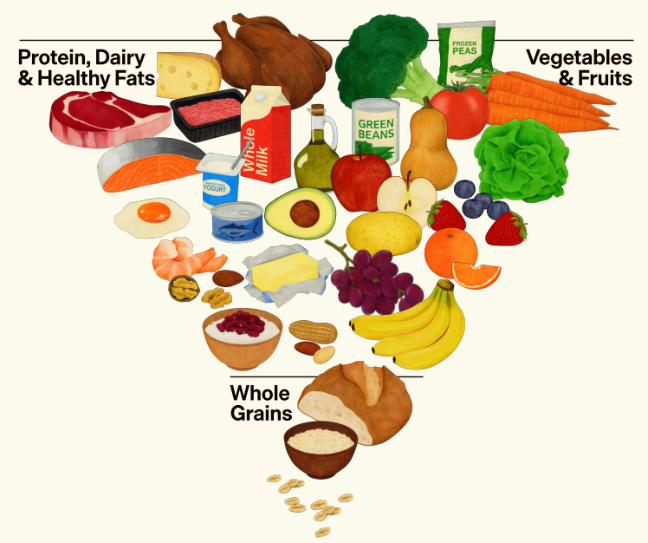
What You Should Know About the 2025-2030 US Dietary Guidelines Every five years, the federal government releases updated dietary guidelines for Americans based on the latest available evidence. These guidelines shape national nutrition policy, school meal programs, public health initiatives, healthcare recommendations, and food assistance programs across the country.  The new 2025-2030 Dietary Guidelines for Americans introduce what the report calls a “significant reset” in federal nutrition policy, with a clear and direct message: prioritize real, nutrient-dense food and significantly reduce highly processed products.  For health professionals, coaches, and individuals committed to lifelong wellness, understanding these updates is essential. At AFPA, we see the Dietary Guidelines as a resource. They offer broad public health direction, and it is our role as educators and practitioners to help translate them into practical, personalized strategies that support health and wellness.  Here is what you should know about the new US dietary guidelines and how they may shape dietary guidelines for healthy eating in the years ahead.  What Is the Purpose of Dietary Guidelines?  Before diving into the updates, it helps to revisit a common question: What is the purpose of dietary guidelines?  The dietary guidelines for Americans are designed to:  Promote health across the lifespan  Reduce the risk of chronic disease  Inform federal nutrition programs and policies  Provide science-based recommendations for the general public  They are not individualized prescriptions. Instead, they offer a population-level framework for dietary guidelines. The dietary guidelines provide evidence-based recommendations to help Americans meet nutrient needs, promote health, and prevent chronic disease.  They’re updated every five years. The US Departments of Agriculture and Health and Human Services review emerging research and publish new dietary guidelines for America accordingly. The 2025-2030 edition replaces the 2020-2025 version.  A Clear Shift: “Eat Real Food”  The most prominent theme in the 2025-2030 US dietary guidelines is a call to return to whole, nutrient-dense foods. The introduction emphasizes prioritizing protein, dairy, vegetables, fruits, healthy fats, and whole grains while dramatically reducing highly processed foods high in refined carbohydrates, added sugars, sodium, unhealthy fats, and chemical additives.  This is framed as a response to rising chronic disease rates. The report highlights high levels of obesity, prediabetes in adolescents, and diet-related chronic illness as major public health concerns.  The tone is direct and urgent. These dietary guidelines position food quality, not just calorie balance, at the center of national health strategy. Below is the updated food pyramid:  Take a Peek Inside AFPA’s Holistic Nutrition Coach Certification Curious what it’s really like to study holistic nutrition at a professional level? Get the free course preview and see the actual learning modules, frameworks, and real-world coaching applications that prepare AFPA graduates for success. See Inside the Course Protein Takes Center Stage  One of the more notable shifts in the new US dietary guidelines is the emphasis on prioritizing high-quality, nutrient-dense protein foods at every meal.  The guidelines recommend:  Consuming a variety of protein sources from both animal and plant foods  Including eggs, poultry, seafood, red meat, beans, lentils, nuts, seeds, and soy  Aiming for 1.2 to 1.6 grams of protein per kilogram of body weight per day  This protein range is higher than previous baseline recommendations for some populations and reflects growing attention to muscle mass, metabolic health, and aging.  The guidelines also suggest preparing protein foods using cooking methods such as baking, broiling, roasting, grilling, or stir-frying rather than deep frying.  For health professionals, this reinforces the importance of adequate protein intake across the lifespan, especially for older adults and physically active individuals.  Full-Fat Dairy Reintroduced  Another update within the American dietary guidelines is the inclusion of full-fat dairy products with no added sugars as part of a healthy dietary pattern.  The guidelines recommend approximately three servings of dairy per day in a 2,000-calorie pattern, adjusted for individual needs.  This reflects a continued evolution in the conversation around dietary fats. While saturated fat intake should not exceed 10 percent of total daily calories, the guidelines acknowledge that whole foods containing fats can be part of a nutrient-dense diet.  For practitioners, this highlights the importance of food context rather than isolating nutrients without considering the full dietary pattern.  Vegetables, Fruits, and Whole Grains Still Matter  The 2025-2030 USDA dietary guidelines chart emphasizes vegetables, fruits, and whole grains as core pillars.  For a 2,000-calorie dietary pattern, recommended daily targets include:  3 servings of vegetables  2 servings of fruits  2 to 4 servings of whole grains  The guidelines encourage eating vegetables and fruits in their whole form as well as whole grains. They encourage limiting refined carbohydrates, such as white bread and packaged breakfast foods, and juice intake.  This aligns with long-standing dietary guidelines for healthy eating, reinforcing fiber intake, phytonutrients, and glycemic stability.  A Stronger Stance on Highly Processed Foods  Perhaps the most explicit language in the new dietary guidelines addresses highly processed foods.  The report advises avoiding highly processed packaged and ready-to-eat foods that are high in added sugars and sodium. It also recommends limiting foods and beverages that include artificial flavors, petroleum-based dyes, artificial preservatives, and non-nutritive sweeteners.  The guidelines specify:  No amount of added sugars is recommended as part of a healthy diet  One meal should contain no more than 10 grams of added sugars  Sugar-sweetened beverages such as sodas and energy drinks should be avoided  This goes beyond previous sugar percentage limits and places more direct constraints at the meal level.  Sodium and Alcohol Recommendations  The US dietary guidelines sodium recommendation remains under 2,300 milligrams per day for the general population aged 14 and older. Lower thresholds apply for children based on age.  Highly processed foods high in sodium should be avoided.  Regarding US dietary guidelines for alcohol consumption, the message is simple: consume less alcohol for better overall health. Certain groups should completely avoid alcohol, including pregnant women and individuals recovering from alcohol use disorder.  This reinforces the broader public health shift toward reducing alcohol intake.  Guidance Across the Lifespan  The dietary guidelines for Americans continue to provide stage-specific recommendations.  Infancy and Early Childhood  For about the first six months, infants should be exclusively breastfed when possible, or receive iron-fortified formula. Vitamin D supplementation of 400 IU per day is recommended for breastfed infants.  Added sugars should be avoided in infancy and early childhood.  Early introduction of potentially allergenic foods such as peanuts, eggs, and shellfish is encouraged around six months, with medical guidance as needed.  Middle Childhood and Adolescence  Children and adolescents are encouraged to focus on nutrient-dense foods, avoid added sugars, and limit

What You Should Know About the 2025-2030 US Dietary Guidelines Read More »

How to Use the New Year to Launch Your Health Coaching Career 

How to Use the New Year to Launch Your Health Coaching Career  Seasonality shapes nearly every profession and health coaching is no exception. Farmers plan their entire year around growing seasons. Accountants feel the intensity of tax season. Retailers depend on the holiday rush.  In the health and wellness industry, the New Year is our most significant season. For those who want to become a health coach, January provides both momentum and clarity. You have an immediate opportunity to work with clients who are highly motivated, curious, and ready to commit. When you start during this annual rise in interest, you give yourself an early advantage in building confidence, gaining practical experience, and creating the foundation for a sustainable health coaching business.  Who Doesn’t Love a Fresh Start?  Every New Year, something remarkable happens. People look at their lives with a rare mix of hope, urgency, and honesty. They ask themselves what they truly want from their health, their daily habits, and their long-term wellbeing. Fitness centers swell with new members, grocery carts fill with vegetables and meal prep containers, and conversations across kitchen tables shift toward goals. In this window of motivation and momentum, a health coach has an opportunity unlike any other time of the year.  There is no better time to launch a career in health coaching than the beginning of the year. People are primed for change and they actively seek guidance from professionals who can help them translate that fresh motivation into sustainable growth.  The New Year brings reflection and a renewed sense of possibility. People begin asking different questions about their health, their routines, and their wellbeing. This shift creates a unique opening for health coaches to do what they are trained to do, which is to support individuals in becoming the healthiest version of themselves.  When someone decides that this is the year they will get stronger, improve sleep, manage stress more intentionally, or cultivate a healthier relationship with food, they are already halfway toward seeking a partner who can guide them through the challenging middle. The surge in interest gives aspiring coaches the perfect landscape to begin, because the audience that needs their support is already paying attention.  The Problem with Resolutions  When someone starts working with a coach in January, they might be trying to rewrite patterns that have lingered for months or years. They may be stepping into January with genuine hope that this time will be different. When you step into that moment with skill and compassion, you show them how consistent guidance can transform fragile resolutions into long lasting habits.  Health related resolutions are consistently among the most common commitments people make at the start of the year, yet many lose momentum quickly. This gap between intention and reality is not a sign that people lack strength or discipline. It is a sign that self-directed change becomes significantly more difficult without support.  “As health coaches, we know all about the data. We know that health-related goals are by far the most popular New Year’s resolutions,” says Shana Walsh, PhD, NBC-HWC, MCHES. “We also know that by Spring, more than 80% of resolutions fail. That failure is a massive signal that people need exactly the type of support that we offer. Our job is to catch those highly motivated people before they fall, and use our tools to help them succeed instead.”  If you are building a career as a health coach or exploring how to start a health and wellness coaching business, understanding this rhythm of motivation and struggle is essential. The New Year gives you the chance to step into that support role exactly when people need it most.  Turning New Year Momentum Into a Real Health Coaching Business  This seasonal momentum does more than energize potential clients. It also creates an ideal environment for aspiring coaches. The same energy that inspires personal resolutions can be used to build the foundation of a new business.  Once someone decides to become a health coach, the next step involves building a business that is focused, structured, and aligned with the clients they hope to serve.  January may be the perfect time to start, but momentum alone is not enough.  You need a plan that helps you step confidently into the role of health coach entrepreneur. A strong health coach business plan includes clarity about who you serve, how you support them, and how you will present your work to the world.  Below are the practical building blocks new coaches can put in place during the New Year to launch a sustainable and successful business.  Define Your Niche Before You Build Anything Else  One of the most misunderstood parts of becoming a health coach is the belief that casting a wide net will bring more clients. In reality, clarity attracts. A well-defined niche helps potential clients immediately recognize that you understand their specific challenges and can offer tailored solutions.  Whether you feel drawn to stress reduction, women’s health, digestive wellness, athletic performance, family nutrition, or another specialty, choosing a niche gives your business a unique identity. It also makes your marketing efforts far more efficient. When you know exactly whom you are speaking to, it becomes easier to create content, services, programs, and branding that resonate.  This is also the step where many coaches begin to feel their confidence rise. They shift from “I want to help everyone” to “I help this type of person with this type of challenge through this type of method.” That level of clarity lays the groundwork for every decision you make afterward.  Learn how to choose the best niche for your health and wellness coaching business.  Develop a Coaching Framework You Can Deliver Consistently  Clients do not just buy sessions. They buy transformation. To deliver meaningful results, you need a structured process that helps clients move from where they are to where they want to be. This framework can be flexible and personalized, but it should follow a predictable arc.  Many successful coaches use stages such as exploration, values clarification, habit building, goal setting, weekly check-ins, skill development, and periodic reflection. You may refine your approach over time, but having a methodology from the beginning demonstrates professionalism and helps clients feel grounded.  A coaching framework also

How to Use the New Year to Launch Your Health Coaching Career  Read More »

Why NBHWC Certification Matters for Integrative and Functional Health Careers 

Why NBHWC Certification Matters for Integrative and Functional Health Careers  The Rising Standard in Holistic Health and Coaching  Health coaching is having a moment, but not because it is trendy. It is because integrative and functional practitioners have realized what has long been an issue. A brilliant care plan does not change anyone’s life if the person receiving it cannot follow it.  Clients want root-cause care. Providers want better outcomes. The missing link is a coach who knows how to translate clinical recommendations into real behavior change and who can do it at a standard the healthcare world trusts. That is exactly where NBHWC certification comes in.  At the heart of this shift is a powerful credential that signals mastery and trustworthiness: the NBHWC certification. The National Board for Health & Wellness Coaching sets the gold standard for health and wellness coaching, providing a unified framework for professionals who bridge the gap between healthcare and holistic wellness. For coaches aiming to stand out in the integrative health space, earning this certification is a statement of credibility, quality, and commitment to evidence-based practice.  Why Integrative and Functional Health Needs Board-Certified Coaches  Integrative and functional health careers center on understanding the whole person. They take into account the intricate relationships between nutrition, movement, sleep, emotional well-being, environment, and purpose. Yet knowledge alone is not enough to help clients achieve sustainable change. People rarely struggle because they lack information. They struggle because translating that information into daily action requires motivation, accountability, and consistent support.  That’s where a National Board Certified Health and Wellness Coach (NBC-HWC) comes in. These coaches are trained not just to share information, but to guide clients through the process of behavior change using structured, evidence-based techniques. They collaborate with clients to build sustainable habits, improve self-efficacy, and maintain progress long after a session ends.  As the health coaching field becomes more deeply embedded in healthcare systems, NBHWC certification has become the defining credential that demonstrates readiness to work alongside medical and allied health professionals. It validates that a coach has completed a NBHWC-approved certification program, logged practical experience, and passed a rigorous national exam.  The Value of the NBHWC Credential  The NBHWC board certification is recognized throughout the health and wellness industry as the highest level of professional achievement for coaches. Since its collaboration with the National Board of Medical Examiners in 2016, the NBHWC has set evidence-based standards that align coaching practice with healthcare integration.  This credential distinguishes coaches who have mastered both the art and science of behavior change. It signals that they have met stringent NBHWC certification requirements, including education, mentorship, and experience-based skill development. While anyone can call themselves a “coach,” the NBC-HWC designation proves that a practitioner has achieved a level of professional excellence that healthcare organizations, insurers, and clients can trust.  Beyond credibility, the NBHWC certification also fosters continued professional growth. Certified coaches gain access to the NBHWC national directory, professional development opportunities, exclusive networking events, and continuing education credits that keep their knowledge current.  Why NBHWC-Approved Training Makes a Difference  Not all health coach training programs are created equal. To be eligible for NBHWC board certification, you must complete an NBHWC-approved certification program that meets specific standards for curriculum, faculty, and student experience.  These programs are required to include comprehensive instruction in four core areas: coaching structure, coaching process, health and wellness knowledge, and ethics and legal considerations. They must provide both self-paced study and real-time, experiential learning that prepares students to facilitate authentic client transformation.  AFPA’s Certified Master Health and Wellness Coach program was designed to exceed these standards. It combines the Certified Health and Wellness Coach Course and the Advanced Health Coaching Intensive [Live] into one seamless hybrid experience. Together, they form one of the most comprehensive NBHWC-approved training pathways available for aspiring coaches who want to make an impact.  This hybrid model blends flexibility and structure. The self-paced portion builds a strong foundation in coaching theory, health behavior science, and holistic wellness principles. Students learn how to design effective coaching programs, communicate with empathy, and understand the mind-body connection that drives long-term success.  The live portion adds a collaborative element that mirrors real coaching practice. Participants meet via Zoom in small cohorts, apply what they’ve learned through interactive role-playing, and receive feedback from faculty who are themselves board-certified coaches.  The Most Comprehensive, Affordable Certification to Help You Become a Board-Certified Health Coach Enroll in the Certified Master Health and Wellness Coach Program Now Inside AFPA’s Certified Master Health and Wellness Coach Program  Students begin their journey in the Certified Health and Wellness Coach Course, a self-paced learning experience that takes anywhere from about two to six months to complete. This portion of the program offers more than 35 hours of dynamic video instruction, interactive exercises, and real-world case studies. It covers the essentials of what it means to be a health coach: how to structure sessions, build rapport, and use techniques like motivational interviewing to help clients clarify their values and goals.  The second component, the Advanced Health Coaching Intensive [Live], is a 12-week cohort-based course that brings coaching concepts to life. Here, students gain hands-on experience conducting coaching sessions in a supportive virtual environment. Faculty guide participants through key topics such as health behavior change theory, patient engagement models, and positive psychology. Students also learn how to manage challenges like client resistance, emotional responses, and misinformation while maintaining professionalism and empathy.  Together, these two components create a complete educational pathway that prepares graduates to apply for the Health and Wellness Coach Certifying Examination (HWCCE) and become National Board Certified Health and Wellness Coaches.  AFPA’s track record speaks for itself: 93% of AFPA graduates pass the NBHWC board exam on their first attempt, a testament to the quality of its instruction and support.  The AFPA Difference: Practical, Holistic, and Community-Focused  What sets AFPA apart is not just its NBHWC approval, but its philosophy. AFPA programs are built on the understanding that effective coaching is as much about human connection as it is about science. Students learn to approach each client as a whole person, considering physical, mental, social, and environmental factors that shape their health.  AFPA’s Certified Master Health and Wellness Coach program is taught by an exceptional faculty of experienced coaches, educators, and wellness practitioners. Instructors like Dr. Shana Walsh, PhD, NBC-HWC, MCHES, bring deep expertise in health behavior theory and a passion for helping

Why NBHWC Certification Matters for Integrative and Functional Health Careers  Read More »

Habit-Based Nutrition Coaching: How to Build Health-Promoting Eating Habits That Last 

Habit-Based Nutrition Coaching: How to Build Health-Promoting Eating Habits That Last  Why Habits Matter More Than Willpower  When most people think about changing their nutrition, they picture overhauling their diet overnight. Strict meal plans and rigid rules often feel like the fastest way to see results. Yet these approaches rarely last because issue is not a lack of motivation but the unsustainable nature of drastic dietary changes.  When it comes to nutrition, most clients do not need more information about what to eat. They know vegetables are nutrient-dense, whole foods support energy, and sugary drinks contribute little to overall health. Yet knowledge alone rarely translates into action. The real challenge is turning intention into consistent behavior. This is where habit-based nutrition approaches stand apart from quick fixes or restrictive diets.  Small, repeatable actions shape long-term outcomes far more than occasional bursts of motivation.  Habits free clients from relying on constant willpower. Instead of debating every choice, they’ll find healthy patterns begin to unfold automatically. For nutrition coaches, this means less handing out strict rules and more helping clients set up daily habits that make healthy eating feel like second nature.  Building the Foundation for Sustainable, Habit-Based Nutrition  At its core, habit-based nutrition coaching is about aligning health goals with the realities of everyday life. Instead of asking clients to overhaul their entire diet overnight, coaches guide them to build small, repeatable actions that support health-promoting choices. Over time, these actions become automatic, reducing the reliance on willpower.  The power of this approach lies in progression, not perfection. A client might start by adding a serving of vegetables to lunch, then expand that habit to other meals once it feels natural. Anchoring habits to existing routines (like pairing water with morning coffee or preparing snacks before busy afternoons) reduces decision fatigue and sets the stage for success. When behaviors are practiced in consistent contexts, they evolve into lasting patterns that can feel less like tasks and more like part of one’s identity.  Effective coaching also draws from behavioral science. Models such as the Transtheoretical Model of Change and Social Cognitive Theory highlight that readiness, confidence, and environment all shape whether habits take root. Meeting clients where they are, whether in contemplation or action, allows coaches to offer the right blend of empathy, accountability, and reinforcement.  Perhaps most importantly, sustainable nutrition habits must reflect the client’s whole life. Cultural traditions, family dynamics, food access, and emotional factors all influence eating choices. A strict meal plan that ignores these realities is unlikely to succeed. By helping clients adapt small, meaningful shifts within their own circumstances, coaches foster autonomy, confidence, and resilience. This holistic perspective turns nutrition into a source of empowerment rather than restriction.  “Many of my clients come to me convinced they need to follow a strict meal plan or remove their favorite foods to achieve their goals. I work with them to see that there is a ‘time and place’ for all foods, even pizza or brownies. Over time, once they embrace this flexibility, the stress around eating drops away, and they find sustainable patterns that work with their lives, not against them.”  – Kellie Lunday, MS, RD, LD  Practical Strategies for Teaching Healthy Eating Habits  One of the most valuable roles of a nutrition coach is teaching healthy eating habits in ways that feel achievable. While every client’s journey is unique, several strategies have strong evidence to support their effectiveness.  Start with Awareness  Encouraging clients to notice current patterns is the first step. Food journals, mindful eating practices, or simply reflecting on energy levels after meals can uncover valuable insights. Awareness lays the groundwork for intentional shifts without judgment.  Pro tip from Kellie Lunday, MS, RD, LD:  “Once clients recognize their patterns, ‘if-then’ intentions become powerful tools. For example, help them plan ahead with ideas like ‘If I’m too tired to cook in the evening, then I’ll use my backup frozen meal prep.’ This strategy helps reduce decision fatigue, especially after those long workdays when even simple choices feel overwhelming.”   Focus on Additions, Not Subtractions  Rather than restricting foods, coaches can guide clients to add nourishing options. Introducing whole grains, colorful produce, or plant-based proteins naturally shifts dietary balance without feelings of deprivation. Over time, these additions crowd out less supportive choices.  Anchor Habits to Existing Routines  Attaching a new habit to something already in place strengthens consistency. A client might drink water before their morning coffee, add a side of vegetables to dinner, or prepare a balanced snack before watching an evening show.  Use Small Wins to Build Confidence  Celebrating progress, no matter how small, reinforces self-efficacy. Success builds momentum, and clients are more likely to continue when they see tangible benefits such as improved energy or mood.  Pro tip from Kellie Lunday, MS, RD, LD:  “I encourage clients to spend just 10 minutes today to help the ‘future-you.’ Whether it’s packing tomorrow’s lunch, prepping a container of veggies, or ordering their grocery delivery. When they complete these small actions consistently, they build confidence. They prove to themselves they can follow through and this becomes the foundation for even bigger changes!”  These strategies help clients understand not just how to start healthy eating habits, but how to maintain them through the ups and downs of life.  Beyond Habits: Creating a Nourishing Lifestyle  Habits are the building blocks of lifestyle, but the bigger picture matters too. Coaches can guide clients to consider how nutrition fits alongside movement, sleep, stress management, and social connection. A holistic perspective ensures that clients see healthy eating not as an isolated task but as part of an integrated approach to well-being.  For example, a client who struggles with evening snacking may discover that poor sleep contributes to cravings. Another may find that stress at work is keeping them from being able to shop for or cook nutrient-dense meals. Addressing these broader lifestyle factors creates conditions where health-promoting nutrition habits can flourish.  This approach also honors the individuality of every client. There is no single formula for the “right” set of diet and healthy eating habits. Instead, success lies in helping clients design habits that fit their values, goals, and circumstances.  Habit-based nutrition coaching is not about willpower or perfection. It is about creating a foundation of small, sustainable choices that align with each client’s unique lifestyle and circumstances. Coaches who adopt this approach can help clients move beyond cycles of dieting and

Habit-Based Nutrition Coaching: How to Build Health-Promoting Eating Habits That Last  Read More »

8 Books to Help You Become a Better Coach 

8 Books to Help You Become a Better Coach  Great coaches are also great learners. The most effective coaches never stop learning. Whether you are supporting someone through a fitness transformation, guiding a client toward healthier eating habits, or helping them navigate stress and life changes, your success as a coach depends on your ability to keep growing. That growth does not only happen through certification courses or time with clients. It also happens when you step back, open a book, and allow yourself to see the world through a new lens.  At AFPA, we believe in lifelong learning. Our staff, instructors, and graduates are constantly reading, reflecting, and sharing ideas. Books have sparked breakthroughs for many of us — moments of insight that shaped the way we connect with clients and even the way we understand ourselves. That is why we are excited to share this list of eight books that AFPA staff and grads personally recommend for anyone who wants to become a better coach.  These are not abstract “best of” picks. They are the books that guided us through imposter syndrome, sharpened our ability to listen, and gave us new language for helping clients break through obstacles.  1. Atomic Habits by James Clear  If you search for books about personal development, you will quickly find Atomic Habits by James Clear at the top of the list. It is one of the most popular self-improvement books in the world, and for good reason.  In Atomic Habits, Clear explains how small changes can compound into remarkable results. He shows how habits are formed, how they can be broken, and how to create systems that make good choices almost inevitable. His concept of “identity-based habits” is particularly relevant for coaches: instead of focusing only on what you want to achieve, Clear encourages people to decide who they want to become.  AFPA’s Education and Curriculum Director, Shana Walsh, PhD, NBC-HWC, MCHES, regularly recommends Atomic Habits to students and coaches:  “Atomic Habits is always a good option. It gives coaches a practical, accessible way to think about behavior change and to help clients succeed through small, sustainable adjustments.”  For coaches who often see clients struggle to stay consistent, this book offers fresh, actionable approaches that can make the difference between short-term effort and long-term transformation.  2. The Power of Habit by Charles Duhigg  While James Clear focuses on building new habits, Charles Duhigg’s The Power of Habit digs into the science of why habits form in the first place. This book recommendation comes up a lot in our community.  Duhigg introduces the idea of the “habit loop”: cue, routine, and reward. Once a loop is established, it can feel almost impossible to break. For coaches, understanding this cycle helps uncover why clients may keep repeating patterns, even when they know those patterns are holding them back.  By learning how to disrupt the loop, coaches can guide clients toward new routines that deliver more fulfilling rewards. For example, replacing late-night snacking with an evening walk does not just change behavior — it changes the feeling a client associates with winding down at the end of the day.  Pairing Atomic Habits and The Power of Habit gives coaches both the “why” and the “how” of habit change, a powerful combination for client success.  3. Tiny Habits by BJ Fogg  BJ Fogg, a Stanford researcher, offers another perspective on the power of small changes in his book Tiny Habits, another popular behavior change book.  Fogg’s approach focuses on making new habits so small that they feel almost effortless. Instead of starting with massive goals, he encourages beginning with habits as simple as flossing one tooth or doing two push-ups. These “tiny” changes build confidence and momentum, which then snowball into bigger life transformations.  For coaches, Tiny Habits provides a toolkit for breaking down overwhelming goals into manageable steps. Many clients resist change because they believe they have to overhaul their entire lives at once. Fogg reminds us that sustainable growth often starts with something as small as a single action repeated daily.  4. Wellness Coaching for Lasting Lifestyle Change by Michael Arloski:  Wellness Coaching for Lasting Lifestyle Change has been a game-changer for many of our graduates.  Graduate Leisa Arroyo describes it as:  “A practical and inspiring read that blends science with coaching wisdom. It’s full of strategies and real-world examples that show how small, intentional steps can lead to sustainable lifestyle change.”  By combining coaching strategies with psychological insights, Arloski offers a guide that feels tailor-made for wellness coaches looking to connect their training to real-life practice.  Candace Flanagan, also an AFPA graduate, said this about another of Arloski’s books, Masterful Health & Wellness Coaching:  “I think simply because we work with such a diverse variety of people having different wells of knowledge, guidance, and inspiration to pull from expands our knowledge, wisdom and insight.”  Learn How to Set Yourself Apart as a Board-Certified Health Coach 5. Motivational Interviewing: Helping People Change and Grow by William R. Miller and Stephen Rollnick  Motivational interviewing has become one of the most respected methods for helping clients navigate ambivalence and move toward change. In Motivational Interviewing: Helping People Change and Grow, William R. Miller and Stephen Rollnick lay out both the philosophy and the practical techniques of this approach.  Instead of telling clients what to do, motivational interviewing focuses on asking open-ended questions, listening with empathy, and helping clients discover their own reasons for change. This method aligns perfectly with the coaching mindset.  Shana Walsh emphasizes that this book is especially relevant for coaches:  “Motivational Interviewing is an essential text. It moves beyond techniques to show how coaches can create a supportive space that helps clients find their own reasons for change.”  For coaches who want to sharpen their ability to communicate, build trust, and inspire clients without pressure, this book is a must-read.  6. The Code of the Extraordinary Mind by Vishen Lakhiani  Coaching is not just about guiding clients — it is also about

8 Books to Help You Become a Better Coach  Read More »

How to Build a Back-to-School Wellness Routine for the Whole Family 

How to Build a Back-to-School Wellness Routine for the Whole Family  The Start of a New School Year: An Opportunity for Wellness  For many families, the back-to-school season feels like a whirlwind. The slower pace of summer quickly gives way to packed schedules, early mornings, homework deadlines, sports practices, and after-school activities. It’s easy for healthy habits to slip when everyone is trying to keep up.  But here’s the good news: the start of a new school year is also a natural reset point, a perfect opportunity to help your clients create a holistic family wellness plan that supports the physical, mental, and emotional health of every family member. By approaching the season with intention, families can reduce stress, improve energy, and maintain balance.  In this guide, we’ll walk through how to build a back-to-school wellness routine that works for the whole family. From morning routines for kids to goal setting for kids, go back to school health tips for parents to stress management for families, you’ll find practical strategies to help your clients thrive this school year.  Shana Walsh, PhD, NBC-HWC, MCHES, and Director of Education and Curriculum at AFPA, notes, “It’s also important to remember that you don’t have to do everything at once. A long list of ideas can feel overwhelming, especially if you’re starting fresh. Encourage families to focus on just one or two habits at a time, knowing that even small changes can have a meaningful impact. Adopting one new healthy practice is still progress, and something is always better than nothing.” Step 1: Set the Foundation with Family Wellness Goals  Before diving into schedules, meal plans, or activity calendars, it’s important to begin with clarity. Encourage families to step back and think about what they want their school year to look and feel like.   This is where goal setting for kids and adults alike becomes powerful. When a family sets clear wellness goals together, each member feels more ownership over the process, and there’s a shared sense of accountability.  By creating a shared vision, everyone feels invested. Goals might include eating more whole foods, spending more time outdoors, getting better sleep, or improving grades without burnout.  How to Guide the Goal-Setting Process  Start with a conversation. Ask each family member:  What do your want our family’s health and wellness to look like this year?  What’s one healthy habit you want to focus on this school year?  How do you want mornings to feel in our home?  What would help you feel your best physically, mentally, and emotionally?  Encourage specificity. Instead of broad statements like “I want to be healthier,” aim for measurable goals such as “I want to include a vegetable in my lunch every day” or “I will walk to school three times a week.”  Keep goals realistic. Overly ambitious goals can set families up for frustration. Focus on achievable steps and build over time.  Revisit regularly. Monthly check-ins allow for adjustments and keep goals from fading into the background.  When families work together toward a common vision, it strengthens connection while building motivation. And by focusing on building healthy habits one step at a time, the family can create lasting change rather than quick fixes.  Pro Tip for Professionals: Use a “family vision worksheet” during a coaching session to help clients capture their goals visually. This can be a fun, collaborative activity, especially when kids get to decorate it or post it somewhere visible at home.  Step 2: Prioritize a Consistent Morning Routine for Kids (and Adults)  A smooth morning can set the tone for the entire day, while a chaotic start can leave everyone feeling rushed and stressed. Creating a morning routine for kids, and sticking to it, brings a sense of calm and predictability to the household.  Elements of an Effective Morning Routine  Preparation the night before: Clothes laid out, backpacks packed, lunches ready, and any forms or homework completed.  Gentle wake-ups: Allow enough time to rise without rushing. Some families find success with natural light alarms or soft music.  Nutritious breakfast: A balance of protein, fats, and carbs helps maintain energy and focus throughout the school morning.  Time for connection: Even a brief chat over breakfast or a shared stretch before heading out the door helps strengthen emotional bonds.  This routine isn’t just for kids. Parents benefit too, and modeling organization and calm sets a positive example for the whole household.  Pro Tip for Professionals: Encourage clients to create a “morning flow chart” for younger children with pictures instead of words. This helps kids stay on track independently and reduces morning stress for parents.  Step 3: Support Back-to-School Mental Health  Academic performance isn’t the only measure of a successful school year. Emotional wellbeing is equally important, and the transition from summer to school can bring stress for both kids and parents.  Back to school mental health tips:  Daily emotional check-ins: Ask open-ended questions about friends, classes, and feelings. Avoid yes/no questions and create a safe space for honest answers.  Teach stress relief strategies: Breathing exercises, journaling, stretching, or quiet reading can help manage daily pressures.  Balance activities: Encourage downtime between homework and extracurriculars to prevent burnout.  Watch for warning signs: Changes in sleep, appetite, mood, or academic performance may indicate stress or anxiety.  For parents, self-care is just as critical. Parental stress can easily transfer to children, so managing their own emotional health is essential to family health and wellness.  Pro Tip for Professionals: Recommend age-appropriate mindfulness activities (short guided meditations for teens, sensory play for younger kids) to help the whole family strengthen emotional regulation.  Get Your Free Guide Learn How to Start a Fulfilling, Impactful Career as a Holistic Health Coach You’ll learn: Why holistic health matters If holistic health coaching is right for you What career opportunities exist for health coaches And more! Step 4: Focus on Nutrition and Family Mealtimes  Nutrition plays a critical role in family health and wellness. When the schedule gets hectic, it’s tempting to lean on convenience foods, but a

How to Build a Back-to-School Wellness Routine for the Whole Family  Read More »

Meet Dr. Shana Walsh: AFPA’s Curriculum Director & Leader Behind Our NBHWC-Approved Health Coaching Education

Meet Dr. Shana Walsh: AFPA’s Curriculum Director & Leader Behind Our NBHWC-Approved Health Coaching Education What happens when a Ph.D. with a passion for behavior change, a knack for curriculum design, and a gift for connection leads your health coach training? You get Dr. Shana Walsh—AFPA’s Director of Education and Curriculum, and the leader of our Master Certified Health and Wellness Coach program. With a Ph.D. in Kinesiology, Exercise Nutrition, and Health Promotion, as well as credentials as a National Board-Certified Health and Wellness Coach, Master Certified Health Education Specialist, and Certified Personal Trainer, Dr. Walsh brings decades of experience to every course she touches. From shaping what you learn behind the scenes to guiding live Zoom sessions with energy and empathy, she’s both the architect and advocate for your coaching journey. In this interview, Shana shares her approach to building student-centered programs, what makes AFPA’s live cohort experience so unique, and a few fun facts, like the time she did a pull-up while hula-hooping. The Secrets Behind AFPA’s Curriculum As AFPA’s Education & Curriculum Director, how do you shape the student learning experience?  My role encompasses the entire course development lifecycle. This ranges from the planning stage, where we strategize new course offerings and topics that align with student needs, to creating written and video learning materials, and securing top-tier instructors that are experts in their respective areas. I am also involved in assisting current students throughout their AFPA learning journey. In every stage, I prioritize the quality of the education we provide, ensuring the most valuable and applicable content for our students. It’s extremely rewarding to see something go from an idea scribbled on a notepad in pencil to a certification students can earn to change the trajectory of their career and their lives.     What’s something most people might not realize about how AFPA develops its curriculum?  Most people might not realize that we always start by asking, ‘What’s best for the student?’ The answer to that single question drives every decision we make, from the topics we teach, the teaching methods we employ, the instructors we select, and even the little details, like the on-screen colors in our courses (nay for orange, yay for blue).   Beyond course development, what often goes unseen is how much we celebrate alongside our students. When they earn their certificates and find success in the field, we’re absolutely ecstatic. After all, that’s our ultimate goal: to provide the education they need to truly propel them into the professional roles they seek.  How do you ensure AFPA’s programs stay current with research, trends, and best practices?  In the health industry, new research is constantly emerging, providing new information and redefining best practices. At AFPA, we understand that providing our students with outdated information is simply not an option, so we take a proactive approach instead. We make it a part of our routine to monitor the latest issues of leading academic and industry journals, attend industry conferences, tune into webinars, and network with other professional organizations and experts in the field. We’ve even been known to edit a live course to tweak a fact or two based on newly gleaned knowledge. We do this to guarantee that when our students graduate, they have the most current information possible to excel in their careers.   What do you see as some of the most valuable skills students gain from AFPA programs?  Some of the most valuable skills students gain from AFPA programs include:   Comprehensive Knowledge: Every single one of our courses provides a wealth of knowledge on the topic of study. For students really seeking to gain expertise in a specific area, AFPA is the ultimate resource.   Holistic Perspectives: At AFPA, we deeply understand how intertwined all areas of health are. For that reason, we infuse holistic perspectives into everything we teach, supporting our students to see the bigger picture.     Practical Application and Coaching Skills: It’s one thing to know what to do, but it’s another to be able to do it effectively. We don’t just teach the skills, we also provide ample practice opportunities to apply them to real world scenarios.   Professional Confidence and Career Readiness: Our programs are designed to build students’ confidence in their abilities, preparing them to excel on their chosen career journey.   What makes the live cohort experience special at AFPA?  The Advanced Health Coaching Intensive is the dynamic, live component of our Certified Master Health and Wellness Coach program, and it’s AFPA’s only live course. In a single Zoom room, we unite people from across the country and around the globe. While we all come from vastly different walks of life, we share a profound commonality: a deep desire to empower others to become the best version of themselves. There’s magic in bringing together adults of all ages, with their diverse backgrounds and rich life experiences, watching them learn and grow together. It’s truly transformative.   Learn How to Set Yourself Apart as a Board-Certified Health Coach Getting to Know Dr. Walsh Outside the Classroom What are a few quirky or surprising things about you that your students might not know?  I have successfully completed one pull up while hula-hooping.   Also, I’ve scored in the 99th percentile for extroversion on multiple personality assessments.  When I was in first grade, my teacher moved my seat for talking so many times, I ended up sitting next to every single kid in class.    I didn’t learn to ride a bike until I was an adult, because as a kid I wanted to focus all my energy on rollerblading.   When you’re not working on curriculum, teaching, or coaching, how do you recharge?  As a quintessential extrovert, I recharge by spending time with others. Whether it’s from good conversation with my neighbors sitting around the firepit, some friendly competition in rec pickleball, or soaking up quality time at home with my family, the energy I get from social connectedness fills my cup.    If you had to sum up your philosophy on behavior change in one

Read More »

Health Behavior Change Theories Every Nutrition Coach Should Know (and Use)

Health Behavior Change Theories Every Nutrition Coach Should Know (and Use) Why do some clients crush their nutrition goals while others spin their wheels? Spoiler: It’s not just about willpower or nutritional knowledge. What often separates success from stuck in nutrition coaching is how behaviors are shaped and reshaped over time.  “Most people already know exactly the changes they need to make to their diet, but what they can’t figure out is how,” says Shana Walsh, PhD, NBC-HWC, MCHES, CPT. Coaches who understand behavioral science and behavior change can better support their clients, adapt strategies in the moment, and ultimately help drive meaningful, sustainable change.  That’s why understanding health behavior theories is a game-changer. These models provide a practical foundation that goes beyond meal plans and macros. They give nutrition professionals a strategic edge in tailoring interventions, communicating effectively, and motivating clients who might otherwise feel stuck. This article breaks down the most essential theories and shows how to actually use them in your nutrition counseling.  Looking to master this material in depth? Explore AFPA’s Nutrition & Behavior Change Certificate—a self-paced, evidence-based program that teaches you how to turn insight into action in your nutrition coaching practice.  Why Health Behavior Theory Makes You a Stronger Coach  You can have all the facts about nutrition, but if you can’t help clients follow through with dietary habits, results will stall. And when you understand the science behind behavior change, everything shifts. You stop focusing solely on what clients “should” eat and start guiding them to uncover what’s actually holding them back.  Behavior theories offer structured ways to understand motivation, confidence, social support, environment, and readiness. Without these models, you risk misinterpreting behavior. A lack of follow-through might look like resistance, but in reality, it might be low self-efficacy or a conflicting social norm. These models give you a roadmap to navigate those nuances.  “Making healthy dietary changes is the single most effective way to improve health. There’s always going to be a million health trends, but nothing is going to have as great of an impact on health as what you feed your body—which is why it’s so important to understand change for this specific area,” says Walsh.  AFPA’s Nutrition & Behavior Change Certificate goes deeper, helping coaches learn how to translate theory into practical coaching tools. From motivational interviewing to ecological assessments, it’s designed to grow and sharpen your nutrition coaching skills and make every session count.  The Transtheoretical Model (aka Stages of Change)  Change isn’t a single decision—it’s a series of stages. The Transtheoretical Model (TTM) breaks it down into six phases: precontemplation, contemplation, preparation, action, maintenance, and termination. Each stage represents a different mindset and requires a different coaching approach. For example, someone in contemplation doesn’t need a grocery list—they need empathy and perspective.  Coaches trained in TTM learn to “meet the client where they are.” This means recognizing whether they’re contemplating change, building plans, or simply trying to stay on track. The key is not pushing, but guiding. People don’t always move through the stages linearly. They may relapse, get discouraged, or jump ahead when motivated by a life event.  Understanding this model helps you coach with patience and insight. It teaches you to support ambivalence, normalize setbacks, and celebrate readiness. And most importantly, it ensures that your strategies match your client’s current needs.  Nutrition Coaching Tip: Don’t push a “meal prep plan” on a pre-contemplator. Instead, help them explore what they like about their current habits and what feels misaligned with their goals.  The Health Belief Model  Why do some clients take action immediately, while others ignore the risks? The Health Belief Model suggests that it’s not just awareness that matters—it’s belief. Specifically, belief about their personal risk, the seriousness of the issue, the benefits of taking action, and the barriers that stand in the way. Add in a nudge from a cue to action or a boost of self-efficacy, and you’ve got the full picture.  This model is especially helpful for nutrition coaches dealing with clients who are ambivalent or disconnected from their health consequences. Maybe someone is struggling with prediabetes but doesn’t believe diet will change anything. Instead of giving them another stat, ask: “What do you think would happen if you kept eating this way?” or “What might change for you if you felt better every day?”  Using the Health Belief Model helps you move from education to transformation. It gives you the lens to see beliefs that are blocking action and use coaching conversations to shift them.  Nutrition Coaching Tip: When clients say, “I don’t think changing my diet will matter,” they’re expressing low perceived benefit. Use open-ended questions to explore where that belief comes from.  Become a Nutrition Behavior Change Specialist Master motivational interviewing for nutrition settings. Learn the behavior change models behind lasting habit shifts. Walk away with practical tools you can apply immediately. Learn More Theory of Planned Behavior  The Theory of Planned Behavior (TPB) explains one of the most frustrating coaching scenarios: when clients say they want to change but don’t follow through. According to TPB, a person’s intention to change is the strongest predictor of behavior. However, intention itself is shaped by three forces: their attitude toward the behavior, perceived social pressure (subjective norms), and how much control they think they have (perceived behavioral control).  As a coach, this means looking beyond motivation. Does your client truly believe they can change? Do they feel judged or supported by their family? Do they think change is within their control? If someone says, “I want to meal prep, but my partner brings home takeout every night,” TPB helps you unpack the deeper barriers.  This model is particularly useful for addressing cultural dynamics, family roles, or internalized beliefs. And it’s a perfect complement to motivational interviewing.  Nutrition Coaching Tip: If a client feels pressure from family to eat a certain way, explore their internal values vs. external influences. This theory is especially helpful for navigating family, cultural, or peer-related resistance. 

Health Behavior Change Theories Every Nutrition Coach Should Know (and Use) Read More »

Why Motivational Interviewing is the Future of Nutrition Coaching 

Why Motivational Interviewing is the Future of Nutrition Coaching  Struggling to stick to your health goals? You’re not alone. Many people know what to do but can’t seem to make it happen. As a dietitian, I’ve seen this challenge repeatedly, and traditional advice often misses the mark. Enter motivational interviewing in nutrition—a powerful approach that helps clients unlock their own motivation for lasting change.  I’m Kellie Lunday, a registered dietitian, AFPA’s Nutrition Content Lead, and contributor to AFPA’s new Nutrition and Behavior Change certificate of specialty. As a registered dietitian with nearly ten years of experience guiding clients to healthier lives, I’m excited to share why motivational interviewing is transforming nutrition coaching. This article explores how motivational interviewing training can empower you as a coach, a dietitian, a student, or a wellness enthusiast. We’ll also take a look at how AFPA’s certificate of specialty equips you to master MI specifically in a nutrition setting. Let’s dive in!  What is Motivational Interviewing?  I’m passionate about motivational interviewing because it helps build lasting habits and it allows you to form strong bonds with clients. Motivational interviewing (MI) is a client-centered technique that fosters behavior change by helping clients resolve ambivalence. Unlike directive coaching, MI builds collaboration, letting clients discover their own reasons for change through engaging, focusing, evoking, and planning. At its heart lies the OARS technique—Open-ended questions, Affirmations, Reflective listening, and Summarizing.  For example, instead of saying, “Cut out sugary drinks,” a coach might ask, “What might change in your day if you swapped sugary drinks for water?” This taps into why MI works in nutrition: it empowers clients to own their goals. A 2014 cluster randomized control showed a significant increase in fiber, vegetables, and fruits with motivational interviewing for dietary change. Affirmations in motivational interviewing, like “You’ve shown real dedication by tracking your meals,” boost confidence. Motivational interviewing questions examples—such as “What’s one small step you feel ready to take?”—create a safe space for exploration. These tools make MI ideal for nutrition coaching.  One of my clients felt a ton of pressure to lose weight based on her doctor’s recommendations. She assumed she needed to follow a low carb diet, despite not wanting to give up many of her cultural foods. Using OARS, I was able to help her find an approach based on her diet preferences and strengths in the kitchen. This was a huge nutrition breakthrough for her to reject a restrictive mindset and still eat the foods she loved!  MI in Nutrition Coaching  Traditional coaching often prescribes promote diets or workouts, but these can feel restrictive. Motivational interviewing for health coaches changes the game with healthy client-centered conversations . By listening empathetically, coaches help clients find intrinsic motivation for MI for healthy eating behavior.  (Content Note: The following discusses weight loss, which may be sensitive for some readers.) A 2017 study showed MI clients maintained significantly more weight loss over two years than those given standard advice. One of my previous clients worked as a busy engineer wanted to lose weight to support her fertility journey. Through MI, she identified her “why” and built sustainable habits for her meal and snack patterns that helped her lose weight and reach her goals. Motivational interviewing in nutrition also excels by addressing ambivalence. Clients may want change but feel stuck. MI helps them move forward, making it a must for nutrition coaching professionals.  I had a client who was really struggling to kick start his weight loss journey. Using open-ended questions like “what other areas of your life have you been successful?” and reflecting on his financial achievements with budgeting, my client was able to think of his diet in terms of calorie “spending”. Rather than praise his weight loss, I affirmed his commitment to logging and taking inventory of his usual eating patterns. Throughout our work together, he was able to lose over twenty pounds, get off his blood pressure medication, and have more energy to coach his track team!  Key Techniques of Motivational Interviewing  Ready to try MI? A motivational interviewing cheat sheet can guide you. Here are core techniques of motivational interviewing:  Open-ended Questions: “What would make healthy eating easier for you?”  Affirmations: “You understand the importance of healthy eating and made an effort to try new recipes.”  Reflective Listening: If a client says, “I’m too busy to cook,” respond, “Time feels like a big challenge for you.”  Summarizing: Recap the client’s thoughts to show understanding.  Integrating techniques like engaging, focusing, evoking, and planning in diet counseling is key for motivational interviewing for dietitians and nutrition coaches. These techniques help clients explore barriers without judgment. The comparison below highlights MI’s edge:  Approach  Traditional Coaching  Motivational Interviewing  Style  Directive, advice-heavy  Collaborative, client-driven  Client Role  Passive recipient  Active participant  Outcome  Short-term compliance  Long-term behavior change  In AFPA’s Nutrition and Behavior Change certificate of specialty, I teach and dive deeper into each of the components of MI, with my favorite being the art of evoking. It is a skill that helps you draw out a client’s “why” and elicit their own internal motivations for change. I find this to be an essential part of nutrition coaching to drive lasting success.  Become a Nutrition Behavior Change Specialist Master motivational interviewing for nutrition settings. Learn the behavior change models behind lasting habit shifts. Walk away with practical tools you can apply immediately. Learn More Busting Common MI Myths  New to MI? A common myth that I encounter with new students is that MI “takes too long” and clients “just want to be told what to do”. With practice, I’ve been able to sprinkle MI skills into my nutrition coaching sessions and have seen clients make even great progress than those wanting to take a backseat to changing their lifestyle habits. Here are some of the most common MI misconceptions that might hold you back: Myth: MI is just “sympathetic to a situation.” Reality: MI is a structured, evidence-based approach requiring skill, empathy,and practice.  Myth: MI takes too long. Reality: Even brief 15

Why Motivational Interviewing is the Future of Nutrition Coaching  Read More »