health coach

Auto Added by WPeMatico

From Social Work to Health Coaching: How One AFPA Grad Built a Practice Around Burnout Prevention

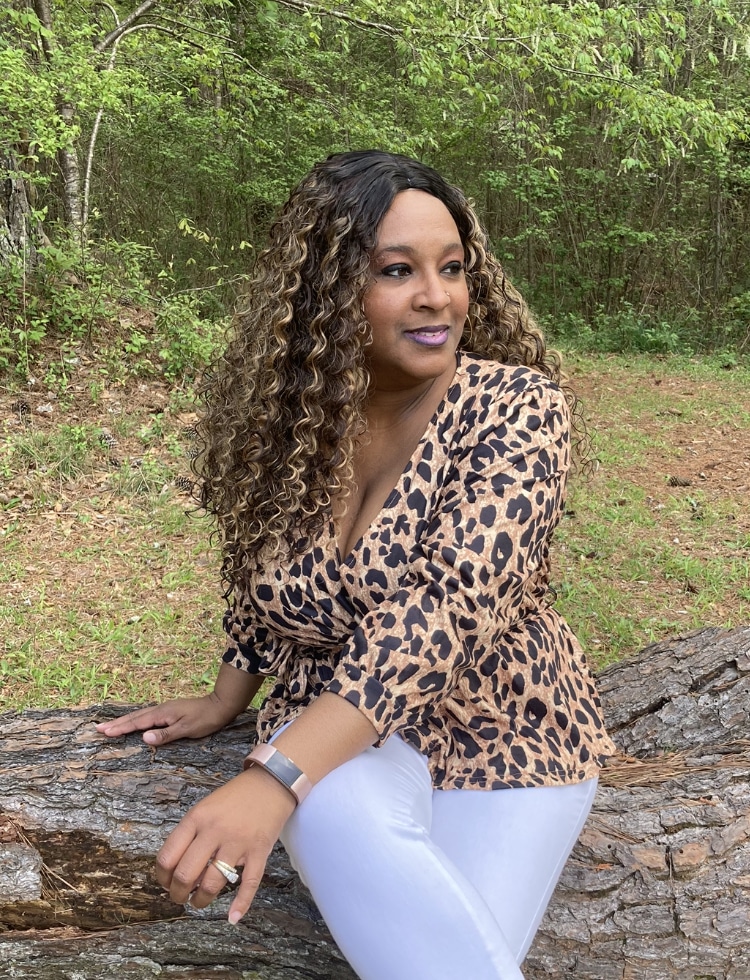
From Social Work to Health Coaching: How One AFPA Grad Built a Practice Around Burnout Prevention Some of the most meaningful career pivots don’t come from ambition alone. They come from lived experience. For Rae, a former social worker and AFPA Certified Master Health and Wellness Coach, the shift into health coaching grew out of something deeply personal: the realization that sustainable wellness starts long before a crisis point. After years of supporting others through trauma and high-stress environments, Rae found herself navigating her own health challenges and noticing how interconnected everything truly was. Stress, hormones, digestion, energy, mindset. None of it existed in isolation. That insight became the foundation of her coaching philosophy and her practice, Rae of Sunlight, where she helps professionals, especially caregivers and social workers, build real, sustainable habits that protect against burnout before it takes hold. We sat down with Rae to talk about her journey from social work to health coaching, what surprised her about the AFPA program, and what she’d tell anyone who’s thinking about making a similar leap. What were you doing before health coaching, and what made you start thinking about a change? Before coming to health coaching, I worked in schools, non-profits, and residential treatment facilities, often supporting people experiencing trauma and high-stress situations. The work was fast-paced but also incredibly rewarding. Over time, though, I started to feel the effects of chronic stress and overwhelm, not only mentally, but physically as well, forcing me to take a step back. I realized that much of the work I was doing, both professionally and personally, happened after already reaching a crisis point. That led me to become more interested in prevention and sustainable wellness. Why health coaching specifically? What drew you to it over other paths you could have taken from social work? I liked how health coaching specifically focused on health from a holistic perspective. It offered a proactive and sustainable approach to making lifestyle changes. Through my background in social work, I developed a deep appreciation for supporting people through difficult experiences and past trauma. But I also realized I was especially drawn to helping people build daily habits, routines, and stress-management practices that support long-term wellbeing. While social work often focuses on assessment, diagnosis, emotional processing, and healing, health coaching felt more aligned with my desire to support people reconnect with themselves, create healthier patterns, and making lifestyle changes based on what motivates them. Health coaching allowed me to combine my background in human behavior with my passion for nutrition, exercise, and holistic wellness in a way that felt meaningful to me. What surprised you most about the AFPA program? What surprised me most about the AFPA program was how in-depth and comprehensive it was. I expected it to build on my existing background in social work, especially around motivational interviewing, but I was surprised by how much it expanded my understanding of it. Practicing and focusing on intrinsic motivation really deepened my understanding of it and helped me start recognizing it more naturally in conversations. I also gained a much deeper understanding of health metrics and how to interpret basic physiological and lifestyle data in a way that’s practical and useful in everyday life. Overall, the program helped me connect my social work foundation with a more structured and applied approach to health coaching. What does your coaching practice look like right now, and who are you hoping to work with? Right now, my coaching practice is focused on working with individuals who are navigating high levels of chronic stress and overwhelm, particularly for professionals. My experience in social work has given me a deep understanding of caregiver fatigue and how easily burnout can develop. I’m especially passionate about working with social workers, educators, and other care-giving professionals because I understand both the emotional demands of the work and the tendency to push personal wellbeing aside. My goal is to help clients build practical, sustainable tools for stress management and design daily habits that support balance and prevent burnout. What would you tell a social worker who’s curious about health coaching but on the fence? I think it depends on the way you want to show up in a helping profession. For me, health coaching has felt like a natural shift into a more independent, self-directed space where I’m building my own practice that incorporates other areas of health, such as nutrition and exercise, that I’m passionate about.  Forging my own path into health coaching has required more self-discipline, but it’s also been very rewarding. I’ve especially enjoyed applying my background in motivational interviewing and behavior change in a more prevention-focused way.  From my experience, health coaching also requires clearly communicating your scope and approach, since it’s a newer and a less understood field compared to social work. For me, that has actually helped me build clarity and confidence in what I offer. Overall, it feels like a meaningful shift that aligns with how I want to support people moving forward. Is there anything you wish you’d known before starting—either about the program or about making the transition? I think the main thing I wish I had known earlier is that trying something new doesn’t mean you’ve failed at what you were doing before. At one point, I felt like stepping away from traditional social work meant I had failed in it, and that simply wasn’t true. What I’ve learned is that it’s okay to outgrow paths and shift into something that aligns more deeply with who you are and how you want to work. I’ve found a direction that fits me better, and I see it now as part of an ongoing process of learning and growth, changing direction when needed. Find Rae online on her website and Substack. Ready to build a practice rooted in whole-person wellness? AFPA’s Certified Master Health and Wellness Coach program gives you the tools, credentials, and confidence to guide clients toward lasting change. Whether you’re starting fresh or deepening an existing career
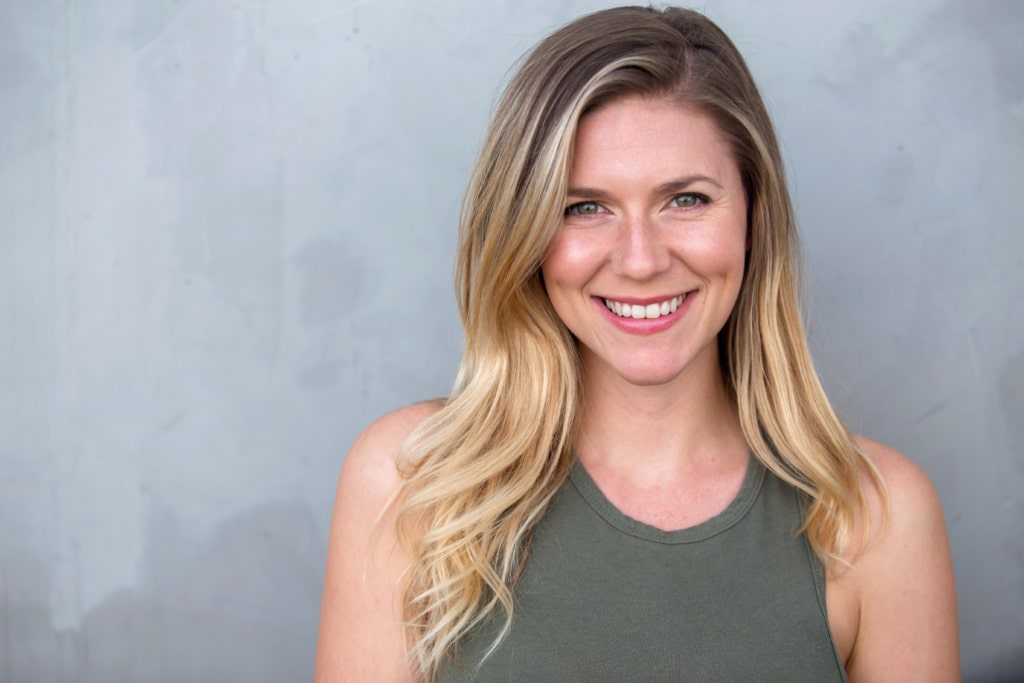
From Social Work to Health Coaching: How One AFPA Grad Built a Practice Around Burnout Prevention Read More »

Questions to Ask Before Choosing a Health Coaching Certification Program

Questions to Ask Before Choosing a Health Coaching Certification Program Deciding to become a health coach is a significant investment of your time, energy, and financial resources. It’s important to make the education you receive actually prepares you for the realities of the job. Whether you are looking for health coaching jobs in a clinical setting or planning to launch a private practice, the quality of your training matters.  To help you navigate this landscape, we have outlined the essential questions you should ask before committing to a health coach program.  Is the Program Accredited and Nationally Recognized?  Credibility is the currency of the wellness world. When you are looking for a health coaching certification, your first step should be verifying the program’s accreditation. Accreditation ensures that the curriculum meets rigorous professional standards and isn’t just a collection of opinions.  If you have aspirations of reaching the highest level of the profession, you must ask if the program is approved by the National Board for Health & Wellness Coaching (NBHWC). Earning the National Board Certified Health and Wellness Coach (NBC-HWC) credential is often considered the gold standard.  Beyond the NBHWC, look for affiliations with organizations like the American Naturopathic Medical Accreditation Board (ANMAB) and the American Association of Drugless Practitioners (AADP). Choosing a program with reputable credentials ensures that your certificate will be respected by employers and peers alike.  Learn How to Set Yourself Apart as a Board-Certified Health Coach What is the Specific Scope of the Curriculum?  What training do you need to become a health coach? Well, the answer depends on what exactly you want to do. Some programs focus strictly on behavior change, while others take a more holistic health coaching approach.  Here’s something you should always look for, though: a robust curriculum should cover both “hard” and “soft” skills. You need to understand the science of nutrition and the mechanics of the human body, but you also need to master health coaching skills like motivational interviewing, active listening, and habit formation.  Before enrolling, ask for a detailed module breakdown. Does the program cover:  Evidence-based nutrition science?  Theories and models of behavior change?  Ethics and legal professional practice?  How to structure coaching sessions and programs?  This “whole-person” focus ensures you aren’t just looking at one part of health and wellness as a silo.  What is the Total Health Coach Certification Cost and Value?  Financial transparency is vital. When evaluating health coach certification cost, look beyond the initial tuition. Some programs have hidden fees for textbooks, exam proctoring, or mandatory “extra” workshops.  Consider the “bundle” value. For example, some health coach schools offer a health coaching certificate as a standalone, while others, like AFPA, offer a holistic health coach certification that combines nutrition and wellness coaching for a single price.  Ask yourself:  Are all digital materials included?  Are there payment plans or financing options available?  Does the cost include access to a community or career resources?  How Long Does a Health Coaching Certification Take?  The time commitment is a major factor for most students, many of whom are balancing studies with full-time jobs and/or family. Typically, a comprehensive health coaching certification online program can take anywhere from three months to a year.  There are other factors that will impact how long your health coaching certification takes to complete, including whether the program is strictly self-paced or if it has a live component.  The “Live” Requirement: Why Format Matters  If you are looking at a program that leads to board certification, you must account for a “live” requirement. For the NBHWC, there is always a minimum of 40 hours of live class meetings. No matter how much of the curriculum is available online, these 40 hours must be synchronous (real-time) to ensure you are practicing and receiving direct feedback.  You will generally find two ways to fulfill these live hours:  In-Person Training: Some students prefer the traditional classroom setting, enjoying the physical presence of instructors and peers. However, this often requires travel and a more rigid, location-dependent schedule.  Live Online Training: Many students today choose the convenience of live virtual classrooms. This format allows you to meet the NBHWC requirement from the comfort of your home while still participating in real-time coaching triads and interactive discussions. It offers the perfect middle ground: the flexibility of being at home with the professional rigor of a live cohort.  The AFPA 1-Week Intensive  For those who want to accelerate their journey, AFPA offers a 1-week intensive. This option is designed to help you knock out those essential live hours in a concentrated timeframe, making it an ideal choice for busy folks who want to move quickly toward board eligibility without dragging the process out over several months.  Understanding the time commitment and honestly determining your bandwidth will help you decide which program fits your life. Whether you thrive in a months-long steady pace or prefer a high-energy intensive week, ensure the program you choose aligns with your ultimate career goals.  Who Are the Instructors Behind the Material?  You (hopefully) wouldn’t learn surgery from someone who has never stepped into an operating room. In the same way, your health coaching education should be guided by professionals who pair strong academic credentials with real-world coaching experience.  The depth and diversity of an instructional team can significantly shape the quality of your learning.  Look for programs led by instructors with advanced credentials and consider the range of professional backgrounds represented. A diverse instructional team exposes you to multiple perspectives, client scenarios, and coaching approaches, helping you build adaptable skills you can confidently apply across different populations and career paths.  At AFPA, instructional leadership is grounded in both academic rigor and real-world outcomes. As Dr. Shana Walsh, AFPA’s Curriculum Director and leader behind its NBHWC-approved health coaching program, explains:  “In AFPA’s health coaching program, we have two main priorities: preparing our students pass the NBHWC board exam and equipping them to become exceptional health coaches. These two priorities drive everything we do. When we see our graduates go on to earn their national board credentials and launch successful careers, we know our model is working.  At AFPA, we believe that the best measure of our success is when our students are successful. When our students graduate from our program, pass their national board exam, and launch successful health coaching careers, we know we have done our job well. For that reason, student success drives every decision we make, from the curriculum we design, the instructors we hire, the one-on-one support we provide, and how we support our students after

Questions to Ask Before Choosing a Health Coaching Certification Program Read More »

How to Use the New Year to Launch Your Health Coaching Career 

How to Use the New Year to Launch Your Health Coaching Career  Seasonality shapes nearly every profession and health coaching is no exception. Farmers plan their entire year around growing seasons. Accountants feel the intensity of tax season. Retailers depend on the holiday rush.  In the health and wellness industry, the New Year is our most significant season. For those who want to become a health coach, January provides both momentum and clarity. You have an immediate opportunity to work with clients who are highly motivated, curious, and ready to commit. When you start during this annual rise in interest, you give yourself an early advantage in building confidence, gaining practical experience, and creating the foundation for a sustainable health coaching business.  Who Doesn’t Love a Fresh Start?  Every New Year, something remarkable happens. People look at their lives with a rare mix of hope, urgency, and honesty. They ask themselves what they truly want from their health, their daily habits, and their long-term wellbeing. Fitness centers swell with new members, grocery carts fill with vegetables and meal prep containers, and conversations across kitchen tables shift toward goals. In this window of motivation and momentum, a health coach has an opportunity unlike any other time of the year.  There is no better time to launch a career in health coaching than the beginning of the year. People are primed for change and they actively seek guidance from professionals who can help them translate that fresh motivation into sustainable growth.  The New Year brings reflection and a renewed sense of possibility. People begin asking different questions about their health, their routines, and their wellbeing. This shift creates a unique opening for health coaches to do what they are trained to do, which is to support individuals in becoming the healthiest version of themselves.  When someone decides that this is the year they will get stronger, improve sleep, manage stress more intentionally, or cultivate a healthier relationship with food, they are already halfway toward seeking a partner who can guide them through the challenging middle. The surge in interest gives aspiring coaches the perfect landscape to begin, because the audience that needs their support is already paying attention.  The Problem with Resolutions  When someone starts working with a coach in January, they might be trying to rewrite patterns that have lingered for months or years. They may be stepping into January with genuine hope that this time will be different. When you step into that moment with skill and compassion, you show them how consistent guidance can transform fragile resolutions into long lasting habits.  Health related resolutions are consistently among the most common commitments people make at the start of the year, yet many lose momentum quickly. This gap between intention and reality is not a sign that people lack strength or discipline. It is a sign that self-directed change becomes significantly more difficult without support.  “As health coaches, we know all about the data. We know that health-related goals are by far the most popular New Year’s resolutions,” says Shana Walsh, PhD, NBC-HWC, MCHES. “We also know that by Spring, more than 80% of resolutions fail. That failure is a massive signal that people need exactly the type of support that we offer. Our job is to catch those highly motivated people before they fall, and use our tools to help them succeed instead.”  If you are building a career as a health coach or exploring how to start a health and wellness coaching business, understanding this rhythm of motivation and struggle is essential. The New Year gives you the chance to step into that support role exactly when people need it most.  Turning New Year Momentum Into a Real Health Coaching Business  This seasonal momentum does more than energize potential clients. It also creates an ideal environment for aspiring coaches. The same energy that inspires personal resolutions can be used to build the foundation of a new business.  Once someone decides to become a health coach, the next step involves building a business that is focused, structured, and aligned with the clients they hope to serve.  January may be the perfect time to start, but momentum alone is not enough.  You need a plan that helps you step confidently into the role of health coach entrepreneur. A strong health coach business plan includes clarity about who you serve, how you support them, and how you will present your work to the world.  Below are the practical building blocks new coaches can put in place during the New Year to launch a sustainable and successful business.  Define Your Niche Before You Build Anything Else  One of the most misunderstood parts of becoming a health coach is the belief that casting a wide net will bring more clients. In reality, clarity attracts. A well-defined niche helps potential clients immediately recognize that you understand their specific challenges and can offer tailored solutions.  Whether you feel drawn to stress reduction, women’s health, digestive wellness, athletic performance, family nutrition, or another specialty, choosing a niche gives your business a unique identity. It also makes your marketing efforts far more efficient. When you know exactly whom you are speaking to, it becomes easier to create content, services, programs, and branding that resonate.  This is also the step where many coaches begin to feel their confidence rise. They shift from “I want to help everyone” to “I help this type of person with this type of challenge through this type of method.” That level of clarity lays the groundwork for every decision you make afterward.  Learn how to choose the best niche for your health and wellness coaching business.  Develop a Coaching Framework You Can Deliver Consistently  Clients do not just buy sessions. They buy transformation. To deliver meaningful results, you need a structured process that helps clients move from where they are to where they want to be. This framework can be flexible and personalized, but it should follow a predictable arc.  Many successful coaches use stages such as exploration, values clarification, habit building, goal setting, weekly check-ins, skill development, and periodic reflection. You may refine your approach over time, but having a methodology from the beginning demonstrates professionalism and helps clients feel grounded.  A coaching framework also

How to Use the New Year to Launch Your Health Coaching Career  Read More »

Why NBHWC Certification Matters for Integrative and Functional Health Careers 

Why NBHWC Certification Matters for Integrative and Functional Health Careers  The Rising Standard in Holistic Health and Coaching  Health coaching is having a moment, but not because it is trendy. It is because integrative and functional practitioners have realized what has long been an issue. A brilliant care plan does not change anyone’s life if the person receiving it cannot follow it.  Clients want root-cause care. Providers want better outcomes. The missing link is a coach who knows how to translate clinical recommendations into real behavior change and who can do it at a standard the healthcare world trusts. That is exactly where NBHWC certification comes in.  At the heart of this shift is a powerful credential that signals mastery and trustworthiness: the NBHWC certification. The National Board for Health & Wellness Coaching sets the gold standard for health and wellness coaching, providing a unified framework for professionals who bridge the gap between healthcare and holistic wellness. For coaches aiming to stand out in the integrative health space, earning this certification is a statement of credibility, quality, and commitment to evidence-based practice.  Why Integrative and Functional Health Needs Board-Certified Coaches  Integrative and functional health careers center on understanding the whole person. They take into account the intricate relationships between nutrition, movement, sleep, emotional well-being, environment, and purpose. Yet knowledge alone is not enough to help clients achieve sustainable change. People rarely struggle because they lack information. They struggle because translating that information into daily action requires motivation, accountability, and consistent support.  That’s where a National Board Certified Health and Wellness Coach (NBC-HWC) comes in. These coaches are trained not just to share information, but to guide clients through the process of behavior change using structured, evidence-based techniques. They collaborate with clients to build sustainable habits, improve self-efficacy, and maintain progress long after a session ends.  As the health coaching field becomes more deeply embedded in healthcare systems, NBHWC certification has become the defining credential that demonstrates readiness to work alongside medical and allied health professionals. It validates that a coach has completed a NBHWC-approved certification program, logged practical experience, and passed a rigorous national exam.  The Value of the NBHWC Credential  The NBHWC board certification is recognized throughout the health and wellness industry as the highest level of professional achievement for coaches. Since its collaboration with the National Board of Medical Examiners in 2016, the NBHWC has set evidence-based standards that align coaching practice with healthcare integration.  This credential distinguishes coaches who have mastered both the art and science of behavior change. It signals that they have met stringent NBHWC certification requirements, including education, mentorship, and experience-based skill development. While anyone can call themselves a “coach,” the NBC-HWC designation proves that a practitioner has achieved a level of professional excellence that healthcare organizations, insurers, and clients can trust.  Beyond credibility, the NBHWC certification also fosters continued professional growth. Certified coaches gain access to the NBHWC national directory, professional development opportunities, exclusive networking events, and continuing education credits that keep their knowledge current.  Why NBHWC-Approved Training Makes a Difference  Not all health coach training programs are created equal. To be eligible for NBHWC board certification, you must complete an NBHWC-approved certification program that meets specific standards for curriculum, faculty, and student experience.  These programs are required to include comprehensive instruction in four core areas: coaching structure, coaching process, health and wellness knowledge, and ethics and legal considerations. They must provide both self-paced study and real-time, experiential learning that prepares students to facilitate authentic client transformation.  AFPA’s Certified Master Health and Wellness Coach program was designed to exceed these standards. It combines the Certified Health and Wellness Coach Course and the Advanced Health Coaching Intensive [Live] into one seamless hybrid experience. Together, they form one of the most comprehensive NBHWC-approved training pathways available for aspiring coaches who want to make an impact.  This hybrid model blends flexibility and structure. The self-paced portion builds a strong foundation in coaching theory, health behavior science, and holistic wellness principles. Students learn how to design effective coaching programs, communicate with empathy, and understand the mind-body connection that drives long-term success.  The live portion adds a collaborative element that mirrors real coaching practice. Participants meet via Zoom in small cohorts, apply what they’ve learned through interactive role-playing, and receive feedback from faculty who are themselves board-certified coaches.  The Most Comprehensive, Affordable Certification to Help You Become a Board-Certified Health Coach Enroll in the Certified Master Health and Wellness Coach Program Now Inside AFPA’s Certified Master Health and Wellness Coach Program  Students begin their journey in the Certified Health and Wellness Coach Course, a self-paced learning experience that takes anywhere from about two to six months to complete. This portion of the program offers more than 35 hours of dynamic video instruction, interactive exercises, and real-world case studies. It covers the essentials of what it means to be a health coach: how to structure sessions, build rapport, and use techniques like motivational interviewing to help clients clarify their values and goals.  The second component, the Advanced Health Coaching Intensive [Live], is a 12-week cohort-based course that brings coaching concepts to life. Here, students gain hands-on experience conducting coaching sessions in a supportive virtual environment. Faculty guide participants through key topics such as health behavior change theory, patient engagement models, and positive psychology. Students also learn how to manage challenges like client resistance, emotional responses, and misinformation while maintaining professionalism and empathy.  Together, these two components create a complete educational pathway that prepares graduates to apply for the Health and Wellness Coach Certifying Examination (HWCCE) and become National Board Certified Health and Wellness Coaches.  AFPA’s track record speaks for itself: 93% of AFPA graduates pass the NBHWC board exam on their first attempt, a testament to the quality of its instruction and support.  The AFPA Difference: Practical, Holistic, and Community-Focused  What sets AFPA apart is not just its NBHWC approval, but its philosophy. AFPA programs are built on the understanding that effective coaching is as much about human connection as it is about science. Students learn to approach each client as a whole person, considering physical, mental, social, and environmental factors that shape their health.  AFPA’s Certified Master Health and Wellness Coach program is taught by an exceptional faculty of experienced coaches, educators, and wellness practitioners. Instructors like Dr. Shana Walsh, PhD, NBC-HWC, MCHES, bring deep expertise in health behavior theory and a passion for helping

Why NBHWC Certification Matters for Integrative and Functional Health Careers  Read More »

8 Books to Help You Become a Better Coach 

8 Books to Help You Become a Better Coach  Great coaches are also great learners. The most effective coaches never stop learning. Whether you are supporting someone through a fitness transformation, guiding a client toward healthier eating habits, or helping them navigate stress and life changes, your success as a coach depends on your ability to keep growing. That growth does not only happen through certification courses or time with clients. It also happens when you step back, open a book, and allow yourself to see the world through a new lens.  At AFPA, we believe in lifelong learning. Our staff, instructors, and graduates are constantly reading, reflecting, and sharing ideas. Books have sparked breakthroughs for many of us — moments of insight that shaped the way we connect with clients and even the way we understand ourselves. That is why we are excited to share this list of eight books that AFPA staff and grads personally recommend for anyone who wants to become a better coach.  These are not abstract “best of” picks. They are the books that guided us through imposter syndrome, sharpened our ability to listen, and gave us new language for helping clients break through obstacles.  1. Atomic Habits by James Clear  If you search for books about personal development, you will quickly find Atomic Habits by James Clear at the top of the list. It is one of the most popular self-improvement books in the world, and for good reason.  In Atomic Habits, Clear explains how small changes can compound into remarkable results. He shows how habits are formed, how they can be broken, and how to create systems that make good choices almost inevitable. His concept of “identity-based habits” is particularly relevant for coaches: instead of focusing only on what you want to achieve, Clear encourages people to decide who they want to become.  AFPA’s Education and Curriculum Director, Shana Walsh, PhD, NBC-HWC, MCHES, regularly recommends Atomic Habits to students and coaches:  “Atomic Habits is always a good option. It gives coaches a practical, accessible way to think about behavior change and to help clients succeed through small, sustainable adjustments.”  For coaches who often see clients struggle to stay consistent, this book offers fresh, actionable approaches that can make the difference between short-term effort and long-term transformation.  2. The Power of Habit by Charles Duhigg  While James Clear focuses on building new habits, Charles Duhigg’s The Power of Habit digs into the science of why habits form in the first place. This book recommendation comes up a lot in our community.  Duhigg introduces the idea of the “habit loop”: cue, routine, and reward. Once a loop is established, it can feel almost impossible to break. For coaches, understanding this cycle helps uncover why clients may keep repeating patterns, even when they know those patterns are holding them back.  By learning how to disrupt the loop, coaches can guide clients toward new routines that deliver more fulfilling rewards. For example, replacing late-night snacking with an evening walk does not just change behavior — it changes the feeling a client associates with winding down at the end of the day.  Pairing Atomic Habits and The Power of Habit gives coaches both the “why” and the “how” of habit change, a powerful combination for client success.  3. Tiny Habits by BJ Fogg  BJ Fogg, a Stanford researcher, offers another perspective on the power of small changes in his book Tiny Habits, another popular behavior change book.  Fogg’s approach focuses on making new habits so small that they feel almost effortless. Instead of starting with massive goals, he encourages beginning with habits as simple as flossing one tooth or doing two push-ups. These “tiny” changes build confidence and momentum, which then snowball into bigger life transformations.  For coaches, Tiny Habits provides a toolkit for breaking down overwhelming goals into manageable steps. Many clients resist change because they believe they have to overhaul their entire lives at once. Fogg reminds us that sustainable growth often starts with something as small as a single action repeated daily.  4. Wellness Coaching for Lasting Lifestyle Change by Michael Arloski:  Wellness Coaching for Lasting Lifestyle Change has been a game-changer for many of our graduates.  Graduate Leisa Arroyo describes it as:  “A practical and inspiring read that blends science with coaching wisdom. It’s full of strategies and real-world examples that show how small, intentional steps can lead to sustainable lifestyle change.”  By combining coaching strategies with psychological insights, Arloski offers a guide that feels tailor-made for wellness coaches looking to connect their training to real-life practice.  Candace Flanagan, also an AFPA graduate, said this about another of Arloski’s books, Masterful Health & Wellness Coaching:  “I think simply because we work with such a diverse variety of people having different wells of knowledge, guidance, and inspiration to pull from expands our knowledge, wisdom and insight.”  Learn How to Set Yourself Apart as a Board-Certified Health Coach 5. Motivational Interviewing: Helping People Change and Grow by William R. Miller and Stephen Rollnick  Motivational interviewing has become one of the most respected methods for helping clients navigate ambivalence and move toward change. In Motivational Interviewing: Helping People Change and Grow, William R. Miller and Stephen Rollnick lay out both the philosophy and the practical techniques of this approach.  Instead of telling clients what to do, motivational interviewing focuses on asking open-ended questions, listening with empathy, and helping clients discover their own reasons for change. This method aligns perfectly with the coaching mindset.  Shana Walsh emphasizes that this book is especially relevant for coaches:  “Motivational Interviewing is an essential text. It moves beyond techniques to show how coaches can create a supportive space that helps clients find their own reasons for change.”  For coaches who want to sharpen their ability to communicate, build trust, and inspire clients without pressure, this book is a must-read.  6. The Code of the Extraordinary Mind by Vishen Lakhiani  Coaching is not just about guiding clients — it is also about

8 Books to Help You Become a Better Coach  Read More »

How to Build a Back-to-School Wellness Routine for the Whole Family 

How to Build a Back-to-School Wellness Routine for the Whole Family  The Start of a New School Year: An Opportunity for Wellness  For many families, the back-to-school season feels like a whirlwind. The slower pace of summer quickly gives way to packed schedules, early mornings, homework deadlines, sports practices, and after-school activities. It’s easy for healthy habits to slip when everyone is trying to keep up.  But here’s the good news: the start of a new school year is also a natural reset point, a perfect opportunity to help your clients create a holistic family wellness plan that supports the physical, mental, and emotional health of every family member. By approaching the season with intention, families can reduce stress, improve energy, and maintain balance.  In this guide, we’ll walk through how to build a back-to-school wellness routine that works for the whole family. From morning routines for kids to goal setting for kids, go back to school health tips for parents to stress management for families, you’ll find practical strategies to help your clients thrive this school year.  Shana Walsh, PhD, NBC-HWC, MCHES, and Director of Education and Curriculum at AFPA, notes, “It’s also important to remember that you don’t have to do everything at once. A long list of ideas can feel overwhelming, especially if you’re starting fresh. Encourage families to focus on just one or two habits at a time, knowing that even small changes can have a meaningful impact. Adopting one new healthy practice is still progress, and something is always better than nothing.” Step 1: Set the Foundation with Family Wellness Goals  Before diving into schedules, meal plans, or activity calendars, it’s important to begin with clarity. Encourage families to step back and think about what they want their school year to look and feel like.   This is where goal setting for kids and adults alike becomes powerful. When a family sets clear wellness goals together, each member feels more ownership over the process, and there’s a shared sense of accountability.  By creating a shared vision, everyone feels invested. Goals might include eating more whole foods, spending more time outdoors, getting better sleep, or improving grades without burnout.  How to Guide the Goal-Setting Process  Start with a conversation. Ask each family member:  What do your want our family’s health and wellness to look like this year?  What’s one healthy habit you want to focus on this school year?  How do you want mornings to feel in our home?  What would help you feel your best physically, mentally, and emotionally?  Encourage specificity. Instead of broad statements like “I want to be healthier,” aim for measurable goals such as “I want to include a vegetable in my lunch every day” or “I will walk to school three times a week.”  Keep goals realistic. Overly ambitious goals can set families up for frustration. Focus on achievable steps and build over time.  Revisit regularly. Monthly check-ins allow for adjustments and keep goals from fading into the background.  When families work together toward a common vision, it strengthens connection while building motivation. And by focusing on building healthy habits one step at a time, the family can create lasting change rather than quick fixes.  Pro Tip for Professionals: Use a “family vision worksheet” during a coaching session to help clients capture their goals visually. This can be a fun, collaborative activity, especially when kids get to decorate it or post it somewhere visible at home.  Step 2: Prioritize a Consistent Morning Routine for Kids (and Adults)  A smooth morning can set the tone for the entire day, while a chaotic start can leave everyone feeling rushed and stressed. Creating a morning routine for kids, and sticking to it, brings a sense of calm and predictability to the household.  Elements of an Effective Morning Routine  Preparation the night before: Clothes laid out, backpacks packed, lunches ready, and any forms or homework completed.  Gentle wake-ups: Allow enough time to rise without rushing. Some families find success with natural light alarms or soft music.  Nutritious breakfast: A balance of protein, fats, and carbs helps maintain energy and focus throughout the school morning.  Time for connection: Even a brief chat over breakfast or a shared stretch before heading out the door helps strengthen emotional bonds.  This routine isn’t just for kids. Parents benefit too, and modeling organization and calm sets a positive example for the whole household.  Pro Tip for Professionals: Encourage clients to create a “morning flow chart” for younger children with pictures instead of words. This helps kids stay on track independently and reduces morning stress for parents.  Step 3: Support Back-to-School Mental Health  Academic performance isn’t the only measure of a successful school year. Emotional wellbeing is equally important, and the transition from summer to school can bring stress for both kids and parents.  Back to school mental health tips:  Daily emotional check-ins: Ask open-ended questions about friends, classes, and feelings. Avoid yes/no questions and create a safe space for honest answers.  Teach stress relief strategies: Breathing exercises, journaling, stretching, or quiet reading can help manage daily pressures.  Balance activities: Encourage downtime between homework and extracurriculars to prevent burnout.  Watch for warning signs: Changes in sleep, appetite, mood, or academic performance may indicate stress or anxiety.  For parents, self-care is just as critical. Parental stress can easily transfer to children, so managing their own emotional health is essential to family health and wellness.  Pro Tip for Professionals: Recommend age-appropriate mindfulness activities (short guided meditations for teens, sensory play for younger kids) to help the whole family strengthen emotional regulation.  Get Your Free Guide Learn How to Start a Fulfilling, Impactful Career as a Holistic Health Coach You’ll learn: Why holistic health matters If holistic health coaching is right for you What career opportunities exist for health coaches And more! Step 4: Focus on Nutrition and Family Mealtimes  Nutrition plays a critical role in family health and wellness. When the schedule gets hectic, it’s tempting to lean on convenience foods, but a

How to Build a Back-to-School Wellness Routine for the Whole Family  Read More »

Meet Dr. Shana Walsh: AFPA’s Curriculum Director & Leader Behind Our NBHWC-Approved Health Coaching Education

Meet Dr. Shana Walsh: AFPA’s Curriculum Director & Leader Behind Our NBHWC-Approved Health Coaching Education What happens when a Ph.D. with a passion for behavior change, a knack for curriculum design, and a gift for connection leads your health coach training? You get Dr. Shana Walsh—AFPA’s Director of Education and Curriculum, and the leader of our Master Certified Health and Wellness Coach program. With a Ph.D. in Kinesiology, Exercise Nutrition, and Health Promotion, as well as credentials as a National Board-Certified Health and Wellness Coach, Master Certified Health Education Specialist, and Certified Personal Trainer, Dr. Walsh brings decades of experience to every course she touches. From shaping what you learn behind the scenes to guiding live Zoom sessions with energy and empathy, she’s both the architect and advocate for your coaching journey. In this interview, Shana shares her approach to building student-centered programs, what makes AFPA’s live cohort experience so unique, and a few fun facts, like the time she did a pull-up while hula-hooping. The Secrets Behind AFPA’s Curriculum As AFPA’s Education & Curriculum Director, how do you shape the student learning experience?  My role encompasses the entire course development lifecycle. This ranges from the planning stage, where we strategize new course offerings and topics that align with student needs, to creating written and video learning materials, and securing top-tier instructors that are experts in their respective areas. I am also involved in assisting current students throughout their AFPA learning journey. In every stage, I prioritize the quality of the education we provide, ensuring the most valuable and applicable content for our students. It’s extremely rewarding to see something go from an idea scribbled on a notepad in pencil to a certification students can earn to change the trajectory of their career and their lives.     What’s something most people might not realize about how AFPA develops its curriculum?  Most people might not realize that we always start by asking, ‘What’s best for the student?’ The answer to that single question drives every decision we make, from the topics we teach, the teaching methods we employ, the instructors we select, and even the little details, like the on-screen colors in our courses (nay for orange, yay for blue).   Beyond course development, what often goes unseen is how much we celebrate alongside our students. When they earn their certificates and find success in the field, we’re absolutely ecstatic. After all, that’s our ultimate goal: to provide the education they need to truly propel them into the professional roles they seek.  How do you ensure AFPA’s programs stay current with research, trends, and best practices?  In the health industry, new research is constantly emerging, providing new information and redefining best practices. At AFPA, we understand that providing our students with outdated information is simply not an option, so we take a proactive approach instead. We make it a part of our routine to monitor the latest issues of leading academic and industry journals, attend industry conferences, tune into webinars, and network with other professional organizations and experts in the field. We’ve even been known to edit a live course to tweak a fact or two based on newly gleaned knowledge. We do this to guarantee that when our students graduate, they have the most current information possible to excel in their careers.   What do you see as some of the most valuable skills students gain from AFPA programs?  Some of the most valuable skills students gain from AFPA programs include:   Comprehensive Knowledge: Every single one of our courses provides a wealth of knowledge on the topic of study. For students really seeking to gain expertise in a specific area, AFPA is the ultimate resource.   Holistic Perspectives: At AFPA, we deeply understand how intertwined all areas of health are. For that reason, we infuse holistic perspectives into everything we teach, supporting our students to see the bigger picture.     Practical Application and Coaching Skills: It’s one thing to know what to do, but it’s another to be able to do it effectively. We don’t just teach the skills, we also provide ample practice opportunities to apply them to real world scenarios.   Professional Confidence and Career Readiness: Our programs are designed to build students’ confidence in their abilities, preparing them to excel on their chosen career journey.   What makes the live cohort experience special at AFPA?  The Advanced Health Coaching Intensive is the dynamic, live component of our Certified Master Health and Wellness Coach program, and it’s AFPA’s only live course. In a single Zoom room, we unite people from across the country and around the globe. While we all come from vastly different walks of life, we share a profound commonality: a deep desire to empower others to become the best version of themselves. There’s magic in bringing together adults of all ages, with their diverse backgrounds and rich life experiences, watching them learn and grow together. It’s truly transformative.   Learn How to Set Yourself Apart as a Board-Certified Health Coach Getting to Know Dr. Walsh Outside the Classroom What are a few quirky or surprising things about you that your students might not know?  I have successfully completed one pull up while hula-hooping.   Also, I’ve scored in the 99th percentile for extroversion on multiple personality assessments.  When I was in first grade, my teacher moved my seat for talking so many times, I ended up sitting next to every single kid in class.    I didn’t learn to ride a bike until I was an adult, because as a kid I wanted to focus all my energy on rollerblading.   When you’re not working on curriculum, teaching, or coaching, how do you recharge?  As a quintessential extrovert, I recharge by spending time with others. Whether it’s from good conversation with my neighbors sitting around the firepit, some friendly competition in rec pickleball, or soaking up quality time at home with my family, the energy I get from social connectedness fills my cup.    If you had to sum up your philosophy on behavior change in one

Read More »

Health Behavior Change Theories Every Nutrition Coach Should Know (and Use)

Health Behavior Change Theories Every Nutrition Coach Should Know (and Use) Why do some clients crush their nutrition goals while others spin their wheels? Spoiler: It’s not just about willpower or nutritional knowledge. What often separates success from stuck in nutrition coaching is how behaviors are shaped and reshaped over time.  “Most people already know exactly the changes they need to make to their diet, but what they can’t figure out is how,” says Shana Walsh, PhD, NBC-HWC, MCHES, CPT. Coaches who understand behavioral science and behavior change can better support their clients, adapt strategies in the moment, and ultimately help drive meaningful, sustainable change.  That’s why understanding health behavior theories is a game-changer. These models provide a practical foundation that goes beyond meal plans and macros. They give nutrition professionals a strategic edge in tailoring interventions, communicating effectively, and motivating clients who might otherwise feel stuck. This article breaks down the most essential theories and shows how to actually use them in your nutrition counseling.  Looking to master this material in depth? Explore AFPA’s Nutrition & Behavior Change Certificate—a self-paced, evidence-based program that teaches you how to turn insight into action in your nutrition coaching practice.  Why Health Behavior Theory Makes You a Stronger Coach  You can have all the facts about nutrition, but if you can’t help clients follow through with dietary habits, results will stall. And when you understand the science behind behavior change, everything shifts. You stop focusing solely on what clients “should” eat and start guiding them to uncover what’s actually holding them back.  Behavior theories offer structured ways to understand motivation, confidence, social support, environment, and readiness. Without these models, you risk misinterpreting behavior. A lack of follow-through might look like resistance, but in reality, it might be low self-efficacy or a conflicting social norm. These models give you a roadmap to navigate those nuances.  “Making healthy dietary changes is the single most effective way to improve health. There’s always going to be a million health trends, but nothing is going to have as great of an impact on health as what you feed your body—which is why it’s so important to understand change for this specific area,” says Walsh.  AFPA’s Nutrition & Behavior Change Certificate goes deeper, helping coaches learn how to translate theory into practical coaching tools. From motivational interviewing to ecological assessments, it’s designed to grow and sharpen your nutrition coaching skills and make every session count.  The Transtheoretical Model (aka Stages of Change)  Change isn’t a single decision—it’s a series of stages. The Transtheoretical Model (TTM) breaks it down into six phases: precontemplation, contemplation, preparation, action, maintenance, and termination. Each stage represents a different mindset and requires a different coaching approach. For example, someone in contemplation doesn’t need a grocery list—they need empathy and perspective.  Coaches trained in TTM learn to “meet the client where they are.” This means recognizing whether they’re contemplating change, building plans, or simply trying to stay on track. The key is not pushing, but guiding. People don’t always move through the stages linearly. They may relapse, get discouraged, or jump ahead when motivated by a life event.  Understanding this model helps you coach with patience and insight. It teaches you to support ambivalence, normalize setbacks, and celebrate readiness. And most importantly, it ensures that your strategies match your client’s current needs.  Nutrition Coaching Tip: Don’t push a “meal prep plan” on a pre-contemplator. Instead, help them explore what they like about their current habits and what feels misaligned with their goals.  The Health Belief Model  Why do some clients take action immediately, while others ignore the risks? The Health Belief Model suggests that it’s not just awareness that matters—it’s belief. Specifically, belief about their personal risk, the seriousness of the issue, the benefits of taking action, and the barriers that stand in the way. Add in a nudge from a cue to action or a boost of self-efficacy, and you’ve got the full picture.  This model is especially helpful for nutrition coaches dealing with clients who are ambivalent or disconnected from their health consequences. Maybe someone is struggling with prediabetes but doesn’t believe diet will change anything. Instead of giving them another stat, ask: “What do you think would happen if you kept eating this way?” or “What might change for you if you felt better every day?”  Using the Health Belief Model helps you move from education to transformation. It gives you the lens to see beliefs that are blocking action and use coaching conversations to shift them.  Nutrition Coaching Tip: When clients say, “I don’t think changing my diet will matter,” they’re expressing low perceived benefit. Use open-ended questions to explore where that belief comes from.  Become a Nutrition Behavior Change Specialist Master motivational interviewing for nutrition settings. Learn the behavior change models behind lasting habit shifts. Walk away with practical tools you can apply immediately. Learn More Theory of Planned Behavior  The Theory of Planned Behavior (TPB) explains one of the most frustrating coaching scenarios: when clients say they want to change but don’t follow through. According to TPB, a person’s intention to change is the strongest predictor of behavior. However, intention itself is shaped by three forces: their attitude toward the behavior, perceived social pressure (subjective norms), and how much control they think they have (perceived behavioral control).  As a coach, this means looking beyond motivation. Does your client truly believe they can change? Do they feel judged or supported by their family? Do they think change is within their control? If someone says, “I want to meal prep, but my partner brings home takeout every night,” TPB helps you unpack the deeper barriers.  This model is particularly useful for addressing cultural dynamics, family roles, or internalized beliefs. And it’s a perfect complement to motivational interviewing.  Nutrition Coaching Tip: If a client feels pressure from family to eat a certain way, explore their internal values vs. external influences. This theory is especially helpful for navigating family, cultural, or peer-related resistance. 

Health Behavior Change Theories Every Nutrition Coach Should Know (and Use) Read More »

AFPA Graduate Spotlight: Dr. Nikki LeToya White

AFPA Graduate Spotlight: Dr. Nikki LeToya White During the last 31+ years, AFPA has certified over 130,000 health, nutrition, and fitness professionals. We regularly feature distinguished and new graduates who are using what they have learned to inspire others and make a difference.  Meet one of our featured graduates, Dr. Nikki LeToya White. Dr. Nikki has earned her Holistic Nutritionist Certification, Health and Wellness Coach Certification, and Weight Management Specialist Certification (now our Coaching for Weight Loss Certificate) from AFPA. Meet AFPA Graduate Dr. Nikki LeToya White, M.S.Ed-TL, Ph.D., RHN Tell us about yourself. My name is Dr. Nikki LeToya White, and I wear many hats—trucker wife, proud mom of four, and a devoted advocate for women in recovery. I hold a Bachelor’s degree in Health Service Administration, a Master’s in Education (Teaching and Learning), and a Doctorate in Christian Counseling. As a Trauma-Informed Nutritionist, Herbalist, and Recovery Coach, I specialize in helping high-achieving women navigate the complex intersection of emotional trauma, addiction recovery, and wellness. Through my private practice, Spiced Life Conversation Art Wellness Studio and Botanica in Conyers, Georgia, we offer a safe and nurturing space for women seeking deep recovery, emotional wellness, and practical tools to heal. My team and I provide personalized support that addresses addiction triggers, builds sustainable coping mechanisms, and empowers women to reclaim their lives after years of navigating unresolved emotional wounds like abandonment and childhood neglect. My approach is both holistic and trauma-informed, blending evidence-based methods like Cognitive Behavioral Therapy (CBT), Dialectical Behavioral Therapy (DBT), and somatic therapy to guide women through their healing journeys. How did you first become interested in health and wellness? My journey into health and wellness began during one of the most vulnerable seasons of my life. As a new trucker wife and mother, I felt lost and overwhelmed, struggling with mom-shaming, isolation, and debilitating panic attacks. Five visits to the ER later, I took the ACE (Adverse Childhood Experiences) study and discovered that my separation anxiety had triggered an old abandonment wound from childhood—a wound caused by my mother leaving me to be raised by my great-grandmother while she pursued her career. The physician’s words were life-changing: unresolved childhood trauma was fueling my current anxiety and binge eating disorder. Unfortunately, my first therapy experience wasn’t successful, leaving me to navigate this overwhelming emotional terrain alone. I started blogging about my struggles as a trucker wife, which led to coaching other women in similar situations and writing The Loner Wife Diaries series. My healing took a transformative turn when I was introduced to a life coach and Hoodoo practitioner with decades of sobriety experience. Her wisdom and guidance taught me how to lay the foundation for my recovery. But healing is rarely linear, and life brought new challenges—a relapse in my binge eating disorder, digestive issues, and hormonal imbalances stemming from low estrogen levels after my third and fourth cesareans. Diagnosed with vaginal atrophy at just 28 years old, I faced surgeries and chronic pain that left me saying, “Enough is enough.” I decided to educate myself, stumbled upon the AFPA Holistic Nutritionist Program, and enrolled to learn how to use food as medicine. The knowledge I gained was life-changing. I healed my digestive issues, managed my hormonal imbalances, reversed my binge eating relapse, and even lost thirty pounds unintentionally. Which AFPA certification have you earned, and why did you choose that certification program? I actively use my certifications in Holistic Nutrition, Health Coaching, and CEUs such as The Herbal Apothecary and Natural Strategies for Menopause to serve women in recovery. I’m currently preparing to take the AFPA Gut Health Nutrition Specialist Certificate to deepen my expertise in healing the gut-brain connection—a critical aspect of emotional and physical recovery for my clients, this will put me on track on becoming a Master Nutrition Consultant. Become an Expert Nutrition Coach at Your Own Pace Download your free guide now. Tell us about your business and how you serve people. My passion is taking everything I learned and sharing it with women who seek to make their self care and sobritey a top piority. The most profound lesson I learned is that health and lifestyle are deeply interconnected—you cannot separate mental, emotional, and physical well-being. My studies gave me a holistic perspective on the body and its relationship with trauma, addiction, and nutrition. I learned that unresolved emotional pain—especially from abandonment and childhood neglect—often manifests as addictions like binge eating, sugar dependency, or substance abuse. These behaviors not only impact emotional health but can also lead to chronic conditions like diabetes, heart disease, and inflammation. This understanding has shaped my work, allowing me to bridge the wellness, mental health, and substance abuse industries. With the right education and personal experience, I’ve been able to guide women toward healing on all levels—body, mind, and spirit. Many of my clients struggle with emotional eating, sugar addiction, anxiety, and women’s health concerns, all stemming from deep emotional wounds. By combining nutrition, herbal wellness, and emotional support, I empower my clients to break free from harmful coping mechanisms and build sustainable lives in recovery. This approach has not only helped me celebrate 8 years of full remission but also enabled my clients to thrive as they heal. How has becoming certified with AFPA impacted your life? As mentioned earlier, the knowledge I gained was life-changing. I healed my digestive issues, managed my hormonal imbalances, reversed my binge eating relapse, and even lost thirty pounds unintentionally. What started as a personal pursuit turned into a calling as others began reaching out to me for advice. I realized that rebranding my private practice to focus on women in recovery aligned perfectly with my purpose. Today, I continue to navigate my own sobriety while empowering women to do the same. None of this would have been possible without the education and tools I gained through my holistic nutrition studies. What advice would you give others considering getting certified through AFPA? If you’re thinking about becoming certified

AFPA Graduate Spotlight: Dr. Nikki LeToya White Read More »

AFPA Graduate Spotlight: Darleene Peters, Owner of Deep Wellness NOLA

AFPA Graduate Spotlight: Darleene Peters, Owner of Deep Wellness NOLA During the last 30+ years, AFPA has certified over 130,000 health, nutrition, and fitness professionals. We regularly feature distinguished and new graduates who are using what they have learned to inspire others and make a difference.  Meet one of our featured graduates, Darleene Peters, owner of Deep Wellness NOLA. Darlene earned her Health and Wellness Coach Certification from AFPA. Meet AFPA Graduate Darleene Peters, Certified Health and Wellness Coach Tell us about yourself. Hello, my name is Darleene Peters. I am the CEO and founder of Deep Wellness NOLA located in New Orleans, Louisiana. How did you first become interested in health and wellness? As I began to mature, and the demands of being a wife, a mom and a busy, professional began to take its toll on me, I realized that I needed to prioritize my own health and wellness. I also realized that I needed to be able to help my loved ones prioritize their health and wellness. I had to be the example. I learned about the associations between stress and chronic illnesses, and how these chronic illnesses that have continued to plague so many of us are largely preventable due to lifestyle factors. So at that point, I became committed to helping others. I knew that becoming certified would be an important step in making an impact. Which AFPA certification have you earned, and why did you choose that certification program? I earned my AFPA certification in Health and Wellness Coaching. I thoroughly researched all my options, and I enjoyed reading about what AFPA offered, the variety of their programs, and the student support. However, the continuing support, even beyond certification, is really what prompted me to go with AFPA. It’s a great organization, and I continue to use it even after my certification for my continuing education credits to stay on top of any news and developments in the health and wellness arena. And it has proven to be an invaluable resource throughout my time as a Certified Health and Wellness Coach. Learn How to Set Yourself Apart as a Board-Certified Health Coach What are your favorite parts of running your business? My favorite part about running this business is being able to help others. It’s that feeling when someone tells me that the information I shared was useful and beneficial to them. It’s the feeling of constantly learning because health and wellness, as we know it, continues to evolve. AFPA has allowed me to stay on top of industry trends and developments. I’m also proud to say that I am certified in a field where not many other people can say that. I have committed to becoming certified so that I can be taken seriously and so that I can be an authority and expert in the health and wellness field. How has becoming certified with AFPA impacted your life? Becoming a AFPA-Certified in Health and Wellness Coaching has had such a tremendous impact on me in more ways than I could have imagined. It has forced me to think out of the box when I was thinking that I can only do this through individual or group coaching. I realized I could have reach by writing, speaking, presenting, and sharing information, and it forced me to look at myself and examine myself and realize that I have more to offer and that I could have the impact that I wanted to have. I could have everything that I wanted once I became certified. I still use AFPA as a personal resource. Their blogs, their information, their continuing education credit courses are incredibly helpful, and I use them to stay on top of industry trends and developments, and just in my effort to continue to help people lead healthy and well lives. What advice would you give others considering getting certified through AFPA? The world needs health and wellness coaches. So perhaps you were like me and thinking, “Can I really do this? Do I have the time to do this? I have enough on my plate.” I’m telling you that you can and you should. The AFPA program is self-paced, it’s incredibly convenient, and it’s online. You can go at your own pace. You can be as ambitious as you want to be to complete the program within the time period that your schedule allows. I was juggling work and children, extra full-time, and became certified during a pandemic. So if I can do it, you can as well. And I promise you the rewards, the benefits, the feeling of accomplishment will be amazing. How can we find you online? Deep Wellness NOLA Instagram: @deepwellnessnola Darleene’s LinkedIn Read more AFPA graduate success stories AFPA Graduate of the Month: Sarah Salain of Simply Sarah Healing, Holistic Nutritionist and Health and Wellness Coach: Sarah quit her job as a nurse to grow her online health coaching and nutrition business. AFPA Graduate of the Month: Emily Hudak, Holistic Health Coach: Emily started her own business and works full-time serving clients as a health coach. AFPA Graduate of the Month: Meral Jibouri, Holistic Nutritionist: Meral offers plant-based nutrition coaching and content creation. Holistic Health Coach Certification $2148.00 Original price was: $2148.00.$179.00/monthCurrent price is: $179.00/month. Select options Sale Product on sale Certified Health and Wellness Coach Program $1049.00 Original price was: $1049.00.$158.00/monthCurrent price is: $158.00/month. Select options Sale Product on sale Certified Master Health and Wellness Coach Original price was: .$237.00/monthCurrent price is: $237.00/month. Select options The post AFPA Graduate Spotlight: Darleene Peters, Owner of Deep Wellness NOLA appeared first on AFPA. During the last 30+ years, AFPA has certified over 130,000 health, nutrition, and fitness professionals. We regularly feature distinguished and new graduates who are using what they have learned to inspire others and make a difference.  Meet one of our featured graduates, Darleene Peters, owner of Deep Wellness NOLA. Darlene earned her Health and Wellness Coach […] The post AFPA Graduate Spotlight: Darleene Peters, Owner of Deep

AFPA Graduate Spotlight: Darleene Peters, Owner of Deep Wellness NOLA Read More »