personal trainer

Auto Added by WPeMatico

Why Coaching Skills Matter More Than Personal Records for Personal Trainers 

Why Coaching Skills Matter More Than Personal Records for Personal Trainers  Walk into any gym and you will see it. The fittest person in the room often draws attention. Defined muscles, impressive lifts, a list of personal records that turn heads. It is easy to assume that those accomplishments automatically make someone an exceptional personal trainer.  But clients don’t hire you to admire your achievements, they hire you to change their lives.  As a trainer, it is not your personal records, the way you look, or what you have accomplished athletically that makes a difference in your clients’ lives. It is how you coach them so they can change their own lives. That is what matters.  Clients do not succeed because their trainer has a history of personal wins. They succeed when they have a trainer who can help them find their own wins. Clients care more about what you can help them do than what you can do.  Coaching skills are the foundation of sustainable results, strong client relationships, and a thriving career. Still not so sure? Let’s get into it.  The Myth of the Perfect Physique  The fitness industry has long celebrated visible results. Social media amplifies highlight reels. Transformation photos, max lifts, and competition medals dominate feeds.  While there is nothing wrong with being proud of your accomplishments, those achievements do not automatically translate into effective coaching and communication skills. A personal trainer with an elite squat does not necessarily know how to help a busy parent build a consistent routine. A marathon finisher may not know how to support a client who struggles with motivation after a stressful workday.  Many aspiring professionals believe that the skills required to be a personal trainer are primarily technical and physical. They focus on mastering anatomy, program design, and performance metrics. Those are important. But they are only part of the equation.  The skills needed to be a personal trainer go far beyond counting reps and correcting form. They include empathy, active listening, motivational interviewing, leadership and coaching skills, and the ability to guide behavior change outside the gym walls.  Why Coaching Is Important in Personal Training  If you have ever wondered why coaching is important in personal training, consider this simple truth: workouts do not happen in a vacuum.  Clients bring their stress, habits, self-doubt, time constraints, and life responsibilities into every session. Even the most perfectly designed program will fail if it does not account for the human being following it.  Diane Vives, M.S., Senior Director of Health and Wellness Professional Education at AFPA, puts it this way:  “As a CSCS and personal trainer for 25+ years, I’ll always respect the craft of great coaching on the floor — smart assessment, precise exercise selection, and programming that’s progressive, individualized, and safe. But great programming alone isn’t what keeps people consistent through stress, setbacks, and changing seasons of life. That’s where coaching skills matter: building trust, creating a safe space to uncover real barriers, and guiding behavior change so the plan actually happens outside the gym.  When practical training expertise and health coaching skills work together, workouts become a pathway to sustainable results — and your fees become an investment clients understand, value, and stay for.”  That distinction is powerful. Programming builds capacity. Coaching builds consistency.  Consistency is what drives transformation.  Learn what’s working right now for top personal trainers Watch our free expert panel to uncover the latest tactics for getting clients, scaling your business, and thriving in 2025. Sign Up Now to Watch the Panel Coaching Skills Drive Behavior Change  Behavior change strategies in coaching are what bridge the gap between knowing and doing. Most clients already know that moving more and eating well are beneficial. The challenge is implementing those habits consistently in real life.  Effective coaching skills training teaches professionals how to:  Ask powerful, open-ended questions  Listen without judgment  Help clients clarify their own goals  Break large objectives into manageable steps  Identify obstacles and create realistic solutions  Reinforce progress in meaningful ways  These coaching and communication skills create ownership. Instead of telling clients what to do, you help them discover what works for them.  Shana Walsh, PhD, NBC-HWC, MCHES, AFPA’s Education and Curriculum Director, shares this insight:  “At the end of the day, being a great trainer isn’t about you, your records, or your personal fitness feats. It’s about your client, and how you can support them in reaching their goals. Some of the best trainers I’ve worked with aren’t the strongest or the leanest person in the room. They’re the ones who know how to coach in a way that helps clients grow into the best versions of themselves.”  This is the heart of personal training. Growth is not about replicating your path; it’s about helping someone design their own.  The Difference Between Instructing and Coaching  Instruction is telling someone what to do. Coaching is helping them understand why it matters and how to sustain it.  A trainer might say, “You need to work out four times a week.” A coach asks, “What would a realistic schedule look like for you this month?”  A trainer might correct a movement pattern. A coach explores what confidence means to the client in that moment.  Both roles are important. But coaching skills elevate instruction into transformation.  As Diane Vives explains:  “Great programming builds capacity. Great coaching builds consistency. The trainers who win in today’s fitness landscape deliver both — and that’s what turns workouts into lasting results and a business clients stay loyal to.”  Personal Records Do Not Equal Client Results  There is a common misconception that clients are primarily impressed by a trainer’s personal achievements. In reality, most clients are a lot more interested in whether you understand their struggles.  A new mother may not care about your deadlift PR. She cares about regaining energy and strength. A corporate executive may not be interested in your bodybuilding competition. He wants to reduce stress and feel better during long workdays.  Clients often want relatability, not perfection.  When you focus too heavily on your own accomplishments, you risk unintentionally creating distance. Clients may feel intimidated or discouraged if they believe they can never measure up.  True leadership and coaching skills close that gap. They communicate, “I am here to support you,” rather than, “Look what I can do.”  Shana Walsh offers a powerful reminder:  “If you ever start to question your own abilities, remember this: Simone Biles’ coach can’t do what Simone can do. Great coaching is about developing someone else’s potential, not proving your own.” 

Why Coaching Skills Matter More Than Personal Records for Personal Trainers  Read More »

7 Ways a Pre and Postnatal Fitness Certification Can Advance Your Career

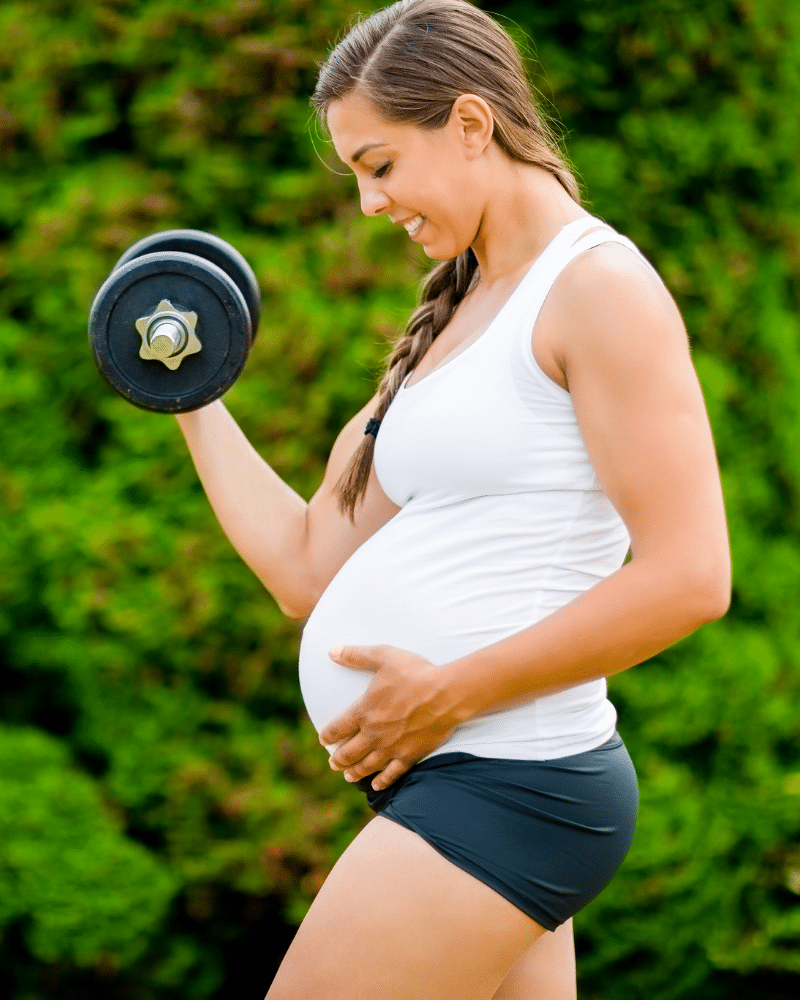
7 Ways a Pre and Postnatal Fitness Certification Can Advance Your Career Few life stages are as transformative as pregnancy and postpartum recovery. For fitness professionals, earning a pre and postnatal fitness certification is not only a meaningful way to support clients during this pivotal time, but also a specialization that can open doors you may not have considered.  Here are seven ways a pre and postnatal fitness certification can advance your career in the fitness industry and help you make a lasting impact.  1. Meet the Growing Demand for Women’s Health Expertise  Women’s health is one of the fastest-growing segments of the wellness market.  According to Nova One Advisor, the global women’s health app market is projected to grow significantly through 2034, reflecting rising demand for personalized health support across reproductive life stages. Similarly, Grand View Research reports strong growth in pregnancy tracking and postpartum care apps from 2023 to 2030, driven by increased awareness of maternal health and digital engagement.  These trends tell us something important. Pregnant and postpartum individuals are actively seeking specialized guidance. They are investing in tools, education, and services that support their well-being.  As awareness around maternal health grows, so does the need for qualified professionals who can safely bridge the gap between healthcare and fitness. As a certified pre and postnatal fitness professional, you can become part of this broader ecosystem of women’s health support and meet the growing demand.  2. Expand Your Client Base with a High-Need Population  Pregnancy and postpartum are life events that require tailored training. Many general personal trainers feel unsure about programming for this population, which creates a gap in the market.  When you earn a pre and postnatal fitness certification, you can confidently work with:  Clients in all three trimesters  Newly postpartum clients navigating recovery  Active individuals returning to sport  Parents managing the physical demands of early parenthood  Becoming a prenatal fitness specialist and/or a postpartum fitness specialist allows you to serve a population that often struggles to find qualified support.  And, pregnant and postpartum clients are not short-term clients. Pregnancy lasts nine months. Postpartum recovery and rebuilding can take a year or longer. Many clients also return for subsequent pregnancies. This can create long-term client relationships.  If you are building a personal fitness trainer career, adding this specialization can increase retention and referrals. Clients who feel safe and supported during such a vulnerable life stage are likely to recommend you to friends, family, and healthcare providers.  3. Increase Your Earning Potential Through Specialization  Specialization often leads to higher rates. In many professions, niche expertise commands premium pricing, and fitness is no exception.  The 2024 Nationwide Survey of Health and Fitness Professionals by ProNatal Fitness found income and pricing trends that suggest certified coaches with specialized training can command higher session rates than non-certified peers. While rates vary by location and experience, specialization often signals advanced skill, which clients are willing to pay for.  When exploring fitness career benefits, it is important to think beyond hourly pay. Specialized credentials can also lead to:  Small group prenatal classes  Online prenatal or postpartum programs  Workshops in collaboration with doulas or physical therapists  Corporate wellness programs focused on working parents  A pre and postnatal fitness certification does not just increase income potential, it diversifies it.  FREE TRIAL Experience the AFPA Pre & Postnatal Fitness Specialist Course Firsthand for Free! Experience 2 full modules from the AFPA Pre & Postnatal Fitness Specialist Certification Course for 14 days. No credit card required! ENROLL FOR FREE 4. Build True Programming Confidence and Reduce Liability Risks  Training pregnant and postpartum clients without formal education can feel intimidating. Many trainers worry about safety, contraindications, and medical complexity. That hesitation can limit your willingness to work with this population.  A comprehensive pre and postnatal fitness certification provides structured, evidence-based education on:  Physiological changes during pregnancy  Cardiovascular, musculoskeletal, and hormonal adaptations  Warning signs that require medical referral  Safe exercise progressions and regressions  This knowledge builds confidence. And confidence translates into better coaching.  It also reduces professional risk. When you understand how to screen, assess, and program appropriately, you are better equipped to operate within scope of practice and collaborate with healthcare providers.  In a career in fitness industry settings, professionalism matters. A strong educational foundation demonstrates to clients and referral partners that you take your role seriously.  5. Strengthen Your Professional Credibility and Referral Network  Healthcare professionals recognize the value of exercise during and after pregnancy. However, they often struggle to find qualified trainers to refer patients to.  When you become certified in this field, you can build relationships with:  OB-GYNs  Midwives  Pelvic floor physical therapists  Chiropractors  Doulas  These relationships can become a steady source of referrals.  Recent industry coverage, such as reporting from Athletech News on Equinox launching a data-driven women’s health and performance program, reflects a broader shift toward structured, science-based approaches to women’s training. High-end fitness brands are investing in women’s health programming because demand is there.  When you align yourself with evidence-based education and respected certifications, you’ll strengthen your authority and ability to tap into these spaces.  6. Align with Major Wellness Trends Shaping 2026 and Beyond  Wellness trends are shifting toward metrics, innovative solutions, and holistic care.  Clients today are asking better questions. They want to understand:  How hormones impact energy and performance  Why certain exercises feel different during pregnancy  How to safely rebuild core strength postpartum  When to return to running or high-impact training  A pre and postnatal fitness certification equips you to answer these questions with clarity. (This is especially important in the age of social media, where misinformation spreads quickly.)  Staying aligned with current trends also ensures your career remains relevant. The fitness industry rewards professionals who adapt to change. Specializing in prenatal and postpartum fitness places you squarely within one of the most meaningful movements in wellness.  7. Deepen Your Impact and Professional Fulfillment  Beyond income and market growth, there is something even more powerful about entering this field. The work is deeply meaningful.  Pregnancy and early parenthood represent one of the most physically and emotionally demanding transitions in a person’s life. Clients may be navigating:  Body image changes  Pain and discomfort  Sleep deprivation  Anxiety about childbirth or recovery  When you are trained to support both the physical and psychological aspects of this journey, you get the opportunity to enter into this vulnerable and important time in someone’s life and become a trusted ally.  Don’t underestimate the power that finding meaning in your work has to motivate you to keep going and advancing your career.  Why the Best Certification for Prenatal and Postnatal Fitness Matters  Not all education

7 Ways a Pre and Postnatal Fitness Certification Can Advance Your Career Read More »

Top Specializations AFPA Offers to Boost Your Income as a Personal Trainer

Top Specializations AFPA Offers to Boost Your Income as a Personal Trainer Becoming a Certified Personal Trainer is a powerful first step in transforming lives, but your earning potential truly expands when you pursue specialized credentials. Whether you’re looking to attract new clients, increase your rates, or diversify your services, adding niche certifications can help you stand out in a competitive field. AFPA offers several industry-leading specialty programs designed to deepen your expertise and open up lucrative opportunities. In this post, we’ll explore five high-impact specializations that not only improve your skills but can also significantly boost your income as a personal trainer:  Pre & Postnatal Fitness Specialist Certification  Kettlebell Essentials: The Iron Cardio Approach Certificate  Pilates Instructor Certification  Health and Wellness Coach Certification  Yoga Instructor Certification  Let’s break down how each of these programs equips you to better serve clients and expand your fitness career.  Pre & Postnatal Fitness Specialist Certification  Pregnancy and postpartum represent some of the most physically and emotionally transformative times in a person’s life. As a Certified Pre & Postnatal Fitness Specialist through AFPA, you’ll be qualified to guide clients safely and confidently through every phase of this journey, from the first trimester through postpartum recovery.  This 100% online, self-paced certification (offered in partnership with ProNatal Fitness®) is built on an evidence-based curriculum that empowers you to:  Design prenatal fitness programs that promote smoother births and faster recoveries  Guide clients through effective postnatal fitness strategies  Address common pregnancy-related pains and injuries  Help new mothers return to strength and function safely  With 17 learning modules, 130+ exercise videos, ready-to-use programming templates, and downloadable intake forms, this pre and postnatal fitness certification gives you all the tools to launch or expand your services for pregnant and postpartum clients.  FREE TRIAL Experience the AFPA Pre & Postnatal Fitness Specialist Course Firsthand for Free! Experience 2 full modules from the AFPA Pre & Postnatal Fitness Specialist Certification Course for 14 days. No credit card required! ENROLL FOR FREE How It Boosts Your Income  The market for pre and postnatal fitness may seem niche, but it’s anything but small. Each year, millions of babies are born (3.6 million babies were born in 2024 in the United States alone, according to CDC data). That’s millions of new and expecting parents, parents who need support and guidance to stay healthy and active during pregnancy and recover with confidence after birth.  Offering prenatal and postnatal fitness services can be both personally rewarding and financially sustainable. A well-structured postnatal fitness program can generate an estimated $50,000 to $150,000 in annual revenue, depending on your model, pricing, and reach.  Stepping into this specialized field not only expands your income opportunities, but it also positions you as a trusted expert for a uniquely motivated and loyal population. You’re not just helping someone build strength or hit a goal; you’re supporting people through one of the most significant transitions of their lives. That kind of work doesn’t just build a career. It builds legacy and trust, qualities that will open doors for years to come.  Kettlebell Essentials: The Iron Cardio Approach Certificate  Kettlebells are no longer a fringe tool in the gym—they’re a cornerstone of functional strength and endurance training. AFPA’s Kettlebell Essentials course, led by renowned coach Brett Jones, introduces the Iron Cardio method: a fluid, endurance-based system that combines kettlebell strength and cardiovascular conditioning.  This specialty certificate includes:  Six video-based modules teaching core lifts: Clean, Press, Squat, Snatch  Structured progressions using the Iron Cardio protocol  Real-world programming samples  Hands-on technique instruction  Whether you’re a beginner or an experienced trainer, this course helps you build safe, effective kettlebell workouts that challenge the body without maxing out intensity. The Iron Cardio method emphasizes sustainability and flow—perfect for clients who want to build strength and conditioning without burnout.  How It Boosts Your Income Kettlebell training attracts a wide audience, from busy professionals to athletes. With this specialty certificate under your belt, you can offer dynamic one-on-one sessions to help your clients get stronger, burn calories, and become more athletic. This is a high-value skillset that appeals to functional fitness fans, hybrid training enthusiasts, and anyone looking for a break from more traditional workouts.  In 2023, the kettlebell global industry was valued at $51 billion, and it’s projected to grow to $116.2 billion by 2031, rising at a compound annual growth rate (CAGR) of 9.1%. North America alone holds about 40% of that market, with strong growth expected over the next decade.  What does that mean for instructors? It means more clients are buying kettlebells, signing up for classes, and searching online for kettlebell programming. As demand grows, so does your opportunity to charge premium rates for this specialized, effective type of training.  You can teach group classes in commercial gyms or studios, run virtual kettlebell bootcamps from anywhere, or create digital programs and instructional content. The expanding audience translates into greater income potential and flexibility for your career.  Pilates Instructor Certification  If you want to expand into low-impact training that delivers major results, Pilates is a powerful path forward. AFPA’s Pilates Fitness Instructor Certification is an accessible, fully online program that prepares you to teach Pilates mat classes with confidence.  Inside the course, you’ll learn:  Foundational Pilates mat exercises and progressions  Anatomy, movement principles, and injury considerations  How to teach multi-level classes and provide modifications  Routines for special populations, including clients with lower back pain  With over 300 photo-supported exercises, downloadable routines, and three digital textbooks, this course equips you to deliver safe, engaging Pilates experiences in-person or online.  How It Boosts Your Income  Demand for certified Pilates instructors is booming. According to a 2024 global survey of 800 instructors conducted by Balanced Body®, 77% of Pilates studios report active growth, and 67% say their classes are selling out. Studio owners are struggling to keep up with demand: nearly 40% say they need more instructors, and 30% are actively hiring.  Instructor numbers are rising, but not fast enough to fill the gap. Since 2015, the number of new instructors

Top Specializations AFPA Offers to Boost Your Income as a Personal Trainer Read More »

Understanding Personal Trainer Certification in California 

Understanding Personal Trainer Certification in California  California dreamin’ of a career in fitness? With its thriving wellness and fitness-conscious culture, the Golden State is the perfect place to launch your personal training career. But where do you begin? What certifications do you need? Do you need a license to work as a trainer in California? Get the answers to all these questions and learn everything you need to know about becoming a certified personal trainer in California.  Why Become a Certified Personal Trainer in California?  Growing Demand for Personal Trainers  The timing couldn’t be more perfect for aspiring personal trainers in California. The fitness industry is experiencing remarkable growth, with employment of fitness trainers projected to grow 14% from 2023 to 2033 according to the U.S. Bureau of Labor Statistics. California’s fitness landscape is particularly impressive, with the state’s gym, health, and fitness club market valued at approximately $5 billion in 2023 and boasting over 15,000 fitness-related businesses statewide. The state’s massive population—which surpassed 39 billion people—creates an incredible opportunity for personal trainers. Major metropolitan areas offer especially promising markets:  Los Angeles: Approximately 3,822,238 residents  San Diego: Around 1,381,162 residents  San Jose: Close to 1,013,240 residents  San Francisco: Approximately 808,988 residents   Personal trainers do more than just guide workouts—they play a crucial role in promoting health and wellness, guiding individuals toward healthier lifestyles and improved well-being. In a state that prioritizes fitness and innovation, becoming a certified personal trainer not only offers a rewarding career but also contributes significantly to overall community health objectives.  Benefits of Certification  Pursuing certification as a personal trainer in California offers several advantages that can accelerate your fitness career. Whether you’re looking to work in a gym, start your own business, or train clients online, certification provides a solid foundation to build a successful and sustainable career.  1. Legitimacy and Credibility  A recognized certification establishes your expertise and professionalism. Most fitness facilities require certification, and clients are more likely to trust and hire trainers who have demonstrated their commitment to professional standards.  2. Increased Job Opportunities and Earning Potential  Certification opens doors to a wider range of employment opportunities and can lead to higher income. Certified personal trainers often have access to positions in reputable gyms, health clubs, corporate wellness programs, and more. Advanced certifications and specializations can command even higher rates.  3. Diverse Career Paths  With a certification, you have the flexibility to choose from various career paths. This versatility allows you to tailor your career to your interests and lifestyle. The common paths recently certified trainers take include: Employment at Fitness Centers: Work as a personal trainer in gyms or health clubs, providing one-on-one or group training sessions.  Entrepreneurship: Start your own personal training business, allowing you to set your schedule and develop specialized programs for your clients.  Online Coaching: Leverage technology to offer virtual training sessions, expanding your reach to clients beyond your local area.  Requirements to Become a Personal Trainer in California  Before you can start training clients and building your career, there are a few key requirements you’ll need to meet. While California does not have specific state licensing for personal trainers, most employers and clients look for trainers who hold a recognized certification, along with a solid educational foundation and CPR/AED training.  Minimum Age and Education Requirements  Becoming a personal trainer is an accessible career path, but there are some basic prerequisites you’ll need to fulfill:  You must be at least 18 years old to enroll in most certification programs  A high school diploma or GED is typically required.  CPR/AED Certification Requirement  Safety is a top priority in the fitness industry, which is why nearly all personal trainer certification programs require CPR (Cardiopulmonary Resuscitation) and AED (Automated External Defibrillator) certification before taking the final exam. CPR/AED certification ensures that you can respond quickly and effectively in the event of a medical emergency during a training session, and many gyms and health clubs won’t hire trainers who aren’t CPR/AED certified. You can obtain CPR/AED certification from organizations such as:  The American Red Cross (redcross.org)  The American Heart Association (heart.org)  The National Safety Council (nsc.org)  Most CPR/AED courses can be completed in a day, either online or in person, making it an easy but essential step in becoming a personal trainer.  Certification vs. Licensing – What’s Required in California?  A common question aspiring trainers ask is: Do I need a license to work as a personal trainer in California? The answer is no—California does not require a state-issued license for personal trainers. Instead, you’ll need a certification from a nationally recognized organization to prove your qualifications and land a job in the industry.  Learn How to Become a Certified Personal Trainer Online in Less Than 6 Months Best Personal Trainer Certifications for California  Choosing the right personal trainer certification in California is an important step toward building a successful career. While several organizations offer certification programs, not all are created equal. The best certifications provide comprehensive education and industry recognition, but there are also many other factors to consider when researching the best program for you.  Top Nationally Recognized Certifications  All the top recognized certifications provide a foundation in basic human anatomy and exercise physiology, but there’s a wide gap in practical tools and coaching skills also taught, as well as learning format and flexibility. AFPA (American Fitness Professionals & Associates) stands out as a top choice for aspiring trainers looking for a well-rounded, science-backed program that prepares them for real-world success.  Why Choose AFPA’s Certified Personal Trainer Program?  AFPA’s Certified Personal Trainer program offers everything you need to launch and run a thriving personal training career in California in a flexible, self-paced format. It provides:  Comprehensive training in exercise science, program design, and client assessments.  A unique focus on communication and cueing skills on the training floor.  Strategies to connect with clients, especially through setbacks.  Practical tools and resources, including a video exercise library and sample programs.  Flexible online learning so you can complete your certification at your own

Understanding Personal Trainer Certification in California  Read More »

Wellness for a Living: Careers that Promote Healthy Lifestyles

Wellness for a Living: Careers that Promote Healthy Lifestyles If good health is essential to you, you may also be urged to share it with others. One way you can do this is by working in the health and wellness field. This differs somewhat from most careers in health care and medicine since they focus on treating illnesses and conditions as they arise. Wellness […] The post Wellness for a Living: Careers that Promote Healthy Lifestyles first appeared on Dai Manuel: Your Lifestyle Mentor. If good health is essential to you, you may also be urged to share it with others. One way you can do this is by working in the health and wellness field. This differs somewhat from most careers in health care and medicine since they focus on treating illnesses and conditions as they arise. Wellness […] The post Wellness for a Living: Careers that Promote Healthy Lifestyles first appeared on Dai Manuel: Your Lifestyle Mentor. Dai Manuel{authorlink}https://www.daimanuel.com/2023/02/17/wellness-for-a-living-careers-that-promote-healthy-lifestyles/Dai Manuel: Your Lifestyle Mentor Dai Manuel helps people be functionally fit and live a life that they are proud of https://www.daimanuel.com/wp-content/uploads/2021/01/Asset-1-120×120.png

Wellness for a Living: Careers that Promote Healthy Lifestyles Read More »

Should You Pursue a Career in the Health Industry?

Should You Pursue a Career in the Health Industry? Most would say that good health is essential to them, but it’s surprising how many turn around and do plenty of things that are detrimental to their health. You might assume that if you want to pursue a career in the health industry, you need to be someone who wouldn’t dream of doing those same […] The post Should You Pursue a Career in the Health Industry? first appeared on Dai Manuel: Your Lifestyle Mentor. Most would say that good health is essential to them, but it’s surprising how many turn around and do plenty of things that are detrimental to their health. You might assume that if you want to pursue a career in the health industry, you need to be someone who wouldn’t dream of doing those same […] The post Should You Pursue a Career in the Health Industry? first appeared on Dai Manuel: Your Lifestyle Mentor. Dai Manuel{authorlink}https://www.daimanuel.com/2022/11/03/should-you-pursue-a-career-in-the-health-industry/Dai Manuel: Your Lifestyle Mentor Dai Manuel helps people be functionally fit and live a life that they are proud of https://www.daimanuel.com/wp-content/uploads/2021/01/Asset-1-120×120.png

Should You Pursue a Career in the Health Industry? Read More »