Healthy Living

Auto Added by WPeMatico

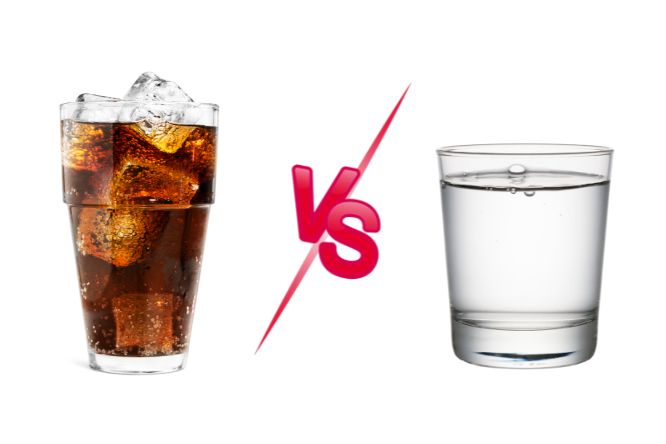
Is Drinking Coke the Same as Drinking Water?

Is Drinking Coke the Same as Drinking Water? We all know we should drink enough water throughout the day to stay hydrated and healthy, ideally about 2 litres a day. But if you’re a big fan of Coke, you might be wondering if Coke counts as water and whether it’s equally hydrating. This article will dive into the Coke vs. water for hydration […] We all know we should drink enough water throughout the day to stay hydrated and healthy, ideally about 2 litres a day. But if you’re a big fan of Coke, you might be wondering if Coke counts as water and whether it’s equally hydrating. This article will dive into the Coke vs. water for hydration […] petra-admin{authorlink}https://www.behealthynow.co.uk/healthy-living/coke-vs-water-hydration/Be Healthy Now

Is Drinking Coke the Same as Drinking Water? Read More »

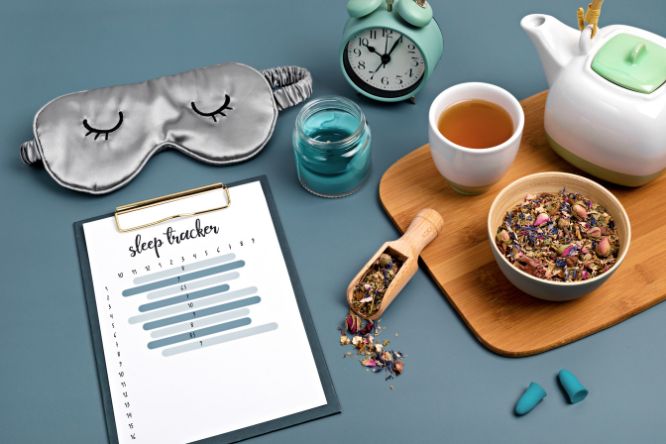
Improving Sleep Quality with Natural Supplements

Improving Sleep Quality with Natural Supplements Getting good sleep is essential for a healthy life. It affects how we think, feel, and function physically. However, many of us struggle to get enough rest due to stress, irregular schedules, or noisy environments. Thankfully, natural supplements like melatonin, valerian root, and chamomile can help. By adding these to your nightly routine, you can […] Getting good sleep is essential for a healthy life. It affects how we think, feel, and function physically. However, many of us struggle to get enough rest due to stress, irregular schedules, or noisy environments. Thankfully, natural supplements like melatonin, valerian root, and chamomile can help. By adding these to your nightly routine, you can […] petra-admin{authorlink}https://www.behealthynow.co.uk/healthy-living/improving-sleep-quality-with-natural-supplements/Be Healthy Now

Improving Sleep Quality with Natural Supplements Read More »

The Best Electrolyte Supplements And Why I Use Them

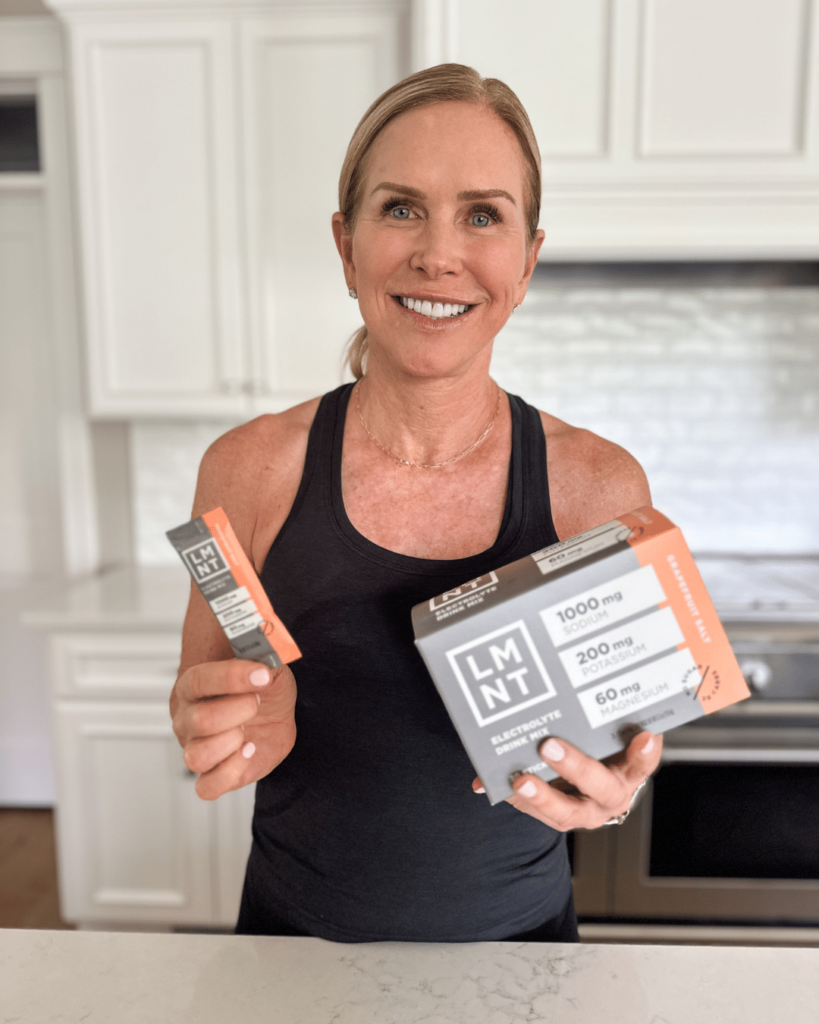
The Best Electrolyte Supplements And Why I Use Them Explore the best electrolyte supplements and their benefits, including why these essential nutrients are crucial for hydration, athletic performance, and overall health. See my favorite brands, natural options, and expert tips on how to choose the right electrolyte supplements for your needs. Feeling drained during workouts? Noticing your energy levels dipping as you get older? You’re not alone. I’m here to share my personal experience with electrolyte powders as a personal trainer and fitness expert. They’ve made a tremendous difference in my life, especially after menopause when I’ve felt like any extra boost is a gift! If you’re a health-conscious individual, fitness enthusiast, or a middle-aged woman looking to improve your overall well-being, read on to learn more about the best electrolyte supplements I’ve tried and which is my favorite. My Journey with Electrolyte Supplements As A Personal Trainer I am by no means an extreme athlete. But, even as your basic very active 58 year old woman who has experienced many common menopause symptoms, electrolyte supplements have made a big impact in fitness routine and life. My workout schedule involves lots of walking and also high intensity exercise for one hour, four to five days a week. I started noticing my energy waning once I entered my 50’s. After doing some research, I decided to start using an electrolyte supplement in my water during workouts and experienced a noticeable increase in my energy.  Now I take an electrolyte supplement every day to make sure my body maintains the right energy level and optimal electrolyte balance. I started incorporating them into my daily routine to support better hydration, athletic performance, and muscle recovery. I also notice the benefits when I hike in the heat, or am excessively sweating. And, I have to say, after a night of a few glasses of wine, I think it helps me in the morning! A Word About The Importance of Salt During Workouts Salt, or sodium chloride, is a key electrolyte that plays a vital role in maintaining fluid balance and preventing dehydration. During exercise, especially in hot weather, you lose salt through sweat. Replenishing this lost salt is crucial to prevent cramping, dizziness, and fatigue. If you are my age, you may be programmed to believe we need a low salt diet. Many people are wary of salt due to its association with high blood pressure and cardiovascular disease, but when it comes to exercise, adequate salt intake is essential for optimal performance, rehydration, and recovery. Many nutritionists now say we have been misguided on sodium and it’s benefits. The FDA recommends consuming fewer than 2.3 grams of sodium per day for heart health. But a 2011 JAMA study found that optimal health outcomes occur at 4-6 grams per day. Many healthy people who also sweat a lot, need more sodium, not less. Symptoms of low blood sodium levels include headaches, fatigue, muscle cramps, and confusion.  I figured out that salt was maybe the thing I was lacking and for me personally, it has made a difference. I immediately noticed a lift in my energy during my early morning workouts. The Best Electrolyte Supplements I’ve tried several of the best electrolyte supplements over the years, and here are my top picks including why I like them, their key nutritional ingredients, and where to buy them. 1. LMNT Electrolyte Powder This is my top electrolyte supplement because of their clean ingredients, and I use it daily before, during or after my workouts. LMNT is formulated with a science-backed electrolyte ratio: 1000 mg of sodium, 200 mg of potassium, and 60 mg of magnesium without any sugar or weird ingredients which is important to me. It’s salty so you may have to get used to it. But like I said above, don’t be afraid of the salt, your body may need it. Now that I’m used to it, I literally crave it. Side comment-whenever I’m craving salty snacks in the afternoon because I’m bored and sick of typing on my computer, I drink some LMNT and it keeps me from ripping open a bag of salty chips! I use a half packet in my small water bottle and a whole packet in my 32 oz bottle. It’s the perfect taste for me. My favorite flavor is watermelon with grapefruit a close second. My husband loves the orange. Key Ingredients: Sodium per serving: 1000 mg Potassium per serving: 200 mg Magnesium per serving: 60 mg Sugar per serving: 0 g When you purchase through the LMNT website you get a free 8-count LMNT Sample Pack with any purchase you make. That way you can test all the flavors! 2. NUUN Sport Tablets These Nuun tablets are convenient and come in various flavors, making them easy to add to your water bottle on the go. I used these for years until I decided I needed more sodium. They are great for traveling. However, they are a little too mild in flavor for me. And they are a little effervescent depending on if you like that. Key Ingredients: Sodium per serving: 300 mg Potassium per serving: 150 mg Magnesium per serving: 25 mg Sugar per serving: 1 g 3. Liquid IV Powder Liquid IV powder uses the combination of glucose with sodium to enhance hydration. I personally try to avoid those extra added sugars, but it does help with the taste. They offer a variety of flavors. Key Ingredients: Sodium per serving: 510 mg Potassium per serving: 380 mg Magnesium per serving: none Sugar per serving: 11 g 4. Flavcity Electrolytes Flavcity electrolyte powders are made clean ingredients and I consider them to be a lighter form of electrolytes since they have very little sodium. I like the flavor and think it’s a healthy way to add flavor to your water. However, it’s not enough sodium for recovery after a tough workout. Key Ingredients: Sodium per serving: 85 mg Potassium per serving: 305 mg Magnesium per serving: 104 mg

The Best Electrolyte Supplements And Why I Use Them Read More »

Red Light Therapy with Bon Charge: An Honest Review

Red Light Therapy with Bon Charge: An Honest Review It’s only recently that I learned about the numerous benefits of red light therapy, and I was pleasantly surprised to find out that it’s all backed by solid scientific research. From anti-aging and pain relief to muscle recovery and beyond, the benefits seem endless. But to really get the full benefit, you need to understand […] It’s only recently that I learned about the numerous benefits of red light therapy, and I was pleasantly surprised to find out that it’s all backed by solid scientific research. From anti-aging and pain relief to muscle recovery and beyond, the benefits seem endless. But to really get the full benefit, you need to understand […] petra-admin{authorlink}https://www.behealthynow.co.uk/healthy-living/bon-charge-red-light-therapy-review/Be Healthy Now

Red Light Therapy with Bon Charge: An Honest Review Read More »

45 Healthy Activities for Kids & Families This Summer

45 Healthy Activities for Kids & Families This Summer As a fitness expert I know the importance of keeping our bodies moving. Use my 45 fun and healthy activities for kids to keep your family active all summer long! These healthy activities are perfect for parents, grandparents, or any other family member who is looking to help build active and healthy habits with their kids. Modeling healthy choices at a young age will help encourage kids to stay more active as they get older. So don’t let the kids tell you “I’m bored” this year, use my healthy activities for kids to have more fun and promote wellness instead ; ). Which one will you try first?! 1. Go to the farmer’s market. The best way kids learn healthy habits is by watching your healthy habits. Teach them to source local healthy food and enjoy their community by letting them tag along to the farmer’s market. Load up on fresh produce and let them each have $5 to spend on something healthy of their choice! When you get home you can make healthy snacks or let them help you prepare a healthy dinner with the items you just purchased. 2. Make smoothies. Making smoothies together is one of my favorite fun (and delicious) healthy activities for kids. Little ones find it fascinating to blend things up. Kids can help you put fruit, almond milk and veggies into your smoothie maker or blender. Let them choose one of my healthy smoothie recipes to make together. Let them see that veggies are even yummy to drink. Buy some reusable color straws and your smoothies are guaranteed to please. 3. Take a day trip. Mix up the daily routine by taking a day trip. Heading to a neighboring town and trying something new will get you out of your comfort zone and prevent boredom. Take a dip in a lake, head out for a hike on a new trail or let your kids enjoy an all-new playground. Kids appreciate a little change of scenery and schedule. 4. Go to the gym. Does your gym have childcare? Let your kids see that you prioritize healthy activities like fitness and they will too. Give yourself an hour of me-time while they play with other kids at your local gym. Don’t forget to explain why exercise is important for your body. 5. Plant a garden. Herbs, veggies or flowers? Pick your favorite and dig in the dirt with your kids to let them see that they can grow things with their two little hands. Then you can show them how to make good use of what you grow. You can even get them their own gardening tools for some pride of ownership! 6. Cook together. Nothing is better than making something healthy for your kids and watching them eat it up, without any whining. Here are a few fun recipe ideas you could try together: Healthy Cookie Dough Dip Snickerdoodle Protein Balls Healthy Breakfast Cookies Healthy Oat Flour Banana Muffins 7. Go to the playground. Swings, slides, sandboxes and tunnels are easy breezy active fun for your kids. While you keep one eye on the kiddos, you can do your own playground workout. 8. Do a penny hike. This may sound silly, but when I was a little kid, my mom used to take us on penny hikes. Back in the day when a penny was worth something, we would flip the penny at each corner; heads we went right, tales we went left. Each time the walk would be different. My siblings and I loved penny hikes and I’m sure it was a way for my mom to get outside and stay sane. Try a penny hike with your little ones. 9. Go swimming Swimming is in the healthy activities for kids hall of fame! Member at a pool club? Own a pool? Live near a lake? Buy some of those colorful noodles and make a splash this summer by having regular swim time with the kids. Practice different swim strokes or floats or just see who can make the biggest splash. While you’re there you can get your own workout in with my favorite pool exercises that are easy on your joints. 10. Create your own race. Ready, set, go is all it takes if you have toddlers. They will love to run, run, run in an open park or on a walking path. If your kids are older, make it a fun race to see who can run the fastest. 11. Go bowling on a rainy day. Any age can appreciate the easy fun of knocking things over, especially on a day when you are stuck inside. While it might not always be simple to have a good bowling score, bowling can be easy fun and usually good for lots of laughs (gutter ball!). 12. Paint, draw or write. Pull out that inner artist and let your kids keep a summer diary or have regular time to paint or draw. Take your budding artist outside in the shade to avoid the indoor mess. Use watercolors, chalk, colored pencils, markers or crayons to create some new artwork for your fridge or bulletin board. Does your child love to write? Encourage them to capture what they love best about summer. 13. Host a dance party. Turn on your favorite music and dance. Simple as that. Ask your kids to show you their moves. They will get a kick out of hearing your favorite music, and then you can listen to their favorites too! 14. Let your kids put on a show. Have a kid that loves the spotlight? Have them put on a magic show, puppet show, dance show or tell some jokes. Kids of all ages love to entertain their parents with silly shows. 15. Let your kids have unstructured time. One of the best healthy activities for kids is just to let them be kids! When kiddos entertain themselves, they learn to daydream, be

45 Healthy Activities for Kids & Families This Summer Read More »

Collagen Protein vs. Whey Protein (& Why I Take Both!)

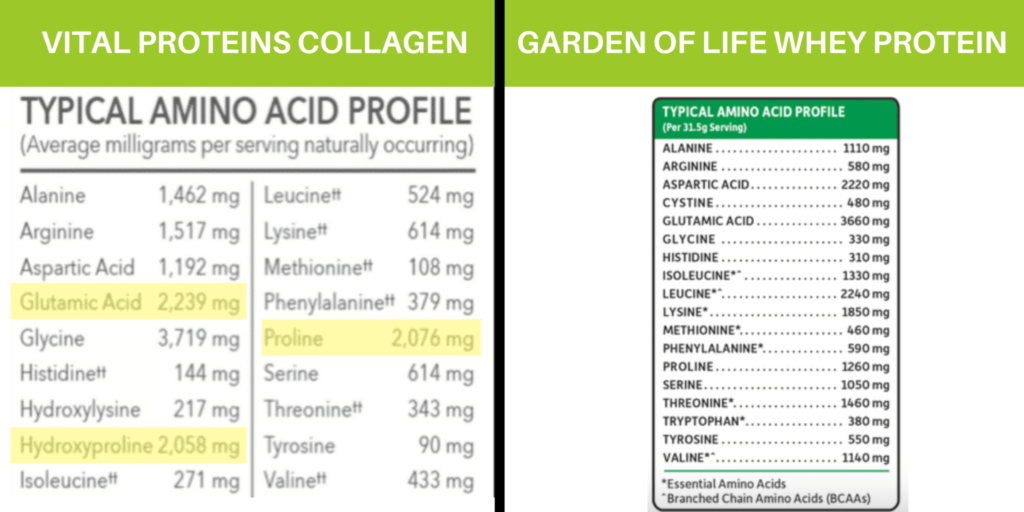
Collagen Protein vs. Whey Protein (& Why I Take Both!) Learn the differences of collagen protein vs whey protein to understand the unique benefits of both, and why you may want to incorporate both into your routine. After decades as a fitness instructor and women’s health coach, I’m going to break down the protein powder combination that works best for me. Both collagen and whey proteins are beneficial to your joint and muscle health (especially if you exercise often). But, women ask me all the time, what exactly is the difference between collagen protein vs. whey protein? The main difference between collagen and whey lies in the amino acid profile. Each contains different profiles of amino acids, meaning you will receive different benefits depending on which one you take. I will mention right away that I use collagen AND whey protein powder every day. I’m going to explain both protein sources, their benefits, and why I take each of them as a post-menopausal woman. Collagen Protein vs. Whey Protein: What’s the Difference? Both collagen protein and whey protein offer substantial benefits. The main difference between the two comes down to their amino acid profiles. Check out the example below (remember that 1,000 milligrams are equivalent to 1 gram): Here, Vital Proteins Collagen contains a high value of glutamic acid (2.2 grams), hydroxyproline (2 grams), and proline (2 grams). These particular amino acids primarily benefit your hair, skin, and nails. On the other hand, Garden of Life Whey Protein contains a high value of isoleucine (1.33 grams), leucine (2.24 grams), and valine (1.14 grams), which are very beneficial for muscle recovery. Additionally, collagen contains eight out of the nine essential amino acids, as opposed to whey which contains all nine.  Overall, collagen and whey proteins both offer great health benefits. Whichever one you choose should be based on your own personal needs. Whey Protein Helps boost muscle growth and help muscle recovery after a workout. Collagen Protein Helps ease joint pain or improve your skin, hair, and nails. The good news? You can take collagen and whey protein simultaneously to maximize their combined muscle and joint benefits. This should boost your overall health and nutrition. What is Collagen? Collagen is the most abundant protein in your body, making up around 30 percent of your total body protein and 70 to 80 percent of your skin. It helps your body form the connective tissue found in your skin, bones, muscles, tendons, and cartilage. Collagen helps these body parts stay strong—without it, they lose elasticity and the ability to function properly. The collagen protein, which is naturally produced by the body, is made up of 18 beneficial amino acids—the molecules that combine to form proteins. Three key amino acids found in collagen include glycine, proline, and hydroxyproline. They account for 57 percent of its total amino acids. The reason they are so important? Amino acids are the building blocks of protein, which your body needs to maintain functionality and good health.  Along these lines, you may be wondering—what are collagen peptides? Collagen peptides are basically collagen protein in a more broken-down form. They are small pieces of animal collagen that are more easily digestible. Often, the two phrases “collagen peptides” and “collagen proteins” are used interchangeably.  The Natural Decline in Collagen Collagen production starts declining as we age. If you are perimenopausal or postmenopausal, you’ll want to read this! Collagen supplements can help maintain younger-looking skin and healthy joints. Studies show that women’s skin loses about 30% of its collagen during the first five years of menopause. After that, the decline is more gradual. Women lose about 2% of their collagen ever year for the next 20 years. As collagen diminishes, our skin loses it firmness and begins to sag. A decrease in collagen can lead to wrinkled or sagging skin, hollowing of the eyes, weakened muscles, stiffer joints, digestive issues, and problems with blood flow.  Of course, supplements are also a popular option among those looking to boost collagen production. Benefits of Collagen Protein Supplements Collagen peptides are essentially broken down forms of collagen responsible for maintaining the strength and elasticity of your skin, hair, nails, joints, and more. As I mentioned, as we age, our natural collagen production declines. This leads to wrinkles, joint pain, and other signs of aging. Collagen peptides are derived from animal sources such as bovine or marine collagen . They are hydrolyzed, meaning they’re broken down into smaller, more easily digestible molecules. One of the primary benefits of taking collagen peptides is their ability to support skin health. Studies suggest that collagen supplementation can improve skin elasticity, hydration, and overall appearance. It can reduce the appearance of wrinkles and promoting a more youthful complexion. Another benefit of collagen peptides is to support joint health. It does this by promoting the production of cartilage, the connective tissue that cushions joints and prevents friction. This can help reduce joint pain and stiffness, particularly in individuals with conditions like osteoarthritis. Collagen peptides may also benefit hair and nail health, promoting stronger, thicker hair and reducing brittleness and breakage in nails. I add a scoop of collagen powder to my AG1 greens every morning and shake it up. For me it’s the easiest way to stay consistent. However, many women tell me they add it to their coffee or smoothie. Just remember that collagen supplements are not a magic bullet. They work best when combined with a healthy diet and lifestyle. What is Whey Protein? Milk is comprised of two proteins: whey and casein. Whey is the liquid left behind during the cheese-making process. It is extracted and concentrated into a powder, which can be found in protein supplements such as shakes, drinks, powders, gels, and energy bars. Whey is a fast-absorbing protein that contains all nine essential amino acids your body needs to maintain good health. It helps with building muscle, repairing tissue, and boosting your immune system. It also offers the highest concentration of branched-chain amino acids (BCAAs)
Collagen Protein vs. Whey Protein (& Why I Take Both!) Read More »

Pros & Cons of Using a Fitness Tracker for Middle-Aged Women

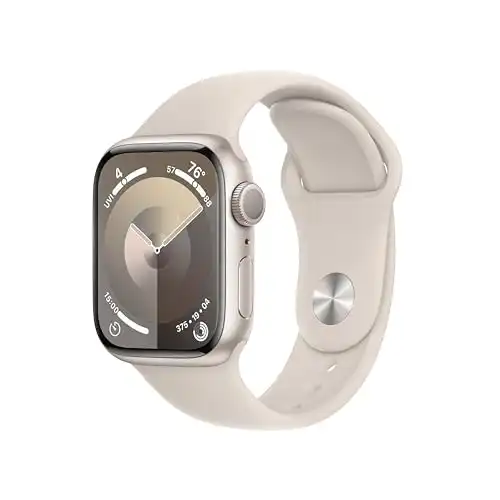
Pros & Cons of Using a Fitness Tracker for Middle-Aged Women Fitness trackers have become an essential piece of home gym equipment, and a regular part of our daily lives. Especially for those of us working towards or maintaining fitness goals! A fitness tracker is a wearable device (often designed as a watch) that monitors various aspects of your physical health throughout the day while you wear it. And these devices have a come a long way in terms of design and functionality. With sleek, popular designs, fitness trackers promise to help with goal setting (hit those daily steps!) and health monitoring (think quality of sleep!). But, they also come with a fair share of concerns. As a fitness expert with decades of experience training women, I’m going to explore the pros and cons of using a fitness tracker, specifically for middle-aged women. The Advantages of Using a Fitness Tracker As you can imagine based on their popularity, there are many benefits that come with using a fitness tracker consistently. I’ll start by saying I am a fan and I wear an Apple watch. But l want to share the reasons why or why not to wear one as a mid-life woman. Goal Setting and Motivation One of the most significant benefits of using a fitness tracker is its ability to help you set and achieve your fitness goals. Whether it’s increasing your daily step count (have you ever wondered how many steps it actually takes to lose weight?), staying active throughout the day, or monitoring your nighttime patterns to focus on getting better sleep, these devices provide tangible targets to aim for. They can serve as a daily reminder and motivator, keeping you focused on your health and fitness objectives. Health Tracking For middle-aged women, keeping an eye on health metrics such as heart rate, blood oxygen, and sleep quality can be vital. Fitness trackers offer an easy way to monitor these aspects continuously, allowing for early detection of potential health issues. Some trackers like the Apple watch will help you manage your medications, check for afib, and call 911 in emergency situations. This continuous feedback can empower you to make informed decisions about your health and lifestyle. Workout Guidance Many fitness trackers come equipped with built-in workout routines and suggestions, making it easier than ever to get a guided exercise session without the need for a personal trainer or gym membership. This feature is particularly beneficial for those new to exercising or looking to diversify their workout regimen. Convenience The convenience of having a multipurpose device on your wrist cannot be overstated. Beyond just fitness, these gadgets can offer functionalities like message notifications, weather updates, and music control, integrating seamlessly into your daily life. The Disadvantages of Using a Fitness Tracker Even with their popularity, not everyone is getting behind these clever devices. So what are the cons of using a fitness tracker? Let’s explore the downside of fitness tracking devices. Accuracy of the Device While fitness trackers have come a long way, the accuracy of the data they provide can sometimes be questionable. Steps counted, calories burned, and sleep monitored can all have variances, which might lead to slight misinterpretations of your health and activity levels. For most people it’s close enough. But some people get very focused on the numbers. Obsessive Behavior There’s a fine line between being motivated by your fitness goals and becoming obsessed with them. For some, the constant monitoring and data tracking can lead to an unhealthy fixation on numbers, potentially overshadowing the real focus on health and well-being. Cost Quality fitness trackers are not cheap, and the initial investment can be quite high. Considering the need for periodic upgrades and replacements, the cost can add up, making it a significant factor to consider before purchasing. Battery Life The convenience of a fitness tracker can quickly diminish if you’re constantly needing to charge it. Battery life varies widely among different models, with some requiring daily charging, which can be a hassle for busy individuals. Data Privacy With the collection of significant amounts of personal health and activity data comes the concern of privacy. Ensuring that your data is secure and understanding how it is used by the device manufacturer is crucial. Fitness trackers offer a convenient and innovative way for middle-aged women to monitor their health and fitness goals. However, it’s important to weigh the pros like motivation, health tracking, workout guidance, and convenience against the cons including data accuracy, potential for obsessive behavior, cost, battery life, and privacy concerns. Ultimately, the decision to use a fitness tracker should align with your personal health goals and lifestyle preferences, ensuring it serves as a tool for empowerment rather than a source of stress. Whether you decide to use a fitness tracker or not, remember that the path to wellness is personal and varied, and the best approach is the one that makes you feel supported, motivated, and healthy. Product Image Product Name Primary Button Apple Watch Series 9 [GPS 41mm] Smartwatch with Starlight Aluminum Case with Starlight Sport Band M/L Check Price Apple Watch Series 8 Smart Watch Check Price Garmin Rugged Outdoor Watch with GPS, Built for All Elements Check Price Wearable4U – Garmin Approach S12 Premium GPS Golf Watch, White with Power Pack Bundle Check Price Apple Watch Series 9 [GPS 41mm] Smartwatch with Starlight Aluminum Case with Starlight Sport Band M/L Check Price Apple Watch Series 8 Smart Watch Check Price Garmin Rugged Outdoor Watch with GPS, Built for All Elements Check Price Wearable4U – Garmin Approach S12 Premium GPS Golf Watch, White with Power Pack Bundle Check Price Fitness trackers have become an essential piece of home gym equipment, and a regular part of our daily lives. Especially for those of us working towards or maintaining fitness goals! A fitness tracker is a wearable device (often designed as a watch) that monitors various aspects of your physical health throughout the day while you […] Chris Freytag, CPT{authorlink}https://gethealthyu.com/fitness-trackers/Get Healthy

Pros & Cons of Using a Fitness Tracker for Middle-Aged Women Read More »

Menopause Joint Pain: Causes & Treatments

Menopause Joint Pain: Causes & Treatments Menopause marks a significant transition in a woman’s life, bringing about numerous physiological and hormonal changes that affect health and well-being. While hot flashes and night sweats are among the most talked about symptoms, menopause joint pain is a challenge that often flies under the radar. In fact, a reported 71% of perimenopausal women experience varying degrees of joint pain, which is exactly why we need to learn about it and talk about it! I have decades of experience training women, and I want to highlight just how important it is to understand the relationship between menopause and joint pain within your body. I suffered through menopause related joint pain for way longer than I should have because I didn’t understand the cause. I’m going to walk you through what this type of pain can feel like, where it comes from, and the best treatment options out there. Entering the menopause phase of your life doesn’t mean you should be living in pain! Keep reading to take the first steps towards improving your symptoms! What Does Menopause-Related Joint Pain Feel Like? Joint pain during the menopausal transition can manifest as persistent, dull aches or severe discomfort affecting the knees, hips, hands, and other joints. This pain often comes paired with stiffness and a reduced range of motion, particularly after periods of inactivity. Swelling, tenderness, and a feeling of warmth around the joints are also common. For many, this pain intensifies during or after physical activity, significantly impacting daily functioning and quality of life. Reflecting on my personal experience, as I navigated through my last years of perimenopause, I was plagued by severe hip pain. It was enough discomfort to make me think I had sustained a tear or some form of physical injury. Without the knowledge that joint pain was actually linked to perimenopausal symptoms, I continued to try to alleviate the pain through increased stretching, hoping for some form of relief.  Regrettably, eight years ago, there was a substantial gap in disseminating information about the connection between joint pain and hormonal shifts occurring during menopause. This lack of awareness subjected me to not only physical pain but lack of direction on how to heal.  By sharing this information below, I hope to enlighten younger women about this lesser-known symptom of perimenopause and help you understand how to deal with it.  What Causes Menopause Joint Pain? The decline in estrogen levels is a key factor contributing to joint pain during menopause. Estrogen has a protective effect on the joints by reducing inflammation and maintaining bone density. Its decline can lead to increased inflammation and decreased bone density, contributing to joint discomfort. Additionally, changes in collagen production affect the strength and elasticity of joint tissues, leading to stiffness and reduced range of motion.  Metabolic changes, including weight gain and redistribution of body fat, increase the load on weight-bearing joints, exacerbating pain and discomfort. Sleep disturbances and increased stress, which are common during menopause, can further contribute to joint pain by affecting the body’s ability to repair and manage inflammation. As you can see, there are a lot of bodily changes happening during this phase of life that can alter how your joints are functioning. Menopause Joint Pain Relief Strategies Now that you understand the connection between menopause and joint pain, let’s try and make it better. If you’re suffering from pain symptoms like the examples described above, explore the strategies below to start feeling relief! 1. Regular Exercise I know not everyone likes to hear this advice, but engaging in regular exercise can greatly help to alleviate joint pain during menopause. I tell women all the time, you have reached the time of life where you have to stop making excuses and just start exercising! It’s a matter of how much you care about what your next decades will look like. Focusing on strength training moves that target all muscle groups is highly beneficial. This not only enhances your muscle power, but it also helps with performing daily chores and activities more efficiently. Incorporating mobility exercises improves joint flexibility, helping to keep them lubricated, maintaining their health and preventing stiffness. Cardiovascular exercises are important too. They are great for maintaining your overall health, keeping the heart healthy and managing weight, which indirectly can reduce the pressure on joints. These are my favorite cardio workouts that don’t involved any running! 2. Maintaining a Healthy Weight This strategy focuses on reducing the pressure on joints, particularly the knees. This is especially important as society becomes more sedentary and less active during menopausal years. A balanced weight helps in keeping your joints healthy and less stressed. 3. Hot or Cold Therapy Applying heat or cold to the affected areas may alleviate pain and inflammation. Heat helps to relax muscles and increase blood flow, while cold therapy can reduce inflammation and numb the joint area to reduce pain. I use heat therapy on my low back everyday as preventative. I have a cord free infrared back pad I wear for 20 minutes in the morning to reduce inflammation and warm up my muscles. 4. Acupuncture of Massage Therapy These are natural methods of pain relief. Acupuncture involves the insertion of very thin needles through your skin at strategic points on your body, while massage therapy involves manipulating body tissues to relieve pain or tension. 5. OTC Pain Medications or Joint Supplements These could provide relief from joint pain. However, these should be used in consultation with your healthcare provider to prevent any potential side-effects or interactions. 6. Hormone Replacement Therapy (HRT) Under a doctor’s guidance, HRT can help manage menopause symptoms, including joint pain. It involves supplementing the body with either estrogen or a combination of estrogen and another hormone, progesterone. You need to seek out a doctor or functional medicine practitioner that is willing to test your hormones and listen to you. By adding HRT to your routine, you may find great relief. Everybody is different. It works

Menopause Joint Pain: Causes & Treatments Read More »

Lean Greens: A Super Greens Powder Review

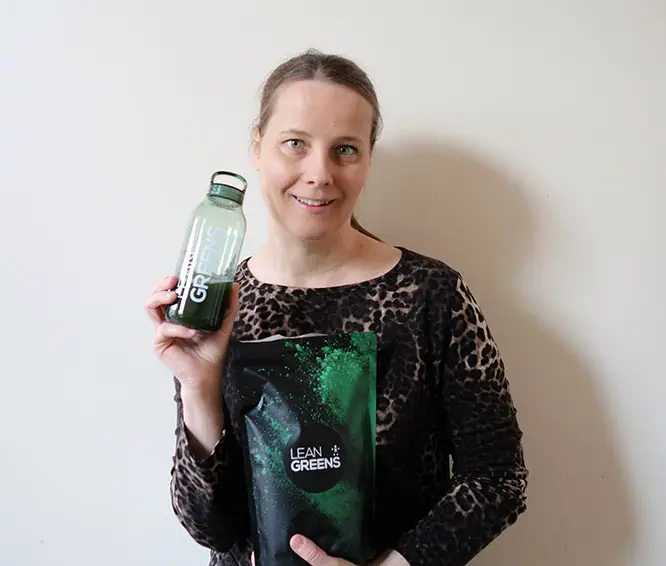
Lean Greens: A Super Greens Powder Review Lean Greens is a super greens powder that’s really popular among gym bunnies and folks who care a lot about their health. It helps you hit your 5-a-day easily and it’s loaded with vitamins and minerals to help you feel healthier and boost your energy levels. In this review of Lean Greens, you’ll get to […] Lean Greens is a super greens powder that’s really popular among gym bunnies and folks who care a lot about their health. It helps you hit your 5-a-day easily and it’s loaded with vitamins and minerals to help you feel healthier and boost your energy levels. In this review of Lean Greens, you’ll get to […] petra-admin{authorlink}https://www.behealthynow.co.uk/healthy-living/lean-greens-powder-review/Be Healthy Now

Lean Greens: A Super Greens Powder Review Read More »

Does Tanning Burn Calories And Fat?

Does Tanning Burn Calories And Fat? Many people wonder if tanning can help with weight loss by burning fat and calories. It’s a common question with a straightforward answer: tanning itself does not significantly impact calorie or fat burning. However, there’s an interesting point to discuss about the blue light from sunlight, which might influence fat cells in a unique way. […] Many people wonder if tanning can help with weight loss by burning fat and calories. It’s a common question with a straightforward answer: tanning itself does not significantly impact calorie or fat burning. However, there’s an interesting point to discuss about the blue light from sunlight, which might influence fat cells in a unique way. […] petra-admin{authorlink}https://www.behealthynow.co.uk/healthy-living/does-tanning-burn-calories-and-fat/Be Healthy Now

Does Tanning Burn Calories And Fat? Read More »