healthy habits

Auto Added by WPeMatico

The Best Electrolyte Supplements And Why I Use Them

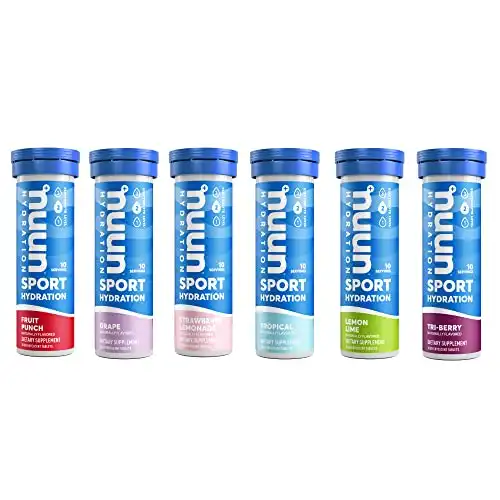
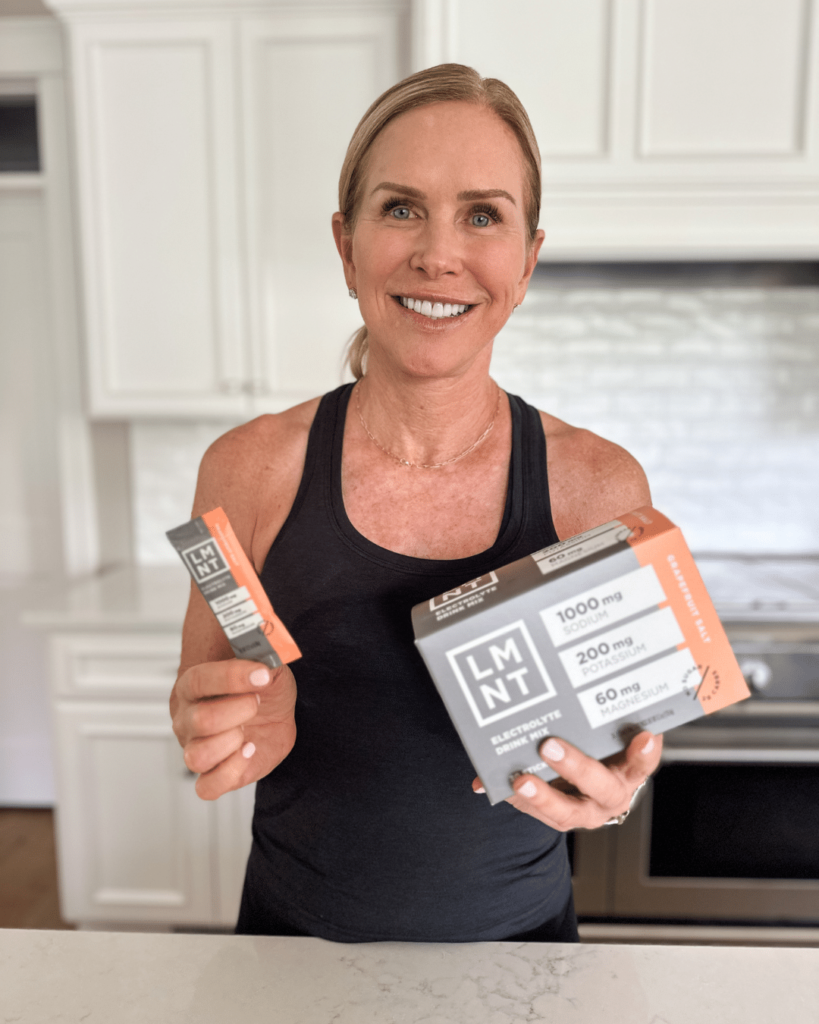
The Best Electrolyte Supplements And Why I Use Them Explore the best electrolyte supplements and their benefits, including why these essential nutrients are crucial for hydration, athletic performance, and overall health. See my favorite brands, natural options, and expert tips on how to choose the right electrolyte supplements for your needs. Feeling drained during workouts? Noticing your energy levels dipping as you get older? You’re not alone. I’m here to share my personal experience with electrolyte powders as a personal trainer and fitness expert. They’ve made a tremendous difference in my life, especially after menopause when I’ve felt like any extra boost is a gift! If you’re a health-conscious individual, fitness enthusiast, or a middle-aged woman looking to improve your overall well-being, read on to learn more about the best electrolyte supplements I’ve tried and which is my favorite. My Journey with Electrolyte Supplements As A Personal Trainer I am by no means an extreme athlete. But, even as your basic very active 58 year old woman who has experienced many common menopause symptoms, electrolyte supplements have made a big impact in fitness routine and life. My workout schedule involves lots of walking and also high intensity exercise for one hour, four to five days a week. I started noticing my energy waning once I entered my 50’s. After doing some research, I decided to start using an electrolyte supplement in my water during workouts and experienced a noticeable increase in my energy.  Now I take an electrolyte supplement every day to make sure my body maintains the right energy level and optimal electrolyte balance. I started incorporating them into my daily routine to support better hydration, athletic performance, and muscle recovery. I also notice the benefits when I hike in the heat, or am excessively sweating. And, I have to say, after a night of a few glasses of wine, I think it helps me in the morning! A Word About The Importance of Salt During Workouts Salt, or sodium chloride, is a key electrolyte that plays a vital role in maintaining fluid balance and preventing dehydration. During exercise, especially in hot weather, you lose salt through sweat. Replenishing this lost salt is crucial to prevent cramping, dizziness, and fatigue. If you are my age, you may be programmed to believe we need a low salt diet. Many people are wary of salt due to its association with high blood pressure and cardiovascular disease, but when it comes to exercise, adequate salt intake is essential for optimal performance, rehydration, and recovery. Many nutritionists now say we have been misguided on sodium and it’s benefits. The FDA recommends consuming fewer than 2.3 grams of sodium per day for heart health. But a 2011 JAMA study found that optimal health outcomes occur at 4-6 grams per day. Many healthy people who also sweat a lot, need more sodium, not less. Symptoms of low blood sodium levels include headaches, fatigue, muscle cramps, and confusion.  I figured out that salt was maybe the thing I was lacking and for me personally, it has made a difference. I immediately noticed a lift in my energy during my early morning workouts. The Best Electrolyte Supplements I’ve tried several of the best electrolyte supplements over the years, and here are my top picks including why I like them, their key nutritional ingredients, and where to buy them. 1. LMNT Electrolyte Powder This is my top electrolyte supplement because of their clean ingredients, and I use it daily before, during or after my workouts. LMNT is formulated with a science-backed electrolyte ratio: 1000 mg of sodium, 200 mg of potassium, and 60 mg of magnesium without any sugar or weird ingredients which is important to me. It’s salty so you may have to get used to it. But like I said above, don’t be afraid of the salt, your body may need it. Now that I’m used to it, I literally crave it. Side comment-whenever I’m craving salty snacks in the afternoon because I’m bored and sick of typing on my computer, I drink some LMNT and it keeps me from ripping open a bag of salty chips! I use a half packet in my small water bottle and a whole packet in my 32 oz bottle. It’s the perfect taste for me. My favorite flavor is watermelon with grapefruit a close second. My husband loves the orange. Key Ingredients: Sodium per serving: 1000 mg Potassium per serving: 200 mg Magnesium per serving: 60 mg Sugar per serving: 0 g When you purchase through the LMNT website you get a free 8-count LMNT Sample Pack with any purchase you make. That way you can test all the flavors! 2. NUUN Sport Tablets These Nuun tablets are convenient and come in various flavors, making them easy to add to your water bottle on the go. I used these for years until I decided I needed more sodium. They are great for traveling. However, they are a little too mild in flavor for me. And they are a little effervescent depending on if you like that. Key Ingredients: Sodium per serving: 300 mg Potassium per serving: 150 mg Magnesium per serving: 25 mg Sugar per serving: 1 g 3. Liquid IV Powder Liquid IV powder uses the combination of glucose with sodium to enhance hydration. I personally try to avoid those extra added sugars, but it does help with the taste. They offer a variety of flavors. Key Ingredients: Sodium per serving: 510 mg Potassium per serving: 380 mg Magnesium per serving: none Sugar per serving: 11 g 4. Flavcity Electrolytes Flavcity electrolyte powders are made clean ingredients and I consider them to be a lighter form of electrolytes since they have very little sodium. I like the flavor and think it’s a healthy way to add flavor to your water. However, it’s not enough sodium for recovery after a tough workout. Key Ingredients: Sodium per serving: 85 mg Potassium per serving: 305 mg Magnesium per serving: 104 mg

The Best Electrolyte Supplements And Why I Use Them Read More »

Healthy Holidays: A Nutritionist’s Tips for a Healthier Holiday Feast 

Healthy Holidays: A Nutritionist’s Tips for a Healthier Holiday Feast  How to Not Just Survive, but Thrive During the Holiday Season  The holiday season is a time of joy, celebration, and, let’s face it, lots of delicious food. While the festivities bring ample opportunities for indulgence, they also present a unique set of challenges for those looking to maintain a healthy lifestyle. But fear not! This comprehensive guide aims to help you navigate the holiday season with a balanced approach to eating and living. From planning your meals to making nutrient-packed versions of your favorite holiday dishes, we’ve got you covered. We’ll even delve into the importance of sleep, exercise, and mindful eating during this bustling time of year. So, let’s embark on a journey to make this holiday season your healthiest and happiest yet!  Planning for Success: Cultivating a Mindful Approach to Healthy Habits During the Holidays  The holiday season is a time for joy, celebration, and, of course, delicious food. While it’s tempting to indulge in all the festive treats, it’s also important to maintain a balanced diet for long-term health and well-being. As a nutrition expert, I’m here to guide you through making healthier choices this holiday season without sacrificing flavor or fun.  The Importance of Planning  The saying “If you fail to plan, you plan to fail” holds true, especially when it comes to maintaining a healthy diet during the holidays. Research shows that planning your meals significantly increases the likelihood of making healthier food choices. When you have a plan in place, have a plan in place, you’re less likely to reach for unhealthy options in a moment of weakness.  Setting Realistic Goals  It’s crucial to set achievable goals for yourself. Instead of aiming for perfection, aim for progress. For example, if you usually have three servings of pie, aim for just one this year. Setting unrealistic goals can lead to disappointment and may cause you to abandon your healthy eating plans altogether.  Mindfulness and Portion Control  Being mindful of what and how much you eat can make a significant difference. Studies have found that practicing mindfulness can help you enjoy your food more and reduce overeating. Pay attention to portion sizes and try to savor each bite. This will not only enhance your dining experience but also help you recognize when you’re full.  Flexibility Is Key  While it’s important to have a plan, it’s equally important to be flexible. The holidays are a time for celebration, and sometimes that means deviating from your plan. If you find yourself in a situation where you can’t stick to your original plan, don’t be too hard on yourself. Make the best choice available and move on. Remember, one indulgent meal won’t derail your health goals.  Accountability and Support  Having a support system can be incredibly beneficial. Whether it’s a family member, friend, or health coach, having someone to hold you accountable can keep you on track. In fact, research indicates that social support is a significant factor in achieving and maintaining weight loss.  Courses to Consider  If you’re interested in diving deeper into nutrition and wellness, consider enrolling in AFPA’s Certified Holistic Nutritionist course or the Certified Health and Wellness Coach course. These courses offer comprehensive training that can help you make informed decisions about your health, especially during the holiday season.  Learn How to Become a Certified Holistic Nutritionist in Less Than 6 Months Workouts and Accountability: The Dynamic Duo for a Healthy Holiday Season  The Role of Exercise  Exercise plays a crucial role in maintaining a healthy lifestyle, especially during the holiday season when you’re more likely to indulge. Physical activity helps to burn off extra calories, improve mood, and even boost your immune system. A study has shown that even moderate exercise can have a significant impact on reducing the risk of chronic diseases.   The Accountability Factor   Accountability in exercise is often overlooked but is a key component in sticking to a fitness routine. Research indicates that having an accountability partner can increase the likelihood of sticking to an exercise program. Whether it’s a friend, family member, or a certified health coach, having someone to hold you accountable can make a world of difference.   Integrating Workouts into Your Holiday Plans   The holidays can be a busy time, but that doesn’t mean you can’t fit in a workout. Here are some tips:  Plan Ahead: Just like with your meals, planning your workouts in advance can help you stick to them.  Be Realistic: If you usually work out for an hour but only have 30 minutes, that’s okay. A shorter workout is better than no workout.  Involve Family and Friends: Make exercise a group activity. Go for a walk after a holiday meal or have a dance-off to your favorite holiday tunes.  Managing Cravings While Meeting Nutrient Needs: A Balanced Approach  Understanding Cravings  Cravings are a natural part of human behavior, especially during the holidays when we’re surrounded by an array of tempting foods. While it’s okay to indulge occasionally, it’s essential to manage cravings in a way that also meets your nutrient needs. Research suggests that cravings often arise due to emotional triggers rather than actual hunger.  Nutrient-Dense Alternatives  One effective strategy for managing cravings is to opt for nutrient-dense alternatives. For example, if you’re craving something sweet, consider having a piece of fruit instead of a sugary dessert. Fruit not only satisfies your sweet tooth but also provides essential nutrients and fiber. A study on global food production emphasized the importance of nutrient adequacy in our diets, highlighting the need to make informed food choices.  The Role of Protein and Fiber  Protein and fiber are your best friends when it comes to feeling full and satisfied. Including these in your meals can help you manage cravings by keeping you full for longer periods. Research has shown that diets rich in protein and fiber can meet dietary and nutritional needs effectively.  Mindful Eating  Mindful eating is another effective strategy for managing cravings.

Healthy Holidays: A Nutritionist’s Tips for a Healthier Holiday Feast  Read More »

Do You Sit at a Desk All Day? You Might Need This

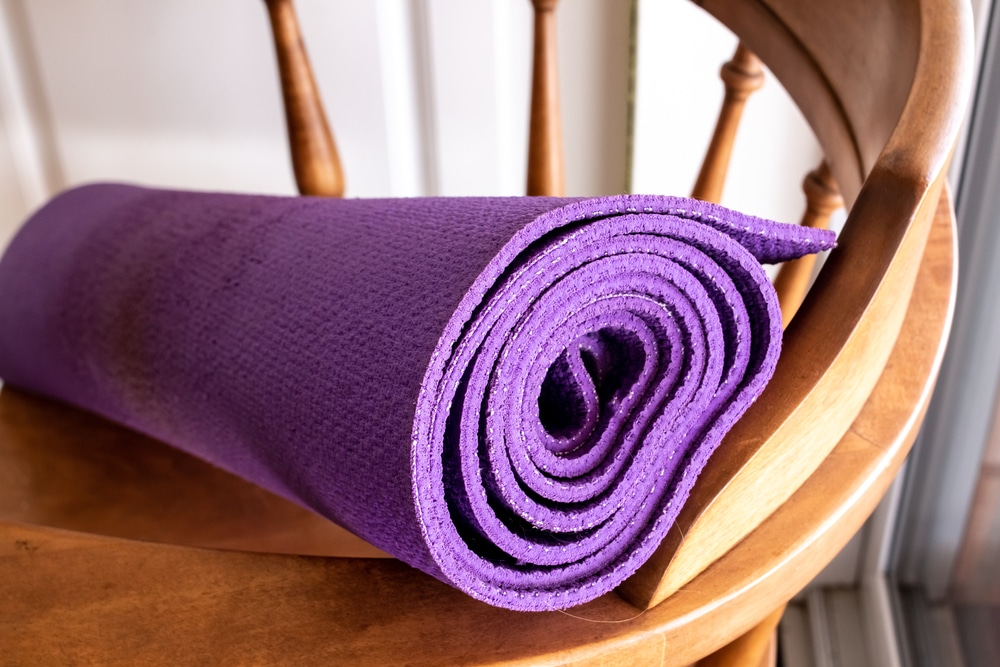
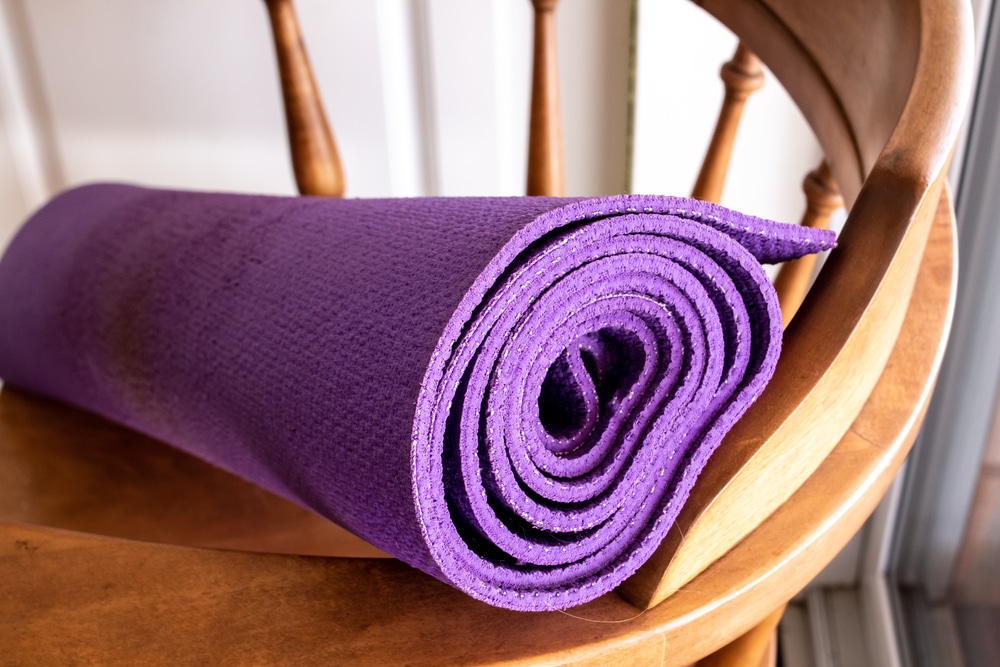
Do You Sit at a Desk All Day? You Might Need This Did you know adults sit an average of 9.5 hours a day? Many experts have called sitting “the new smoking.” (Yikes.) The kicker? Office workers sit around a shocking 15 hours per day. (Double yikes.) Too much sitting can wreak havoc on our bodies. Here are a few stats: Extremely sedentary people can be as much as 80 percent more likely to die of cancer than those who move more. Only 28 percent of Americans are meeting the CDC-recommended amount of weekly exercise. People who sit more than eight hours a day with no physical activity have a risk of dying similar to that posed by obesity and smoking. Prolonged sitting significantly increases your risk of developing Type 2 diabetes. One of the best things you can do to stay healthy and active, especially if you’re sitting too much, is to add mobility exercises to your routine. So, if you sit at a desk all day, you’ll need this simple mobility workout to keep your joints healthy, relieve stiffness and pain, and help you stay active. Bonus? You can do them all in your office if you want! Workout Tips Photo Credit: Shutterstock Before starting the next 10 exercises, here are a few tips to keep in mind: You only need floor space, a yoga mat, and a chair for most of these exercises. Do these exercises two to three times per week. Keep your movements controlled and work at a comfortable pace. At first, these exercises might feel awkward and stiff. But the more you do them, the warmer your muscles and the looser your joints will get. Over time, the following exercises will feel easier, and so will daily physical activity! Let’s get started! 1. Shoulder Rolls Photo Credit: Get Healthy U Basic shoulder rolls are simple exercises that loosen up the shoulder muscles and joints. Shoulder mobility is critical for basic tasks, such as reaching overhead. How to perform a shoulder roll: Stand with your feet hip-width apart. Shrug your shoulders up toward your ears. Then, slowly roll them in a forward motion. After about 30 seconds, roll your shoulders in a backward motion.  2. Arm Circles Photo Credit: Get Healthy U This move loosens the shoulder joints and engages the shoulders, biceps, and triceps. It’s an easy way to improve posture. How to perform an arm circle: Stand tall with your feet shoulder-width apart.  Raise and extend your arms to your sides.  Without bending the elbows, rotate your arms forward in small circles for 30 seconds. Then, rotate your arms backward in small circles for 30 seconds.  3. Hip Circles Photo Credit: Get Healthy U This simple exercise helps loosen up the muscles and joints in your hips. As the hips play a role in practically every activity you do, it’s important for them to have a healthy range of motion. How to perform a hip circle: Stand tall with your feet shoulder-width apart and place your hands on your hips. Keeping a slight bend in your knees, slowly circle your hips in a clockwise direction for 30 seconds. Then switch directions and circle your hips counterclockwise for 30 seconds..  4. Standing Side Bends Photo Credit: Get Healthy U The standing side bend stretches the spine and obliques (side abs). This helps improve posture for sports, new exercise, and daily activities. How to perform a standing side bend: Stand tall with feet and legs together. On an inhale, reach both arms straight up overhead.  Lower your right arm to the right side of your body. On an exhale, lengthen the left arm over your head, bending your body gently to the right.  Inhale to return both arms overhead and repeat on the left side. Do six to 10 reps per side. Do this exercise in a sturdy chair if you get tired from standing or can’t keep your balance while bending. If chair exercises fit your comfort zone, try these 10 best chair exercises for seniors too! 5. Wall Push-Ups Photo Credit: Get Healthy U Wall push-ups are a great mobility exercise for seniors that target the shoulders, chest and triceps. It helps with daily activities such as pushing open doors and getting up from a chair. How to perform a wall push-up: While standing, place your hands on a wall shoulder-width apart. Perform a push-up, lowering your chest toward the wall slowly. Then press back up. Your elbows should angle behind you, not point straight out to the sides. Do six to 10 reps. 6. Side-to-Side Lunges Photo Credit: Get Healthy U This is a great lower body exercise for strengthening your quads, glutes, hamstrings, and inner and outer thighs. And by moving side-to-side, you’ll improve balance and stability. How to perform a side-to-side lunge: Start standing with feet slightly wider than shoulder-width apart and toes pointed forward.  Shift your body weight onto one leg and bend the knee to a 90-degree angle. Press your glutes behind you and keep the other leg straight.  Return to the center and switch sides. Do six to 10 reps per side. To make this exercise easier, shorten your range of motion or hold onto the back of a chair for balance. 7. Chair Squats Photo Credit: Get Healthy U This move strengthens the lower body and opens up the hips, helping build the strength and mobility you need to climb stairs and go from sitting to standing.  How to perform a chair squat: Stand directly in front of your chair, facing away from it with feet shoulder-width apart and toes pointing forward. Keeping your chest lifted, bend your knees to sit your hips down and back. Gently tap the chair with your butt. Push yourself back up to the starting position. Do six to 10 reps. 8. Cat-Cows Photo Credit: Get Healthy U The cat-cow yoga pose is a great mobility exercise for seniors that uses slow movements to release tension all along the spine, from the neck to the tailbone. It’s very effective for improving posture and doesn’t require any special equipment. How to perform a cat-cow: Begin on your hands and knees with hands directly under shoulders and knees directly under hips.  Start with your

Do You Sit at a Desk All Day? You Might Need This Read More »

10 Mobility Exercises for Seniors to Help You Stay Active

10 Mobility Exercises for Seniors to Help You Stay Active One of the best things you can do to stay healthy and active with age is to make mobility exercises a regular part of your routine! Even if you’re already noticing mobility issues crop up, it’s never too late to start exercising. In fact, a quick mobility routine is often all it takes to start feeling better. Here are the biggest benefits of mobility exercises: Keeps joints healthy Improves stiffness and pain  Makes everyday activities easier Help you stay active Helps you look (and feel!) younger To see these benefits firsthand, try our 10 mobility exercises for seniors to help keep you in action and improve your overall health for years to come. Tips for Doing These Exercises Photo Credit: Shutterstock Before starting the next 10 exercises, here are a few tips to keep in mind: These mobility exercises are for older adults with mobility issues and those looking to stay active. They’re not for people with injuries. These folks should work with a physical therapist or other healthcare provider who can supervise their recovery. You only need floor space, a yoga mat, and a chair for most of these exercises. Do these exercises two to three times per week. Keep your movements controlled and work at a comfortable pace. At first, these exercises might feel awkward and stiff. But the more you do them, the warmer your muscles and the looser your joints will get. Over time, the following exercises will feel easier, and so will daily physical activity. Can’t do an exercise as written? Good news! We’ve included tips to modify a move if needed.  Let’s get started! 1. Shoulder Rolls Photo Credit: Get Healthy U Basic shoulder rolls are simple exercises that loosen up the shoulder muscles and joints. Shoulder mobility is critical for basic tasks like reaching overhead and sports like tennis and swimming.  How to perform a shoulder roll: Stand with your feet hip-width apart. Shrug your shoulders up toward your ears. Then, slowly roll them in a forward motion. After about 30 seconds, roll your shoulders in a backward motion.  Muscle Groups Targeted: Shoulders 2. Arm Circles Photo Credit: Get Healthy U This move loosens the shoulder joints and engages the shoulders, biceps, and triceps. It’s an easy way to improve posture and get your arms and shoulders ready for sports like swimming and pickleball. How to perform an arm circle: Stand tall with your feet shoulder-width apart.  Raise and extend your arms to your sides.  Without bending the elbows, rotate your arms forward in small circles for 30 seconds. Then, rotate your arms backward in small circles for 30 seconds.  Muscle Groups Targeted: Shoulders, Biceps, Triceps, Upper Back 3. Hip Circles Photo Credit: Get Healthy U This simple exercise helps loosen up the muscles and joints in your hips. As the hips play a role in practically every activity you do, it’s important for them to have a healthy range of motion. How to perform a hip circle: Stand tall with your feet shoulder-width apart and place your hands on your hips. Keeping a slight bend in your knees, slowly circle your hips in a clockwise direction for 30 seconds. Then switch directions and circle your hips counterclockwise for 30 seconds..  Muscle Groups Targeted: Lower Back, Hips 4. Standing Side Bends Photo Credit: Get Healthy U The standing side bend stretches the spine and obliques (side abs). This helps improve posture for sports, new exercise, and daily activities. How to perform a standing side bend: Stand tall with feet and legs together. On an inhale, reach both arms straight up overhead.  Lower your right arm to the right side of your body. On an exhale, lengthen the left arm over your head, bending your body gently to the right.  Inhale to return both arms overhead and repeat on the left side. Do six to 10 reps per side. Do this exercise in a sturdy chair if you get tired from standing or can’t keep your balance while bending. If chair exercises fit your comfort zone, try these 10 best chair exercises for seniors too! Muscle Groups Targeted: Spine, Obliques 5. Wall Push-Ups Photo Credit: Get Healthy U Wall push-ups are a great mobility exercise for seniors that target the shoulders, chest and triceps. It helps with daily activities such as pushing open doors and getting up from a chair. How to perform a wall push-up: While standing, place your hands on a wall shoulder-width apart. Perform a push-up, lowering your chest toward the wall slowly. Then press back up. Your elbows should angle behind you, not point straight out to the sides. Do six to 10 reps. Muscle Groups Targeted: Shoulders, Triceps 6. Side-to-Side Lunges Photo Credit: Get Healthy U This is a great lower body exercise for strengthening your quads, glutes, hamstrings, and inner and outer thighs. And by moving side-to-side, you’ll improve balance and stability. How to perform a side-to-side lunge: Start standing with feet slightly wider than shoulder-width apart and toes pointed forward.  Shift your body weight onto one leg and bend the knee to a 90-degree angle. Press your glutes behind you and keep the other leg straight.  Return to the center and switch sides. Do six to 10 reps per side. To make this exercise easier, shorten your range of motion or hold onto the back of a chair for balance. Muscle Groups Targeted: Quads, Glutes, Hamstrings, Outer Thighs, Inner Thighs 7. Chair Squats Photo Credit: Get Healthy U This move strengthens the lower body and opens up the hips, helping build the strength and mobility you need to climb stairs and go from sitting to standing.  How to perform a chair squat: Stand directly in front of your chair, facing away from it with feet shoulder-width apart and toes pointing forward. Keeping your chest lifted, bend your knees to sit your hips down and back. Gently tap the chair with your butt. Push yourself back up to the starting position. Do six to 10 reps. Muscle Groups Targeted: Quads, Glutes, Hamstrings 8. Cat-Cows Photo Credit: Get Healthy U The cat-cow yoga pose is a great mobility exercise for seniors that uses slow movements to release tension all along the spine, from the neck to the tailbone. It’s very effective for improving posture and

10 Mobility Exercises for Seniors to Help You Stay Active Read More »

The Best Electrolyte Supplements Tested in 2023

The Best Electrolyte Supplements Tested in 2023 Electrolyte supplements are a great way to maintain the human body’s optimal level of essential electrolytes and peak performance capability. Electrolytes might seem like just another trendy term, but these essential minerals are an important part of our daily physical function. We gain electrolytes from our nutritional intake, and we lose them naturally through sweating and filtration. People with high levels of physical exertion can struggle to maintain their optimal electrolyte balance. Luckily, with healthy electrolyte supplements that come in tablets, powders, and drinks, it’s easy to replenish your body with the boost it needs. Keep reading to learn why electrolytes are so important for our health and see my top picks for the best electrolyte supplements on the market today. What Are Electrolytes? Electrolytes are essential minerals that have an electrical charge when dissolved in fluids like water, blood, and urine. They can have a positive or negative charge, and help with important functions within our bodies. We get electrolytes from the food and fluids we consume. Our bodies lose them naturally through physical activity (sweating during intense workouts), natural filtration (urination), and illness (vomiting or diarrhea). Low levels of electrolytes can be common in athletes who aren’t proactively managing their intake. They can experience symptoms like muscle cramps and headaches to name a few. Most Common Types of Electrolytes The most common and significant electrolytes include: Sodium Potassium Chloride Magnesium Calcium Phosphate Bicarbonates Why Do We Need Them & How Many Do We Need? Electrolytes are essential minerals needed for basic life functioning. We need electrolytes for many important processes including: Regular nerve and muscle function Hydration Balance blood acidity and pressure Help rebuild damaged tissue According to the NCBI the average person needs around 1,600 to 2,000 mg (40 to 50 mEq) of electrolytes every day. However, no two bodies are created equal and individual electrolyte needs may vary greatly based on health and activity level. Product Image Product Name Primary Button Nuun Sport: Electrolyte Drink Tablets, Variety Pack Check Price Dr. Berg’s Electrolytes Powder Packets – Travel Size Electrolyte Packets Check Price LMNT Keto Electrolyte Powder Packets | Variety Pack Check Price FlavCity Variety Pack Electrolyte Drink Mix Check Price GoHydrate Electrolyte Drink Mix Check Price Nuun Sport: Electrolyte Drink Tablets, Variety Pack Check Price Dr. Berg’s Electrolytes Powder Packets – Travel Size Electrolyte Packets Check Price LMNT Keto Electrolyte Powder Packets | Variety Pack Check Price FlavCity Variety Pack Electrolyte Drink Mix Check Price GoHydrate Electrolyte Drink Mix Check Price What Is An Electrolyte Imbalance? When levels of electrolytes within your blood are too high, or too low, it can lead to an electrolyte imbalance. As you can imagine, this can greatly impact your bodily functions. Our bodies lose electrolytes through natural and healthy processes like filtration and excretion, and sweating. After episodes of rigorous exercise, diarrhea, or vomiting, our bodies can sometimes use a boost in electrolytes to recover.  A combination of our kidneys and hormones regulate the concentration levels of each electrolyte. Simply put, if any electrolyte has too high of a concentration, the kidneys and hormones will help filter it out and restore balance. Electrolyte imbalances could be a sign of a deeper health issue like problems with your heart, lungs, or kidney. If the imbalance is serious, a medical provider may order a Electrolyte Panel to determine which electrolyte levels are too high or too low. Common symptoms of an imbalance include confusion or irritability, diarrhea or constipation, fatigue, headaches, irregular heart rate, muscle cramps or weakness, among others. If you start experiencing electrolyte imbalance symptoms from exercise or regular activity, supplements could become a critical part of your regular routine. My Experience With Electrolytes I am by no means an extreme athlete. I’m your basic very active 58 year old woman who has gone through menopause. My workout schedule is high intensity exercise for one hour, five days a week. I started noticing my energy waning once I entered my 50’s. After deciding to start using an electrolyte supplement in my water during workouts and experienced a noticeable increase in my energy.  Now I take an electrolyte supplement every morning before my workout to make sure my body maintains the right energy level and optimal electrolyte balance. I also notice the benefits when I hike in the heat, or am excessively sweating. And last, I have to say, after a night of a few glasses of wine, I think it helps me in the morning! Electrolyte supplement powders, drinks, or other formats can help quickly bring our electrolyte levels back to balance, and positively impact our overall health. Keep reading to learn more, or jump right to my best electrolyte supplement picks below. What Are Electrolyte Supplements? Electrolyte supplements are powders, tablets, drinks, and other products that help increase and rebalance your electrolytes. The most common ingredients are Sodium, Potassium, Magnesium, and Calcium. But keep in mind, the specific makeup of each electrolyte supplement is different, so always read the ingredient list. Different brands may work best for your individual needs. These essential vitamins can come in lots of different product types. I recommend finding one that works best with your existing lifestyle. It’s always easier to incorporate a new health routine into good habits you already have. The best electrolytes you’ll get are the ones you remember to take! I love taking Nuun Electrolyte Tablets every morning before my workouts. And because it’s part of my routine, it’s easy to maintain. Electrolyte Supplement Ingredients To Avoid Just like any other product I put in my body, I want to make sure it’s made of the highest quality ingredients possible. I’m looking to add important minerals and nutrients to my body, not a bunch of junk. To find the highest quality electrolyte supplements I think it’s a good idea to use the following tips: Avoid food coloring. Some electrolyte drinks like traditional sports drinks have lots of food coloring or artificial colors like yellow, red, and blue dyes (we’re

The Best Electrolyte Supplements Tested in 2023 Read More »

I Can’t Stress The Importance Enough

I Can’t Stress The Importance Enough Stress is a fickle thing: without any, we’re apathetic, unproductive, and incapable of reaching peak performance. Too much stress on the other hand results in anxiety, overwhelm, and – again – the inability to reach peak performance. It can help to visualize stress as a bell curve like the one… The post I Can’t Stress The Importance Enough appeared first on Innovative Fitness. Stress is a fickle thing: without any, we’re apathetic, unproductive, and incapable of reaching peak performance. Too much stress on the other hand results in anxiety, overwhelm, and – again – the inability to reach peak performance. It can help to visualize stress as a bell curve like the one… The post I Can’t Stress The Importance Enough appeared first on Innovative Fitness. Sean Allt{authorlink}https://www.innovativefitness.com/personal-development/psychological-implications-of-excess-stress/IF Life Blog WHAT IF YOU COULD? https://www.innovativefitness.com/wp-content/uploads/2018/10/cropped-IF_favicon_large-32×32.png

I Can’t Stress The Importance Enough Read More »

Restart Your Best Life

Restart Your Best Life As the summer comes to a close and you prepare to restart your “normal” routine there’s a good chance you’ll be dedicating some time to set your intentions and lay out a plan of action. This year however, you may also find yourself wondering where to begin. Years past, September… The post Restart Your Best Life appeared first on Innovative Fitness. As the summer comes to a close and you prepare to restart your “normal” routine there’s a good chance you’ll be dedicating some time to set your intentions and lay out a plan of action. This year however, you may also find yourself wondering where to begin. Years past, September… The post Restart Your Best Life appeared first on Innovative Fitness. Sean Allt{authorlink}https://www.innovativefitness.com/personal-development/restart-your-best-life/IF Life Blog WHAT IF YOU COULD? https://www.innovativefitness.com/wp-content/uploads/2018/10/cropped-IF_favicon_large-32×32.png

Restart Your Best Life Read More »

Couples who play together, stay together

Couples who play together, stay together There’s a saying: “you are the average of the 5 people you spend the most time with.” If you want to become wealthy, spend time with wealthy people; If you want to become healthy, spend time with healthy people! The idea here is that we tend to take on the… The post Couples who play together, stay together appeared first on Innovative Fitness. There’s a saying: “you are the average of the 5 people you spend the most time with.” If you want to become wealthy, spend time with wealthy people; If you want to become healthy, spend time with healthy people! The idea here is that we tend to take on the… The post Couples who play together, stay together appeared first on Innovative Fitness. Sean Allt{authorlink}https://www.innovativefitness.com/personal-development/couples-who-play-together-stay-together/IF Life Blog WHAT IF YOU COULD? https://www.innovativefitness.com/wp-content/uploads/2018/10/cropped-IF_favicon_large-32×32.png

Couples who play together, stay together Read More »

What is the Sober Curious Movement—and Why Is It So Popular?

What is the Sober Curious Movement—and Why Is It So Popular? Many people think that, when it comes to alcohol use, it’s all-or-nothing; you either pursue full sobriety or you drink whatever and whenever you want. But it doesn’t have to be all-or-nothing. There’s a movement aimed at helping people want to better understand their relationship to alcohol and make healthier choices for themselves without necessarily giving up alcohol completely. It’s called the sober curious movement. Let’s take a look at all things sober curious: what it is, how it differs from full sobriety or abstinence, and how (if you’re curious about it!) you can embrace the movement in your own life. What is “sober curious”, and why is it having such a moment? “The Sober Curious movement was launched by Ruby Warrington and her book, Sober Curious, in [late 2018],” says Elisa Peimer, LCSW, a therapist who has worked with a Sober Curious support group. “Sober Curious is a method of being mindful about drinking. People following it learn how to notice what triggers their drinking, what the act of drinking means to them, what needs it’s fulfilling, and how it’s adversely affecting their lives.” The movement gained momentum quickly, in part because it allows people to explore living a more sober lifestyle without making the commitment to give up drinking entirely. “The movement encourages a sober (or more sober) lifestyle, but embraces and welcomes individuals who are not ready to quit alcohol entirely,” says Ian Andersen, co-founder of mindful drinking and moderation app Sunnyside. The rise of the sober curious movement could also be viewed as an extension of health, wellness, and mindfulness in general becoming more mainstream. “As mindfulness in general has become more and more popular, being sober-curious feels like a natural extension of healthier lifestyle options like plant-based diets, yoga, and meditation,” says Molly Watts, author and host of The Alcohol Minimalist podcast. Finally, the sober curious movement has gained quite the following on social media. And as more people and influencers have embraced the movement—and been willing to speak out about their choices around drinking less, or not at all—the movement has spread to more people. For example, “hashtags like #mindfuldrinking and #sobercurious are driving millions of views on social media,” says Andersen. How is being sober curious different from being fully sober? Being sober curious differs from traditional sobriety in a few ways—most notably that it doesn’t require abstinence from alcohol. Instead, it encourages people to, as the name suggests, get curious about their drinking—and aim to make better, more mindful choices around their alcohol use. This allows people “to explore living a life without alcohol without having to fully commit to not drinking,” says Dr. Brooke Scheller, a Doctor of Clinical Nutrition who specializes in nutrition to support a sober or sober-curious journey.  “The focus is not on just abstinence, but on the choices we make when the stressors in our lives drive us to relieve them with alcohol rather than in more healthy ways,” says Peimer. It also appeals to a wider audience. While full abstinence is generally recommended for people with an alcohol use disorder, the sober curious movement is a fit for anyone who wants to have a better relationship to alcohol—or who want to cut back their drinking for reasons outside of addiction or alcohol use disorder, like improving their health. “Before this, sobriety was mostly reserved for those who identified as having a problem with alcohol,” says Scheller. “Over the last two years, people are now exploring a sober-curious lifestyle by cutting back or even fully eliminating alcohol for reasons that include physical and mental health reasons, to improve their careers, relationships, or even just because they’re sick of the hangover habit.” “Sober curious offers a flexibility to acknowledge your use of alcohol might not be healthy without the rigidity of an all-or-nothing approach,” says Peimer. Feeling curious? Tips on how to embrace the movement Practice mindfulness when you reach for a drink. Mindfulness is the foundation of the sober curious movement. “Sober curiosity is about mindfulness—looking at your actions in the moment and being honest with yourself,” says Peimer. “Notice what’s going on for you when you decide to drink.”  Before you take a drink, pause for a moment. Ask yourself “why am I taking this drink?”—and then, based on the answer, decide whether you want to move forward and have the drink. For example, when you stop to think about why you’re reaching for a drink, you may realize that it’s because you trying to manage challenging emotions, like boredom or anxiety—in which case you might opt to skip it in favor of a healthier coping mechanism, like calling a friend or going for a run.  Practicing mindfulness in the moments that you want or reach for a drink can help you better understand the motivations behind your drinking—and whether those motivations are in line with the kind of relationship you want to have with alcohol. Get curious and ask yourself some deeper questions. In addition to bringing mindfulness to moments when you want to drink, being sober curious means…well, getting curious. Ask yourself some deeper questions about your relationship to alcohol. “Be thoughtful about what drinking means to you,” says Peimer. “Is it helping you create a narrative that’s appealing? Is it a reminder of happy times? Is it an indication that the weekend is starting?” Understanding the reasons behind your drinking can help you make better, healthier choices around if and when to drink.  If you want to take things a step further, you may also want to ask yourself some questions about what it would be like to give up alcohol completely or consume less of it. “Ask yourself how your life would look without alcohol,” says Peimer.  If you want to see how drinking may impact your Sleep Score, check it after a night out with friends. You can also try comparing your Sleep Score on a night you haven’t

What is the Sober Curious Movement—and Why Is It So Popular? Read More »