Total Body Workouts

Auto Added by WPeMatico

Quick Low Impact Workout At Home For Any Level

Quick Low Impact Workout At Home For Any Level Discover a low impact workout at home perfect for all fitness levels. Avoid stress on joints while still enjoying a high-intensity routine using light dumbbells—ideal for anyone, anytime! Nothing is more frustrating than wanting to stay active when your body isn’t cooperating. Whether you once ran marathons and now struggle with a 5k, or you used to thrive on plyometrics but now shy away from high-impact moves, our bodies change over time. This is where a low impact workout at home comes in handy. It’s not just for those recovering from injury, dealing with chronic pain, or facing physical limitations—low impact workouts are great for everyone! Low-impact exercise, which keeps at least one foot on the ground and avoids jumping, can still deliver a high-intensity experience without the stress on joints and bones. Walking workouts, step aerobics, cardio-dance, and even no-impact activities like swimming and spin class are excellent choices. If knees are your problem area, skip over to my 12 minute HIIT workout for bad knees instead! We’ve crafted a fantastic low impact workout that you can easily do at home. It’s quick, easy, and perfect for all fitness levels. Grab a light set of dumbbells, and let’s get started! Low-Impact Workout At Home Instructions This circuit-style routine features eight exercises, each performed for one minute, with minimal rest in between. Remember, low impact doesn’t mean low intensity—it’s all about the effort you put in! [adthrive-in-post-video-player video-id=”KOhK34pR” upload-date=”2021-02-17T21:13:27.000Z” name=”Low Impact High Results Workout ” description=”You can choose low-impact exercise and still put forth a maximal work effort to get great results. We’ve created this low-impact workout just for you with some of the best exercises to do at home!” player-type=”static”] 1. Punching The punching move is a low-impact exercise that enhances cardiovascular fitness and upper body strength while maintaining minimal joint stress, making it ideal for an effective workout without high-impact movements. How to Perform Punching: Stand with feet slightly wider than shoulder-distance apart and bend knees slightly. Tighten the core to keep your center still. Punch out one arm at a time at a steady pace. 2. Kick Through Lunges Performing kick through lunges will engage multiple muscle groups and improve balance and flexibility with low impact on the joints, providing a comprehensive workout that strengthens the lower body and core while minimizing strain. How to Perform Kick Through Lunges: Stand tall with your feet hip-distance apart. Take a large step backward with the right foot and lower your body toward the floor. Both legs should be bent at a 90-degree angle at the bottom of the lunge. Straighten your left leg and kick your right foot forward to hip height or higher if possible. Repeat for the desired number of reps then switches legs. 3. Army Crawl Planks The army crawl plank exercise challenges your core stability and strength with minimal impact on your joints, effectively engaging your abdominal muscles and improving overall body control. How to Perform Army Crawl Planks: Begin in a plank position with your shoulders over your wrists, your feet together, and your body in a straight line. Bend your left arm so that it is now in the forearm plank position. Then bend your right arm so you are in a full forearm plank position. Lift your left hand and place it on the mat directly below your shoulder as you push through your palm to lift yourself. 4. Squat Thruster The squat thruster move combines squats with an overhead press to boost lower body strength and cardiovascular endurance, offering a low-impact alternative that maximizes calorie burn and muscle engagement. How to Perform Squat Thrusters: Start standing with feet hip-distance apart and lower into a squat position by bending the knees. Keep the spine straight, chest lifted, and knees behind toes. The elbows are bent and dumbbells are at shoulder height. Using the lower body, thrust up to standing and press the dumbbells overhead extending the arms long. Then lower back to starting position. 5. Front Kicks Performing front kicks targets the lower body muscles, including the glutes and quadriceps, with low impact on the joints, enhancing strength and flexibility while providing a dynamic, low-impact cardio option. How to Perform Front Kicks: Stand with feet hip-width apart and arms bent and held in front of you. Lift right leg up, bend the knee slightly, and kick right foot forward. Keep ankle flexed and push through your heel. Place the right foot down and switch to the left. Continue to repeat for the desired amount of time or number of repetitions. 6. Squat Curl Alternating Knee Lifts This exercise blends squats, bicep curls, and knee lifts, delivering a full-body workout with minimal joint strain, promoting muscle toning and coordination. How to Perform Squat Curl Alternating Knee Lifts: Start in a squat position, weight back on heels and arms long next to the side holding dumbbells. Squeeze your glutes to press up and lift your right knee as you curl the weights to your shoulders. Slowly lower the weights back down and return to a squat position.  Repeat with left knee. 7. Upper Cuts Upper cuts are a low-impact exercise that enhances upper body strength and coordination while keeping joints protected, making it an effective way to build arm and shoulder muscles. How to Perform Upper Cuts: Stand with feet shoulder-width apart and knees slightly bent. Make two fists and hold arms next to the side with elbows bent. Punch the right fist in upward motions, stopping firmly at chin level. Switch to left fist. Continue to switch right and left until you are at a fast, rhythmic pace, always stopping at chin level as if you are punching a target. 8. Sit Up Press The sit up press move combines traditional sit-ups with an overhead press, targeting the core and upper body with a low-impact approach that improves core strength and shoulder stability. How to Perform a Sit Up Press: Start on the

Quick Low Impact Workout At Home For Any Level Read More »

10 Minute Tabata Workout for Beginners

10 Minute Tabata Workout for Beginners This 10 minute Tabata workout for beginners is the perfect way get in a great workout in less time. Think work smarter not longer. Tabata is a form of high-intensity interval training (HIIT) that consists of 20 seconds of intense exercise followed by 10 seconds of rest, repeated for 8 cycles in a row, equaling 4 minutes. This method is designed to maximize your workout efficiency, boosting both cardiovascular fitness and muscle strength in a short period. Often high-intensity interval training (HIIT) is thought of as advanced exercise and it can be, but it’s also possible to use this concept with basic exercises and allow beginners to experience HIIT too. For my beginner’s 10-minute Tabata workout, you’ll cycle through different exercises to keep it engaging and effective, ensuring you get a full-body workout in a brief amount of time. This workout can be done anytime, anywhere—there’s no equipment required. Tabata Workout Instructions Follow these simple instructions to get started with my 10 minute Tabata workout. Warm up for 1 minute by jogging in place Perform each exercise as hard as possible for 20 seconds of work, then take a quick 10-second rest. Do all 4 exercises two times through to make one 4 minute Tabata Eight cycles of 30 seconds = 4 minutes Repeat the whole Tabata again = 8 minutes Cool down for 1 minute, taking deep breaths and lightly stretching. As you become more fit or more accustomed to the format, you can go through the whole thing again or try other Tabata workouts to mix things up! Watch this quick video below to see the exercises demonstrated, or check out the pictures and descriptions of each move below, too! [adthrive-in-post-video-player video-id=”So4Eqpij” upload-date=”2017-10-10T13:03:37.000Z” name=”10 minute tabata workout” description=”This 10-minute tabata workout proves that you CAN get a killer workout in in just 10 minutes. These high powered moves will leave your muscles aching and your body feeling stronger! We LOVE tabatas: a form of HIIT that is proven to burn fat and build muscle SUPER efficiently!”] Remember to warm up and cool down for a minute before and after the exercises, making this a full 10-minute beginner Tabata workout. 1. Plié Squat Plie squats are awesome and effective in my opinion. They target the glutes and legs while placing emphasis on the inner thighs and women love that! How to Perform a Plie Squat: Stand with feet slightly wider than shoulder distance apart and toes turned out. Bend your knees while lowering your torso, keeping your back upright and abs tight. Engage your glutes and come to the standing position squeezing your inner thighs. 2. Jumping Jacks Jumping jacks are a full-body cardiovascular exercise that boosts heart health, burns calories, and improves coordination and endurance. How to Perform Jumping Jacks: Start standing with a slight knee bend and hands resting on your thighs. Keeping the knees bent, open the arms and legs out to the sides. Arms come above the head and legs wider than shoulders, then close, returning to your start. 3. Cross Behind Lunges This cross behind lunge engages the glutes, quads, and inner thighs. I also love that a cross behind brings in some balance. It’s the perfect addition to your Tabata workout! How to Perform a Cross Behind Lunge: Begin standing with your feet hip distance apart. Transfer your body weight onto your left leg and cross your right foot behind your left leg, keeping your hips facing forward as you bend both knees and lower yourself toward the floor in a lunge. Step back to starting position and repeat on the other side. 4. Punching In this Tabata workout, punching provides an intense cardiovascular boost that also uses upper body strength and coordination. How to Perform the Punching Exercise: Stand with feet slightly wider than shoulder distance apart and bend your knees slightly. Tighten the core to keep your center still. Punch out one arm at a time at a fast pace. Try adding this 10 minute Tabata workout to your weekly schedule to switch up your workout routine, and get more benefits in less time! This 10 minute Tabata workout for beginners is the perfect way get in a great workout in less time. Think work smarter not longer. Tabata is a form of high-intensity interval training (HIIT) that consists of 20 seconds of intense exercise followed by 10 seconds of rest, repeated for 8 cycles in a row, equaling […] Chris Freytag, CPT{authorlink}https://gethealthyu.com/simple-full-body-tabata-workout/Get Healthy U | Chris Freytag

10 Minute Tabata Workout for Beginners Read More »

Full-Body Playground Workout (From a Personal Trainer)

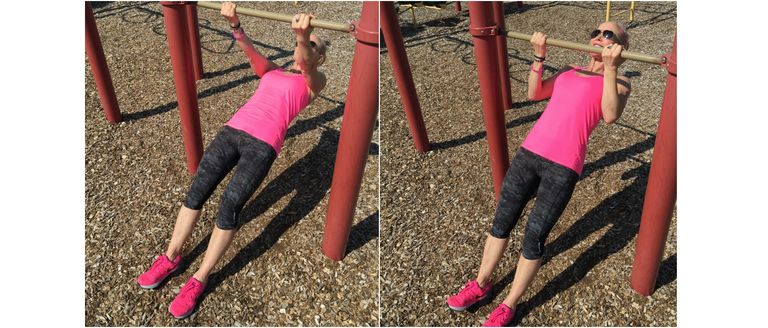
Full-Body Playground Workout (From a Personal Trainer) If you watch children or grandchildren regularly, you know, playgrounds are just part of the deal. It’s a great way for kids to expend energy, play with their friends and get exercise. But, it’s also a great chance for you to get in a playground workout! Get your tush off that bench and get in some exercise of your own. This full-body playground workout is the perfect way to tone up, burn calories and build strength. Plus, it’s already built into your day. That’s what we call a win-win. Here are six awesome exercises to use for a full-body playground workout: 1. Pull-Ups Monkey bars are perfect for pull-ups: the ultimate test of upper-body strength. Using three different grips changes the emphasis on your upper-body pulling muscles: An underhand grip emphasizes your biceps and an overhand grip targets your back and rear shoulders. 2. Swings What’s more fun? Lateral raises and overhead presses or swinging on the monkey bars? Clearly the monkey bars! Simply swinging from one end to the other will work your shoulders, lats, and arm strength. No dumbbells (or boredom) necessary. 3. Decline Push-Ups Who needs a suspension trainer when you can use a swing to perform decline pushups? Begin in a push-up position with your hands on the ground and your feet on top of the seat of a swing. Bend your elbows and lower your body to the ground and then push back up. Keep your core contracted and back stable. 4. Ab Tucks The ab tuck exercise is great for strengthening your core and lower back. It also challenges your arms and shoulders. When paired with a swing, it’s the perfect playground workout exercise! Once again, begin in a pushup position with your hands on the ground and your feet on top of the seat of a swing. Keeping your core tight and your lower back stable, bring your knees toward your chest, contract your abs, and then shoot them back out. 5. Box Jumps Practicing box jumps during your playground workout is an amazing way to build muscular endurance and work on your cardiovascular fitness. Find an elevated step or platform to use. Squat/ jump up onto the platform while bending your knees and exploding up in a plyometric move. If you are a beginner, start practicing squats on the ground. This awesome moves target your quads, hamstrings, and glutes! 6. Split Squats You could do walking lunges around the playground, or you could do a more effective version that’ll get more work done in less time. The constant tension on the working leg during Bulgarian Split Squats gives this exercise an edge over your everyday lunge. Start with one foot on a park bench, and, keeping your torso contracted and upright, lower yourself down like you’re doing a traditional lunge. You can go as low as your body allows but make sure your front knee doesn’t go past your front foot. After this playground workout, you’ll never look at the park the same way again! Not only is a great place for kids, but it’s a great place for you too! Love outdoor workouts? Try our picnic table tone-up workout below! [adthrive-in-post-video-player video-id=”DeftHwdk” upload-date=”2019-06-12T19:03:56.000Z” name=”Picnic Table Tone Up” description=”Get in a workout outside with our picnic table tone-up!”] According to a recent New York Times article, gyms are starting to look more like indoor playgrounds with jungle gym looking equipment, sand bags, and ropes for example. As the article states, “This type of training known as functional fitness is ‘far more bang for your buck’ because it works multiple muscles simultaneously, providing better overall strength and mobility, and a higher calorie burn.” Chris Freytag, CPT{authorlink}https://gethealthyu.com/6-playground-exercises-for-parents/Get Healthy U | Chris Freytag

Full-Body Playground Workout (From a Personal Trainer) Read More »

Strength Training for Women Over 50: 11 Best Moves

Strength Training for Women Over 50: 11 Best Moves While aging is inevitable, aging well is not. There are many factors involved in maintaining good physical and mental health as you age, but one of the most important things to consider as you grow older is weight training. The below strength training exercises are proven to get results for women over 50. I’ve been a personal trainer for over 30 years. My body has aged right along with my clients. I know from personal experience that strength training not only keeps you feeling and looking younger and stronger but actually physically slows down the aging process. And while exercise comes in many forms, strength training is where the true anti-aging magic happens. Muscle is the secret to metabolism, having energy, sleeping better, maintaining weight and balancing hormones. Strength training is one of the best types of exercises for women over 50 – it’s time to start!  Let’s explore in detail the benefits of strength training for women and some of the specific strength training exercises that I recommend that women over 50 do. Weight Training for Women Over 50 Program Guide Benefits Of Weight Training for Women over 50 11 Strength Training Exercises Women Over 50 Should Do  Additional Strength Training Tips Before You Get Started  7 Reasons Why Is It Important to Strength Train After 50  I sound like a broken record but as a 58 year old woman, I know firsthand that women who consistently strength train look, feel and move better. Muscle is the secret to aging well and keeping independent and mobile. 1. Weight Training For Women Builds Lean Muscle Mass  As we get older, our bodies inevitably go through muscle loss if we’re not focused on a strength training workout regularly. We women lose approximately a half pound to a full pound of muscle a year after the age of 35 if we are not actively replacing it. Those who strength train see tighter, more toned bodies. And, it’s a myth that weight training will make you bulk up. Muscle is a more dense, metabolic tissue than body fat and takes less space. It will, in fact, help you achieve that coveted sculpted appearance everyone wants. Cardio workouts help burn calories and get your heart pumping, which is critical for your overall heart health and weight management. But strength training is the secret to aging gracefully and feeling capable. Being stronger means you can stay independent and strong for life’s daily activities such as carrying groceries, lifting grandchildren, or engaging in fun activities like golf or other sports.  As I said above, around the age of 35, we women start to lose our muscle mass if not doing anything to actively replace it. As many women age, they become more sedentary, and hence, their muscles start to deteriorate. There is no pill to take or potion to drink that builds muscle. You have to do the work. 2. Weight Training For Women Builds Bone Density & Reduces Injury Risk Muscle loss can have further consequences on bone health. Unexpected falls put countless older people in the hospital every year. In fact, according to the CDC, falls are the leading cause of injury and death in older Americans. By training the muscle and connective tissue that surrounds your bones, you are making yourself stronger and helping to prevent a fall from happening in the first place. Bone density is a big deal and strength training is the best way to preserve it. The stronger your muscles are, the less likely you’ll be to get injured during everyday tasks or workouts. How? Strong muscles protect your bones and joints when they’re in motion and make your ligaments better at absorbing the shock they endure during dynamic movements. To avoid random strains and sprains, incorporate weekly strength training into your routine. Injury prevention is important, especially as you age—and it’s an often-overlooked benefit of building muscle. 3. Weight Training For Women Decreases Body Fat Maintaining a healthy weight is important when it comes to preventing many diseases that come with aging. Strength training can help you build muscle and paired with a healthy clean diet, can help you decrease body fat. Strength training also creates an calorie after-burn, keeping your body churning through calories for a longer period of time after your workout than a cardio workout. 4. Weight Training Speeds Up Metabolism It’s cruel but true – as you age, your metabolism can begin to slow down. One great way to revive it is by weight training. Your resting metabolic rate (RMR) is how many calories your body burns at rest; the more muscle you have on your body, the higher that metabolic rate is. Essentially, the more muscle you have, the faster your metabolism works. Let that sink in: more muscle means a faster metabolism. When you have more muscle mass in your body, you burn more calories every day even when just sitting on the couch. 5. Weight Training Improves Mental Health Strength training is not just about more muscle mass. As you get older, you may go through a lot of life changes. Feeling strong gives you confidence, makes you feel better about your body, and helps you sleep better. Adopting a strength training program has been shown to boost your mental health which is so important as we enter this next phase known as mid-life. Harvard Medical School reports that exercise helps lessen the incidence and the degree of clinical depression. 6. Weight Training For Women Improves Balance, Coordination, and Mobility Regular strengthening workouts improve your balance and coordination, which helps you do just about everything, from yoga and dance to daily tasks. As you age, you tend to lose the overall muscle strength that allows you to balance. By lifting weights, you are not only building up muscle strength and protecting bone health, but you are also forcing your body to fire up your core muscles and stabilizers, thus improving overall balance and coordination. The concept of functional fitness  is that

Strength Training for Women Over 50: 11 Best Moves Read More »

10 Effective Seated Chair Exercises For Seniors

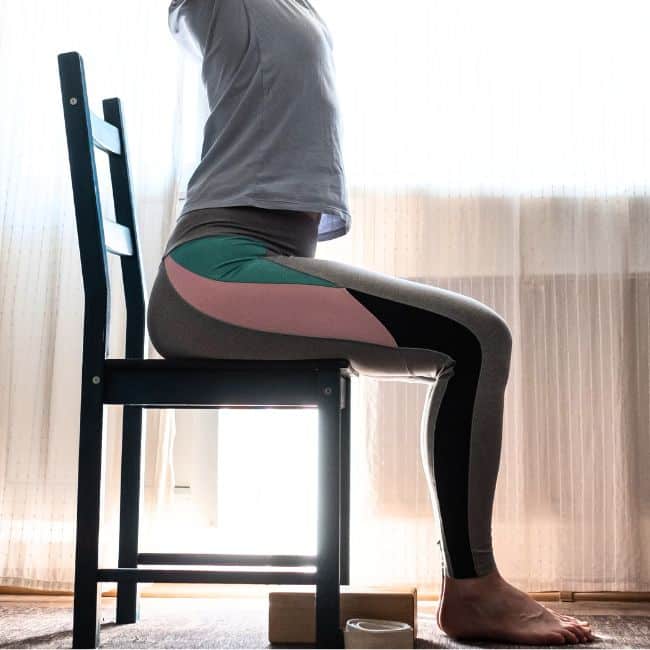
10 Effective Seated Chair Exercises For Seniors Discover 10 gentle and effective chair exercises for seniors to improve strength and flexibility without standing up. Ideal for low-impact workouts at any age! Exercise is crucial for maintaining a healthy lifestyle, regardless of age. For older adults, finding an exercise program that is safe and accessible can be a challenge. That’s where seated chair workouts come in – they offer a low-impact, safe, and effective way to stay active while sitting down. Chair exercises for seniors are a great exercise routine option for anyone who’s intimidated by resistance training. For example, if you’re wobbly on your feet, trying to curl a set of dumbbells while keeping your balance can be tough. You can sit in a chair and start working on your abdominal strength. The goal is to avoid falling. In this article, we’ll dive into 10 seated chair exercises specifically designed for seniors. This workout for seniors is beginner-friendly, easy to follow, and requires nothing more than a sturdy chair. Whether you have lower body mobility issues or just prefer exercising in a seated position, these body chair exercises can help you maintain regular exercise and promote overall well-being. They will also help keep your heart healthy, bones and muscles strong, weight under control, and mood at optimal levels.  If you’re looking for a low-impact way to get your resistance training done, seated exercises are the way to go. Keep reading to learn more about the benefits of chair exercises for seniors. Then, try out the 10 seated exercises we’d recommend for any senior looking to get strong and fit! It’s never too late to start, so what are you waiting for? Table of contents The Benefits of Seated Chair Exercises for Seniors Chair Exercises are More Accessible Build Lean Muscle Increase Blood Circulation Chair Exercises for Seniors Improve Joint Health Prevents Bone Fractures Can You Lose Belly Fat Doing Chair Exercises? Getting Started with Chair Exercises for Seniors Choose the Right Chair Maintain Proper Posture Warm Up Before You Begin The 10 Best Chair Exercises for Seniors 1. Seated Side Bends 2. Seated Calf Raises 3. Seated Single-Leg Extensions 4. Seated Knee-to-Elbow 5. Chair Squats 6. Seated Dumbbell Biceps Curls 7. Seated Dumbbell Overhead Shoulder Presses 8. Seated Dumbbell Rows 9. Seated Dumbbell Triceps Kickbacks 10. Seated Forward Roll-ups Conclusion Other Workouts for Seniors to Explore The Benefits of Seated Chair Exercises for Seniors Chair exercises are an excellent way for seniors to stay active, no matter their ability. Not only are these exercises safe and low-impact, but they also provide a range of benefits for overall wellness. From improved strength, flexibility, and balance to better blood circulation, there are many benefits of chair exercises for seniors. Here are just a handful of the perks of using this exercise for seniors: Chair Exercises are More Accessible Standing exercises can be risky if your balance or mobility is less-than-great. While it’s important to practice standing exercises to improve your balance and mobility, you may need a safer movement option if you’re exercising by yourself or just starting to lift weights. Seated exercises allow you to reap the benefits of resistance training without fear of falling down and breaking a bone. They are a great option for individuals with limited mobility. Build Lean Muscle The sad truth is most of us lose 25% of our valuable muscle mass by our 70th birthday. Thankfully, seated exercises are one of your best options for rebuilding any lost muscle — especially if they incorporate resistance bands or dumbbells for a fuller body workout. You can try any of my favorite home gym products for seniors from Amazon. And adding muscle will make everyday life a lot easier, from carrying heavy bags to getting up without having to use the back of the chair.  Increase Blood Circulation Seated exercises wake up your muscles and other tissues, moving blood and other fluids through your limbs in the process. Boosting blood flow is a big deal, especially as we get older and more sedentary. Strength training will also challenge your heart, which helps to improve cardiovascular health. Chair Exercises for Seniors Improve Joint Health Moving your limbs as you lift weights encourages your joints to self-lubricate. Seated exercises will go a long way toward improving range of motion and reducing stiffness and other joint soreness. Remember, motion is lotion!  Prevents Bone Fractures Osteoporosis — and the broken bones that go with it — is a common symptom of aging. Whether it’s your left leg, right leg, left foot, or right foot, something is bound to happen without preventative movement. By challenging your muscles through seated exercises, you can build greater bone strength, which may prevent painful fractures.  Overall, chair exercises are an excellent way for seniors to maintain their physical health and stay active. You can even try chair yoga! By incorporating these exercises into their routine, seniors can improve their strength, flexibility, and balance while reducing the risk of falls and joint pain. Can You Lose Belly Fat Doing Chair Exercises? It’s not uncommon to pack on a few pounds around your midsection as you age. You can blame a slowed metabolism and decrease in energy-burning muscle tissue. Aside from the annoyance that carrying extra weight can bring, it also increases your risk of chronic illnesses like diabetes and heart disease. Seated exercises — like the ones below — may help you lose those extra pounds. Just make sure you do them consistently to see maximum benefits. Try to work hard enough to get your heart pumping during the exercises.   Getting Started with Chair Exercises for Seniors Starting chair exercises, or anything new, can seem daunting. But don’t worry, this workout is simple and accessible. It’s a great way to get back into moving. Here are some beginner-friendly tips to help you get the most out of your seated workouts: Choose the Right Chair For seated exercises, you’ll need a sturdy, stable chair without wheels. Look for

10 Effective Seated Chair Exercises For Seniors Read More »

What is Rucking? Benefits, Workouts, Gear and More

What is Rucking? Benefits, Workouts, Gear and More Learn all about rucking, a low-impact exercise that requires you to carry a weighted backpack. Discover the benefits of rucking, sample workouts and recommended gear. Are you looking for a good workout routine that will get you in shape and also help you prepare for any unforeseen circumstances? Then you should consider rucking.  The hashtag #rucking has already gotten close to 20 million views on TikTok making it what we call a “trend” in fitness.  So, what is rucking? Rucking is simply walking with a weighted pack on your back. You can also use a weighted vest. This can be done for recreation, fitness, or as part of military training.  It is a great workout because it exercises your whole body.  You’ll use your legs to walk, of course, but you’ll also engage your core muscles to stabilize the weight of the pack. And since you’re carrying extra weight in the bottom of the pack, you’ll also get a good cardio workout. Keep reading to learn more about rucking, the benefits of this loaded pack workout, the best gear, and and tips to succeed. Table of contents What is Rucking? Benefits of Rucking Increases Cardio Endurance Builds Strength Improves Joint Stability Can Be Done Anywhere Improves Mental Toughness Choose the Right Weight for Rucking Rucking Gear Pre-Workout Warm Up Sample Rucking Workouts Beginner Rucking Workout More Challenging Rucking Workout Tips for Success What is Rucking? Rucking is a form of fitness exercise that involves walking or hiking with a loaded backpack, typically known as a rucksack. The term “rucking” is derived from “ruck march,” a military term used to describe marching or walking with a heavy backpack as part of military training. The concept of rucking has its roots in military training, where soldiers carry heavy loads over various terrains to build strength, endurance, and mental toughness. It’s an effective and practical way to train for the physical demands of carrying equipment and supplies during long marches or missions. In the civilian fitness context, rucking has gained popularity as a functional and accessible form of exercise. People of all fitness levels can participate by simply putting on a backpack with some weight and walking for a set distance or duration. The added weight challenges the cardiovascular system, strengthens muscles, and enhances overall endurance. People are now rucking in their neighborhoods, local parks and trails. Rucking is a great workout for a number of reasons that I’ll cover next! Benefits of Rucking Rucking is basically adding load. By adding weight to your body, you are able to increase the intensity of your workout while also burning more calories. And by the way, this works with a baby too—if you’re carrying your 9-month-old on your back, yes, you’re rucking. Here are some of the many benefits of rucking: Increases Cardio Endurance Rucking is an excellent way to get your heart rate pumping and build up your cardio endurance. Walking with added weight increases heart rate and improves cardiovascular endurance. By carrying around extra weight, your heart and lungs have to work harder to pump blood and oxygen to your muscles.  Builds Strength In addition to improved cardiovascular endurance, rucking will also help you build strength. Carrying around extra weight across long distances will force your muscles to work harder, leading to increased strength and muscle mass over time.  Carrying a loaded backpack engages various muscle groups, including the legs, core, and upper body, providing a functional full-body workout. Rucking will make everyday activities like carrying groceries, heavy boxes or toddlers around seem easier.  Improves Joint Stability Another benefit of rucking is improved joint stability. When you carry extra weight, your joints have to work harder to stabilize the added load.  This can help to prevent injuries in the future by strengthening the muscles and connective tissues around your joints. Can Be Done Anywhere One of the best things about rucking is that it can be done anywhere. All you need is a backpack and some weight, and you’re good to go.  Whether you’re hiking in the woods or walking around your neighborhood, you can get a great workout in by ruck marching. Improves Mental Toughness  Rucking requires mental resilience, especially when carrying a heavy load for an extended period. It can help build mental toughness and discipline.  Carrying extra weight is hard.  Every time I see someone with a baby on their back as they are hiking up the same mountain I am, I think to myself, “That is serious work!!”  Whether you’re looking to lose weight, build strength, or improve your cardiovascular endurance, rucking is a great option.  So what are you waiting for? Grab a backpack and start! Choose the Right Weight for Rucking In order to get the most out of your rucking workout, it’s important to choose the right weight for your body. Here are a few things to keep in mind when selecting the weight of your ruck: The weight of your ruck should be based on your body weight. A general rule of thumb is that your ruck should be 10% of your bodyweight to begin. If you’re new to rucking, start with a lighter ruck and gradually increase the weight as you get more comfortable with the movement. If you’re looking to increase the intensity of your ruck, go for a heavier weight. Just be sure that you can still safely and comfortably move with the added weight. When in doubt, err on the side of caution and go with a lighter ruck. It’s better to make your rucking workout a little easier than to risk injury by carrying too much weight across longer distances. By following these guidelines, you can ensure that you’re choosing the right weight for your body and your rucking goals. Rucking Gear The most important piece of gear for rucking is, of course, is the load. You’ll want to find a backpack that’s comfortable to wear and has enough space to

What is Rucking? Benefits, Workouts, Gear and More Read More »

7 Total Body Exercises That Burn Fat & Build Muscle

7 Total Body Exercises That Burn Fat & Build Muscle Try these seven total body exercises that burn fat fast! Maximize your workout with easy to do moves that will give you great results. Albert Einstein said it best, “Insanity is doing the same thing over and over and expecting different results.” If you feel like your weight loss has come to a halt, it’s time to shake up your routine to jumpstart your fat-burning machine. There is not one type of exercise that is the best way to fat loss. To improve lean body mass you need to eat healthy and move your body. As a certified personal trainer for the last 30 years, you can bet I’ve worked with many people who hit a wall. All of the sudden what was working before stops yielding the same results. Their usual workout routine doesn’t seem to be cutting it anymore.  Bottom line, it’s time for a change.  If you’re ready to change up your workout routine and see better results, keep reading to try my total body workout that will burn fat and build muscle! Table of contents Benefits of Changing Up Your Workout Routine Muscle Adaptation Calorie Burn and Intensity Prevention of Boredom Injury Prevention Metabolic Boost Plateau Breaking Mental Stimulation 7 Total Body Exercises That Burn Fat Fast Split Jumps Squat Thrusters Forward Lunge With Bicep Curl Burpees Push-Up Jacks Surrenders Core Body Hops Tips For Maximizing Your Full-Body Workout Potential Benefits of Changing Up Your Workout Routine If you’ve hit a stagnant lull with your weight loss goals, it might be time to switch up your workout routine. There are all sorts of awesome benefits that come with switching things up: Muscle Adaptation The body has an incredible ability to adapt to repetitive stimuli. If you stick to the same exercise routine for an extended period, your muscles become accustomed to the stress, and the effectiveness of the workout decreases.  Changing up your routine challenges different muscle groups and prevents your body from plateauing. Calorie Burn and Intensity Different exercises engage various muscle groups and require varying levels of effort. By incorporating a variety of exercises, you can ensure that you’re targeting different areas of the body and working at different intensities.  This helps maximize calorie burn during workouts, contributing to more effective weight loss.  Prevention of Boredom Doing the same exercises day in and day out can lead to boredom, both mentally and physically. This boredom might result in a lack of motivation to work out consistently.  Changing your routine keeps things interesting and exciting, making it more likely that you’ll stick to your exercise regimen in the long run. Injury Prevention Repeating the same movements can lead to overuse injuries as specific muscle groups and joints are consistently stressed.  By incorporating variety, you reduce the risk of overuse injuries and give certain muscle groups time to recover while engaging others. Metabolic Boost Different types of exercises, such as strength training, cardio, and flexibility exercises, have unique effects on your metabolism. A diverse routine can help optimize your metabolic rate by stimulating different energy systems within the body.  This, in turn, can contribute to more efficient calorie burning and weight loss. Plateau Breaking Weight loss plateaus are common when the body adapts to a specific exercise routine. Changing things up shocks the body and can help break through plateaus, allowing for continued progress in your weight loss journey. Mental Stimulation Exercise isn’t just physical; it’s also a mental activity. Trying new exercises or activities challenges your coordination, balance, and cognitive functions.  This mental stimulation can help keep your mind engaged and motivated, making your workouts more enjoyable. 7 Total Body Exercises That Burn Fat Fast If you feel are ready for a change in your regular routine, I’ve got good news. I put together a quick high-intensity exercise routine below. Why high intensity exercise?  Because it challenges your muscles and heart rate and boosts your body’s metabolism.   This hiit workout consists of seven total body fat-burning exercises that work multiple major muscle groups at the same time in order to bust through your weight loss plateau. This workout is interval based meaning you will work hard for a period of time and then rest and then do it again. It’s intense and keeps a fast pace.  If you need to modify in any way, feel free to slow down or skip the jumping. The number of calories burned will be result of your effort and intensity.   If you’re looking to incorporate the exercises that burn fat below into a workout, be sure to check out our 45-minute total body workout video. [adthrive-in-post-video-player video-id=”XOxNwGQm” upload-date=”2020-06-09T23:50:44.000Z” name=”45 Minute Dumbbell Circuit Workout” description=”7 total-body movements are so effective because they recruit multiple muscle groups to multi-task your workout so you burn more fat in less time. Don’t be intimidated! These moves are highly effective but they’re also easy to master.” player-type=”static”] Go through these moves in order, working for 40 seconds for each exercise, resting 30 seconds before going to the next move.  Repeat the sequence a second time through and you’ve just done a killer workout in 15-minutes! Split Jumps The split jump is an amazing lower body move that will sculpt all your leg and butt muscles. In addition, this move is a plyometric, which adds a big cardio element to torch more calories! Be sure to bend BOTH knees as you land and keep your core pulled in tight. You’ll be feeling the burn on this one! How To Do Split Jumps Stand tall with your feet hip-distance apart. Hands are in front of the chest hand on fist. Take a large step forward with one foot and lower your body toward the floor. Both legs should be bent at a 90-degree angle at the bottom of the lunge. Lower the back knee slightly and jump to switch the feet. While in the air front foot comes back and back foot comes

7 Total Body Exercises That Burn Fat & Build Muscle Read More »