Wellness

Auto Added by WPeMatico

Is Face Yoga a Natural Hack for Younger-Looking Skin?

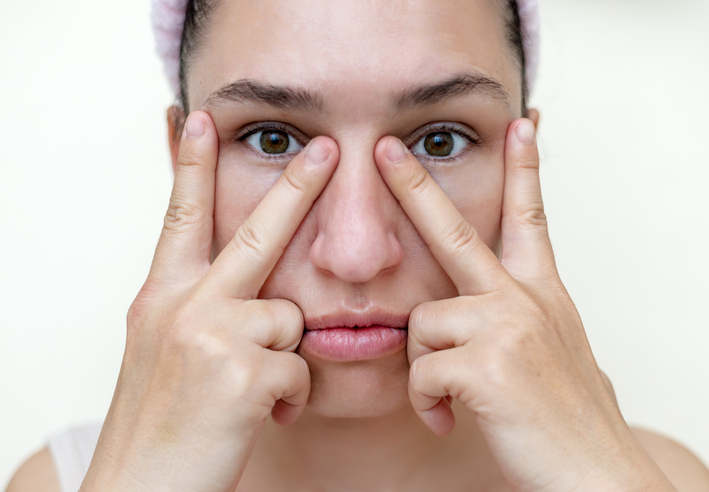
Is Face Yoga a Natural Hack for Younger-Looking Skin? I’m standing in front of a mirror with my fingers on my cheekbones, pressing down as I smile, release, and repeat — just doing my nightly “cheek lifter” push-ups. While you’ve probably done your fair share of downward dog and cobra pose, you may not have tried a different form of yoga gaining popularity: face yoga. Curious? I was — so I gave face yoga a try. What Is Face Yoga? Face yoga is a series of facial exercises intended to tone the muscles in the face. Those who practice face yoga in their daily routine say the exercises can reduce the signs of aging. “This is really a natural alternative to plastic surgery,” says Gary Sikorski, owner and creator of Happy Face Yoga. I’ll admit it, I was skeptical. (And I definitely felt a bit ridiculous doing the facial exercises at first — trust me, you will get strange looks from anyone you live with!) But there may actually be some validity to the idea of doing facial yoga on a regular basis. Murad Alam, MD, vice chair of the department of dermatology at the Feinberg School of Medicine at Northwestern University, conducted a study to assess the effects of a 20-week facial exercise program on middle-aged women. “I was initially skeptical, but our experimental data showed that — at least for some women — facial exercises done regularly for weeks resulted in fuller cheeks and a younger appearance,” Alam says. “More research is still needed, I believe. But the data suggests that facial exercises are more than wishful thinking.” Does Face Yoga Really Work? The benefits of face yoga are threefold, Sikorski says. Facial exercises increase blood circulation in the face, creating a healthier, more vibrant complexion. (Most people notice an improvement in their complexion first, Sikorski says, as blood circulation increases.) Face yoga also strengthens the face muscles, which can weaken as we age. And, in theory at least, face yoga may reduce the appearance of fine lines on the face. That last claim has been a subject for debate. For starters, wrinkles are caused by the decreased production of collagen and elastin as we age. Collagen and elastin are proteins in the skin’s connective tissue that help fight gravity and give skin its youthful tautness — and face yoga won’t replenish either of them. To replenish your body’s collagen levels, you’d need a supplement like BODi Bioactive Collagen Peptides. With just a 2.5-gram scoop, you can help increase skin elasticity and reduce the appearance of wrinkles.* But it’s possible strengthening the muscles beneath the skin’s dermal layers could help reduce the appearance of wrinkles, Alam says — “like re-inflating a deflated beach ball.” Still, skeptics question whether you can really build your facial muscles enough to make a visible difference. And some dermatologists have expressed concern that contorting your face into “yoga poses” may actually cause more wrinkles — though Alam says you probably don’t need to worry about that. “Each of the exercises is performed for just a minute or so a day,” Alam says. “We develop frown lines and smile lines from scowling or grinning for hours a day. I believe the exercises are too brief to cause wrinkles. Indeed, in our study, we did not observe any new wrinkles caused by the exercises.” 4 Face Yoga Exercises to Try I’ve only been practicing face yoga for a few weeks, so I can’t say for sure whether I’ll see dramatic results from doing facial exercises. But here’s what I’ve found so far: While facial exercises felt silly at first, they quickly became just another part of my nighttime routine. And I did appreciate the deliberate downtime face yoga provided — it was nice to swap 20 minutes of mindless online scrolling for a scented candle and a face workout. Face yoga also put me in touch with my skin — literally. I could tell right away when I needed a charcoal mask or an exfoliating scrub. Ready to try it out? Sikorski recommends these facial exercises to start with — aiming for about 15 minutes of facial exercises per day. 1. Cheek lifter This exercise is designed to strengthen the cheeks and define the upper lip. Open your mouth and form a long “0.” Fold your upper lip over your front teeth. Smile to lift the cheek muscles up. Lay your index fingers lightly on the top parts of your cheeks, right on top of the muscles and directly under your eyes. Relax the cheek muscles, allowing them to return to their original, relaxed position. Smile again with the corners of your mouth to lift the cheek muscles back up. Visualize pushing the muscles up toward your eyes as you smile. This is one cheek lifter “push-up.” Do 10. On the last rep, hold your cheek muscles up as high as you can. Imagine your cheeks are moving up from your face toward the ceiling. Hold this position for 20 seconds. Release and relax. Repeat this sequence three times. 2. Forehead smoother This exercise trains the muscle that extends from the eyebrows to the upper forehead, which can smooth the lines on the forehead and lift the eyebrows. Place your index and middle fingers across your forehead at the hairline. Press the entire length of those fingers down firmly onto your scalp, then slowly slide your fingers down your forehead toward your eyebrows, flexing your eyebrows tightly upward. Lift your eyebrows up against the pressure of your fingers. You should feel a tight band of pressure across your brows. Hold tight for 10 seconds and then release. Repeat three times, but on the third time, hold for 20 seconds. Repeat the entire sequence one more time. 3. Jaw and neck firmer This exercise can help tone the cheeks, strengthen the jaw, and diminish wrinkles on the sides of the chin. Open your mouth and make an “ahh” sound. Fold your lower lip and the corners

Is Face Yoga a Natural Hack for Younger-Looking Skin? Read More »
Ben Greenfield’s Critical 6 “H’s” of Health Optimization for Upgrading Your Body & Brain — Part 2

Ben Greenfield’s Critical 6 “H’s” of Health Optimization for Upgrading Your Body & Brain — Part 2 Are you considering jumping on the Ozempic bandwagon for weight loss, or curious about natural alternatives to GLP-1 agonists? Do The post Ben Greenfield’s Critical 6 “H’s” of Health Optimization for Upgrading Your Body & Brain — Part 2 appeared first on Ben Greenfield Life – Health, Diet, Fitness, Family & Faith. Are you considering jumping on the Ozempic bandwagon for weight loss, or curious about natural alternatives to GLP-1 agonists? Do The post Ben Greenfield’s Critical 6 “H’s” of Health Optimization for Upgrading Your Body & Brain — Part 2 appeared first on Ben Greenfield Life – Health, Diet, Fitness, Family & Faith. Hannah Miller{authorlink}https://bengreenfieldlife.com/article/six-tenants-health-optimization-part-2/Articles by Ben Greenfield – Ben Greenfield Fitness Discover the best life-hacking secrets for body, mind and spirit optimization, personal productivity, work-life balance, family, relationships, survival, spirituality & more! https://bengreenfieldlife.com/wp-content/uploads/2022/02/cropped-BGL-Favicon-negative-5@512-32×32.png

Ben Greenfield’s Critical 6 “H’s” of Health Optimization for Upgrading Your Body & Brain — Part 2 Read More »

Can’t Sleep After an Evening Workout? Follow These Tips to Power Down

Can’t Sleep After an Evening Workout? Follow These Tips to Power Down You planned to exercise earlier in the day, but life got in the way. Now you finally have time to squeeze in a workout, but it’s getting close to bedtime — and you’re worried that late-night activity will mess with your ability to fall asleep. You don’t want to be on a post-exercise endorphin kick at midnight, but you don’t want to skip a workout either — so what should you do? Here are some tips for when you can’t sleep after a workout. How Exercise Affects Your Sleep Habits For the most part, exercise and sleep have a positive impact on one another — research suggests people who sleep better tend to exercise, and vice versa. That said, exercise — especially high-intensity exercise — affects the body in a way that can make it tricky for some of us to get to sleep quickly afterward. When you work out, your metabolism and heart rate temporarily increase, which also bring an increase in nervous system activity, says Jeffrey Potteiger, Ph.D., associate vice provost of graduate school and professor in the department of movement science at Grand Valley State University in Grand Rapids, Michigan. These increases can keep your body in a heightened state, which delays your body’s process of preparing for sleep. 3 Remedies if You Can’t Sleep After a Workout “It takes two to three hours to power down after a workout,” Potteiger says. But tere are a few simple sleep routine tips you can use to get your body sleep-ready after a late-night exercise session. 1. Cool down (literally) As your body prepares for sleep, your core temperature drops. This signals to your brain that it’s nearly bedtime, says W. Chris Winter, M.D., sleep specialist and author of The Sleep Solution: Why Your Sleep is Broken and How to Fix It. Your body’s sleep-inducing chemicals won’t kick in until your body temperature drops — so if you’re still sweating from your late-night HIIT workout, that could delay your bedtime. To keep heat from messing with your sleep, focus on cooling down as quickly as possible after your workout. Winter suggests taking a lukewarm shower and drinking a glass of cold water. And make sure your bedroom environment is cool enough to encourage sleep. According to Winter, most of us fare well when temps are right around 68° F. If you can’t get your bedroom to an optimal temperature, look to the latest sleep tech — like sweat-wicking sheets and temperature-regulating pillows — to help cool you down. 2. Minimize light Light plays a major role in sleep regulation, and blue light, in particular, has a powerful effect on your circadian rhythm. In the morning, blue light from the sun helps wake you up. At night, however, blue light sends the wrong message: “It convinces your brain that the sun is rising again, which tends to block melatonin,” Winter says. (Melatonin is the hormone that regulates your sleep-wake cycles and helps you feel sleepy at bedtime.) Unfortunately, blue light is the bane of most people’s sleep hygiene: It’s everywhere — your phone, your laptop, your tablet, your TV, and fluorescent and LED lighting. Ideally, you should shut off screens about three hours before bedtime. If that’s not possible — maybe you stream your workouts online, or you just can’t resist scrolling through social media before bed — Winter recommends wearing blue-blocking glasses for three hours before bed. Research suggests this timing can help your sleep habits. One study found that adults who wore blue-blocking glasses for three hours before bed saw greater improvements in sleep quality by the end of three weeks than those who didn’t. And a study of teenage boys who used blue-blocking glasses during evening screen time revealed similar findings. 3. Meditate Research suggests that meditation can affect sleep habits. One study found that sleep-disturbed adults who followed a six-week mindfulness meditation program saw greater improvements in sleep quality, mood, and daytime energy than those who followed a six-week sleep education program. If you’re new to the practice, try a guided meditation. BODi’s Sound Meditation program features four categories of meditation, to help you relax, unwind, and get better quality sleep. Otherwise, simply take five minutes post-workout to sit in a quiet area and focus on relaxing your muscles. Start from your toes and progress to your head, Winter says. Or, choose an activity that you find relaxing and meditative — “Something you can get in the habit of doing as soon as the exercise is over to paint a picture for your nervous system that it’s time to start turning off,” Winter says. Just make sure you choose an activity that will calm you down, not rev you up — in other words, this may not be the best time to “relax” by catching up on The Walking Dead. The post Can’t Sleep After an Evening Workout? Follow These Tips to Power Down appeared first on BODi. You planned to exercise earlier in the day, but life got in the way. Now you finally have time to squeeze in a workout, but it’s getting close to bedtime — and you’re worried that late-night activity will mess with your ability to fall asleep. You don’t want to be on a post-exercise endorphin kick […] The post Can’t Sleep After an Evening Workout? Follow These Tips to Power Down appeared first on BODi. Kayne Toyosato{authorlink}https://www.beachbodyondemand.com/blog/cant-sleep-after-workoutBODi BODi is a Health Esteem platform to help you embrace the person you are today so you can take action to achieve all your health and fitness goals. https://bodiblog.wpenginepowered.com/wp-content/plugins/bod-blog/assets/vendor/beachbodydigital/wordpress-core-plugins/beachbody.png

Can’t Sleep After an Evening Workout? Follow These Tips to Power Down Read More »

What Is Gua Sha, and Does It Help With Muscle Pain?

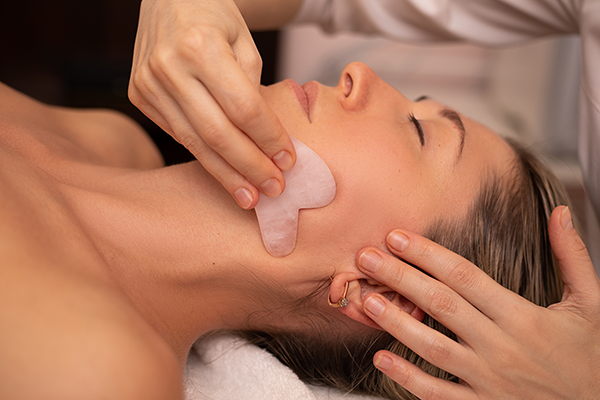
What Is Gua Sha, and Does It Help With Muscle Pain? You might have seen Instagram influencers scraping their bodies or faces with smooth stones or metal tools to help (as they claim) promote blood flow and range of motion, and even relieve minor pain or soreness. The traditional Chinese medicine practice, called gua sha, is touted as a form of lymphatic drainage massage. But before you try gua sha for yourself, there are some things you might want to know. Does it really work? What does the research show? Can you DIY at home? (And should you?) Here’s what you need to know if you’re thinking of trying gua sha for the first time or making it a part of your recovery routine. What Is Gua Sha? Gua sha is a practice in traditional Chinese medicine that dates back roughly 1,800 years. It’s essentially a massage: A practitioner rubs your body (or an area) with warm oil then uses a worn coin or spoon to briskly rub your skin in long lines. Other popular materials for these massage tools include rose quartz, jade, and metal. Gua sha is also called “coining” or “scraping” in the US, says Theresa Marko, PT, DPT, MS, a doctor of physical therapy and owner of Marko Physical Therapy in New York City. To get traditional gua sha, you’ll need to visit a traditional Chinese medicine practitioner or acupuncturist. However, there are a couple of similar practices used by other health-care professionals, explains Marko. Chiropractors use the Graston technique, which combines gua sha and modern myofascial release. Physical therapists use “instrument-assisted soft tissue mobilization” (IASTM). Both therapies use stainless steel tools. While all three scrape the skin using tools, the intention is different. The Graston technique and IASTM focus on myofascial release, or breaking up scar tissue and muscle adhesions. Gua sha “looks at pain as a symptom of imbalance,” explains Aliks K. Lessa, LAC, a licensed acupuncturist. It targets tight muscles with the goal of moving “stagnant” blood, reducing internal heat, and shifting negative energy in the body. However, the practice can leave behind red streaks and even some broken blood vessels at times. Does Gua Sha Help With Muscle Aches? Since gua sha is a form of massage, Marko says it is, in her professional experience, “really good for alleviating [soreness] from a muscle that might be in spasm or too tight.” Using gua sha tools to scrape the skin in spots where you’re sore “coaxes the body to release that deeply embedded tension,” explains Lessa, and adds some elements of acupressure, too. Research is limited but shows promise. In a small study, people with chronic neck pain treated with gua sha showed improvements after a week of treatment. They also had less pain while moving than those not given the treatment. A study on chronic low back pain found similar improvements in pain scores after gua sha. However, these studies are small, with no placebo, so the results aren’t definitive. Gua sha doesn’t work on all muscles, says Marko, since it’s a superficial treatment. “If you needed something deeper, like your piriformis muscle in your buttock area, scraping wouldn’t really get to it,” she says. For those types of aches, she recommends other forms of massage or physical therapy. How Often Should You Gua Sha? Lessa suggests getting gua sha once a week to help ease muscle tension. The bruising and red streaking is normal, Lessa confirms, but she wants them to heal fully before her clients come back. “Ordinarily, a week is enough time for that to occur,” she says. You can integrate gua sha with other products to relieve sore muscles. What Tools Are Used For Gua Sha? You should only get gua sha from a trained professional. Here’s a peek at the tools they might use: Roller tool Among the gua sha tools, the roller might be the most popular and recognizable. It often comes with a big and small side, with the smaller side used for more pressure or precise scraping. S-shaped tool Lessa explains this one is versatile, “working around fine bones like the ankles, wrists, and vertebrae, but also for wider more muscular areas of the body like forearms, calves, and hips.” Wing- or fin-type tool This tool is best for areas with “more muscle and less bone protrusion,” such as the sides of the neck, backs of the legs, and abdomen. Dolphin-shape tool Lessa uses the flat edge for larger areas, like the IT band, and the dolphin edge for “curving around delicate bones like the shoulder blades, collar bone, knees, and ankles.” Another common area for use is the jawline. Fish-shape tool Lessa likes this as a facial tool, to “work around small, sensitive bones like the brows and nose” or even the cheekbone. Spoon-type tool The spoon side is perfect for scraping painful areas while the smaller side can be used for acupressure. The post What Is Gua Sha, and Does It Help With Muscle Pain? appeared first on BODi. You might have seen Instagram influencers scraping their bodies or faces with smooth stones or metal tools to help (as they claim) promote blood flow and range of motion, and even relieve minor pain or soreness. The traditional Chinese medicine practice, called gua sha, is touted as a form of lymphatic drainage massage. But before […] The post What Is Gua Sha, and Does It Help With Muscle Pain? appeared first on BODi. Linnea Zielinski{authorlink}https://www.beachbodyondemand.com/blog/gua-shaBODi BODi is a Health Esteem platform to help you embrace the person you are today so you can take action to achieve all your health and fitness goals. https://bodiblog.wpenginepowered.com/wp-content/plugins/bod-blog/assets/vendor/beachbodydigital/wordpress-core-plugins/beachbody.png

What Is Gua Sha, and Does It Help With Muscle Pain? Read More »

How Often Should You Meditate to Reap the Benefits?

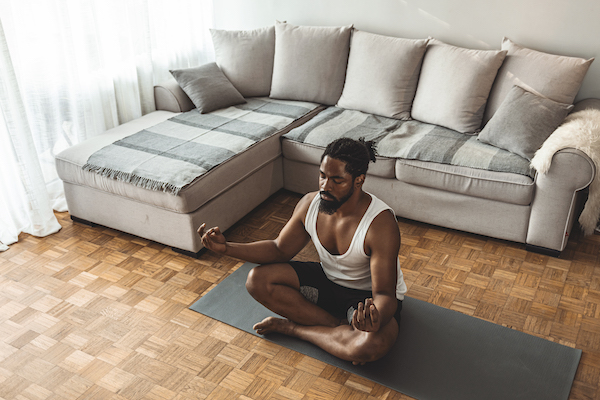
How Often Should You Meditate to Reap the Benefits? Let’s get one thing straight right away: You should meditate as often as you like and as often as it fits into your schedule. When trying to set up a meditation practice, “it’s important to be realistic with ourselves and our schedules. Otherwise we just end up not doing it at all,” explains yoga and meditation teacher Paige Allia, RYT 500. If you’re looking for a hard-and-fast goal, “most research on meditation is based on 20-minute sessions once a day for six to eight weeks,” explains meditation teacher Paul Harrison — but don’t beat yourself up if life gets in the way. These 20 minutes don’t have to be sitting meditation time, either. Allia sometimes starts beginner clients on walking or even coloring meditations, and combining meditation and exercise is just one tip for making daily meditation easier. Can You Meditate Too Much? A prolonged meditation practice hardly holds any risk to your physical health. Allia explains, however, that there have been cases of Tibetan monks meditating and fasting until they become living mummies and eventually die. So, if you find that your meditation practice is causing you to avoid your daily responsibilities, consider cutting back. Although research on meditation side effects is still thin, one study did find that unwanted effects were more likely in people who practiced for more than 20 minutes. Participants surveyed reported anxiety, depersonalization, stomachaches, headaches, and dizziness. How Long Should You Meditate Per Session? “To get most of the benefits of meditation, 20 minutes per day is ideal,” Harrison says. There’s little risk in more meditation, but there’s no benefit from staging a meditation marathon either. So, don’t force a more extended practice in the pursuit of benefits if a 20-minute daily routine would fit better in your schedule. If you have the time to conduct longer sessions, feel free. You don’t need a study to tell you if those extra 10 minutes help you feel better and benefit your mental health. If you’re busy enough that finding 20 minutes in your day sounds impossible, that doesn’t mean meditation isn’t for you. Like any other habit, meditation takes consistent practice, so it’s OK if you need to start with shorter sessions. “Even one moment, or one minute, can create a shift in your mood,” says Allia. She underscores that many of us have a vision of a person sitting cross-legged — but that’s not the only form of meditation. “Perhaps the moment is three deep breaths in and out while you are buckling your kiddo into the car seat,” she suggests. “Maybe it’s finding a little quiet while on a walk in the woods.” If you’re looking for a guided and more dedicated practice, BODi Sound Meditation videos use singing bowls and other instruments that emit soothing tones to help you relax and relieve stress. Each video is between five and 25 minutes, except the one for better sleep (and it’s more than OK if you fall asleep in the middle, since sleep is the goal). What If My Mind Wanders? If your mind wanders 10 minutes into your 20-minute guided meditation, that habit is not only normal but also expected. We’re all juggling dozens of concerns throughout the day. Trouble concentrating isn’t indicative of how long you should meditate. If they leak into your meditation practice, bring your focus back to the core of your meditation, whether it’s the sound of meditation singing bowls, the feeling and rhythm of your breath, or a mantra you’ve chosen. The post How Often Should You Meditate to Reap the Benefits? appeared first on BODi. Let’s get one thing straight right away: You should meditate as often as you like and as often as it fits into your schedule. When trying to set up a meditation practice, “it’s important to be realistic with ourselves and our schedules. Otherwise we just end up not doing it at all,” explains yoga and […] The post How Often Should You Meditate to Reap the Benefits? appeared first on BODi. Linnea Zielinski{authorlink}https://www.beachbodyondemand.com/blog/how-often-should-you-meditateBODi BODi is a Health Esteem platform to help you embrace the person you are today so you can take action to achieve all your health and fitness goals. https://bodiblog.wpenginepowered.com/wp-content/plugins/bod-blog/assets/vendor/beachbodydigital/wordpress-core-plugins/beachbody.png

How Often Should You Meditate to Reap the Benefits? Read More »

Conquer Daylight Savings With These Time Change Health Hacks

Conquer Daylight Savings With These Time Change Health Hacks For many of us, Daylight Saving Time marks a shift to better things: longer days… warmer nights… emptier gyms. But while moving the clock forward prepares us for spring, the resulting lost hour of sleep can wreak havoc on your regimen. Check out our 10 expert-approved transition tips on how to adjust to Daylight Saving Time. 1. Reset Your Evening Routine “Start going to bed and getting up 15 to 30 minutes earlier for two to three nights before Daylight Saving Time,” says Morgan Bettini, MS, RDN, LD/N. Bettini believes that an evening routine prepares the body for a good night’s rest. Here is a sample routine that she recommends: Dim the lights. Lay your clothes out for the next day. Do some easy stretches. Read to put yourself in the mood for sleep. 2. Nap Freely Sleep when you’re tired so that you aren’t catching up on yesterday’s work. A nap can positively impact your mental sharpness and emotional well-being. Studies show there’s an increase in car accidents following the Daylight Saving time change due to fatigue. Instead of pushing through a long day, take a break and catch some z’s before driving anywhere. 3. Regulate Caffeine Intake Coffee, sodas, and energy drinks are popular sources of caffeine, which is known to affect your sleep schedule. Functional nutritionist Jessica Tate, CNC, recommends the following ways to keep your caffeine intake in check around the time change: Cut caffeine after 2:00 p.m. Limit coffee consumption to one cup per day. Consider drinking green tea, matcha tea, and herbal tea. 4. Meal Prep Cooking is one of the last things we want to do when we’re tired from the time change. Meal prep makes eating a cinch. “Start meal prepping with simple steps, like bringing snacks to work or roasting a large pan of broccoli to eat for a couple of days. You don’t have to prep these elaborate meals to still soak in the benefit of a little advanced planning,” says Bettini. 5. Resist Cyberloafing “People are more tired and less focused because the kind of light our phones emit messes with our circadian rhythms before bedtime,” says Tate. “While certain sleep apps and supplements can help people get into a restful state, they’re simply Band-Aids for a deeper issue happening internally.” Studies show that our circadian rhythm is the result of physical, mental, and behavioral changes that follow a daily cycle. When we mess with that rhythm with poor sleep hygiene, we can throw off our body’s biological clock. “The body was innately designed to fall asleep naturally. So, if you have trouble with sleeping, be sure to talk with a holistic healthcare provider to help you get to the root cause of the issue,” Tate says. 6. Curb Daylight Cravings Daylight saving may adversely affect appetite, resulting in unwanted cravings. Research suggests that sleep deprivation triggers the reward center in our brains, compelling us to consume more calories than are warranted by those extra waking hours. To curb cravings, Tate suggests limiting carbohydrates and eating more healthy fats, which will sustain your body longer. Some examples of fats Tate recommends include: Avocado (considered one of the healthiest foods on the planet for its well-rounded nutritional profile). Fatty fish (choose a wild-caught white fish for higher nutrition and fewer toxins). Nut and seed butters (any nut or seed works; choose one without added oils or sugars). Pasture-raised eggs (the whole egg is necessary for essential nutrients for the brain and overall system). 7. Keep Hydrated (No, Really) “Our bodies are mostly water, so it makes sense that we need a lot of it, and on a regular basis,” says Bettini. “Otherwise, it can decrease our blood pressure and make us feel sleepy,” further compounding existing time change-related exhaustion. By the time you’re thirsty, you’re already dehydrated. So drink ample water after the time change to get through your to-do list. “Everyone’s water needs are different, but a good goal is 8 to 10 cups per day for most people,” says Bettini. “If someone isn’t used to this amount, it’s important to adjust slowly and over time so the body can get used to it.” Another good method to measure your water intake is to try for half your body weight in ounces daily. If you weigh 150 pounds, that means you should try to drink 75 ounces of water every day. 8. Recharge With a Morning Workout Lack of sleep following Daylight Saving Time can mess with your dopamine levels. Combat exhaustion and get a happiness boost by sticking to a morning workout routine (even when it’s still dark outside!). “Exertion of energy first thing in the morning can wake you up, make you feel better, and gives you a dopamine release, ” says Wayne Stewart, NASM-CPT, CYT. “The dopamine can help you focus, and relieves stress brought on by changes to your schedule.” Stewart’s go-to morning workout is high-intensity intervals (after a 10- to 15-minute warm-up). But even just challenging yourself with a few sets of a total-body exercises such as the burpee or bear crawl will do the trick. Morning Meltdown 100 with BODi Super Trainer Jericho McMatthews can help you start your day with a 20- to 30-minute workout that’ll make you feel stronger, more accomplished, and less stressed. In each workout, you’ll get a mix of HIIT, resistance training, active recovery, and mobility so you have enough variety to prevent plateaus and keep having fun. 9. Try Myofascial Massage Sudden onset stress brought on by disruptions to your routine — like a change in sleep pattern — can create muscle tension. Foam rolling can ease that tension by massaging and increasing blood flow to your muscle and fascia (connective tissue). “Foam rolling is essential for healthy functioning muscles to release tension from strain or stress placed on the body,” Stewart says. “It allows the fascia within the body to be manually manipulated.” Stewart likes to use the foam roller on these areas of the body: The upper leg (hamstrings and quads) and lower leg

Conquer Daylight Savings With These Time Change Health Hacks Read More »

7 Breathing Techniques to Help You Sleep Like a Baby

7 Breathing Techniques to Help You Sleep Like a Baby You may not need pills, drinks, or weighted blankets to help you fall asleep faster. You may not even need to spend a cent — simply harness the power of your breath. Certain breathing techniques for sleep may help you get a good night’s rest. Research shows that deep, slow breathing activates the parasympathetic nervous system — the “rest and digest” part of the nervous system — and reduces activity of the “fight or flight” sympathetic nervous system. This has several sleep benefits. “When we regulate our breath, we turn our attention to our breath and bodies, which helps us release outside distractions and find a calmer state,” says yoga instructor Jamie King, E-RYT 500. It also helps reduce levels of the stress hormone cortisol and increase levels of melatonin, which regulates the sleep-wake cycle. Ready to give it a shot? King recommends trying these breathing techniques for sleep as part of your bedtime routine. 1. 4-7-8 Technique “When your exhale is longer than your inhale, you help reduce the activation of your stress state and encourage your body to move into a thrive state,” King says. Here’s how to do the 4-7-8 breathing technique: Find a comfortable position sitting or lying down. Inhale through your nose as you count to four. Pause when your lungs are full, and hold the breath as you count to seven. Slowly exhale through your nose as you count to eight. Repeat these steps for several rounds or minutes. If 4-7-8 feels too long, begin with a 3-4-5 pattern and work up from there, King says. 2. 4×4 Technique Also called box breathing, the 4×4 breathing exercise helps “quiet the mind with a task,” says yoga teacher and reiki practitioner Ariele Lanning, E-RYT 200, while also shifting you toward a parasympathetic state. Here’s how to do it: Find a comfortable position sitting or lying down. Inhale through your nose as you count to four. Pause when your lungs are full and hold the breath as you count to four. Slowly exhale through your nose as you count to four. Pause when your lungs are empty and hold the exhale as you count to four. Repeat these steps for several rounds or a few minutes. 3. Bhramari Pranayama (Humming Bee Breath) In a 2021 study, practicing bhramari pranayama (also called humming bee breath) for six weeks helped improve sleep quality and reduce stress in students. Here’s how to do it: Find a comfortable seated position. Take four slow, deep breaths to ground yourself. Inhale and, on the exhale, make a low-pitched tone (like a bumble bee buzzing). Note how the sound resonates throughout your body as you do this. Repeat for about five to 10 breaths. Finish the practice by taking four slow, deep breaths. 4. Diaphragmatic Breathing This breathing technique for sleep helps lower cortisol, reduce anxiety, and, according to a 2021 study of 140 nurses, improve sleep quality. Lanning explains how to do belly breathing: Lie down on your back and place your hands on your lower abdomen. Inhale, slowly drawing your breath into the lower belly, feeling it press into your hands — your chest should barely move. Exhale slowly, feeling your stomach fall away from your hands. Continue this deep diaphragmatic breathing for several minutes. 5. Three-Part Method Once you feel comfortable with diaphragmatic breathing, you can take it to the next step with this practice to promote a sense of calm, Lanning says. Lie down on your back and place your hands on your lower abdomen. Start with three diaphragmatic breaths. On the next breath, inhale deeply and slowly. Aim to fill your diaphragm one-third of the way into the breath. On the same inhale, begin filling your rib cage on the next third of the breath. On the final third of the inhale, fill your chest. Let the exhale happen just as slowly, releasing in the opposite direction: First your chest, then your rib cage, then your belly. Repeat this slow inhale and exhale for several rounds or minutes. 6. Alternate-Nostril Breathing This breathing technique helps lower heart rate and may reduce anxiety. “Alternate-nostril breathing helps you focus on breathing through the nose, which helps to bring our body to a more relaxed state and prepare for sleep,” King says. Here’s how to do it: Find a comfortable position sitting or lying down. With your right hand, bend your index and middle fingers or rest them gently on your forehead. Then place your right thumb and ring finger on either side of your nose. Take a few regular breaths. Close your right nostril with your thumb and inhale through your left nostril. Close your left nostril with your ring finger and open your right nostril to exhale. Then inhale through just the right nostril. Close your right nostril and open your left nostril to exhale. Then inhale through just the left nostril. Continue repeating this pattern for several rounds or minutes. Complete the practice with a few deep breaths. 7. Sound Meditation You might also want to consider sleep meditation. These practices help quiet your mind so it’s easier to doze off. BODi’s Sound Meditation, led by international sound meditation facilitator and musician Scarlett de la Torre, uses various instruments to create a “sound bath” that promotes relaxation. The post 7 Breathing Techniques to Help You Sleep Like a Baby appeared first on BODi. You may not need pills, drinks, or weighted blankets to help you fall asleep faster. You may not even need to spend a cent — simply harness the power of your breath. Certain breathing techniques for sleep may help you get a good night’s rest. Research shows that deep, slow breathing activates the parasympathetic nervous […] The post 7 Breathing Techniques to Help You Sleep Like a Baby appeared first on BODi. Kayne Toyosato{authorlink}https://www.beachbodyondemand.com/blog/breathing-techniques-for-sleepBODi BODi is a Health Esteem platform to help you embrace the person you are today so you can take action to

7 Breathing Techniques to Help You Sleep Like a Baby Read More »

What Are the 7 Chakras? A Beginner’s Guide

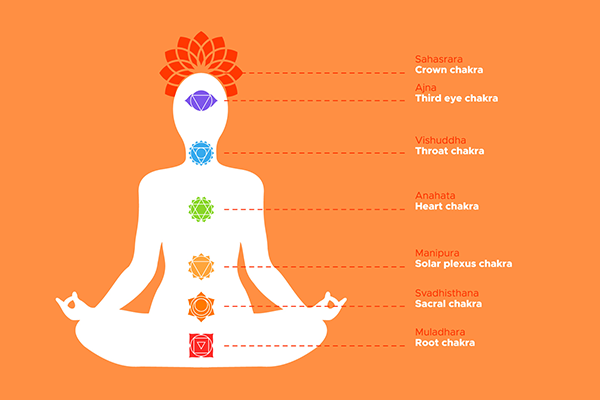
What Are the 7 Chakras? A Beginner’s Guide You’ve taken a yoga class or two. While you may not think of yourself as a yogi quite yet, you know the difference between mountain pose and chaturanga. But your instructor keeps tossing around one word that throws you off balance (literally!) every time — chakras. Cakra is Sanskrit for “wheel,” and this yoga term refers to an energy center in the body. Think of chakras as focal points for physical, mental, and emotional energy. There are hundreds of chakras throughout the human body, but only seven major chakras affect your daily life, according to yogis. Keep reading to learn more about what chakras do and how you can open them. What Does a Chakra Do? The “job” of a chakra is to oversee all things psychological, physical, and spiritual. Your chakras hold energy, emotions, thoughts, and experiences specific to the area they influence. You might hear talk of opening, aligning, or grounding your chakras. Taylor Briggs Nabavi, E-RYT 200, says that you can use the chakras as a lens to seek balance and end mental suffering. “Chakras are a great complement to the Western psychological system,” she says. “In talking about your past and experiences, certain emotions and energy are unearthed. The chakra system invites us to explore the energy blockages that may have been created through those experiences and to welcome balance through focused meditation and reflection in those areas.” What Are the 7 Chakras? The seven chakras you hear about most often run up and down your spine, and when they are “open,” your energy flows freely. Here’s a look at where they’re located, what they “oversee,” and the color associated with each one. 1. Root Chakra (Muladhara) Location: Base of spineIntention: Primarily deals with survival and the physical bodyColor: RedArea of the body: Adrenal glandsSupports: Your need to feel safe and secure 2. Sacral Chakra (Svadhisthana) Location: SacrumIntention: Governs your emotions and creativityColor: OrangeArea of the body: Reproductive organsSupports: Your ability to sustain healthy relationships 3. Solar Plexus Chakra (Manipura) Location: BellyIntention: Your ability to radiate personal power and confidenceColor: YellowArea of the body: Digestive systemSupports: Your habits, judgments, and opinions 4. Heart Chakra (Anahata) Location: HeartIntention: The core of the true self; the first chakra that moves from “me” to “we”Color: GreenArea of the body: Circulatory system and the heartSupports: Your ability to love yourself and others by guiding you toward compassion 5. Throat Chakra (Vishuddha) Location: ThroatIntention: PurificationColor: BlueArea of the body: Neck, jaw, teeth, and mouthSupports: How you communicate and express yourself 6. Third Eye Chakra (Ajna) Location: Top of the spinal column into the space between your eyebrowsIntention: Helps you look into the future and manifest your dreamsColor: Violet or indigoArea of the body: Pituitary and endocrine glandSupports: Your intuition 7. Crown Chakra (Sahasrara) Location: Right above the headIntention: The beginning of a transcendental path (beyond the physical or emotional)Color: WhiteArea of the body: Pineal glandSupports: Helps you reach spiritual awakening How Do You Open Your Chakras? There’s no right or wrong way to “open” or align your chakras. To do so simply means you’re working on the areas associated with that chakra. To “open” your heart chakra, for example, might involve yoga poses that stretch your chest, a meditation on love, or a visualization of your heart opening and the color green. When you’re just getting started, “the lower chakras are sometimes more tangible,” explains Briggs Nabavi. And, since the chakras are connected, “balance or imbalance in one chakra can interfere with how another chakra is flowing,” she says. Here are some tried and true ways to open or align your chakras: Meditation, including BODi Sound Meditation Yoga Mantras Visualization Try this chakra meditation provided by Briggs Nabavi: Find a comfortable seat, sit up tall, and find your breath. Close your eyes, take a full breath in and full breath out. Create a rhythm with your inhales and your exhales. Then, imagine a current of energy running from the base of your spine out through the crown of your head. Focus on each chakra, envisioning the color and trait associated with each one. Move through one at a time, as slowly as you want. Once you finish meditating on all the chakras, feel free to repeat the cycle. Next time you feel stalled or inhibited by an emotion, pause and check what chakra that emotion is tied to. Practice one of the above ways to open that chakra and better find balance. The post What Are the 7 Chakras? A Beginner’s Guide appeared first on BODi. You’ve taken a yoga class or two. While you may not think of yourself as a yogi quite yet, you know the difference between mountain pose and chaturanga. But your instructor keeps tossing around one word that throws you off balance (literally!) every time — chakras. Cakra is Sanskrit for “wheel,” and this yoga term refers to an […] The post What Are the 7 Chakras? A Beginner’s Guide appeared first on BODi. Brit Yeager{authorlink}https://www.beachbodyondemand.com/blog/chakras-for-beginnersBODi BODi is a Health Esteem platform to help you embrace the person you are today so you can take action to achieve all your health and fitness goals. https://bodiblog.wpenginepowered.com/wp-content/plugins/bod-blog/assets/vendor/beachbodydigital/wordpress-core-plugins/beachbody.png

What Are the 7 Chakras? A Beginner’s Guide Read More »

How Long Should You Meditate?

How Long Should You Meditate? Meditation can feel, well, a lot like doing nothing if you’re new to the practice. Newcomers can feel frustrated or like they’re “failing.” (By the way, it’s impossible to fail at using meditation to combat stress unless you don’t do it at all.) But the benefits of meditation are big for those who consistently show up. So, how much meditation is necessary in order to reap those rewards? It’s not as simple as a single number, says meditation and yoga teacher Paige Allia, RYT 500. But there are some general suggestions that can help you build a fulfilling meditation practice. How Long Should Beginners Meditate? There’s no wrong answer here. “Simple answer, five to 15 minutes is a common amount of time to set as a goal,” says Adam Weinberg, a meditation teacher and founder of Relax with Adam. “If your practice includes counting breaths or setting a timer, then 12 breaths is a nice two-minute check-in, 36 breaths takes around five minutes, and 108 breaths is a good 15-minute practice.” But it may take some time to find the right meditation length for you. What Happens When You Meditate Longer? When you meditate, it impacts your brain waves, shifting you from the beta waves of daily work and multitasking to alpha, theta, delta, and gamma waves that help you hone your focus. Physiologically, the goal is to get your body out of “multi-focus mode of beta,” Weinberg explains. You’re switching into the parasympathetic state, or “rest and digest” state, in which you feel more relaxed, your heart rate slows, and (an easy thing to watch out for) you produce more saliva. Each of these brain waves marks a deeper state of relaxation that takes longer to achieve — but spending time in any of them is an improvement over beta mode. Don’t Worry About Setting Goals Don’t get hung up on the clock. “Five minutes can feel so long, especially as we begin but also depending on the day and how we might be feeling in our own bodies and spaces,” explains Allia, who is certified in trauma-informed yoga. “So maybe we simply pause when we notice our minds spinning, we take softer and smoother breaths, and then when we feel ready, we meet the day again.” Overall, she urges you to “consider your reality” when setting goals. If you’re a parent juggling kids studying at home, paying the bills, and your own job, “maybe your meditation practice looks like a moment as you are buckling your seatbelt in your vehicle and you consciously breathe, say an affirmation, come home to yourself.” BODi Sound Meditation is perfect for our busy, stress-filled world. Some of the sessions are as short as 10 minutes. How Long Should Regulars Meditate? Maybe you’re no newcomer to meditation, but you’re still looking for answers here. In that case, both Allia and Weinberg agree that it’s about what you need as an individual. That might not mean meditating more than 15 minutes a day. There are other ways to further your practice. Weinberg offers himself as an example: Sometimes he’ll focus on getting a personal best, such as three months of consistency, meditating every day. Stay open to what works best for you. Allia underscores that meditation practice is more about quality than quantity, adding that “the time often grows as the quality does.” Leave room for your meditation to evolve depending on what you need and know there are plenty of resources available to fit your changing goals. The post How Long Should You Meditate? appeared first on BODi. Meditation can feel, well, a lot like doing nothing if you’re new to the practice. Newcomers can feel frustrated or like they’re “failing.” (By the way, it’s impossible to fail at using meditation to combat stress unless you don’t do it at all.) But the benefits of meditation are big for those who consistently show up. So, how much […] The post How Long Should You Meditate? appeared first on BODi. Linnea Zielinski{authorlink}https://www.beachbodyondemand.com/blog/how-long-should-you-meditateBODi BODi is a Health Esteem platform to help you embrace the person you are today so you can take action to achieve all your health and fitness goals. https://bodiblog.wpenginepowered.com/wp-content/plugins/bod-blog/assets/vendor/beachbodydigital/wordpress-core-plugins/beachbody.png

How Long Should You Meditate? Read More »

Target takes on affordable wellness (and we’re so here for it)

Target takes on affordable wellness (and we’re so here for it) We’ve all been about slow wellness here on the Blogilates team. Listening to our body, indulging in things that just FEEL good.  This was a little manifesto I wrote for our first launch of the year.   View this post on Instagram   A post shared by POPFLEX (@popflex_active) This year, wellness for me looks like… finding movement that feels good to me and fits naturally into my schedule. It may be a run one day and a slow morning walk the next. I’m also trying to build more boundaries around my schedule so I can relish the few hours with my 4-year-old between school pick-up and bedtime.   And instead of (always) ending my days with my fav Netflix show I’m trying to find a shift to softer evenings… lighting my favorite candle, and journalling or reading a book. Wellness to you may be very different from the ways I’m finding wellness in my life. I feel like the word wellness is often branded as a spa weekend, with a high price tag and crystals whose names you cannot pronounce. But really wellness is so, so much more (although we always love a little spa moment). For our team, we’ve been talking a lot about the word. What ‘wellness’ means to us Here are some keywords that came to mind on the team. Warmth – The feeling of the sun on your face, a bowl of good soup that literally warms your soul. Travel – Whether it’s hopping on a 10-hour flight, or checking into a hotel 10 minutes away. Just getting time away to recharge in a new environment. Purpose – This is a biggie. Building a life of purpose, and taking time to make sure your day-to-day is building upon your legacy and purpose. Home – We’re kinda all homebodies on the team. So it’s so important to build a space that feels like a reflection of you and is functional for YOUR life. Style – Okay, I’m not going to lie. I wear POPFLEX 99% of the time. But I’m relishing trying to build more of a style and staple wardrobe (s/o to Nuuly for helping me discover new things!). Plants – Are plants the ultimate adulthood flex? Like, plants are the first thing I notice when I go into someone’s home. If they have thriving foliage, I have major respect. Cassey’s Fiddle Leaves are serious goals.   View this post on Instagram   A post shared by Plants Spark Joy (@plantssparkjoy)   It’s the sum of the little everyday moments that bring you joy. It’s building intention of the things that bring you happiness and peace, and a similar awareness of the things that rob you of those things (and building boundaries to protect yourself from those things). Wellness is the mindset that it’s okay to take time for yourself, and intentionally do things that you enjoy. And for any of my fellow mums out there, this can feel especially hard to find the time to do. And the best part? It takes $0 to take a walk around your neighborhood or look up a free guided breathwork. But honestly, lately, I’ve found myself being a little bit more indulgent in things that make me happy… and by ‘indulge’ I don’t necessarily mean dish out my paycheck. Instead, it’s more of a mindset that I’ve allowed myself to get things that yeah sure maybe I don’t “need” but they make me happy. I don’t need to girl math my way into a hair mask or a cozy blanket. That’s why my obsession with Target has literally tripled already this year as they announced they are diving deeper into all things wellness. By deeper I literally mean 1,000 new Target wellness products! Yeah. And they start at $1.99. These are my 10 favorite wellness products at Target   1. The Blogilates Water Bottle Sling SHOP BLOGILATES WATER BOTTLE SLING Hydration = wellness, and when you can tote around your bottle in such a cute bag it’s a no-brainer. (yes this is the viral bottle bag that sold out in 24 hours. And yes… it’s is officially back).   2. A cozy blanket Image: Target SHOP FAUX FUR BLANKET My favorite part of the weekend is movie nights with my 4-year-old. We order take-out, we get cozy with a blanket and there is always, always dessert.   3. This Casaluna comforter Image: Target SHOP LINEN COMFORTER I am making it my mission in life to do a better job at making my bed every day. And this started with giving my linen closet a little makeover last week. Cue: cozy comforters + fun sheets. And this may not technically be one of the Target wellness products, but it’s wellness for me.   4. A Blogilates yoga mat Image: Target SHOP BLOGILATES YOGA MAT Lately, I’ve been using my mat more for sound baths + breathwork, and the jury is still out for me on those practices — I feel like I’ve had amazing experiences and ones where I leave feeling anything but Zen. Regardless, this is my fav mat for so many reasons… but the main one is the vegan suede that literally feels like you are laying a cloud.   5. A luscious hair mask Image: Target SHOP HAIR MASK This hair mask is now a staple in my everything shower. I feel like my hair has been growing like crazy, but lately it’s feeling like an overgrown haystack and this mask leaves it feeling glossy and it smells. so. good.   6. Bala Bangles Image: Target SHOP BALA BANGLES AT TARGET   We love a matching moment, and these Bala bangles match back to Target’s new Stanley colors (I mean… that’s next level).   7. Goop Daily Juice Cleanser   Image: Target SHOP GOOP DAILY JUICE CLEANSER The only way I can do my skincare is if it EXCITES me. And goop at

Target takes on affordable wellness (and we’re so here for it) Read More »