Other Wellness

Auto Added by WPeMatico

Feel Cold All the Time? Here Are 5 Possible Reasons Why

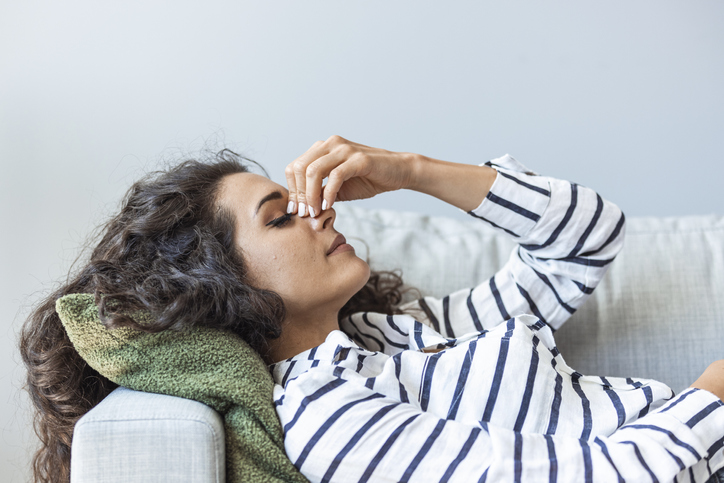
Feel Cold All the Time? Here Are 5 Possible Reasons Why Do you find yourself asking, “Why am I always cold?” Or needing a blanket when dining al fresco in 70-degree weather or a hot latte to warm your hands — even though you’re indoors? If any of the above scenarios apply to you, you’re not alone. Many people report continually feeling cold — otherwise known as “cold intolerance” — even when it’s objectively mild outside. There are several factors that may be causing you to feel cold, and while many of them are manageable and easily identified, others may require a bit more sleuthing with the help of a seasoned medical professional. Dr. Michael Gill, internal medicine physician at Advocate Health Care, and Dr. Daniel Rausa, gastroenterology fellow at Lenox Hill Hospital in New York, share five of the most common explanations for perpetual chills. 1. Anemia If patients aren’t getting enough oxygen via the blood, they might have anemia, a condition typically resulting from iron deficiency. It’s accompanied by feelings of fatigue, shortness of breath, and coldness, since certain tissues aren’t getting the oxygen required for normal function. “If you’re a woman with very heavy periods and have been more tired lately, or someone who has been experiencing irregular shortness of breath during their workouts, it might be because of an iron deficiency,” says Gill. What to do: Bloodwork would reveal any vitamin deficiency that may be causing coldness and could help doctors determine the best dosage and choice of vitamin to incorporate into your routine. 2. Hypothyroidism Fatigue, hair loss, an altered texture or appearance of skin, and sudden weight change are all potential signs of hypothyroidism. Under this condition, the thyroid doesn’t produce the required amount of hormones for normal everyday function. “When we think about the thyroid, we’re thinking about how fast your engine is running,” says Gill. “If it’s running too slow, you might gain weight, feel more tired, and feel colder than usual because the engine isn’t warming up like it should be.” What to do: If bloodwork determines hypothyroidism, hormone replacement therapy may help to restore healthy thyroid levels. 3. Raynaud’s Phenomenon If your extremities feel the biggest chill — especially in cooler temperatures — it may be due to Raynaud’s phenomenon, a condition that causes the constriction of blood vessels that people most often feel in their fingers and toes. “When you go outside on a cold day, your blood vessels are supposed to dilate [widen] to warm your hands. But people with Raynaud’s experience the opposite reaction — the vessels narrow to make the hands feel even colder,” says Gill. What to do: Gill’s rule of thumb when it comes to Raynaud’s? Bundle up. “When you go outside, be sure to cover your extremities as best you can — warm socks and mittens are key.” 4. Low Body Fat Adipose tissue, or body fat, is more than just stored energy — it insulates the body, acting “as a barrier to heat loss,” according to researchers. Factors contributing to inordinately low body fat, or underfat, include disordered eating, malnutrition, genetics, illness, and even too much exercise. And if you’re underfat because of disruptions in eating, your metabolism can additionally slow down, worsening your cold intolerance. What to do: With the help of a nutrition specialist, a doctor can recommend an eating and exercise plan that promotes healthy, sustainable weight gain. 5. Diabetes When not carefully regulated, diabetes may cause nerve problems that can lead to the altered perception of touch and sensitivity to the cold. “When the nervous system is affected, people have a difficult time in regulating their environment,” says Rausa. What to do: As with all of the aforementioned scenarios, Rausa recommends developing a comprehensive plan with your doctor to determine the best way to manage and resolve symptoms. “With neuropathy from diabetes, it’s important to manage symptoms with lifestyle changes, diet, and medication, depending on specific variables to be discussed with your doctor.” Is It Normal to Always Feel Cold? When seeing patients who complain of constantly feeling cold, Dr. Gill always starts with one important question: How long have the symptoms been occurring? “If it’s a case where a patient has been experiencing symptoms for their entire life, it’s very possible that that’s just how their body operates. But if symptoms started for the first time a week ago, then there may be a medical issue,” he says. “It’s the reason I always ask patients if these sensations are relatively new, followed by whether they’re experiencing any other symptoms that accompany this one.” Dr. Rausa agrees. “We always like to start with what we call a ‘review of systems,’ in which we get a broad overview of the patient’s current state and a sense for whether there are other symptoms potentially causing the primary symptom of feeling cold,” he says. Symptoms like fatigue, hair loss, weight gain, or weight loss all might raise flags for doctors when speaking with patients. Such symptoms may signal an array of underlying medical issues, from anemia to hypothyroidism. For this reason, Rausa stresses the importance of having a comprehensive conversation with your doctor about your health. He also suggests keeping a journal of symptoms to share with your doctor, to ensure you leave no stone unturned. “What it boils down to is: What is the bigger picture saying? What other symptoms might be occurring that the patient and doctor can really home in on together to unearth what’s really going on to cause these symptoms?” If you’re looking for an effective at-home healthcare option, Hello Alpha will connect you with board-certified professionals. They offer 24/7 messaging with licensed clinicians, prescribe and deliver medications, and provide confidential, personalized guidance on weight loss, mental health, and GLP-1 drugs. The post Feel Cold All the Time? Here Are 5 Possible Reasons Why appeared first on BODi. Do you find yourself asking, “Why am I always cold?” Or needing a blanket when dining al fresco in 70-degree weather or a hot latte to warm your hands —

Feel Cold All the Time? Here Are 5 Possible Reasons Why Read More »
10 Tips to Have a Healthier Valentine’s Day

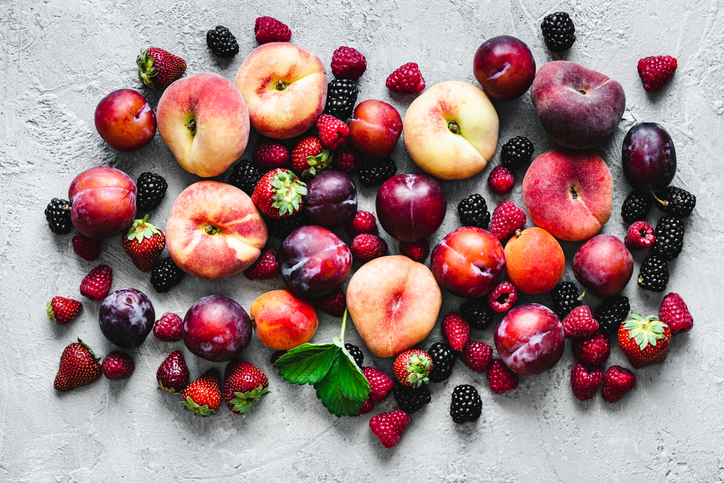
10 Tips to Have a Healthier Valentine’s Day When you’re trying to stick to a healthier lifestyle, holidays can be a challenge, and Valentine’s Day is no exception. All those Valentine’s Day treats — like candy hearts, boxes of chocolate, decadent dinners, and glasses of bubbly — can put your willpower to the test. So how can you enjoy the lovefest without abandoning your healthy habits and fitness goals? Here are 10 simple hacks for a healthier Valentine’s Day. 1. Cook a Romantic Dinner at Home Let’s be real — dining out on Valentine’s Day usually means scoping out a reservation weeks in advance, braving the crowds, and paying way too much for a prix fixe meal. Save the headaches, cash, and calories by cooking dinner at home instead. 2. Get Festive With Fruits Valentine’s Day typically means making everything from cupcakes to candy to beverages dyed in a festive shade of red or pink. Instead of using additives, get in the spirit with naturally rose-hued foods like beets, strawberries, and raspberries. One great option: Start your day with this strawberry Valentine’s Shakeology smoothie. It’s got 19 grams of protein, 9 grams of fiber, and probiotics. 3. Plan an Active Date Night There’s no rule that your Valentine’s Day plans have to include a quiet dinner and cuddling on the couch. Make Valentine’s Day healthier (and more fun!) with active date ideas — go for a hike, take an acro yoga class, try axe throwing, or go out dancing. 4. Upgrade Your V-Day Candy Those chocolate samplers might as well be the official symbol of Valentine’s Day, but if you’re trying to stick to a healthy eating plan, opt for healthier Valentine’s Day candy — like lower-sugar versions of your favorite sweets, or homemade truffles made with strawberries and unsweetened coconut. Even better: Surprise your partner with a yummy fruit basket instead. 5. Watch Your Wine Intake Alcohol is typically full of empty calories, so whether you’re toasting with bubbly or sipping red wine, keep your portions in check. Instead of filling your glass, measure out a five-ounce serving — and alternate between alcoholic beverages and water or seltzer. 6. Stay On-Track With Healthy Food Swaps Whether you’re planning your Galentine’s Day party menu or baking a Valentine’s Day dessert for your sweetie, a few simple food substitutions can help you cut back on added sugar and empty calories. Try these: When baking, use unsweetened applesauce in place of sugar. (You may need to reduce the amount of oil you use so the recipe isn’t watery.) For dip recipes, replace sour cream with low-fat Greek yogurt — you’ll get less fat and more protein (around 3 grams per ounce of yogurt). Use mashed banana as a substitute for butter in recipes. (Use a one-to-one ratio, but reduce your cooking time by 25 percent.) Substitute pureed black beans or white beans for all-purpose flour in recipes for cookies, cupcakes, or brownies. Swap out chips and crackers for spiced popcorn or roasted chickpeas. 7. Exchange Gifts That Support Your Goals Instead of the usual cliché Valentine’s Day gifts, ask for something that will help you achieve your fitness and nutrition goals — like some stylish activewear, a streaming workout subscription, or useful kitchen tools. Sure, getting a veggie spiralizer or pressure cooker for Valentine’s Day might sound like the least romantic gift idea ever. But think about it — while roses will be wilted in a week, you’ll be making your favorite InstantPot recipes for years to come! 8. Choose Healthier Desserts If you’ve been thinking about Valentine’s Day desserts since the first minute of February, you don’t have to skip out on sweets altogether. But branch out from your usual pink confetti cupcakes and use V-Day as an excuse to try a healthier dessert recipe, like these chocolate-dipped strawberries or red velvet Shakeology waffles. 9. Get Creative With Valentine’s Day Treats for Kids Need to send in kid-friendly treats for a classroom party? Think outside the usual sweets and send non-food goodies instead — like stickers, crayons, or heart-shaped sunglasses. (Their teachers will thank you!) 10. Don’t Forget Self-Care Valentine’s Day is all about celebrating the people you love — and that list should include you! Be sure to include some simple self-care routines in your Valentine’s Day plans, like starting a gratitude journal, scheduling a massage, or trying a walking meditation. The post 10 Tips to Have a Healthier Valentine’s Day appeared first on BODi. When you’re trying to stick to a healthier lifestyle, holidays can be a challenge, and Valentine’s Day is no exception. All those Valentine’s Day treats — like candy hearts, boxes of chocolate, decadent dinners, and glasses of bubbly — can put your willpower to the test. So how can you enjoy the lovefest without abandoning your healthy habits […] The post 10 Tips to Have a Healthier Valentine’s Day appeared first on BODi. Kara Wahlgren{authorlink}https://www.beachbodyondemand.com/blog/healthy-valentines-dayBODi BODi is a Health Esteem platform to help you embrace the person you are today so you can take action to achieve all your health and fitness goals. https://bodiblog.wpenginepowered.com/wp-content/plugins/bod-blog/assets/vendor/beachbodydigital/wordpress-core-plugins/beachbody.png

10 Tips to Have a Healthier Valentine’s Day Read More »

How to Get Vitamin D in the Winter and Why You Need it

How to Get Vitamin D in the Winter and Why You Need it As frigid temperatures set in, you’re probably ready to break out your floor-length parka and fluffy scarves to keep warm — or ready to just stay inside and avoid the winter weather altogether. But bundling up in layers and spending less time outdoors can limit your exposure to the sun, leading to lower levels of vitamin D, which is produced when your skin absorbs UV rays from the sun. Around 40 percent of the US has a vitamin D deficiency, and it’s especially prevalent in northern regions, where the winter months are the most brutal. So, here’s how to make sure you’re getting enough vitamin D this winter. Why Is Vitamin D Important? Vitamin D helps the body absorb calcium, which is necessary for bone health. Vitamin D is also vital for nerve function and maintaining a healthy immune system. So how can you tell if you’re getting enough vitamin D? Unfortunately, many people don’t experience noticeable symptoms, which can make it hard to recognize. “You probably won’t feel it if you’re low in vitamin D,” says Andrea N. Giancoli, MPH, RD. “The best thing to do is have your blood checked regularly to see if you’re in the healthy range.” That’s important, because vitamin D deficiency can negatively impact your health; it’s been linked to seasonal affective disorder (SAD), and research suggests it may also be associated with chronic illnesses, including cardiovascular disease. And vitamin D deficiency has been linked to increased mortality — though researchers are still working to establish a causal relationship between the two. Extremely low levels of vitamin D can affect bone density as well. “Vitamin D helps the body absorb calcium, and works together with calcium to keep our bones strong and healthy,” says Rachel Daniels, MS, RD, registered dietitian at Virtual Health Partners. “Severe vitamin D deficiency can lead to soft bones and reduced bone density. This can increase your risk for pain, weakness, and injuries.” How Do We Get Vitamin D? There are three ways to get vitamin D: the sun, food, and supplements. 1. Sunlight Sun exposure is the easiest way to get vitamin D, but how much time in the sun do you need in order to synthesize enough vitamin D? The ideal range can be anywhere from five to 30 minutes, depending on a number of factors: Time of day (midday sun is strongest) Season Location Altitude Age The pigmentation of your skin (darker skin needs more time in the sun to produce adequate vitamin D) There’s one catch: Sunscreen blocks the absorption of UV rays, which can affect vitamin D production. “UVB rays need to hit your skin in order for you to synthesize vitamin D,” Giancoli says. “If you’re constantly wearing sunscreen, you’re blocking the absorption of UVB rays — and, therefore, the potential for vitamin D synthesis.” Of course, you know how important it is to wear sunscreen every day — even in the winter — because exposure to the sun’s UV rays raises your risk for skin cancer. So how do you strike a balance between getting enough sun to synthesize vitamin D, without damaging your skin? “You want to get enough sun to synthesize vitamin D, but not so much that you’re raising your risk of sunburn or skin cancer,” Giancoli says. Her rule of thumb: Make sure you apply sunscreen before you notice any change in your skin color, whether it’s a tan or a burn. 2. Food Though sun exposure is the best and most efficient way for your body to get vitamin D, you can also get vitamin D from certain foods. The following foods are considered excellent sources: Maitake mushrooms Portabella mushrooms (exposed to UV light) Cod liver oil Salmon Sardines Trout Vitamin D doesn’t occur naturally in many foods, which is why you may have noticed that milk, yogurt, orange juice, and cereals are often fortified with it. 3. Supplements While a balanced diet can help you add more vitamin D to your diet, Daniels says, “you may not reach the Recommended Dietary Allowance of 600 international units (IU) per day this time of year without supplementation.” If you’re not getting a lot of sunlight this time of year, you may want to consider taking vitamin D supplements — but talk to a doctor before you do. “More is not always better when it comes to supplementation,” Daniels says. Your doctor can check your current vitamin D status with a blood test and recommend the appropriate supplement and dosage. Can Light Therapy Increase Vitamin D Levels? Light therapy is a common treatment for seasonal affective disorder. However, most light therapy boxes (sometimes called “happy lights”) are designed to help you limit UV exposure in order to prevent skin damage — and that means they won’t increase vitamin D levels. However, one study found that the UV rays from an artificial sun lamp — like the type used in tanning beds — could help improve vitamin D status. Still, the best and most efficient way to increase your vitamin D levels is through exposure to natural sunlight. So while fortified foods, fatty fish, and artificial sun lamps may help, your best bet is to brave the cold for a few minutes each day and soak up some rays. And on those dreary days when the sun is nowhere to be seen, look into taking a supplement. The post How to Get Vitamin D in the Winter and Why You Need it appeared first on BODi. As frigid temperatures set in, you’re probably ready to break out your floor-length parka and fluffy scarves to keep warm — or ready to just stay inside and avoid the winter weather altogether. But bundling up in layers and spending less time outdoors can limit your exposure to the sun, leading to lower levels of […] The post How to Get Vitamin D in the Winter and Why You Need it

How to Get Vitamin D in the Winter and Why You Need it Read More »

Stay Fit This Winter With a Wellness Routine

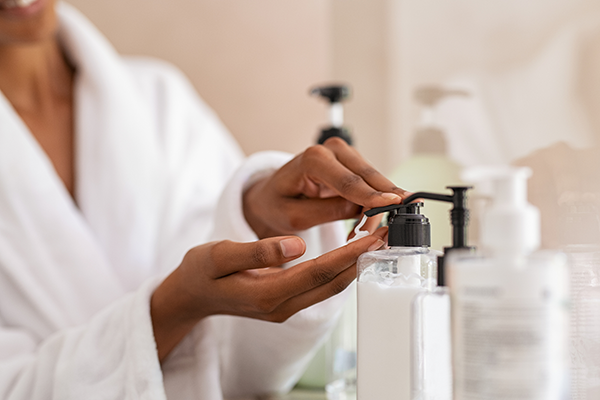
Stay Fit This Winter With a Wellness Routine Winter can disrupt your usual wellness routine. The days are shorter, your holiday to-do list is a mile long, and when it’s freezing outside, you may be tempted to just stay indoors and embrace the hygge vibes. But don’t let winter weather (or holiday stress) get in the way of your healthy goals. If you’re wondering how to stay fit in winter, here are eight ways to adapt your wellness routine so it’s easy to maintain all season long. 1. Support Your Immune System Winter is a common time to get sick, so it’s good to be extra careful about staying healthy. Support a healthy immune system by adding these habits to your winter wellness routine: Wash your hands thoroughly and often. Eat a rainbow of fruits and vegetables. Make sure you’re getting enough sleep each night. 2. Change Up Your Skincare Regimen Winter skincare is all about moisture. The cold air and lower humidity can make your skin feel dry, flaky, or itchy. To make sure your skin stays hydrated and healthy this winter, you may want to switch to a heavier-duty moisturizer than what you’d use during the humid summer months. Avoid long soaks in hot water, which can be drying, and consider using a humidifier at night. One habit you should keep from your summer skin care routine: sunscreen! Even in winter, you should still be wearing your SPF when you head outdoors. 3. Reduce Stress The holiday season can be hectic, so step up your self-care routine in the winter by implementing tried and true stress management techniques. Call a friend or loved one for some laughs, meditate, take a yoga class, start a gratitude practice, or try some breathing techniques. 4. Winterize Your Workout The cold weather often limits outdoor activity for some parts of the country, and let’s face it: Motivating yourself to go to the gym when it’s cold and dark can feel nearly impossible. So how else can you stay fit in winter? Look for streaming workouts and live fitness classes you can do at home. BODi offers dozens of programs that turn your living room or bedroom into your own home gym. From strength training and HIIT to barre and dance workouts, you can discover your favorite way to move in one of our free workouts on BODi Previews. Or just layer up and brave the chilly temps — a cold weather workout can be surprisingly invigorating! Just be sure to start slowly with a good warm-up to get your muscles prepped. And if you plan on running in winter, keep an eye out for ice, snow, and potholes. You may want to consider switching to trail running shoes when the ground is slippery. 5. Follow the Light Short winter days can make you feel like you’re dragging. So when the sun is shining, make it a point to head outside. Spending time outdoors can benefit your mental health and boost your mood. Bonus: A few minutes of sunlight each day can also help to ensure you’re getting enough vitamin D in the winter. 6. Maintain Your Motivation Gray skies and frigid temps can zap your will to get off the couch. If you’re looking to maintain your motivation throughout the winter season, here are a few strategies that can help: Find a virtual workout buddy or online community who can hold you accountable. Schedule your workouts so you’re not relying on sheer willpower to get you moving. Set a specific and measurable goal so you have something to work towards. Invest in your workouts — treat yourself to some winter workout gear, add a new fitness gadget to your home gym setup, or book time with a trainer. 7. Monitor Your Progress If you’re working from home, chances are you’ll be spending a lot of time in sweatpants this winter — which means you may not notice weight fluctuations the way you would if you were wearing non-elastic pants. Put on your favorite jeans now and then — it’s an easy, non-scale way to gauge your progress. 8. Rest, Relax, and Refresh It’s important to tune in to how your body responds to the shorter days. If you’re craving extra sleep and self-care, go ahead and adjust your wellness routine accordingly. Make time for a long bath, a cup of herbal tea, a movie night with your family, and anything else that’ll help you recharge. The post Stay Fit This Winter With a Wellness Routine appeared first on BODi. Winter can disrupt your usual wellness routine. The days are shorter, your holiday to-do list is a mile long, and when it’s freezing outside, you may be tempted to just stay indoors and embrace the hygge vibes. But don’t let winter weather (or holiday stress) get in the way of your healthy goals. If you’re wondering […] The post Stay Fit This Winter With a Wellness Routine appeared first on BODi. William Kang{authorlink}https://www.beachbodyondemand.com/blog/how-to-stay-fit-in-winterBODi BODi is a Health Esteem platform to help you embrace the person you are today so you can take action to achieve all your health and fitness goals. https://bodiblog.wpenginepowered.com/wp-content/plugins/bod-blog/assets/vendor/beachbodydigital/wordpress-core-plugins/beachbody.png

Stay Fit This Winter With a Wellness Routine Read More »

Eating Your Feelings? Try These Healthier Emotional Eating Alternatives

Eating Your Feelings? Try These Healthier Emotional Eating Alternatives I see a lot of clients who struggle with emotional eating. When they feel stressed or overwhelmed, they turn to their favorite foods and often feel guilty for not sticking to their diet. It can take a long time to understand that eating because you’re feeling emotional doesn’t warrant self-flagellation. In fact, it may even be coded in our DNA. Rather than being overly restrictive, you can learn to understand your cravings, make healthier choices, and honor your hunger. Why Do We Eat Emotionally? Emotional eating is complicated. It can stem from childhood, when a certain food may have been used as a reward (think chocolate because you cleaned your room). But eating is also associated with love and nurturing from birth, owing to the mother-child bond formed during early feeding. So, the desire for food during periods of heightened emotion isn’t as abnormal as one might think. Another important factor to consider is that dieting can actually increase cravings and binge eating. Ironically, the more you try to restrict your diet, the more you may crave the foods you’re cutting out of it. That’s why I recommend balance over strict rules to my clients. Having a piece of chocolate after dinner every day will satisfy your craving, and should keep you from thinking about it all day. If you aren’t feeling deprived, you’ll find you can actually stop after just one piece. Dr. Matthew Goldenberg, an addiction psychiatrist in Santa Monica, California, says, “The cause and trigger of emotional eating can be positive or negative.” In his experience, people emotionally eat for a variety of reasons. “Some of my patients will eat to reward themselves,” he says. “They have learned that success and celebration centers on food. Other patients cope with negative emotions, like anxiety, fear, stress, and trauma, by escaping through food.” People eat emotionally because they’ve developed a connection between an environmental trigger or emotional state and food, Goldenberg explains. “Some [habits are] genetic, some can be learned and modeled from what we saw growing up, and some may have become a part of our routine as we developed.” Healthier — but Still Comforting — Alternatives to Eating Your Feelings Let’s first make it clear that food is a great source of pleasure and is meant to be enjoyed. It’s part of life and it’s normal to occasionally eat for comfort, celebration, or other non-hunger-related reasons. This is something that needs to be destigmatized. I often recommend that my clients eat the food they’re craving, especially during social events. However, if it’s a typical day and you have an urge to grab a common comforting food like chips or sweets, try turning to something that will nourish your body instead. There are so many nutritious versions of your favorite foods out there that really do taste just as good. Not only can finding healthier swaps for foods that are lower in sugar and higher in nutrients help your body physically, but it can also help relieve you of at least one cause of anxiety during times of stress. Here are some common foods we all like to indulge in, paired with healthier alternatives. Treat yourself while treating your body and mind with these still-indulgent healthier swaps! Category Indulgence Healthier Swaps Sweets Cake Bake a healthier version using fruit at home Brownies Add avocado into your favorite cookie recipe to intensify the chocolate flavor while adding richness, moistness, and heart-healthy fats Cookies Oil-free cookies made with higher-fiber oats and lower-carb almond flour Ice cream Coconut milk– or cashew-based ice cream, or nice cream (fruit-based, vegan, dairy-free soft-serve) Chocolate A square of high-quality dark chocolate (70 percent cacao or higher) is higher in heart-healthier flavonoids than milk chocolate Soda Zevia, flavored sparkling water, or kombucha Carbs Sliced white bread Lower-carb cauliflower bread. One slice equals a full serving of vegetables! Pizza Lower-carb zucchini, mushroom, or cauliflower crust topped with veggies Pasta Higher-fiber whole wheat, black bean, lentil, or chickpea pasta, or veggie pasta made from spaghetti squash, zucchini, sweet potato, beets, or other vegetables Rice Lower-carb cauliflower rice Salty/Fatty Chips Nutrient-dense kale chips, spicy sweet potato fries, or zucchini fries Cheese Lower-fat nutritional yeast or dairy-free cheese Microwave popcorn Low-fat air-popped popcorn Cheese puffs Lower-fat, higher-fiber, and higher-protein chickpea puffs Instant noodles Lower-carb zucchini noodles in higher-protein bone broth Fruity Fruit-flavored snacks Fresh fruit Sorbet Frozen fruit, eaten on its own or blended into a sorbet Juice Mix in one part orange, apple, or cranberry juice with two parts seltzer for one-third the sugar of whole fruit juice Mall smoothie Homemade smoothie with high-protein Greek yogurt Creamy Cream-based soups (ex. cream of broccoli) Splendid Spoon and Daily Harvest Whipped cream Dairy-free coconut whip Standard peanut butter (made with added palm oil and sugar, e.g. Skippy, Jif) Natural peanut butter (no added oil or sugar). Make your own in five minutes! How to Manage Emotional Eating Dr. Goldenberg says, “The first step is getting honest about needing help. The next step is accepting that help, and surrendering that you cannot do this alone. Fear, stigma and shame often keep individuals from reaching out for the help they need.” It’s important to know that you’re not in this alone, and some degree of emotional eating can even be normal. However, if you find that you’re eating for non-hunger-related reasons more often than not, or if you’re turning to food as your main coping strategy for difficult emotions, it’s time to address it. Andrea N. Giancoli, MPH, RD, says, “A healthful and balanced diet is important for our overall health, and mental health. This in itself can help us manage stress better. Sleep is also very important as part of a multipronged approach that includes a balanced diet and exercise.” Managing emotional eating can be a long journey, but the rewards, health benefits, and improved life balance are well worth it. The post Eating Your Feelings? Try These Healthier Emotional Eating Alternatives appeared first on BODi. I see a lot of clients who struggle with emotional eating. When they feel stressed or overwhelmed, they turn to their favorite foods and often feel

Eating Your Feelings? Try These Healthier Emotional Eating Alternatives Read More »

What Is Gua Sha, and Does It Help With Muscle Pain?

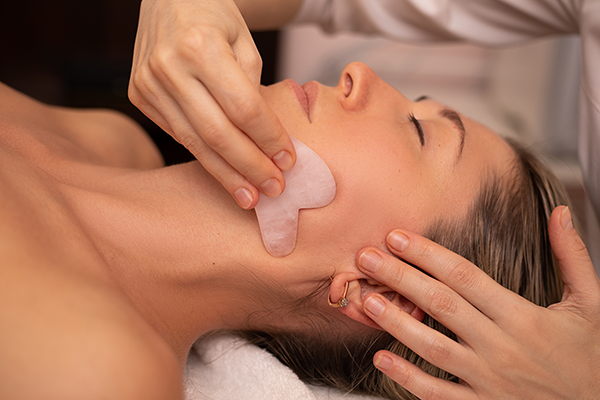
What Is Gua Sha, and Does It Help With Muscle Pain? You might have seen Instagram influencers scraping their bodies or faces with smooth stones or metal tools to help (as they claim) promote blood flow and range of motion, and even relieve minor pain or soreness. The traditional Chinese medicine practice, called gua sha, is touted as a form of lymphatic drainage massage. But before you try gua sha for yourself, there are some things you might want to know. Does it really work? What does the research show? Can you DIY at home? (And should you?) Here’s what you need to know if you’re thinking of trying gua sha for the first time or making it a part of your recovery routine. What Is Gua Sha? Gua sha is a practice in traditional Chinese medicine that dates back roughly 1,800 years. It’s essentially a massage: A practitioner rubs your body (or an area) with warm oil then uses a worn coin or spoon to briskly rub your skin in long lines. Other popular materials for these massage tools include rose quartz, jade, and metal. Gua sha is also called “coining” or “scraping” in the US, says Theresa Marko, PT, DPT, MS, a doctor of physical therapy and owner of Marko Physical Therapy in New York City. To get traditional gua sha, you’ll need to visit a traditional Chinese medicine practitioner or acupuncturist. However, there are a couple of similar practices used by other health-care professionals, explains Marko. Chiropractors use the Graston technique, which combines gua sha and modern myofascial release. Physical therapists use “instrument-assisted soft tissue mobilization” (IASTM). Both therapies use stainless steel tools. While all three scrape the skin using tools, the intention is different. The Graston technique and IASTM focus on myofascial release, or breaking up scar tissue and muscle adhesions. Gua sha “looks at pain as a symptom of imbalance,” explains Aliks K. Lessa, LAC, a licensed acupuncturist. It targets tight muscles with the goal of moving “stagnant” blood, reducing internal heat, and shifting negative energy in the body. However, the practice can leave behind red streaks and even some broken blood vessels at times. Does Gua Sha Help With Muscle Aches? Since gua sha is a form of massage, Marko says it is, in her professional experience, “really good for alleviating [soreness] from a muscle that might be in spasm or too tight.” Using gua sha tools to scrape the skin in spots where you’re sore “coaxes the body to release that deeply embedded tension,” explains Lessa, and adds some elements of acupressure, too. Research is limited but shows promise. In a small study, people with chronic neck pain treated with gua sha showed improvements after a week of treatment. They also had less pain while moving than those not given the treatment. A study on chronic low back pain found similar improvements in pain scores after gua sha. However, these studies are small, with no placebo, so the results aren’t definitive. Gua sha doesn’t work on all muscles, says Marko, since it’s a superficial treatment. “If you needed something deeper, like your piriformis muscle in your buttock area, scraping wouldn’t really get to it,” she says. For those types of aches, she recommends other forms of massage or physical therapy. How Often Should You Gua Sha? Lessa suggests getting gua sha once a week to help ease muscle tension. The bruising and red streaking is normal, Lessa confirms, but she wants them to heal fully before her clients come back. “Ordinarily, a week is enough time for that to occur,” she says. You can integrate gua sha with other products to relieve sore muscles. What Tools Are Used For Gua Sha? You should only get gua sha from a trained professional. Here’s a peek at the tools they might use: Roller tool Among the gua sha tools, the roller might be the most popular and recognizable. It often comes with a big and small side, with the smaller side used for more pressure or precise scraping. S-shaped tool Lessa explains this one is versatile, “working around fine bones like the ankles, wrists, and vertebrae, but also for wider more muscular areas of the body like forearms, calves, and hips.” Wing- or fin-type tool This tool is best for areas with “more muscle and less bone protrusion,” such as the sides of the neck, backs of the legs, and abdomen. Dolphin-shape tool Lessa uses the flat edge for larger areas, like the IT band, and the dolphin edge for “curving around delicate bones like the shoulder blades, collar bone, knees, and ankles.” Another common area for use is the jawline. Fish-shape tool Lessa likes this as a facial tool, to “work around small, sensitive bones like the brows and nose” or even the cheekbone. Spoon-type tool The spoon side is perfect for scraping painful areas while the smaller side can be used for acupressure. The post What Is Gua Sha, and Does It Help With Muscle Pain? appeared first on BODi. You might have seen Instagram influencers scraping their bodies or faces with smooth stones or metal tools to help (as they claim) promote blood flow and range of motion, and even relieve minor pain or soreness. The traditional Chinese medicine practice, called gua sha, is touted as a form of lymphatic drainage massage. But before […] The post What Is Gua Sha, and Does It Help With Muscle Pain? appeared first on BODi. Linnea Zielinski{authorlink}https://www.beachbodyondemand.com/blog/gua-shaBODi BODi is a Health Esteem platform to help you embrace the person you are today so you can take action to achieve all your health and fitness goals. https://bodiblog.wpenginepowered.com/wp-content/plugins/bod-blog/assets/vendor/beachbodydigital/wordpress-core-plugins/beachbody.png

What Is Gua Sha, and Does It Help With Muscle Pain? Read More »

Meet Brendon Burchard, Founder and CEO of Growthday

Meet Brendon Burchard, Founder and CEO of Growthday Brendon Burchard is one of the most watched, quoted, and followed motivational speakers in history. A three-time New York Times bestselling author, he has shared the stage with the Dalai Lama, Sir Richard Branson, Tim Ferriss, Tony Robbins, and many of the leading influencers of this era. SUCCESS magazine and O, The Oprah Magazine named Brendon one of the most influential leaders in personal growth, Forbes named him the world’s leading high-performance coach, and Larry King named him the world’s top motivational trainer. He also founded and currently serves as CEO of GrowthDay, the No. 1 personal development platform in the world and the newest Mindset offering on BODi. Brendon’s passion for personal development and coaching began after he survived a car accident at the age of 19. The trauma he experienced inspired him to ask the questions that weave throughout his work and practice to this day. “Did I live? Did I love? Did I matter?” From these questions, Brendon has built his work around themes of vibrancy, connection, and meaning. More than three million students have taken Brendon’s 20+ online personal development courses across 100+ countries on topics like motivation, confidence, habits, productivity, and influence. His live seminar events — named “must-attends” by Entrepreneur Magazine — sell out to audiences from around the world. Brendon led a research team to conduct the world’s largest academic study on the habits of high-performing people, leading to published research and the Wall Street Journal bestselling book, High Performance Habits: How Extraordinary People Become That Way. Amazon ranked it the third top business and leadership book of that year. Today, while Brendon mentors many of the most followed influencers in the world, he continues creating personal growth content every day. And, starting on Nov. 9, BODi members will have access to that very content and unlock daily coaching from Brendon. The post Meet Brendon Burchard, Founder and CEO of Growthday appeared first on BODi. Brendon Burchard is one of the most watched, quoted, and followed motivational speakers in history. A three-time New York Times bestselling author, he has shared the stage with the Dalai Lama, Sir Richard Branson, Tim Ferriss, Tony Robbins, and many of the leading influencers of this era. SUCCESS magazine and O, The Oprah Magazine named […] The post Meet Brendon Burchard, Founder and CEO of Growthday appeared first on BODi. BODi{authorlink}https://www.beachbodyondemand.com/blog/brendon-burchard-growthdayBODi BODi is a Health Esteem platform to help you embrace the person you are today so you can take action to achieve all your health and fitness goals. https://www.beachbodyondemand.com/blog/wp-content/plugins/bod-blog/assets/vendor/beachbodydigital/wordpress-core-plugins/beachbody.png

Meet Brendon Burchard, Founder and CEO of Growthday Read More »

Reignite Your Life With GrowthDay

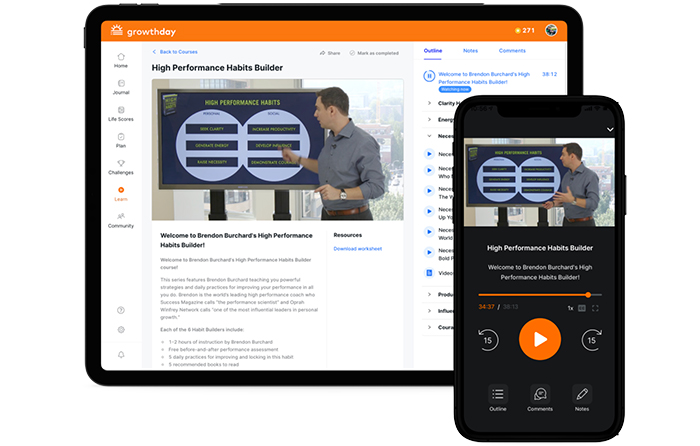
Reignite Your Life With GrowthDay You know you are destined for more. You can feel it in your bones. More energy, mental strength, happiness, and success should be yours. What’s stopping you? If you’re like most people, what’s stopping you is not having a self-improvement system you can stick with. Not anymore. Now that BODi is partnering with GrowthDay, it’s time to reignite your life and achieve your potential with the world’s #1 system for self-improvement. GrowthDay offers all the tools you need for personal growth plus LIVE coaching from the world’s top motivational speakers, business minds, and wellness coaches. Together with GrowthDay, BODi offers Monday Fire videos, 3-day challenges, and monthly master classes from the world’s #1 high-performance coach and GrowthDay founder and CEO, Brendon Burchard. To achieve your potential faster, choose from two different membership options starting Nov. 9.   GrowthDay Pro Membership Join a community of more than 300,000 people committed to happiness, progress, and success, and gain access to: LIVE weekly classes from top motivational speakers, life coaches, and business experts like Mel Robbins, Jonathan Fields, Ed Mylett, Trent Shelton, Natalie Ellis, and others who charge over $50,000 per keynote Exclusive daily audio life coaching from Brendon Burchard Digital tools for mindset journaling, habit-tracking, and goal planning BONUS: Three 5-Day Challenges on clarity, identity, and self-encouragement BONUS: A $300 course on high-performance habits BONUS: Your own video rooms to host and discuss success topics Unlimited use of our digital personal growth tools, including daily, weekly, and monthly mindset journal, life assessments, habit-tracking system, goal planner Save 15% when you sign up for an annual BODi membership starting Nov. 9.     GrowthDay Mastery Membership Unlock your full potential with our best value and most robust membership option, offering access to: 40+ courses (worth more than $3,000), live weekly classes, and 2 free tickets to a GrowthDay seminar All GrowthDay tools for mindset journaling, habit-tracking, goal planning Live classes, and legendary courses from Wayne Dyer, Brian Tracy, Byron Katie, Mel Robbins, and more 6 months of weekly classes from top motivational speakers, life coaches, business experts BONUS: Three 5-Day Challenges on clarity, identity, and self-encouragement BONUS: A $300 course on high-performance habits BONUS: Your own video rooms to host and discuss success topics     Still not sure GrowthDay will help you achieve your potential? Let’s break it down. Life assessments and habit trackerScore and improve the most important areas of your life every day, week, and month to dramatically increase your focus, growth, and self-mastery. The world’s best digital mindset journal With over 100 research-backed writing prompts for your morning mindset, evening review, and weekly reflection, you’ll develop self-awareness, positivity, confidence, and gratitude. Goal-setting system Stay focused and more productive as you set goals, break down tasks, create checklists, and set reminders to stay on-track, all in one system. LIVE classes and on-demand coaching Renowned speakers, life coaches, business leaders, and wellness coaches charge over $50,000 per keynote. You get them LIVE every week in GrowthDay. Trust our 300,000 achievers They all use and love our famous all-in-one system for personal development. Get motivated and inspired with a GrowthDay membership starting Nov. 9. The post Reignite Your Life With GrowthDay appeared first on BODi. You know you are destined for more. You can feel it in your bones. More energy, mental strength, happiness, and success should be yours. What’s stopping you? If you’re like most people, what’s stopping you is not having a self-improvement system you can stick with. Not anymore. Now that BODi is partnering with GrowthDay, it’s […] The post Reignite Your Life With GrowthDay appeared first on BODi. BODi{authorlink}https://www.beachbodyondemand.com/blog/growthday-bodi-partnership-growth-mindsetBODi BODi is a Health Esteem platform to help you embrace the person you are today so you can take action to achieve all your health and fitness goals. https://www.beachbodyondemand.com/blog/wp-content/plugins/bod-blog/assets/vendor/beachbodydigital/wordpress-core-plugins/beachbody.png

Reignite Your Life With GrowthDay Read More »