Mind + Body

Auto Added by WPeMatico

How Meditation Can Make You a Better Yogi (and Vice Versa)

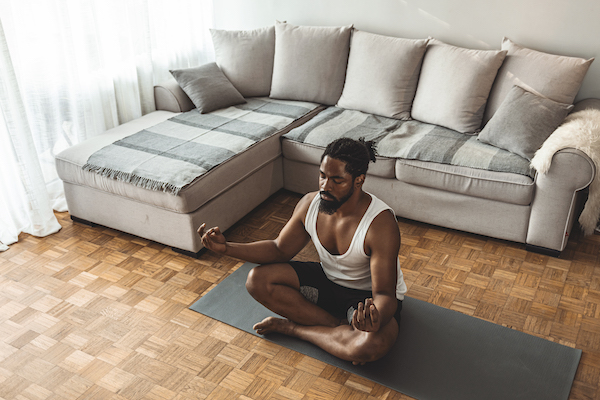
How Meditation Can Make You a Better Yogi (and Vice Versa) As mind-body practices, yoga and meditation provide many benefits. However, if you practice one without the other, you might not be getting the most out of either habit. You can actually enhance your experience both on the mat and on your pillow by combining the two. Here’s how meditation can deepen your connection to your yoga practice and vice versa. Why Should You Practice Yoga and Meditation Together? Meditation and yoga work together synergistically to benefit each other. Some types of yoga, including kundalini yoga and certain forms of hatha yoga, already include meditation in the practice. “In yoga, meditation is everything,” says Sam Rudra Swartz, a certified meditation teacher and hatha yoga instructor. “The poses prepare the body, the breathing practices help prepare the mind, and then you spend this time alone with your [thoughts] where you put effort toward concentrating on exactly one thing,” whether it’s your breath, a mantra, or sensations in your body. Plus, the physical practice of yoga can help you to be more mindful in your meditations. “A consistent hatha yoga practice is important in order to be able to sit still in a tall, upright, alert pose that will facilitate this concentration for meditation,” says Swartz. Yoga also focuses on the breath through pranayama, which are breathing techniques that keep you calm and focused. With a consistent meditation practice, you are preparing your body and mind for this breath work during yoga poses and building focus and concentration through each flow. Practice these exercises enough and you might start to notice their effects in your everyday life as well. “We are taught that yoga is all about a calm and focused mind, so that everything you do throughout your day is a meditation,” Swartz says. “Your whole day can be part of your practice.” Do You Meditate Before or After Yoga? “There is no steadfast rule as to whether or not you practice one or the other first,” Swartz says. However, traditionally, a yoga practice supports a meditation practice. In the authoritative text, The Yoga Sutras, physical practice (asana) is supposed to be steady and comfortable, to prepare for longer, sitting meditations. Still, Swartz says it’s OK to be flexible about which one you do first. Some meditations work best first thing in the morning when life is quiet and the sun is rising. “If you’re an early riser and want to align with the deeper traditions of the spiritual practice, meditate as early as possible,” he says, then do a gentle practice. Later in the day, you might want to flow before you sit. “If your practice is quite rigorous, you would want to end your physical practice with at least a few minutes of deep relaxation and meditation,” he says. What Are the Benefits of Yoga and Meditation? Yoga and meditation have numerous documented and researched benefits, many of which overlap. Whether you engage in one or the other, your mind and body will thank you for adopting these ancient practices for your modern life. The benefits of yoga Yoga can get you moving while also focusing on your breath and mind. Some styles of yoga focus on increasing flexibility, others aim to increase strength and stamina, while some work to calm your mind and improve your mood. Research shows that yoga can help support a healthy weight and promote cardiovascular health, as well as help you cope with stress and anxiety. Yoga also helps increase self-esteem and energy, according to a study in Frontiers in Psychology. The benefits of meditation Meditation can boost your well-being and offer additional benefits for your mind, like helping elevate mood and ease stress. Researchers now know meditation can change your brain structure and thus help keep it healthy. Data from the Annals of the New York Academy of Sciences suggests that meditation might help preserve both gray and white matter in the brain, which can help slow age-related decreases in both. Ready to gain all the benefits of meditation and yoga? Start with Yoga52 or Beachbody Yoga Studio, which have classes and programs for all goals and skill levels. Combine one class a week with meditation. If you’re new to the practice, BODi features guided meditation programs in Sound Meditation or Unstress that range from 10 to 45 minutes in length. The post How Meditation Can Make You a Better Yogi (and Vice Versa) appeared first on BODi. As mind-body practices, yoga and meditation provide many benefits. However, if you practice one without the other, you might not be getting the most out of either habit. You can actually enhance your experience both on the mat and on your pillow by combining the two. Here’s how meditation can deepen your connection to your […] The post How Meditation Can Make You a Better Yogi (and Vice Versa) appeared first on BODi. Kayne Toyosato{authorlink}https://www.bodi.com/blog/yoga-and-meditationBODi BODi is a Health Esteem platform to help you embrace the person you are today so you can take action to achieve all your health and fitness goals. https://bodiblog.wpenginepowered.com/wp-content/plugins/bod-blog/assets/vendor/beachbodydigital/wordpress-core-plugins/beachbody.png

How Meditation Can Make You a Better Yogi (and Vice Versa) Read More »

9 Morning Meditation Tips to Kickstart Your Day With Focus and Energy

9 Morning Meditation Tips to Kickstart Your Day With Focus and Energy Your alarm goes off and your mind immediately revs into high gear. But before you charge into your day, consider setting a different, more mindful tone with a morning meditation. “Meditating in the morning helps sharpen focus, increases energy, and creates an overall sense of calm and well-being,” explains ACE-certified personal trainer and yoga instructor Jennifer Fuller, RYT 500. “It also helps counteract stress and a busy mind.” Heading into your to-do list with a clear mind is a great way to stay on track, especially when you’re bombarded with distractions. “I like meditating in the morning because then you know it’s done,” says Fuller. “Once you create this habit, you won’t be able to live without it because you’ll feel so much better and energetic.” Another potential benefit? Feeling “so energized” you might want to skip that morning latte, says Fuller. Instead of racing right out the door or scrolling through social media and emails in bed, reap the benefits of meditation early in the day to stay productive and fully charged. Start with these nine tips to get in the habit of morning meditation. 1. Start Slow Your meditation practice, especially when you’re just starting out, doesn’t have to be lengthy to be effective. “When you’re a beginner to morning meditation, sit for five minutes — that way you’re not overcommitting or overdoing it,” says Fuller. “You can build up to 10, then 15.” Eventually, you might want to practice for 30 to 45 minutes or longer. If you’re having trouble getting started on your own, BODi offers guided meditation sessions as short as 10 minutes. Sound Meditation features overtone-emitting instruments like singing bowls and harps to help you relax. Unstress is a guided meditation series, with each session focusing on different themes, like being present or setting intentions for your day. The soothing meditations can start your day on a positive note and put you into a more relaxed and focused state. 2. Make It the First Thing You Do The key to starting any new habit is to remove as many obstacles as possible. Start your day with a meditation and don’t give yourself the chance to get swept up by other tasks. “Make meditation part of your morning ritual before you have coffee, make breakfast, or work out,” recommends Fuller. “It’s all about routine, routine, routine, and staying consistent.” 3. Wake Up 15 minutes Earlier “I like to keep it really simple,” says Fuller. “Waking up about 15 minutes earlier allows you to meditate in the stillness of the day before the hustle and bustle.” This gives you ample time to meditate on your own or follow a short guided meditation. 4. Set a Timer “To avoid checking the time, set a timer,” says Fuller. “This helps you remain focused on the breath or a single point.” 5. Establish a Soothing Place “Choose a room where no one is going to disturb you and is not too hot or too cold — preferably away from your family or pets,” suggests Fuller. Some quiet places for morning meditation might be your bedroom, backyard, or even your pantry. (Whatever works!) 6. Get Comfortable “Wear clothes that are not too tight or too snug,” suggests Fuller. “You want to be really comfortable and able to relax in your body without being overly distracted by sensation.” Does that mean you can stay in your PJs? “Sure! If your pajamas are comfy, stay in them,” she says. If you’re doing seated meditation, grab a pillow, a folded blanket, or a yoga block, so that your knees slope downward. This allows your hip flexors to relax and feel comfortable. If that doesn’t feel comfy to you, try standing or lying down. 7. Expect a Challenge “A lot of people have a hard time sitting still at first,” says Fuller. “Try not to criticize yourself or judge your thoughts for wandering. Simply observe and bring the mind back to the breath.” As you practice, Fuller attests, dropping into your body becomes easier. Stick with it, and within a few weeks, you might find this mindful habit has become a mindless part of your routine. 8. Find the Practice That Works for You Whether it’s your own breath, morning meditation music, or walking, the core of all meditation is focus. Experiment with different types of meditation and stick with whatever allows you to stay more present and mindful. 9. Stay in Bed (if You Need to) “If you’re feeling really tired, you don’t even need to get out of a bed,” says Fuller. “Don’t let your morning meditation routine become too rigid. Be flexible with your space and position. If you’re feeling like ‘I’m stuck in a box. I don’t want to meditate,’ just lie there for a few minutes and take a few breaths. There is no perfect meditation.” The post 9 Morning Meditation Tips to Kickstart Your Day With Focus and Energy appeared first on BODi. Your alarm goes off and your mind immediately revs into high gear. But before you charge into your day, consider setting a different, more mindful tone with a morning meditation. “Meditating in the morning helps sharpen focus, increases energy, and creates an overall sense of calm and well-being,” explains ACE-certified personal trainer and yoga instructor […] The post 9 Morning Meditation Tips to Kickstart Your Day With Focus and Energy appeared first on BODi. Cemile Kavountzis{authorlink}https://www.bodi.com/blog/morning-meditationBODi BODi is a Health Esteem platform to help you embrace the person you are today so you can take action to achieve all your health and fitness goals. https://bodiblog.wpenginepowered.com/wp-content/plugins/bod-blog/assets/vendor/beachbodydigital/wordpress-core-plugins/beachbody.png

9 Morning Meditation Tips to Kickstart Your Day With Focus and Energy Read More »

Stressed, Tired, Moody? Find Out if It’s Hormones

Stressed, Tired, Moody? Find Out if It’s Hormones Hormonal Imbalance What It Is  //  Symptoms  //  Causes  //  Tips  //  Conclusion Hormone health is a hot topic, and for good reason: Hormonal imbalance is experienced by an estimated 80 percent of women*, and can have profound effects on overall health. Everything from stress, cognition, mood, and energy to weight, skin, digestion, and sleep can be impacted by hormones. Operating like messengers within the body, hormones are chemicals that tell cells, tissues, and organs what to do. They help manage a myriad of processes, such as metabolism, sex drive, sleep, mood, and digestion. If you’ve struggled with any of the above functions, you may have wondered: Are hormone health and wellness to blame? What Is Hormonal Imbalance? A hormonal imbalance occurs when there is too much or too little of one or more hormones in the body. There are more than 50 different hormones, all dictating different functions. Even tiny changes in the levels of certain hormones can have a cascading effect in the body with serious potential outcomes. If, say, you don’t consume a rounded diet and subsequently lack key macro- or micronutrients, aren’t getting adequate sleep, or experience excessive stress, your hormone health can be disrupted. Other processes such as aging or certain medical conditions can also throw off natural hormone balance. Some of these imbalances require medical attention and consultation with your physician. But others can be impacted by lifestyle changes and supplementation. For example, stress can influence cortisol levels, which, over time, may negatively impact sleep, blood sugar and key hormone levels. This can lead to numerous symptoms and unwanted effects. Achieving hormone balance for women includes strategies to lower stress, help support healthy blood sugar levels through a healthy diet, and exercise to aid overall health and better hormone receptivity. Symptoms of Hormonal Imbalance Hormonal imbalance symptoms in women can manifest in many ways. If you are experiencing some of these symptoms, you may have a hormone imbalance: Fatigue Mood swings Brain fog Hot flashes Weight gain Problems sleeping Excessive/unusual sweating Headaches Irregular periods Bloating Low libido Acne/skin issues Irregular bowel movements Hair loss/thinning “Women should monitor for changes in menstrual cycles, mood, energy levels, weight, skin, hair growth, sleep patterns, libido, and digestion to distinguish between their normal variations and signs of hormone imbalance,” says Julie Pace, RDN, a registered dietitian who specializes in women’s health and hormone-related conditions. Some hormonal imbalance symptoms are much more serious than others, in which case those experiencing them should consult a healthcare provider. There are also normal changes that take place during perimenopause and menopause. But if you are in this phase of life, that doesn’t mean you should brush off symptoms that are disrupting your quality of life. Dr. Jolene Brighten, board certified naturopathic endocrinologist and author of Is This Normal, says, “The transition into menopause brings many unwanted hormone symptoms that typically begin with trouble sleeping, additional PMS mood symptoms, and in some cases, heightened anxiety. But while it is normal to experience these symptoms, it should never be considered normal for them to interrupt your daily activities.” What Causes Hormonal Imbalance? Hormonal imbalance can be the result of numerous influences. Some key hormones and factors to focus on include estrogen, insulin/elevated blood sugar levels, cortisol, and progesterone. 1. Stress Stress triggers the release of cortisol and adrenaline to help the body cope with perceived threats; adrenaline to increase heart rate and make the body more high-functioning, cortisol to release glucose — blood sugar — for additional fuel. Left unmanaged, however, this can affect the relationship between the body’s stress response system (called the hypothalamic-pituitary-adrenal axis) and its reproductive health system (the hypothalamic-pituitary-gonadal axis). When the endocrine system is functioning properly, the HPA axis and the HPG axis release the right hormones at the right times. But during chronic stress, illness, or injury, the stress center may send out “alarm signals” in the form of cortisol. When cortisol levels are chronically elevated, this can cause issues that include heightened blood sugar levels, weight gain, and trouble sleeping, among others. The result can disrupt hormone production, including estrogen. Finally, if there are problems arising within the HPG axis, this can lead to period issues (such as missed and irregular periods), mood changes and other symptoms including decreased sex drive. 2. Menopause As women near menopause, especially around the late 40s to early 50s, the HPG axis naturally slows production of sex hormones such as estrogen and progesterone. This can lead to hot flashes, sleep problems, and mood swings. Additionally, if the HPA axis is concurrently sending out those “alarm signals” in the form of elevated cortisol, this can compound some corresponding issues like elevated blood sugar and weight gain. 3. Excessive carbohydrate intake Consuming foods high in refined carbohydrates (such as sugary snacks, white bread, candy, and juices) can cause rapid spikes in blood sugar because of how quickly these simple carbs are metabolized. Over time, this bombardment of blood sugar can dull sensitivity to insulin, the hormone responsible for directing glucose into cells. With fewer and fewer cellular takers for the circulating glucose, the result can be chronically elevated blood sugar, weight gain, and even issues of the pancreas, where insulin is released. Further exacerbating this effect, cortisol can make you crave sugary foods. So, elevated stress causes elevated cortisol, which can lead to elevated glucose levels, which can lead to weight gain… which can further elevate stress, perpetuating a cycle in which millions of people have become stuck. 4. Lack of physical activity The more sedentary your lifestyle, the likelier you are to see a decrease in insulin sensitivity and a subsequent increase in blood sugar levels. Insulin makes cells — like those in your muscles — receptive to glucose for energy. And every move you make places demands on your muscles that glucose helps to fuel. But if you don’t ask much of your muscles, that glucose will instead stay in the blood, requiring more and

Stressed, Tired, Moody? Find Out if It’s Hormones Read More »

5 Ways to Practice Self-Care This Fall Season

5 Ways to Practice Self-Care This Fall Season Welcome to fall — cold and flu season is at large, the days are getting shorter, your work schedule is piling up, and all the holidays are looming just over your shoulder. It is time to participate in our fall self-care guide to make it to winter in one piece. “[Fall] is a season where we should pay a little more attention to self-care strategies and make sure we have healthy habits in place through the holiday crush and the post-holiday period of catching up,” says Elson Haas, M.D., founder and director of the Preventive Medical Center in San Rafael, California and author of Staying Healthy With the Seasons. Consider some of the following self-care options to make the most of the time ahead. If you focus now on being kind to yourself, it can pay off in the months to come with a stronger immune system, lower stress levels, and more resilience, Haas says. 1. Eat Seasonal Fruits and Vegetables “Our bodies are designed to function at best with seasonal foods, especially if they’re also local,” Haas says. That’s because, while the variety of available frozen fruit and vegetables makes produce accessible year round, fresh-picked seasonal options provide a more powerful nutritional punch. Boost your nutrient consumption with fall favorites like pumpkin, carrots, cauliflower, cabbage, and squash. In addition to eating fresh fruits and veggies that are in season, choose local produce. Your fruits and veggies contain more nutrients with less travel time, and less travel time is also better for our environment. 2. Change Up Your Workout When you’re busy, it’s easy to get into a rut with exercise, but fall is a great time to make a shift and try a fresh approach to working out. A new workout program may give you an energy boost and reduce schedule-related stress. If you like to keep your routine fairly consistent, try starting small: Add a new cardio exercise to one of your workouts, try out a new form of active recovery, or swap one of your gym days with a home workout. A BODi subscription lets you work out from just about anywhere with access to hundreds of trainer-led workouts that range from strength training and HIIT to barre and Pilates. Check out these popular workout programs: Xtend Barre DIG DEEPER LIIFT4 LAVA 21 Day Fix 3. Take a Yoga Break Restorative and yin yoga poses help you de-stress, and you can tackle these poses anywhere, even in your office. If you are looking for a quick way to ground your mind and stretch your body, try child’s pose. Child’s pose is awesome because it stretches your hips and ankles, lengthens your spine, and gives you a few moments of peace to focus on finding your center. If you’d like to start a more regular practice, BODi’s Yoga52 program is perfect for both beginners and long-time practitioners. Each workout is led by one of our four world-class trainers with cues so precise that you don’t even need to look at the screen. 4. Sneak a Nap Try taking a 20-minute nap  — even if you don’t actually fall asleep — because it can have major benefits for resetting your system, according to W. Chris Winter, M.D., of the Charlottesville Neurology and Sleep Medicine, and author of The Sleep Solution. Winter says, “just once or twice a week, try napping at about the same time of day. Your brain and body will begin to anticipate this rest time, and kick off a cascade of de-stressing chemicals.” 5. Stay Hydrated It’s likely you already know about the many physical benefits of drinking enough water — from facilitating digestion to lubricating joints — but hydration is also important when it comes to affecting your mood. As the holiday crunch approaches, staying upbeat and healthy is super important, so stay hydrated! “Most of all, just understand that as seasons change, so do we,” says Haas. “Recognizing that shift and working with it will really help you to thrive through the months ahead.” The post 5 Ways to Practice Self-Care This Fall Season appeared first on BODi. Welcome to fall — cold and flu season is at large, the days are getting shorter, your work schedule is piling up, and all the holidays are looming just over your shoulder. It is time to participate in our fall self-care guide to make it to winter in one piece. “[Fall] is a season where […] The post 5 Ways to Practice Self-Care This Fall Season appeared first on BODi. Kayne Toyosato{authorlink}https://www.beachbodyondemand.com/blog/fall-self-care-guideBODi BODi is a Health Esteem platform to help you embrace the person you are today so you can take action to achieve all your health and fitness goals. https://bodiblog.wpenginepowered.com/wp-content/plugins/bod-blog/assets/vendor/beachbodydigital/wordpress-core-plugins/beachbody.png

5 Ways to Practice Self-Care This Fall Season Read More »

How Often Should You Meditate to Reap the Benefits?

How Often Should You Meditate to Reap the Benefits? Let’s get one thing straight right away: You should meditate as often as you like and as often as it fits into your schedule. When trying to set up a meditation practice, “it’s important to be realistic with ourselves and our schedules. Otherwise we just end up not doing it at all,” explains yoga and meditation teacher Paige Allia, RYT 500. If you’re looking for a hard-and-fast goal, “most research on meditation is based on 20-minute sessions once a day for six to eight weeks,” explains meditation teacher Paul Harrison — but don’t beat yourself up if life gets in the way. These 20 minutes don’t have to be sitting meditation time, either. Allia sometimes starts beginner clients on walking or even coloring meditations, and combining meditation and exercise is just one tip for making daily meditation easier. Can You Meditate Too Much? A prolonged meditation practice hardly holds any risk to your physical health. Allia explains, however, that there have been cases of Tibetan monks meditating and fasting until they become living mummies and eventually die. So, if you find that your meditation practice is causing you to avoid your daily responsibilities, consider cutting back. Although research on meditation side effects is still thin, one study did find that unwanted effects were more likely in people who practiced for more than 20 minutes. Participants surveyed reported anxiety, depersonalization, stomachaches, headaches, and dizziness. How Long Should You Meditate Per Session? “To get most of the benefits of meditation, 20 minutes per day is ideal,” Harrison says. There’s little risk in more meditation, but there’s no benefit from staging a meditation marathon either. So, don’t force a more extended practice in the pursuit of benefits if a 20-minute daily routine would fit better in your schedule. If you have the time to conduct longer sessions, feel free. You don’t need a study to tell you if those extra 10 minutes help you feel better and benefit your mental health. If you’re busy enough that finding 20 minutes in your day sounds impossible, that doesn’t mean meditation isn’t for you. Like any other habit, meditation takes consistent practice, so it’s OK if you need to start with shorter sessions. “Even one moment, or one minute, can create a shift in your mood,” says Allia. She underscores that many of us have a vision of a person sitting cross-legged — but that’s not the only form of meditation. “Perhaps the moment is three deep breaths in and out while you are buckling your kiddo into the car seat,” she suggests. “Maybe it’s finding a little quiet while on a walk in the woods.” If you’re looking for a guided and more dedicated practice, BODi Sound Meditation videos use singing bowls and other instruments that emit soothing tones to help you relax and relieve stress. Each video is between five and 25 minutes, except the one for better sleep (and it’s more than OK if you fall asleep in the middle, since sleep is the goal). What If My Mind Wanders? If your mind wanders 10 minutes into your 20-minute guided meditation, that habit is not only normal but also expected. We’re all juggling dozens of concerns throughout the day. Trouble concentrating isn’t indicative of how long you should meditate. If they leak into your meditation practice, bring your focus back to the core of your meditation, whether it’s the sound of meditation singing bowls, the feeling and rhythm of your breath, or a mantra you’ve chosen. The post How Often Should You Meditate to Reap the Benefits? appeared first on BODi. Let’s get one thing straight right away: You should meditate as often as you like and as often as it fits into your schedule. When trying to set up a meditation practice, “it’s important to be realistic with ourselves and our schedules. Otherwise we just end up not doing it at all,” explains yoga and […] The post How Often Should You Meditate to Reap the Benefits? appeared first on BODi. Linnea Zielinski{authorlink}https://www.beachbodyondemand.com/blog/how-often-should-you-meditateBODi BODi is a Health Esteem platform to help you embrace the person you are today so you can take action to achieve all your health and fitness goals. https://bodiblog.wpenginepowered.com/wp-content/plugins/bod-blog/assets/vendor/beachbodydigital/wordpress-core-plugins/beachbody.png

How Often Should You Meditate to Reap the Benefits? Read More »

Conquer Daylight Savings With These Time Change Health Hacks

Conquer Daylight Savings With These Time Change Health Hacks For many of us, Daylight Saving Time marks a shift to better things: longer days… warmer nights… emptier gyms. But while moving the clock forward prepares us for spring, the resulting lost hour of sleep can wreak havoc on your regimen. Check out our 10 expert-approved transition tips on how to adjust to Daylight Saving Time. 1. Reset Your Evening Routine “Start going to bed and getting up 15 to 30 minutes earlier for two to three nights before Daylight Saving Time,” says Morgan Bettini, MS, RDN, LD/N. Bettini believes that an evening routine prepares the body for a good night’s rest. Here is a sample routine that she recommends: Dim the lights. Lay your clothes out for the next day. Do some easy stretches. Read to put yourself in the mood for sleep. 2. Nap Freely Sleep when you’re tired so that you aren’t catching up on yesterday’s work. A nap can positively impact your mental sharpness and emotional well-being. Studies show there’s an increase in car accidents following the Daylight Saving time change due to fatigue. Instead of pushing through a long day, take a break and catch some z’s before driving anywhere. 3. Regulate Caffeine Intake Coffee, sodas, and energy drinks are popular sources of caffeine, which is known to affect your sleep schedule. Functional nutritionist Jessica Tate, CNC, recommends the following ways to keep your caffeine intake in check around the time change: Cut caffeine after 2:00 p.m. Limit coffee consumption to one cup per day. Consider drinking green tea, matcha tea, and herbal tea. 4. Meal Prep Cooking is one of the last things we want to do when we’re tired from the time change. Meal prep makes eating a cinch. “Start meal prepping with simple steps, like bringing snacks to work or roasting a large pan of broccoli to eat for a couple of days. You don’t have to prep these elaborate meals to still soak in the benefit of a little advanced planning,” says Bettini. 5. Resist Cyberloafing “People are more tired and less focused because the kind of light our phones emit messes with our circadian rhythms before bedtime,” says Tate. “While certain sleep apps and supplements can help people get into a restful state, they’re simply Band-Aids for a deeper issue happening internally.” Studies show that our circadian rhythm is the result of physical, mental, and behavioral changes that follow a daily cycle. When we mess with that rhythm with poor sleep hygiene, we can throw off our body’s biological clock. “The body was innately designed to fall asleep naturally. So, if you have trouble with sleeping, be sure to talk with a holistic healthcare provider to help you get to the root cause of the issue,” Tate says. 6. Curb Daylight Cravings Daylight saving may adversely affect appetite, resulting in unwanted cravings. Research suggests that sleep deprivation triggers the reward center in our brains, compelling us to consume more calories than are warranted by those extra waking hours. To curb cravings, Tate suggests limiting carbohydrates and eating more healthy fats, which will sustain your body longer. Some examples of fats Tate recommends include: Avocado (considered one of the healthiest foods on the planet for its well-rounded nutritional profile). Fatty fish (choose a wild-caught white fish for higher nutrition and fewer toxins). Nut and seed butters (any nut or seed works; choose one without added oils or sugars). Pasture-raised eggs (the whole egg is necessary for essential nutrients for the brain and overall system). 7. Keep Hydrated (No, Really) “Our bodies are mostly water, so it makes sense that we need a lot of it, and on a regular basis,” says Bettini. “Otherwise, it can decrease our blood pressure and make us feel sleepy,” further compounding existing time change-related exhaustion. By the time you’re thirsty, you’re already dehydrated. So drink ample water after the time change to get through your to-do list. “Everyone’s water needs are different, but a good goal is 8 to 10 cups per day for most people,” says Bettini. “If someone isn’t used to this amount, it’s important to adjust slowly and over time so the body can get used to it.” Another good method to measure your water intake is to try for half your body weight in ounces daily. If you weigh 150 pounds, that means you should try to drink 75 ounces of water every day. 8. Recharge With a Morning Workout Lack of sleep following Daylight Saving Time can mess with your dopamine levels. Combat exhaustion and get a happiness boost by sticking to a morning workout routine (even when it’s still dark outside!). “Exertion of energy first thing in the morning can wake you up, make you feel better, and gives you a dopamine release, ” says Wayne Stewart, NASM-CPT, CYT. “The dopamine can help you focus, and relieves stress brought on by changes to your schedule.” Stewart’s go-to morning workout is high-intensity intervals (after a 10- to 15-minute warm-up). But even just challenging yourself with a few sets of a total-body exercises such as the burpee or bear crawl will do the trick. Morning Meltdown 100 with BODi Super Trainer Jericho McMatthews can help you start your day with a 20- to 30-minute workout that’ll make you feel stronger, more accomplished, and less stressed. In each workout, you’ll get a mix of HIIT, resistance training, active recovery, and mobility so you have enough variety to prevent plateaus and keep having fun. 9. Try Myofascial Massage Sudden onset stress brought on by disruptions to your routine — like a change in sleep pattern — can create muscle tension. Foam rolling can ease that tension by massaging and increasing blood flow to your muscle and fascia (connective tissue). “Foam rolling is essential for healthy functioning muscles to release tension from strain or stress placed on the body,” Stewart says. “It allows the fascia within the body to be manually manipulated.” Stewart likes to use the foam roller on these areas of the body: The upper leg (hamstrings and quads) and lower leg

Conquer Daylight Savings With These Time Change Health Hacks Read More »

What Are the 7 Chakras? A Beginner’s Guide

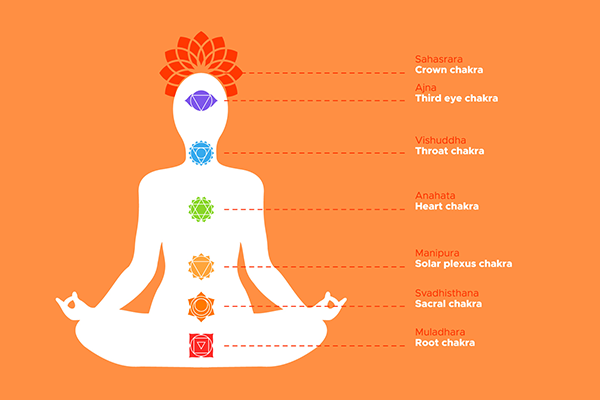
What Are the 7 Chakras? A Beginner’s Guide You’ve taken a yoga class or two. While you may not think of yourself as a yogi quite yet, you know the difference between mountain pose and chaturanga. But your instructor keeps tossing around one word that throws you off balance (literally!) every time — chakras. Cakra is Sanskrit for “wheel,” and this yoga term refers to an energy center in the body. Think of chakras as focal points for physical, mental, and emotional energy. There are hundreds of chakras throughout the human body, but only seven major chakras affect your daily life, according to yogis. Keep reading to learn more about what chakras do and how you can open them. What Does a Chakra Do? The “job” of a chakra is to oversee all things psychological, physical, and spiritual. Your chakras hold energy, emotions, thoughts, and experiences specific to the area they influence. You might hear talk of opening, aligning, or grounding your chakras. Taylor Briggs Nabavi, E-RYT 200, says that you can use the chakras as a lens to seek balance and end mental suffering. “Chakras are a great complement to the Western psychological system,” she says. “In talking about your past and experiences, certain emotions and energy are unearthed. The chakra system invites us to explore the energy blockages that may have been created through those experiences and to welcome balance through focused meditation and reflection in those areas.” What Are the 7 Chakras? The seven chakras you hear about most often run up and down your spine, and when they are “open,” your energy flows freely. Here’s a look at where they’re located, what they “oversee,” and the color associated with each one. 1. Root Chakra (Muladhara) Location: Base of spineIntention: Primarily deals with survival and the physical bodyColor: RedArea of the body: Adrenal glandsSupports: Your need to feel safe and secure 2. Sacral Chakra (Svadhisthana) Location: SacrumIntention: Governs your emotions and creativityColor: OrangeArea of the body: Reproductive organsSupports: Your ability to sustain healthy relationships 3. Solar Plexus Chakra (Manipura) Location: BellyIntention: Your ability to radiate personal power and confidenceColor: YellowArea of the body: Digestive systemSupports: Your habits, judgments, and opinions 4. Heart Chakra (Anahata) Location: HeartIntention: The core of the true self; the first chakra that moves from “me” to “we”Color: GreenArea of the body: Circulatory system and the heartSupports: Your ability to love yourself and others by guiding you toward compassion 5. Throat Chakra (Vishuddha) Location: ThroatIntention: PurificationColor: BlueArea of the body: Neck, jaw, teeth, and mouthSupports: How you communicate and express yourself 6. Third Eye Chakra (Ajna) Location: Top of the spinal column into the space between your eyebrowsIntention: Helps you look into the future and manifest your dreamsColor: Violet or indigoArea of the body: Pituitary and endocrine glandSupports: Your intuition 7. Crown Chakra (Sahasrara) Location: Right above the headIntention: The beginning of a transcendental path (beyond the physical or emotional)Color: WhiteArea of the body: Pineal glandSupports: Helps you reach spiritual awakening How Do You Open Your Chakras? There’s no right or wrong way to “open” or align your chakras. To do so simply means you’re working on the areas associated with that chakra. To “open” your heart chakra, for example, might involve yoga poses that stretch your chest, a meditation on love, or a visualization of your heart opening and the color green. When you’re just getting started, “the lower chakras are sometimes more tangible,” explains Briggs Nabavi. And, since the chakras are connected, “balance or imbalance in one chakra can interfere with how another chakra is flowing,” she says. Here are some tried and true ways to open or align your chakras: Meditation, including BODi Sound Meditation Yoga Mantras Visualization Try this chakra meditation provided by Briggs Nabavi: Find a comfortable seat, sit up tall, and find your breath. Close your eyes, take a full breath in and full breath out. Create a rhythm with your inhales and your exhales. Then, imagine a current of energy running from the base of your spine out through the crown of your head. Focus on each chakra, envisioning the color and trait associated with each one. Move through one at a time, as slowly as you want. Once you finish meditating on all the chakras, feel free to repeat the cycle. Next time you feel stalled or inhibited by an emotion, pause and check what chakra that emotion is tied to. Practice one of the above ways to open that chakra and better find balance. The post What Are the 7 Chakras? A Beginner’s Guide appeared first on BODi. You’ve taken a yoga class or two. While you may not think of yourself as a yogi quite yet, you know the difference between mountain pose and chaturanga. But your instructor keeps tossing around one word that throws you off balance (literally!) every time — chakras. Cakra is Sanskrit for “wheel,” and this yoga term refers to an […] The post What Are the 7 Chakras? A Beginner’s Guide appeared first on BODi. Brit Yeager{authorlink}https://www.beachbodyondemand.com/blog/chakras-for-beginnersBODi BODi is a Health Esteem platform to help you embrace the person you are today so you can take action to achieve all your health and fitness goals. https://bodiblog.wpenginepowered.com/wp-content/plugins/bod-blog/assets/vendor/beachbodydigital/wordpress-core-plugins/beachbody.png

What Are the 7 Chakras? A Beginner’s Guide Read More »

How Long Should You Meditate?

How Long Should You Meditate? Meditation can feel, well, a lot like doing nothing if you’re new to the practice. Newcomers can feel frustrated or like they’re “failing.” (By the way, it’s impossible to fail at using meditation to combat stress unless you don’t do it at all.) But the benefits of meditation are big for those who consistently show up. So, how much meditation is necessary in order to reap those rewards? It’s not as simple as a single number, says meditation and yoga teacher Paige Allia, RYT 500. But there are some general suggestions that can help you build a fulfilling meditation practice. How Long Should Beginners Meditate? There’s no wrong answer here. “Simple answer, five to 15 minutes is a common amount of time to set as a goal,” says Adam Weinberg, a meditation teacher and founder of Relax with Adam. “If your practice includes counting breaths or setting a timer, then 12 breaths is a nice two-minute check-in, 36 breaths takes around five minutes, and 108 breaths is a good 15-minute practice.” But it may take some time to find the right meditation length for you. What Happens When You Meditate Longer? When you meditate, it impacts your brain waves, shifting you from the beta waves of daily work and multitasking to alpha, theta, delta, and gamma waves that help you hone your focus. Physiologically, the goal is to get your body out of “multi-focus mode of beta,” Weinberg explains. You’re switching into the parasympathetic state, or “rest and digest” state, in which you feel more relaxed, your heart rate slows, and (an easy thing to watch out for) you produce more saliva. Each of these brain waves marks a deeper state of relaxation that takes longer to achieve — but spending time in any of them is an improvement over beta mode. Don’t Worry About Setting Goals Don’t get hung up on the clock. “Five minutes can feel so long, especially as we begin but also depending on the day and how we might be feeling in our own bodies and spaces,” explains Allia, who is certified in trauma-informed yoga. “So maybe we simply pause when we notice our minds spinning, we take softer and smoother breaths, and then when we feel ready, we meet the day again.” Overall, she urges you to “consider your reality” when setting goals. If you’re a parent juggling kids studying at home, paying the bills, and your own job, “maybe your meditation practice looks like a moment as you are buckling your seatbelt in your vehicle and you consciously breathe, say an affirmation, come home to yourself.” BODi Sound Meditation is perfect for our busy, stress-filled world. Some of the sessions are as short as 10 minutes. How Long Should Regulars Meditate? Maybe you’re no newcomer to meditation, but you’re still looking for answers here. In that case, both Allia and Weinberg agree that it’s about what you need as an individual. That might not mean meditating more than 15 minutes a day. There are other ways to further your practice. Weinberg offers himself as an example: Sometimes he’ll focus on getting a personal best, such as three months of consistency, meditating every day. Stay open to what works best for you. Allia underscores that meditation practice is more about quality than quantity, adding that “the time often grows as the quality does.” Leave room for your meditation to evolve depending on what you need and know there are plenty of resources available to fit your changing goals. The post How Long Should You Meditate? appeared first on BODi. Meditation can feel, well, a lot like doing nothing if you’re new to the practice. Newcomers can feel frustrated or like they’re “failing.” (By the way, it’s impossible to fail at using meditation to combat stress unless you don’t do it at all.) But the benefits of meditation are big for those who consistently show up. So, how much […] The post How Long Should You Meditate? appeared first on BODi. Linnea Zielinski{authorlink}https://www.beachbodyondemand.com/blog/how-long-should-you-meditateBODi BODi is a Health Esteem platform to help you embrace the person you are today so you can take action to achieve all your health and fitness goals. https://bodiblog.wpenginepowered.com/wp-content/plugins/bod-blog/assets/vendor/beachbodydigital/wordpress-core-plugins/beachbody.png

How Long Should You Meditate? Read More »

8 Tips for Adding Meditation to Your Daily Routine

8 Tips for Adding Meditation to Your Daily Routine If you haven’t made a healthy meditation practice part of your daily wellness routine, what are you waiting for? Not only can meditation help you feel calmer, but it also benefits your overall health and wellness. Meditation can improve focus and attention, stress management, and emotional regulation, says Catherine S. Marquette, E-RYT 500. It can also help you build awareness, feel a deeper connection to the world around you, and manage stress and anxiety symptoms. Here’s how to make meditation a part of your daily routine so you can feel happier and more present in everything you do. 1. Schedule It Just like your meal plan or your workout routine, plan your meditation practice in advance. “Commit to a time — ideally the same time each day,” Marquette says. “This is a good rule for building any sort of a habit.” Figure out what time of day works best for you — in the morning to start your day feeling focused, in the afternoon as a pick-me-up, or before bedtime to relax. Marquette schedules her practice in the morning, right after a walk: “My day hasn’t run away from me just yet, helping me to set the stage for the rest of the day,” she says. 2. Take Advantage of Tech Can’t get to a meditation studio? No worries — you can meditate anywhere, thanks to your smartphone. Set a reminder on your phone for your daily meditation practice so you don’t forget. Then try a guided meditation app or virtual class to learn more about meditation techniques. BODi’s Sound Meditation, for example, is a series of sound meditations designed to help reduce stress, increase productivity, create balance, and improve sleep quality. It’s convenient, simple, and will give you the support you need to get started. 3. Start Small Start with just a few minutes of meditation per day so it doesn’t feel burdensome, then work your way up. “Consistency is the most important aspect in order to see change,” Marquette says. “I’d rather have students meditate 5 minutes a day every day than meditate for 60 minutes only one day per week.” 4. Decorate Your Space You can meditate anywhere or any time, but creating a designated space for meditation in your home may motivate you to stay consistent. Here are a few items you may want to include in your “zen den”: Candles or incense in soothing scents Photos of nature or a favorite piece of artwork Comfy pillows, cushions, and blankets A supportive mat or meditation pillow 5. Journal After Each Session Journaling is a great way to notice the benefits, revelations, struggles, and impacts of your meditation practice. “Have a notebook and pen close to wherever you are meditating,” says Marquette. Jot down any recurring thoughts or sensations from your practice, she adds, and look for themes or patterns at the end of each week. This will help you see the progress you’re making! 6. Hold Yourself Accountable There will be days you’re feeling uninspired, but if you’ve got someone or something to keep you going, you’ll set yourself up for greater success. Marquette suggests putting a streak board on your fridge as a visual reminder of your progress or inviting family and friends into your journey so they can help hold you accountable. 7. Combine Meditation and Exercise Feed two birds with one scone and try a movement-based meditation, such as walking meditation. If walking is already part of your daily routine, it’s a great opportunity to add some mindfulness. Try walking a new trail or path. How do your feet feel on the ground? Do you hear any sounds, like crunching leaves or birds chirping? What are the smells around you? How does the sun feel on your skin? Really notice each step, sound, and sensation. 8. Be Mindful During Daily Activities Stack your habits! You can train yourself to meditate while cooking, commuting, or even doing household chores, Marquette says. Here are a few ways you can sneak in a meditation practice: While washing dishes or riding the bus, look out the window and notice what’s happening in your environment. Do you see kids playing? Do you notice a dog chasing a squirrel? Are the leaves blowing in the wind? Take mental inventory of your space. Count each piece as you fold your laundry. Feel the warmth of the freshly dried clothes on your skin. Practice mindful eating. Chew each bite slowly, tasting the different elements of the food. Above all, Marquette says, stick with it: “Be disciplined and courageous in order to build meditation as a healthy, daily habit in your life.” The post 8 Tips for Adding Meditation to Your Daily Routine appeared first on BODi. If you haven’t made a healthy meditation practice part of your daily wellness routine, what are you waiting for? Not only can meditation help you feel calmer, but it also benefits your overall health and wellness. Meditation can improve focus and attention, stress management, and emotional regulation, says Catherine S. Marquette, E-RYT 500. It can also help you build awareness, feel a […] The post 8 Tips for Adding Meditation to Your Daily Routine appeared first on BODi. Chelsea Frank{authorlink}https://www.beachbodyondemand.com/blog/daily-meditation-tipsBODi BODi is a Health Esteem platform to help you embrace the person you are today so you can take action to achieve all your health and fitness goals. https://www.beachbodyondemand.com/blog/wp-content/plugins/bod-blog/assets/vendor/beachbodydigital/wordpress-core-plugins/beachbody.png

8 Tips for Adding Meditation to Your Daily Routine Read More »

3 Ways to Get Started on Your 2024 Goals

3 Ways to Get Started on Your 2024 Goals In 2023, we proposed a new tradition for the New Year: World Health Esteem Month. Instead of pushing ambitious goal-setting and deprivation, we designated January as a time to appreciate ourselves for who we are and honor the small choices we can make to enhance our lives. In honor of the second annual World Health Esteem Month, we’re back with practical tips and ideas for how to love yourself as you work toward your goals. 1. Choose a fitness program with structure With 2024 on the horizon, we came across a Forbes Health/OnePoll study conducted in October of 2023, in which 48% of respondents indicated improving fitness as their top priority in the new year. We happen to know a thing or two about that. Here are some things to keep in mind as you look for the fitness program to kick off your year: It gets you into a rhythm: It takes around 10 weeks to form a habit, so by the time March ends, your daily workout should feel as natural as brushing your teeth. It does the thinking for you: Leg day or upper body? Cardio or abs? This guesswork can be more laborious than the workout itself! Pick a program that does all that planning for you. It progresses over time: The point of all this work is to see results, meaning that you will have more strength, mobility, and endurance in month two than you did in month one. Find a program that anticipates that and ups the challenge as you go. Don’t have a program in mind? We recommend Shaun T’s new program, DIG DEEPER. It’s a 12-week program designed to reshape your body by building lean muscle mass and reducing body fat through 4 collections of workouts. 2. Choose an eating plan you can stick with A great companion to your fitness routine is an eating plan that focuses on healthy eating but also doesn’t require deprivation or calorie counting. When considering how to approach your nutrition this year, look for an eating plan that: Allows you to eat the way you love to eat but makes it healthy. Helps you work on your mindset so you can sustain both the weight loss and the eating habits. Includes recipes so you don’t have to weed through the internet to find your own. Incorporates group support and expert guidance — because when you’re starting something new, it’s always good to have a team around you. Not sure where to start? We recommend our first-ever nutrition Super Block, the 2B Mindset Super Block. It’s a 4-week program in which Registered Dietitian Nutritionist Ilana Muhlstein expands on the principles of her eating plan with lessons to help keep you consistent month over month. If portion control is more your speed, check out Portion Fix, Autumn Calabrese’s container-based approach to getting the results you expect, while you still enjoy the food, drinks, and desserts you love. 3. Choose a supplement to support whole-body health While we obviously can’t identify all the reasons our motivation flags, sickness, exhaustion, and sore muscles top the list. Working toward our goals with all the energy and focus we need requires taking care of our body between workouts. And sometimes, that means supplements that help:* Sharpen your focus Increase your energy Combat exercise-induced muscle soreness Jump-start recovery Keep you hydrated Bonus tip: Set up your home gym Of course, you can get fit with just your body. But adding a membership to BODi can really up your game. Now for a limited time, when you purchase a 1-Year Annual BODi Membership, we’ll include a 2nd year FREE! Get BODi here. No matter how you decide to celebrate World Health Esteem Month this year, remember to appreciate yourself for who you are as you make changes to reach your goals. You’re worth it. The post 3 Ways to Get Started on Your 2024 Goals appeared first on BODi. In 2023, we proposed a new tradition for the New Year: World Health Esteem Month. Instead of pushing ambitious goal-setting and deprivation, we designated January as a time to appreciate ourselves for who we are and honor the small choices we can make to enhance our lives. In honor of the second annual World Health […] The post 3 Ways to Get Started on Your 2024 Goals appeared first on BODi. BODi{authorlink}https://www.beachbodyondemand.com/blog/world-health-esteem-month-goalsBODi BODi is a Health Esteem platform to help you embrace the person you are today so you can take action to achieve all your health and fitness goals. https://www.beachbodyondemand.com/blog/wp-content/plugins/bod-blog/assets/vendor/beachbodydigital/wordpress-core-plugins/beachbody.png

3 Ways to Get Started on Your 2024 Goals Read More »