weight loss

Auto Added by WPeMatico

The Scale Went Up—But I’m Not Dieting to Fix It

The Scale Went Up—But I’m Not Dieting to Fix It So I’ll be honest—I haven’t felt comfortable in my body lately. My jeans are tighter, and I found myself obsessing over the number on the scale.  The Scale Went Up—But I’m Not Dieting to Fix It ​I tried (and quit) Bioidentical Hormone Therapy (BHT), oral progesterone, and testosterone cream, and let’s just say… my body and hormones did not love it. My appetite skyrocketed, my blood sugar was all over the place, and I craved carbs and sugar like crazy. Add in ski season (and a little too much après-ski indulgence), and now I’m 10 pounds up from where I ended last year’s spring cut. But here’s the thing—I’m not jumping into a fat loss phase to lose the weight. Right now, my priority is healing. I’m working with a practitioner to get off biologic drugs for my ulcerative colitis, and cutting calories just isn’t an option. If you want your body to heal, it can’t be under-fueled, undernourished, and stressed out by a calorie deficit. So instead, I’m focusing on maintenance calories (2,200–2,500), prioritizing protein (key for muscle and liver detox), fiber, minerals, and truly nourishing foods. And here’s what I journaled last week—exactly what I’m doing to get back to my feel-great weight: 1⃣ Stop Weighing Yourself The scale can mess with your head hard. Instead of fixating on a number, I’m focusing on how I feel—energy levels, digestion, strength, and how my clothes fit. Progress isn’t just about weight. 2⃣ Head Down, Nourish Yourself, Move On No more overanalyzing every bite or workout. I’m keeping my head down, fueling my body with what it needs, and moving forward—without guilt, stress, or second-guessing. I know how to feed myself, so now I just need to do it. 3⃣ More Outdoor Walks Walking is underrated for fat loss, stress management, and hormone balance. It lowers cortisol, improves insulin sensitivity, and helps with digestion. Plus, fresh air = instant mood boost. 4⃣ Keep Crushing Sleep Sleep is everything for metabolism, cravings, and hormone regulation. I’m dialing in my routine—consistent bedtime, no screens before bed, and slow-release melatonin and magnesium at night. Better sleep = better body composition. 5⃣ No Booze / Less Booze / You Don’t Need It Alcohol disrupts sleep, increases cravings, and slows fat loss. I’m not cutting it out completely, but I’m more mindful—do I really want that drink, or is it just a habit? Less alcohol = easier weight loss. So this is what I’m focusing on—not crash dieting, not punishing workouts, not obsessing over every calorie. Just habits and food that make me feel GOOD and putting my focus into crushing maintenance, which, of course, is where the magic happens! Now I want to hear from you—which of these habits resonates with you the most? Hit reply and let me know! Xo, Tina P.S. I brought back my old-school iced coffee dates on Instagram! I just shared how I’ve improved my sleep—check it out if you need some ideas! The post The Scale Went Up—But I’m Not Dieting to Fix It appeared first on Carrots ‘N’ Cake. So I’ll be honest—I haven’t felt comfortable in my body lately. My jeans are tighter, and I found myself obsessing over the number on the scale.  The Scale Went Up—But I’m Not Dieting to Fix It ​I tried (and quit)… The post The Scale Went Up—But I’m Not Dieting to Fix It appeared first on Carrots ‘N’ Cake. Tina{authorlink}https://carrotsncake.com/the-scale-went-up-but-im-not-dieting-to-fix-it/ Carrots ‘N’ Cake Hormone Testing & Nutrition Coaching https://carrotsncake.com/wp-content/uploads/2021/10/cropped-CNC_Logo_Icon_Color-32×32.jpg

The Scale Went Up—But I’m Not Dieting to Fix It Read More »

The Best Protein Powders for Weight Loss, According to a Certified Nutrition Coach

The Best Protein Powders for Weight Loss, According to a Certified Nutrition Coach When someone says they want to lose weight, what they really mean is they want to shed excess body fat. However, without a well-designed plan in place, a calorie deficit leads you to lose both fat and valuable muscle tissue. To minimize muscle loss, it’s crucial to incorporate resistance training, quality sleep, and a high-protein diet into your regular routine. Protein plays a multifaceted role in weight management, influencing factors like hunger levels, metabolism, and muscle preservation. While heavy resistance training provides the necessary stimulus, signaling to the body that existing muscle should be retained, a high-protein diet ensures the body has an ample supply of amino acids. This prevents your body from metabolizing muscle tissue for energy. The best protein powders provide a convenient and lean source of the muscle-building macronutrient, helping you hit your daily protein goals while also maintaining a calorie deficit. We tested more than 100 protein powders and selected nine products we think are best for weight loss. This content is meant to be informative, but should not be taken as medical advice. It is not intended for use as diagnosis, prevention, or treatment of health problems. Always speak with your doctor before starting any new supplement or exercise regimen. How We Chose Our Best Protein Powders for Weight Loss We chose these products based on a number of factors, including: Testing and expert analysis: We tested all of the protein powders and shakes on this list and received input from our panel of expert contributors, which includes registered dietitians and highly credentialed experts in sports nutrition and exercise science. Protein content: All the products we’ve highlighted contain at least 25g of protein per serving, a good benchmark for the typical consumer. Protein-to-calorie ratio: The ideal ratio is at least 15g of protein per 100 calories, and all the products on our list exceed that mark. Taste: We’ve accounted for flavor, texture, mixability, and flavor options. Third-party testing and certifications: Products that have undergone testing by independent labs and received quality certifications reflect a brand’s commitment to quality and purity. Consumer criteria: We took into account prices, subscription discounts, and other factors that determine the product’s overall value. Our Picks for the Best Protein Powders for Weight Loss in 2025: Best Overall Protein Powder for Weight Loss: Transparent Labs 100% Grass-Fed Whey Best Affordable Protein Powder for Weight Loss: Jacked Factory Authentic Iso  Best Plant-Based Protein Powder for Weight Loss: Ka’Chava  Best Protein Powder for Weight Loss on Amazon: Nutricost Grass-Fed Whey Protein Isolate Best Meal Replacement Protein Powder for Weight Loss: Huel Black Edition Best Clean Protein Powder for Weight Loss: Promix Grass-Fed Whey Best Casein Protein Powder for Weight Loss: Legion Athletics Casein+ Best Unflavored Protein Powder for Weight Loss: Naked Grass-Fed Whey Best Protein Powder for Weight Loss and Muscle Gain: Sports Research Whey Protein Best Overall Protein Powder for Weight Loss: Transparent Labs 100% Grass-Fed Whey Transparent Labs Grass-Fed Whey Protein Isolate 4.9 Price per serving: $2.00 per serving Protein per serving: 28 grams Protein type: Whey protein isolate Number of servings: 30 Calories per serving: 120 to 150 Flavors: Chocolate Peanut Butter, Cinnamon French Toast, French Vanilla, Milk Chocolate, Mocha, Oatmeal Chocolate Chip Cookie, Strawberry, Unflavored, Vanilla Peanut Butter Third-party tested: Yes, by independent labs Check Price Pros 100 percent grass-fed whey protein isolate formula Impressive ratio of protein to total calories Third-party tested and Informed Choice Certified Artificial ingredient-free Cons Some people report difficulty reaching Transparent Lab’s customer service team I chose Transparent Labs as the best protein powder for weight loss and muscle gain because it has a very high ratio of protein to the total number of calories: 28 grams to 130 calories. This helps you maximize protein consumption during a caloric deficit, which helps prevent you from losing muscle while you’re losing weight. It’s also third-party tested, Informed Choice certified, and completely artificial ingredient-free. And it comes in 15 flavor options. Related Post: The Best Protein Powders for Muscle Gain I’ve tried a number of different flavors from Transparent Labs and Chocolate Peanut Butter is by far my favorite, followed closely by Mocha. I found they mixed easily in both a blender and a conventional shaker bottle. Whenever I’m trying to cut weight, I find this delicious protein powder helps curb my sweet tooth and tide me over between meals. While I didn’t personally experience this, some customer reviews mention it can be challenging to get in contact with Transparent Labs’ customer service team. Best Affordable Protein Powder for Weight Loss: Jacked Factory Authentic Iso Jacked Factory Authentic ISO Grass Fed Whey Protein Isolate Powder 4.0 Protein type: Whey isolate Number of servings: 30 Cost per serving: $1.20 to $1.33 Calories per serving: 110 to 130 Protein per serving: 25 grams, depending on the flavor Flavors: Cookies & Cream, Unflavored (if you buy from Amazon) Third-party tested: No Check Price Pros Very affordable Macronutrient profile is ideal for a weight-loss diet Tester loved the flavor and how well it mixed Cons Uses the artificial sweetener sucralose Not third-party tested Jacked Factory Authentic Iso is the cheapest option on our list, with certain flavors, like Cookies & Cream and Peanut Butter, costing just $1.05 per serving as of this writing. And while this protein powder may be cheap, it has the nutrient profile you need for weight loss and tastes great, too, according to testers. Jacked Factory Authentic Iso has 25 grams of protein per serving, 2 grams of carbohydrates, and just 0.5 grams of fat, which is the least amount of fat of any powder on our list. If you’re looking to lose weight, this macronutrient profile will help keep you on the right track. However, something to keep in mind: This protein powder is sweetened with sucralose, which is an artificial sweetener—studies link these sweeteners to increased cancer risk. Additionally, unlike most brands on our list, Jacked Factory doesn’t do third-party testing on its products. This means there isn’t a guarantee the ingredients are pure and match the ingredient label. Kessler tried Jacked Factory Authentic Iso and was impressed. “This is the

The Best Protein Powders for Weight Loss, According to a Certified Nutrition Coach Read More »

Struggling with the Ketogenic Diet? How to Do It RIGHT + Signs You Need a Different Approach

Struggling with the Ketogenic Diet? How to Do It RIGHT + Signs You Need a Different Approach Have you ever found yourself stuck in a low-carb, pasta-denying, no-single-blueberry-allowed grind for weeks—drained, starving, and watching the scale jump The post Struggling with the Ketogenic Diet? How to Do It RIGHT + Signs You Need a Different Approach appeared first on Ben Greenfield Life – Health, Diet, Fitness, Family & Faith. Have you ever found yourself stuck in a low-carb, pasta-denying, no-single-blueberry-allowed grind for weeks—drained, starving, and watching the scale jump The post Struggling with the Ketogenic Diet? How to Do It RIGHT + Signs You Need a Different Approach appeared first on Ben Greenfield Life – Health, Diet, Fitness, Family & Faith. Hannah Miller{authorlink}https://bengreenfieldlife.com/article/optimize-keto-diet-for-your-body/Articles by Ben Greenfield – Ben Greenfield Fitness Discover the best life-hacking secrets for body, mind and spirit optimization, personal productivity, work-life balance, family, relationships, survival, spirituality & more! https://bengreenfieldlife.com/wp-content/uploads/2022/02/cropped-BGL-Favicon-negative-5@512-32×32.png

Struggling with the Ketogenic Diet? How to Do It RIGHT + Signs You Need a Different Approach Read More »

Taking Ozempic or Mounjaro? Here’s What to Eat and What to Avoid

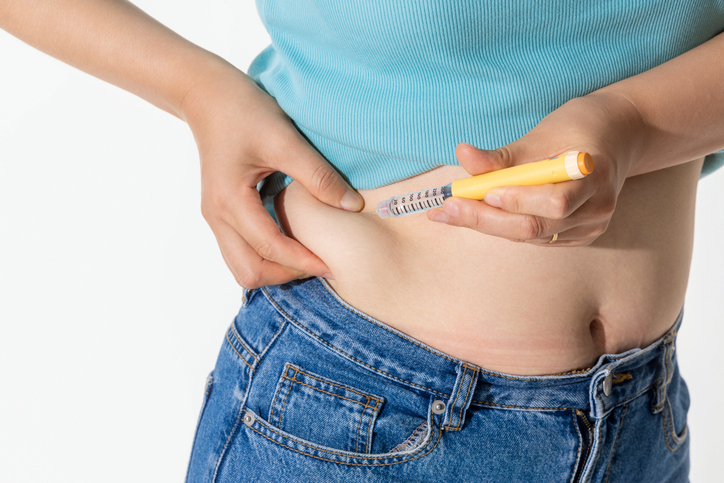
Taking Ozempic or Mounjaro? Here’s What to Eat and What to Avoid Prescription drugs like Ozempic, Rybelsus, Wegovy (semaglutide), Mounjaro, and Zepbound (tirzepatide) work by mimicking hormones that promote healthy blood glucose levels. Originally formulated to treat type 2 diabetes, these medications can suppress appetite, making them an increasingly popular weight-loss option. But these drugs, known as incretin mimetics, can cause some unpleasant gastrointestinal side effects, too — and certain foods can make them worse. So if you’re on or considering taking one, it’s important to know which foods to avoid on semaglutides and tirzepatides. And if you are taking them for weight loss — at present, only Wegovy and Zepbound are approved for weight management — it’s also important to understand the limitations of incretin mimetics, which don’t offer the much broader benefits of a healthy lifestyle. “Incretin mimetics help the body use insulin more effectively,” says Krista Wale, RD, registered dietitian and owner of Louisiana Nutrition Associates. “However, they do not replace the need for a healthy diet. Nutrient-rich foods provide essential vitamins, minerals, and other nutrients that are important for overall health and well-being.” Incretin mimetics work best when they’re combined with a thoughtful nutrition strategy and regular exercise. While there’s no specific “Ozempic diet plan” you need to follow, there are a few nutritional choices you can make to set yourself up for success and get more sustainable, holistic results. Here’s what you should know. Dietary Concerns When Using Semaglutide and Tirzepatide A healthy diet plan can help to mitigate some of the potential downsides of taking semaglutides and tirzepatides. Here are a few key nutrition considerations to keep in mind when using these medications. 1. Side effects Common side effects for both semaglutide (Ozempic, Rybelsus, Wegovy) and tirzepatide (Mounjaro and Zepbound) may include nausea, bloating, vomiting, diarrhea, stomach pain, or constipation. Having an upset stomach can make it difficult to take in enough nutrients in a day, and it may even deter you from staying on the medication, which can often lead to rebound weight gain. Case in point: In one study, up to 27 percent of participants stopped using semaglutide before the study ended because of the side effects. 2. Muscle protein synthesis Along with fat loss, research suggests incretin mimetics can also lead to a loss of muscle. So, while taking them, it’s important to ensure you’re getting enough protein to preserve lean mass. How much protein do you need on semaglutide or tirzepatide? “Most people can meet their protein needs by aiming for 20 to 30 grams of protein at each meal,” says Sheri Berger, RDN, CDCES. To calculate your minimum daily needs: Divide your weight in pounds by 2.2 to find your weight in kilograms. Multiply your weight in kilograms by 0.8. This is the minimum amount of protein (in grams) you should eat each day. If you’re exercising regularly, the International Society of Sports Nutrition recommends multiplying by 1.4 to 2.0 instead, depending on your activity level. 3. Adequate nutrient intake A decreased appetite can make it challenging to get the nutrients you need and enough energy to fuel your workouts. When your caloric intake is reduced, it’s crucial to make sure you’re eating a nutrient-dense diet and avoiding empty calories. What to Eat While Taking Ozempic for Weight Loss (+Mounjaro and Others) Your diet plan on semaglutide or tirzepatide should emphasize nutrient-dense foods that offer the most nutritional bang for your caloric buck. “It is best to evenly space meals throughout the day and choose a variety of vegetables, fruit, whole grains, and lean protein sources for optimum energy and to decrease the chance of nutritional deficiencies with incretin mimetics,” Berger says. Here’s the best of what to eat while on Ozempic, Mounjaro, and the like. EAT: High-fiber foods “Incorporate plenty of fiber-rich foods like fruits, vegetables, and whole grains, which aid digestion and help maintain steady blood sugar levels,” Wale says. Berger suggests these foods for fiber: Fruits Apples Berries Peaches Pears Dried fruit (Look for dried fruit that doesn’t contain added sugar, and limit your serving size to ¼ cup or less, Berger says.) Veggies Leafy greens Red bell peppers Carrots Cauliflower Whole grains Brown rice Farro Quinoa Oats Barley Whole wheat bread Whole wheat pasta Legumes Pinto beans Garbanzo beans (chickpeas) Black beans Soy beans Lentils EAT: Protein-rich foods “Choosing lean sources of protein will help to make you feel full and satisfied, support blood sugar management, and promote lean muscle tissue and fat loss with less chance of nausea, vomiting, and other gastrointestinal distress,” Berger says. Her top picks include: Boneless, skinless chicken Boneless, skinless turkey Pork tenderloin Fish Seafood Eggs Nonfat or low-fat Greek yogurt Nonfat or low-fat milk Shakeology is also a potent way to get additional protein in your diet, as well as phytonutrients, antioxidants, enzymes, prebiotics and probiotics, fiber, adaptogens, vitamins, and minerals. EAT: Healthy fats Healthy fats can help support satiety and overall health, Wale says. Here’s what the experts recommend: Avocado Walnuts Pistachios Almonds Chia seeds Ground flaxseed Pumpkin seeds Peanuts Almonds Cashews Sunflower butter Is all this dietary accounting a little overwhelming? BODi offers two eating plans, 2B Mindset and Portion Fix, that help support weight management and are filled with nutrient-dense foods. Check them out along with their extensive food lists and recipes on BODi. Foods to Avoid on Ozempic and Other Incretin Mimetics Learning to fuel your body properly is a key component to success — but it’s also important to learn what foods to avoid on Ozempic, Mounjaro, and other incretin mimetics so you don’t exacerbate side effects or sabotage your weight loss goals. AVOID: Sugary drinks and desserts “Highly sweetened beverages or desserts will spike blood sugar and add empty calories to further challenge weight loss efforts,” Berger says. While you don’t need to feel guilty about the occasional indulgence, try to minimize your intake of these high-sugar treats: Soda Fruit drinks Sweetened coffee drinks Energy drinks Candy Cakes Cookies AVOID: Greasy foods “Greasy

Taking Ozempic or Mounjaro? Here’s What to Eat and What to Avoid Read More »

Quitting Mounjaro or Ozempic? Here’s What to Expect

Quitting Mounjaro or Ozempic? Here’s What to Expect If you’ve been searching for new ways to advance your weight loss efforts, you’ve probably heard about incretin mimetic drugs like Mounjaro, Ozempic, Rybelsus, Wegovy, and Zepbound. Many people have reported dramatic weight loss by taking these types of medications. But what happens when you stop taking incretin mimetics for weight loss? Do you gain weight back after quitting, or do you have to take them forever to maintain your results? Short answer: When you stop taking incretin mimetics, you will likely regain most of the weight you lost. That can be discouraging when you consider the downsides of long-term use. For starters, there’s the cost — both Mounjaro and Ozempic have a list price of about $1,000 for a month’s supply. Out-of-pocket costs will vary based on your insurance plan, but they can add up quickly, especially if you have to factor them into your monthly budget forever. These medications are also relatively new to the scene, which means their long-term effects may not be fully understood. It’s important to weigh all the potential risks and rewards before deciding whether incretin mimetics are right for you. And, of course, you should always talk to your doctor before starting (or stopping!) any medication. If you’re considering incretin mimetics or their kin for weight loss, here’s what you need to know. How Do Mounjaro and Ozempic Work? Mounjaro, Zepbound, Ozempic, Rybelsus, and Wegovy work by mimicking metabolic hormones called incretins. Hence, these drugs are referred to as incretin mimetics. This hormonal mimicry enhances the body’s ability to maintain healthy blood sugar levels. It also helps reduce appetite and food intake by making you feel full faster and for longer after eating. As a result, many people experience weight loss as a secondary effect. While these drugs all work in relatively similar ways, there are a few key differences when it comes to their mechanisms of action and intended use. Semaglutide mechanism of action These three medications are manufactured by Novo Nordisk and contain the same active ingredient, semaglutide. Semaglutide mimics the glucagon-like peptide-1 (GLP-1) hormone, which helps to promote insulin production, slow digestion, and suppress appetite. Ozempic (injectable) and Rybelsus (pill form) are both FDA-approved as first-line treatments for type 2 diabetes. However, doctors will sometimes prescribe these medications off-label — i.e., not as directed — for weight loss. Wegovy, on the other hand, is an FDA-approved, injectable version of semaglutide formulated specifically for weight management. It’s intended for adults with obesity or overweight adults with at least one weight-related health condition. Tirzepatide mechanism of action The active ingredient in both Mounjaro and Zepbound is tirzepatide. Like semaglutide, tirzepatide mimics the GLP-1 hormone and increases insulin sensitivity. But tirzepatide’s mechanism of action also mimics the gastric inhibitory peptide hormone (GIP), which helps to promote insulin secretion and regulate appetite and satiety. “There have been studies that show that tirzepatide results in more weight loss than semaglutide,” says Mir Ali, MD, bariatric surgeon and medical director of MemorialCare Surgical Weight Loss Center at Orange Coast Medical Center in Fountain Valley, CA. “This has been attributed to affecting two receptors rather than one.” Mounjaro and Zepbound, which are both administered via once-weekly injections, are manufactured by Eli Lilly. Mounjaro is FDA-approved as a diabetes medication, while Zepbound is approved for weight management in adults with obesity, or overweight adults with at least one weight-related health condition. (Sound familiar?) Like Ozempic and Rybelsus, Mounjaro may be prescribed off-label for weight loss. What Happens When You Stop Taking GLP-1 Drugs for Weight Loss? Incretin mimetics can help with weight management while you’re taking them. But when you stop taking these drugs, your metabolic function will revert back to its pre-medication state, and the number on the scale will likely follow suit. Here are a few common side effects of stopping Mounjaro, Ozempic, and the like: 1. Your appetite will make a comeback “[Incretin mimetics’] primary effect for weight loss is to suppress the appetite and slow the emptying of the stomach,” Ali says. “Once the medication is stopped, the appetite returns to its previous state and the stomach resumes emptying at the normal rate. These processes can lead to a person wanting to eat more.” 2. You’ll likely regain much of the weight you lost Once your appetite is back in full swing, you’ll need to keep a close eye on your calorie intake. “If the patient is not careful, they can start regaining weight,” Ali says. One clinical trial found that, a year after stopping incretin mimetics, participants had regained an average of two-thirds of the weight they had originally lost. Their cardiometabolic improvements went back to baseline, too. 3. Your blood sugar may rise When you stop taking incretin mimetics, Ali says, insulin secretion returns to its previous state and you may notice an increase in your blood glucose levels. In a recent peer-reviewed study, researchers divided participants into four groups. Three groups took tirzepatide in varying doses, while the fourth group was given the type 2 diabetes drug dulaglutide. One year later, all three tirzepatide groups had greater improvements in blood glucose levels than the dulaglutide group. However, two months after stopping treatment, all four groups had re-elevated blood glucose levels — and the tirzepatide groups were already experiencing rebound weight gain. The study authors concluded that their findings “suggest a necessity for continuous prescription or careful follow-up when stopping.” Can You Just Stop Taking Mounjaro and Ozempic? Given the extent to which long-term drugs like semaglutide and tirzepatide affect the body, quitting cold turkey is not advised without the guidance of a physician. That said, there is no compelling evidence that discontinuing their use will cause serious withdrawal symptoms. There is a growing body of research, however, suggesting that many people experience a “rapid rebound” in blood glucose levels and weight gain after stopping incretin mimetics. These effects “are not considered withdrawal symptoms, but the return of the patient’s prior physiology,” Ali says. Preserving weight loss

Quitting Mounjaro or Ozempic? Here’s What to Expect Read More »

Introducing Vertical Primary Care at Double Edge Fitness: A New Era in Health & Wellness

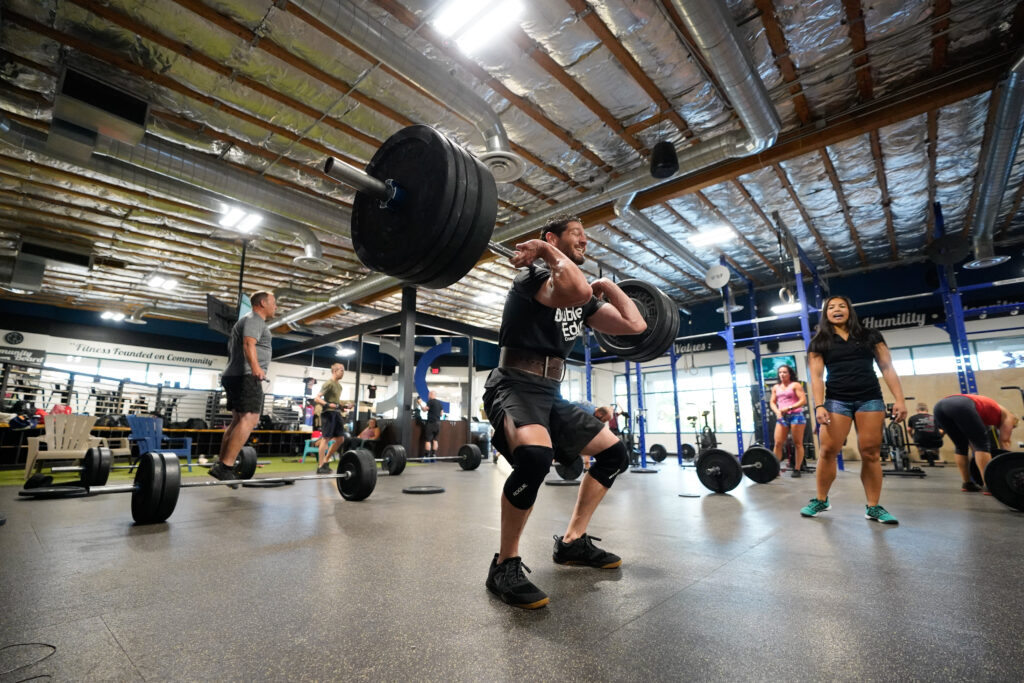
Introducing Vertical Primary Care at Double Edge Fitness: A New Era in Health & Wellness We’re excited to announce the opening of Vertical Primary Care inside Double Edge Fitness, led by Cassie Wellock, PA-C. Bringing over 12 years of experience in Internal Medicine and Family Medicine to Double Edge Fitness, Cassie is now partnering with Dr. Robbie Grant to launch a direct primary care (DPC) practice that will serve those age 12 and up. This clinic will offer a full spectrum of family medical services, including preventive care, disease management, and personalized health guidance—all in a setting that prioritizes long-term health and well-being. What is Direct Primary Care, and Why is it Different? At Vertical Primary Care, we’re embracing a direct primary care (DPC) model instead of the traditional insurance-based approach. Unlike conventional medical practices that work with insurance companies, DPC allows patients to establish a straightforward relationship with their healthcare provider. In this model, patients pay a monthly fee that covers their care, including office visits, lab orders, and extended consultations. This allows our providers to focus on what matters most—your health, not insurance requirements. Benefits of Direct Primary Care (DPC): More Time with Your Provider – Because DPC isn’t burdened by insurance constraints, Cassie can dedicate more time to each patient, fostering a deeper understanding of your health and needs. Transparent Costs – Say goodbye to hidden fees, co-pays, and surprise bills. With DPC, you’ll know exactly what you’re paying for and what’s included. Personalized & Preventive Focus – With longer appointments and consistent follow-up, Cassie can focus on proactive health strategies that help you stay well and prevent disease. Direct Access – Patients enjoy improved access to their provider, often with the ability to connect by phone, text, or email, allowing for timely communication and quick answers. A Break from “Sick Care” – Focusing on Real Health The current healthcare model often falls short in addressing the root causes of illness, especially when it comes to the epidemic of metabolic diseases affecting millions of Americans. Many healthcare providers are constrained by time and insurance regulations that limit the scope of preventive care, leaving patients to feel like they’re merely managing symptoms, rather than being supported in overcoming underlying health issues. By breaking away from the constraints of traditional insurance-based care, Vertical Primary Care can focus on delivering true healthcare, not just “sick care.” Partnering with Double Edge Fitness, Cassie has created a unique approach that emphasizes real solutions for preventing and managing metabolic diseases like obesity, type 2 diabetes, hypertension, and cardiovascular disease. By focusing on lifestyle, nutrition and fitness, she is able to support each patient’s journey toward achieving optimal health. A Partnership for Health and Longevity Opening Vertical Primary Care inside Double Edge Fitness isn’t just about convenience—it’s about combining the resources and community of a dedicated fitness center with high-quality, accessible healthcare. This partnership allows us to provide comprehensive, cohesive support for your physical and mental well-being, combining fitness and proactive medical care to help you reach your long-term health goals. Whether you’re looking to establish a healthier lifestyle, prevent metabolic diseases, or receive ongoing, personalized care from a provider who truly understands you, Vertical Primary Care is here to guide and support you. We’re proud to bring this service to our community, and we look forward to building a healthier, stronger future for every patient we serve. Learn More About Vertical Primary Care Stay tuned for more updates as we prepare to launch in January 2025! If you’re ready to step away from the limitations of conventional healthcare and experience a fresh approach focused on proactive health and wellness, Vertical Primary Care is here for you. Together, let’s redefine what healthcare can be—where prevention, longevity, and health span take center stage. Click here to subscribe for updates on establishing care. The post Introducing Vertical Primary Care at Double Edge Fitness: A New Era in Health & Wellness appeared first on Double Edge Fitness. We’re excited to announce the opening of Vertical Primary Care inside Double Edge Fitness, led by Cassie Wellock, PA-C. Bringing over 12 years of experience in Internal Medicine and Family Medicine to Double Edge Fitness, Cassie is now partnering with Dr. Robbie Grant to launch a direct primary care (DPC) practice that will serve those […] The post Introducing Vertical Primary Care at Double Edge Fitness: A New Era in Health & Wellness appeared first on Double Edge Fitness. Derek Wellock{authorlink}https://doubleedgefitness.com/introducing-vertical-primary-care-at-double-edge-fitness-a-new-era-in-health-wellness/Double Edge Fitness Reno’s Premier Fitness Gym https://doubleedgefitness.com/wp-content/uploads/2023/07/cropped-favicon-32×32.jpg

Introducing Vertical Primary Care at Double Edge Fitness: A New Era in Health & Wellness Read More »

The Importance of Complete Protein in Your Diet: Recommendations and Sources

The Importance of Complete Protein in Your Diet: Recommendations and Sources Protein is one of the essential macronutrients your body needs for optimal health, muscle development, and recovery. But not all proteins are created equal. For those serious about improving health, fitness, and longevity, understanding the role of complete protein and the critical amino acids your body requires is key. In this blog post, we’ll dive into why complete protein matters, break down Dr. Peter Attia’s protein recommendations for longevity, and explore the amino acids crucial for muscle growth, with a special focus on leucine. What is a Complete Protein? Complete proteins contain all nine essential amino acids your body cannot produce on its own. These amino acids must come from your diet and are critical for processes like muscle repair, hormone regulation, and immune function. The nine essential amino acids include: Histidine Isoleucine Leucine Lysine Methionine Phenylalanine Threonine Tryptophan Valine Why Is Complete Protein So Important? Complete proteins provide your body with the full range of amino acids required for optimal health and muscle growth. When your body has access to all the essential amino acids, it can perform better in muscle protein synthesis (MPS)—a critical process for muscle repair and growth. Ensuring your diet includes enough complete protein is essential if you’re serious about building strength, maintaining muscle mass as you age, or simply improving your overall health. Protein Recommendations Based on Dr. Peter Attia’s Principles Dr. Peter Attia, a prominent advocate for longevity and healthspan, emphasizes the importance of eating enough protein—especially complete protein—to maintain muscle mass as you age. His recommendations for daily protein intake are based on ideal body weight rather than total weight. Here’s a simple guideline based on his principles: Aim for 1 gram of protein per pound of ideal body weight per day. For example, if your ideal weight is 150 lbs, your daily protein intake should be around 150 grams of protein. This level of protein intake is particularly important for anyone looking to build or preserve lean muscle mass, improve recovery from workouts, and fend off age-related muscle loss (sarcopenia). If you need help identifying your ideal body and optimal protein intake, talk to your coach at Double Edge Fitness. With a current InBody scan we can guide you in the right direction on your protein intake! Leucine: A Critical Amino Acid for Muscle Growth Among the nine essential amino acids, leucine plays a vital role in muscle growth. Leucine is one of the three branched-chain amino acids (BCAAs) and acts as a key trigger for muscle protein synthesis. Without sufficient leucine, even a high-protein meal might not maximize muscle-building processes. Research suggests that to optimally stimulate muscle protein synthesis, a meal should contain about 2.5-3 grams of leucine. Leucine-Rich Foods and Supplements To ensure you’re getting enough leucine in your diet, choose foods high in this amino acid. Here are some of the best sources of leucine: Whole Foods Chicken breast: A great source of complete protein with about 1.5 grams of leucine per 100 grams. Beef: Lean cuts of beef contain about 1.7 grams of leucine per 100 grams. Eggs: One large egg provides around 0.5 grams of leucine. Salmon: This fatty fish offers about 1.6 grams of leucine per 100 grams. Greek yogurt: A cup of Greek yogurt has around 1.2 grams of leucine. Cottage cheese: Packed with protein, cottage cheese delivers about 1.4 grams of leucine per 100 grams. Supplements Whey Protein: Whey is one of the highest sources of leucine, with 2.5-3 grams of leucine per serving (around 25 grams of protein). It’s an excellent post-workout choice to spike muscle protein synthesis. Casein Protein: While casein digests more slowly than whey, it also contains about 2-3 grams of leucine per serving. BCAA Supplements: These provide a concentrated source of leucine, isoleucine, and valine. BCAA supplements can be useful for those looking to increase their leucine intake specifically. Challenges for Vegetarians and Protein Optimization For vegetarians, getting enough complete protein can be more challenging since most plant-based foods do not provide all nine essential amino acids. However, with the right approach, vegetarians can still optimize their protein intake and ensure they’re getting all the essential amino acids. Why It’s Hard for Vegetarians to Get Enough Complete Protein Incomplete Amino Acids: Most plant-based protein sources lack one or more essential amino acids, which means vegetarians must combine foods to get a complete protein. Lower Bioavailability: Plant proteins may be harder to digest and absorb compared to animal proteins, meaning vegetarians need to consume more protein overall to achieve the same effects. Tips for Optimizing Protein Intake as a Vegetarian Combine Complementary Proteins: Pairing different plant-based foods ensures you get all essential amino acids. Some good combinations include: Rice and Beans: Together, they form a complete protein. Hummus and Whole Wheat Pita: Another combination that provides all essential amino acids. Quinoa and Lentils: Both high in protein and complement each other well. Focus on High-Protein Plant Foods: Quinoa: A complete protein that contains all nine essential amino acids. Chia and Hemp Seeds: Rich in essential fatty acids and contain all amino acids. Soy Products: Tofu, tempeh, and edamame are excellent sources of complete proteins. Lentils and Chickpeas: While not complete proteins on their own, they are good sources of plant protein and can be combined with grains for a complete amino acid profile. Incorporate Protein-Rich Supplements: Pea Protein: A great plant-based protein powder option that is relatively high in leucine. Soy Protein: Provides a complete amino acid profile and can be a great protein supplement for vegetarians. BCAAs: Vegetarians can also use branched-chain amino acid supplements to ensure they are getting enough leucine to stimulate muscle protein synthesis. Track Protein Intake: Keep track of how much protein you’re consuming daily to ensure you’re meeting your protein goals, especially when plant-based sources are involved. Why Double Edge Fitness is the Best Choice for Healthspan At Double Edge Fitness, we not only provide world-class training but also emphasize the

The Importance of Complete Protein in Your Diet: Recommendations and Sources Read More »

The Principles of Longevity by Dr. Peter Attia and How Double Edge Fitness Can Enhance Your Health Span

The Principles of Longevity by Dr. Peter Attia and How Double Edge Fitness Can Enhance Your Health Span Dr. Peter Attia’s Principles of Longevity In recent years, the conversation around longevity has shifted from simply increasing lifespan to improving health span—the period of life during which we are healthy, active, and free from chronic illness. Dr. Peter Attia, a leading voice in this movement, has focused on how we can optimize our physical and mental capabilities to ensure that we not only live longer but live better. At Double Edge Fitness, we share this mission, and we are uniquely positioned to help you achieve your own health span goals. Dr. Attia’s approach to longevity centers on several key areas: Exercise as the Foundation:Dr. Attia emphasizes that exercise isn’t just about burning calories—it’s about setting a foundation for long-term health. He advocates for focusing on strength, stability, endurance, and metabolic conditioning. These are not only important for your fitness today, but they will also enable you to continue doing the things you love as you age. His principle is to train not just for immediate benefits but for decades of vitality ahead. Metabolic Health:Maintaining metabolic health is crucial for longevity. By focusing on insulin sensitivity, body composition, and reducing chronic inflammation, you can prevent many age-related diseases like diabetes and cardiovascular issues. Dr. Attia points out that improving metabolic health can significantly enhance both your health span and lifespan. Cognitive and Emotional Resilience:Dr. Attia believes mental and emotional well-being is just as critical as physical health. Practices like stress management, mindfulness, and continuous cognitive engagement can protect your brain as you age. These factors ensure that as your body stays strong, so does your mind. Optimizing Recovery:Dr. Attia stresses the importance of recovery, particularly through sleep. High-quality sleep is essential for maintaining cognitive function, emotional balance, and physical recovery. Your body and mind require rest to regenerate and perform at their best, especially over the long term. Personalized Nutrition:Dr. Attia takes a personalized approach to nutrition, acknowledging that everyone’s optimal diet might differ. He encourages people to experiment and find the nutritional strategies that best support their metabolic health, improve energy levels, and enhance longevity. How Double Edge Fitness Aligns with These Principles At Double Edge Fitness, we’ve built our approach around these same principles of longevity. We are not just a gym—we are a community that’s focused on improving your health span. Here’s how we do it: Intentional Training for Longevity:Just like Dr. Attia, we prioritize strength, stability, and endurance in all of our programs. Whether it’s our CrossFit classes, weightlifting, or personal training, we design each workout with long-term health in mind. Our coaches guide you through exercises that not only build muscle and endurance but also improve mobility and prevent injury—so you can keep doing what you love well into the future. Optimized Metabolic Conditioning:We focus on improving metabolic health through our comprehensive fitness programs. By enhancing cardiovascular endurance and strength, our workouts are designed to keep inflammation low, improve insulin sensitivity, and optimize your body’s ability to recover and perform at its best. Supportive Community for Mental and Emotional Resilience:At Double Edge Fitness, you’re never alone in your fitness journey. Our community fosters emotional resilience by offering a supportive and motivating environment. Whether it’s through one-on-one coaching or group classes, you’ll find people who uplift and challenge you to be your best self—both mentally and physically. Recovery Focus:We know that recovery is just as important as the work you put in at the gym. That’s why we help you prioritize sleep and recovery with tools like cold plunges and sauna. Customized Nutrition Coaching:Just like Dr. Attia’s belief in personalized nutrition, our coaches work with you to tailor a nutrition plan that works for your unique body and goals. We emphasize sustainable habits, rather than quick fixes, to support long-term health and vitality. Why Double Edge Fitness Is Your Best Choice for Health Span At Double Edge Fitness, we’re dedicated to helping you achieve your personal best—not just today, but for the rest of your life. We understand the importance of longevity and health span, and we offer the resources and support to help you thrive physically, mentally, and emotionally for years to come. Our members aren’t just here to get fit today—they’re here to build strength, resilience, and well-being for their future selves. By embracing Dr. Peter Attia’s principles of longevity, we are committed to providing you with the tools and guidance to optimize your health span. With our intentional training, metabolic conditioning, supportive community, and emphasis on recovery and nutrition, we are the best choice for anyone looking to live a long, vibrant, and healthy life. Stay Healthy. Stay Strong. Join us at Double Edge Fitness and start building your health span today. The post The Principles of Longevity by Dr. Peter Attia and How Double Edge Fitness Can Enhance Your Health Span appeared first on Double Edge Fitness. Dr. Peter Attia’s Principles of Longevity In recent years, the conversation around longevity has shifted from simply increasing lifespan to improving health span—the period of life during which we are healthy, active, and free from chronic illness. Dr. Peter Attia, a leading voice in this movement, has focused on how we can optimize our physical […] The post The Principles of Longevity by Dr. Peter Attia and How Double Edge Fitness Can Enhance Your Health Span appeared first on Double Edge Fitness. Derek Wellock{authorlink}https://doubleedgefitness.com/the-principles-of-longevity-by-dr-peter-attia-and-how-double-edge-fitness-can-enhance-your-health-span/Double Edge Fitness Reno’s Premier Fitness Gym https://doubleedgefitness.com/wp-content/uploads/2023/07/cropped-favicon-32×32.jpg

The Principles of Longevity by Dr. Peter Attia and How Double Edge Fitness Can Enhance Your Health Span Read More »

The Weekly Roundup: Your Go-To Guide For Everything You May Have Missed This Week & More! 10/4-10/9

The Weekly Roundup: Your Go-To Guide For Everything You May Have Missed This Week & More! 10/4-10/9 Welcome to Ben Greenfield’s Weekly Roundup! In this weekly post, I share with you my most interesting discoveries of the The post The Weekly Roundup: Your Go-To Guide For Everything You May Have Missed This Week & More! 10/4-10/9 appeared first on Ben Greenfield Life – Health, Diet, Fitness, Family & Faith. Welcome to Ben Greenfield’s Weekly Roundup! In this weekly post, I share with you my most interesting discoveries of the The post The Weekly Roundup: Your Go-To Guide For Everything You May Have Missed This Week & More! 10/4-10/9 appeared first on Ben Greenfield Life – Health, Diet, Fitness, Family & Faith. Miguel Vences{authorlink}https://bengreenfieldlife.com/article/wkru10-4-10-10/Articles by Ben Greenfield – Ben Greenfield Fitness Discover the best life-hacking secrets for body, mind and spirit optimization, personal productivity, work-life balance, family, relationships, survival, spirituality & more! https://bengreenfieldlife.com/wp-content/uploads/2022/02/cropped-BGL-Favicon-negative-5@512-32×32.png

The Weekly Roundup: Your Go-To Guide For Everything You May Have Missed This Week & More! 10/4-10/9 Read More »

How to Avoid Muscle Loss on Ozempic or Mounjaro

How to Avoid Muscle Loss on Ozempic or Mounjaro If you watch TV, read the news, scroll TikTok, or consume any kind of media at all, you’ve at least heard of Ozempic and other semaglutide medications like Wegovy and Rybelsus, as well as similar tirzepatide drugs like Mounjaro and Zepbound. These prescription medications were initially developed to treat type 2 diabetes but have since gained notoriety for a common, often welcome, side effect: weight loss. Semaglutide and tirzepatide work by mimicking the GLP-1 (glucagon-like peptide-1) hormone, explains Dr. Rekha Kumar, chief medical officer of Found and former medical director of the American Board of Obesity Medicine. “GLP-1 is an incretin hormone that lowers blood sugar, delays stomach emptying, and signals fullness to the brain,” she explains. When prescribed by a doctor, incretin mimetic drugs can help treat obesity and potentially lower patient risk for other health conditions, like cardiovascular disease. For many people who are overweight or contend with diabetes, these medications have been game-changing. But they’re not a miracle cure for all health concerns. (Taking them won’t, for example, bolster bone health or expand your aerobic capacity.) There also is the potential for unwanted side effects. From minor gastrointestinal discomfort to more concerning issues with long-term implications, there are a lot of considerations to weigh before taking medications like Ozempic, muscle loss being chief among them. Lean mass loss is associated with deficits in physical strength and function, a resultant risk of injury, and a slower metabolic rate. Find out the likelihood, among other rapid weight loss effects, of muscle loss on Ozempic. Does Ozempic Cause Muscle Loss? Clinical trials show that people who take incretin mimetic drugs typically lose muscle mass. But sarcopenia (loss of muscle mass and strength) isn’t unique to weight loss drugs. “When someone loses weight — whether through diet, exercise, weight-loss surgery, or medicine — one-quarter to one-third of that lost weight is typically muscle,” Kumar explains. What makes weight loss on semaglutide and tirzepatide different, however, is the rate at which it disappears. “GLP-1 medications can result in greater, more rapid weight loss compared to other interventions, putting people at risk of even more muscle mass loss,” Kumar says. A research review published in Endocrinology and Metabolism looked at more than 40 research studies that reported body composition changes among participants who used incretin mimetics. The authors found that, in most circumstances, recorded weight loss was predominantly due to reduced fat mass. But, in nearly two-thirds of the studies, between 20 and 50 percent of the total weight shed could be attributed to the loss of lean mass, a.k.a. muscle. The dangers of muscle wasting A rapid decline in lean body mass is concerning for many reasons. Losing weight without focusing on muscle preservation can contribute to health issues, including a heightened risk of chronic disease, a slowed metabolism, and reduced bone density, Kumar says. You may also lose the ability to perform everyday tasks (try carrying groceries or lugging a suitcase through an airport without core and upper-body strength) and notice a decline in your balance and posture. And considering age-related sarcopenia naturally begins after age 30, any drastic weight loss may compound existing issues and make it harder to recoup muscle as you get older. “Unfortunately, it’s becoming more and more common for people to get access to medication but not to the comprehensive care that would warn you of these potential side effects, which is why it’s critical for people looking to lose weight to seek out holistic, evidence-based care,” Kumar says. “Without the right information and care, people experiencing weight loss with medication can also lose muscle and decrease their cardio-metabolic fitness in the process.” Strategies to Prevent Muscle Loss on Ozempic Incretin mimetic drugs must be administered under the care of a doctor, and they should be part of a customized health plan, as every individual’s experience, goals, and needs are different. However, some universal strategies can help prevent tirzepatide and semaglutide muscle loss. 1. Prioritize protein Each macronutrient — carbohydrate, fat, and protein — is essential to any diet, but protein is especially critical for building and maintaining muscle mass. Your body needs an adequate amount of protein for muscle protein synthesis, the process by which amino acids (the building blocks of protein) turn into muscle protein. The recommended daily allowance (RDA) for protein is .8 grams per kilogram of body weight for most adults, but depending your level of physical activity, you may need even more. 2. Work resistance training into your routine “Strength training can help to prevent muscle mass loss, protect bones, and improve body composition and metabolic health for people experiencing rapid weight loss,” Kumar says. Lifting, whether you’re using weights, bands, cables, or even your own body weight, causes micro-tearing within the muscles. When the body repairs that damage, the muscles are rebuilt bigger and stronger so they can handle more stress. If you’re new to fitness or have always stuck to cardio workouts, starting a resistance-training routine can be a little confusing and sometimes intimidating. BODi offers a wide variety of strength and muscle-building programs for everyone, from weight room rookies to veteran lifters. For four weeks of beginner-friendly workouts, check out Fire and Flow, or amp up the intensity with Sure Thing, which focuses on endurance and power-based strength training. 3. Fuel your workouts appropriately Encouraging fat loss while preserving fat free mass (i.e. muscle) can be a tricky equation. You need enough of a caloric deficit to lose weight, but you also need to consume adequate calories to fuel your workouts (remember, calories = energy) and promote muscle protein synthesis. For the same reasons GLP-1 agonists help reduce your appetite, they can also make it harder to supply your body with what it needs. A registered dietitian can evaluate your unique energy requirements and help you navigate the complexities of losing weight while building and maintaining muscle mass. Optimizing Your Nutrition on GLP-1 Drugs Kumar explains that while

How to Avoid Muscle Loss on Ozempic or Mounjaro Read More »