Diet Tips

Auto Added by WPeMatico

7 Ways to Keep Losing Weight Without Starving Yourself

7 Ways to Keep Losing Weight Without Starving Yourself You’ve likely read thousands of weight loss tips, and most of them seem focused on the eternal problem: How to lose weight without being hungry. Fad diets and questionable fitness gadgets may seem like a quick fix, but there are some tried-and-true ways to lose weight without feeling deprived or like you’re ready to eat anything within reach. Here are seven ways to not be hungry and still lose weight. 1. Eat Good Fats For decades, the diet industry was powered by the fear of all dietary fats, and some of us still aren’t over the misinformation. It’s worth saying again: Healthy fats can increase satiety (the feeling of fullness) by triggering appetite-regulating hormones. “Fat does not make you fat! In fact, when quality and proportion are right, it does the exact opposite and prevents you from feeling constantly hungry,” says Kylene Bogden, MS, RDN, CSSD, CLT, IFNCP, a performance dietitian for the Cleveland Cavaliers who often has to help clients get and stay lean without feeling starved. She recommends incorporating a serving or two of plant-based fat in every meal, like adding a spoonful of unsweetened peanut butter to oatmeal, topping an omelet with a scoop of guacamole, or using olive oil as the base for a homemade salad dressing. 2. Prioritize Fiber and Food Volume Scott Keatley, MS, RDN, a registered dietitian nutritionist in New York City, says there are two things that every meal should include to help fill you up and keep you full: Fiber Volume “Look at your meal,” Keatley says. “Does your carb source contain any fiber? If not, try to swap it out for one that does, such as beans, whole grain products, or brown rice.” Fiber is not only satisfying, which may have an overall positive impact on body composition, but it also provides numerous health benefits. And most of us don’t get nearly enough. The USDA recommends adults consume between 25 and 34 grams of fiber daily, depending on your biological sex. Then comes volume: “Consider adding more low-calorie fruits and vegetables to your plate,” Keatley advises. Not only does extra volume help you feel full, but it also allows you to focus on what you can add to your diet instead of depriving yourself of foods. 3. Eat Enough Protein “Protein helps repair your muscles after a workout, refueling them instead of allowing them to break down,” says Tami Smith, a NASM-certified personal trainer. “It also helps keep you more satiated throughout the day, which can lead to less snacking and fewer cravings. Proper protein consumption will allow for muscle maintenance while shedding excess fat.” 4. Drink Water Regularly and Between Meals You probably know that drinking more water can help quell hunger pangs, but when and how much is optimal? “I strongly advise all of my clients to start the day by drinking a glass of water and continue drinking about 8 ounces [one cup] every hour,” says Sylvia Melendez-Klinger, MS, RDN, LDN, CPT, a registered dietitian nutritionist in Chicago. “It’s important to drink between meals because it can keep you feeling full and well-hydrated. You’ll be surprised how this simple habit can help you eat far fewer calories than you otherwise would on a daily basis.” To add flavor without racking up the calorie counts of bottled drinks, Melendez-Klinger suggests infusing water with fresh herbs or pieces of fresh fruit or adding a small splash of juice. 5. Eat Before You Feel Really Hungry Plan meals and snacks to avoid scarfing unintentional calories. If you wait until you’re starving to eat, you’ll risk overdoing it, and feeling weak and ravenous might lead you to abandon your dieting efforts altogether. “Avoid going longer than four hours without eating, even if it’s just a little protein-rich snack,” says Bogden. “Sporadic meal times may lead to extreme blood-sugar highs and lows. This can result in fatigue, hunger, and sugar cravings.” 6. Eat Mindfully “Eating your feelings” isn’t just a cutesy phrase — it’s a major obstacle to weight loss for many. “Many of us have a hard time distinguishing when we’re actually hungry versus just bored, irritated, or stressed,” says Paul Greene, Ph.D., a behavioral health psychologist in New York City who specializes in weight loss. “As a result, we come to believe we’re hungry when, in reality, we’re having an emotional experience.” If you have an issue with emotional eating, try a delay tactic: If you feel hungry, wait 10 minutes somewhere food isn’t within easy reach. “If you’re still hungry after 10 minutes, then eat,” says Greene. “If you’re not, you’ve just learned something about differentiating genuine hunger from other experiences.” 7. Prioritize Quality Sleep If you skimp on sleep, expect your hunger to rise the next day, whether you’re dieting or not. “Not getting enough sleep messes with the production of ghrelin and leptin, two hormones that moderate hunger, appetite, and body weight,” says John Fawkes, an NSCA-certified personal trainer and Precision Nutrition-certified counselor in Los Angeles. “The better rested you are, the more likely you are to make smart dietary decisions — and work out.” The post 7 Ways to Keep Losing Weight Without Starving Yourself appeared first on BODi. You’ve likely read thousands of weight loss tips, and most of them seem focused on the eternal problem: How to lose weight without being hungry. Fad diets and questionable fitness gadgets may seem like a quick fix, but there are some tried-and-true ways to lose weight without feeling deprived or like you’re ready to eat anything within […] The post 7 Ways to Keep Losing Weight Without Starving Yourself appeared first on BODi. Michael Martin{authorlink}https://www.bodi.com/blog/how-to-lose-weight-without-being-hungryBODi BODi is a Health Esteem platform to help you embrace the person you are today so you can take action to achieve all your health and fitness goals. https://bodiblog.wpenginepowered.com/wp-content/plugins/bod-blog/assets/vendor/beachbodydigital/wordpress-core-plugins/beachbody.png

7 Ways to Keep Losing Weight Without Starving Yourself Read More »

Taking Ozempic or Mounjaro? Here’s What to Eat and What to Avoid

Taking Ozempic or Mounjaro? Here’s What to Eat and What to Avoid Prescription drugs like Ozempic, Rybelsus, Wegovy (semaglutide), Mounjaro, and Zepbound (tirzepatide) work by mimicking hormones that promote healthy blood glucose levels. Originally formulated to treat type 2 diabetes, these medications can suppress appetite, making them an increasingly popular weight-loss option. But these drugs, known as incretin mimetics, can cause some unpleasant gastrointestinal side effects, too — and certain foods can make them worse. So if you’re on or considering taking one, it’s important to know which foods to avoid on semaglutides and tirzepatides. And if you are taking them for weight loss — at present, only Wegovy and Zepbound are approved for weight management — it’s also important to understand the limitations of incretin mimetics, which don’t offer the much broader benefits of a healthy lifestyle. “Incretin mimetics help the body use insulin more effectively,” says Krista Wale, RD, registered dietitian and owner of Louisiana Nutrition Associates. “However, they do not replace the need for a healthy diet. Nutrient-rich foods provide essential vitamins, minerals, and other nutrients that are important for overall health and well-being.” Incretin mimetics work best when they’re combined with a thoughtful nutrition strategy and regular exercise. While there’s no specific “Ozempic diet plan” you need to follow, there are a few nutritional choices you can make to set yourself up for success and get more sustainable, holistic results. Here’s what you should know. Dietary Concerns When Using Semaglutide and Tirzepatide A healthy diet plan can help to mitigate some of the potential downsides of taking semaglutides and tirzepatides. Here are a few key nutrition considerations to keep in mind when using these medications. 1. Side effects Common side effects for both semaglutide (Ozempic, Rybelsus, Wegovy) and tirzepatide (Mounjaro and Zepbound) may include nausea, bloating, vomiting, diarrhea, stomach pain, or constipation. Having an upset stomach can make it difficult to take in enough nutrients in a day, and it may even deter you from staying on the medication, which can often lead to rebound weight gain. Case in point: In one study, up to 27 percent of participants stopped using semaglutide before the study ended because of the side effects. 2. Muscle protein synthesis Along with fat loss, research suggests incretin mimetics can also lead to a loss of muscle. So, while taking them, it’s important to ensure you’re getting enough protein to preserve lean mass. How much protein do you need on semaglutide or tirzepatide? “Most people can meet their protein needs by aiming for 20 to 30 grams of protein at each meal,” says Sheri Berger, RDN, CDCES. To calculate your minimum daily needs: Divide your weight in pounds by 2.2 to find your weight in kilograms. Multiply your weight in kilograms by 0.8. This is the minimum amount of protein (in grams) you should eat each day. If you’re exercising regularly, the International Society of Sports Nutrition recommends multiplying by 1.4 to 2.0 instead, depending on your activity level. 3. Adequate nutrient intake A decreased appetite can make it challenging to get the nutrients you need and enough energy to fuel your workouts. When your caloric intake is reduced, it’s crucial to make sure you’re eating a nutrient-dense diet and avoiding empty calories. What to Eat While Taking Ozempic for Weight Loss (+Mounjaro and Others) Your diet plan on semaglutide or tirzepatide should emphasize nutrient-dense foods that offer the most nutritional bang for your caloric buck. “It is best to evenly space meals throughout the day and choose a variety of vegetables, fruit, whole grains, and lean protein sources for optimum energy and to decrease the chance of nutritional deficiencies with incretin mimetics,” Berger says. Here’s the best of what to eat while on Ozempic, Mounjaro, and the like. EAT: High-fiber foods “Incorporate plenty of fiber-rich foods like fruits, vegetables, and whole grains, which aid digestion and help maintain steady blood sugar levels,” Wale says. Berger suggests these foods for fiber: Fruits Apples Berries Peaches Pears Dried fruit (Look for dried fruit that doesn’t contain added sugar, and limit your serving size to ¼ cup or less, Berger says.) Veggies Leafy greens Red bell peppers Carrots Cauliflower Whole grains Brown rice Farro Quinoa Oats Barley Whole wheat bread Whole wheat pasta Legumes Pinto beans Garbanzo beans (chickpeas) Black beans Soy beans Lentils EAT: Protein-rich foods “Choosing lean sources of protein will help to make you feel full and satisfied, support blood sugar management, and promote lean muscle tissue and fat loss with less chance of nausea, vomiting, and other gastrointestinal distress,” Berger says. Her top picks include: Boneless, skinless chicken Boneless, skinless turkey Pork tenderloin Fish Seafood Eggs Nonfat or low-fat Greek yogurt Nonfat or low-fat milk Shakeology is also a potent way to get additional protein in your diet, as well as phytonutrients, antioxidants, enzymes, prebiotics and probiotics, fiber, adaptogens, vitamins, and minerals. EAT: Healthy fats Healthy fats can help support satiety and overall health, Wale says. Here’s what the experts recommend: Avocado Walnuts Pistachios Almonds Chia seeds Ground flaxseed Pumpkin seeds Peanuts Almonds Cashews Sunflower butter Is all this dietary accounting a little overwhelming? BODi offers two eating plans, 2B Mindset and Portion Fix, that help support weight management and are filled with nutrient-dense foods. Check them out along with their extensive food lists and recipes on BODi. Foods to Avoid on Ozempic and Other Incretin Mimetics Learning to fuel your body properly is a key component to success — but it’s also important to learn what foods to avoid on Ozempic, Mounjaro, and other incretin mimetics so you don’t exacerbate side effects or sabotage your weight loss goals. AVOID: Sugary drinks and desserts “Highly sweetened beverages or desserts will spike blood sugar and add empty calories to further challenge weight loss efforts,” Berger says. While you don’t need to feel guilty about the occasional indulgence, try to minimize your intake of these high-sugar treats: Soda Fruit drinks Sweetened coffee drinks Energy drinks Candy Cakes Cookies AVOID: Greasy foods “Greasy

Taking Ozempic or Mounjaro? Here’s What to Eat and What to Avoid Read More »

What Is the Optimal Diet for Bodybuilding?

What Is the Optimal Diet for Bodybuilding? Bodybuilding — the art and science of packing on serious muscle — isn’t simply about heaving heavy things. What you eat, when you eat, and how much you eat (or don’t eat) matters. Thankfully, some simple guidelines can give you a solid foundation for bulking up while feeling as strong as you’re trying to look. Read on for some expert advice on the best diet for bodybuilding, the foods to eat and foods to avoid, and the optimal frequency and timing of meals and supplements. How to Plan a Diet for Bodybuilding Crafting your perfect meal plan for bodybuilding will require you to know how many calories you should consume, which depends on your goals: If you want to gain weight, you’ll want to eat more calories than you expend every day. If you want to lose weight, you’ll want to eat fewer calories than you expend. There are two ways to approximate your daily calorie expenditure. One way is to calculate your basal metabolic rate (BMR) — the number of calories your body needs to support essential functions at rest. Everyone’s BMR is different, based on factors like sex, age, and weight. You can find a BMR calculator here. The other way is to multiply your current weight by a number depending on your activity level. Sedentary lifestyle (desk job): current weight in pounds x 11 Moderately active lifestyle (occasional exercise): current weight in pounds x 12 Highly active lifestyle (construction worker or elite athlete): current weight in pounds x 13 Once you figure out your maintenance calories, you can start to plan your meals and snacks. Bodybuilding Food Basics Here are few general guidelines to follow when preparing your diet for bodybuilding. 1.  Consume enough calories If you’re looking to pack on muscle, make sure you’re giving your body enough fuel to get the process started. “For building muscle, the number one most important thing is that you’re getting enough calories in your diet,” says Dana Ellis Hunnes, PhD, MPH, RD, senior clinical dietitian at UCLA Medical Center and author of Recipe for Survival. “Without enough calories, it really doesn’t matter how much of anything else you are getting, or in what proportion — you will not gain muscle, and you will likely lose it.” 2. Get enough protein Protein is the building block of muscle, and it’s the key nutrient for muscle growth. How much do you need? For the average person who’s looking to maintain overall health, at a minimum, it’s recommended to consume at least 0.8 grams of protein per kilogram of body weight per day. For a 180-pound (82 kg) person, that’s only 65 grams of protein. If you’re bodybuilding, you need more — but not an unlimited amount. To stimulate muscle growth, experts recommend getting 1.6 to 2.2 grams per kilogram of body weight in protein daily. For a 180-pound man, that’s about 131 to 180 grams. You may have heard about bodybuilders consuming far more than that. But anything above the 2.2 grams per kilogram max is believed to be oxidized for energy or transaminated to form alternative bodily compounds. “More protein doesn’t mean more muscle, especially if you’re not getting enough calories overall,” Hunnes says. And if you are getting adequate calories, your body may convert any excess protein you’re consuming into fat. However, as that study notes, “While research shows that consumption of higher protein doses (>20 g) results in greater AA [amino acid] oxidation, evidence indicates that this is not the fate for all the additional ingested AAs, as some are utilized for tissue-building purposes.” 3. Hit the right macros For building muscle, stick with a 40-30-30 balance. Aim to get roughly 30% of your calories as protein, 30% of calories as healthy fats (such as olive oil, nuts, and avocados), and 40% of your calories as carbohydrates. 4. Calculate for cutting vs. bulking For bodybuilding, your daily calorie goals will vary depending on whether you’re in a bulking phase or following a bodybuilding cutting diet. The exact amount an athlete needs will largely vary by individual. The goal of the bulking phase is, simply, to put on muscle mass. During this phase, such as during the “off season,” aim to consume 10% to 20% more calories. Conversely, “when cutting, you’re trying to lose fat and simply maintain muscle, so the goal is to take in just as many calories as you need to lose fat mass, but not muscle mass — and that can be hard to do,” says Hunnes. Aim to lose no more than 1% of body weight per week, while maintaining protein intake to preserve muscle. Best Foods to Eat for Bodybuilding The best foods to eat while bodybuilding include: Just enough protein to hit at least 1.6 grams per kilogram of body weight Vegetables and fruits Whole grains, in moderation Nuts, seeds, and legumes (such as beans, peas and lentils) Hunnes advocates a whole-food, plant-based diet and says it’s possible to get enough protein for muscle building while eating a vegetarian diet. “If you really don’t think you’re getting enough, you can add a plant-based protein powder, whey protein powder, or eat eggs,” she says. If you eat meat, good sources of lean protein include chicken, fish like salmon or tuna, and lean meats like grass-fed beef. Best Foods to Limit You might think that “bulking season” is a free pass to eat whatever you want, but there are still some foods that you’ll want to avoid. Alcohol Booze is one of the first things you’ll want to limit or eliminate. Not only is alcohol a source of empty calories — meaning they contribute no nutritional value — science has found that alcohol actively works against muscle building. Research indicates that excess alcohol may impair muscle protein synthesis and may inhibit muscle recovery after exercise. However, if consumed after sport or exercise, a serving of approximately 0.5 grams per kilogram of body weight is unlikely to impact most aspects of recovery. Ultra-processed foods These manufactured foods include prepackaged snacks, sugary cereals, soups, ready-to-eat meals, hot dogs,

What Is the Optimal Diet for Bodybuilding? Read More »

Bodybuilding on a Keto Diet: Does It Work?

Bodybuilding on a Keto Diet: Does It Work? Every so often, a diet trend emerges (or re-emerges) and dominates in the media, on store shelves, and at nutritionists’ offices. One of them is the ketogenic diet, which has been credited with meteoric weight loss among other benefits. But controversy rages over the efficacy of the diet, which promotes slashing carbohydrates in order to burn more fat. The regimen can be hard to maintain even without physical activity — so what happens when you combine a keto diet and bodybuilding? What Is a Ketogenic Diet? A ketogenic diet prescribes cutting carbohydrates and increasing fat intake with the intention of placing your body into ketosis. In this metabolic state, the body uses stored fat instead of carbs as its primary fuel source. Most cells in the body prefer the blood sugar, or glucose, that derives from carbs. However, when that isn’t available, stored fat is broken down into ketones as fuel. You reach ketosis when ketones number more than normal. Once ketosis is achieved, many cells will run on ketones for energy until you consume carbohydrates again. A medical standard for time to reach ketosis remains elusive, but it’s been studied to take as few as two days of limiting daily carbohydrate intake to 20 to 50 grams for your body to shift from circulating glucose to ketones for energy. Typical meal options within a keto diet include eggs, meats, cheese, fibrous vegetables, oils, butters, and nuts. Can I Do Keto and Bodybuilding Together? Given the energy demands required for intense weightlifting, a ketogenic lifestyle isn’t really compatible with a bodybuilding regimen. According to Andrea N. Giancoli, MPH, RD, while it’s possible to train on a ketogenic diet, your body will need carbs — something obviously lacking during ketosis — for serious bodybuilding activity. “You need five to seven grams of carbohydrates per kilogram of body weight for weightlifting,” she says. Based on the above carbohydrate intake imposed by a ketogenic diet, this works out fine if you weigh 13 pounds. Carbohydrates provide fuel for muscles, which store the vital macronutrient as glycogen to power through strength-training sessions. A lack of glucose in the diet means a decrease in glycogen stores in the muscles, resulting in compromised athletic performance. Men and women who lift weights two or more times a week need at least half of their calories to come from carbohydrate sources. Of course, that doesn’t mean you should get your fill on pasta, pizza, and white bread. Quality carbohydrates containing fiber, like beans, quinoa, and whole-grain bread, are what you should lean toward. Can You Build Muscle On a Low-Carb Diet? It’s possible to build muscle on a low-carb diet, but it’s not recommended — and it can take far longer. University of South Florida researcher Dr. Dominic D’Agostino, Ph.D., who is also a national qualified bodybuilder, says it’s common for people to jump into the keto diet expecting it to work from day one. But the body can take weeks or even months to fully adapt to ketosis. “A keto diet can lead to poor performance, as it decreases muscle fullness since the muscles won’t be as hydrated,” D’Agostino says. That’s because, to every gram of carbohydrate, the body assigns three grams of water. Also, a standard ketogenic diet generally prescribes getting 55 to 60 percent of your calories from fat. D’Agostino notes that such a breakdown doesn’t leave a lot of room for protein, the body’s basic building block for muscle. A consistent supply of protein throughout the day is critical for optimal muscle growth since it isn’t stored. Without an adequate amount of protein, your body won’t sufficiently build, maintain, or repair muscle tissue. What Happens If You Try Bodybuilding on a Keto Diet? When you consume carbohydrates, your body transports them into muscles as glucose for energy. Weightlifting on a keto diet means missing out on that fuel source. As a result, you’ll likely experience declines in performance on a ketogenic diet. “Creatine is your primary fuel source for the first 10 seconds of each set,” says Trevor Thieme, CSCS. “But after that your muscles run primarily on glucose, which comes from carbohydrates.” And if you’re a bodybuilder, you know how important form is. Without the energy necessary to perform at your fullest, form may also become a casualty of a keto diet. That can not only cost you gains, but also heighten your risk of injury. Furthermore, there’s a transition period while switching to a keto diet, and until your body gets used to it, you may also notice side effects like fatigue, dizziness, headache, and nausea. What Is the Best Diet for Weightlifting? There is no one-size-fits-all diet for bodybuilders, but there are dietary principles to keep in mind when trying to build muscle and strength. 1. Eat more protein When lifting weights regularly, it’s important to get sufficient protein in your diet so you can benefit from muscle growth, repair, and recovery. For high-protein meals — especially after a workout — 20 grams is generally considered optimal for muscle growth. Research suggests that the body doesn’t use much more than 20 grams for muscle growth at a time. 2. Get enough calories Running a calorie deficit is a pathway to weight loss, not muscle gain. To determine how many calories you should consume in order to gain weight, identify how many calories you would need if you didn’t move at all in a given day — your base metabolic rate (BMR) — then calculate calories burned by daily activity and exercise. Any calories consumed above that represent a surplus. 3. Balance your macros Depending on whether you want to bulk up and then lean out, or gradually build lean mass, your mix of macros matters. To increase weight gained from fat, those macros should emphasize carbs as well as fat, since the latter is the densest calorically. The bulk of that fat should come from unsaturated sources such as avocado, olive oil, and salmon. The post Bodybuilding on a Keto Diet: Does It Work? appeared first on BODi. Every so often, a diet trend emerges (or re-emerges)

Bodybuilding on a Keto Diet: Does It Work? Read More »

Get Ripped Without Ripping One — How to Prevent Protein Farts

Get Ripped Without Ripping One — How to Prevent Protein Farts There’s an uncomfortable truth about supplementing with protein: It can leave you feeling bloated and gassy — and conspicuous. Protein farts can happen to anyone. Even actor James McAvoy battled the phenomenon while filming scenes with Angelina Jolie on the set of Wanted. It may be as embarrassing to say or Google “protein farts” as it is to experience them. But we’ll face this menace together. Here’s what the experts say about why protein causes gas and flatulence in some people and what can be done to prevent it. What Causes Protein Farts? Protein farts can usually be traced back to these two ingredients commonly found in protein powder supplements. 1. Sweeteners “Certain protein supplements are definitely known to result in gas and bloating,” says Allison Sizemore, a certified sports nutritionist in Kansas City, Missouri. “The issues are not usually with the protein itself, but other items protein supplements may contain.” She explains that many protein powders and bars can contain sugar substitutes and/or sugar alcohols (xylitol, mannitol, and sorbitol) that commonly cause gas. 2. Lactose “Popular protein supplements like whey protein (concentrate) powder can cause bloating because of the lactose content,” says Steve Theunissen, RDN, a registered dietitian nutritionist and ISSA/IFPA certified personal trainer. “Whey protein is essentially powdered milk with most of the fat and carbohydrates taken away. So if you’re intolerant to dairy products and suffer from bloating or gas after drinking milk, chances are that you’ll have the same reaction to some protein supplements,” he explains. How Do You Stop Protein Farts? Here are some reliable ways to prevent unwanted flatulence from a protein. 1. Try an unsweetened protein powder Because sweeteners like xylitol or mannitol can cause digestive upset, you could start your pursuit of being fart-free by trying a protein powder that lacks those specific types of sweeteners. If you’re looking for a high-quality protein powder that contains no artificial sweeteners or synthetic colors or flavors, try Beachbody Performance Recover. It contains 20 grams of protein per scoop, along with pomegranate extract to help reduce post-workout muscle soreness. 2. Try whey isolate Whey protein isolate contains more protein — and fewer other potentially troublesome components — than whey protein concentrate, so you may want to give it a try. “Whey isolate may be a much better option given that it is far lower in lactose,” says certified personal trainer Joe Johnson. “Even for people without lactose intolerance, this type of protein is generally much easier to digest.” 3. Try a plant-based protein powder If you know that lactose or whey bothers you, going plant-based could be the solution. “Pea protein powder is a great alternative to whey protein powder,” says Reda Elmardi, RD, CSCS, a registered dietitian and certified strength and conditioning specialist. It’s made from yellow peas that contain all nine essential amino acids. Since most protein powders are pure protein, they contain very few carbs. Unfortunately, plant-based powders aren’t the answer for everyone. “Many plant-based (whole-food) protein sources, such as legumes and beans, are known to cause gas and bloating as well,” says Sizemore. “This can happen with anyone, not just those with food sensitivities.” 4. Stick with whole-food sources of protein If you’ve tried a few different protein supplements and are still experiencing discomfort, you can still boost your protein intake and realize muscle-building benefits. “If you are experiencing effects from consuming protein supplements, stick with whole food sources, such as animal proteins, to avoid the gas and bloating that may come along with things like protein bars and powders,” says Sizemore. Are There Health Risks From Eating Too Much Protein? As with everything, there are potential health risks from consuming too much protein. But it’s pretty difficult to eat so much protein that it negatively impacts your health. You’re more likely to have a side effect caused by one of the reasons above, which you can remedy by trying a different protein source. A more common scenario: Protein contains calories, and if you’re consuming much more than your body can process, those excess calories might be converted to fat. Here are some protein guidelines to consider: Whether you want to lose weight, gain muscle, or maintain, a good macronutrient ratio to aim for is around 40% carbs, 30% protein, and 30% fat. The minimum recommended daily protein intake for the average person is 0.8 grams per kilogram of body weight. For those who are exercising and are more active or are of advanced age, the protein recommendation is upwards of 1.2 to 1.6 g/kg body weight per day (refer to the next bullet point). That’s about 46 grams of protein a day for women age 19 and older and 56 grams for men age 19 and older. If you’re an athlete or exercise regularly, the Academy of Nutrition and Dietetics and the American College of Sports Medicine recommend 1.2 to 2.0 grams of protein per kilogram of body weight per day, depending on your training regimen. The post Get Ripped Without Ripping One — How to Prevent Protein Farts appeared first on BODi. There’s an uncomfortable truth about supplementing with protein: It can leave you feeling bloated and gassy — and conspicuous. Protein farts can happen to anyone. Even actor James McAvoy battled the phenomenon while filming scenes with Angelina Jolie on the set of Wanted. It may be as embarrassing to say or Google “protein farts” as it is to […] The post Get Ripped Without Ripping One — How to Prevent Protein Farts appeared first on BODi. Michael Martin{authorlink}https://www.beachbodyondemand.com/blog/protein-fartsBODi BODi is a Health Esteem platform to help you embrace the person you are today so you can take action to achieve all your health and fitness goals. https://bodiblog.wpenginepowered.com/wp-content/plugins/bod-blog/assets/vendor/beachbodydigital/wordpress-core-plugins/beachbody.png

Get Ripped Without Ripping One — How to Prevent Protein Farts Read More »

11 Best Fruits to Eat When Trying to Lose Weight

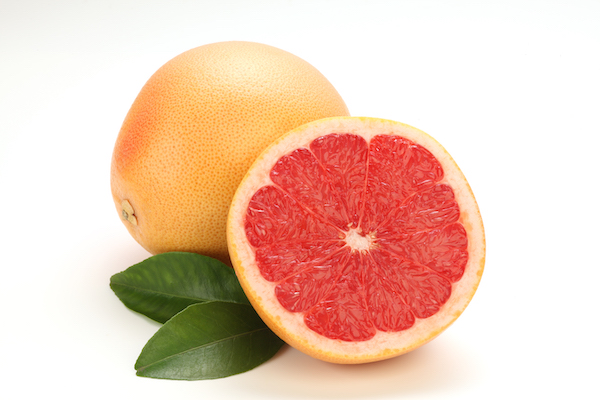
11 Best Fruits to Eat When Trying to Lose Weight Sweet, satisfying, and nutrient-dense, fruit is one of the main pillars of a healthy diet. But if shedding pounds is your goal, what are the best fruits to eat for weight loss? “I recommend focusing on high-fiber fruits for those who are wanting to lose weight,” says Diana Gariglio-Clelland, RD, a Washington-based dietician. “Fiber is beneficial for a multitude of reasons: It helps to keep us feeling satiated and promotes stable blood sugar levels, which translates to more stable energy levels.” Fruit also gives you a lot of bang for your dietary buck — they’re packed with vitamins, minerals, and antioxidants. “When you’re looking to lose a few pounds, you want to cut calories where you can, but keep maximum nutrients in your diet,” says Keith-Thomas Ayoob, RD, FAND, associate clinical professor emeritus at Albert Einstein College of Medicine in New York City. “There are no ‘bad’ fruits, but those that provide lots of satiety with minimum calories are your best options.” There are a couple of ground rules when it comes to eating fruit for weight loss. Always opt for the whole fruit — with the skin on it, when appropriate — to get the most fiber. And accept no substitutes. “Skip dried fruit and fruit juices, as they’re more concentrated in sugar with less fiber,” says Gariglio-Clelland. “Avoid any fruit with added sugars [like some canned fruit], as well as smoothies made with sugary mixes. Fruit pouches are also very low in fiber. If you do choose them for convenience, opt for unsweetened.” That being said, here are 11 of the best fruits for weight loss. 1. Grapefruit 1 fruit: 103 calories, 4 g fiber “Grapefruits are one of the best fruits that can aid in weight loss because of their thermogenic properties and high-fiber content,” says Julia Eze, MSN, RN, NP-C, a board-certified family nurse practitioner in Atlanta. Researchers believe thermogenic foods (peppers are another example) contain natural chemicals that can help with weight management. The tang of citrus fruits could also be a natural appetite suppressant. In one study, obese adults who consumed grapefruit before meals for 12 weeks ate fewer calories, lost 7.1 percent of their body weight, and saw a reduction in waist size and body fat. Just keep in mind that some medications can have negative interactions with grapefruit, so you may want to check with your physician before making grapefruits a staple of your diet. 2. Apples 1 medium: 96 calories, 4 g fiber High in satiating fiber and low in calories, apples are also rich in pectin, a type of fiber that helps fill you up and keeps you feeling full. Eat them whole as a snack, pop one into a smoothie, or make them an appetizer (just be sure to keep the skin on for max fiber). 3. Pears 1 medium: 101 calories, 5.5 g fiber Like apples, pears also pack a weight-loss punch thanks to pectin. In one 12-week study, people who added three apples or pears to their daily diet lost 2.7 pounds. They’re a filling snack — just one medium pear provides nearly one-quarter of your daily allowance of fiber — but also make a great topping for oatmeal, or as a salad addition that will keep you satiated. 4. Guava 1 cup: 112 calories, 9 g fiber This exotic little fruit is a high-fiber champ, coming in at nine grams per cup. Just one piece provides twice your daily allowance of vitamin C. Studies show guava may help keep blood sugar stable, helping prevent spikes, crashes, and cravings. You can snack on them as they come — peel included, as it contains more vitamin C than an entire orange! The seeds are edible, as well. 5. Avocados 1 serving (about ⅓ avocado): 84 calories, 3.4 g fiber With its distinctive pit, avocado is technically a fruit. It’s also high in heart-healthy monounsaturated fat, so it’s super-satiating. Just don’t gobble them like apples; stick to a serving size of one-half or one-third. Sliced avocado can make a salad or grilled chicken breast more filling, or lend satisfying creaminess to a smoothie. 6. Raspberries 1 cup: 64 calories, 8 g fiber “Berries are not only low in calories, but also are loaded with fiber and are among the best sources of antioxidants,” says Ayoob. Raspberries have a winning low-cal/high-fiber ratio: A study published in the journal Appetite found that women who ate an afternoon snack of raspberries ate fewer calories at dinner. They’ll make a smoothie sweeter and more satiating, and they’re a great addition to meal prep. 7. Blackberries 1 cup: 62 calories, 7.6 g fiber Nearly as fiber-rich as raspberries, blackberries are also high in manganese, a nutrient that helps with protein synthesis — necessary for building fat-burning muscle — and the metabolism of carbs. Enjoy them whole for a sweet snack, or try them in this refreshing Blackberry Smoothie with mint as a post-workout recovery drink. 8. Blueberries 1 cup: 84 calories, 3.6 g fiber In a Harvard Medical School review of studies involving more than 124,000 people, researchers found that those who consumed more foods rich in anthocyanins (a natural chemical found in blue or purple fruits like blueberries) were more likely to avoid weight gain or lose weight than those who ate less of those foods. Scientists theorize that flavonols (a class of natural chemicals in fruit to which anthocyanins belong) might prevent fat absorption and increase calorie burn. Snack on them right out of the package, make them part of a creative fruit salad, or use them to top off a protein-rich smoothie bowl. 9. Strawberries 1 cup: 74 calories, 4.6 g fiber Not only are strawberries filling and sweetly satisfying, like all berries they’re rich in vitamin C — just one cup provides your full daily recommended allowance. Researchers believe that vitamin C can help lower levels of cortisol, aka the stress hormone that encourages your body to hang on to belly fat. 10. Watermelon 1 wedge: 86 calories, 1.1g fiber “Fruits from the melon family, especially watermelon, are

11 Best Fruits to Eat When Trying to Lose Weight Read More »