Cardio Workouts

Auto Added by WPeMatico

Navigate Your Indoor Bike With This Cycling Glossary

Navigate Your Indoor Bike With This Cycling Glossary When you’re getting started with indoor cycling, taking time to become familiar with the movement isn’t the only necessary adjustment. There can be a learning curve in terms of the terminology, like all sports and activities. Fortunately, Melanie Melillo, CPT, is here to give you a cheat sheet for your next cycling class. She shares some of the most common terms for indoor cycling so you can feel like an insider in no time. 1. Fore and Aft A way to indicate how to adjust your seat, Melillo says this will bring the seat closer to or farther from the handlebars: Fore means forward. Aft means back. It can be tricky to figure out this distance if you’re a beginner, so take some time to adjust fore and aft before doing a ride, so you’re ready. 2. Cadence This is how fast your legs are pedaling at any given time and is measured in RPMs, says Melillo. Everyone’s natural cadence is a little different, especially given different experience levels. Most recreational cyclists have a cadence of about 60 to 80 RPM, and elite cyclists might be around 90 to 100 RPM. 3. Q-Factor Q-factor is the distance between pedals. For example, the BODi Bike uses an optimized Q-factor of 165 mm to reduce knee stress. 4. Resistance and Gear The higher you set your resistance, the more strength you’ll need to pedal. That’s similar to gears on a road bike, where lower gears make pedaling much easier, and higher gears take more effort to pedal through. On many bikes, you can adjust the resistance using a knob. 5. Crank The crank is the arm that holds the pedals. This is a shortened version of the term for a road bike: crankset. 6. Flywheel The flywheel is a weighted disc that connects to the pedals and simulates the feel of an outdoor bike. They also help create a smoother ride and help build momentum for more efficiency and speed. The BODi Bike has a 41-pound flywheel. 7. Saddle Also known as the seat. A good rule of thumb for adjusting the seat height is that the saddle should be at your hip when you’re standing next to it. 8. Watt This is a unit of measurement for power or the rate at which energy is used over time. The more oomph applied to the pedals, the greater the wattage. You can easily increase your wattage by going up in speed or resistance, says Melillo, and if you want a big wattage change, increase both. 9. Clips Cycling shoes that snap into the pedals have an accessory on the bottom called clips. Melillo says using these offers a more efficient pedal stroke because you’re not only pushing the pedal but also pulling it back up. On a traditional bike without clips, the majority of your effort is on the pushing motion, and you can lose efficiency as the pedal comes back up. Some indoor bikes require clips, but not all of them. For example, on the BODi Bike, you can choose to clip in, but you can also wear regular shoes if you prefer. 10. Toe Cage If you don’t have shoes that clip in or you just want to wear your regular shoes, there’s a pedal option with a toe cage, which means you slide your shoe in and secure it. This can provide many of the same benefits as clipping in and keeps your shoes in place as well. 11. Climbing If you were cycling outside, going up a hill would add a natural amount of resistance in order to retain your pace. On an indoor bike, that feeling is replicated by adding extra resistance to the gear. Depending on the workout or instructor, you may be off the saddle for some or most of the climb. “Training your body and mind to take on climbs while staying in the saddle is an amazing challenge,” says Melillo. “Usually, in a climb, you add resistance and slow your legs down to mimic that outdoor climb feeling.” 12. Sprinting Similar to going for a run and doing sprint intervals where you run as fast as possible, sprinting on an indoor bike involves a short-term, all-out effort that lasts 30 seconds max, Melillo says, and takes your heart rate up to 92 percent of your max heart rate. You may also hear trainers use the term “push,” which refers to an increase in speed, but you can hold it longer than 30 seconds, and it isn’t always max effort, Melillo says. 13. Run It Out This is a cue to rise out of the saddle to position two, which somewhat simulates running in place. This tends to be used during high-intensity intervals. Melillo adds that it can also refer to the speed of your legs, similar to running rather than jogging. “This is great to do at 75 to 85 RPMs,” she says. “Sometimes, we say ‘jog out of the saddle,’ which is like running but a little slower paced.” The post Navigate Your Indoor Bike With This Cycling Glossary appeared first on BODi. When you’re getting started with indoor cycling, taking time to become familiar with the movement isn’t the only necessary adjustment. There can be a learning curve in terms of the terminology, like all sports and activities. Fortunately, Melanie Melillo, CPT, is here to give you a cheat sheet for your next cycling class. She shares […] The post Navigate Your Indoor Bike With This Cycling Glossary appeared first on BODi. Kayne Toyosato{authorlink}https://www.bodi.com/blog/common-cycling-termsBODi BODi is a Health Esteem platform to help you embrace the person you are today so you can take action to achieve all your health and fitness goals. https://bodiblog.wpenginepowered.com/wp-content/plugins/bod-blog/assets/vendor/beachbodydigital/wordpress-core-plugins/beachbody.png

Navigate Your Indoor Bike With This Cycling Glossary Read More »

Avoid These 11 Common Indoor Cycling Mistakes

Avoid These 11 Common Indoor Cycling Mistakes Indoor cycling isn’t as complicated a workout as, say, weightlifting or calisthenics — you’re seated, and there’s essentially one basic motion. So how much can go wrong? Plenty. There’s significant room to make mistakes when cycling that can lead to an inefficient workout or, worse, injury. We asked fitness pros and cycling instructors about common indoor cycling mistakes and how to fix or avoid them. 1. Sitting Too High or Low The first mistake many people make is not setting the bike up correctly, says Melanie Melillo, CPT. “The most common mistake I’ve seen in the past decade of helping riders get set up is that they set the handlebars too high while the seat is too low,” says Jake Maulin, CPT, co-owner of CycleBar in Naples, Florida. “If your handlebars are too high, it makes the pedal stroke inefficient in the downward motion. If your handlebars are too low, it makes it difficult to breathe.” Additionally, a seat that’s too high or low will put excess pressure on your spine and knees, says Brendan Kirk, PT, DPT, OCS, CSCS, CKTP, of Spine and Sports Medicine in Glen Rock, New Jersey. To set up your bike correctly, stand next to it and use these guidelines: The seat should be about the height of your hip bone. Once seated, adjust the handlebars so you can hold them with a light grip while maintaining a slight bend in your elbows. You should be sitting far enough from the handlebars to maintain a long, neutral spine, says Melillo. At the bottom of your pedal stroke, your knee should be slightly bent. “This will allow you to generate more force safely,” says Kirk. But don’t let your knee bend too much — that will leave the pedal stroke “short” or unfinished, says Maulin. 2. Riding Tense Another common mistake is gripping the handlebars too tight. “We call it the death grip or the white knuckle,” says Melillo. “That traps a lot of tension in your hands that you don’t need.” Many riders also hold tension in their jaw and let their shoulders ride up toward their ears. Instead, follow these cues to loosen up: Relax your fingertips and hold the handlebars with a light grip. Make sure your shoulders are relaxed. Maintain a soft bend in your elbows and turn them inward, so they’re on either side of your rib cage, “as opposed to flaring out like chicken wings,” says Melillo. Why? To get a good cycling workout, you need to allow your body to generate the most power that it can. “If your shoulders are up by your ears and your elbows are out to the side, you’re not in an optimal position to get the most pedal stroke,” Melillo says. 3. Uneven Foot Positioning When you’re cycling indoors, your foot may be held in place by a toe cage or clipped shoes. This allows the hamstring muscles to activate when you pull your leg up, explains Andrea Metcalf, CPT, LREA, a certified personal trainer and author of the book Naked Fitness. If your foot is pointing downward, you’re working your calves but giving the hamstrings short shrift. Instead, hold your foot level in the pedal. That will allow the quads and hamstrings to work together, producing a more balanced lower-body workout that activates the larger thigh muscles. 4. Setting the Resistance Too Low “We see riders set the resistance too low, so they’re pedaling furiously but not getting any benefit out of the motion and even hyperextending their knees,” says Maulin. The fix: Create a light-to-moderate rate of resistance as a starting point, so you feel in control of the ride, not like you’re about to rock off the bike. 5. Not Fueling or Hydrating Enough When you’re doing a cycling workout, it’s a good idea to have a water bottle within arm’s reach. “Cardio like indoor cycling can be really sweaty, so you want to make sure you replace the fluids you lose — and electrolytes if you’re riding for more than 45 minutes,” says Melillo. A hydration supplement like Beachbody Performance Hydrate can help you rehydrate, replenish important electrolytes, and even improve endurance during your rides.* And be sure to fuel properly pre– and post-workout with enough protein and carbs to support your activity level and fitness goals. 6. Incorporating Upper-Body Exercises Trying to work out your upper body while riding a stationary bike is dangerous and “has little to no benefits,” says Garret Seacat, CSCS, head coach with Absolute Endurance in Manhattan, Kansas. “When you’re bobbing up and down on a bike doing any kind of upper body exercise while pedaling, you increase your chances of injuring your lower back dramatically.” Upper body movements also detract from your effort on the pedals, making your workout less effective and decreasing calorie burn. Instead, do some push-ups as part of your post-ride stretch and cooldown. 7. Eating Back the Calories You Burned “We have riders who are convinced that because they’ve torched hundreds of calories, they can indulge in pizza and all the sweet stuff your body craves immediately following the ride,” says Maulin. “A little treat is fine, but what your body needs post-workout is protein and hydration. Immediately consuming alcohol can also cancel out many of the good aspects of your workout.” 8. Cycling Too Hard, Too Often Doing too many workouts, constantly exercising at full intensity, and not giving your body enough time to rest and recover will undermine your efforts. “Going all-out every single time you exercise, is a pitfall,” says Melillo. “Your body needs to work out in all different heart rate zones. It needs periods of rest and recovery. As much as it needs hard workouts, you need those moderate workouts that last a little bit longer.” 9. Narrowing Your Training “Make sure you’re doing strength training, core training, and stretching as well as riding,” says Melillo. “All of that supports the best performance on the bike.” Stretch

Avoid These 11 Common Indoor Cycling Mistakes Read More »

What Should You Eat During a Hard Endurance Event?

What Should You Eat During a Hard Endurance Event? One of the perks of being a serious endurance athlete is that you can pork out with impunity. All of that training burns major calories, which is why you can do real damage to all-you-can-eat buffets. In fact, sometimes it might seem like you’re hungry all the time — except during a hard workout or race. In such situations, the “fight-or-flight” response kicks in, sending your nervous system into overdrive and damping your appetite so you can focus on the job at hand. The only problem with this little bit of hormonal autofocus is that it can cause you to burn through a ton of calories, so if things go on for too long — say, more than 90 minutes — you’re going to run low on gas. To avoid running on an empty tank, here’s how to fuel your body during a race. How Your Body Burns Fuel When You Exercise When you exercise, your body can pull fuel from a few places: Adipose tissue (through lipolysis — the breakdown of fat) Muscle mass (through proteolysis — the breakdown of protein) Carbohydrates (through glycolysis — the breakdown of glucose, a.k.a. blood sugar, which is also stored in muscle and liver cells as glycogen). When your exertion level is low, or when you’re training in a lower heart rate zone, your body burns a greater percentage of fat than carbs as fuel. Even really lean athletes have enough fat to last them for a while, so if you’re noodling in recovery mode or building a base, during-workout nutrition isn’t quite as important (but hydration still is!). In fact, many athletes deliberately train in a fasted (i.e., glucose-deficient) state during these kinds of workouts to teach their bodies to better utilize fat for fuel. But as the intensity of your workout increases, so too does your body’s reliance on carbs for energy. If you plan on exerting any real effort, or if you’re planning on training for more than a couple of hours, you’re probably better off refueling with carbs as your body burns through its glycogen stores. What is glycogen? Glycogen is basically a back-up blood sugar supply. It’s readily converted back to glucose for use as energy. Liver glycogen can be diffused throughout your body, including your muscles, but muscle glycogen works only for the specific muscle in which it’s stored. When your glycogen stores are completely topped off, you should have about 90 to 120 minutes worth of fuel with which to work. After that, you “bonk” or “hit the wall.” If you’ve ever been in the middle of a training session and suddenly felt like even the simplest task was an epic challenge, that’s bonking. Technically, you can still function at that point, as you still have fat stores and muscle to tap into, but you won’t perform as well. How to Fuel Up During a Long Event (60+ Minutes) 1. Get a head start on carbs Increase your carbohydrate intake a couple days before your race, and since there’s no easy way of knowing when your glycogen is at 100 percent, hedge your bets by consuming a carb-rich meal a few hours before it begins. 2. Fuel proactively Start feeding about 30 minutes after you begin instead of waiting for the first hints of fatigue to set in. Why? Because if you wait until you’re tired to refuel, you’ve waited too long. (Our bodies didn’t evolve to optimize fuel production during 140.1-mile Ironman races and double centuries.) During extreme effort, the human body can burn 800 to 1,000 calories per hour. Unfortunately, we can only absorb about 360 calories of carbs an hour, meaning that we’re dealing with a situation of diminishing returns right off the starting line, so it’s important to get a jump on glycogen replenishment. Since there are four calories in a gram of carbohydrates, 360 calories of carbs is equivalent to 90 grams. But getting those 90 grams isn’t as easy as wolfing down a jelly donut, since different sugars absorb in different ways and at different rates. If you consume nothing but glucose, you’ll only absorb about 60 grams an hour, for example. 3. Combine types of sugars There’s a trick to maximize carb absorption: Fructose absorbs differently than glucose; it needs to pass through the liver. This process can happen concurrently to glucose absorption, so if you consume a mix of the two, you should be able to absorb more carbs overall — 90 grams an hour. But while this number is backed by some respectable science, don’t take it as hard and fast. Just because you can probably absorb 90 grams of carbs per hour doesn’t mean you should. During “shorter” events lasting between one and two hours, you’re probably not going to need 90 grams per hour, so you might as well save your digestive system the stress and stick to 30 to 60 grams per hour. If, however, you’re going longer, your best bet is to keep 60 grams per hour as your baseline, and add up to 30 grams per hour on top of that depending on what your system can comfortably tolerate. 90 grams may seem like a lot of carbs to absorb, but as with most aspects of training, you can increase your body’s ability to handle it. Start with an amount that works for you, and then slowly increase your intake. Just remember to experiment during training, not during races. 4. Set reminders Also, make use of all that fancy data technology you’ve probably invested in. Set a timer on your computer/phone/bionic implant reminding you to drink and eat at regular intervals. How to Hydrate During an Event The science behind event feeding is surprisingly vague, but the science behind event hydration is relatively solid, so by pinning that down, you can simplify the feeding part. The amount of your fluid intake should vary depending on your sweat rate, which, according to the American College of Sports Medicine, can range

What Should You Eat During a Hard Endurance Event? Read More »

Zone 2 Cardio: The Aerobic Workout Everyone Should Be Doing

Zone 2 Cardio: The Aerobic Workout Everyone Should Be Doing Zone 2 cardio puts the “steady” in “steady-state cardio.” It’s not flashy like high-intensity interval training (HIIT) or dramatic like bonking, yet it deserves just as much attention. Zone 2 cardio is foundational to any fitness routine, whether you’re an endurance athlete who wants to improve their performance or someone who just wants to be a healthy, functional human. So, if you’ve noticed a “trend” around this type of exercise, know this: Low-intensity, steady-state cardio (LISS cardio) has always been around. And if, until now, it hasn’t been part of your exercise routine, it’s time to change that. What Is Zone 2 Cardio? Zone 2 cardio refers to a specific exercise intensity that you can sustain for an extended period, during which your heart rate is about 60 to 70 percent of your max heart rate. (Your max heart rate is the number of times your heart beats in a minute during an all-out effort, like sprinting the final stretch of a 5K. More on how to determine your max heart rate later.) In this zone, you may be slightly breathy, but you’re not gasping for air. There are five heart rate zones, each of which has a target range based on a percentage of your max heart rate (MHR). Below is a general breakdown of heart rate zones, but note that these numbers are estimates and may differ according to your source and from one person to the next. Zone Intensity % of MHR Zone 1 Low–moderate 50%–60% Zone 2 Moderate 60%–70% Zone 3 Moderate–high 70%–80% Zone 4 High 80%–90% Zone 5 Very high 90%–100% Zone 2 Cardio Benefits Like any form of cardio exercise, zone 2 cardio can bolster heart health and reduce the risk of cardiovascular disease. And because it burns calories, steady-state cardio is an effective tool for weight loss and healthy weight management. Zone 2 cardio (and movement, in general) can also positively impact your mood and mental health and improve the quality of your sleep. But cardio that specifically keeps your heart within the zone 2 range also offers some unique benefits, especially for endurance athletes who want to improve their performance. Here are a few: 1. More mitochondria If it’s been a while since you took a biology class, here’s a quick refresher on what mitochondria are and why they’re critical to athletic performance: Mitochondria are a type of organelle found in the body’s cells that use oxygen to produce adenosine triphosphate (ATP), the primary source of energy that fuels physical activity as well as basic biological functions. More mitochondria means more ATP and, therefore, more energy for physical activity. Todd Buckingham, Ph.D. Exercise Physiologist at PTSportsPRO in Grand Rapids, Michigan, explains that zone 2 cardio is “ideal for mitochondria development.” Working out at a sustainable intensity for a longer duration increases your cells’ demand for energy, and the body adapts to this demand by producing more mitochondria. So, for athletes who want to up their endurance (or just feel better during and after a workout), zone 2 cardio is essential. 2. Capillary development Capillaries are small blood vessels that deliver oxygen-rich blood to the muscle cells, where the oxygen is used to manufacture energy by the mitochondria. According to Buckingham, optimal capillary development occurs squarely in zone 2, between 60 and 70 percent of your max heart rate. A more robust network of capillaries allows your body to put more available oxygen to good use during exercise. 3. Longevity Even if you’re not looking to set any new PRs, zone 2 cardio can enhance your everyday life by simply extending it. “Zone 1 and zone 2 exercise has been shown to increase life expectancy,” Buckingham says. “It helps increase your VO2 max, and there’s a direct relationship between your VO2 max and your longevity.” VO2 max is a cardiorespiratory fitness metric that scores how efficiently your body uses oxygen. (The link between VO2 Max and zone 2 cardio makes sense, considering what we know about capillaries and mitochondria.) The number measures milliliters of oxygen per kilogram of body weight per minute (ml/kg/min). 4. Requires less recovery HIIT is popular for multiple reasons: It’s fast, efficient, fun (depending on who you talk to), and offers plenty of its own unique benefits. That said, high-intensity exercise requires more recovery than low or moderate-intensity exercise, and doing too much of it can even negatively impact your health. Because it’s less intense, zone 2 cardio requires less recovery time, which makes it easier to remain consistent with your fitness routine and stay active between workouts. (If you’ve ever been too sore to function after a HIIT session, you get it.) Additionally, steady-state cardio is generally accessible to more people, including those new to fitness, individuals with injuries or mobility issues, and older adults. When Not to Use Zone 2 Cardio While almost anyone will, from a health perspective, benefit from incorporating LISS into their workout routine, focusing on zone 2 cardio won’t help you achieve certain performance goals. If you’re concerned with developing explosiveness and power — maybe you’re a sprinter, a high jumper, or a baseball player — zone 2 cardio should not be your primary focus. Instead, you should prioritize short bouts of intense movement. How Often and Long Do You Need to Train in Zone 2? Along with two days of muscle-strengthening exercise, the Centers for Disease Control recommends the following weekly guidelines for aerobic activity: 150 minutes of moderate-intensity activity (a.k.a. zone 2 cardio) 75 minutes of vigorous-intensity activity An equivalent combination of moderate- and vigorous-intensity activity However, your training should align with your goals, fitness level, and lifestyle. For example, an avid runner training for a marathon needs to log more zone 2 cardio per week than a time-pressed parent who’s just beginning to exercise for the first time. That time can be distributed throughout the week (e.g., five 30-minute workouts) and even throughout the day with exercise “snacks.” For example,

Zone 2 Cardio: The Aerobic Workout Everyone Should Be Doing Read More »

4 Sprinting Tips to Help You Build Power, Strength, and Speed

4 Sprinting Tips to Help You Build Power, Strength, and Speed When was the last time you really had to sprint? Heart pumping, legs burning, and going as fast as you possibly could? If you can’t remember, then you’re missing out on one of the best tools to challenge your body and improve body composition. Sprinting is arguably one of the most essential training tools for athletic performance. If you’re going to work sprints into your routine, you need to consider the best ways to approach them to maximize their use and to protect yourself. When you do, you’ll see improvements in your body’s ability to perform. What Are the Benefits of Sprinting? Boosts athletic performance Sprinting carries over to every sport because of the power, strength, and speed benefits. “Because it’s super explosive, it’s activating practically every muscle in the human body,” says Mike Young, Ph.D., director of Athletic Lab, which focuses on speed development and athletic performance. “Not too much in the fitness world involves every muscle group acting as aggressively as you see in sprinting,” Young says. Improves body composition Beyond sports performance, the benefits of sprinting carry over to the body’s physical qualities, Young says. “You get the benefit from the high intensity through body composition and lean mass — more athletic glutes, hamstrings, and quads,” he says. “This is why you see elite sprinters look the way they do — really lean and muscular. Some of that simply comes from the act of sprinting.” How to Acclimate Your Body to Sprinting Sprinting is an intense, high-impact exercise. To protect your body and get the most out of your sprints, follow these tips. Warm up When you do start sprinting, start with a quick warm-up like high knees and lunges to get your body loose and primed to sprint. Then start with the basic movement, acclimating your tissues, muscles, and even bones to the intensity, Rooney says. Even sprinting in place can be a good starting point as your body gets used to the movement. “You have to wake up the nervous system that accesses the big muscle fibers — the big motor. When you do that, you can work that musculature,” Rooney says. Start slow If the last time you sprinted was in high school gym class, don’t go right out and do 100-yarders. You just want to start with moving fast again, says Martin Rooney, CSCS, founder of Training for Warriors. That could be taking quick steps through a speed ladder or doing paces slightly faster than would feel comfortable. While there’s no “perfect” distance to sprint, aim for 30 yards or so when you’re first starting out. Maintain your body You should work on mobility — through stretching and dynamic movements like lunges that improve your range of motion — so you lower your risk of injury. And if you’re at a higher body weight than you should be, dialing in your nutrition and losing weight will improve your ability to sprint, Rooney says. 4 Sprinting Tips to Get You Faster If you want to make sure you’re experiencing all of the benefits sprinting, here are four tips to help you do it the right way. 1. Keep your mechanics tight The fastest body is the most efficient body, meaning you’re not wasting energy with body parts in the wrong place. While it may seem that running fast is just, well, running fast, then you’re not making the most of your effort. Your anatomical checklist for great sprinting technique: Lean your whole body forward. Instead of just hunching your back, Young advises to think of leaning from your ankles up so that your head, neck, spine, and pelvis are all aligned. Stabilize your head. “A common error is for the head to flop around from normal postural alignment,” Young says. That means the force transfer from the ground is not transferred efficiently throughout the body. Because the human body isn’t designed ideally for sprinting (we’re too vertical compared to the horizontal position of, say, a cheetah), a wobbling head makes an inefficient system even more so. 2. Accelerate with long strides Good sprinting form is about how you accelerate through the run. “The physics of running has not changed: If you run in a world governed by physics, you don’t get to top speed without acceleration,” Young says. That means your first steps are big, long strides — not the short, choppy ones you see some people doing — with big, swinging arms. When you take short steps, you can’t generate a lot of force, because there’s less contact time with the ground. Having great stride length means longer contact time with the ground — and more force to propel the body forward, Young says. 3. Experiment with intensity When most people hear the word “sprint,” they think “all-out.” That doesn’t have to be the case, Rooney says. You can aim for 70 or 80 percent of max effort in your workouts — and play with combinations of different distances and intensities. “When we say sprint, it doesn’t mean it has to be like a tiger is chasing you,” Rooney says. 4. Strengthen your sprint muscles The glutes and hamstrings — and all the muscles in your posterior chain — serve as your engine for speed, Young says. Deadlifts, Romanian deadlifts, glute-ham raises, and steps-ups are great for strengthening those muscles to help with sprinting performance. Any single-leg exercises will also be helpful, Young says. And there are few better movements that train power and speed than plyometrics, which help build explosiveness. The post 4 Sprinting Tips to Help You Build Power, Strength, and Speed appeared first on BODi. When was the last time you really had to sprint? Heart pumping, legs burning, and going as fast as you possibly could? If you can’t remember, then you’re missing out on one of the best tools to challenge your body and improve body composition. Sprinting is arguably one of the most essential training tools for […] The post

4 Sprinting Tips to Help You Build Power, Strength, and Speed Read More »

4 Wall Ball Exercises That Work Your Entire Body

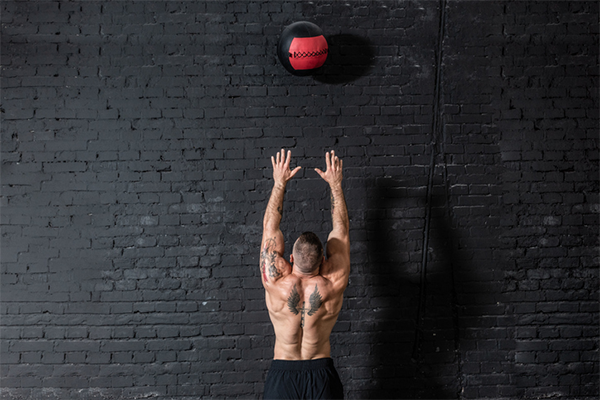
4 Wall Ball Exercises That Work Your Entire Body Wall ball exercises are a staple in strength training workouts for their benefits to strength, power, and coordination. And because these exercises generally work all four limbs, you’re sure to get a full-body workout. If you’re up for a rounded test of your fitness, then we dare you to take the wall ball challenge. Read on for more on how to incorporate wall ball exercises into your routine. What Are Wall Ball Exercises? Wall ball exercises offer a compound, high-energy workout that involves throwing a weighted medicine ball against a wall or other hard upright surface. Many moves incorporate a lower-body component, combining the throw with a squat, a lunge, or a side shuffle, making it a full-body exercise with a high cardiovascular demand. Note that wall ball exercises are different from stability ball exercises, which involve a large, inflatable ball that most often remains on the floor and is used by the body for leverage. Wall ball exercises, conversely, require a smaller ball that is used specifically for throwing. How to Choose a Medicine Ball Medicine balls come in a range of weight options that generally run from five- to 30-pound loads. Typically, you’ll choose a wall ball based on your body size and the type of exercise you’re doing. Select lighter balls for speed training and heavier balls for power and strength workouts. There are two different types of balls to choose from: One is rubbery and bounces a lot, while the other larger, softer ball bounces very little. Each type of medicine ball customarily has a padded outside layer so that it can be gripped and caught easily. How to Do a Wall Ball Exercise Although there are many different wall ball exercises, the following is a tried-and-true wall ball movement designed to hit many muscles at once. Stand about two feet in front of a wall with your feet hip-width apart. Keep the wall ball between your hands at chest height. Squeeze your elbows into your sides. Sink into a squat until the crease of your hip is at or below your knees. Descend as low as you can, while maintaining a neutral arch in your spine. Keep the ball close to your chest on the way down. Keeping your chest up, push your body away from the floor and throw the ball at the wall, aiming for a spot about eight feet off the ground. Catch the ball following contact with the wall and sink back into your next squat. Repeat the exercise. Benefits of Wall Ball Exercises “Wall ball exercises are excellent additions to your fitness arsenal,” says Alison Heilig, a CrossFit coach, and NASM-certified personal trainer. Here are just a handful of reasons why we agree with Heilig. 1. Engage multiple muscle groups It’s pretty tough to find a wall ball exercise that doesn’t work for multiple major muscle groups. Most moves combine upper- and lower-body engagement, “and work basically your entire body in one compound movement,” Heilig says. You can build strength in your shoulders, core, chest, arms, glutes, and legs in a single rep. 2. Build explosive power Wall ball exercises are a great way to add some explosive power to your training, says Holly Janiszewski, a Minneapolis-based personal trainer and founder of Holly J Fitness. The important difference between power and strength is that power is force (strength) combined with speed. It requires a significant amount of force to slam the medicine ball against the wall and, over time, you may notice an increase in power that allows you to throw the ball harder and faster. 3. Boost your heart rate Because wall ball exercises recruit an impressive number of muscle groups, they’re good at getting you sweaty and breathless. So you’ll benefit from adding a few to a HIIT or circuit training routine to jack up your heart rate. You can create more of a cardio focus by choosing a lighter ball that can be thrown for more reps at a faster pace, Heilig says. 4. Improve balance and coordination No matter which variation you choose, wall ball exercises can help you develop greater balance and coordination. To perform any wall ball exercise, you need to coordinate your mind and body. Wall Ball Exercise Variations Performing variations on wall ball exercises is a sure way to beat boredom. The following wall ball exercises build on the basic move for a more challenging workout. 1. Standing chest pass To target your shoulders, chest, and arms, try the standing chest pass. Stand at least three feet away from the wall with your feet shoulder-width apart (soften your knees to protect your joints). Hold the a soft wall ball between your hands at chest height. Engage your core and press down into the floor with your feet. Explosively throw the wall ball into the wall as hard as possible and catch it on its return. Continue to throw the ball back and forth repeatedly for reps. 2. Chest pass with lateral shuffle Not only does this exercise work your shoulders, chest, and arms, it also spikes your heart rate with quick, lateral movements. Follow the same instructions for the chest pass, but shuffle laterally from side to side (about 15 feet) as you throw the ball against the wall. So, throw, shuffle, throw, shuffle. 3. Wall ball side slam As you rotationally slam the ball against the wall, you’ll engage all the muscles that comprise your core. Stand sideways with your left shoulder a little more than arms-length away from a wall. Place your feet shoulder-width apart. Hold a wall ball with both hands at belly height and extend your arms out in front of you. Soften your elbows. Twist your torso away from the wall toward the center of the room. Then, turn your torso quickly back toward the wall to throw the ball against the wall as hard as possible. Catch the ball on the rebound and repeat continuously for the assigned rep count. Turn and repeat

4 Wall Ball Exercises That Work Your Entire Body Read More »

What Is a Running Coach — and Should You Get One?

What Is a Running Coach — and Should You Get One? Running coaches are like secret weapons. Whether you’re new to running or gunning for a new race PR, a running coach can guide you through the process, help you sidestep obstacles, and keep you on track from start to finish. Here’s exactly what running coaches do and if you can benefit from one. What Does a Running Coach Do? A running coach’s duties vary depending on the level of service. Some coaches simply provide a basic training plan. Others get more involved, offering tailored services: Weekly check-ins Prescribed strength training and cross-training Stretching and mobility routines Nutrition counseling “A good running coach should provide structure, motivation, accountability, and teach you things about running and training that you didn’t already know,” says Caleb Masland, USATF-certified running coach and founder of Wicked Bonkproof Run Coaching. Most running coaches offer training and communication via email, phone, Zoom, or an online training platform — though you may be able to find an in-person running coach if needed. If you’re just getting started with running and just need a little extra motivation and guidance on your training, train for your first 5K with 30 Day Breakaway on BODi. You’ll be lead through fast and effective resistance workouts followed by interval run training that pushes you for short bursts to build your strength and stamina. 3 Benefits of Working With a Running Coach 1. Take the guesswork out of training A running coach will lay out exactly when and how much to run, what types of running workouts you should do, and when to back off or ramp things up. This is especially helpful if you’re just starting to run or if your training has stalled. And if you have a big goal you don’t know how to accomplish — like finishing a 10K, setting a PR in an ultramarathon, losing weight, or improving your cardiovascular function — a running coach can outline the best plan to get you there. 2. Get motivation and support with a human touch Run coaching apps can be a great tool for some runners, but many runners may need to meet someone face-to-face to stay motivated. “You can only get so many positive automatic texts from a training app before they stop being valuable,” Masland says. 3. Avoid overtraining or undertraining Your training schedule says you need to do five miles today, but you’re not feeling up for it. Should you power through or take it easy? Even if you’re an experienced runner, it can be surprisingly hard to step back and see the bigger picture when you’re deep in the training trenches. A running coach can give you objective feedback and help you figure out how to adjust your training as needed, Masland says. How Much Does a Good Running Coach Cost? Similar to personal trainers, there isn’t a standard rate for running coaches. However, you can expect to be charged anywhere from $25 to $100 per hour, according to the International Sports Sciences Association. Prices will range depending on what services are offered and how experienced the coach is, Masland says. How much you decide to spend on a running coach will ultimately depend the level of support you need (and can afford). How to Find the Right Running Coach The best place to start your search for a running coach is to ask your local and online running friends for recommendations. Once you get a few names, reach out to those coaches to have a conversation about their background and their training philosophy to find out if you’re compatible. “A good coach-athlete relationship is a two-way street with mutual respect and lots of support,” Masland notes. You’ll be working closely with your running coach, even if it’s online, so it’s important to find someone who feels like a good fit. If you don’t have a network of running friends you can turn to, or if your running friends haven’t worked with a running coach before, there are a few online resources you can try: TrainingPeaks — an online endurance training platform with a database of accredited coaches USA Track and Field — search their database for USATF-certified coaches Road Runners Club of America — search their database for RRCA-certified coaches At a minimum, your running coach should have a coaching certification from one of these organizations. “This way, you make sure the coach you’re working with has a good foundational knowledge of training principles,” Masland says. Depending on your goals, you may also want a coach with a professional running background (though not everyone needs a coach with professional running experience). As with any trainer or workout, it may take a few tries before you find the right fit — but when you do, it can take your fitness to the next level. Still a beginner and not ready to fully commit to a running coach? 30 Day Breakaway can help get you started on your running journey and get you motivated to run and lift with trainer-led workouts. The post What Is a Running Coach — and Should You Get One? appeared first on BODi. Running coaches are like secret weapons. Whether you’re new to running or gunning for a new race PR, a running coach can guide you through the process, help you sidestep obstacles, and keep you on track from start to finish. Here’s exactly what running coaches do and if you can benefit from one. What Does […] The post What Is a Running Coach — and Should You Get One? appeared first on BODi. Kayne Toyosato{authorlink}https://www.beachbodyondemand.com/blog/running-coachBODi BODi is a Health Esteem platform to help you embrace the person you are today so you can take action to achieve all your health and fitness goals. https://bodiblog.wpenginepowered.com/wp-content/plugins/bod-blog/assets/vendor/beachbodydigital/wordpress-core-plugins/beachbody.png

What Is a Running Coach — and Should You Get One? Read More »

Walking vs. Running: Which Exercise Is Better for You?

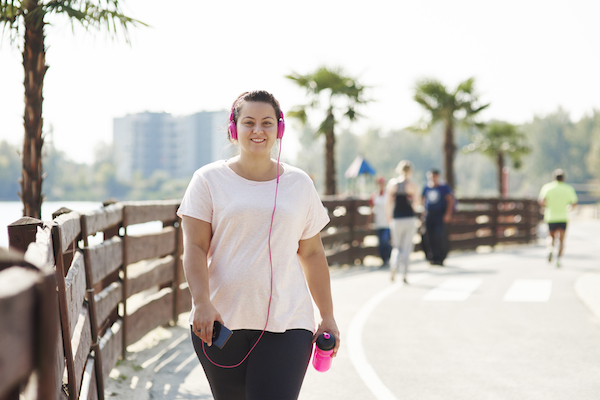
Walking vs. Running: Which Exercise Is Better for You? Are you looking for a no-fuss workout in the great outdoors? Maybe one that lets you see the local sights while getting your heart rate up? Unless you acquire some serious gear, your two main choices are walking and running. But which will help you reach your fitness goals in a hurry? That’s a thornier question than you might think. So here’s how to choose between walking and running. Benefits of Running The legions who went in on the running craze of the ’80s weren’t far off: Running is excellent for you. Assuming you’re healthy and relatively fit, taking up running can provide many benefits. strengthens your heart and lungs, tones up your leg muscles, boosts mood, burns fat, improves bone density, and ramps up immune function. 1. Running is a great cardio workout According to a 2015 study of more than 55,000 people, those who ran regularly — even at slow speeds for five to 10 minutes a day — were at a reduced risk of death from any cause. So you don’t have to become a marathoner or even a serious, regular runner to derive many of its benefits. If you run progressively — going a little bit further, faster, or both, over time, and cycling in periods of lower-intensity work — then running can continue to make you stronger and fitter over a lifetime. 2. Running helps you burn calories Like any physical activity, running elevates the metabolism above its normal resting rate, thereby burning additional calories. Jogging at a 10-minute-per-mile pace for an hour, a 175-pound man burns about 800 calories. Do this often enough, in conjunction with controlled caloric intake, and running will help you get leaner, too. 3. Running works your legs and core Check out the leg musculature of any runner, and the effect that running has on your lower body is obvious. But running also strengthens your core, as it fires to stabilize your hips with each step you take. And a strong core provides balance, stability, and stamina in workouts and daily life alike. 4. Running offers endless variety The speed at which you run is an easy way to scale up or down the difficulty of the exercise. And there are so many different types of running workouts that you can experiment with: speed work, fartleks, tempo runs, trail runs, treadmill workouts, hill runs, etc. Plus, you can always switch up the scenery whenever you want — the beach, a hiking trail, or a neighborhood park are all great locations to run. Benefits of Walking Many of the benefits of running apply to walking as well. 1. Walking is a good cardio workout If you take up a regular walking routine after a sedentary period, your cardiovascular system and lower body muscles will become stronger, your mood will improve, and your immune system will function better. Walking for 60 minutes at a brisk rate of 3.5 miles per hour, a 175-pound man burns about 360 calories. 2. Walking is a low-impact exercise Walking is a low-impact activity, which makes it an attractive and accessible cardiovascular exercise for people of all fitness levels. Because it’s less intense than running, which is generally high impact, the health benefits of walking level off sooner than they would if you were running. You can counteract this by making your walking workouts more intense: hiking mountains, for example, walking uphill or at an incline on a treadmill, or carrying a weighted vest or pack. 3. Walking can improve mood Studies show that walking can help you overcome anxious feelings and even help you deal with stress more effectively. And these benefits are only heightened if you walk outdoors, as research suggests that mood improvement is a key benefit of walking outside. 4. Walking can contribute to weight loss Weight loss and fat loss basically come down to energy expended versus energy consumed: As long as you’re burning more calories than you eat, you can expect to lose weight. Walking can help on both sides of that equation. It can help you burn calories and can even help manage the amount of calories you consume. Participants in one study walked briskly for an hour, but didn’t eat more, feel hungrier, or produce more of the hunger hormone ghrelin. Walking vs Running: Which Is Better? Provided you’re healthy, you can’t go wrong with either activity. Running The primary difference between the two exercises is that running is more difficult. Slow jogging may be meditative and relaxing for the super-fit, but it’s a fatiguing workout for most people, necessitating a warm-up before and shower afterward. That means you can only handle so much of it. Walking Walking is much more laid-back. You can incorporate it more easily into your day (chatting with others or having a phone conversation as you stroll). Post-walk, most people feel focused and relaxed. And unless you’re walking in the blazing heat, there’s no need to shower afterward. The answer? If you’re looking for an activity to boost fitness and cardiovascular health fast, with a minimal investment of time — and you’re already in decent shape — running is the way to go. If you want something that’s relaxing, social, and easy to do anytime and anywhere, walking is your pick. Which One Is Better for Weight Loss? Many factors influence weight loss, but the one that stands head and shoulders above the rest is energy balance — also known as “calories in, calories out,” or CICO. “Calories in” refers to the energy you consume in the form of food and beverages. “Calories out” refers to the energy you burn through your daily activities. If “calories in” exceeds “calories out,” you gain weight. If the reverse is true, you lose it. Running for weight loss Because running burns about twice as many calories per minute as walking, you’d think it would be the clear winner for weight loss. But don’t throw out your training kicks just yet. As beneficial

Walking vs. Running: Which Exercise Is Better for You? Read More »

Cardio vs. Strength Training: Which Is Better for Weight Loss?

Cardio vs. Strength Training: Which Is Better for Weight Loss? If you want to lose weight, you’re probably wondering which type of exercise will help you make the most progress: cardio or strength training? There are a few factors to consider when deciding which of the two training methods you should prioritize. But before you can weight hose factors, it’s important to first break down your goals and what they mean for your body composition and weight. The Difference Between Weight Loss and Fat Loss While both cardiovascular exercise and strength training are effective for weight loss, cardio often has a greater impact on the scale. But this can be misleading: Weightlifting builds more muscle, which weighs more than fat by volume. So if you dedicate yourself to strength training for a period of time, you may find that even though you have less fat and more muscle (which contributes to a fitter physique), your weight stays roughly the same. You should also know that muscle mass percentage declines with age starting as early as age 30, which is one of the top reasons why peoples’ metabolisms slow and weights increase over the years. By building and maintaining muscle mass, strength training can help you slow that decline and keep your waistline trim. In one landmark Harvard study of more than 10,000 men, those who performed 20 minutes of strength training per day gained less visceral (deep abdominal) fat over the course of 12 years compared to those who spent the same amount of time performing cardio. Cardio vs Strength Training: Which Burns More Calories? How many calories you burn during a given workout depends on a number of factors: your body mass the duration of your workout and its work-to-rest ratio (i.e., how long you’re moving), your fitness level your effort level To quantify how hard you’re working during exercise, scientists use a system of “metabolic equivalents” or METS. Advantages of cardio for burning calories On the METS scale, a low-intensity bike ride is a 6, running a 12-minute mile is an 8, and strength training is generally a 6. Thus, cardio shines for its ability to burn more calories during a workout than strength training does. In the case of low-intensity steady-state (LISS) cardio, a greater percentage of those calories will come from fat. The reason is that at lower exercise intensities (60 to 70 percent of your maximum heart rate), the body preferentially uses aerobic metabolism, which breaks down fat for energy. Put that way, it’s clear that, per minute, cardiovascular exercise burns more calories than strength training while you’re doing it. However, the number of calories you burn while working out is just a percentage of your total burn from working out. When recovering from strength training and other types of high-intensity exercise, your body can remain in a calorie-burning state long after you finish exercising. Advantages of strength training for burning calories Exercising at higher intensities for shorter durations (think: high-intensity interval training, or HIIT) can burn more calories, thanks to what scientists refer to as excess post-exercise oxygen consumption, or EPOC. Also known more simply as the “afterburn effect,” EPOC comprises all of the extra calories your body burns as it recovers from exercise. Simply put, it takes much longer to recover from high-intensity efforts than it does from low-intensity ones, and that recovery requires energy, which is why a 20-minute HIIT workout can ultimately burn more total calories than an hour-long run. Moreover, muscle is one of the most important factors that impacts your basal metabolic rate (the calories you burn to maintain basic bodily functions) and overall metabolic rate (the calories you burn in a day from all activities, including exercise). In essence, the more muscle you have, the more calories you burn on average to maintain that muscle. How to Combine Cardio and Strength Training for Weight Loss In the end, the best workouts for weight loss tend to be based in lifting and high-intensity cardio. However, you can still perform low-intensity cardio as part of your weight-loss plan. The more you move overall, the more fat you’ll lose (as long as your diet is also dialed in). It’s that simple. What’s more, low-intensity steady-state cardio (a.k.a. zone 2) can help your body recover between intense strength training sessions, which can help improve your performance during them and (you guessed it) burn more fat as a result. Finally, it’s important to remember that exercise adherence and consistency trumps every other workout variable when it comes to weight loss. So prioritize forms of exercise that you enjoy and will do consistently — regardless of if it’s cardio, weightlifting, or something else entirely — and you’ll increase your chances of achieving your goal weight. The post Cardio vs. Strength Training: Which Is Better for Weight Loss? appeared first on BODi. If you want to lose weight, you’re probably wondering which type of exercise will help you make the most progress: cardio or strength training? There are a few factors to consider when deciding which of the two training methods you should prioritize. But before you can weight hose factors, it’s important to first break down […] The post Cardio vs. Strength Training: Which Is Better for Weight Loss? appeared first on BODi. Kayne Toyosato{authorlink}https://www.beachbodyondemand.com/blog/cardio-vs-strength-trainingBODi BODi is a Health Esteem platform to help you embrace the person you are today so you can take action to achieve all your health and fitness goals. https://bodiblog.wpenginepowered.com/wp-content/plugins/bod-blog/assets/vendor/beachbodydigital/wordpress-core-plugins/beachbody.png

Cardio vs. Strength Training: Which Is Better for Weight Loss? Read More »

How Good a Workout Is Walking, Really?

How Good a Workout Is Walking, Really? Walking is arguably one of the easiest, most accessible ways to get moving. But, is walking good exercise? Can you really lose weight by walking? After all, nowadays, it seems the most popular workouts are all about going hard, cranking up the intensity, and more or less being reduced to a shaking puddle of sweat — not really walking’s M.O. That’s OK! No matter your fitness level or experience with exercise, you can gain some serious benefits from adding walking to your regular routine. Is Walking Good Exercise? Short answer: Yes! Research shows that even small increases in your daily step count can significantly improve overall health. Here are some of the top reasons why walking is such good exercise. 1. Cardiovascular health Walking gets your heart rate up and pumping. In fact, it may be just as beneficial at supporting cardiovascular health as running, per research from the Lawrence Berkeley National Laboratory. 2. Brain function Getting moving has large benefits for cognitive health. And research in stroke patients shows that moderate-intensity walking increases the body’s levels of brain-derived neurotrophic factor, a protein that supports brain health. 3. Mood Take a step to clear your head. In a small study of young adults, performing a 10-minute walk immediately and substantially improved mood. The study suggests that walking may function as a sort of active meditation. 4. Bone strength Walking is a weight-bearing activity, stressing the bones as well as the muscles, tendons, and ligaments connecting them for a more stable system. In fact, research shows that daily step count — along with body weight and the amount of force you put into the ground with each step — more accurately predicts bone density of the femur (your thigh bone) compared to traditionally used measures. 5. Weight loss Can walking help you lose weight? Most definitely! It increases your overall calorie burn and, when paired with a healthy eating plan, can help you shed some weight. Also, it is very effective at helping improve blood sugar control. By lowering blood sugar levels and resulting insulin spikes, walking could be especially beneficial for helping maintain healthy levels of belly fat, also called abdominal or visceral fat. This type of fat is sensitive to blood sugar rises and can increase with insulin resistance. Can You Lose Weight by Walking? As long as walking is part of an overall lifestyle that creates a caloric deficit — in which you are consistently burning more energy per day than you’re consuming in your diet (all food and drinks) — you will lose weight. The exact number of calories burned walking varies: While a person weighing 180 pounds will burn roughly 100 calories per mile on flat ground at an average walking speed, someone weighing 120 pounds will burn roughly 65 calories per mile at that same speed. How does that play out in terms of helping you hit your weight-loss goals? In one study, when people followed a low-calorie diet, those who also walked at a moderate pace for 2 hours and 30 minutes per week lost an average of 19.4 pounds over the course of 12 weeks. Those who dieted alone lost 15.4 pounds in the same amount of time. The walkers also lost significantly more of their weight from fat as opposed to other sources like muscle. Walking can also help manage the amount of calories you consume. A study examined 19 participants who walked briskly for an hour and found that they didn’t feel hungrier or produce more ghrelin, the hunger hormone. Is Walking 30 Minutes Per Day Enough Exercise? Walking is a low- to moderate-intensity form of aerobic or cardiovascular exercise. United States Physical Activity Guidelines recommend that, for overall health, adults perform at least 2.5 to 5 hours of moderate-intensity aerobic exercise per week. That equates to walking 30 minutes five times per week at minimum up to 60 minutes five times per week. At that pace and frequency, you can cover 10 to 20 miles of walking in a week! If that’s a little tight for your schedule, and it’s hard to find time to work out, the guidelines also note that, for overall health, you’ll need to spend less total time performing aerobic exercise if you increase the intensity. They also recommend performing muscle-strengthening exercises at least twice per week. To incorporate strength training into your walks, consider wearing ankle weights, holding hand weights, or walking hills or putting your treadmill on an incline. You can also intersperse bodyweight exercises such as squats, incline push-ups on a bench, and lunges into your walks for further health benefits. The post How Good a Workout Is Walking, Really? appeared first on BODi. Walking is arguably one of the easiest, most accessible ways to get moving. But, is walking good exercise? Can you really lose weight by walking? After all, nowadays, it seems the most popular workouts are all about going hard, cranking up the intensity, and more or less being reduced to a shaking puddle of sweat […] The post How Good a Workout Is Walking, Really? appeared first on BODi. Kayne Toyosato{authorlink}https://www.beachbodyondemand.com/blog/is-walking-good-exerciseBODi BODi is a Health Esteem platform to help you embrace the person you are today so you can take action to achieve all your health and fitness goals. https://bodiblog.wpenginepowered.com/wp-content/plugins/bod-blog/assets/vendor/beachbodydigital/wordpress-core-plugins/beachbody.png

How Good a Workout Is Walking, Really? Read More »