Other Nutrition

Auto Added by WPeMatico

Lazy Keto Diet: Half the Effort, Same Results?

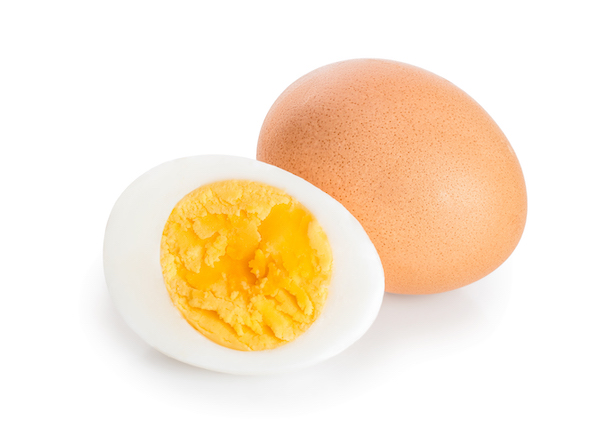
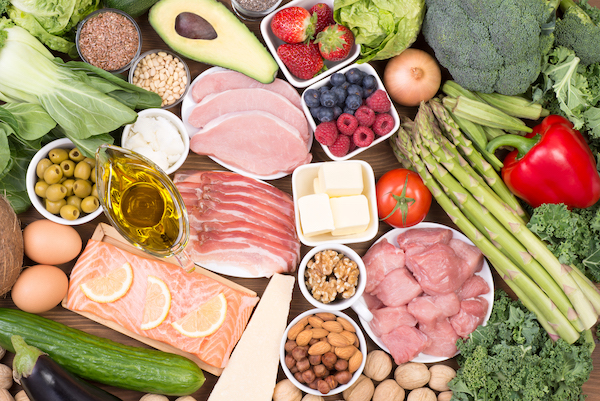
Lazy Keto Diet: Half the Effort, Same Results? You may have only heard of the ketogenic diet (keto for short) in recent years, but it’s been around for nearly a century. First created in the 1920s to treat epilepsy, it’s since been lauded for its ability to help people lose significant amounts of weight. While keto fans praise the high-fat, low-carb diet for its weight loss potential, there’s a whole lot of dedication and planning required to stick with it long term. Lazy keto, on the other hand, is a more laid-back version that’s reportedly easier to follow. So what is the lazy keto diet, and is it healthy? What Is Lazy Keto? Lazy keto is a simplified version of the traditional ketogenic diet, wherein you make every effort to consume no more than 10 percent of your daily calories in the form of carbohydrates without tracking your fat or protein. For context, the ketogenic diet entails eating a specific amount of all three macronutrients: Fat in high amounts (roughly 75 percent of your daily calories) Protein in moderate amounts (around 20 percent) Carbohydrates in negligible amounts (about 5 percent) The goal is to reach ketosis, a metabolic state in which the body uses fat as its primary source of fuel. Studies show keto may help people reduce body weight, though it’s still unclear if it’s a healthy or effective long-term approach. While drastically cutting carbs and calories can effectively drop the number on the scale, sticking to a keto lifestyle is challenging to say the least. Calculating those macros day after day and sticking to a set ratio isn’t easy. “It takes some work,” says Andrea N. Giancoli, MPH, RD, registered dietitian. “There’s a learning curve to it.” That’s where lazy keto comes in. Rather than meticulously plan and tally your intake of all three macronutrients (carbohydrates, fat, and protein), you focus solely on carbs. For someone who eats a 2000-calorie diet, that percentage translates to roughly 25 to 50 grams of carbohydrates (for reference, a medium banana is 27 grams and a large sweet potato is 37 grams). While this approach is simpler, Giancoli says it’s a lot trickier to deduce if you’re actually in ketosis since you don’t monitor how much fat or protein you consume. Lazy vs. Clean vs. Dirty Keto Just like lazy keto, there are other keto variations that have taken hold since the rise in popularity of the regular old keto diet. Clean and dirty keto are two popular takes on the diet. Clean keto: This involves eating healthy, unprocessed or lightly-processed whole foods. Clean keto eaters may consume more plant-based fat sources including coconut oil, avocados, and nut butters. Dirty keto: This is the not-so-clean approach to keto. It may include more animal-based fats and protein, including butter and bacon, as well as more processed low-carb, low-sugar items like protein bars, packaged snack foods, and artificial sweeteners. Lazy Keto Meal Examples Lazy keto recipes aren’t far off from any other type of keto recipe. Here’s a sample-day snapshot: Breakfast: Scrambled eggs with bacon and avocado Lunch: Avocado, bacon, and goat cheese salad Dinner: A bun-less cheeseburger with greens Snacks: May include cheese, hard-boiled eggs, and celery with peanut butter. Is Lazy Keto Healthy? If you choose to embark on a keto diet — lazy or not — pay attention to the quality of food you eat. Lazy keto meals can be healthy if you stick to mostly clean ingredients, meaning minimally-processed, whole foods, like: Eggs Fish Nuts and nut butters Chicken Turkey Keto-allowed veggies (such as kale, bell peppers, broccoli, zucchini, and asparagus) Keto-allowed fruit (such as raspberries and blueberries). But with any form of keto, you may be at risk of missing important nutrients. “You’re severely restricting carbohydrates — even the healthy carbohydrates like fruits and grains — and you’re eliminating very healthful foods with fiber and phytonutrients,” Giancoli says. The lazy take on keto isn’t necessarily a healthier version. And if the goal is to lose weight by way of burning fat as fuel, lazy keto may not be considered effective either. “Since you’re not tracking your protein or your fat,” Giancoli says, “you might prevent your body from going into ketosis.” Maintaining a low-carbohydrate diet can also do a number on your focus and mood. “You might not be able to concentrate as well, you’re likely going to be irritable, you might be hungry, or you may have the keto flu,” Giancoli says. The Bottom Line Lazy keto may not be the most sustainable or healthy way to lose weight. If you go the way of keto, there may be several reasons you end up ditching it — from the unpleasant side effects to the lack of flexibility. And that’s perfectly fine! “If you want to lose weight, it’s okay to have a balanced variety of foods,” Giancoli says. The post Lazy Keto Diet: Half the Effort, Same Results? appeared first on BODi. You may have only heard of the ketogenic diet (keto for short) in recent years, but it’s been around for nearly a century. First created in the 1920s to treat epilepsy, it’s since been lauded for its ability to help people lose significant amounts of weight. While keto fans praise the high-fat, low-carb diet for […] The post Lazy Keto Diet: Half the Effort, Same Results? appeared first on BODi. Kayne Toyosato{authorlink}https://www.beachbodyondemand.com/blog/lazy-keto-dietBODi BODi is a Health Esteem platform to help you embrace the person you are today so you can take action to achieve all your health and fitness goals. https://bodiblog.wpenginepowered.com/wp-content/plugins/bod-blog/assets/vendor/beachbodydigital/wordpress-core-plugins/beachbody.png

Lazy Keto Diet: Half the Effort, Same Results? Read More »

How to Prevent and Recover from Hangovers

How to Prevent and Recover from Hangovers Even if you’re not usually a big drinker, special occasions can do a number on your everything-in-moderation mantra. From open-bar office parties to catch-ups with friends to holiday dinners with your family, letting loose often offers ample opportunities to binge on booze. While it’s fun to celebrate and enjoy yourself, waking up the next day with a splitting headache and general how-did-we-finish-the-whole-bottle malaise is less fun. But dealing with a hangover after drinking too much is avoidable — if you approach your merriment with the right plan. So take heed and consider these nuggets of wisdom before you raise your next glass. What Causes a Hangover? The short answer is, of course, “alcohol.” But the mechanisms behind why alcohol makes us feel so horrible the next day are not really known. “We don’t fully understand what is happening and what causes it,” says Andrea N. Giancoli, MPH, RD. “But we do know that alcohol is toxic to the body and toxic to the organs.” Dehydration also plays a big role in causing the headaches that come with a hangover. Alcohol is a diuretic — meaning it makes you pee a lot — which is why you may not experience the same pounding headache when you drink something with a high water content, like an alcoholic seltzer or a vodka club soda. And, Giancoli adds, alcohol can also negatively affect the immune system (making you feel generally run-down), irritate the lining of the stomach (causing nausea and vomiting), and lower blood sugar (bringing on shakiness and dizziness). How Can You Avoid a Hangover? The only sure way to prevent a hangover is to avoid alcohol entirely — but if you want to treat yourself to a couple of drinks, there are a few things you can do to limit your hangover symptoms. 1. Take it easy If eschewing alcohol entirely is not an option, the first step is to practice some restraint. “You should limit drinking to about two alcoholic beverages,” says Mitzi Dulan, R.D., C.S.S.D., author and registered dietitian. Pace yourself by spacing out your drinks, like having one during the round of appetizers and then another when you eat dinner. And watch your serving sizes. A single serving of hard liquor, for example, is just 1.5 ounces. Fill a nine-ounce whiskey glass halfway, and you’re effectively doing three shots. 2. Cut your drinks with water Dulan suggests adding sparkling water to your drinks — you’ll help stave off dehydration and you’ll be less likely to overindulge. Cut Prosecco 50-50 with sparkling water, for example, or mix hard liquor with seltzer and a splash of juice or slice of citrus. 3. Avoid congeners “Another way to potentially reduce hangover symptoms,” Giancoli says, “is to drink alcohols that are free or low in congeners.” Congeners are byproducts of fermentation that are considered toxic. They’re higher in darker liquors like bourbon, brandy, and whiskey, and lower in clear alcohol like gin, vodka, and rum. That’s also the reason mixing liquors can be a recipe for a horrible hangover — the congeners from different types of alcohol can add up, increasing the toxic toll on your body. Can You Stop a Hangover After Drinking Too Much? If you feel yourself getting tipsy as the night rolls on, don’t panic. Just stop drinking and switch to plain water or club soda — or at least start going one-for-one with water. “Drinking a glass of water in between every alcoholic beverage will help cut down on how much you drink, and you’ll continue to hydrate yourself,” Giancoli says. Hitting the refreshment table can help, too, as food adds a barrier that helps slow down the speed at which the alcohol gets absorbed into your bloodstream. “The main thing is not to drink alcohol on an empty stomach, because when alcohol hits the lining of your stomach, it’s immediately absorbed,” Giancoli says. “If you’re drinking on an empty stomach, you’re going to feel the effects of the alcohol sooner.” And healthier grub may be more helpful than junk. “There’s some research that shows things like asparagus and mangoes might be helpful,” Giancoli says. Don’t expect these foods to work any hangover miracles, but as a general rule, hit up healthy snacks like fruit, veggies, or whole grains that have antioxidant properties that are good for your body. If you know you’re going to be celebrating hard, plan ahead. Dulan likes to pack high-protein snacks — such as a peanut-butter-and-honey sandwich or protein balls made with oats, honey, peanut butter, protein powder, and almonds — just in case damage control is needed. “These options make you feel better and give you some good energy,” she says. How Can You Recover from a Hangover? OK, so you celebrated too hard and didn’t realize it until it was too late. Now what? Once you get home, and before going to bed, drink a big glass — or two or three — of water. It’s not a foolproof hangover cure, Dulan says, but “it should help you to feel better than if you didn’t.” And don’t bother chasing your copious amounts of water with a painkiller before passing out. “Some people take ibuprofen or aspirin before they go to bed as a way to treat the hangover,” says Giancoli. “But that’s not going to last long enough.” By the time you wake up, it will have already worn off. In the morning, Giancoli recommends staying in bed as long as possible. “Go back to sleep. Time is the best healer,” she says. When you finally haul your foggy-brained body out of bed, Giancoli recommends eating a mango or even a persimmon, which studies suggest may help. “They’re not tried-and-true and they’re not proven,” she says. “But they are certainly healthful and will benefit your body in a variety of other ways.” Mix them into a smoothie, then have a more substantial breakfast — like eggs with whole wheat toast — to get

How to Prevent and Recover from Hangovers Read More »

How a Healthier Microbiome Can Elevate Your Workouts

How a Healthier Microbiome Can Elevate Your Workouts So you’ve been giving considerable thought to your max heart rate, your muscular endurance, and your macros. But one thing you might not have given much thought is your microbiome — specifically, how it can help or hinder your athletic performance. Simply put, your microbiome is the combination of bacteria, fungi, protozoa, and viruses that live on and inside your body. And the microbiome — the mix of flora occurring inside your colon, intestines, and stomach — may be responsible for a lot more than your digestion. While more research is needed, studies have shown a potentially promising link between your body’s gut health and how well you can expect to perform. “When your gut is healthy, you have more energy, your hormones function more smoothly, and your body is able to assimilate the nutrients you eat,” says Laura London, board-certified health counselor (AADP) and fitness specialist. “That, in turn, can give you more energy, stamina, endurance, and focus.” How Does the Microbiome Affect Fitness? Here are some ways that tending to your gut can help your time under the bar, on the track, or in the gym. 1. Metabolic function Gut microbes assist in the absorption of essential nutrients that your body requires to function properly. When you exercise, the increased metabolic activity places more demand on your body, meaning it requires more energy (from nutrients) to meet that demand. A healthy gut containing the right balance of microorganisms might help your body metabolize and absorb nutrients more efficiently and lead to better performance. 2. Solid sleep Most exercisers know that a good night’s sleep can greatly affect performance. And smart exercisers know that gut health is the first line of defense against those great energy-robbers: insomnia and poor sleep quality. While these two factors are important enough to make a huge difference for most active people, researchers are hard at work, finding links to other systems and functions. Bottom line: If performance is important to you, you can’t afford to overlook your gut health. How Do You Improve Gut Health? So how does one achieve a healthy gut? It may help to start with what you don’t want — namely, an imbalance of gut flora, like overgrowth of fungus or “bad” bacteria. Those imbalances have been linked to poor digestion and absorption of nutrients, lowered immune function, a lessened ability to recover post-workout, lower energy overall, and even joint and bone pain. Diets high in sugar and processed foods and low in minerals and healthy fats have been linked to out-of-whack guts. Over-prescription of antibiotics doesn’t help, either — they tend to wipe out the “good” bacteria right along with the bad, leaving your intestines and colon susceptible to being overtaken by an imbalance of the wrong “bugs.” 1. Exercise Yes, a healthier gut leads to better athletic performance, but the inverse is also true. Studies suggest that people who exercise may exhibit healthier microbiomes, even those without previous athletic routines. Here’s the catch: the exercise must be regular and ongoing. Once participants stopped exercising, their gut health returned to its previous (less-healthy) state. 2. Consider supplements Probiotics, prebiotics, and digestive enzymes help to improve your gut health by promoting the growth of beneficial bacteria in your gut (the role of prebiotics), actually putting them there (the role of probiotics), or helping your body break down food to allow greater absorption of nutrients (the role of digestive enzymes.) 3. Rev up your diet Reducing processed, high-sugar foods while increasing fiber intake and adding in fermented foods (like kimchi, sauerkraut, and yogurt) has been shown to improve the microbiome and create an environment where healthy microorganisms can thrive. If controlling your digestion or performance proves difficult with modest nutritional changes, you may want to consider a more restrictive regimen like the gut and psychology syndrome (GAPS) diet. The GAPS diet is based on the understanding that your gut may influence your physical and mental health. Consult and work with a qualified professional (GI doctor, dietitian) who specializes in the GAPS diet. No matter your fitness level, one thing is sure: It always feels better to end a workout feeling calm and energized than cramped and exhausted. Next time you’re thinking about how to break through a plateau or just get back out there again, give your gut’s health some consideration. Your colon and intestines will thank — and reward — you. 4 Week Gut Protocol If you want to experience the benefits of a healthier microbiome, The 4 Week Gut Protocol is a comprehensive program with a three-pronged approach to help promote gut health: Nutrition: Over a four-week span, BODi Super Trainer Autumn Calabrese will help isolate the seven most common foods and ingredients that can cause gastric distress and undermine your overall wellbeing. Supplementation: Two supplements are included in the program. Revitalize is a powerful combination of prebiotics and probiotics that supports beneficial flora in the digestive tract. Optimize includes digestive enzymes to help support nutrient absorption and bioavailability. Exercise: Designed to be followed with the nutrition program, 4 Weeks for Every Body is a low-impact program that makes consistency and results achievable for anybody. You’ll do a total of 16 workouts — four workouts per week for four weeks — all under 30 minutes. The post How a Healthier Microbiome Can Elevate Your Workouts appeared first on BODi. So you’ve been giving considerable thought to your max heart rate, your muscular endurance, and your macros. But one thing you might not have given much thought is your microbiome — specifically, how it can help or hinder your athletic performance. Simply put, your microbiome is the combination of bacteria, fungi, protozoa, and viruses that live on […] The post How a Healthier Microbiome Can Elevate Your Workouts appeared first on BODi. Meagan Francis{authorlink}https://www.beachbodyondemand.com/blog/gut-health-fitnessBODi BODi is a Health Esteem platform to help you embrace the person you are today so you can take action to achieve all your health and fitness goals. https://bodiblog.wpenginepowered.com/wp-content/plugins/bod-blog/assets/vendor/beachbodydigital/wordpress-core-plugins/beachbody.png

How a Healthier Microbiome Can Elevate Your Workouts Read More »

8 Winter Vegetables to Add to Your Shopping List

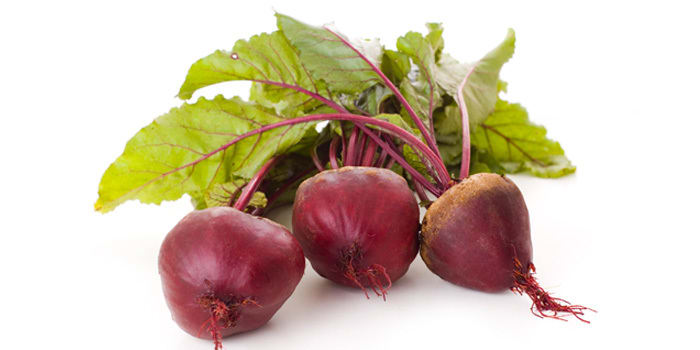
8 Winter Vegetables to Add to Your Shopping List If you’re trying to eat more veggies, choosing seasonal produce can help — fruits and veggies typically have the most flavor when they’re locally grown and in-season. But how can you eat seasonally in the middle of winter? That’s where winter vegetables come in. Winter veggies can help you get out of your “green beans again?!” rut, and they provide a variety of vitamins, minerals, and antioxidant benefits. Raw or steamed, roasted or braised, here are eight winter vegetables to add to your meal plan when the thermostat drops. 1. Beets The earthy taste of beets isn’t for everyone. But if you’re on Team Beet, you know this winter vegetable is tasty raw or roasted — and contains fiber, potassium, iron, and folate. Add sliced or grated beets to a salad, or roast them in the oven to make them even sweeter and more tender. 2. Brussels Sprouts As the weather gets cooler, you’ll start seeing stalks of brussels sprouts in the produce aisle. These bite-sized winter vegetables are a member of the cruciferous vegetable family — just like kale, cabbage, and broccoli — and they provide vitamin A, vitamin C, and fiber. Shave raw sprouts to make a delicious winter slaw, or roast them in the oven for a sweeter, mellow flavor. Try topping roasted sprouts with chopped bacon and fresh Parmesan, or with balsamic vinegar, mustard, or Gruyère cheese. 3. Cabbage Think beyond coleslaw when it comes to cabbage. Winter is the perfect time to throw chopped cabbage into stir-fry recipes, stuff whole leaves with ground beef, or even roast the head whole! Cabbage provides vitamin C, vitamin K, and folate, and red cabbage in particular is a key source of a type of flavonoid called anthocyanins. 4. Chard Milder than kale, but heartier than spinach, chard is a leafy green you’ll want to add into your winter veggie rotation. In addition to livening up your winter plate, brightly colored rainbow Swiss chard contains vitamins A, C, and K, along with betalains, a type of plant pigment that may have antioxidant-like properties. Eat chard raw in salads, add it to soups and stews, or sauté it with olive oil and mix it into a grain bowl. 5. Kale For a while, kale had a reputation as a hippie-dippie veggie. But even if you aren’t on board with the idea of kale brownies, you can still enjoy this leafy green winter vegetable and all its nutritional benefits. A 4-ounce serving of kale provides more than your daily recommended intake for vitamins A, C, and K. Sauté it with onions and garlic and mix it into your morning eggs, blend it into an afternoon smoothie, or massage raw kale and add it to a winter salad. 6. Leeks These winter veggies — which provide vitamin A, vitamin K, and iron — look like giant scallions, but they’re milder and more tender. Clean them well by cutting them in half and thoroughly rinsing out soil that can get trapped in the leek’s many layers, then sauté them in olive oil. Stir them into a grain bowl, puree them for soup, or serve them as a side for winter dishes featuring chicken or potatoes. 7. Parsnips This winter root veggie is a cousin of the carrot, but with an earthier, nuttier flavor. Parsnips provide vitamin C and folate, along with six grams of fiber per cup. Roast them in the oven with olive oil, salt, and pepper — then enjoy them as is, or puree them for a stew or winter vegetable soup. 8. Winter Squash As the name suggests, winter squash — like butternut squash, acorn squash, spaghetti squash, or delicata — is one of the best vegetables to grow in winter. Its rich and satisfying flavors are perfect for cozy winter recipes, and most varieties of squash provide vitamin A, vitamin C, and fiber. Bake halved squash in the oven, steam peeled squash on the stovetop, or roast cubed squash to puree into a hearty soup. 4 Winter Vegetable Recipes to Make Today Hungry? Try out some of these delicious winter vegetable recipes to keep your diet nutrient-dense and your tummy full all winter long. Maple and Turkey Bacon-Wrapped Brussels Sprouts Vegan Butternut Squash Soup Beet Chips (plus four other recipes) Pasta With Kale and Turkey Sausage The post 8 Winter Vegetables to Add to Your Shopping List appeared first on BODi. If you’re trying to eat more veggies, choosing seasonal produce can help — fruits and veggies typically have the most flavor when they’re locally grown and in-season. But how can you eat seasonally in the middle of winter? That’s where winter vegetables come in. Winter veggies can help you get out of your “green beans again?!” rut, and […] The post 8 Winter Vegetables to Add to Your Shopping List appeared first on BODi. William Kang{authorlink}https://www.beachbodyondemand.com/blog/winter-vegetablesBODi BODi is a Health Esteem platform to help you embrace the person you are today so you can take action to achieve all your health and fitness goals. https://bodiblog.wpenginepowered.com/wp-content/plugins/bod-blog/assets/vendor/beachbodydigital/wordpress-core-plugins/beachbody.png

8 Winter Vegetables to Add to Your Shopping List Read More »

What Is the Optimal Diet for Bodybuilding?

What Is the Optimal Diet for Bodybuilding? Bodybuilding — the art and science of packing on serious muscle — isn’t simply about heaving heavy things. What you eat, when you eat, and how much you eat (or don’t eat) matters. Thankfully, some simple guidelines can give you a solid foundation for bulking up while feeling as strong as you’re trying to look. Read on for some expert advice on the best diet for bodybuilding, the foods to eat and foods to avoid, and the optimal frequency and timing of meals and supplements. How to Plan a Diet for Bodybuilding Crafting your perfect meal plan for bodybuilding will require you to know how many calories you should consume, which depends on your goals: If you want to gain weight, you’ll want to eat more calories than you expend every day. If you want to lose weight, you’ll want to eat fewer calories than you expend. There are two ways to approximate your daily calorie expenditure. One way is to calculate your basal metabolic rate (BMR) — the number of calories your body needs to support essential functions at rest. Everyone’s BMR is different, based on factors like sex, age, and weight. You can find a BMR calculator here. The other way is to multiply your current weight by a number depending on your activity level. Sedentary lifestyle (desk job): current weight in pounds x 11 Moderately active lifestyle (occasional exercise): current weight in pounds x 12 Highly active lifestyle (construction worker or elite athlete): current weight in pounds x 13 Once you figure out your maintenance calories, you can start to plan your meals and snacks. Bodybuilding Food Basics Here are few general guidelines to follow when preparing your diet for bodybuilding. 1.  Consume enough calories If you’re looking to pack on muscle, make sure you’re giving your body enough fuel to get the process started. “For building muscle, the number one most important thing is that you’re getting enough calories in your diet,” says Dana Ellis Hunnes, PhD, MPH, RD, senior clinical dietitian at UCLA Medical Center and author of Recipe for Survival. “Without enough calories, it really doesn’t matter how much of anything else you are getting, or in what proportion — you will not gain muscle, and you will likely lose it.” 2. Get enough protein Protein is the building block of muscle, and it’s the key nutrient for muscle growth. How much do you need? For the average person who’s looking to maintain overall health, at a minimum, it’s recommended to consume at least 0.8 grams of protein per kilogram of body weight per day. For a 180-pound (82 kg) person, that’s only 65 grams of protein. If you’re bodybuilding, you need more — but not an unlimited amount. To stimulate muscle growth, experts recommend getting 1.6 to 2.2 grams per kilogram of body weight in protein daily. For a 180-pound man, that’s about 131 to 180 grams. You may have heard about bodybuilders consuming far more than that. But anything above the 2.2 grams per kilogram max is believed to be oxidized for energy or transaminated to form alternative bodily compounds. “More protein doesn’t mean more muscle, especially if you’re not getting enough calories overall,” Hunnes says. And if you are getting adequate calories, your body may convert any excess protein you’re consuming into fat. However, as that study notes, “While research shows that consumption of higher protein doses (>20 g) results in greater AA [amino acid] oxidation, evidence indicates that this is not the fate for all the additional ingested AAs, as some are utilized for tissue-building purposes.” 3. Hit the right macros For building muscle, stick with a 40-30-30 balance. Aim to get roughly 30% of your calories as protein, 30% of calories as healthy fats (such as olive oil, nuts, and avocados), and 40% of your calories as carbohydrates. 4. Calculate for cutting vs. bulking For bodybuilding, your daily calorie goals will vary depending on whether you’re in a bulking phase or following a bodybuilding cutting diet. The exact amount an athlete needs will largely vary by individual. The goal of the bulking phase is, simply, to put on muscle mass. During this phase, such as during the “off season,” aim to consume 10% to 20% more calories. Conversely, “when cutting, you’re trying to lose fat and simply maintain muscle, so the goal is to take in just as many calories as you need to lose fat mass, but not muscle mass — and that can be hard to do,” says Hunnes. Aim to lose no more than 1% of body weight per week, while maintaining protein intake to preserve muscle. Best Foods to Eat for Bodybuilding The best foods to eat while bodybuilding include: Just enough protein to hit at least 1.6 grams per kilogram of body weight Vegetables and fruits Whole grains, in moderation Nuts, seeds, and legumes (such as beans, peas and lentils) Hunnes advocates a whole-food, plant-based diet and says it’s possible to get enough protein for muscle building while eating a vegetarian diet. “If you really don’t think you’re getting enough, you can add a plant-based protein powder, whey protein powder, or eat eggs,” she says. If you eat meat, good sources of lean protein include chicken, fish like salmon or tuna, and lean meats like grass-fed beef. Best Foods to Limit You might think that “bulking season” is a free pass to eat whatever you want, but there are still some foods that you’ll want to avoid. Alcohol Booze is one of the first things you’ll want to limit or eliminate. Not only is alcohol a source of empty calories — meaning they contribute no nutritional value — science has found that alcohol actively works against muscle building. Research indicates that excess alcohol may impair muscle protein synthesis and may inhibit muscle recovery after exercise. However, if consumed after sport or exercise, a serving of approximately 0.5 grams per kilogram of body weight is unlikely to impact most aspects of recovery. Ultra-processed foods These manufactured foods include prepackaged snacks, sugary cereals, soups, ready-to-eat meals, hot dogs,

What Is the Optimal Diet for Bodybuilding? Read More »

Dirty Bulk vs Clean Bulk: Which Is Better for Gaining Mass?

Dirty Bulk vs Clean Bulk: Which Is Better for Gaining Mass? If you’re on a quest for more muscle mass, you’ve probably heard of bulking. As the name suggests, that’s when you force-feed extra calories, usually over a set period, in a concentrated effort to muscle up. There are two major approaches to bulking up: “clean” and “dirty.” So let’s learn the difference between a dirty bulk and clean bulk. The terms are a little clunky: By nature, no food is clean, dirty, good, or bad. Any food — from cookies to plain water — can be helpful or detrimental depending on when and how you consume it. So rather than using the terms dirty bulk vs. clean bulk, it may be better to say “aggressive” or “conservative” bulk. That said, most trainers define the terms in the following way: In a “clean” bulk, an athlete eats large amounts of primarily whole, minimally processed foods. They consume large quantities of vegetables and fill out their menu with high-calorie carbohydrates and fats, like dairy products, rice, grains, pasta, potatoes, starchy vegetables, and olive oil. In a “dirty” bulk, the athlete consumes processed, highly palatable foods: burgers, fries, pastries, ice cream, milkshakes, fried chicken, doughnuts, candy, and other calorie-dense foods. How does each approach work, and which one is best for you? Let’s look at the pros and cons of a dirty bulk vs. clean bulk. “Clean” Bulking The cons Bad news first: A clean bulk is hard. Everything that makes whole, nutritious foods an advantage for people trying to lose weight (it’s filling, high in fiber, and nutrient-dense) makes it challenging when you’re trying to increase caloric consumption. “It’s way harder to force down tons of chicken breasts and salad than it is to overeat chips and doughnuts,” says Angelo Poli, ISSN Master Trainer and the creator of the MetPro App. The pros On the other hand, a clean bulk is healthier than a dirty bulk — and that’s important because overeating of any kind is taxing on your body. “Your entire digestive system has to work harder to process all the calories you take in,” says Poli. As blood sugar rises, your digestive tract goes into overdrive. When you’re bulking clean, you’re doing so on foods that are overall more heart-healthy and beneficial for fitness results and general wellbeing. The clean bulk menu Clean bulking is very similar to moderate eating — you just ignore all restrictions on portion size. So your typical lunch would look something like this: A large portion of a protein (steak, fish, chicken). A double serving of carbs (rice, pasta, potatoes). A half-plate of salad or veggies with extra portions of oil and vinegar. Fat is your friend when bulking, so aim for richer protein sources like beef, bacon, whole milk, and whole eggs. Nuts and nut butters of all kinds — high in healthy fats and protein — are a great choice, as is trail mix, bags of which should take up residence in your glove box and desk drawer at work. “Dirty” Bulking The pros For people who have trouble gaining weight, a dirty bulk can work wonders. After sometimes years of trying to gain weight on low-calorie foods, many lighter lifters have found that a few Twinkies, French fries, and fast-food burgers are just what they need to get the scale moving. At first glance, the dirty bulk sounds fun: After a lifetime of avoiding junk food, you can now eat however much you want. Many people jump at the chance. Burgers, fries, and milkshakes are calorie-dense and delicious, and they don’t fill you up the way whole, unprocessed foods do, so it’s easy to get several hundred extra calories in at one glorious sitting. The cons But the fun wears off quickly, and before long, eating that much food becomes a chore. In addition, dirty bulking can be unhealthy, especially if you allow “fun” foods to replace — rather than supplement — conventional ones. Over time with continuous unhealthy habits, your health can take the brunt of the impact, and you might eventually start to experience things like elevated blood sugar, triglycerides, and cholesterol, in addition to more body fat accumulation than lean mass. And without essential nutrients provided by unprocessed foods, you might feel run-down and unmotivated to work out. Perhaps most challenging of all, dirty bulking can be tough to stop once you’ve started. Ultra-processed foods are engineered to be delicious and easy to consume — and hard to stop once they’ve become a regular part of your diet. “I’ve seen it happen again and again,” says Poli. “A client starts dirty bulking. They gain weight, but they become addicted to the fun foods at the same time.” The dirty bulk menu The best approach to a dirty bulk is to add some processed foods to a clean bulk diet. To the meal described above, a “dirty” bulker might add a heavy dessert like pie, ice cream, and whipped cream. For breakfast, you might have an omelet with six eggs and veggies — plus sour cream and cheese. On the side, you might add some chocolate milk, orange juice, and a doughnut or two. Between meals, eat trail mix that includes chocolate or M&Ms, burritos, milkshakes, and more doughnuts. Enjoy processed foods like Pop-Tarts, Oreos, and Chips Ahoy? Go crazy. When to Bulk Clean, and When to Bulk Dirty Given the potential health risks to chronic overeating, it’s best to bulk as cleanly as you can. Start increasing portion sizes on any calorie-rich foods you usually eat: More carbs (potatoes, bread, pasta, rice). More fats (butter, cream, milk, egg yolks, red meat), and see what happens. If you’ve maxed out on clean foods and the scale still doesn’t budge, add a few “dirty” foods until your weight starts climbing. You’ll almost certainly gain some fat in the process, but you’ll add muscle too. And that’s the goal of a bulk! The Case for Bulking The common element to all forms of bulking is a caloric surplus: You

Dirty Bulk vs Clean Bulk: Which Is Better for Gaining Mass? Read More »

Get Ripped Without Ripping One — How to Prevent Protein Farts

Get Ripped Without Ripping One — How to Prevent Protein Farts There’s an uncomfortable truth about supplementing with protein: It can leave you feeling bloated and gassy — and conspicuous. Protein farts can happen to anyone. Even actor James McAvoy battled the phenomenon while filming scenes with Angelina Jolie on the set of Wanted. It may be as embarrassing to say or Google “protein farts” as it is to experience them. But we’ll face this menace together. Here’s what the experts say about why protein causes gas and flatulence in some people and what can be done to prevent it. What Causes Protein Farts? Protein farts can usually be traced back to these two ingredients commonly found in protein powder supplements. 1. Sweeteners “Certain protein supplements are definitely known to result in gas and bloating,” says Allison Sizemore, a certified sports nutritionist in Kansas City, Missouri. “The issues are not usually with the protein itself, but other items protein supplements may contain.” She explains that many protein powders and bars can contain sugar substitutes and/or sugar alcohols (xylitol, mannitol, and sorbitol) that commonly cause gas. 2. Lactose “Popular protein supplements like whey protein (concentrate) powder can cause bloating because of the lactose content,” says Steve Theunissen, RDN, a registered dietitian nutritionist and ISSA/IFPA certified personal trainer. “Whey protein is essentially powdered milk with most of the fat and carbohydrates taken away. So if you’re intolerant to dairy products and suffer from bloating or gas after drinking milk, chances are that you’ll have the same reaction to some protein supplements,” he explains. How Do You Stop Protein Farts? Here are some reliable ways to prevent unwanted flatulence from a protein. 1. Try an unsweetened protein powder Because sweeteners like xylitol or mannitol can cause digestive upset, you could start your pursuit of being fart-free by trying a protein powder that lacks those specific types of sweeteners. If you’re looking for a high-quality protein powder that contains no artificial sweeteners or synthetic colors or flavors, try Beachbody Performance Recover. It contains 20 grams of protein per scoop, along with pomegranate extract to help reduce post-workout muscle soreness. 2. Try whey isolate Whey protein isolate contains more protein — and fewer other potentially troublesome components — than whey protein concentrate, so you may want to give it a try. “Whey isolate may be a much better option given that it is far lower in lactose,” says certified personal trainer Joe Johnson. “Even for people without lactose intolerance, this type of protein is generally much easier to digest.” 3. Try a plant-based protein powder If you know that lactose or whey bothers you, going plant-based could be the solution. “Pea protein powder is a great alternative to whey protein powder,” says Reda Elmardi, RD, CSCS, a registered dietitian and certified strength and conditioning specialist. It’s made from yellow peas that contain all nine essential amino acids. Since most protein powders are pure protein, they contain very few carbs. Unfortunately, plant-based powders aren’t the answer for everyone. “Many plant-based (whole-food) protein sources, such as legumes and beans, are known to cause gas and bloating as well,” says Sizemore. “This can happen with anyone, not just those with food sensitivities.” 4. Stick with whole-food sources of protein If you’ve tried a few different protein supplements and are still experiencing discomfort, you can still boost your protein intake and realize muscle-building benefits. “If you are experiencing effects from consuming protein supplements, stick with whole food sources, such as animal proteins, to avoid the gas and bloating that may come along with things like protein bars and powders,” says Sizemore. Are There Health Risks From Eating Too Much Protein? As with everything, there are potential health risks from consuming too much protein. But it’s pretty difficult to eat so much protein that it negatively impacts your health. You’re more likely to have a side effect caused by one of the reasons above, which you can remedy by trying a different protein source. A more common scenario: Protein contains calories, and if you’re consuming much more than your body can process, those excess calories might be converted to fat. Here are some protein guidelines to consider: Whether you want to lose weight, gain muscle, or maintain, a good macronutrient ratio to aim for is around 40% carbs, 30% protein, and 30% fat. The minimum recommended daily protein intake for the average person is 0.8 grams per kilogram of body weight. For those who are exercising and are more active or are of advanced age, the protein recommendation is upwards of 1.2 to 1.6 g/kg body weight per day (refer to the next bullet point). That’s about 46 grams of protein a day for women age 19 and older and 56 grams for men age 19 and older. If you’re an athlete or exercise regularly, the Academy of Nutrition and Dietetics and the American College of Sports Medicine recommend 1.2 to 2.0 grams of protein per kilogram of body weight per day, depending on your training regimen. The post Get Ripped Without Ripping One — How to Prevent Protein Farts appeared first on BODi. There’s an uncomfortable truth about supplementing with protein: It can leave you feeling bloated and gassy — and conspicuous. Protein farts can happen to anyone. Even actor James McAvoy battled the phenomenon while filming scenes with Angelina Jolie on the set of Wanted. It may be as embarrassing to say or Google “protein farts” as it is to […] The post Get Ripped Without Ripping One — How to Prevent Protein Farts appeared first on BODi. Michael Martin{authorlink}https://www.beachbodyondemand.com/blog/protein-fartsBODi BODi is a Health Esteem platform to help you embrace the person you are today so you can take action to achieve all your health and fitness goals. https://bodiblog.wpenginepowered.com/wp-content/plugins/bod-blog/assets/vendor/beachbodydigital/wordpress-core-plugins/beachbody.png

Get Ripped Without Ripping One — How to Prevent Protein Farts Read More »

8 Easy Ways to Eat More Protein Every Day

8 Easy Ways to Eat More Protein Every Day Getting enough protein in your diet isn’t always easy. The average person needs about 0.8 grams of protein per kilogram of body weight per day, which amounts to around 58 grams per day for a 160-pound person. And if you’re working out regularly and looking to put on muscle mass, you’ll need even more than that — about 1.2 to 2.2 grams of protein per kilogram of body weight per day, depending on your training. Luckily, there are a few simple swaps and tricks you can apply to increase your protein intake without overhauling your entire diet. Here’s how to eat more protein every day — no complicated macro tracking necessary. 1. Include Protein in Your Snacks Think of snacks as an opportunity to fit in more protein. This can actually be quite simple — it just takes a little planning to make sure you have some healthy snacks on hand when you get hungry. Here are a few easy ideas to bump up the protein content of your snacks: Hard-boiled eggs Cottage cheese or Greek yogurt with fruit Hummus and veggies An apple and nut butter Roasted chickpeas 2. Swap Legume-Based Pasta for Regular Pasta “Pasta” is practically synonymous with “carbs,” but legume-based pastas can offer more protein than you’ll find in regular wheat pasta. Banza Chickpea Pasta, for example, provides 14 grams of protein per serving (2 ounces of dry pasta), compared to around 9 grams of protein in the same amount of regular pasta. “Chickpea pasta is also rich in fiber,” says Cynthia Sass, MPH, RD, virtual plant-based performance nutritionist. 3. Drink Your Protein It’s always ideal to get your protein from lean, whole food sources, as they provide other important micronutrients. However, if you consistently struggle to hit your protein goals, protein powder is an easy and efficient way to put a ~20-gram dent into your daily protein requirements. Plus, you can add in other protein-rich ingredients, like peanut butter or cottage cheese. There are tons of options available, from whey protein to plant-based protein sources like pea, soy, pumpkin, chia and flax. Beachbody Performance Recover comes in both whey and plant formulations and delivers more than 20 grams of high-quality protein per scoop while helping to reduce post-workout muscle soreness.* If you’re looking for a nutrition shake that’s high in protein but also provides key nutrients, Shakeology packs up to 17 grams of protein, as well as fiber, probiotics, and vitamins and minerals in each scoop — also available in an added-sugar-free formulation.* 4. Use Higher-Protein Whole Grains Whole grains provide carbohydrates and fiber, of course, but certain grains can also help you reach your protein goals for the day. Here are a few to try: Teff (10 grams per cup, cooked) Spelt (11 grams per cup, cooked) Amaranth (9 grams per cup, cooked) Kamut (10 grams per cup, cooked) Quinoa (8 grams per cup, cooked) By comparison, brown rice and oatmeal have 5 grams of protein per cup. (Both are still healthy options — they just provide less protein per serving.) These whole grain sources of protein can be added to salads, buddha bowls, soups, stews, and chili or used in place of rice in any recipe that calls for it, Sass says. 5. Opt for Soy-Based or Pea-Based Milk Alternatives Dairy-free milk alternatives are a great option if you’re following a plant-based diet, or if you have a lactose allergy or intolerance. But not all milk alternatives provide as much protein as dairy does. A cup of skim milk has 8 grams of protein, but oat milk has 3 grams and almond milk has just one gram. Soy milk, on the other hand, has about 7 grams of protein per cup, and pea milk provides about 8 grams of protein per cup. 6. Think Beyond a Smoothie Adding protein powder to your smoothie is an obvious play, but there are so many other ways to sneak it in. “At breakfast, you can add it to oatmeal, overnight oats, or acai bowls, blend into pancake batter, breakfast cookies and other baked goods, or incorporate into energy balls,” suggests Sass. Unflavored protein powder can also be used in savory dishes like soups, salad dressings, or bread recipes. 7. Eat the Entire Egg Did you know that almost half of the protein found in a whole egg comes from the egg yolk? Yolks sometimes get a bad rap, but in moderation, they can definitely be part of a balanced diet. Bonus: Many of the nutrients in eggs are in the yolk, including choline, lutein, and zeaxanthin. 8. Make Friends With Beans and Pulses “Beans and their pulse counterparts — lentils, peas, and chickpeas — may be the most underrated superfoods on the planet,” Sass says. They’re one of the best lean protein sources out there — lentils, black beans, and chickpeas all provide 16 grams of protein per cup. Pulses are also an excellent source of fiber per cup and provide nutrients like folate, potassium, and iron. The post 8 Easy Ways to Eat More Protein Every Day appeared first on BODi. Getting enough protein in your diet isn’t always easy. The average person needs about 0.8 grams of protein per kilogram of body weight per day, which amounts to around 58 grams per day for a 160-pound person. And if you’re working out regularly and looking to put on muscle mass, you’ll need even more than that — about […] The post 8 Easy Ways to Eat More Protein Every Day appeared first on BODi. Kayne Toyosato{authorlink}https://www.beachbodyondemand.com/blog/how-to-eat-more-proteinBODi BODi is a Health Esteem platform to help you embrace the person you are today so you can take action to achieve all your health and fitness goals. https://bodiblog.wpenginepowered.com/wp-content/plugins/bod-blog/assets/vendor/beachbodydigital/wordpress-core-plugins/beachbody.png

8 Easy Ways to Eat More Protein Every Day Read More »

What Is Dry January and Should You Do It?

What Is Dry January and Should You Do It? Between boozy work parties and your favorite aunt’s homemade eggnog, it’s easy to let December fly by in a cloud of alcoholic cheer. Why not consider committing to Dry January? This increasingly popular trend of abstaining from alcohol for the first month of the year not only offers an opportunity to walk back some of December’s overindulgence, but can also help you make better long-term decisions about when and how you drink. Who Invented Dry January? The idea of giving up alcohol after the holiday season probably doesn’t have any single creator, but it was popularized in 2012 by Alcohol Change UK. In 2018, more than 4 million people committed to giving up drinking for the entire month of January. While the original purpose of Dry January was to help people think more consciously about the effects of drinking, the benefits of a Dry January can be felt by anyone who commits to going a full 31 days without alcohol. What Are the Benefits of Dry January? The benefits of Dry January go well beyond dropping a few hundred (or thousand) empty calories a week. Giving up drinking for a month may yield numerous benefits, including: A sense of personal achievement Saving money Improved energy Better skin Heightened concentration The benefits of giving up alcohol for a month tend to last beyond the period of strict sobriety. Individuals who committed to Dry January were more likely to continue drinking less in August. Trying out a Dry January can also be a great way to reevaluate your overall relationship with alcohol, with benefits extending throughout the year. Is Giving Up Alcohol Good for Your Health? In a word, yes. Although conventional wisdom long suggested that moderate drinking can be beneficial for your health, more recent research suggests that even light drinking is probably not very good for you. Drinking alcohol can result in a general weakening of your immune system, meaning frequent drinkers are likely to get sick more often and stay sicker longer. Tips to Get Through Dry January So you’ve decided to try Dry January. Fabulous! Here are some tips to help keep you focused from a hazy New Year’s morning to the first day of February. 1. Record your progress Keeping track of the days you haven’t had a drink helps affirm your commitment, and keeps you motivated to continue. 2. Try replacing drinking with other activities Pick up a new book, start a new hobby, or try out a new fitness program. If you need some inspiration, a few BODi options include: Xtend Barre XB Pilates LIIFT MORE Chop Wood Carry Water 4 Weeks for Every Body Yoga52 3. Try alcohol-free alternatives If you enjoy the social aspect of drinking, but still want to commit to a Dry January, consider trying out a mocktail or another alcohol-free drink that mimics the experience of drinking without any of the actual alcohol. 4. Find different ways to reward yourself Go to the spa, get a massage, watch a movie — do something that makes you feel good about yourself but doesn’t involve drinking alcohol. In short, giving up drinking for Dry January can result not only in an improvement to your immediate health and well-being but also in a host of long-term benefits. So, after you’ve packed away the Christmas lights and finished off any gingerbread-themed cocktails, why not think about going alcohol-free for January? It’s a great way to kick-start a healthier new year! The post What Is Dry January and Should You Do It? appeared first on BODi. Between boozy work parties and your favorite aunt’s homemade eggnog, it’s easy to let December fly by in a cloud of alcoholic cheer. Why not consider committing to Dry January? This increasingly popular trend of abstaining from alcohol for the first month of the year not only offers an opportunity to walk back some of […] The post What Is Dry January and Should You Do It? appeared first on BODi. Joshua Chamberlain{authorlink}https://www.beachbodyondemand.com/blog/dry-januaryBODi BODi is a Health Esteem platform to help you embrace the person you are today so you can take action to achieve all your health and fitness goals. https://www.beachbodyondemand.com/blog/wp-content/plugins/bod-blog/assets/vendor/beachbodydigital/wordpress-core-plugins/beachbody.png

What Is Dry January and Should You Do It? Read More »

Why Does Your Metabolism Slow as You Age?

Why Does Your Metabolism Slow as You Age? Not so fun fact: Your metabolism slows down as you age. But at what age does your metabolism slow down? Why does it happen? And what can you do about it? Research suggests that your metabolism stays relatively stable from age 20 until you hit 60, at which point it begins to slow down. But don’t throw in the towel once you blow out 60 candles — there are many factors that influence your metabolism, excluding age. There’s a lot to unpack there, so let’s start with the basics. What Exactly Is Your Metabolism? Metabolism is how your body turns what you eat and drink into energy. This usually involves breaking down food into usable, constituent parts your body can use: Proteins break down into amino acids, like leucine, which is responsible for muscle growth. Fats break down into fatty acids that become the main components of cellular membranes, as well as an energy source. Carbohydrates break down into sugars, like glucose, which provide fuel for muscle contraction and other processes. These processes occur along your digestive tract. Once broken down, these smaller elements find their way into your body’s cells, where they combine with enzymes to perform any number of your body’s functions, including digestion, temperature regulation, cell repair, and muscle growth. Metabolic processes are either catabolic — in which bigger things break down to smaller ones — or anabolic — in which smaller things assemble into larger ones. Fat oxidation is a catabolic process in which your fat cells are broken into fatty acids and metabolized for fuel. Muscle growth, in which amino acids combine to form proteins to help build and repair muscle tissue, is an anabolic process. When it’s functioning well, your metabolism balances both anabolic and catabolic actions, known as homeostasis: plenty of things breaking down and building up — but the net change is zero. Why Does Your Metabolism Slow Down? The metabolism is often compared to an engine, humming along at a constant speed. We envy the 140-pound runner because we think she has a fast metabolism. We pity the 350-pound powerlifter, believing he has a slow one. In truth, the metabolism is less like an engine and more like a thermostat, heating up and cooling down in response to choices you make and things you do. Four major factors determine its speed: The most significant factor, by far, is your resting metabolic rate (RMR) — the many processes involved in respiration, circulation, digestion, and other functions that occur, unconsciously, 24 hours a day. Next up is non-exercise activity thermogenesis (NEAT), or daily living activities: standing, sitting, typing, walking, cooking, talking. Next is formal exercise, from gym workouts to weekend runs to sports to yoga classes. Finally, the thermic effect of food (TEF) — the energy required to break food down into usable parts. So if you go for a run, or have a big meal, or take a walk, your metabolism speeds up in response to your muscles’ and your digestive tract’s need for fuel. If you sit down to rest or skip a meal, it slows down. So our assumptions about the metabolisms of our different-sized athletes, then, is backward: Assuming they’re both in homeostasis — neither losing nor gaining weight — the 350-pound strongman, who eats everything in sight, has a much faster metabolism than the 140-pound runner, who watches every bite. The bigger athlete churns through calories while the smaller one uses relatively few of them. One final factor influencing the speed of your metabolism is age. Most people believe that older people gain weight because they have slower metabolisms than younger ones. So is it true? How Much Does Your Metabolism Slow With Age? Some metabolic processes do, indeed, slow down with age. A study conducted on men showed that your sodium-potassium pumps, which play a role in muscle contraction, slow down about 20 percent, resulting in about 100 fewer calories burned per day. Simultaneously, the mitochondria — your cells’ engines — lose some of their efficiency, resulting in a slower caloric burn than you had at 18 or 20. But these processes play a far smaller role in metabolic rate than the factors listed above — no matter how old you are. Another study compared the resting metabolic rates of people of various ages. And while it found that the youngest people tested burned more calories per day than the oldest ones, it also found that if you controlled for differences in gender, muscle mass, and fat, the difference decreased. Can You Change Your Metabolism? The message is clear: If you want to keep your metabolism humming along as you age, keep moving! Maintain a formal exercise program, and, if possible, take up active hobbies as well. The more you move in the gym and out of it, the faster your metabolism hums along. So fall in love with moving early, and keep it up for life. Perhaps the best way to stoke the metabolic fire is with strength training, which can help combat age-related muscle loss which can then be associated with metabolic slowdown. Next up in importance is cardiovascular activity, which helps burn fat and gives your metabolism a daily kick. Finally, if you can get to it, increase your NEAT with daily walks and physical hobbies like gardening. You can also (minimally) increase the thermic effect of food by consuming protein-rich foods. Animal products and high-protein vegetarian sources like black beans require more energy to digest than carbohydrates and fats, which require much less. So emphasize protein in your diet for an additional metabolic boost. While we are still exploring the factors that cause your body to burn slightly fewer calories as you age, you can potentially mitigate this slowdown with the right exercise program. A slow metabolism in your later years isn’t inevitable — but it’s up to you to prevent it. The post Why Does Your Metabolism Slow as You Age? appeared first on BODi. Not so fun fact: Your metabolism slows down as you age. But at what age does your metabolism slow down? Why does it

Why Does Your Metabolism Slow as You Age? Read More »