Other Nutrition

Auto Added by WPeMatico

How to Stop Eating Added Sugar Once and for All

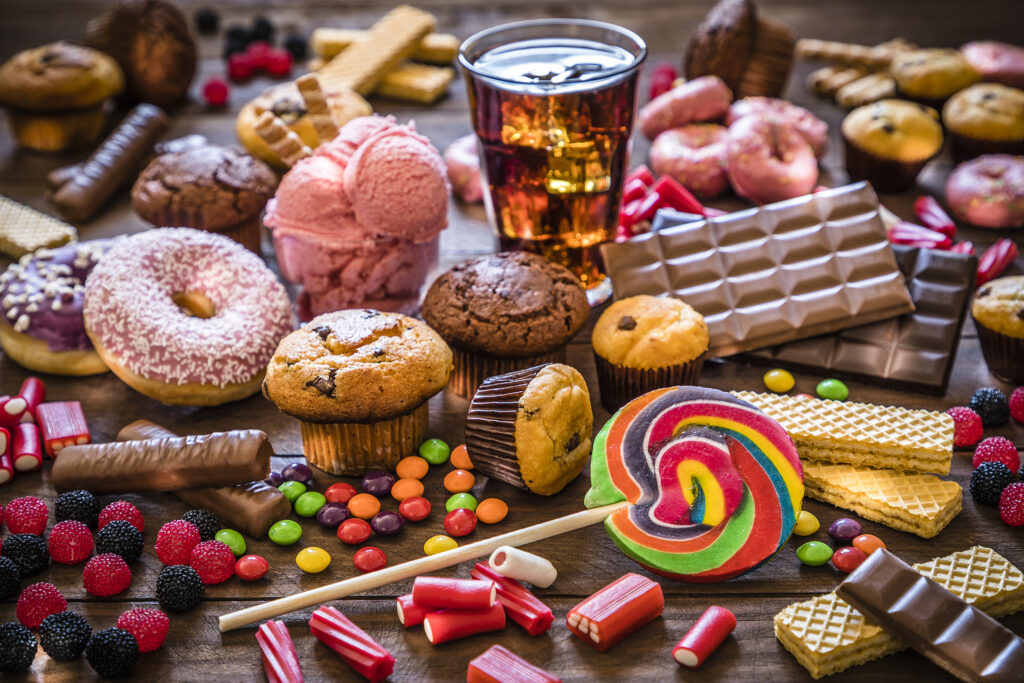
How to Stop Eating Added Sugar Once and for All Everybody craves sweets every now and then, but how do you know it’s time to get your sugar habit in check? Is it possible to learn how to stop eating sugar? And — most importantly — do you have to break up with sugar completely and forever? First up, you need to know how to define “sugar.” We’re not talking about the sugar in fruit (or even in milk). When you hear about the risks of sugar, we are talking about “added sugars,” which have been required to be included on nutrition facts labels since in 2020. “A lot of people think that using honey, agave, coconut sugar, or date sugar in place of white sugar is healthier,” says Stephanie Searor, MS, RD, LDN. “Sugar is sugar. These all still have approximately the same amount of calories, and actually, honey has even more calories per teaspoon than table sugar (21 calories for honey versus 16 calories for table sugar).” The problem is not enjoying a cupcake now and again or ice cream on a hot summer day. “The problem lies in the day-to-day constant exposure to sugar in processed foods,” says Tina Marinaccio, MS, RD, who offers nutrition counseling and cooking classes in the greater New York City area. “The palate gets used to expecting a cloyingly sweet taste.” Let’s look at some different methods for how to stop eating sugar, as well as the signs that you might be eating too much. How Much Added Sugar Is Too Much? The average American consumes 17 teaspoons (71 grams) of added sugar per day. But, according to the American Heart Association, men should aim to consume no more than nine teaspoons (36 grams) of added sugars, while women should consume no more than six teaspoons (25 grams) from added sugars. And added sugar hides in plain view, says Dr. Whitney Bowe. “It may be called something other than ‘sugar.’ Cane sugar, sucrose, fructose, agave nectar, high fructose corn syrup — but sugar is sugar, no matter how you spell it. There are more than [70] names for sugar! And it can be hard to avoid if you don’t make a conscious effort and know what to look for.” How to Stop Eating Added Sugar It’s up to you to decide when and how to stop eating added sugar (or simply cut back). Searor recommends using the Yale Food Addiction Scale as a first step. “This can help to determine whether or not you may be experiencing food addiction,” she says. Your brain releases the feel-good chemical dopamine when you eat sugary foods, Searor adds. So if you feel out of control around chocolate and jelly beans, know that some of us are “hypersensitive to the reward mechanisms of the brain, meaning that eating foods that are high in sugar (or fat or salt) could release way more chemicals in their brains,” she says. Here’s a look at some of the different ways you can train yourself on how to stop eating sugar. 1. Cutting added sugar cold turkey While you can completely cut out added sugar overnight, Searor says it’s difficult and hard to be 100 percent successful — you definitely need a plan. “It can be very overwhelming to give anything up cold turkey,” she says. If you plan to cut out sugar entirely, then you need to know what you are going to eat instead. Marinaccio creates individual meal plans for clients who go cold turkey off added sugar. She helps them incorporate whole fruits, naturally sweet starches like sweet potatoes and butternut squash, beans, and whole grains in place of processed and sugary carbs. This “allows the palate to reset in a short period of time without feeling deprived,” according to Marinaccio. 2. Cutting back on added sugar Cutting back on added sugar without eliminating it is the easiest habit to implement (but requires willpower). You can decide for yourself what this looks like, but here are a few simple tips and tricks: Reduce your fast food intake. (There’s added sugar lurking even in savory foods.) Switch from sugar-sweetened soda and other sugar-sweetened drinks to sparkling water. Add a slice of lemon, lime, or cucumber for extra flavor. Swap sugary pastries with a piece of fruit. Try apple slices with peanut butter, or nosh on berries. Scale back on the sugar in your coffee and tea. Start with one fewer teaspoon until that tastes sweet, then keep cutting back. Read labels. Added sugars hide in some canned fruit (look for canned in its own juice), packaged granola bars, and just about every processed food. Trade sugary glazes and sauces (like barbecue and teriyaki) for tangy or savory ones like pesto, vinaigrette (with no sugar added), and mustard. “These are all ways that you can slowly reduce processed food intake and set yourself up for long-term success,” says Searor. Crowding out sugary and processed foods and replacing them with nutrient-dense whole foods can slowly take away sugar’s power. Eventually, you find that you can take it or leave it. “If you want to have an ice cream, have an ice cream,” Searor adds. “Just be mindful of it. Know that you are eating it because you want to, not because it’s a reward or as a way to overlook stress.” How to Come Back from a Sugar “Detox” Even if you gave up added sugar cold turkey, you can often bring it back into your life without backtracking, says Marinaccio. When you feel ready, treat yourself to a really good cookie, a slice of your favorite cake, or a donut; eat it slowly and observe how you feel. She says that some of her clients find that sweets have completely lost their power — and their appeal — from this approach, “because either their palate has changed, or some of the allure turned out to be nostalgia, where they associated sweets with a memory, and now it no longer serves them.” When You Should Seek Professional Help Does the idea of

How to Stop Eating Added Sugar Once and for All Read More »
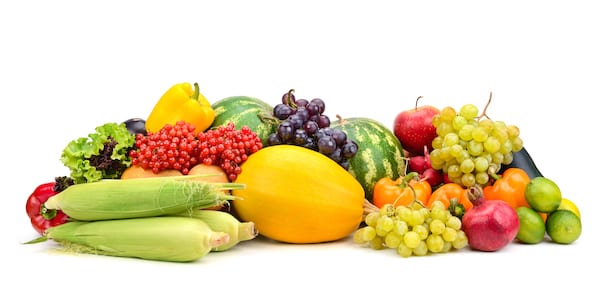
How Many Different Types of Vegetarians Are There?

How Many Different Types of Vegetarians Are There? Plant-based, or plant-forward, eating is probably the most inescapable dietary trend. And it’s not necessarily as simple as just forgoing flesh; new factions are forming within the plant-based umbrella seemingly all the time, making for multiple types of vegetarians. “The main categories of plant-based eating that are studied and well-established are: vegan, lacto-ovo vegetarian, and lacto- or ovo-vegetarians,” explains Julieanna Hever, M.S., R.D., C.P.T., author of The Healthspan Solution and The Complete Idiot’s Guide to Plant-Based Nutrition. To help figure out what might work for you, here’s a look at the many shades of plant-based eating, nearly all of which encourage getting more color on your plate through nutrient-rich fruits and veggies. 1. Level 5 Vegan Considered the strictest form of vegan, a Level 5 vegan is defined as “not eating anything that casts a shadow” by Lisa Simpson on a 1995 episode of The Simpsons titled “Lisa the Vegetarian.” According to show lore, Paul McCartney, who appeared to support Lisa’s veggie-forward journey, required that she quit meat for the rest of the season. While the definition is clearly a joke (since plants also cast shadows), many vegans have co-opted this pop culture reference to refer to anyone with a ride-or-die attitude about veganism. (Turns out, Lisa also never looked back on her decision and is still a plant-based hero more than two decades later.) 2. Vegan According to the OG of veganism, the Vegan Society, the official definition inked circa 1949 is “to seek an end to the use of animals by man for food, commodities, work, hunting, vivisection, and by all other uses involving exploitation of animal life by man.” A vegan diet is entirely plant-based and avoids all animal-based foods, such as meat (including fish, shellfish, and insects), dairy, eggs, and honey. There’s the added lifestyle component of also avoiding all other animal-derived products, as well as products tested on animals, and venues that showcase animals for entertainment purposes. Within veganism, practitioners interpret — or choose — to follow these guidelines differently. Some common variations include: Ethical Involves avoiding all products made by animals or viewed as cruel toward cuddly creatures. Examples include wearing silk blouses, leather shoes, and makeup tested on animals, or visiting a circus (which offers the added benefit of sidestepping creepy clowns). Raw Combines a raw food diet with veganism and is focused on eating uncooked veggies, fruits, and grains. Another spin is “Raw ‘Till 4,” or eating raw foods until 4 p.m. and then having a cooked dinner. High carb, low fat The polar opposite to keto in many ways, “high carb low fat” vegans eat large amounts of carbs, such as fruit, vegetables, and grains, and as little fat as possible. (It’s important to note that fat is a key macronutrient, and important to consume in recommended amounts.) 3. Lacto-Vegetarian Lacto-vegetarian is a form of plant-based eating that allows the consumption of dairy products, such as milk, cheese, and yogurt, explains Sharon Palmer, M.S.F.S., R.D.N., The Plant-Powered Dietitian. 4. Ovo-vegetarian “Ovo” is the Latin word for egg. Ovo-vegetarians are OK with eating foods containing eggs, such as omelets, but do not consume dairy products. 5. Lacto-ovo vegetarian Lacto-ovo vegetarians consume eggs as well as dairy-based foods, however they do not eat meat, poultry, or seafood. This is perhaps the most common type of vegetarian. 6. Pescatarian Pescatarian (also spelled “pescetarian”) is a semi-vegetarian diet that includes the consumption of fish or seafood. As such, pescatarians diets can be highly personalized; one person might eat fish, but swear off shellfish, or vice versa. Exploring the reasons why some people don’t regard fish the same as meat might dock you in murky waters. They range from the fact that fish are cold-blooded (versus warm-blooded mammals) to the Catholic Church’s historical exemption that allows the consumption of fish during times of fasting from meat, such as Lent. 7. Pollotarian Another offshoot of plant-based eating, pollotarians avoid mammalian, or red, meat such as beef and pork, but make an exception for chicken and other poultry. (Despite the popular advertising campaign, pork is technically the other red meat.) And, in an offshoot of an offshoot, pesce-pollotarians are pollotarians who eat fish. 8. Flexitarian A hybrid of the words “flexible” and “vegetarian,” flexitarian is a style of plant-based eating that allows for moderate consumption of flesh. “A flexitarian diet is the same as an omnivorous one, with myriad interpretations, alluding to the intention to reduce animal product consumption,” says Hever. How to Start Eating a Vegetarian Diet “We are all creatures of habit, rotating through a few different recipes day after day, week after week,” says Hever. Exploring a plant-based diet is a great way to shake up your routine and add more veggies. 1. Seek recipe inspiration “The internet offers limitless access to recipes, tips, and ingredients to modify almost anything you have always loved into a plant-based version. The best way to ease into this way of eating is to have fun and explore!” In addition to tasty recipes, Hever’s latest book offers detailed science on plant-based eating. While you’re trying it out, she also recommends using social media for inspiration. 2. Gather support “Having social support is helpful during the process, and it becomes easier and easier with practice,” she says. 3. Consume essential nutrients When you eat right, it’s easy to get adequate nutrition from plant-based food. However it’s important to make sure you’re eating a balanced diet.  “It’s easier to meet your nutrient needs on a vegetarian diet — you have to be little more careful and strategic on a vegan diet,” says Palmer. (After all, Oreos and McCormick Bac’n Bits are both vegan, but also highly processed and lacking in nutritional value.) Supplements Vegetarians May Need “On a plant-based diet, there are five micronutrients we consider notable nutrients: vitamins B12, D, K2, iodine, and zinc,” explains Hever. Vitamin B12 “Vitamin B12 is something that must be supplemented by anyone on a vegan diet and older adults, regardless of their diet.” Vitamin D If you’re not drinking milk, where do you get vitamin D? “Vitamin D is not specific to a vegan diet and may or may not be an

How Many Different Types of Vegetarians Are There? Read More »

How to Transition Off the Keto Diet

How to Transition Off the Keto Diet The potential for rapid weight loss put the keto diet on the map, but many struggle with its restrictive rules. Between the dreaded “keto flu” and the challenge of the high-fat macro requirements, people who start keto may quickly find themselves wondering how to transition off the keto diet. 5 Tips for Transitioning Off Keto the Right Way Maybe you’ve toyed with the idea of weaning off keto, but you’re concerned about what that would mean for your waistline. There’s no way around it: You will likely gain back some of your pre-keto weight. You may also experience some discomfort while your body readjusts to a balanced eating plan. “You should be prepared for GI distress such as gas, bloating, and constipation,” Giancoli says. “But the human body is awesome and will adapt as you come off the diet.” Here are a few tips that can help you ease out of ketosis smoothly while maintaining some of that hard-earned weight loss. 1. Take it slow with carbs Too many high-carb foods all at once can cause blood sugar highs and lows, which can lead to fatigue, irritability, dizziness, and lightheadedness. Everyone reacts differently, so reintroduce carbs slowly and watch for any unwanted symptoms. 2. Choose high-fiber foods Whole grains, beans, vegetables, and fruits are the best bet for reintroducing carbs to your diet — their high-fiber content can protect against a spike in blood sugar. And make sure to stay well-hydrated — water helps fiber pass more pleasantly through your digestive system! 3. Watch your portions Keto-friendly foods are high in fat and provide a moderate amount of protein, which helps curb appetite. Once you reintroduce non-keto foods, you won’t be able to rely on this appetite-suppressing effect anymore. Hunger is a normal feeling, so you don’t have to be afraid of it. Just watch your portion sizes, and eat balanced meals that include lean protein and healthy fats. 4. Don’t forget to exercise You may feel an uptick in energy after reintroducing carbs, so put that energy to good use and ramp up your workouts. Along with good eating habits, a well-rounded exercise routine that includes both cardio and strength training is a powerful tool for maintaining a healthy weight. 5. Practice self-care Starting and stopping any diet can feel emotionally exhausting. “Nearly all diets fail, because most are designed to fail,” Giancoli says. “You will always be at risk of regaining weight if that diet doesn’t fit into your lifestyle. The key is to focus on long-term lifestyle changes, not short-term weight loss.” Preach! When you come off keto, that’s a good time to reflect and find your bearings. Take note of what worked and what didn’t on your keto journey. (Did you find a few low-carb snacks you actually love?) There’s no one-size-fits-all diet that works for everyone, and it may take a little experimentation to figure out what works best for you. 3 Reasons Why You Might Decide to Ditch Keto As a fellow dietitian, I understood the keto diet controversy — but I underwent a one-month keto journey in an effort to stay open-minded and empathize with what dieters were going through. When you first start keto, you may love cutting loose and gobbling up as much fat as you want: bacon, avocado, cheese, cream, olive oil — if it’s high-fat, it’s on the table. I’d be lying if I said I didn’t enjoy these foods. And I ended up losing five pounds in the first two weeks, which is a huge loss as a petite 5-foot-2 gal. But I stopped the keto experiment after a month. I couldn’t imagine my life centering on food in such a restrictive way — and there are a few key drawbacks that make it hard to stick to keto long-term. 1. Unsavory side effects Adapting to ketosis is mentally and physically demanding. During the first week, I felt tired and groggy and suffered a minor headache, all symptoms of what is aptly named “the keto flu.” I was also thirsty all the time and needed frequent trips to the bathroom to accommodate this new relationship with my water bottle. And I didn’t feel like I had enough energy to exercise. Granted, some folks adapt to ketosis over time, but getting over this hump is a big reason why someone might quit keto. 2. Lack of flexibility Following the keto diet at home is hard enough — but carbs seem like they’re in everything when you’re out at a restaurant. The keto diet is a social kick-in-the-pants whenever you want to enjoy a night out with friends, unless you actually enjoy explaining your dietary choices in detail to everyone at the table. If you travel often, or you eat on-the-go a lot, you’ll need serious willpower to stick to a keto diet. 3. Health concerns Shedding a few pounds might feel great, but the number on the scale is only one aspect of your overall health. If your keto diet is lacking in essential nutrients, that can obviously be a problem. “Ketosis is a survival mechanism — it’s not an ideal place to be long-term,” says Andrea N. Giancoli, MPH, RD. “A diet this restrictive in carbs means you’re probably not getting all your vitamins and minerals from food. In the past, people who medically required this diet were following it under the watchful gaze of an entire medical team.” Experts also don’t fully understand the implications of following a high-fat diet long-term, but they do know that a high-fat diet tends to be high in saturated fat, which can raise LDL cholesterol levels and increase your heart disease risk, according to the American Heart Association. The post How to Transition Off the Keto Diet appeared first on BODi. The potential for rapid weight loss put the keto diet on the map, but many struggle with its restrictive rules. Between the dreaded “keto flu” and the challenge of the high-fat macro

How to Transition Off the Keto Diet Read More »

Can the Blue Zones Diet Help You Live Longer?

Can the Blue Zones Diet Help You Live Longer? There are lots of diets that promise to help you lose weight, feel better, and get healthier. But there are only a few cultures whose diet is believed to extend their longevity — the Blue Zones diet. Based on the eating habits and lifestyles of peoples living in classified “blue zones,” the Blue Zones diet — encompassing nine behavioral factors of which consumption is only three — boasts the means to add years to your lifespan. Unlike many other diets, however, this approach to eating isn’t a precise list of must-haves and never-eats. In fact, individuals in these various Blue Zones don’t consume identical diets. What they do share are dietary commonalities that may help them to live longer lives. Curious how? What Is the Blue Zones Diet? The Blue Zones diet is based on the eating habits of five unique communities around the globe with impressive lifespans. These “blue zones” were first described in a 2005 National Geographic article by Dan Buettner. He eventually went on to author the New York Times-bestseller The Blue Zones. Buettner’s work expanded on longevity studies by researchers Gianni Pes and Michel Poulain. They examined which areas of the world had the largest numbers of centenarians (people who lived 100 years or more). During their research, Pes and Poulain drew blue circles on a map around the areas with the highest concentrations. These became the Blue Zones. Together, Buettner, Pes, and Poulain designated five key locations around the world that share common characteristics that lead to improved longevity. What Are the Five Blue Zones? So just where are the Blue Zones? You might be surprised to find out just how diffuse and unique these locations are. From a rocky Mediterranean island to a lush Costa Rican peninsula to an inland community in Southern California, the Blue Zones are as diverse as they are geographically dispersed. Sardinia, Italy: The mountainous province of Ogliastra boasts 10 times more centenarians per capita than the U.S. and, perhaps even more interestingly, the men live as long as the women. Ikaria, Greece: One in every three inhabitants of this Greek island makes it to their ninth decade. The proportion of the U.S. population that lives to see 90? About half a percent. Okinawa, Japan: Those living on this Japanese island have 80 percent fewer heart attacks than Americans, as well as lower rates of heart disease, cancer, and dementia. Loma Linda, California: This inland community of Seventh Day Adventists counts some of the longest-living people in North America among its members, who often outlive their counterparts by a decade or more. Nicoya Peninsula, Costa Rica: On the Central American nation’s Pacific coast, the Nicoya Peninsula boasts the world’s lowest rates of middle-age mortality and the second highest concentration of men who live to 100. What Do People in Blue Zones Eat? Perhaps most surprising about the Blue Zones diet is that those living in blue zones don’t eat identically. Okinawans avoid almost all dairy, while it makes up almost a quarter of the Nicoyan diet. Whole grains comprise nearly half of Sardinians’ intake, while fruits and vegetables represent 50 percent of Seventh-Day Adventists’ regimen. “While they do have some differences, it’s what they all have in common that we believe can move the needle for long term health,” explains Buettner. Despite their variety, Buettner found the diets of those in the Blue Zones share 11 key commonalities. Here are five of the biggest. 1. Mostly plants “Across the board, the longest-lived people in the world are getting over 90 percent of their calories from whole plant foods,” says Buettner. For people in the Blue Zones, their diets consist of a majority of fruits, vegetables, grains, and legumes — upwards of 95 percent for some communities. This stands in contrast to the traditional American diet in which 27 percent of calories consumed come from animals. More alarming, 37 percent of that diet consists of sugar and fat, according to National Geographic. If you’re looking for the biggest blue zone bang for your buck, start here, suggests Buettner. “If you’re eating mostly plants, you’ll be filling your plate and your body with nutrient-dense foods and pushing other processed foods out of your lifestyle.” 2. The whole food The term gets thrown around so freely you could be excused for no longer knowing what it means to eat “whole foods.” Simply stated, denizens in blue zones eat single-ingredient, naturally occurring foods in their entirety. Not components of foods broken down industrially. Not Cliff Notes versions of foods that skip to their tastiest parts (e.g. separating juice from pulp). If it’s a grain, eat the germ and the bran, rather than a bleached, refined flour derived from what’s left. If it’s a vegetable, eat all that’s edible, rather than skinning, peeling, or consuming the fried-chip version of it. If it’s fruit, eat it un-dried and un-juiced to enjoy all of its benefits. 3. Beans Another longevity powerhouse among blue zone eaters is legumes. Most inhabitants living in blue zones consume ½ to 1 cup of beans per day, says Buettner. They’re not only inexpensive and easy to preserve, but also offer a good balance of protein and complex carbohydrates while being high in fiber. Black beans… white beans… lentils… garbanzos… While each blue zone region may consume different types of beans, they each have their own unique culinary traditions to make them taste good, says Buettner. 4. Water Soda is not a healthy hydrator. Neither are energy drinks, milk shakes, or purple fluid in foil-top plastic barrels, which is why Buettner says most blue zone centenarians have never even heard of them. Exceptions for blue zoners include coffee, tea, and the occasional glass of wine, all of which can be prepared naturally — and even deliver benefits of their own. Water is essential for nearly every biological process, so you might as well consume it uncut. 5. Nuts If you need a snack, choose nuts. According to Buettner’s research, blue zoners eat about four ounces of them per day — about the size of two

Can the Blue Zones Diet Help You Live Longer? Read More »

Orthorexia: What Is It and What Can You Do About It?

Orthorexia: What Is It and What Can You Do About It? Many of us reform our wellness routines in order to look and feel better — but it’s possible to take these efforts too far. For some, this can mean focusing on nutrition to the extent that it becomes harmful, a phenomenon some experts suggest should become an officially recognized eating disorder: orthorexia nervosa. There are a number of causes and warning signs associated with orthorexia which are explored below, but if you think you may have a problem with disordered eating, it’s imperative to contact a medical or psychological professional for an evaluation. What Is Orthorexia? “Orthorexia is an unhealthy obsession with eating pure or clean foods… to the point where it negatively impacts an individual’s physical and mental wellbeing,” says Angela Ficken, LICSW, a Boston-based therapist. “Unlike other eating disorders like anorexia or bulimia, orthorexia is primarily focused on the quality of food consumed rather than the quantity.” Officially named in the late 1990s, it’s a condition that’s on the rise. “Orthorexia is something I see fairly regularly in my practice, and I didn’t see it at all 10 years ago,” says Candice Seti, Ph.D., a clinical psychologist and certified personal trainer in San Diego. Why Is Orthorexia on the Rise? So what’s behind the surge in obsessive eating? Perhaps unsurprisingly, social media has a lot to answer for. “The obesity epidemic has forced a focus on healthy lifestyles, and social media like Instagram inundates people with pictures of healthy eating, people with six-pack abs, and all sorts of memes telling people pain is gain,” Seti says. “It sets people up to develop orthorexia. Whenever there is focus on anything, there will be the opportunity to take it too far.” Although orthorexia nervosa is widely recognized, it’s not an officially diagnosable eating disorder. (Seti expects it will be soon.) Because of this, there are no official diagnostic criteria for orthorexia — however the condition does have several common traits. If you suspect you or someone you know has orthorexic tendencies, it’s a good idea to check in with a medical professional. Causes of Orthorexia So what might cause someone to cross the line from healthy eating into orthorexia? Both internal and external factors can come into play. Some of those internal factors can include: Perfectionism. “Individuals with a tendency toward perfectionism might be drawn to strict dietary rules to gain a sense of control and accomplishment,” says Marissa Moore, MA, LPC, a Missouri-based licensed professional counselor. Anxiety. “The desire to maintain optimal health can escalate into anxiety about consuming anything perceived as unhealthy,” Moore adds. Low self-esteem. A need for identity. “People might adopt extreme diets to feel a sense of belonging within a certain health-conscious community,” Moore says. People with a tendency toward obsessive thinking and behaviors also might fixate on the purity of their diet. “Orthorexia has many features that parallel the symptoms of obsessive-compulsive disorder (OCD),” Seti says. “People are just consumed with thoughts of food, exercise, and planning.” External factors can also motivate orthorexia. They can include: Media and social influences. “The glorification of clean eating and wellness trends on social media platforms can contribute to developing orthorexic tendencies,” Moore says. Cultural pressures. “Societal emphasis on thinness and health can lead individuals to pursue unrealistic dietary goals,” she says. Misinformation. You don’t have to be a credentialed nutrition expert to dispense advice on social media. A lot of what goes viral isn’t supported by science and can even be dangerous. Warning Signs of Orthorexia According to Staci Gulbin, MS, MEd, RDN, a registered dietitian nutritionist in Denver, the warning signs of orthorexia can include: Looking obsessively at nutrition labels before eating Labeling foods as “good” or “bad” Increasingly cutting certain foods or entire food groups out of your diet or viewing certain foods with fear Avoiding social situations involving food Becoming obsessed with what others are eating Not eating if “safe” foods aren’t available Spending more time online researching diets and “clean” eating, or on influencer sites that demonize foods (they may use language like “sugar is toxic” and “seed oils are poison”) Increasingly talking about eating habits in conversations with others Of course, many of us do these things sometimes. It doesn’t mean you “have” orthorexia — which, remember, isn’t yet an official clinical diagnosis. What Does an Orthorexic Diet Look Like? “An orthorexic diet may cut out multiple food groups, be very limited to “safe” foods, and be very restricting,” Gulbin says. “Often orthorexic diets cut out anything that contains sugar, anything packaged, or anything eaten out in restaurants aside from ‘whole’ foods.” The condition can look different from person to person. “Sometimes it can start with cutting out sugars, then slowly cutting out desserts, and then cutting out breads, pastas, and other starch carbohydrates altogether,” says Suren Chiu, RDN, LDN, CPT, a registered dietitian nutritionist and certified personal trainer in Chicago. “For others, it can be limiting fats to a certain amount on the label, significantly limiting what the person can eat. It’s not uncommon for this to be paired with exercising, in a way that can also be obsessive.” Risks of Orthorexia Orthorexia is different from prioritizing good nutrition. “This lifestyle can deprive the orthorexic person of essential nutrients needed for optimal health,” Gulbin says. Cutting out a large variety of foods can lead to a number of consequences, according to Gulbin: Heightened risk for nutrient deficiencies and malnutrition Strained personal relationships Mental and emotional health issues Diminished overall quality of life Not to mention the burden imposed by orthorexic eating. “Counting every calorie and macro and reading every nutrition and ingredient label can become exhausting and debilitating,” Gulbin says. What to Do About Orthorexia If you or someone you know is exhibiting orthorexic traits, consult your healthcare provider or a mental-health professional. “I always encourage people to seek professional help sooner rather than later,” Seti says. Treatment of orthorexia primarily focuses on breaking the all-or-nothing mentality, while building self-esteem and facing fears. “Catching it and intervening early is definitely the most effective

Orthorexia: What Is It and What Can You Do About It? Read More »

Can Fiber Water Help You Lose Weight?

Can Fiber Water Help You Lose Weight? By now, most of us know that fiber — like sleep and water — is something we could use more of. It’s been billed a wonder worker for everything from healthy digestion to weight loss. The USDA Dietary Guidelines recommend that women consume at least 22 to 28 grams of fiber per day, and men eat at least 28 to 34 grams of fiber per day, depending on age. But the average American only gets around 16 grams of fiber per day, according to the USDA. Can fiber water — a relative newcomer to the ever-growing wellness water market — help to close that gap? Here’s what you need to know. Can Fiber Water Help You Lose Weight? In studies, high-fiber diets have been shown to help with weight loss and weight maintenance. Dietary fiber can help you feel satiated, which may help to curb overeating. From fiber water to fiber supplements, people are looking for easy ways to incorporate this essential nutrient into their lifestyles. “There are 175,000 people per week searching for some type of fiber on Amazon,” says Rusty Jones, co-founder of the fiber-infused beverage company Hellowater. Jones and co-founder Tom Bushkie, a certified nutritionist, developed Hellowater to meet what they saw as a white space in the beverage market. “We went to a food scientist with the idea of creating a high-fiber water in a ready-to-drink format that could act as an appetite suppressant,” says Jones. Jones says his larger goal in developing fiber water was to help individuals manage their weight and promote healthy blood sugar levels. “Fiber is a nutrient that aids with digestion and helps manage healthy cholesterol and blood sugar levels, which is why we need it,” Jones explains. What Exactly Is in Fiber Water? There are two main types of dietary fiber: Soluble fiber helps you feel full longer, aids in managing healthy cholesterol levels, and helps maintain healthy blood sugar levels. Insoluble fiber is mostly responsible for adding bulk to your stool and keeping you regular. Your body needs both types of fiber to aid in proper digestion. Fiber water is infused with soluble fiber, along with natural flavors and sweeteners. But is fiber water just a millennial spin on your grandma’s fiber powder? Not exactly. Unlike traditional fiber supplements you mix into water, fiber water is clear, not gritty, and only contains soluble fiber. According to the label, a bottle of Hellowater Prebiotic Beverage delivers 5 grams of fiber — specifically, inulin derived from chicory root — per serving. That’s around 20 percent of the recommended daily value of fiber based on 2,000-calorie diet. All in all, the composition is roughly 98 percent water and 2 percent inulin, according to Jones. Is Fiber Water Good For You? If most of us could use more water and more fiber in our lives, then putting them together in a fiber drink seems like the ultimate win-win. “People are trying to find other ways to get their fiber in,” says Kristi King, MPH, RDN, LD, CNSC. “Fiber water could be one way of doing that, which isn’t necessarily a bad thing. But it shouldn’t be your primary source of fiber.” To put it into perspective, a bottle of Hellowater has about the same amount of fiber as an apple. However, when you eat an apple with its peel, you’re getting soluble and insoluble fiber, as well as important antioxidants like vitamin C and minerals like potassium, King explains. Certain fiber supplements also provide both soluble and insoluble fiber. Shakeology Digestive Health Boost supplies 7 grams of dietary fiber, including insoluble fiber from chia and flaxseed and soluble fiber from psyllium husk. Should You Have Fiber and Water Together? That said, drinking water with any high-fiber diet is important. “Even if you’re eating a cup of carrots, it’s important to have adequate fluids over the course of the day,” says King. “Fluids help move things through the system. If you’re eating a high-fiber diet, not staying hydrated could cause discomfort in the GI system or gassiness.” She also cautions that when you increase the amount of fiber you consume, it’s important to do so incrementally. Downing several bottles of fiber water or an entire bag of mini carrots to double your fiber intake overnight could pose a shock to your system — and any coworkers sitting nearby. The post Can Fiber Water Help You Lose Weight? appeared first on BODi. By now, most of us know that fiber — like sleep and water — is something we could use more of. It’s been billed a wonder worker for everything from healthy digestion to weight loss. The USDA Dietary Guidelines recommend that women consume at least 22 to 28 grams of fiber per day, and men eat at least […] The post Can Fiber Water Help You Lose Weight? appeared first on BODi. Cemile Kavountzis{authorlink}https://www.beachbodyondemand.com/blog/fiber-waterBODi BODi is a Health Esteem platform to help you embrace the person you are today so you can take action to achieve all your health and fitness goals. https://www.beachbodyondemand.com/blog/wp-content/plugins/bod-blog/assets/vendor/beachbodydigital/wordpress-core-plugins/beachbody.png

Can Fiber Water Help You Lose Weight? Read More »

The 10 Most Flavorful Light Craft Beers

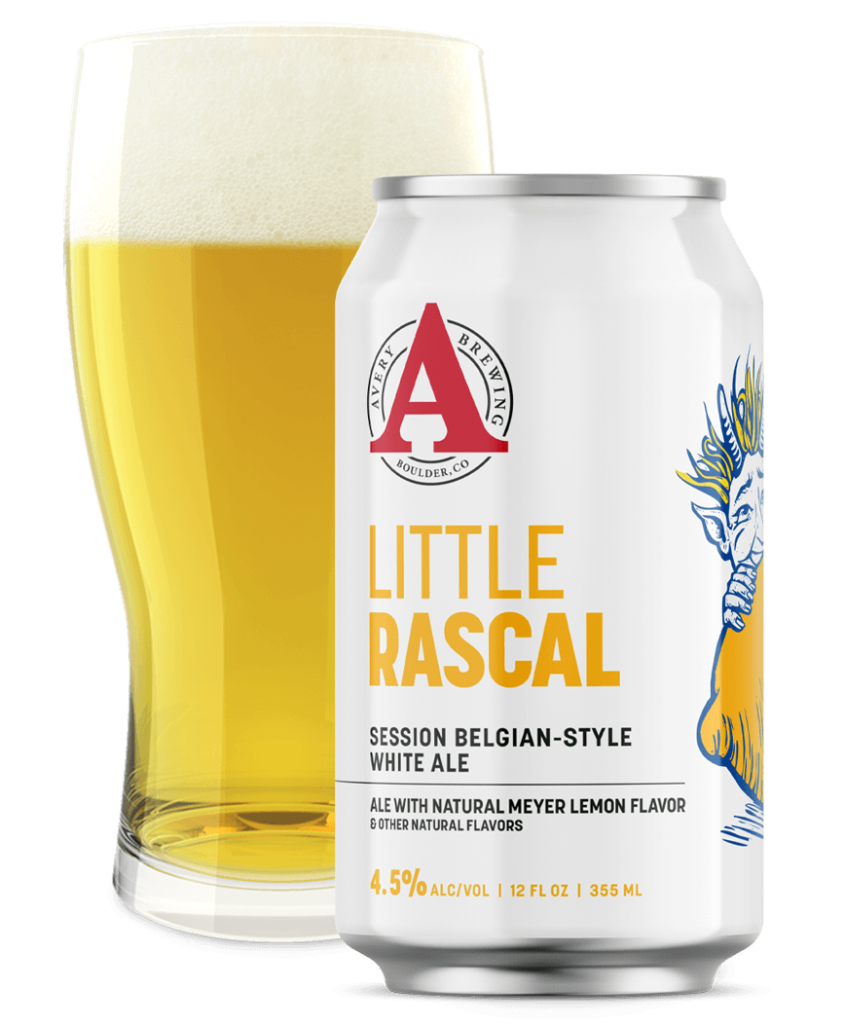
The 10 Most Flavorful Light Craft Beers For the last few decades, fitness fans who grew to love unique and bold beers were left to drink watery, bland light beer from the big guys if they wanted to keep their waists trim. Thankfully for beer lovers, breweries have figured out how to make light craft beers without having to compromise (much) on flavor. These newest takes on “light” beers — typically around 100 calories and 3 to 6 carbs per 12-oz. serving — run the gamut from ales to pilsners to IPAs, and will keep even the most discerning beer nerd satisfied after a long day recreating. Keep in mind, however, that carbs make up about 12 to 24 of those 100 calories. The remaining 76 to 88 calories come from alcohol, which is every bit as impactful as carbs if not more so. Also remember that, while these are light beers, alcohol is still alcohol. Most of the 12-ounce cans or bottles here are just shy of one “standard” alcoholic drink, so it’s important to drink responsibly. With that said, we sampled the 10 best light craft beers now available across the nation so fitness buffs can still enjoy a satisfying beer without compromising on taste. 1. Avery Little Rascal Calories: 100 | Carbs: 3 g | ABV: 4.5% A more sessionable take on a witbier than the company’s flagship White Rascal, Avery Brewing’s Little Rascal zigs lemon where its predecessor zags orange, with one-third fewer calories. Brewed with Meyer lemon and Lemondrop hops, Little Rascal pours slightly hazy, drinks citrusy, and finishes crisply. 2. Bell’s Light Hearted IPA Calories: 110 | Carbs: 8.7 g | ABV: 4% Perennial hop-head fave Two Hearted Ale gets a lean makeover with this recently released, light version. Sipping it brings forth a bit of watery-ness at first taste, but that classic floral hoppiness found in its higher-calorie brother quickly follows up. It’s brewed with a blend of Galaxy and Centennial hops that imparts piney, citrus notes. 3. Jester King Le Petit Prince Calories: 75 | ABV: 2.9% A rare farmhouse entrant in the category, Jester King has managed to pack a relative abundance of saison flavor into a beer with such low calorie and ABV counts. Earthy notes of yeast and barn funk customary to the style combine with spice and lemon for an unusually fizzy table beer with a dry finish. 4. Dogfish Head Slightly Mighty Lo-Cal IPA Calories: 95 | Carbs: 3.6 g | ABV: 4% Slightly Mighty brings a nice tropical sweetness with the addition of monk fruit, one of the better low-calorie sugar alternatives out there. It pours into a golden haze and offers a crisp taste with well-developed and dynamic flavors of pineapple, mango, and citrus. 5. Boulevard Easy Sport Calories: 99 | Carbs: 5 g | ABV: 4.1% This “slightly tart, subtly salty” blonde ale is positioned to active folk as refreshing, easy-drinking, and even restorative of nutrients lost to exercise, thanks to electrolytes added during the brewing and fermentation processes. While its value as a hydration beverage — ethanol is a desiccant, after all — is debatable, Easy Sport’s bright, tangerine tang is unquestioned. 6. Kona Light Blond Ale Calories: 99 | Carbs: 4 g | ABV: 4.2% A smooth and crisp blonde ale under 100 calories, this Kona creation is superb for sipping on slow days off. It features Millennium, Mosaic, and Amarillo hops that provide a bit of spice mixed with subtle mango flavors. Pours clear and is very refreshing. 7. Lagunitas DayTime IPA Calories: 98 | Carbs: 3 g | ABV: 4% An American IPA, this light entry from Lagunitas pours clear and golden with nice hints of sweetness cut by acidic citrus notes that taper off to a grassy, earthiness. Not too hop-forward, but it has nice, subtle floral aromas that make it very sessionable. 8. Omission Ultimate Light Golden Ale Calories: 99 | Carbs: 3 g | ABV: 4.2% A great session beer, this golden ale from Omission is — along with being brewed for lower calories and carbs — also made to remove as much of the gluten. Hops used are Millennium, Citra, and Galaxy, which bring the expected citrus hints to this light beer. 9. Firestone Walker Brewing Company Mind Haze Light IPA Calories: 100 | Carbs: 8g | ABV: 4% This bright hazy IPA was engineered to offer an easy-to-drink brew with a full flavor profile. It’s stacked with hops — El Dorado, Mosaic, Chinook, and Idaho 7, to name just a few — making sure this lower-calorie version of Firestone’s Mind Haze IPA doesn’t sacrifice much in taste. Notes include pineapple and citrus, finishing only slightly on the bitter side. 10. Sweetwater High Light Calories: 100 | Carbs: 5 g | ABV: 4% Hazies are common in the lo-cal category, but High Light manages to distinguish itself by not really standing out in any individual aspect: It strikes a balance between malt and hop, isn’t overly bitter, and doesn’t taste too sweet. Notes of grapefruit, watermelon, and pear subtly carry this baby-bear’s-porridge of light beers (i.e., just right). The post The 10 Most Flavorful Light Craft Beers appeared first on BODi. For the last few decades, fitness fans who grew to love unique and bold beers were left to drink watery, bland light beer from the big guys if they wanted to keep their waists trim. Thankfully for beer lovers, breweries have figured out how to make light craft beers without having to compromise (much) on […] The post The 10 Most Flavorful Light Craft Beers appeared first on BODi. Jordan Burchette{authorlink}https://www.beachbodyondemand.com/blog/light-craft-beersBODi BODi is a Health Esteem platform to help you embrace the person you are today so you can take action to achieve all your health and fitness goals. https://www.beachbodyondemand.com/blog/wp-content/plugins/bod-blog/assets/vendor/beachbodydigital/wordpress-core-plugins/beachbody.png

The 10 Most Flavorful Light Craft Beers Read More »

Help Your Results off the Bike With the Right Cycling Diet

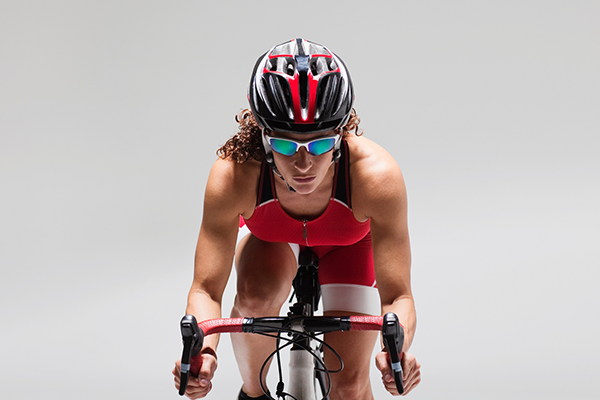
Help Your Results off the Bike With the Right Cycling Diet Whether you opt for the open road or a stationary bike, it’s easy to fall in love with cycling. The sport offers a myriad of benefits — from improved endurance to mood-boosting endorphins — that are only amplified by a healthy cycling diet. Nutrition for cycling isn’t unlike most other healthy, balanced diets. It’s based on nutrient-rich whole foods that provide your body with energy. But there are some nuances to a cycling diet — both before and after a ride — that concern meal timing, portion sizes, and types of foods. We asked a few experts to weigh in with their thoughts and recommendations. How Should Cyclists Fuel for a Ride? Nutrition for cycling is as much about when you eat as what you eat. How long you’re in the saddle is also important. Hopping on the bike for an hour? No need to worry about pre-workout fueling. But, if you plan to pedal for longer, food needs to be part of your strategy, says Stacey Krawczyk, M.S., R.D., president of FoodWell Strategies. “If your exercise is going to be longer than 60 minutes, you should eat a small meal a few hours beforehand,” she says. If you don’t have long before your ride, opt for a small snack. Ingesting too much food too close to your workout could leave you feeling sluggish or queasy. Krawczyk explains that carbohydrates play a “crucial” role in a cycling diet. “Active individuals (who exercise at this extreme level) should eat 50 to 65 percent of their total daily calorie intake as carbohydrates,” she says, so look to healthy, easy-to-digest carbs for pre-ride snacks and meals. Some pre-workout ideas include: Oatmeal and fruit Cereal with milk Bananas Sweet potatoes Bagels What you drink is also a critical component of a healthy cycling diet. “Always remember to consider hydration and electrolyte status!” says Lauren Sambataro, FDN-P, CHEK, IFHC. “If you’re exercising for a prolonged period of time, or you tend to sweat a lot, pre-loading with an electrolyte source including sodium and potassium can be extremely helpful for preventing cramps and fatigue,” she explains. Can You Lose Weight by Cycling? Like any form of regular physical activity, riding a bike may help you nudge the numbers on the scale. “As a general rule of thumb, creating an energy deficit (more calories out than in) could potentially encourage weight loss,” says Sambataro. And because cycling is low-impact and can typically be tolerated for an extended period of time, Sambataro explains, it’s a great option for individuals interested in losing weight. One study published in the International Journal of Obesity found that previously inactive, overweight adults who began biking to and from work lost just as much weight as participants who performed daily “leisure time” exercise. However, Sambataro cautions that weight loss is a complicated equation, and exercise is just one variable. In addition to your workouts and diet, factors like genetics, hormones, sleep, and stress also play an important role in weight management. What Should Cyclists Eat to Lose Weight? A healthy cycling diet isn’t about excessive restriction, says Garret Seacat, C.S.C.S., head coach of Absolute Endurance. “Trying to cut back [on calories] while exercising can lead to decreased performance during your training, and you can even see worse results as you begin to deny your body the proper fuel it needs over time,” he says. However, many cyclists run into the opposite problem. “Athletes make the mistake of finishing a large ride (4 to 6+ hours), burning up to 4,000 calories, then gorging themselves at a restaurant afterward and replacing all the calories (and then some) by accident,” he says. Even if you’re not spending half of your day on a bike, the same principle applies: If you eat more calories than you burn, you’ll likely gain weight, not lose it. “If your goal is weight loss and you are putting in big mileage, on those days, you should have a protein shake ready to go afterward,” recommends Seacat. A protein shake will not only take the edge off your hunger and prevent you from overeating, it will also aid muscle repair and overall recovery. Nutrition for cycling should be made up of as many real, whole foods as possible, including: Whole grains: brown or wild rice, quinoa, barley, oats, amaranth, corn, farro Fruits: bananas, berries, pears, oranges, dates, apples, peaches Beans/legumes: chickpeas, white/black/kidney/pinto beans, lentils, soybeans, split peas Lean meats: skinless chicken breast, white fish, pork loin, lean beef, tuna Vegetables: leafy greens, beets, broccoli, cauliflower, sweet potato, carrots Healthy fats: avocado, olive oil, nuts, seeds, Greek yogurt, whole eggs, dark chocolate What Is the Best Food to Eat After Cycling? “Eating after a ride is important because it replaces your muscles’ glycogen (sugar) stores,” says Krawczyk. Seacat recommends refueling with a protein shake or a snack that provides protein for muscle protein synthesis and carbohydrates to replenish those glycogen stores. Some examples of post-cycling snacks include: Banana with nut butter Eggs and avocado on toast Tuna salad sandwich Pita and hummus Greek yogurt with berries While the consensus among most fitness professionals is that you should consume a meal or snack within 30 minutes of exercise, a small study indicates that the window for replenishing glycogen stores is much larger. So, eat when you’re hungry. Just be sure to make healthy choices. The post Help Your Results off the Bike With the Right Cycling Diet appeared first on BODi. Whether you opt for the open road or a stationary bike, it’s easy to fall in love with cycling. The sport offers a myriad of benefits — from improved endurance to mood-boosting endorphins — that are only amplified by a healthy cycling diet. Nutrition for cycling isn’t unlike most other healthy, balanced diets. It’s based on […] The post Help Your Results off the Bike With the Right Cycling Diet appeared first on BODi. Kayne Toyosato{authorlink}https://www.beachbodyondemand.com/blog/nutrition-for-cycling-dietBODi BODi is a Health Esteem platform to help you embrace the person you are today so you can take action

Help Your Results off the Bike With the Right Cycling Diet Read More »