Are Maggots In Your Mushrooms? 10 Unsettling Food Facts
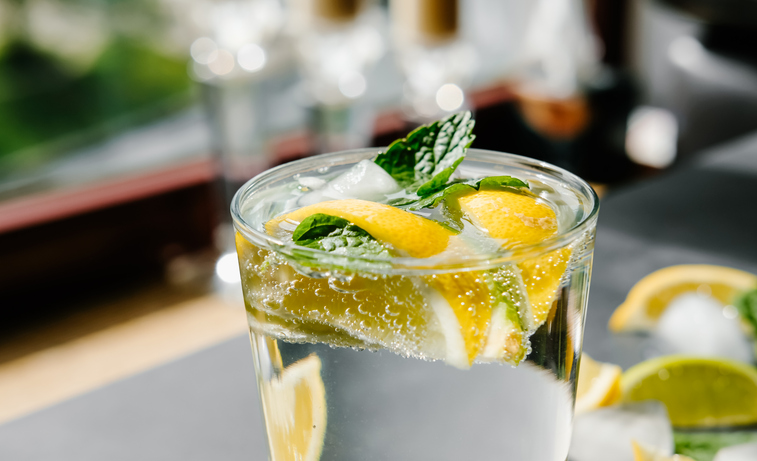
Are Maggots In Your Mushrooms? 10 Unsettling Food Facts There’s plenty of food out there that folks find disgusting or off-putting, especially if it’s something alien to your culture’s cuisine. Haggis — sheep parts stuffed into a sheep’s stomach and boiled — for one, is a dish that not many outside of Scotland can, ahem, stomach. Nor does lutefisk — stinky, aged fish jellied with lye — garner many converts outside of Scandinavian countries. And that also goes for something like the regionally popular Southeast Asian delicacy of balut, a fertilized duck egg that’s been incubated for up to 21 days and then steamed. All those foods are pretty obviously questionable to newbies, with strange smells and alarming visuals for those not familiar with the fare. More alarming though, is the hidden and unsettling origins, unrealized potential dangers, and oddball quirkiness of the food that we take for granted in our everyday culinary reality. So we gathered up a list of interesting (and some disturbing) facts about the food you likely encounter all the time to help make you more aware of what you’re putting into your mouth on the regular. 1. Lemon Slices May Be Covered in Poo Particles Cut-up lemons are a staple of almost every restaurant. Bowls of them are often scattered around, sitting and waiting to be dunked in a glass of Diet Coke, or squirted into a hot cup of tea. No big deal, right? It’s just a lemon slice, not a slab of raw chicken or something? Well, a study published in the Journal of Environmental Health found that out of 76 lemons sampled from 21 restaurants, almost 70 percent of them were covered in 25 different kinds of bacteria and yeast — including fecal matter and E. coli. — noting that: “The microbes found on the lemon samples in our investigation all have the potential to cause infectious diseases at various body sites.” Though alarming, and enough to give you second thoughts on squeezing a restaurant-supplied lemon wedge in your next iced tea, the study also noted that there have been no reported outbreaks of illness related to the use of lemons in drinks at any eatery. They attributed the high microbe count partly to kitchen workers not following proper sanitary measures — though the lemons could’ve been contaminated by anyone who handled them before they even reached restaurants. It doesn’t help that citrus fruits have many pores, which give bacteria and other bugs lots of places to find safe harbor. 2. Raw Oysters Are Alive For shellfish lovers, there’s little better than settling into a chilled plate of raw oysters with a bottle of cold beer. The briny treats slide down your gullet with a satisfying slurp whether you just spritz them with lemon (see No. 1), douse them with cocktail sauce or go au naturel. But many folks may not realize that eating “raw” oysters doesn’t just mean they aren’t cooked. It also indicates that the slimy little suckers are also still alive. And though it may turn some people’s stomachs to think that they are downing a living being while gorging at their local oyster shack, the only kind of oyster you should be eating is one that’s alive. Dead oysters can quickly become infested with bad bacteria, so that’s why shops sell and serve them as fresh as possible, shipping them in a cold, moist environment that can keep them alive and viable for a week or two. So if you want to make sure your oysters are still good when buying them at your market, follow these steps: If you see one that’s shell is open slightly, tap on it. If it closes, it’s still alive in its pearly prison. If you spy some that are open and don’t react to your tap, reject it as it has most likely perished. 3. Most Gummy Candies Are Made From Pig Skin Lots of people’s guilty pleasures include popping a few pieces of candy every now and then, with soft, sweet, and squishy (and sometimes tart!) gummies a popular choice. And although you may think that stuff like candy is free from animal products, the disturbing truth is that gummies (and Jell-O) are made mostly from gelatin, which is what gives it that cushy feel and chewy texture. Gelatin is sourced from cast-off animal parts like the boiled skin, bones, ligaments, and tendons of cows and pigs. If that fact is sure to turn you away from gobbling handfuls of Swedish Fish or chewing on loads of gummy worms, look for products that are made from agar agar, which is a gelatin-like substance source from seaweed. Bissinger’s and Sprouts are among the many places that now offer vegan gummies that won’t make you queasy each time you dig into a bag at the movie theater. 4. You Can Buy Coffee Sourced From Civet Poop Brewing up a fresh pot of coffee in the morning and sipping on a cup of hot joe is a daily ritual for people in much of the world. And among coffee drinkers, there’s often a fierce loyalty to their bean of choice, whether from Dunkin’ or single-origin sourced from Ethiopia. But for those who love experimenting with their type of brew, they can buy coffee beans that have traveled through an Asian palm civet’s digestive tract and gathered from its poop. Called kopi luwak, it’s a form of processing coffee beans that is said to produce an exemplary drink. The beans’ voyage through the civet’s intestines starts a fermentation process that reduces bitterness and contributes kopi luwak’s unique aroma and taste. And, according to local legend, the civets only eat the choicest coffee cherries. Be aware though, since the coffee can command up to $100 a kilogram, many civets are kept in cages and force-fed the coffee cherries to ramp up production. 5. Your Favorite Candy Is Covered in Insect Juice The satisfying crack and crunch of biting into a hard candy, along with the burst of sugar, is what
Are Maggots In Your Mushrooms? 10 Unsettling Food Facts Read More »