Menopause + Healthy Aging

Auto Added by WPeMatico

5 Powerful Ways to Track Fitness Progress Without Using a Scale

5 Powerful Ways to Track Fitness Progress Without Using a Scale Let’s talk about something that comes up with so many women I coach: the scale. For decades, we’ve been conditioned to believe that our progress and even our worth, should be tied to a number on the scale. But let me be very clear: you are not defined by your weight. As someone who’s worked with women of all ages for 35+ years and who has walked the road of perimenopause and post-menopause myself; I’m here to tell you that scale weight is one tiny piece of a much bigger picture. Weight fluctuates constantly due to hormone changes, sleep, hydration, stress, and more. So why give it so much power? And here’s something I really want women to understand: As you build lean muscle and lose fat, your body composition changes and often that means your clothes fit better, your shape looks leaner, but the scale doesn’t budge (or it might even go up!). That’s not failure…that’s progress. Muscle takes up less space than fat, so your size may shrink even if your weight goes up. If you’re showing up consistently, moving your body, eating with intention, and taking care of yourself; that’s real progress. The scale is just one data point. And for many women, especially in midlife, it can be more discouraging than helpful. So let’s shift the focus. Let’s measure progress in ways that lift you up and motivate you to keep going. Because aging is inevitable but how we show up for ourselves along the way? That’s a choice. Here are five more empowering ways to measure how far you’ve come that have absolutely nothing to do with the scale. 1. Your Strength is Increasing (Yes, Pick Up the Heavier Weights!) Forget the number on the scale. Can you lift more than you did last month? Are you finally doing push-ups without dropping to your knees? That’s the kind of progress that matters. Building strength not only helps you function better, it reshapes your body from the inside out. You may gain a few pounds on the scale, but you’ll lose inches because muscle is more dense than fat. That means more definition, better posture, and a tighter silhouette regardless of what the scale says. Progress isn’t about getting smaller. It’s about getting stronger. Use my favorite strength training moves for women over 50 to get started. “Turns out the fountain of youth isn’t a fountain, it’s a dumbbell!” Chris Freytag 2. You’ve Got More Energy (And You’re Not Crashing at 3PM) You know your body is responding well when you’re waking up with energy, not dragging through the day. If you’re fueling your body properly, moving regularly, and prioritizing sleep, you’ll notice your energy shifts. You might not need that second (or third) cup of coffee anymore. You feel more productive, present, and yes, even happier. And that’s a big win, especially in midlife. Remember: movement creates energy. It’s a cycle and a healthy one! I focus on daily hydration and also take an LMNT electrolyte packet with every workout to help keep myself energized through all the activity! 3. You’re Consistent (Even When You Don’t Feel Like It) Real progress? It’s not a “before and after” photo. It’s showing up, even on the days when you’d rather skip it. If you used to fall off after two weeks and now you’re working out 3–4 times a week regularly, give yourself credit. That’s growth. And it’s that consistency that will carry you toward long-term change not a crash diet or a quick fix. Consistency builds habits. Habits build results. Here are my 6 practical tips for staying consistent with exercise in your 40’s, 50’s and beyond! 4. You Function Better in Everyday Life (This is What It’s All About) This one is huge. Fitness is not just for looking good in clothes. It’s for living well. Can you carry your groceries without help? Climb stairs without huffing and puffing? Pick up your grandkids with confidence? That’s functional strength and it matters more than any number on a scale. When your body supports your lifestyle, you’re winning. Fitness should make life easier, not harder. 5. You Feel More Comfortable in Your Own Skin This is the heart of it all. It’s not about being a certain size. It’s about feeling good in your body. This is something I have personally worked on. It’s easy in the fitness world to compare yourself to your peers. As I’ve aged, I’ve definitely learned to accept myself as is better than I did in my 30’s.  Do you feel empowered when you move? More confident when you get dressed? Are you starting to love the way your body shows up for you as strong, capable, and resilient? You don’t need to shrink to feel amazing. You just need to build habits that support the life you want to live. You are stronger than you think, and your progress is worth celebrating…scale or no scale. PS. While you’re working on getting those fitness results, use my style tips to feel more confident getting dressed! Let’s talk about something that comes up with so many women I coach: the scale. For decades, we’ve been conditioned… Chris Freytag, CPT{authorlink}https://gethealthyu.com/track-fitness-progress-without-the-scale/Get Healthy U | Chris Freytag Realistic workouts and healthy aging for the middle-aged woman. https://gethealthyu.com/wp-content/uploads/2024/09/favicon-96×96.png

5 Powerful Ways to Track Fitness Progress Without Using a Scale Read More »
The Two Ages That Change Everything: Why 44 and 60 Are Game-Changers for Women’s Health

The Two Ages That Change Everything: Why 44 and 60 Are Game-Changers for Women’s Health As I’m about to celebrate my 60th birthday, I’ve been reflecting on how our bodies age and let’s be honest, sometimes it feels like aging sneaks up on us overnight! One day you’re breezing through workouts, and the next your joints are louder than your playlist. Sixty feels like a big number. It puts me in a whole new decade, and I’ll admit, it’s a little emotional. But, I’m also totally okay with it. I see it as a privilege to keep moving forward, learning, and taking care of myself. Age is a gift, and while the number changes, I believe how we live each day matters so much more. But here’s something fascinating: new research shows that aging doesn’t happen in a straight line. Instead, there are two significant “jumps” when our bodies experience accelerated change around age 44 and again around 60. The best part? What you do in the decades leading up to and during these bursts can dramatically change how you feel as you age. And no, it’s not about perfection, it’s about consistent, doable habits. Let’s break it down. The 40s: A Pivotal Age for Health Habits When I look back on my 40s, it was a busy blur of raising kids, working, and trying to juggle everything. But science tells us this decade, especially around age 44, is when the body experiences a big biological shift. A landmark Stanford study found that molecules and microbes in our bodies don’t just drift slowly with age, they surge or dip sharply around ages 44 and 60. Another review notes that these changes ripple across cardiovascular, metabolic, kidney, and immune systems, not just one area of the body. What’s Happening in the Body Metabolism starts to noticeably decline. Cholesterol and blood sugar levels become more sensitive to diet and lifestyle. Hormones begin to fluctuate more (especially for women heading into perimenopause and menopause). Smart Moves in Your 40s Build muscle: Strength training isn’t optional, it’s essential. Lifting weights 2-3 times a week helps maintain muscle mass, metabolism, and bone health. If you need ideas, check out my strength training for women guide. Watch cholesterol and blood pressure: Get regular checkups and know your numbers. These foods will help lower your cholesterol naturally! Rethink alcohol: Even a few glasses of wine a week can affect metabolism, sleep, and hormones. I for sure started noticing this in my 40’s…enter wine headaches! Swap your nightly glass of wine with this viral sleepy girl mocktail instead! Dial in nutrition: Focus on protein-rich meals, colorful veggies, and limiting processed foods. These are simple ideas to get 20g of protein! Think about hormone replacement therapy: This isn’t for everyone and not necessary but can be helpful for many of us. I personally use HRT and have found it to make me feel and move better. Consider at least talking to your doctor or reading the book, “The New Menopause” to educate yourself on the upcoming changes.  Your 40s are a perfect time to set the stage for the decades ahead. Think of it as putting money in your “health savings account.” The 60s: A Second Burst of Aging Fast forward to age 60, and research shows another major burst of biological aging. This one involves molecular and organ changes, particularly in kidney function and the immune system. This helps explain why older adults are more vulnerable to certain conditions that involve immunity and why healing from illness or injury can take longer. In fact, scientists have a term for it: immunosenescence, the gradual weakening of the immune system as we age. Coupled with something called inflammaging, chronic low-grade inflammation that builds with age and it can make us more prone to disease. What’s Happening in the Body You are well past menopause. Immune system weakens, making us more susceptible to infections. Organ function (like kidneys) begins to decline. Inflammation becomes more of an issue, contributing to chronic disease. Smart Moves in Your 60s Eat anti-inflammatory foods: Think garlic, turmeric, leafy greens, berries, and omega-3-rich foods like salmon or chia seeds. Here are the top 20 best anti-inflammatory foods to add to your diet! Boost antioxidants: Vitamins C and E from whole foods (berries, citrus, nuts, seeds) protect against oxidative stress. (check out my daily supplement routine.) Keep moving: Walking, yoga, and mobility exercises all matter. Movement truly is medicine at this age! Here’s a walking challenge to keep you consistent. Strength train: This is the biggie! The fountain of youth isn’t a fountain, it’s a dumbbell! Muscle is where glucose and insulin are regulated. Muscle keeps your body capable of daily activities. This is a non-negotiable if you are in your 60’s. Get started with my favorite strength training moves. Prioritize recovery: Sleep and stress management aren’t luxuries—they’re vital for healthy aging. This is why I started wearing an Oura ring. I also recommend using these tips for keeping daily stress in check! Why These Ages Matter for Healthy Aging What we do in our 40s and 50s lays the foundation for our 60s and beyond. These two “jumps” are not reasons to panic but rather they’re invitations to take action. In your 40s: Lay the groundwork. Build habits that protect your heart, bones, and metabolism. In your 60s: Fine-tune and adapt. Focus on anti-inflammatory living, preserving strength, and protecting immunity. And here’s the bigger picture: the small steps you take—whether that’s lifting weights twice a week, swapping soda for water, or adding a 10-minute walk after dinner—compound over time. Aging is inevitable, but how you age is absolutely influenced by your daily choices. As I step into 60, I’m living proof that it’s never too late to feel strong, vibrant, and capable. Yes, our bodies change, but we don’t have to “give in” to aging. Instead, let’s embrace it, support it, and keep moving forward with self-compassion. If you’re in your 40s, 50s, or just about to join me in the 60s club, remember: fitness is medicine, small steps add up, and you are never too old to feel fabulous! As I’m about to celebrate my 60th

The Two Ages That Change Everything: Why 44 and 60 Are Game-Changers for Women’s Health Read More »

Yes, Women Over 50 Can Absolutely Wear Leggings—Here’s How

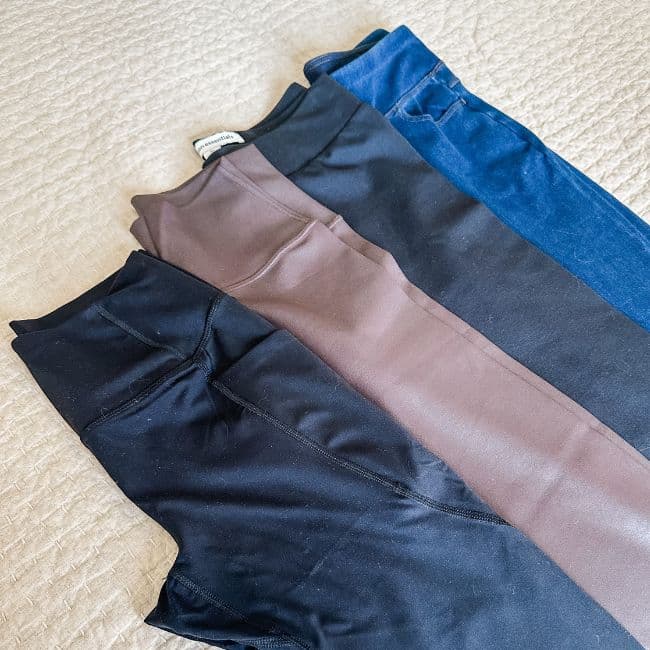
Yes, Women Over 50 Can Absolutely Wear Leggings—Here’s How Let’s set the record straight: leggings haven’t gone out of style, and you haven’t aged out of them no matter what anyone says. I hear it all the time from women who feel like leggings are only for the younger crowd. But, I’m here to say, that’s just not true. I’ve been wearing leggings for decades. They’ve been a staple in my wardrobe whether I’m heading to a workout, running errands, or layering them up for something a little more elevated. You can see my favorite leggings on Amazon with detailed reviews from me for each pair. That said, I know not every woman feels super confident stepping out in leggings and that’s okay! The trick is learning how to wear them in a way that feels flattering, age-appropriate, and most importantly, comfortable for you. Here are my best tips for rocking leggings confidently over 50: 1. Fabric Matters More Than You Think Let’s start with the basics: not all leggings are created equal especially when it comes to fabric. The right fabric makes all the difference in how you look and feel. Legging Fabric For Workouts: Workout leggings should focus on performance. Choose technical leggings made from moisture-wicking materials with medium compression. Look for high-rise waistbands that stay put with no tugging or adjusting mid-burpee. The best pairs are not see-through, supportive, and help you move freely without feeling restricted. Legging Fabric For Everyday Wear: To look polished and put-together, go for fabrics that offer structure. Four-way stretch with a bit of spandex or Lycra for flexibility and shape. (too much cotton bags at the knees.)  Ponte knit or a thicker performance knit that adds subtle polish. Faux leather for a fun, edgy (yet classy!) vibe. Stick to darker shades like black, navy, or charcoal. They’re sleek, slimming, and versatile. (Let’s be honest—light tan or gray leggings are officially retired from my closet.) 2. Fit Should Flatter, Not Squeeze Leggings should hug your shape not strangle you. If they’re digging in or feeling like a second skin (in a bad way), it’s time to size up. You’ll feel more comfortable, and you’ll look better too. Look for: A high-rise waistband that stays in place and offers gentle support. A wide, flat waistband that smooths your midsection without squeezing. Opaque fabric so you never have to worry when you bend or stretch. A proper fit in the crotch area…let’s avoid any unnecessary camel toe moments. The right length for your height. At 5’5″, I love ankle-length or 7/8 leggings (around 25″). They hit perfectly at the ankle without bunching. If you’re taller, full-length styles will help elongate your leg line beautifully. 3. Layer With Confidence: Cover What You Want, Your Way This is where personal style and comfort come into play. Some women love the look of a shorter top with a long blazer or cardigan. Others feel more confident in all long layers and that’s totally valid. Workout Outfit Ideas Yes, I’ve worn crop tops! I’ve been in fitness for over 35 years and I’m confident in my skin. But I know most women prefer a longer top that covers the midsection and backside—and there are plenty of flattering tanks and tees that do just that. I encourage you to check out my favorite workout tanks on Amazon, and the best tops on Amazon to hide belly fat to see some of my top-rated picks! Everyday Wear Outfit Ideas My go-to is always longer layers. They balance out the look and add that polished feel. Try: A tunic-length top that covers your front and back. A longline sweater, vest, blazer, or even a structured button-down shirt layered over a tee. Sometimes I’ll layer a shorter tee under a long coat or blazer. It’s all about creating visual balance. The goal is to feel good in your body and not be adjusting your outfit all day long. 4. Choose Shoes That Complete the Look Shoes can make or break your leggings outfit, but the good news is, there are plenty of great options for women over 50 that are both stylish and comfortable. Here are some of my favorites: Athletic sneakers for workouts and active days. Trendy sneakers are casual and cute for errands or coffee runs. Ballet flats for that timeless, Audrey Hepburn-inspired look. Ankle boots are a perfect pairing with leggings and longer layers in cooler months. Riding boots or knee-high boots help create a long, lean leg line. Clogs or mules are especially great for cozy, cold-weather days. Skip the stilettos. Not because of age, but because they rarely pair well with leggings. They tend to look out of place and let’s be honest, they’re not comfortable. Leggings Are Ageless It’s time to toss the idea that leggings come with an expiration date because they don’t. What really matters is how you wear them, not how old you are. With the right fabric, flattering fit, and smart styling, leggings can easily be one of the most versatile and confidence-boosting pieces in your closet. You can dress them up or down, wear them to the gym, to brunch, or while lounging around at home. They move with your body. They match your energy. They flex with your lifestyle. So go ahead and wear the leggings. Walk into the room feeling strong, comfortable, and stylish. Because when you feel good in your body and in your clothes, it shows. And that’s what really matters. PS. I’m begging women over 50 to stop wearing these three things! Let’s set the record straight: leggings haven’t gone out of style, and you haven’t aged out of them no matter what anyone… Chris Freytag, CPT{authorlink}https://gethealthyu.com/leggings-over-50/Get Healthy U | Chris Freytag Realistic workouts and healthy aging for the middle-aged woman. https://gethealthyu.com/wp-content/uploads/2024/09/favicon-96×96.png

Yes, Women Over 50 Can Absolutely Wear Leggings—Here’s How Read More »

3 Simple Self-Tests That Reveal How Well Your Body Is Aging

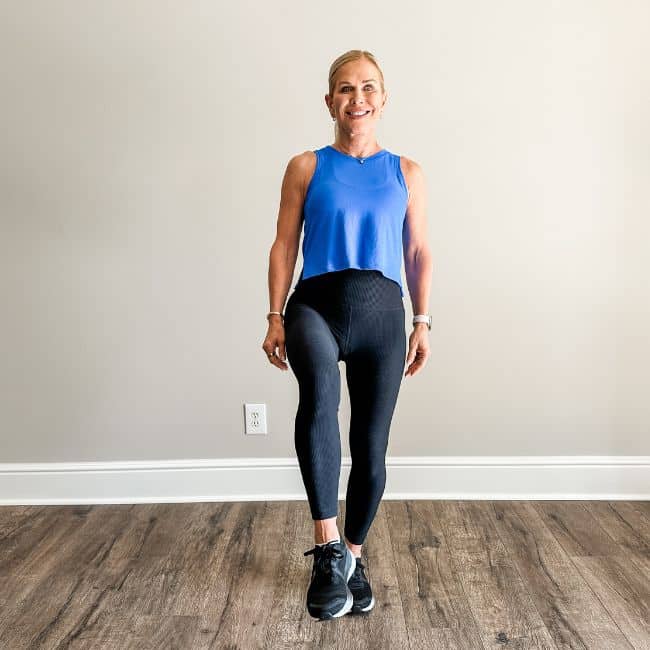
3 Simple Self-Tests That Reveal How Well Your Body Is Aging Aging is a gift but let’s be honest, it’s not always easy. As women in midlife, we’ve been through a lot…pregnancy, perimenopause, post-menopause and plenty of moments where we walk into a room and wonder what we came in for. While gray hairs and laugh lines may be the most visible signs of aging, they aren’t necessarily the most important. How your body functions—your balance, your strength, your mental sharpness—is the true marker of how well you’re aging. The good news? There are simple, science-backed tests you can do today, in the comfort of your home, to check in on how your body and brain are doing. And if you find yourself needing improvement don’t panic! These are opportunities to grow stronger and more capable, not signs that you’re “over the hill.” Let’s dive into three functional tests that will give you insight into your physical and cognitive aging. 1. The One-Leg Balance Test Let’s start with balance because it’s something many people overlook until they suddenly fall off the curb or trip over the dog. Balance is crucial to staying independent and injury-free. In fact, research from Mayo Clinic found that balance declines faster than almost any other physical function as we age. That’s why the one-leg balance test is such a powerful indicator of how well your body is aging. Here’s how to do it: Stand tall, barefoot or in flat shoes. Lift one foot off the ground and time how long you can hold it without putting the foot down. Try both sides! What the research shows: In your 30s–40s: aim for 1 minute In your 50s:  try for 45 seconds In your 70s:  try for 28 seconds In your 80s:  try for 12 seconds Can’t hold it that long? Don’t stress. It just means it’s time to work on your balance. Why It Matters: Poor balance = higher fall risk = greater injury risk = less independence. But the amazing thing is that balance is trainable at any age. Just like muscle, you can build it with consistency. Check out these exercises to improve your balance! 2. The Sit-to-Stand Test (for Muscle and Mobility) Want to know the real secret to aging well? Muscle. If you’ve been around here long, you’ve heard me say it 1,000 times…muscle is your metabolism, your bone support, your balance, your energy, your strength, your independence. But starting in our 30s, we naturally start to lose muscle mass every decade unless we actively work to maintain it. One quick way to check how your lower-body strength is holding up is the sit-to-stand test, specifically the 5-time sit-to-stand test. Here’s how to do it: Sit in a sturdy chair with your arms crossed over your chest. Start a timer. Stand up and sit down 5 times as quickly as you can without using your hands. Stop the timer when you’ve completed your fifth stand. How did you do? Under 11 seconds = great! Over 11 seconds? That’s a nudge to start building lower body strength. And remember, this isn’t about comparison. It’s about creating awareness and taking action. Want to build strength? Try these 11 best strength training moves for women over 50. 3. The Dual-Task Test (for Cognitive Flexibility) Now let’s check in on your brain health and not just your memory. I’m talking about something called cognitive flexibility, which is your brain’s ability to switch between tasks, stay sharp, and adapt to new challenges. It’s a big part of what helps us stay mentally agile as we age. One simple way to test this at home is through a dual-task exercise. Basically, moving your body while challenging your brain. Try this: Go for a walk (even just around the house or yard). While walking, try one of the following: Count backward from 100 by threes Recite every other letter of the alphabet Do simple math equations aloud Now compare how you do on that brain task while sitting still vs. while walking. If your performance drops significantly while moving, it may be time to incorporate more brain-boosting challenges into your daily life. This study on dual-tasking confirms what we already know. Your body and brain are deeply connected. That’s why movement, strength training, and even activities like dancing or trying a new workout routine can help keep your mind sharper too.  Aging Well is a Lifestyle These tests aren’t here to discourage you. They’re here to empower you. To help you get a read on where you’re at and what you may want to work on. Just like I always say: Aging is inevitable. But how well you age? That’s up to you. If any of these tests were eye-opening for you—good! That’s your body sending you a message, and you have the power to respond with action. Try these simple tests every few months to track your progress. Keep moving, lifting weights, nourishing your body, and challenging your mind. And remember, it’s never too late to make changes that support your long-term health. You are not defined by your age. You are defined by your habits. Aging is a gift but let’s be honest, it’s not always easy. As women in midlife, we’ve been through a… Chris Freytag, CPT{authorlink}https://gethealthyu.com/self-tests-for-aging/Get Healthy U | Chris Freytag Realistic workouts and healthy aging for the middle-aged woman. https://gethealthyu.com/wp-content/uploads/2024/09/favicon-96×96.png

3 Simple Self-Tests That Reveal How Well Your Body Is Aging Read More »

Look 10 Pounds Lighter Instantly: 7 Style Mistakes Women Over 40 Should Avoid

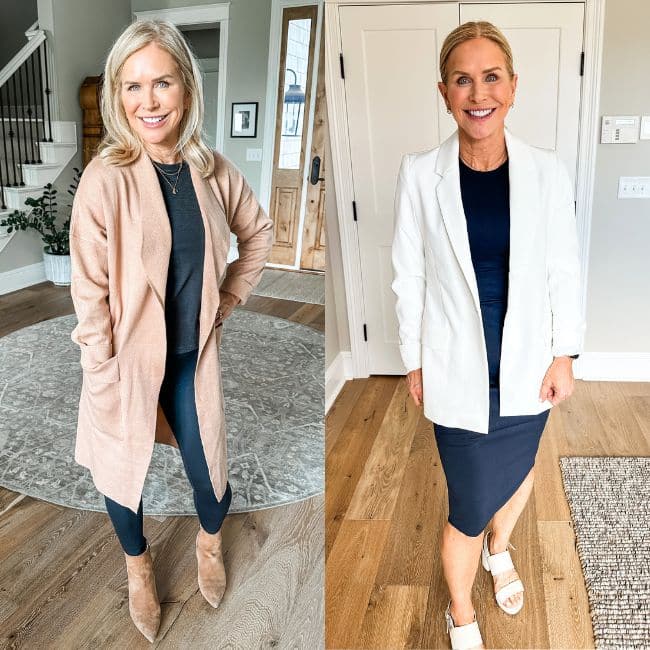
Look 10 Pounds Lighter Instantly: 7 Style Mistakes Women Over 40 Should Avoid As a health coach and personal trainer who’s been helping women for over three decades, I can tell you this: confidence isn’t just about how strong you feel—it’s also about how you see yourself when you get dressed each day. Here’s the truth: losing weight takes time and consistent effort. It’s a process that involves movement, mindset, nutrition, and lifestyle—something I coach women through every day. But let’s be real—sometimes you want to feel better now, not six months from now. The good news? You don’t have to wait to lose 10 pounds to look 10 pounds lighter. Just by dressing smarter—choosing modern, flattering silhouettes and knowing how to work with your shape—you can instantly look leaner, stand taller, and feel more confident in your skin. When you love how you look in the mirror, it can be the little boost you need to carry that confidence into every part of your day. Let’s talk through 7 fashion mistakes midlife women tend to make and I’ll give you easy, stylish updates that will have you feeling and looking fantastic in your clothes – no weight loss required! 1. Wearing Clothes That Are Too Baggy The Mistake: Reaching for oversized tops and bottoms to “hide” your body. Why It Doesn’t Work: Excess fabric adds bulk and creates a shapeless look that often makes you appear heavier than you are. Fix It: Don’t be afraid to show a little shape. Choose clothing that follows the lines of your body without clinging. Look for updated pieces like flowy blouses with a defined shoulder seam or structured fabrics that drape well. A modern blazer over a tank or fitted tee can add polish while creating shape. You want ease—not excess. Think “tailored with comfort.” This is my favorite coatigan that literally dresses up any outfit. Cover your bum and wear it with leggings or tighter pants. Shop my favorite blazer to spiff up any outfit. It’s long and has a little shape to it. 2. Wearing Unbalanced Outfits The Mistake: Pairing oversized with oversized—like loose pants and a big oversized tunic. Why It Doesn’t Work: This drowns your frame and often looks sloppy. Fix It: Keep proportions in check. If you love wide-leg or relaxed-fit pants (hello, comfort!), balance them with a more tailored top. Try a French tuck (just the front of your shirt tucked in) for an effortlessly modern look. On the flip side, if you’re wearing a relaxed top or tunic, opt for a straight-leg or subtle bootcut pant that elongates your legs and anchors the look. These are my favorite flattering wide leg pants and a cute detailed blouse you can tuck or half tuck. This is my favorite two piece lounge set with tailored top and wide leg bottoms. I love wearing this two piece outfit to wear to dinner or events. 3. Clinging to Outdated Denim Styles The Mistake: Still wearing low-rise jeans or bedazzled back pockets circa 2003. Why It Doesn’t Work: Older denim styles often cut across the midsection or draw attention in the wrong places, making your body look shorter or wider. Fix It: Embrace updated denim! Look for mid-to-high rise jeans in a straight leg or bootcut style that hits at or just above the ankle. Dark washes are slimming and versatile, while a raw hem or trouser-style jean can modernize your look instantly. Leave skinny jeans behind—they’ve had their moment. And the new barrel jean look is not for everyone, it can make you feel wider and frumpy.  This is my favorite pair of high rise Levis with a little stretch for midlife women. I love wearing this pair of wide leg tailored fashion jeans with stretch. This is my favorite pair of high waisted colored pants with stretch to add some flair to your outfit. This is my favorite fashion trick to make pants work. Sometimes they fit in the hips but are too tight in the waist due to excess belly fat – these simple pants button extenders give you a little extra room! 4. Wearing the Wrong Bra The Mistake: Wearing bras that are old, stretched out, or just plain uncomfortable. Why It Doesn’t Work: Poor support affects your posture and can make your clothes fit poorly—especially in the chest and midsection.  Fix It:  A well-fitting bra lifts your chest and defines your silhouette, making your waist appear smaller and your clothing hang better. Look for supportive styles with wide straps, smoothing sides, and comfort features—because you deserve both form and function. Throw out the old stretched out bras and splurge on a few new ones that don’t hug the back fat.  This is my go-to sports bra with good support. I love this everyday no clasp bra with adjustable straps. This is one of my favorite deep v bras with adjustable straps and wide back clasp! Get detailed reviews of all of my favorite in my guide to the most comfortable bras for women over 50 on Amazon! 5. Wearing Dresses Without Strategic Details The Mistake: Throwing on a long, loose dress and calling it a day. Why It Doesn’t Work: While comfy, oversized dresses can look like a tent if there’s no visual structure. Fix It: Go with flowy—but smart. Look for rouching, smocking, or elastic details that provide subtle shaping without clinging. If you love a flowy maxi, try one with a high-low hem or slightly shorter length to show off your legs and keep it light. Want a little more definition? Try a belt at your natural waist—or even just above it—to break up the fabric and give your shape a boost without squeezing your tummy. This is my favorite dress that is flowy but has some design and doesn’t feel like you are wearing a bolt of fabric. I love this body con dress that is not too short and has rouching over the tummy to hide your belly, not accentuate it. I own multiple colors! This is my favorite dress for a wedding or event that feels elevated but doesn’t hug the midline. See detailed reviews of my favorite dresses for women over 50 on Amazon to find

Look 10 Pounds Lighter Instantly: 7 Style Mistakes Women Over 40 Should Avoid Read More »

Benefits of Deep Squat Variations to Improve Hip Mobility

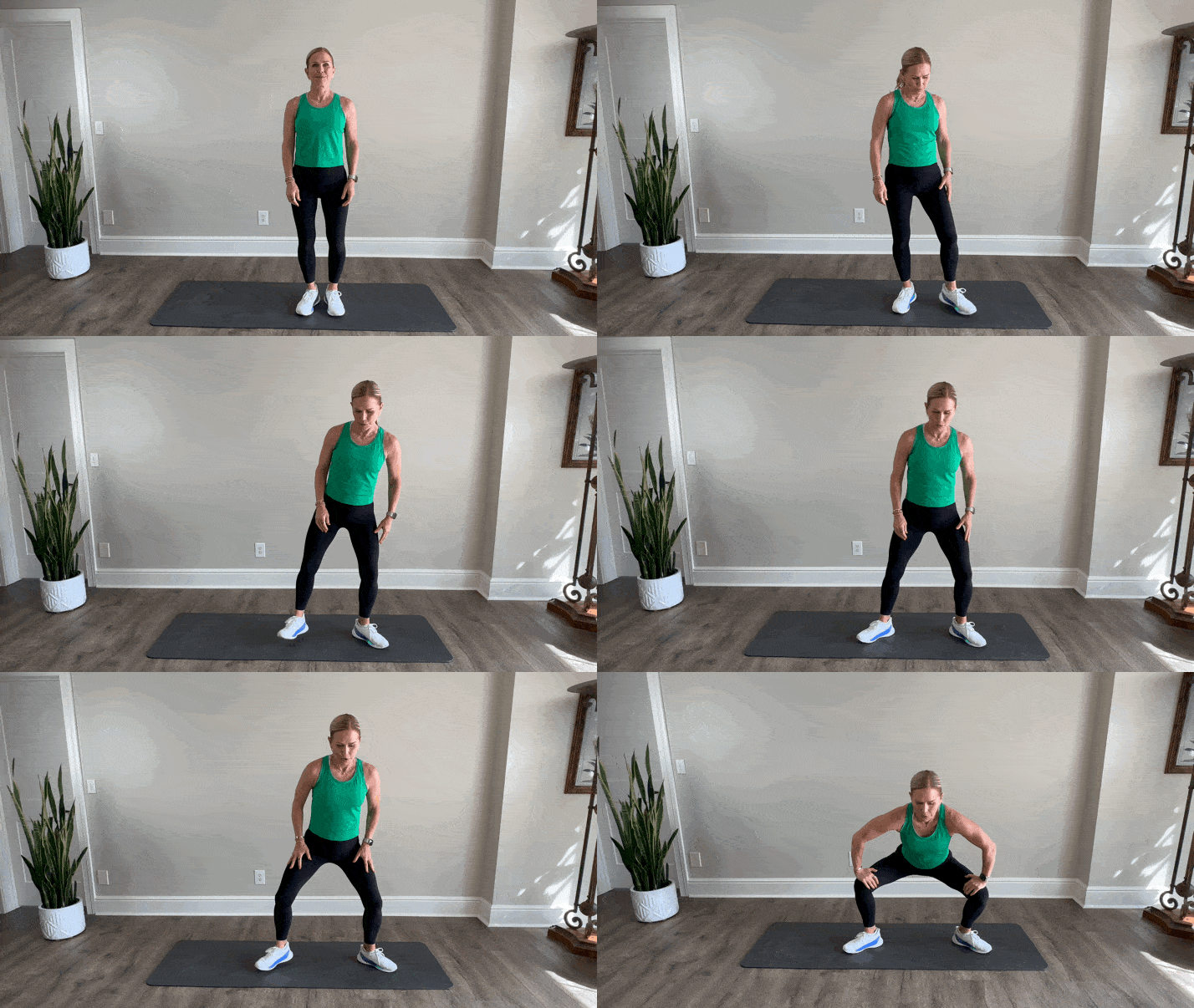
Benefits of Deep Squat Variations to Improve Hip Mobility Let’s talk about something that doesn’t always get the attention it deserves—hip mobility. Our hips are essential for almost every movement we make, from walking and bending to standing up with good posture. But as we age, they can tighten up, leading to stiffness, discomfort, and even a greater risk of falls. The good news? You don’t have to accept stiff, achy hips as an inevitable part of getting older. One of the most effective ways to maintain hip flexibility and strength is by incorporating deep squat variations into your routine. Now, I know what you might be thinking: “Deep squats? That sounds tough!” But don’t worry—I’m here to guide you through simple, approachable variations that can work for any fitness level. Whether you’re aiming to improve balance, strengthen your pelvic floor, or just move more freely in daily life, adding deep squat variations—like the primal squat (also called the yogi squat)—to your workouts can be a game-changer. From the view of a personal trainer and a woman who is turning 60 (yes – that is me!), this is why these movements matter and how you can start incorporating them today to keep your hips healthy. Why Deep Squat Variations Matter for Women Over 50 Staying mobile and active is more important than ever as we age. If you’ve noticed that simple movements—like squatting down to pick something up—feel harder than they used to, you’re not alone. What’s interesting is that deep squats have been a natural part of daily life in many cultures for centuries. In parts of Asia, Africa, and among indigenous communities, people rest in deep squats for everything from cooking to socializing. It’s a posture that helps maintain mobility in the hips, knees, and ankles—joints that are crucial for maintaining independence as we get older. Unfortunately, in modern Western cultures, we’ve traded squatting for sitting—and our bodies have adapted by becoming less mobile. Over time, that stiffness adds up, making basic movements harder and riskier. Here’s a sobering truth: According to the CDC, falls are the leading cause of injury and death in older adults, and women are especially at risk. Around 75% of all hip fractures happen to women, and tragically, about 1 in 5 older adults who suffer a hip fracture die within a year due to complications like infections or loss of mobility​. But here’s the empowering part: deep squat variations can help prevent that kind of decline by building strength, improving balance, and keeping your joints functioning well. It’s never too late to get started—and it’s one of the best gifts you can give your future self. The Role of Hip Mobility in Aging Your hips are involved in almost everything—getting out of a chair, walking up the stairs, playing with your grandkids, or just standing tall with good posture. When hip mobility declines, daily movements become harder and can even lead to balance issues or falls. But here’s where deep squat variations come in. By practicing these movements regularly, you can keep your hips mobile, your muscles strong, your joints happy, and your body moving with ease. How Deep Squats Help Deep squats aren’t just about improving flexibility—they also: Strengthen the muscles around your hips Improve range of motion Engage your core, legs, and pelvic floor Promote better posture When done correctly, deep squat variations—like the yogi squat—can help you move with more confidence. Whether you’re getting up from the floor, picking something up, or simply trying to feel less stiff throughout the day, these exercises are a must. Common Concerns About Deep Squats I hear a lot of hesitation from women when I mention deep squats so let’s address some common concerns: “I have knee pain—can I still squat?” Yes! Squatting itself isn’t the problem—poor form is. Modifications like a chair-assisted squat or wall-supported squat hold can help ease into deeper movements without pain. I always say in all my workouts, “no shame in the modify game.” “I’m not flexible enough for deep squats.” That’s exactly why you should start! Flexibility improves with practice. Small progressions lead to big gains. “Aren’t deep squats bad for my joints?” Actually, research shows that primal squats and yogi squats, when done with proper form, can strengthen your joints and improve function. 8 Deep Squat Variations for Improved Hip Mobility All of these variations are bodyweight squats that you can do anywhere, anytime. Do a few of these daily to help improve mobility. Work up to doing all of them in a row.  1. Basic Yogi Squat (a.k.a. Primal Squat) This is the foundational deep squat variation that promotes ankle, knee, and hip mobility. It’s also a natural resting position in many cultures. (It’s even more challenging barefoot.) Exercise Instructions: Start with your feet slightly wider than hip-width apart, toes turned out just a bit. Lower your hips down toward the floor, keeping your heels grounded and your chest lifted. Bring your hands to heart center and press your elbows gently into your inner thighs to open your hips. Hold here, focusing on your breath and posture. Stay for 20–30 seconds or as long as feels good. 2. Yogi Squat with Hip Rocks This variation adds gentle movement to help open the hips and loosen up tension through the pelvis and lower back. Exercise Instructions: Set up in your basic yogi squat position. With your hands in prayer at your chest or resting lightly on your thighs, gently shift your weight from side to side. Rock slowly, pressing one knee out at a time and allowing the hips to sway side to side. Continue for 30–45 seconds, breathing deeply and keeping your chest upright. 3. Deep Squat with Single Knee Taps This movement builds strength and stability through your core and hips, while challenging balance and control. Exercise Instructions: Lower into your deep yogi squat. Keeping your chest lifted and hips low, gently tap one knee to the ground (or just toward the ground if you can’t touch). Place your hands on the floor for balance if needed. Return to the center and switch sides. Alternate for 6–8 reps per side. Keep the movement slow and controlled—this one

Benefits of Deep Squat Variations to Improve Hip Mobility Read More »

Myofascial Release Explained: The Secret to Muscle Recovery & Flexibility

Myofascial Release Explained: The Secret to Muscle Recovery & Flexibility Ever feel tight, sore, or stiff after a workout? Myofascial release might be the game-changer your muscles need for faster recovery and better flexibility. Many people experience muscle tightness that stretching alone can’t seem to fix. The culprit? Fascial restrictions—deep knots and adhesions that limit movement and cause discomfort. This is where myofascial release comes in. It’s a simple, science-backed manual therapy that helps release muscle tension, improve flexibility, and speed up recovery—all without needing an expensive physical therapist. I learned about self-myofascial release in 2014 when I was plagued with some bad low back pain. Along with infrared light therapy, it eliminated my pain. Now I practice myofascial release every day as a part of my quick morning routine that I will share with you in a video below. But if you have no idea what it is, keep reading! I’m going to break down what myofascial release is, why it’s essential for your body, and how to do it using foam rollers and trigger point massage balls (spoiler: the ball is a game-changer for deep knots!). What Is Myofascial Release Your body is wrapped in a web-like connective tissue called fascia, which surrounds your muscles, joints, and organs. When fascia gets tight due to stress, repetitive movements, poor posture, or intense workouts, it creates knots, stiffness, and pain. Myofascial release is a hands-on technique that uses gentle, sustained pressure to loosen these tight spots, restoring natural movement and reducing discomfort. How Self Myofascial Release Works Unlike traditional stretching (which lengthens muscles), myofascial release targets trigger points—small, tight areas in the fascia that can cause pain and restrict range of motion. Applying pressure with tools like foam rollers and massage balls helps: Increase blood flow Reduce muscle soreness Improve range of motion Break up adhesions in the fascia Think of it like untangling a knot in a shoelace—instead of pulling harder (stretching), you work directly on the knot to loosen it. 5 Benefits of Myofascial Release for Recovery & Flexibility Whether you’re an athlete, an active walker, or simply someone who experiences muscle tightness from sitting too much or daily stress, myofascial release therapy is one of the most effective ways to keep your body feeling loose, strong, and pain-free. Let’s talk about some of the amazing benefits! 1. Speeds Up Muscle Recovery & Reduces Post-Workout Soreness Faster After exercise, your muscles experience micro-tears, which is part of the normal repair and strengthening process. But when fascia tightens around those muscles, it can trap tension and prolong soreness. Myofascial release accelerates recovery by: Breaking up knots and adhesions that restrict movement. Increasing blood circulation, which flushes out lactic acid and delivers nutrients for faster healing. Allowing your muscles to return to their natural, relaxed state more quickly. This means less soreness, better mobility, and a faster return to your favorite workouts! 2. Increases Flexibility & Mobility Helping You Move Freely Without Stiffness Tight fascia can limit your range of motion—making it harder to bend, twist, squat, or even reach overhead comfortably. By regularly performing self-myofascial release, you are: Unbinding restrictions in your fascia, which allows for smoother, more fluid movement. Helping your muscles lengthen properly, so they don’t feel stiff or restricted. Improving joint mobility, making everyday activities (like walking, yoga, or lifting groceries) feel effortless. Many people think flexibility only comes from stretching, but myofascial release is the missing piece that helps unlock true mobility and can relieve chronic pain. 3. Prevents Injuries Keeping Your Muscles Balanced & Healthy When fascia becomes too tight, it pulls on surrounding muscles and joints, creating imbalances that can lead to pain or injury. Regular myofascial release helps: Even out muscle imbalances, reducing strain on weaker areas. Prevent compensation patterns (e.g., if your right hip is tight, your left side won’t overcompensate). Decrease the risk of overuse injuries, like runner’s knee, IT band syndrome, and lower back pain. Think of it as body maintenance—just like changing the oil in your car, keeping your fascia loose prevents breakdowns before they happen! 4. Improves Circulation & Reduces Inflammation Helping You Heal Faster & Feel Better Poor circulation can lead to stiff, achy muscles, fluid retention, and sluggish recovery. By breaking up fascial adhesions, myofascial release: Boosts blood flow, delivering oxygen and nutrients to tired muscles. Helps flush out toxins and metabolic waste, reducing soreness and inflammation. Stimulates the lymphatic system, which supports immune function and tissue repair. This natural detox effect can leave you feeling lighter, looser, and more energized. 5. Relieves Tension & Stress Helping to Calm Your Nervous System Tension isn’t just physical—it’s neurological. Stress, anxiety, and poor posture can cause fascia to tighten and hold onto tension, making you feel stiff and fatigued. Myofascial release activates the parasympathetic nervous system, helping you: Relax and release stored tension from stress and poor movement habits. Reduce muscle guarding (when your muscles stay involuntarily tensed due to stress). Improve breathing patterns, which naturally relaxes tight fascia. Many people instantly feel calmer after a session because they’re releasing not just physical tension, but mental stress stored in their body. If you struggle with stress, explore the tips I used to reduce stress from everyday life. Why You Should Add Myofascial Release To Your Self Care Routine Most importantly—myofascial release is simple, effective, and accessible. You don’t need an expensive massage to experience these benefits. With just a foam roller or a trigger point massage ball, you can take control of your recovery, flexibility, and overall well-being in just a few minutes a day. Anything you can do yourself at home to take care of your body is key to longevity. It’s not easy or affordable to schedule weekly massages or chiropractor appointments. But if you can do pain management at home, you’ll be better off in the long run. If you’re new to myofascial release, start with just 5-10 minutes a day and notice the difference in how your body moves and feels! My Exact Myofascial Release Routine I use myofascial release every morning with a massage ball to loosen the tension in my fascia and muscles surrounding my low back and along my Quadratus Lumborum. I lay on my bathroom floor with a mat and just do my 5-10 minutes of my own physical therapy along with deep breathing. At my age, it’s pretty common to wake up with a stiff or tight back. For

Read More »

How I Use the 80/20 Rule to Maintain Peace in Middle Age

How I Use the 80/20 Rule to Maintain Peace in Middle Age As I navigate life at 59, I’ve found the 80/20 rule to be more than just a productivity hack—it’s a lifestyle. A mindset. A sustainable way to stay healthy, joyful, and balanced in middle age. Life’s too short for extremes, and honestly, too precious not to enjoy. I want to live fully—spending quality time with family and friends, indulging occasionally, staying active, and being at peace with the process of aging. Let me show you how this simple rule can help you feel your best and enjoy the second half of life with more ease and less stress. What Is the 80/20 Rule and Why It Works for Midlife Wellness Also called the Pareto Principle, the 80/20 rule means 80% of outcomes come from 20% of efforts. But when it comes to wellness, I like to flip it. Aim for 80% of your choices to support your health—whether it’s what you eat, how you move, or how you manage stress—and let the other 20% be about living, enjoying, and having flexibility. When you focus on making healthy choices the majority of the time—around 80%—you give yourself the freedom to live, enjoy, and indulge occasionally without derailing your progress. It’s all about balance, not extremes. And let’s be real, in midlife, with shifting hormones, energy levels, and priorities, we need a sustainable approach—not a rigid one. This rule takes the pressure off. You don’t have to overthink every meal or workout. You just aim for most of your choices to support your well-being. Over time, those consistent, small efforts build a strong foundation for long-term health. It’s a Lifestyle, Not a Diet One of the things I love about the 80/20 rule is that it’s not a fad. You’re not on or off the wagon. You’re simply leaning toward healthy choices the majority of the time. No counting calories, no food scales—just smart, mindful living. Here’s the thing about diets—they have a start and an end. The 80/20 diet plan doesn’t. Similar to my strategies to lose weight without dieting, it’s a lifestyle, a mindset, a way to gauge how you’re doing without judgment. I’ve seen women obsess over diets only to fall off and feel like failures. That’s not the goal here. The goal is sustainability. To lean into health, day by day, decision by decision. And if one day isn’t great, tomorrow is a new chance. Remember, this isn’t about rigid rules. I alwasy say it’s about “freedom within boundaries”. You’re building habits you can stick with for life, not just for a season. Applying the 80/20 Rule to Food: Progress, Not Perfection Let’s talk food. Life is full of celebrations, social events, and let’s face it—temptations. Healthy eating 100% of the time? That’s not realistic, nor is it fun. But when 80% of your meals are built around real, nourishing foods—fruits, veggies, lean proteins, whole grains, healthy fats—you’re winning. Plus in middle age, it becomes way more clear that a balanced diet makes you feel your best. Eat bad = feel bad. I like to think of it as majority rules. You can enjoy that slice of pizza or piece of cake if the rest of your day has been fueled with foods that make you feel energized and give you nutrients. The key is consistency, not perfection. And guess what? Portion control plays a big role here too. You don’t need to weigh your food, just get good at recognizing balance. My personal hack: I pay attention to getting in enough protein more now than ever. It fuels my muscles but also keeps me feeling satiated. Using the 80/20 Rule for Exercise: Stay in the Game We all have days when life gets in the way of our workouts—travel, family visits, or let’s be honest, a Netflix binge that gets the best of us. But here’s where the 80/20 mindset shines. Move your body most days, and don’t sweat it (pun intended!) if you miss a workout. Just don’t let a few missed days turn into weeks. My personal hack: I use my walking pad to keep me moving during the workday and the cold winter. By just walking a little more when working at my kitchen counter or watching an episode of my latest show, I can move a little and feel better about my daily activity. I also live by my “two-day rule.” I never let more than two days pass without a workout. It’s my little consistency hack that helps me stay active 80% of the time. The goal is to stay in the game. Movement is medicine, and consistency beats intensity every time. Since exercise is my passion, as most of you know, I have to remind you to add in some strength training. At least 80% of your workouts should involve some form of resistance training. Muscle is the secret to maintaining your metabolism. Lifting weights builds bone mass. And yes, it can support weight loss goals in midlife. So, just do it! The Magic of Moderation: You Don’t Have to Be Perfect Here’s where many people get stuck—they think one “off” choice ruins the whole day or week. Not true. Had a green smoothie and a power walk? Enjoy the cookie. You hydrated and hit the gym today? Then enjoy that glass of wine when you are out to dinner. It’s all about balance in real-time. When you aim for more good choices than not, you’re on the right track. Perfection isn’t the goal—progress is.  You’re Human, Not a Health Robot I love this one because, as a trainer, people often assume I never touch sugar or carbs. Spoiler alert: I do! While my habits may tilt more 90/10, I absolutely enjoy indulgences—ice cream, chocolate, wine—without guilt. The 80/20 rule gives you permission to be human. Enjoy that treat, then get right back to your healthy habits. No guilt, no spiral, just grace. It’s Easy to Remember, Easy to Do One reason the 80/20

How I Use the 80/20 Rule to Maintain Peace in Middle Age Read More »

How Pilates Changed My Body (& Why I Got Certified)

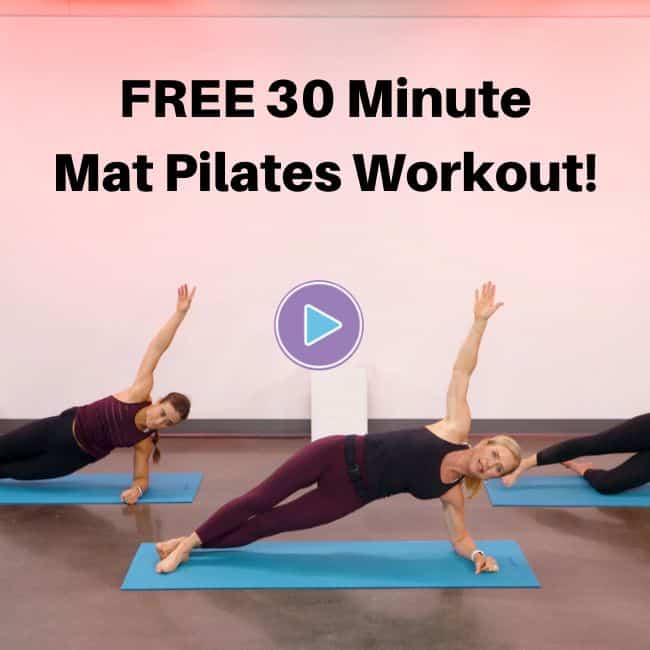
How Pilates Changed My Body (& Why I Got Certified) Pilates changed my body in ways I never expected—stronger core, better posture, and a whole new appreciation for movement. I’m a journalist by degree, but my career took a different path—straight into the world of fitness. Sharing knowledge, helping people understand their bodies, and making sense of health and wellness has always been in my DNA. After my third child, I noticed a significant separation in my abdominal wall. As a fitness professional, I understood what had happened—diastasis recti. What I didn’t expect was how it would affect me. My core muscles felt weaker, my lower back ached more, and I realized I needed a new approach to regain control of my body. Enter: Pilates. I’m going to walk you through my journey with Pilates, so you can see how powerful it might be for you too! My Pilates Misconception To be honest, I never saw myself as the “Pilates type.” I pictured ballerinas with long lean muscles and effortless flexibility, and that was not me. But, what I did know was that Pilates was all about core strength, and that was exactly what I needed. Over time, I’ve come to see how unfortunate it is that Pilates is often marketed as a way to achieve a “long, lean” look. Yes, it will help sculpt your muscles. But that couldn’t be further from the real magic of Pilates. Pilates isn’t about looking a certain way—it’s about moving well for life. It’s for every body—every gender, race, age, and ability. You see, Pilates is about body awareness, core engagement, and coordinating movement with breath. It’s about learning how your muscles work together and activating those deep stabilizing abdominal muscles that support you in everything you do. That’s not something you can rush—it takes time, practice, and patience. My Journey to Pilates Certification As is typical for me, once I experienced the power of Pilates firsthand, I wanted to share it with others. I decided to get Pilates certified—first in Mat Pilates and then in Reformer Pilates. The process of becoming a Pilates instructor took a full year. Learning all the precise movements, breath patterns and small little tweaks. It’s graceful yet powerful. It’s like a form of physical therapy in my mind. It transformed not only how I moved in Pilates class but also how I approached all of my strength training, cardio workouts, and everyday movement. I started paying attention to my core engagement in every form of exercise I would do from weightlifting to kickboxing. It became about whole body wellness. And, even though my ab separation would always be there to some degree, I was able to strengthen my abs and back muscles, improve my posture, and eliminate my back pain. Fast-Forward 25 Years… Now, decades later, I appreciate Pilates even more. At this stage in life, joint mobility and flexibility are everything. As I always say, “motion is lotion”—when you move your joints through a full range of motion, you stimulate synovial fluid production, keeping them lubricated and pain-free. Osteoarthritis? It’s a common reality after 45, but Pilates can help ease the discomfort by keeping joints mobile and strong. And let’s talk about core strength—it’s the foundation of everything as we age. Pilates strengthens the entire core, not just the abs, but the deep muscles that support your spine and help you move efficiently. The Contrology Concept Joseph Pilates, the creator of this method, originally called it Contrology—the art of controlling your body with precision, coordination, and breath. His famous quote says it all: “In 10 sessions, you will feel the difference. In 20, you will see the difference. And in 30, you’ll have a whole new body.” I will tell you he is right. After about 30 sessions, you’ve mastered the principals and something magical happens. I personally try to do one Pilates class a week. I am not perfect but having that goal makes me accountable to take the time to practice. Sometimes on the mat and sometimes on the reformer! 11 Benefits of Pilates & Why It’s Worth Your Time Mastering the practice of Pilates comes with so many great benefits! Not only will you see gains in core strength, but other areas of your body as well. If I were trying to convince you to start Pilates, here’s what I would tell you: Strengthens Your Core. A strong core supports your spine, improves posture, and reduces back pain. Check out even more core exercises to build strength. Improves Your Posture. Proper alignment prevents aches and pains as you move through life. Better posture makes you look younger too. These posture exercises can also help! Enhances Flexibility and Mobility. Keeping your joints moving smoothly can prevent stiffness and pain. Strengthens Your Pelvic Floor. Using controlled movements and breath patterns, you can improve bladder control, reduce pelvic pain, and support overall pelvic floor health.  Builds Muscle. When using the refomer, the springs provide resistance and will help improve muscle tone and even muscle mass. Reduces Injury Risk. Pilates exercises teach you to move with intention, protecting your body from strains and misalignments. Improves Balance and Coordination. These are key as we age, reducing the risk of falls and injuries. Boosts Body Awareness. You’ll start to notice how you move—and how to move better. Can Decrease Stress. The mind-body connection is powerful. And the rhythmic breathing and focus help calm the nervous system and reduce stress. Complements Other Workouts. Strength training, running, yoga—Pilates makes everything else better. Strengthens Your Bones. The low-impact resistance helps maintain bone density. These osteoporosis exercises will help too! Getting Started: Mat vs. Reformer If you’re new to Pilates, I highly recommend starting with Mat Pilates. I strongly believe before jumping onto a reformer machine, you should build a strong foundation with Mat Pilates. The reformer is a fantastic tool, but without an understanding of Pilates principles, it can become just another piece of equipment. Pilates is about body awareness, core engagement, and coordinating movement with breath. It’s about learning how your muscles work together and activating those deep stabilizing abdominal muscles that support you in everything you do. That’s not something you can rush—it

Read More »

Menopause and Headaches: Why You Get Them & What Can Help

Menopause and Headaches: Why You Get Them & What Can Help If you’ve hit midlife and suddenly find yourself dealing with headaches that seemingly came out of nowhere, you’re not alone. The same thing happened to me. At age 54, about two years post menopause, I started getting migraine headaches several times a month. It threw me for a loop since I’m not a headache type of person. But perimenopause and menopause seasons are notorious for throwing curveballs (you know those common menopause symptoms we all love)—hot flashes, brain fog, joint pain—and for many women, headaches become an unexpected and frustrating symptom. Whether you’re experiencing mild tension headaches or full-blown migraines, these head-pounders are often a direct result of fluctuating hormones. The good news? There are ways to take control and find relief. Let’s break down what’s happening, what could be triggering your headaches, and most importantly—what you can do about it to improve your quality of life. What Causes Menopausal Headaches? During menopause, estrogen levels fluctuate and eventually decline. Since estrogen plays a role in regulating blood vessels, neurotransmitters, and inflammation, its rollercoaster ride can bring on headaches or even intensify existing ones. If you’ve struggled with migraines in the past, you might notice they become more frequent or severe during perimenopause and post-menopause. On the flip side, some women who dealt with menstrual migraines in their younger years actually experience relief once their estrogen levels stabilize in menopause. But for those who are suddenly experiencing new headaches later in life—like I did—it’s often due to the body adjusting to lower estrogen levels, combined with other common menopausal changes like sleep disturbances, stress, and dietary shifts. What’s Triggering Your Menopausal Headaches? Menopausal headaches can have multiple triggers, and understanding yours is key to preventing them. Dietary factors were a big culprit for me! Here are some of the most common culprits: Hormonal Fluctuations – The up-and-down nature of estrogen and progesterone can throw off your body’s balance, leading to headaches. Sleep Disruptions – Insomnia and restless nights are common during menopause, and lack of sleep is a major headache trigger. Stress and Anxiety – Mood swings, anxiety, and daily stressors can contribute to tension headaches and migraines. Dietary Factors – Alcohol, caffeine, sugar, and processed foods can be headache triggers. Many women, including myself, find that alcohol becomes a bigger culprit post-menopause. Dehydration – As estrogen levels drop, your body’s ability to retain water changes, making hydration even more essential. Muscle Tension and Posture Changes – Many women experience tight neck and shoulder muscles due to stress, poor posture, or even changes in bone density, all of which can lead to tension headaches. Weather and Environmental Factors – Sensitivity to bright lights, loud sounds, strong smells, or even sudden weather shifts can become more pronounced in midlife. How to Handle Menopausal Headaches The good news about menopause and headaches is you don’t have to suffer in silence. There are plenty of ways to manage menopausal headaches—both naturally and with medical intervention. 1. Consider Hormone Therapy If headaches are a new issue for you post-menopause, hormone replacement therapy (HRT) might help stabilize estrogen levels and reduce the frequency and severity of headaches. This made a huge difference for me—using an estrogen patch (along with progesterone pill at night – they work together) helped balance my body and significantly reduced my migraines. Talk to your doctor about whether HRT is right for you. 2. Hydrate, Hydrate, Hydrate One of the simplest and most effective things you can do is drink more water. Many women underestimate how much dehydration plays a role in menopausal headaches. Aim for at least 8-10 glasses of water per day and limit diuretics like caffeine and alcohol. Another tip-add electrolytes to your water. Sodium, magnesium and potassium can be helpful with headaches. I use one packet of LMNT in my water everyday and it’s made a difference. These are my best hacks for drinking more water every day! 3. Identify and Avoid Dietary Triggers Certain foods and drinks can make headaches worse. Personally, reducing alcohol consumption was a game-changer for me. If I had even a single glass of wine, I’d feel a migraine creeping in. However, now that I have my hormones managed, my headaches have subsided greatly. I can drink a glass of wine with no problem. But it’s still just ONE glass and not more.  Some of the biggest offenders include: Alcohol Caffeine (too much or too little can be a trigger) Aged cheeses Processed meats Sugar and artificial sweeteners MSG and preservatives If sweets are something you struggle with, check out my guide on how to quit sugar! 4. Prioritize Quality Sleep Lack of sleep can throw everything out of whack, including your headache threshold. When I hit middle age and I had to totally change how I prioritized my sleep. Create a solid bedtime routine by: Going to bed and waking up at the same time every day Avoiding screens and blue light before bedtime Keeping your room cool and dark Cutting back on late-night caffeine or alcohol Explore all of the science backed tips I used to start relaxing and getting better sleep! 5. Manage Stress Levels Menopause can be a stressful time—physically, emotionally, and mentally. Stress management techniques like daily yoga, deep breathing, and meditation can help prevent tension headaches. Even just stepping outside for a walk can do wonders. These are the strategies I personally use to reduce stress from daily life! 6. Move Your Body Regular exercise boosts circulation, reduces stress, and helps regulate hormones. Strength training, walking, and yoga are all great options for midlife women. Plus, working on your posture and keeping your neck and shoulders relaxed can prevent tension headaches. Get started with my easy-to-follow guides: Best Strength Training Exercises for Women Over 50 Get Started With Power Walking (Beginner’s Guide) 10 Yoga Poses You Should Do Every Day 7. Magnesium for the Win Magnesium is often called “nature’s muscle relaxer,” and it’s been shown to help with headaches, especially migraines. Many women are

Read More »