Menopause + Healthy Aging

Auto Added by WPeMatico

10 Stretches to Improve Flexibility At Any Age

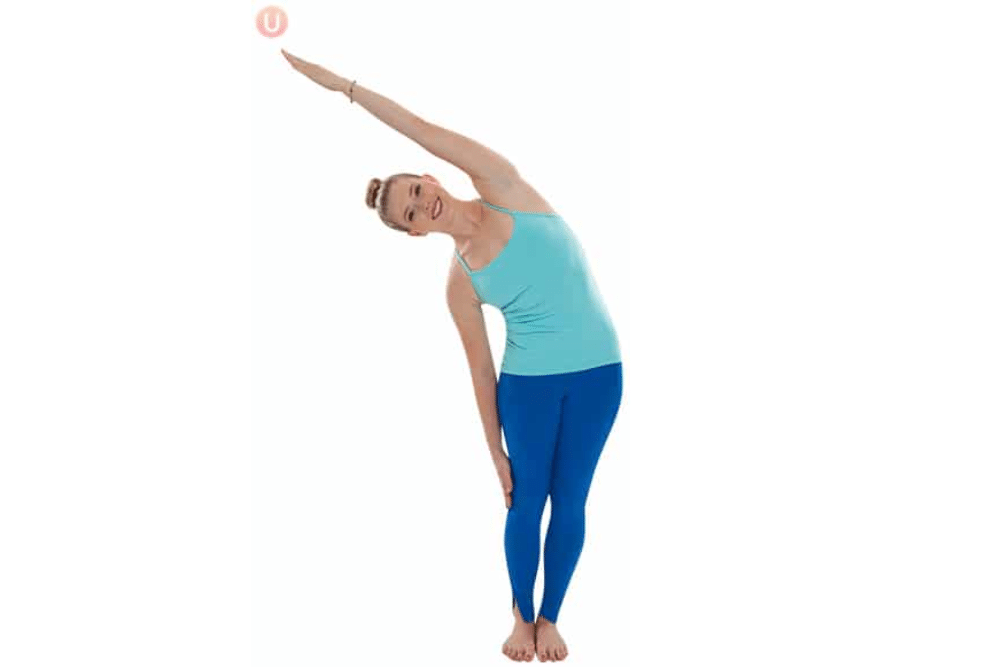
10 Stretches to Improve Flexibility At Any Age Flexibility is key to feeling strong, mobile, and energized at any age. As we get older, maintaining a regular stretching routine becomes even more essential to improve flexibility, support joint health, prevent stiffness, and reduce the risk of injury. Whether you’re in your 40s, 60s, or beyond, incorporating stretches into your daily routine can make a world of difference in how you move and feel. You’ll enjoy health benefits far beyond better flexibility, like: Improves your performance in physical activities and everyday tasks Decreases your risk of injury Helps relieve and prevent upper and lower back pain Improves posture Gives a more youthful appearance (think shuffling or hunching over!) Below I’m giving you 10 effective flexibility stretches that anyone can do to improve flexibility, regardless of experience or age. Each stretch is designed to improve flexibility in a gentle yet effective way, so you can ease into them at your own pace and reap the benefits over time. Ready to loosen up? Flexibility Stretch Routine Instructions Try each of the below stretches, holding for about 30 at a time and then take a deep breath and repeat. (Perform on each side if unilateral). Make sure to breathe slowly and relax as much as possible. Do not stretch to the point of pain. 1. Standing Side Bend The standing side bend stretches the obliques, lats, and intercostal muscles along the sides of your torso, and improves flexibility through your entire side body. This stretch also encourages better posture by opening up the spine and helps release tension from your lower back. For even more help standing taller, try these posture exercises! How to Perform a Standing Side Bend Stand tall with feet and legs together and reach both arms straight up overhead as you inhale. Lower your right arm down the right side of your body and exhale as you lengthen the left arm over the head, bending body gently to the right. Inhale to return arms overhead to center and exhale as you repeat on the left side. 2. Pyramid Pose This deep hamstring and calf stretch lengthens the muscles at the back of your legs, promoting greater flexibility and mobility in your hips and hamstrings. Pyramid pose also stretches the lower back and helps enhance balance and stability. I also recommend adding these balance exercises for seniors to your weekly routine! How to Perform Pyramid Pose From a standing position, step the inside of your left foot directly behind your right foot about 6-8 inches, as if you are standing on a balance beam. Back foot is angled. As you inhale reach both arms high overhead, lengthening your spine. As you exhale slowly reach hands down to shin or, if you are able, the floor. You can slightly bend the front knee if needed. Let your chest rest over your front leg and relax the back of your neck.  Breath slowly as you stretch your hamstring. Hold 30 seconds and switch sides. 3. Yogi Squat The yogi squat opens up the hips, inner thighs, and groin, helping to increase hip flexibility, which is essential for a full range of motion in everyday movements. This stretch also improves strength and stability in the lower body. How to Perform a Yogi Squat Start with your feet slightly wider than shoulder distance apart and your toes turned out. Bend your knees and use your leg muscles to slowly lower your hips to the floor. Go as deep as you can while keeping your heels on the floor. Elbows pressing into knees and knees hugging into elbows the upper and lower body stay active. Straighten legs to return to standing. 4. Downward Dog A staple yoga pose, downward dog stretches the hamstrings, calves, and shoulders, while lengthening and decompressing the spine. This pose supports overall flexibility, particularly in the back and legs, and can help ease tension throughout the body. For even more leg relief, check out my favorite leg stretches for tight muscles! How to Perform Downward Dog Begin in a kneeling position on your mat with hands directly under shoulders, fingers spread wide. Tuck your toes under and engage your abdominals as you push your body up off the mat so only your hands and feet are on the mat. Press through your hands moving your chest gently toward your thighs and your heels gently toward the floor. Relax your head and neck and breathe fully. 5. Cat Pose This gentle spine stretch increases flexibility in the back, releasing tension from the spine and helping to mobilize each vertebra. It’s an excellent warm-up pose for improving overall spinal flexibility. How to Perform Cat Pose Begin on your hands and knees with hands directly under shoulders and knees directly under hips. Start with your spine in a “neutral” or long position, then slowly tuck your tailbone and lower the crown of your head so your back gently rounds. Draw your naval up to your spine and breathe gently as you hold the stretch. 6. Cow Pose Paired with cat pose, cow pose enhances flexibility in the back and neck. It also stretches the chest and helps improve posture by counteracting forward rounding in the shoulders. How to Perform Cow Pose Begin on your hands and knees with hands directly under shoulders and knees directly under hips. Start with your spine in a “neutral” or long position, then gently lift your heart and tailbone so your back gently curves downward. Be sure to focus on the lifting – do not press your back downward. Let the curve happen naturally. Look slightly upward with a relaxed neck and breathe gently. 7. Runner’s Lunge This deep lunge stretches the hip flexors, quads, and hamstrings, promoting hip flexibility and range of motion. It’s particularly beneficial for those who sit for extended periods, helping to open up tight hips. If hips are your problem area, you might also benefit from these resources! 9 Hip Bursitis Exercises Hip Strengthening

10 Stretches to Improve Flexibility At Any Age Read More »
Menopause Diet: Top Foods to Manage Symptoms Naturally

Menopause Diet: Top Foods to Manage Symptoms Naturally Discover the best menopause diet foods to manage symptoms naturally. Learn how nutrient-rich options like leafy greens, fatty fish, flaxseeds, and soy can help reduce hot flashes, balance hormones, boost energy, and support bone health during menopause. Improve your well-being with these essential dietary tips. Menopause comes with plenty of unpleasant symptoms, from hot flashes and brain fog to insomnia and mood swings. But there are so many things you can do to help your body through this change, even years in advance. One of the best ways to take charge of your hormonal health is by adhering to this menopause diet. The foods listed below are proven to help manage your menopause symptoms. Once you do hit menopause, you’ll be experiencing all-time low levels of all hormones can put you at risk for health conditions like osteoporosis and heart disease. That might sound scary, but “by making some changes to your eating habits, you might be able to ease a lot of the discomfort and keep your body healthier as you age,” says Sherry Ross, MD, an ob-gyn at St. John’s Health Center in Santa Monica, California. The following menopause diet foods are key nutrients that can help bring your body back into balance during the transition to menopause. Explore the specific foods within each category, and recipe idea to get you started! Fiber-Rich Foods Eating a high-fiber menopausal diet can help you with menopause-related digestion issues such as bloating or irregularity. Getting enough fiber with every meal also helps you feel fuller longer, which can prevent unwanted menopausal weight gain. I personally eat 2 TBSP’s of chia seeds every day for this very reason. Check out the health benefits if chia seeds and why you want to incorporate this powerful ingredient into your diet too! It’s extremely common for women to gain weight in their menopausal years. Still, by incorporating more fiber into your diet, you can help manage your weight. Fiber-Rich Foods for Your Menopause Diet Bananas Apples Pears Broccoli Beans Chickpeas Brussels Sprouts Nuts Steel-cut oats Chia seeds Fiber-Rich Recipes to Try Healthy Broccoli Salad (No Mayo!) Viral Jennifer Aniston Salad Overnight Chocolate Chia Seed Pudding For even more ideas, explore this list of natural sources of fiber! Healthy Fats Omega-3 fats are an essential part of any diet, but particularly during menopause, they can help stabilize mood swings and improve anxiety and depression. One of the best sources of omega-3 fatty acids is oily fish, so you’ll notice they dominate the list below. Omega-3-Rich Foods for Your Menopause Diet Salmon Tuna Herring Avocados Sardines Flaxseeds Grass-fed beef Kale Flax seeds Omega-3-Rich Recipes to Try Teriyaki Salmon Salad (Easy 15-Minute Recipe!) Orzo Kale Salad Healthy Tuna Salad For even more, explore my list of healthy fats for weight loss. Calcium-Rich Foods Getting enough calcium during menopause helps you maintain strong bones and avoid these early warning signs of osteoporosis. To stay healthy and prevent injury, you need to make sure you’re getting enough calcium in your diet each day. I also recommend learning more about menopause joint pain, which is a commonly overlooked menopause symptom that I have personally experienced! Here are some of the best calcium-rich foods to add to your diet! Calcium-Rich Foods for Your Menopause Diet Greek yogurt Kefir Broccoli Leafy greens Oranges Beans Spinach Tofu Bok Choy Almonds Calcium-Rich Recipes to Try Healthy White Chicken Chili Detox Vegetable Soup Pear, Walnut & Gorgonzola Salad Vitamin D-Rich Foods Getting enough vitamin D helps protect your bones and can also help with mood swings, which can be a common symptom of menopause. Vitamin D also helps your body absorb calcium! Most doctors recommend 1,000 to 2,000 units of vitamin D a day if you’re taking a supplement in addition to incorporating it into your diet. Not sure if you need a supplement? Check out these 14 signs of vitamin D deficiency that are more common than you might think! Vitamin D-Rich Foods for Your Menopause Diet Eggs Yogurt Salmon Mushrooms Fortified Milk Vitamin D-Rich Recipes To Try Egg White Bites (Starbucks Copycat!) Omelette in a Mug (Microwave Recipe!) Healthy Vegetable Frittata Knowledge is power, and knowing what foods can help your perimenopausal and menopausal years be better should leave you feeling empowered! And, don’t forget, exercise is an important factor of this equation! I recommend incorporating regular cardio workouts and strength training to maintain and build muscle, plus keep your metabolism working! Popular Menopause Resources Menopause is a significant milestone in a woman’s life, marking a natural transition that brings physical, emotional, and hormonal changes. While it can feel overwhelming at times, it’s also a unique opportunity to focus on your health and well-being. With the right knowledge and resources, you can navigate menopause with grace and ease. Remember, you don’t have to go through it alone—there’s a wealth of support available to guide you through every step of the journey. Here are a few of my favorite resources! 19 Ways to Get Rid of Menopause Belly Fat Best Supplements for Menopause Weight Gain 10 Common Menopause Symptoms & How To Manage Them Why You Need to Understand Menopause Joint Pain Are HIIT Workouts Good for Women in Menopause? How to Have a Positive Menopause Mindset Discover the best menopause diet foods to manage symptoms naturally. Learn how nutrient-rich options like leafy greens, fatty fish, flaxseeds,… Chris Freytag, CPT{authorlink}https://gethealthyu.com/best-foods-eat-menopause/Get Healthy U | Chris Freytaghttps://gethealthyu.com/wp-content/uploads/2024/09/favicon-96×96.png

Menopause Diet: Top Foods to Manage Symptoms Naturally Read More »

5 Health Benefits of Chia Seeds & Why I Eat Them Every Day

5 Health Benefits of Chia Seeds & Why I Eat Them Every Day Explore the benefits of chia seeds and learn practical tips to incorporate them into your everyday meals. From improving digestion to providing a rich source of omega-3s, chia seeds are a game-changer for anyone focused on healthy aging and feeling their best. As a 59-year-old personal trainer, I know that better health doesn’t just start in the gym—it begins in the kitchen. If you’re looking for a simple way to boost your energy, digestion, and overall wellness, chia seeds might just be your new favorite superfood. I have been eating chia seeds every so often for years but I just recently started eating two tablespoons a day and definitely feel like the extra fiber is helping reduce my hunger and improve my digestion. These are my own observations but you may want to start being more consistent with chia seeds once I share all the amazing health benefits thees tiny tasteless seeds have to offer! Chia seeds a powerful punch and are loaded with nutrients that can transform your health from the inside out. 5 Health Benefits of Chia Seeds Chia seeds are loaded in rich nutrients that come with a host of health benefits, including bone health, heart health, and valuable antioxidants. These are the chia seed health benefits that I take advantage of every day: 1. Rich in Fiber Chia seeds are loaded with fiber, making them an excellent choice for supporting digestive health. Per ounce, chia seeds have a whopping 10 grams of fiber! A diet rich in fiber can help keep things moving smoothly in your system and may contribute to weight loss and lower cholesterol levels. Plus, fiber keeps you feeling full, which can be a helpful ally in maintaining a healthy weight. 2. Nutrient-Rich and Good for Bones These little seeds are packed with a variety of nutrients, including calcium, phosphorus, and magnesium, all of which are essential for strong bones. Whether you’re looking to support bone health or prevent osteoporosis, chia seeds can play a role in your diet. Their calcium content comes in at 18 percent of the RDA in a single ounce, making them a great alternative for anyone who doesn’t eat dairy. (Gram for gram, this is higher than most dairy products.) Amazing, huh? 3. A Great Source of Omega-3s Omega-3 fatty acids are crucial for heart health, and chia seeds are an excellent source especially for plant-based eaters. By incorporating them into your diet, you’re helping to lower LDL cholesterol and reduce your risk of heart disease. In fact, they even contain more omega 3s than salmon, gram for gram. However, since they are primarily made up of ALA omega 3s, it’s important to still be eating other sources of EPA and DHA omega 3s. (Yes, I still take an omega 3 supplement to make sure I’m getting the EPA and DHA.) 4. Loaded with Antioxidants Chia seeds contain antioxidants which work to fight the production of free radicals that can damage molecules and cause aging and diseases like cancer. Score! Check out these best anti-inflammatory foods for even more healthy food choices to incorporate into your week! 5. Supports Weight Loss and Reduces Blood Sugar Levels Thanks to their high fiber and protein content, chia seeds can help curb your appetite, support weight loss, and improve blood sugar control. This makes them an ideal addition to your diet if you’re looking to shed a few pounds or manage diabetes. Plus, women need even more protein as they get older, and this is a great way to get it! My Favorite Ways to Eat Chia Seeds One of the best things about chia seeds is how versatile they are. They are pretty much tasteless so they won’t change the flavor of your favorite recipes. Here are some simple and delicious ways I incorporate them into my daily diet: Chia Seed Pudding I love chia pudding and make it regularly. I mix chia seeds with almond milk (you can use any dairy or plant-based milk) and a sweetener like honey, maple syrup or monk fruit. Then I add fruit and nuts and seeds. Allow it to sit in the refrigerator overnight, and you’ll have a creamy, pudding-like treat ready for breakfast or dessert. (The chia seeds become gelatinous like oatmeal when they soak in liquid.) Recipe Idea: Try my overnight chocolate chia seed pudding! Smoothies I add a tablespoon of dry chia seeds to my morning smoothie every day for an easy boost of nutrients and fiber. They’ll blend right in and won’t alter the taste, but will definitely up the nutrition factor. Recipe Idea: Try my healthy mixed berry smoothie! Yogurt and Oatmeal Toppings I sprinkle dry chia seeds over my yogurt every day. Again, you can’t taste them and it up’s the fiber content. You can also add to your oatmeal, or cereal for added texture and nutrition. Baked Goods I incorporate dry chia seeds into my baked goods for extra moisture and nobody ever notices! Whether you’re making muffins, bread, or cookies, adding chia seeds can increase the fiber and nutrient content without changing the flavor. How to Substitute Chia Seeds for Oil in Baked Goods I don’t do this, but some nutritionists will substitute chia seeds for oil in baked goods. This will help to lower the fat content while still keeping everything moist and delicious but you have to experiment to make sure you get the consistency you want. As mentioned earlier, when mixed with water, chia seeds form a gel-like consistency due to their high soluble fiber content, making them a great binder and moisture-retaining ingredient to replace oil in recipes. Mix 1 tablespoon of chia seeds with 3 tablespoons of water and let it sit for about 10-15 minutes until it forms a gel. This mixture can replace about 1/4 cup of oil in your recipe. It’s a fantastic way to add more fiber, omega-3s, and nutrients without sacrificing

5 Health Benefits of Chia Seeds & Why I Eat Them Every Day Read More »

Muscle Strength vs. Muscle Endurance: Which Matters More?

Muscle Strength vs. Muscle Endurance: Which Matters More? If you are like most people I train, you probably can’t explain muscle strength vs muscle endurance, and quite frankly you might not think it matters. However, the educator in me constantly talks about these two terms when leading strength training sessions because you DO need to know the difference. You need and use both in your everyday life.  If you can’t lift heavy objects, you may hurt your back or injure yourself in other ways. And if you can’t endure physical activity, you’ll find yourself quitting ten minutes into that pickleball game. So the truth is you need both muscle strength and muscle endurance to be a well-rounded, healthy person. Let’s explore what is the difference between muscle strength and muscle endurance and why it matters! Understanding Muscle Strength Muscle strength is the ability to exert a maximal amount of force for a short period of time, like bench pressing a heavy barbell for 5-8 repetitions; lifting a heavy bag of groceries; or pushing your car out of a ditch.  It’s the kind of power that allows you to perform activities that require significant force over a brief duration. Another real-life example: I lifted my son’s 81-pound dog up into the car a few weeks ago. It’s not just about building big muscles or impressing others at the gym. (Although, training for strength is the best way to sculpt your muscles.) It’s about making everyday tasks easier and reducing the risk of injuries. By training for strength, you enhance your body’s ability to handle heavy loads, which can be especially beneficial as you age. Plus, strong muscles support bone health, which becomes increasingly important for women in midlife. Exploring Muscle Endurance Muscle endurance, however, is the ability to do something over and over for an extended period of time without getting tired. Activities that require sustained effort like swimming, cycling, raking your yard, and gardening. Or it may be doing 50 bodyweight squats in a row, doing a barre class with three pound weights, or doing an hour long kickboxing class. Another example: Skiing down a mountain, bending your knees, and firing your quads for several minutes. It enables you to keep going without fatigue setting in too quickly. Building endurance not only improves your stamina but also enhances your cardiovascular fitness, which is vital for overall health. Do We Need to Train Both? Absolutely! The key to a well-rounded fitness routine lies in balancing strength and endurance training. Each serves a unique purpose, and together they create a harmonious synergy that benefits your daily life. I tell all the women who work out with me to focus on their strength. Lift heavy, go slow, with good form and go to muscle fatigue. That will help you sculpt and strengthen your muscles.  Sarcopenia is a real thing.  The loss of muscle starts around the age of 35 if you are not actively doing something to maintain or increase your muscle mass. This is also why women start to need more protein as they age. Yes, you will love the way you look with some definition in your muscles. But you will also love the way you feel! Being more able bodied keeps you independent and capable.   However, I know lots of women enjoy using lighter weights with higher repetitions and I also encourage this muscle endurance training one or two times a week.  As mentioned, this will help you endure activities with repetition, keep your heart rate up a bit, and allow you to do all kinds of fun things like non stop dance at a wedding. Incorporating both types of training ensures you’re prepared for a wide range of physical challenges. The Importance of Strength Training for Midlife Women For women over 50, maintaining muscle strength and endurance becomes even more critical. As we age, we naturally lose muscle mass and bone density making it essential to stay active and engaged in strength-building exercises to KEEP or ADD muscle to your body. Strength training can help counteract these age-related changes by preserving your lean muscle mass and supporting bone health. It also aids in maintaining a healthy metabolism, which tends to slow down with age. Along with that, incorporating endurance exercises, you boost your energy levels, enhance cardiovascular health, and improve overall vitality. Check out a few of my guides to get started: Strength Training Moves for Women Over 50 How to Get Started With Functional Strength Training Best Core Exercises to Build Strength At Any Age How to Plan Balanced Workouts When you’re at the gym, it’s essential to strike a balance between strength and endurance exercises. Here’s a simple guideline to help you plan effective workouts: Incorporate Strength Training To build muscle strength, focus on exercises like squats, deadlifts, bench presses, push ups and overhead presses. Use heavier dumbbells with lower repetitions (around  8-12) to stimulate muscle growth and power. Aim to target different muscle groups on different days to allow for adequate recovery. Lift heavy weights 2-4 times a week.  *By the way the word “heavy” is controversial. I hear some trainers say 15-pound dumbbells aren’t heavy. Well, I beg to differ on that point. I have been teaching group strength training classes for 35 years, and I have gone from using 8 lb weights to using 15 and sometimes 20 lb weights for an hour. I move slow and feel the muscle fatigue. The thing you are going for is muscle fatigue…that feeling that you can only do a couple more reps before you quit. You don’t have to be squatting with a 100 lb barbell to feel that in my opinion. I have trained thousands of middle-aged women and men and watched them get stronger and build muscle mass with my approach. If you’re not sure on you weights, check out my guide to understand when to increase your weights. Since I am a group fitness instructor, I encourage you to try a strength class online that will guide you through proper form and pick

Muscle Strength vs. Muscle Endurance: Which Matters More? Read More »

Viral Sleepy Girl Mocktail Recipe

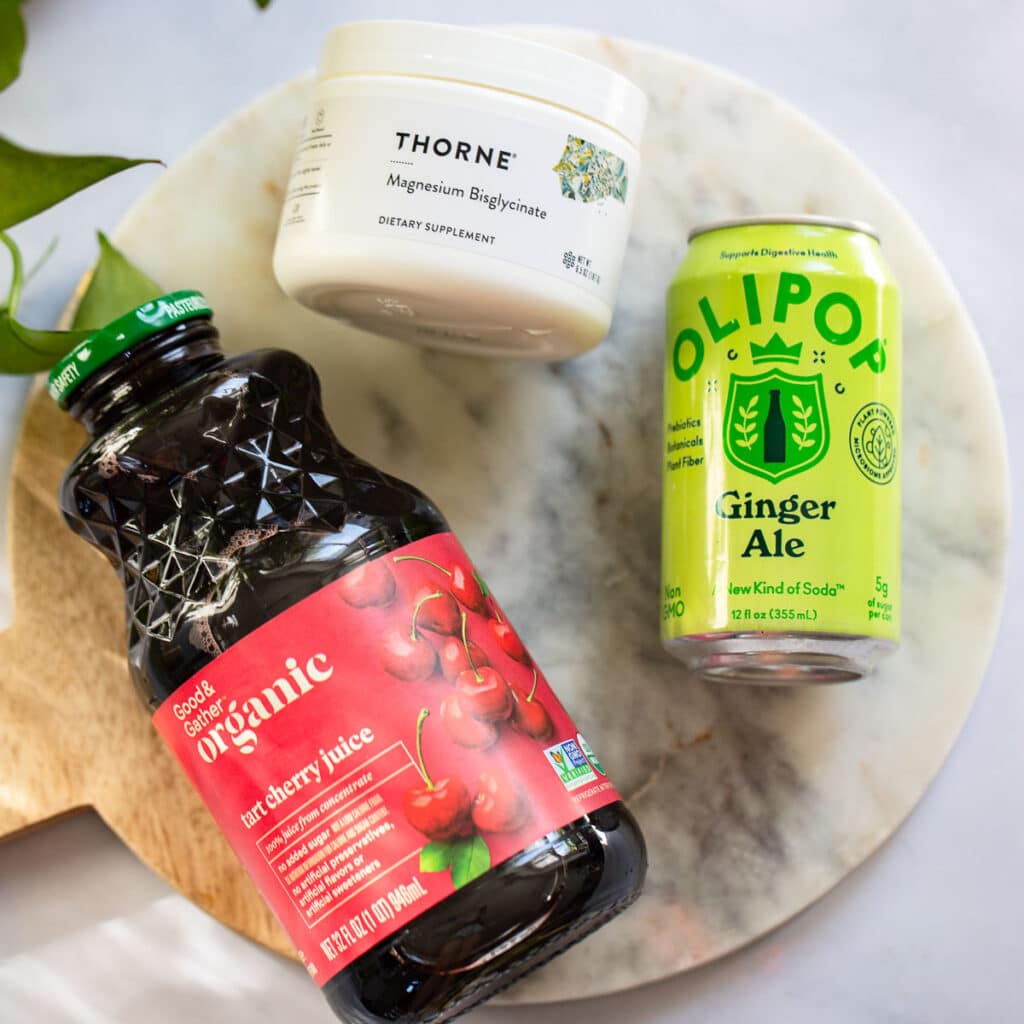
Viral Sleepy Girl Mocktail Recipe Looking to catch more zzzz’s at night? Give the viral sleepy girl mocktail a try! Not only is it a delicious way to unwind, but it’s made with just 3 ingredients. We all know that getting enough sleep is crucial for a healthy body and mind, but falling asleep and staying asleep is not always that easy. (Not to mention, poor sleep is a common side effect of menopause.) Reaching for a nightly glass of wine to help you unwind before bed is tempting, but alcohol can disrupt your sleep as well. If you’re looking for another natural sleep aid to try, I have been loving this 3-ingredient sleepy girl mocktail recipe! Pair it with some of these science-backed tips to get better sleep, and enjoy the benefits! What is a Sleepy Girl Mocktail? The sleepy girl mocktail originated on Tiktok (as most trends these days!). The drink was posted by Gracie Norton and became a viral social media sensation not long after. It’s simple to make with just 3 ingredients: tart cherry juice, olipop, and magnesium powder. Of course, there is some room to play around with the ingredients and many have recreated the drink with their own twist. The main ingredients, tart cherry juice and magnesium, have both been shown to be beneficial for sleep. Sleepy Girl Mocktail Ingredients Here’s everything you need to make your own sleepy girl mocktail at home and get a good night’s sleep.  Pure Tart Cherry Juice: look for tart cherry juice that is 100% juice with no added sugars. You’ll want tart cherry juice and not sweet cherry juice because the tart cherry juice is the only one that contains the nutrients that are helpful for sleep.  Prebiotic Soda: not only is a healthy gut important for your overall health, but it can also help you sleep! If you can, splurge on a prebiotic soda like olipop or poppi for some extra gut love. However, you can also substitute with sparkling water like lacroix, soda water, or plain seltzer.  Magnesium Powder: when shopping for magnesium, you’ll find everything from tablets to gummies, powders, and liquids. For this mocktail, try to find it in powder form since it mixes the easiest.  How to Make a Sleepy Girl Mocktail Mix the cherry juice & magnesium powder: mix the cherry juice and magnesium powder together with a spoon or electric whisk to combine.  Add ice & prebiotic soda: top with your ice and prebiotic soda and serve. (For fun, you can even serve in a wine glass!) Why Do You Need Tart Cherry Juice? One of the reasons that cherries are so great for sleep is that they naturally contain melatonin, a hormone that helps regulate your sleep-wake cycle. However, compared to sweet cherries, tart cherries have much higher levels of melatonin and also contain tryptophan. Both of these work together to promote better sleep quality. You can use sweet cherry juice and may still get some of the same benefits – but tart cherry juice is the best option.  What kind of magnesium powder works best in the sleepy girl mocktail? When you’re browsing the supplement aisle for magnesium supplements, you may notice that there are several different types: magnesium citrate, magnesium glycinate, and magnesium oxide. However, if you’re looking for the best one for restful sleep – choose magnesium glycinate.  Glycine is actually an amino acid that has calming and relaxing properties – both of which are great for helping you sleep. In addition, magnesium glycinate is well-absorbed and gentle on your stomach.  These are the two magnesium glycinate powders that we like from Amazon – both high quality but at different price points: Thorne magnesium glycinate (pricier) or Doctor’s Best magnesium glycinate (lower cost). Does the sleepy girl mocktail really work? Yes – we think so! If you’re looking for a natural alternative for a sleep enhancer, the sleepy girl mocktail is a great addition to your bedtime routine. Before the sleepy girl mocktail became popular, many people were already depending on magnesium to help them get better shuteye. This essential mineral helps you sleep in a couple of different ways: it activates the part of the nervous system that is responsible for calmness, regulates melatonin, and helps quiet down neurotransmitter activity in the brain.  Pairing your magnesium with tart cherry juice just optimizes the sleep-inducing potential of the magnesium. Plus, it makes it much more enjoyable to drink your nightly magnesium (if you ask me).  When should you drink the sleepy girl mocktail? It all depends on when you plan for your head to hit the pillow at night. Although there’s no exact science to when you should drink your mocktail, at least an hour before bedtime is a good rule to follow. Print Sleepy Girl Mocktail Recipe Looking to catch more zzzz’s at night? Give the viral sleepy girl mocktail a try! Not only is it a delicious way to unwind, but it’s made with just 3 ingredients. Prep Time 5 minutes minutes Total Time 5 minutes minutes Servings 1 Calories 75kcal Ingredients 1 teaspoon magnesium glycinate powder ½ cup tart cherry juice ¼ to ⅓ cup prebiotic soda we recommend gingerale or lemon lime flavor Instructions Add the magnesium and cherry juice to a tall glass and mix well with a spoon or electric whisk to dissolve. Add ice and the prebiotic soda (just enough to top off the glass). Serve! Nutrition Calories: 75kcal | Carbohydrates: 15g | Sugar: 14g Looking to catch more zzzz’s at night? Give the viral sleepy girl mocktail a try! Not only is it a… Deborah Murphy, MS, RD, LDN{authorlink}https://gethealthyu.com/sleepy-girl-mocktail/Get Healthy U | Chris Freytaghttps://gethealthyu.com/wp-content/uploads/2024/09/favicon-96×96.png

Viral Sleepy Girl Mocktail Recipe Read More »