Menopause + Healthy Aging

Auto Added by WPeMatico

How to Age Well: 16 Rules I Live By at 60

How to Age Well: 16 Rules I Live By at 60 Nobody gives you a rulebook when you turn 60. You write your own, one lesson (and one sore muscle) at a time. I’ve been teaching group fitness since 1989. That’s a lot of years of standing in front of a room full of women, watching them get stronger, laugh through the hard parts, and show up for each other. Add 10 years post-menopause, a husband of 37+ years, three grown kids, and a granddaughter who calls me Coco, and I’ve collected a few truths along the way. After 40+ years of training women, here’s what I’ve learned about how to age well. These are the rules I actually live by, so steal the ones you love. Take Care of the Body That Carried You 1. Lift something heavy. Strength training is healthcare, not a hobby. I lift heavier at 60 than I did at 40, because muscle is what gets you up off the floor, carries the groceries, and scoops up a granddaughter without a second thought. And no, it won’t make you bulky. 2. Go to bed (or at least try). If I could go back, I’d shake my 40-year-old self and say, “GO TO BED.” I’ll be honest, I’m not a 7-to-9-hours girl yet. I’m working toward averaging seven hours a night, and my Oura Ring is a huge part of that. It shows me what helps my sleep (and what wrecks it), so I can keep adjusting. 3. Wear shoes you can actually walk in. I love to shop, and I refuse to believe comfortable shoes have to be ugly shoes. Find the pair that works with jeans, a dress, and a two-mile walk, and buy it in two colors. These are my favorite comfortable walking shoes, and the four shoes I’ve walked over 20,000 steps in without pain! 4. Drink your water (and salt it). In my 50s I was dragging every afternoon until I realized my body needed more sodium (yes, really!). A little salt in my water and my energy came back. Your body changes, so listen to it. Learn more about the benefits of electrolytes, and why LMNT is my brand of choice! 5. Be kind to the body you have. At 40, I cared how my body looked. At 60, I care how it functions. Do whatever makes you feel good in your skin, whether that’s a great haircut or a new serum. Enhance, never erase. Aging gracefully, to me, means feeling good in your skin. I love getting older, and I also get botox. Both can be true! Protect Your Time Like It’s Precious (Because It Is) 6. “No” is a complete answer. Brené Brown says clear is kind, and I’ve taken that to heart. Every half-hearted yes steals time from something you actually care about. 7. Clear the clutter. Tossing things has always come easy to me. I know that’s not true for a lot of women, and that’s okay. But the older I get, the more I believe less baggage makes life lighter, whether it’s the closet, the calendar, or the mental to-do list running at 2 a.m. If letting go is hard for you, start with one drawer. 8. Buy the plane ticket. “Someday” has a sneaky way of never showing up. Book the trip, the concert, the weekend away. I’ve never once looked back and wished I’d bought more things instead of making more memories. While you’re booking, check out my travel essentials that make travel days enjoyable. 9. Keep learning new tricks. Try the new class format, the new recipe, the app your grandkid has to explain to you twice. A curious brain is a young brain. Choose Your People on Purpose 10. Find your crew. Group fitness changed my life, and it’s not only because of the workouts. It’s the friendships. The women who notice when you miss class and text to check on you. And then there are the friendships that go even deeper. I have girlfriends who’ve been by my side for 30+ years. They’re my tribe, the women I can tell absolutely everything to. Friendships like that don’t happen by accident, so make the call, plan the dinner, and keep showing up. 11. Put family first. Family is the most important thing in my life, period. I’ll rearrange just about anything to spend time with my kids and grandkids. The work and the to-do list will be there tomorrow, but these moments won’t wait. 12. Tend your relationships. After 37+ years of marriage, I can tell you love takes work (the good kind). Invest in the relationships that lift you, and give yourself permission to step back from the ones that only drain you. 13. Drop the grudge. Carrying resentment is like doing farmer’s carries all day with nowhere to set the weights down. Forgiving someone doesn’t mean you have to keep them in your life. It means you stop carrying the anger around, and that feels so much lighter. Forgive others, and forgive yourself even faster. Own Every Single Year 14. Say what you think. Two decades of live TV and home shopping taught me that your voice only matters if you use it. You’ve earned your opinions. Share them. 15. Make joy non-negotiable. Taking care of yourself isn’t selfish. I schedule my workouts like appointments, because I’m a better wife, mom, boss, and Coco when I show up for me first. 16. Stop apologizing for your age. Turning 60 isn’t something to hide. Say the number out loud. This stage of life is not the consolation prize. It’s the main event. My Aging-Well Toolkit (The Stuff I Actually Use) Rules are great, but I’m a practical girl. People ask me all the time what I actually use to keep up with this list, so here’s my real, everyday lineup. None of it is magic. It just makes the good habits a whole lot easier to stick with. My

How to Age Well: 16 Rules I Live By at 60 Read More »

Exercise Snacking: The 2-Minute Fitness Hack Every Woman Over 50 Needs

Exercise Snacking: The 2-Minute Fitness Hack Every Woman Over 50 Needs I’m about to tell you to work out less. Yes, you read that right, from a trainer who’s spent 35 years telling women to move MORE. Stay with me, because there’s a question I now ask every woman who tells me she has no time to exercise, and it changes everything. I’ve watched it turn “I’ll start Monday” women into women who are stronger at 58 than they were at 48. I’ll give you the exact question at the end of this post, but first you need to understand why it works. It starts with a concept called exercise snacking, and I’m kind of obsessed. What Is Exercise Snacking? Exercise snacking means taking 1 to 2 minutes, several times a day, to fit in small bursts of movement. Not a workout. Not a class. Not putting on a sports bra. Just a minute or two of movement, sprinkled through your day the way you’d grab a handful of almonds between meals. The term comes from longevity coaching circles (coach Fiona Bugler, who works with women over 50, calls it the easiest way to build strength and break up sitting without carving out a gym hour), and the science behind it is real. A study in the British Journal of Sports Medicine looked at 11 trials with more than 400 adults doing exercise snacks of five minutes or less, at least twice a day, for two weeks. The results? Meaningful improvements in cardiovascular fitness in younger adults and muscular endurance in older adults. Read this twice: two minutes, twice a day, and your body measurably changes in two weeks. Now, I can already hear some of you thinking it. “Chris, two minutes? That can’t possibly count.” I understand, because for most of my career I would have agreed with you. I don’t anymore. Here’s why. Why Two Minutes Beats Zero Minutes (and Sometimes Beats Sixty) I’m going to say something a little controversial for a fitness professional: for a lot of midlife women, a two-minute movement habit will do more than a 60-minute workout. Go ahead, argue with me in the comments. But hear my logic first. The 60-minute workout only works if you actually do it. And for busy women juggling work, aging parents, grown kids, and a body in hormone flux, that hour gets skipped more weeks than not. Then the guilt shows up, and guilt is the worst training partner there is. It whispers that you’ve already blown it, so why bother? The two-minute version never gets skipped, because there’s no version of your day where you don’t have two minutes. That’s the power of it. Consistency has always mattered more than intensity, especially as we age, and exercise snacking makes consistency almost impossible to fail at. There’s a physical reason this matters more after 50, too. Research shows we can lose 3 to 8% of our muscle mass per decade starting in our 30s, and that loss speeds up after menopause. Sitting for long stretches makes it worse. Those little movement bursts interrupt the sitting, wake up your muscles, and keep depositing into the strength account you’ll be drawing on at 75. I’ve said it before and I’ll keep saying it: strength training is healthcare. Exercise snacking is one more way to pay for it. The Real Change Isn’t in Your Muscles. It’s in Your Head. This is the part I wish someone had told me years ago. The biggest thing exercise snacking changes isn’t your body. It’s your definition of what counts. Most women over 50 grew up on all-or-nothing fitness: the aerobics hour, the boot camp, the no-pain-no-gain nonsense. So when life makes the hour impossible, we do nothing, and then we tell ourselves a story about how we’ve “let ourselves go.” Exercise snacking kills that story. When movement counts in two-minute pieces, you stop being someone who failed to work out today. You become someone who moves all day long. Same woman, same schedule, completely different identity. At 60, I still teach live fitness classes every week, and I’m telling you my days are held together by movement snacks: a couple of minutes here and there between calls, walking on my pad at 1 mph while I work , a few bodyweight squats while the coffee brews. It all counts. It always counted. We just didn’t give ourselves permission to believe it. And that question I promised you? It’s coming, right after we talk about the mistake almost everyone makes when they start. The One Mistake That Ruins It The mistake is turning exercise snacking into another perfect plan. A color-coded schedule, an app, a rule that you’ll do exactly eight snacks a day starting Monday. Nope. That’s the all-or-nothing brain sneaking back in through the side door. Exercise snacking works because it’s attached to the life you already have, not a life you’re hoping to have. Tie your movement to things that already happen: the kettle boiling, a commercial break, the top of every hour. If you miss one, nothing is broken, because there was never a streak to break. If you want ideas for what those minutes can look like, I’ve got you covered all over this site: 11 Easy Ways to Increase Your Daily Steps 5 Arm Exercises for Women Over 50 (No Push Ups Needed!) My Favorite Balance Exercises and Mobility Routines Pick anything. The move matters far less than the minute. The Question That Changes Everything Okay. Here it is, the question I ask every woman who tells me she doesn’t have time to exercise: “What can you do in the next two minutes?” Not Monday. Not when things calm down. Not when you find a program. The next two minutes. Because the answer is never “nothing,” and once you’ve answered it a few times a day for a couple of weeks, you’re not a woman who can’t find time to work out anymore. You’re a woman

Exercise Snacking: The 2-Minute Fitness Hack Every Woman Over 50 Needs Read More »

Posture and Balance After 50: The Reason You Feel Wobbly Might Start at Your Chin

Posture and Balance After 50: The Reason You Feel Wobbly Might Start at Your Chin Your balance problem might not be in your feet. It might be in your chin. I know that sounds strange, so stick with me. Posture and balance are so tightly connected that when one changes, the other follows, and for most women over 50, posture changes first. Quietly. A little more screen time, a little more rounding in the upper back, the head creeping forward year by year, and suddenly turning quickly in the kitchen feels different than it used to. There’s a 10-second test I use to check this, and you can do it against any wall in your house. I’ll give it to you before the end of this post. But first you need to understand what’s actually happening, because once you see it, you can’t unsee it (and you can absolutely fix it). Why Balance Feels Different After 50 Let’s name the stakes, because this is bigger than feeling a little wobbly. According to the CDC, more than 1 in 4 adults over 65 falls each year, and falls are the leading cause of injury in older adults. Falls are also one of the biggest threats to the thing we all want most: our independence. But here’s what I want you to hear. Balance is not something you lose because a birthday came. Balance is a skill, and skills respond to practice. As a trainer, I’ve watched women in their 50s, 60s, and 70s dramatically improve their steadiness in a matter of months. Every single one of them started by working on posture and balance together, not separately. How Posture and Balance Actually Work Together Think of your body as a stack: head over ribs, ribs over pelvis, pelvis over feet. When the stack is lined up, staying upright is almost effortless. Your muscles make tiny corrections all day and you never notice. Now slide the top of the stack forward. When your head shifts ahead of your shoulders (hello, kyphosis, commonly known as tech neck) and your upper back rounds, your center of gravity moves toward your toes. Your muscles and nervous system have to work overtime just to keep you steady, which leaves less in the tank for reacting when you catch a toe on the sidewalk or turn to grab something. This isn’t just my theory from 35 years of training women. A 2025 research review found that hyperkyphosis (the excessive upper-back rounding that becomes more common as we age) is linked with reduced postural stability and higher fall risk in older adults. The wobble you feel when you stand on one leg to put on a sock? It may have started years earlier, inches higher. The Posture Changes That Sneak Up on Us Nobody wakes up with rounded shoulders one morning. It builds slowly, and these are the usual suspects: Hours of sitting (desks, cars, couches, repeat) Looking down at phones and screens all day Muscle loss as we age, especially in the upper back and core, when we’re not strength training Tight chest muscles from all of the above Bone changes, including osteoporosis-related shifts in the spine That last one matters, ladies. Bone health and posture are deeply connected, which is why I’m always pointing you back to how to build bone density. And if a strength routine isn’t part of your week yet, my strength training moves for women over 50 is the place to start. Strength training is healthcare, and your posture is one of the first places it pays off. Still with me? Good, because the test is coming. One more thing you need to know first. “Stand Up Straight” Is Bad Advice (Here’s What Works Instead) I’m going to say something that would horrify our mothers: stop trying to stand up straight. Forcing yourself into a rigid, shoulders-pinned, military posture doesn’t fix anything. You can’t white-knuckle your way to better alignment for more than about 90 seconds, because you can’t simply decide your way to good posture. Your posture reflects your strength, your mobility, and your habits. If the muscles of your upper back and core are weak, no amount of “remembering to sit up” will hold. What actually works is training. Strengthen the upper back so it can hold you tall without effort. Open up the tight chest. Build the deep core that keeps your spine supported. I’ve put my favorite moves in one place in my posture exercises to stand taller post, and if your back needs extra love, these back strengthening exercises pair with it perfectly. Train Posture and Balance Together Here’s where it all comes together. Posture work makes balance work easier, and balance work makes posture work stick. Train them as a team: Strengthen your upper back and open your chest. Start with my posture exercises, a few minutes most days. Build your core (no crunches required). Your deep core is your built-in balance system. Try my standing core exercises that beat crunches or these core exercises for seniors. Practice actual balance moves 2 to 3 times a week. Single-leg stands, heel-to-toe walking, weight shifts. My favorite exercises to improve your balance walk you through all of them with modifications. Sneak balance into daily life. Stand on one leg while you brush your teeth. Heel-to-toe walk down the hallway. I balance on one foot while I wait for my coffee, and yes, my husband thinks I’m nuts. Five to ten minutes a day is enough to see real change. Consistency beats duration every single time. The 10-Second Wall Test I Promised OK, here it is. This is a simplified version of a screening tool physical therapists use, and it takes ten seconds. Stand with your back against a wall, heels about two inches away from it. Let your bottom and shoulder blades touch the wall. Now, without lifting your chin toward the ceiling, try to gently bring the back of your head to the wall. If your

Posture and Balance After 50: The Reason You Feel Wobbly Might Start at Your Chin Read More »

How to Build Bone Density After 40: Lift Heavy, Then Jump (Free Workout Inside!)

How to Build Bone Density After 40: Lift Heavy, Then Jump (Free Workout Inside!) Nobody feels their bones getting weaker. That’s the problem. Osteoporosis is often called a silent disease because bone loss happens gradually, with zero symptoms, until a fracture or a bad fall makes it loud. And ladies, it starts earlier than you think: bone density typically begins declining in our 30s, and women can lose up to 20% of their bone density in the five to seven years around menopause as estrogen drops. I just released a brand new Bone Building Strength workout on Get Healthy U TV, and our members are loving it. So today I want to give you the why behind it: what actually builds bone, the two types of exercise that do it best, and a free workout so you can start this week. As a trainer in my 60s who’s 10 years post-menopause, this topic isn’t theoretical for me. This is my skeleton we’re talking about too. Your Bones Are Alive (and Listening) We treat our skeleton like scaffolding: it only comes up when something breaks. But your skeleton isn’t a fixed frame. It’s live tissue that tears itself down and rebuilds all day long, a turnover cycle scientists call remodeling. And here’s the part I love: like muscle, bone adapts to the stress you put on it. Force is the language your bones understand. Give them regular, challenging stress and they respond by getting denser and stronger. Give them nothing, and they quietly lose density year after year. Read this twice: your bones need stress to stay strong. Comfort isn’t their friend. This is the same reason building muscle after menopause matters so much. Muscles and bones are a team, and they grow stronger together. The 2 Best Ways to Build Bone Mass There’s a lot of noise out there, so let me simplify it. Two kinds of exercise build bone better than anything else: Lifting weights, with attention to the eccentric (lowering) phase Jumping That’s the list, and here’s why each one works. 1. Lifting Weights (Heavier Than You Think) When you strength train, your muscles pull on your bones through their attachments, and that tension under load is a direct signal to your body: build more bone here. The research is clear that the load itself is what matters most, so compound moves like squats, deadlifts, and overhead presses with progressively heavier weight are the gold standard for your skeleton. The eccentric part of each rep (the lowering phase) is a big piece of that signal. Think about the way down in a squat, or lowering a dumbbell back from a biceps curl. Your muscle is lengthening while it’s still under tension, which lets you handle serious force with control, and controlled force is exactly what tells your bone cells to get to work. So use it in real life: don’t drop through your lowering, own it. Take 3 controlled counts down in your squat, then stand up strong. Lower that overhead press like you mean it. Your muscles will feel it (hello sore glutes), and so will your skeleton. If you’re new to lifting or getting back to it, start with these strength exercises to prevent menopause muscle loss. Start where you are. Your bones don’t need you to be advanced, they need you to be consistent. 2. Jumping (Yes, You’re Allowed) Your muscles get stronger when you load them. Your bones get stronger when you land. Jumping, hopping, and plyometric moves send controlled force through your skeleton, and that impact triggers your body’s natural bone-building response (your hips respond especially well to it). I know what some of you are thinking: “Chris, I’m 55, I don’t jump anymore.” I’m going to lovingly push back on that. Unless you have a medical reason not to (more on that below), midlife is exactly when you should keep jumping, because it’s a skill and a stimulus you lose if you stop using it. You don’t need to leap onto a box. Small hops in place, a few jump squats, even brisk stair climbing counts as impact your bones can use. Warm up first (these warm up moves for middle-aged women are perfect), land softly with bent knees, and build up gradually. The Combo Is Where the Magic Happens You don’t have to choose between lifting and jumping, and you shouldn’t, because studies of postmenopausal women show the combination beats either one alone. That’s exactly how I built my new Bone Building Strength #1 workout on Get Healthy U TV: strength training with jumping in between. You lift with slow, controlled eccentric lowering, then you add short bursts of impact between strength moves. Your bones get both signals (tension AND impact) in one efficient workout, and honestly, it’s a blast. Our members are already telling me they feel stronger and more powerful. Want to try it free? Unlock the free bone-building workout here and do it with me this week! A Quick Word on Safety Most women benefit from bone-strengthening exercise, but if you’ve been diagnosed with low bone density or osteoporosis, have had a recent fracture, or struggle with balance, talk to your healthcare provider before adding impact work. A physical therapist can help you find safe, modified osteoporosis exercises. And if you don’t know your starting point, ask your doctor about a DEXA scan. It’s the standard bone density test, it’s quick and painless, and it’s typically recommended at 65 (earlier if you have risk factors like family history, smoking, low body weight, or long-term steroid use). You can’t manage what you haven’t measured. Feed Your Bones Too Exercise sends the build signal, but nutrition supplies the raw materials. Women over 50 need about 1,200 mg of calcium a day, plus vitamin D to actually absorb it: dairy, leafy greens, fatty fish like salmon, eggs, nuts, and beans all pull their weight. Magnesium and vitamin K support the crew too. And don’t sleep on protein. It builds bone

How to Build Bone Density After 40: Lift Heavy, Then Jump (Free Workout Inside!) Read More »

7 Things I Used to Be Obsessed With (That I’ve Happily Let Go of at 60)

7 Things I Used to Be Obsessed With (That I’ve Happily Let Go of at 60) I’ve been in the fitness industry for almost 40 years, which means I lived through every questionable idea the 80s and 90s handed us. Step aerobics in a thong leotard. SnackWell’s cookies by the sleeve. Sweating to burn off every bite. I believed all of it. I taught some of it! And one by one, I’ve let it all go. So here are 7 things I used to be completely obsessed with that have no place in my life at 60, and what I do instead. If you’re still carrying any of these around, consider this your permission slip to set them down. 1. Endless Cardio (In the Name of Skinny) At 40, cardio was king and the goal was skinny, skinny, skinny. More miles, more classes, more burn, more everything. I watched that calorie counter like it was going to hand out a prize. Now I know better. Muscle is what keeps you independent, mobile, and metabolically healthy as we age, and endless cardio doesn’t build it. Strength training does. I still love my cardio (walking is my favorite), but lifting comes first, and the goal isn’t shrinking anymore. It’s being strong enough to hoist my granddaughter, my suitcase, and my own body off the floor for the next 30 years. Cardio is to live longer, strength training is to live stronger, and mobility training is to live pain-free. I wish someone had told 40-year-old me that skinny was never the prize. 2. Low-Fat Everything Raise your hand if you lived through the fat-free era. Fat-free cookies, fat-free yogurt, fat-free salad dressing that tasted like regret. Here’s what nobody told us: when they took out the fat, they filled the gap with sugar and refined carbs. We were never satisfied because we were basically eating dessert all day and calling it a diet. No wonder we were hungry an hour later. Now healthy fats are a non-negotiable in my kitchen. Avocado, olive oil, nuts, salmon, whole eggs (yolk included, thank you very much). Fat keeps me full, supports my hormones, and makes food taste like food. The low-fat phase can stay in the 90s with my scrunchies. 3. Avoiding Salt I spent years treating salt like the enemy, shaking my head at anyone who reached for the shaker. Then perimenopause hit, and I was dragging through mornings I used to bounce through. Turns out my body was low on sodium (yes, really!). As an active woman who sweats through workouts and teaches classes every week, I actually needed more salt, not less. I add my favorite LMNT electrolytes in my water, and my energy came back. One important note: if you have high blood pressure or your doctor has told you to limit sodium (some people are genetically salt-sensitive), follow that guidance. But for a lot of active midlife women, the decades-old fear of the salt shaker is doing more harm than good. 4. Skipping Rest Days No rest days. That was the badge of honor. If I wasn’t sore, exhausted, and signed up for two classes back to back, I wasn’t trying hard enough. What I know now: recovery isn’t lazy. It’s productive. Rest is when your muscles actually rebuild and your body cashes in on all that hard work. I take two full rest days a week now, and my workouts are better for it. My Oura Ring keeps me honest when I’m tempted to push through anyway. Read this twice: the workout breaks you down, the rest builds you back up. 5. Sugar-Free Everything Diet soda, sugar-free gum, those little pastel packets in everything. I thought I was being so good. Meanwhile, the fake stuff was giving me headaches. Once I cut way back on artificial sweeteners, the headaches eased up, and food started tasting right again. These days I’d rather have a little real sugar and enjoy it than a chemical imitation that leaves me with a headache and a craving. I keep an eye on added sugar (the American Heart Association suggests women cap it around 25 grams a day), but I don’t fear dessert. A real cookie, enjoyed at a table with people I love, beats a sugar-free anything eaten standing over the sink. 6. The Scale Being the End All, Be All For years, the number on the scale decided what kind of day I was going to have. Up a pound? Bad day. Down a pound, and suddenly I was a wonderful person. Nonsense. Here’s what I tell every midlife woman I train: in menopause, your weight can swing 3 pounds in a single day from hormones, sodium, stress, and sleep. That daily number is measuring water and chaos, not your worth or even your progress. I’d rather track things that mean something: how heavy I’m lifting, how my clothes fit, how I sleep, how much energy I have for my life. The scale gets a vote now, not a veto. Use these 5 powerful ways to track fitness progress that don’t involve the scale. 7. Fashion Over Function Younger me wore the cute shoes. The pointy, pinching, blister-making cute shoes, all day, because that’s what you did. At 60, I’ve flipped it: function over fashion, and I’m not willing to be uncomfortable or do damage to my feet for a look. The best part? You don’t have to choose anymore. My closet is full of shoes that are comfy, not frumpy: cushioned walking shoes I can log miles in, supportive sandals that still look great with a sundress, sneakers that go with everything. These are my favorite supportive comfortable sandals These are the most comfortable walking shoes for women over 50 These are 4 shoes I’ve walked 20,000+ steps in without foot pain Your feet have to carry you for decades. Dress them like you plan to keep using them. What I’m Obsessed With Now Protein at every meal. Lifting heavier than I

7 Things I Used to Be Obsessed With (That I’ve Happily Let Go of at 60) Read More »

Grip Strength and Longevity: The One Thing That Reveals How Well You’re Aging (and It’s Not Lifting Weights)

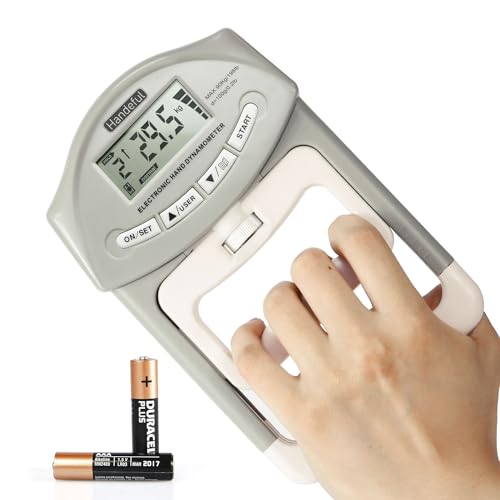
Grip Strength and Longevity: The One Thing That Reveals How Well You’re Aging (and It’s Not Lifting Weights) If you’ve ever wrestled with a jar of peanut butter and lost, keep reading. That little moment of frustration in the kitchen might be telling you something much bigger. Researchers now believe grip strength and longevity are so closely linked that your grip may be one of the best predictors of how well you’ll age. Better than your weight, and honestly, even better than how much you can bench press. As a trainer in my 60s, I love this news. Because you don’t need to be an athlete to have a great grip. Grip strength is about opening jars, carrying groceries in one trip, holding the railing on an icy Minneapolis sidewalk, and picking up a grandchild without a second thought. Real life stuff. So let’s talk about what the research actually says, how to test your own grip in under a minute, and the simple ways to build it starting today. What the Research Says About Grip Strength and Longevity And no, this isn’t one small study making headlines. Researchers have been landing on the same finding for over a decade. A landmark study published in The Lancet followed nearly 140,000 adults ages 35 to 70 across 17 countries. The finding? For every 5 kilogram (about 11 pound) decrease in grip strength, the risk of dying during the four-year follow-up went up 16%. The researchers concluded that measuring grip strength is a simple, inexpensive way to assess risk for all-cause death and cardiovascular disease. Read this twice: a 16% higher risk of death, tied to something you can measure at home with a $25 gadget. And a 2019 review in Clinical Interventions in Aging, which looked at decades of research, went so far as to call grip strength an “indispensable biomarker” for older adults. Doctors love this test because it’s simple. No treadmill stress test, no jumping, no athleticism required. Just squeeze. Why Your Grip Is a Window Into Your Whole Body Here’s the part I really want you to understand: it’s not the grip itself that keeps you alive. Nobody ever added ten years to her life by squeezing a stress ball on the couch. Your grip is a proxy. When your hands and forearms are strong, it almost always means the rest of you is strong too. When grip starts slipping (struggling with jar lids and bottle caps that used to be easy), it can be an early sign that muscle everywhere is quietly declining. And we lose muscle naturally as we age, roughly 3 to 8% per decade starting in our 30s if we don’t fight back. That’s why the answer to a weakening grip is NOT a hand exercise program but a whole-body strength program. The women I train who lift weights twice a week? Their grip takes care of itself. One caveat: a weak or painful grip can also come from arthritis or an old injury, so if squeezing hurts, get it checked out before you start training. The 1-Minute Test You Can Do Today Want to know where you stand? Try a dead hang. Grab a pull-up bar (a doorway bar works great), grip it with both hands, and let your feet come off the ground. Then just hang there. No pulling up required! Here’s what to aim for: Under 20 seconds: your grip needs work, and I’d bet your overall strength does too. No shame. Start where you are. 30 seconds: a solid baseline for women over 40. 60 seconds: excellent. A full minute of hanging is a fantastic marker of grip strength, shoulder health, and core strength all at once. The best part? The dead hang is both the test and the exercise. Hanging a few times a week decompresses your spine, opens up tight shoulders, and builds grip fast. If you want an actual number to track, a hand dynamometer is the same tool used in the research studies. You squeeze it, it gives you a reading in kilograms, and you can watch your number climb over time. I’m a data girl (my Oura Ring can confirm), so I love a measurable win. Grip Strength Tester, Hand Grip Dynamometer $25.99 Buy Now We earn a commission if you make a purchase, at no additional cost to you. 07/15/2026 09:05 pm GMT 6 Ways to Build Your Grip (and Your Whole Body) You don’t need a fancy program. You need a few moves done consistently. Here are my favorites: Farmer’s carry. Pick up a heavy dumbbell or kettlebell in each hand, stand tall, and walk 30 to 60 seconds. This is my number one. It trains grip, core, posture, and bone density in one move, and it’s exactly what carrying groceries asks of your body. Dead hangs. Covered above! Start with 10 to 20 seconds, build to a minute. Keep your shoulders pulled down away from your ears. Suitcase carry. A farmer’s carry with only one weight. Your core has to fight the urge to lean, so you get grip work and waist work together. Towel wring-outs. Soak a bath towel, then wring it out hard in both directions until your forearms burn. It’s old-school, and it works. Rows and deadlifts. Any pulling exercise where your hands hold the weight (dumbbell rows, deadlifts, lat pulldowns) builds grip automatically. Skip the lifting straps and let your hands do the work. Carry your own groceries. Seriously! Skip the cart when you can, carry the basket, take the heavy bag in one trip. Daily life is a grip workout if you let it be. Aim for grip work two or three times a week, tucked into the strength training you’re already doing. And if you’re not strength training yet, this is your sign. Strength training is healthcare, and after 40 it’s non-negotiable. Use my favorite strength training moves for women over 50 to get started! A Few Inexpensive Tools That Make It Easy You truly

Grip Strength and Longevity: The One Thing That Reveals How Well You’re Aging (and It’s Not Lifting Weights) Read More »

4 Shoes I’ve Walked 20,000+ Steps In Without Foot Pain

4 Shoes I’ve Walked 20,000+ Steps In Without Foot Pain I get asked this all the time: what shoes can you actually walk all day in and still have your feet feel good at the end of it? And, I get why women ask. A shoe can look great when you first put it on, but that doesn’t mean it’s going to hold up when you’re 12,000 steps in, your arches are tired, and you still have half the day to go. As a personal trainer and a seasoned walker, I feel very qualified to talk about this. Walking is part of my everyday life. I walk at home, I walk when I travel, and I’ve tested shoes on real streets, real vacations, and real long walks and hikes. So when I say these are shoes I’d recommend for long-distance walking, I’m not guessing. I’m sharing the pairs that have truly worked for me. These shoes give me the combination I care about most: arch support, cushioning, comfort, and the ability to keep going without my feet hurting later. What I Look for in a Shoe for Long Walking Days When I’m choosing a comfortable and supportive shoe for big walking days, I keep it simple. I want cushioning, but not so much that I feel unstable. I want arch support that helps my whole body feel better. I want enough room in the toe box so my feet don’t feel cramped. And I want a shoe that still feels good hour after hour, not just for the first 20 minutes. Now let’s get to the shoes. 1. Nortiv8 Active Float Walking/Running Shoe This has been the number one best-selling shoe in my Amazon storefront, and honestly, I understand why. It’s cushioned, has great arch support, and a roomy toe box. It’s one of my favorite budget-friendly athletic shoes, and I’ve been wearing this brand for about two years now. The feel really reminds me of the Hoka Clifton in both comfort and performance, but at about one-third of the price. Sometimes you want a shoe that feels a little softer and more forgiving, especially if your feet are sensitive or you’re logging a lot of miles. This is that shoe for me. I’ve had plenty of days over 20,000 steps in this pair, and it has held up so well. Why I Like It Soft but supportive cushioning Great arch and heel support Lightweight and breathable mesh upper Roomy toe box for long walking days Excellent value for the price Best For Women who want an affordable athletic walking shoe that feels supportive, cushioned, and comfortable for all-day wear. Shop It Here NORTIV 8 Women’s Walking Shoes – Cushion Tennis Shoes Check Price We earn a commission if you make a purchase, at no additional cost to you. 2. ALLSWIFIT Road Running Shoe This was my walking shoe all over France! I wore this pair on the days we hiked and walked for miles, and it passed the test beautifully. We walked all day, and my feet still felt supported, cushioned, and comfortable by the end of it. That’s what made this pair stand out to me. It reminds me a lot of the Hoka Bondi. It has that super-cushioned, supportive, protective feeling that makes long days of walking or standing much easier on your feet. It also has slight rocker technology that helps propel you forward, along with max cushioning. It’s made for both walking and running, and I think it has a sporty, modern look too. Why I Like It Maximum cushioning for high-step days Strong arch and heel support Lightweight and breathable Toe box allows room for your feet to spread naturally Great for travel and sightseeing Best For Women who want maximum cushion, lots of support, and a shoe that travels well. Shop It Here Women s Road Running & Walking Shoes Check Price We earn a commission if you make a purchase, at no additional cost to you. 3. Paul Green Hadley Sneaker This one is a little different from the others because it doesn’t look like an athletic shoe. It looks more like a fashion sneaker, which is exactly why I wanted to include it. My sister just got back from Italy, and she walked 20,000 steps a day in this pair. She has foot issues, so she’s not someone who can wear just anything and hope for the best. This was the shoe she was told to wear, and she came back raving that her feet felt amazing the entire trip. If you can spend the money, you won’t be disappointed. Paul Green is known for quality comfort shoes, and this one really seems to hit that sweet spot between style and support. If you want a shoe that looks polished and pulled together but still feels comfortable enough for travel, this is a strong option. Not every day calls for a workout shoe. Sometimes you want to stay comfortable and still feel stylish in your outfit. This shoe gives you that. Why I Like It Stylish without sacrificing comfort Great for travel and city walking Supportive enough for women with foot issues Elevated look compared to athletic sneakers Extremely comfortable right out of the box After my sister gave these such a rave review, I ordered them too. They may honestly be the most comfortable “fashion” sneaker I’ve ever worn. They’re definitely coming with me on my trip to Greece, apparently this is my year of international travel! Best For Women with foot issues, travel days, city walking, and anyone who wants comfort in a more elevated sneaker. Fit Note Size down a half size. Shop It Here Shop the Paul Green Hadley Sneaker here. 4. Teva Women’s Original Universal Slim Lea Sandal I have women ask me all the time: is there really such a thing as a sandal you can walk long distances in? And my answer is yes, but not every sandal is up for the job.

4 Shoes I’ve Walked 20,000+ Steps In Without Foot Pain Read More »

The 5 Pillars of Fitness Every Woman Needs During Menopause

The 5 Pillars of Fitness Every Woman Needs During Menopause Menopause changes your body, but that doesn’t mean you stop feeling strong, energetic, and confident. In fact, this stage of life is one of the most important times to move your body with purpose. As a 60-year-old trainer who has worked with women for decades, I can tell you this: the workouts that worked in your 20s and 30s may not serve you the same way now. Hormonal shifts affect muscle mass, bone density, metabolism, sleep, recovery, and even balance. That’s why a smarter, more balanced approach matters. The good news? You don’t need punishing workouts or hours at the gym. The best menopause workout plan focuses on five key areas that support healthy aging, mobility, strength, and overall wellness. When you combine these pillars consistently, you build a body that feels capable for the long haul. Here are the five areas I encourage every woman in midlife to prioritize. 1. Resistance Training for Muscle, Bones, and Metabolism If there’s one thing I want women over 40 to embrace, it’s strength training. During menopause, declining estrogen contributes to muscle loss and decreased bone density. This can affect everything from metabolism to posture to everyday energy levels. Resistance training helps counteract those changes. Strength training can: Preserve lean muscle mass Support bone health Improve posture and balance Help maintain a healthy metabolism Increase confidence and functional strength And no, lifting weights will not make you bulky. That’s just one of those common women’s fitness myths I’m begging you to ignore. I often tell women that strength training is about building capability. You want to carry groceries with ease, get up off the floor comfortably, travel confidently, and stay independent as you age. Beginner-Friendly Resistance Exercises Squats Deadlifts Push-ups with modifications Resistance band rows Dumbbell shoulder presses If you’re new to strength training, start with two to three sessions per week and focus on consistency over intensity. Use my favorite strength training moves for women over 50 to get started! At 60, I still prioritize lifting weights because I feel stronger, steadier, and more energized when I do. Helpful Gear A good pair of dumbbells and resistance bands can completely transform home workouts. I also love supportive training shoes that cushion joints during strength sessions. CAP Barbell Coated Dumbbell Weight Check Price We earn a commission if you make a purchase, at no additional cost to you. Women s Road Running & Walking Shoes Check Price We earn a commission if you make a purchase, at no additional cost to you. Resistance Bands with Handles Check Price We earn a commission if you make a purchase, at no additional cost to you. 2. Mobility Work to Keep Joints Healthy Many women notice increased stiffness during menopause. Hips feel tighter. Shoulders ache. Getting out of bed suddenly takes a minute longer. Mobility training helps keep your joints moving well and supports better movement patterns during daily life and workouts. Mobility is different from flexibility. Flexibility focuses on muscle length, while mobility helps improve how your joints move through their full range of motion. This becomes especially important during midlife because: Estrogen changes can impact connective tissue Sedentary habits increase stiffness Joint discomfort becomes more common Recovery may take longer Simple Ways to Improve Mobility Dynamic warm up stretching before workouts Foam rolling Yoga flows Hip openers Thoracic spine rotations Ankle mobility drills Even 10 minutes daily can make a noticeable difference. I personally love adding mobility work in the morning because it helps me feel less stiff and more energized for the day ahead. Use my favorite mobility exercises to get started! Joint-Friendly Tip Low-impact workouts like yoga, Pilates, and walking pair beautifully with mobility training during menopause. If your knees or hips are sensitive, choose supportive mats and foam rollers that provide extra cushioning and stability. Amazon Basics High Density Foam Roller for Exercise and Recovery $24.99 Buy Now We earn a commission if you make a purchase, at no additional cost to you. 05/22/2026 06:02 am GMT 3. Balance Training to Prevent Falls and Build Confidence Balance often gets overlooked until we start noticing changes. Hormonal shifts, muscle loss, and aging can all affect stability and coordination. Practicing balance exercises now helps prevent falls later and improves confidence in everyday movement. Balance training also strengthens smaller stabilizing muscles that support your joints. Easy Balance Exercises to Try Standing on one foot Heel-to-toe walking Step-ups Single-leg deadlifts Stability ball exercises Tai chi or daily yoga Explore my favorite balance exercises for seniors as a gentle way to get started. One of my favorite habits is practicing balance while brushing my teeth. It sounds simple, but those little moments challenge your body in functional ways. Why Balance Matters During Menopause Good balance supports: Joint stability Core strength Coordination Better posture Injury prevention And honestly, feeling steady and confident in your body is empowering at every age. 4. Cardiovascular Exercise for Heart Health and Energy Heart health becomes increasingly important after menopause. Estrogen helps protect cardiovascular health, so when levels decline, women may face a higher risk of heart disease. That’s why cardio matters, but it doesn’t have to mean endless high-intensity workouts. The goal is to keep your heart healthy while supporting recovery and reducing stress on your joints. Menopause-Friendly Cardio Options Walking Cycling Swimming Hiking Low-impact HIIT Dance workouts Walking remains one of my favorite forms of cardio because it’s accessible, gentle on joints, and incredibly effective. I always encourage women to find movement they genuinely enjoy because consistency matters more than perfection. How Much Cardio Do You Need? Aim for: 150 minutes of moderate cardio weeklyor 75 minutes of vigorous cardio You can break this into manageable sessions that fit your schedule. Walking Essentials Supportive walking shoes are worth every penny during midlife. Proper cushioning and arch support can make a huge difference for knees, hips, and lower back comfort. I put together a guide on how to choose comfortable

The 5 Pillars of Fitness Every Woman Needs During Menopause Read More »

Best Bras for Older Women (2026): Comfortable & Supportive Picks I Actually Wear

Best Bras for Older Women (2026): Comfortable & Supportive Picks I Actually Wear Alright, let’s get real, our bodies change as we age. Whether it’s shifts in breast tissue, posture changes, or just that “why-doesn’t-this-fit-like-it-used-to” feeling, finding the best bras for older women can be a challenge. Ill-fitting bras, uncomfortable straps, and lack of support? No, thank you! But here’s the good news: You don’t have to settle for discomfort. There are truly comfortable bras for older women that actually support your body the way it is now. As a middle aged fitness and women’s health expert who has been through menopause, I know firsthand how important it is to feel supported, literally! That’s why I’m breaking down everything you need to know about choosing the best bras for women over 50. Whether you need an everyday bra, something supportive for workouts, or just a comfy go-to, I’ve got you covered. Let’s dive in! Why Bra Shopping Changes in Middle Age As we age, our bodies go through some natural changes that impact how our bras fit and feel. Here are a few key things to keep in mind: Loss of elasticity and collagen: Our skin and breast tissue lose some firmness, which can lead to sagging and that dreaded “bra bulge.” Changes in rib cage and back shape: Posture shifts and ribcage expansion can affect band size. Increased sensitivity: Thinner skin can make certain fabrics or seams feel irritating. Menopause and hot flashes: Breathable, moisture-wicking bras become essential. Finding the right supportive bras for mature women can make all the difference in your daily comfort and confidence. PS. A lot of these same challenges happen when shopping for swimsuits. Check out my full guide to flattering bathing suits for women over 50 to see the best suits I’ve found to date! My Favorite Sports Bras for Older Women I’m starting with sports bras because I wear athletic clothes about 70% of the time, and the right sports bras for older women are essential for comfort and support. I sometimes wear a sports bra all day. Check out my all-time favorites below! Criss Cross Sports Bra (Lululemon Energy Bra Lookalike) This is my all time favorite. I love the comfort and support this sports bra gives me without cutting into my back or shoulders. I own six colors! Sizing Available: XS-XL Strappy Sports Bra (High Support) This bra is comfortable and offers high supportive with soft breathable fabric. It has more coverage over the breast area and wide straps. It comes in tons of fun color options! Sizing Options: XS-3XL Sports Bra for Larger Chests (Top Rated!) For all my larger chest girls, this supportive sports bra designed for you. It comes in tons of sizes, color options and made of a soft, supportive fabric. Shop from 30B to 48D-F, or from S to 4XL! Sizing Options: S-4XL Strappy Y Back Sports Bra (Lululemon Flow Y Bra Lookalike) Try this Amazon sports bra under $30 if you’re looking for a light support option for less! The thiner straps are great for smaller chests and look great with tank tops. Check out even more great Lululemon lookalikes on Amazon! Sizing Options: XS-XL Product Image Product Name Primary Button CRZ YOGA Women’s Strappy Sports Bra Check Price RUNNING GIRL Sports Bra for Women, Criss-Cross Back Check Price SHAPERMINT Bras for Women – Bras for Women no Underwire Check Price CRZ YOGA Butterluxe Womens Y Back Sports Bra Check Price CRZ YOGA Women’s Strappy Sports Bra Check Price RUNNING GIRL Sports Bra for Women, Criss-Cross Back Check Price SHAPERMINT Bras for Women – Bras for Women no Underwire Check Price CRZ YOGA Butterluxe Womens Y Back Sports Bra Check Price My Favorite Everyday Bras for Older Women An everyday bra should feel comfortable, supportive, and effortless, something you can wear all day without a second thought. PS. Once you find the perfect everyday bra for you, explore my list of the best summer dresses for women over 50 to pair with it! These are my favorites! Seamless Bra with No Clasp (Regular Style) This bra looks smooth under t-shirts and is so comfortable. It doesn’t have a clasp in the back so it’s nice and flat on the back side. Feels like a sports bra but it’s not! Sizing Options: XS-2XL Seamless Bra (V-Neck Style) This bra is popular for a reason. It feels like you bought it at an expensive department store but you didn’t pay that price. It’s soft, supportive, lifting, very smooth and looks great with lower cut tanks and t-shirts. This one has thinner straps but still very comfortable and supportive.   Sizing Options: S-3XL Seamless Push Up Bra This is the same great brand as the bra above, but in a push up style to give even a little more lift. The same soft fabric and thinner straps. Sizing Options: S to 3XL Deep V Style Seamless Bra This is another style from the same great brand! This is their most popular style because of the thicker straps-no digging into the shoulders. Plus, this deep v style is so comfortable, I forget I’m even wearing a regular style bra. It’s perfect for super low cut tops, blouses or other styles that might show a regular cut bra. Sizing Options: S to 3XL Comfortable Triangle Bralette This comfortable bralette style is great for those with smaller chests or prefer less support. It has no underwire and no clasp. Pull on design! Sizing Options: XS to XL The Best Strapless Bra for Older Women I wear strapless bras all the time, and this one has the perfect amount of padding, and a little grippy on the inside so it actually stays up! No underwire (which I don’t like) but lot of support. Sizing Options: S-XL How I Choose the Best Bras for Older Women When it comes to bras, comfort and support are non-negotiable, especially as we age. The right design, fabric, and fit can make all the difference. Plus, wearing

Read More »

How to Build Muscle After Menopause and Burn More Fat

How to Build Muscle After Menopause and Burn More Fat Menopause brings a wave of changes, some expected, some less so. One of the biggest challenges? Losing muscle mass and gaining unwanted fat. But here’s the good news: with the right approach, you can regain strength, build lean muscle, and fire up your metabolism well into your 50s, 60s, and beyond. I’m a personal trainer and health coach with over 35 years of experience. And let me tell you, there is a lot I do differently at 60 vs 40! I’ve been through menopause myself, and I know firsthand that staying strong is one of the best things you can do for your long-term health. Let’s break down what’s happening in your body and how you can take control with strength training, smart nutrition, and lifestyle shifts. Understanding the Physiological Changes of Menopause and Muscle Loss When a woman tells me it seems harder to keep muscle on after menopause, it’s true. But keeping a positive attitude, it’s not impossible. There are a few things that come to light at this time of life. Hormonal Shifts and Their Impact on Muscle Protein Synthesis As estrogen levels decline, muscle protein synthesis slows down. This means your body doesn’t rebuild and repair muscle tissue as efficiently as it used to. At the same time, progesterone and testosterone, two hormones that also play a role in muscle maintenance, shift, leading to an increased risk of muscle loss. The result? If you’re not actively strength training, you could be losing half a pound of muscle per year after 35! The Connection Between Menopause, Sarcopenia, and Osteoporosis Sarcopenia is the age-related loss of muscle mass, and it’s closely linked to osteoporosis. When muscles shrink, bone density tends to follow. The stronger your muscles are, the more they protect your bones, helping to prevent fractures and maintain independence as you age. That’s why weight-bearing exercises and resistance training are essential for keeping both your muscles and bones strong. Check out these 8 simple strength exercises to prevent menopause muscle loss. Increased Inflammation and Insulin Resistance: Barriers to Muscle Growth Menopause often brings low-grade inflammation, which can make it harder to build muscle and recover from workouts. Insulin resistance is another challenge, as shifting hormone levels can make it easier to store fat, especially around the belly, while making it harder to use glucose for energy. The key? Managing inflammation through exercise and an anti-inflammatory diet. How I Use Strength Training for Muscle Growth Post-Menopause There isn’t a short cut to maintaining muscle in menopause and there isn’t a pill you can take, you have to put in the hard work. Prioritizing Compound Exercises for Maximum Muscle Activation If you’re only doing isolated exercises (think: bicep curls or leg lifts), you’re missing out. Compound movements for muscle building like squats, lunges, deadlifts, and push-ups engage multiple muscle groups at once, helping you build strength faster and burn more calories. Check out the benefits of functional strength training and how it can keep you stronger in everyday life! Progressive Overload: The Key to Continuous Muscle Adaptation Your muscles need a reason to grow, which means gradually increasing the challenge. Whether it’s lifting heavier weights, doing a resistance band workout, increasing reps, or slowing down movements to create more time under tension, progressive overload when lifting weights is how you continue making gains. Optimal Training Frequency and Volume for Post-Menopausal Women The sweet spot? Resistance training at least 2-4 times a week, working each major muscle group at least twice. Recovery is just as important, so don’t forget rest days. See how I prevent joint pain during exercise in middle age. And don’t forget about cardio! Explore the differences between cardio vs. strength training, and how to find the right balance for your goals. Incorporating High-Intensity Interval Training (HIIT) for Fat Loss and Muscle Preservation HIIT isn’t just for younger athletes, it’s one of the best ways to maintain muscle and burn fat. The short bursts of intense work followed by rest periods help rev up your metabolism and preserve lean muscle while keeping workouts efficient. I love my moderate intensity daily walks for getting in steps and keeping active during the day but if you are capable, try fitting in one or two HIIT workouts per week. I also make sure to use a walking pad during my work day to get extra steps. Addressing Pelvic Floor Health and Core Stability in Strength Training A strong core is non-negotiable, especially post-menopause. Your core connects your upper body and lower body, supports balance, and protects your back. But one area that often gets overlooked? The pelvic floor. Many women experience a weakening of these muscles after menopause, leading to issues like urinary incontinence, cue the dreaded sneeze, laugh, or jump that results in an unexpected leak. The good news? You can train your pelvic floor just like any other muscle. Incorporating exercises like planks, deadbugs, and glute bridges helps build overall core strength, but adding in intentional pelvic floor activation, like Kegels, diaphragmatic breathing, and Pilates-based movements, can make a huge difference. Nutritional Considerations for Muscle Growth During and After Menopause What you put in your mouth in your midlife makes a big difference. Fueling for strength and better energy is key to your overall well being. You may not realize it yet, but food can help you manage menopause! Check out why: Prioritizing Protein Intake: Sources and Timing Protein is your best friend for muscle maintenance and recovery. Plus protein helps keep you feeling full. Aim for at least 20-30 grams of high-quality protein per meal from sources like lean meats, fish, eggs, Greek yogurt, and plant-based options like lentils and tofu. See how I get 30 gram of protein in every meal! Use my Free Protein Calculator to see exactly how much protein you should target for your weight and activity level. The Role of Carbohydrates and Healthy Fats in Muscle Recovery and Hormone Balance Carbs

How to Build Muscle After Menopause and Burn More Fat Read More »