Can Some Foods Lower Blood Sugar?
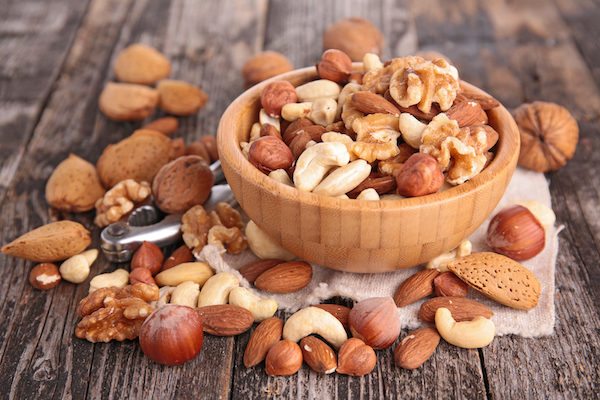
Can Some Foods Lower Blood Sugar? If you’re trying to keep your blood glucose within a healthy range, you may be wondering which foods are best. Short answer: There are no foods that lower blood sugar. That’s because the carbohydrates (and sometimes proteins) we get from food are converted into glucose, which acts as the body’s main source of energy. So most foods will cause at least a slight post-meal, or postprandial, increase in blood sugar. The good news? “Food can definitely help support healthy blood sugar levels,” says Andrea N. Giancoli, MPH, RD. Find out how below, with seven types of foods least likely to spike blood sugar, along with the glycemic impacts of the most frequently searched individual foods. Glucose Glossary To understand how food affects blood sugar, it helps to learn the lingo. Glucose: Known in blood as serum glucose or blood sugar, this is the body’s main source of usable energy. In food, glucose is one of three simple sugars, or monosaccharides, including fructose and galactose. Insulin: Hormone produced and released by the pancreas that directs the flow of sugar from blood into cells for use. Glucose spike: The release of sugar into the bloodstream following a meal in amounts that exceed the normal range. Can disrupt hormone balance when chronic. Glycemic index: A score assigned to specific foods based on how quickly they cause insulin and blood sugar levels to rise after eating them. Glycemic load: A value assigned to specific foods based on their glycemic index score and a standard portion size to better predict how they will impact blood sugar. Fiber: Plant-based carbohydrate that your body can’t break down. When present in food, it can slow the absorption of digestible carbohydrate (sugar). 7 Foods That Support Healthy Blood Glucose Nuts and Seeds // Fibrous Vegetables // Whole Fruit // Whole Grains // Legumes // Fatty Fish // Vinegar When trying to determine whether a food will spike your blood sugar, it’s helpful to consult its score on the glycemic index. A food’s GI score is based on how quickly it causes insulin and serum (blood) glucose levels to rise after eating it. The glycemic index ranks food on a scale of 0 to 100 based on 50 grams of carbohydrates from that food. Pure glucose clocks in at 100, while a score of 55 and under is considered low and, therefore, unlikely to seriously spike blood sugar. If you want to take that scrutiny further, consider a food’s glycemic load, which builds on the glycemic index by factoring the amount of a given food you’re actually likely to eat in one sitting when scoring its impact on blood sugar. For instance, a beet’s GI score is 64, while rice scores 53. But you would have to eat nearly four cups of beets to reach 50 grams of carbs; with rice it’s just one cup. That makes the glycemic load of beets 6 compared with 18 for that of rice. 1. Nuts and seeds Rich in unsaturated fat, fiber, and valuable minerals, nuts consumed daily can have a favorable effect on blood sugar levels as well as helping support healthy blood pressure and cholesterol levels. “They’re higher in healthier fats and may potentially increase sensitivity to insulin,” Giancoli says. (Of course, nuts are still high in calories, so you should still eat them in moderation.) Peanuts Almonds Cashews Walnuts Pecans Pistachios Brazil nuts Macadamia nuts Chia seeds Flaxseed (whole) Pumpkin seeds Sesame seeds Sunflower seeds Fenugreek seeds Does peanut butter spike blood sugar? Among the foods most commonly searched for their effects on blood sugar, peanut butter that contains no added sugar has been found to have a healthy effect on blood glucose, no different than raw peanuts. That means consuming natural peanut butter, with its combination of high protein, fiber, and healthy fats. Does almond milk spike blood sugar? The diversity of almond milk formulations varies so widely it’s impossible to rule definitively on whether or not it will send serum glucose levels soaring. The difference is in how much sugar is added to the mixture. Almond milk is also typically low in protein, meaning it offers less of the nutrient to help slow sugar absorption. If you want the real thing, consider making your own almond milk. 2. Non-starchy vegetables Starchy vegetables like corn and potatoes are rich in nutrients, but they can bump up blood sugar levels relatively quickly. Their water-based counterparts — like asparagus, broccoli, leafy greens, peppers, summer squash, and tomatoes — are great choices when you’re trying to help support healthy blood sugar levels. “They’re not causing a spike in your blood sugar, they’re lower in carbohydrates, and they add a lot to your meal,” Giancoli says. Spinach Kale Broccoli Tomato Carrots Asparagus Mushrooms Squash Cabbage Cucumber Beets Cauliflower Brussels sprouts Celery Eggplant Collard greens Okra Radish Lettuce (romaine, arugula, butter) Do sweet potatoes spike blood sugar? The glycemic response of sweet potatoes isn’t simply defined either, since it depends on how they’re cooked. Resistant starch, which normally isn’t digested and thereby helps limit blood sugar spikes, can be lost in cooking processes like roasting, baking, and frying. Boiling, however, helps preserve it. Do carrots spike blood sugar? As their appearance on the list above indicates, carrots do not significantly impact blood sugar. While their GI score can increase when cooked, they still fall within the low-GI threshold. 3. Whole fruit Yes, fruit has a lot of natural sugar in it, but don’t let that deter you. “We shouldn’t be worried about eating fruit and it spiking our blood sugar,” Giancoli says. “You’re not going to get that same spike as with sugar on its own.” Plus, all that fruit sugar comes in a tidy package complete with fiber, water, and micronutrients. And research suggests a diet rich in whole fruits — especially blueberries, grapes, and apples — may be associated with healthy blood sugar. If you’re looking for foods with a lower impact on serum glucose, whole fruits also tend to be a
Can Some Foods Lower Blood Sugar? Read More »