fitness tips

Auto Added by WPeMatico

The Weekly Roundup: Your Go-To Guide For Everything You May Have Missed This Week & More! 1/17-1/23

The Weekly Roundup: Your Go-To Guide For Everything You May Have Missed This Week & More! 1/17-1/23 Welcome to Ben Greenfield’s Weekly Roundup! In this weekly post, I share with you my most interesting discoveries of the The post The Weekly Roundup: Your Go-To Guide For Everything You May Have Missed This Week & More! 1/17-1/23 appeared first on Ben Greenfield Life – Health, Diet, Fitness, Family & Faith. Welcome to Ben Greenfield’s Weekly Roundup! In this weekly post, I share with you my most interesting discoveries of the The post The Weekly Roundup: Your Go-To Guide For Everything You May Have Missed This Week & More! 1/17-1/23 appeared first on Ben Greenfield Life – Health, Diet, Fitness, Family & Faith. Miguel Vences{authorlink}https://bengreenfieldlife.com/article/wkru1-17-1-23/Articles by Ben Greenfield – Ben Greenfield Fitness Discover the best life-hacking secrets for body, mind and spirit optimization, personal productivity, work-life balance, family, relationships, survival, spirituality & more! https://bengreenfieldlife.com/wp-content/uploads/2022/02/cropped-BGL-Favicon-negative-5@512-32×32.png

Read More »

The Weekly Roundup: Your Go-To Guide For Everything You May Have Missed This Week & More! 1/10-1/16

The Weekly Roundup: Your Go-To Guide For Everything You May Have Missed This Week & More! 1/10-1/16 Welcome to Ben Greenfield’s Weekly Roundup! In this weekly post, I share with you my most interesting discoveries of the The post The Weekly Roundup: Your Go-To Guide For Everything You May Have Missed This Week & More! 1/10-1/16 appeared first on Ben Greenfield Life – Health, Diet, Fitness, Family & Faith. Welcome to Ben Greenfield’s Weekly Roundup! In this weekly post, I share with you my most interesting discoveries of the The post The Weekly Roundup: Your Go-To Guide For Everything You May Have Missed This Week & More! 1/10-1/16 appeared first on Ben Greenfield Life – Health, Diet, Fitness, Family & Faith. Miguel Vences{authorlink}https://bengreenfieldlife.com/article/wkru1-10-1-16/Articles by Ben Greenfield – Ben Greenfield Fitness Discover the best life-hacking secrets for body, mind and spirit optimization, personal productivity, work-life balance, family, relationships, survival, spirituality & more! https://bengreenfieldlife.com/wp-content/uploads/2022/02/cropped-BGL-Favicon-negative-5@512-32×32.png

Read More »

How Much Muscle Can You Gain in a Month?

How Much Muscle Can You Gain in a Month? Want to know how to identify a fitness pro who’s knowledgeable and trustworthy? Ask them how much muscle you can gain in a month. If they give you any answer other than “it depends,” work with someone else. In a world that values quick fixes, it’s natural to wonder just how soon a training plan will start to yield visible results. But hypertrophy — or the growth of skeletal muscle fibers — is a complicated equation with multiple variables. Biological sex, genetics, nutrition, training, sleep habits, and current fitness level all play a role. “To say how much someone will gain is an impossible question to answer,” says Todd Buckingham, Ph.D., chief exercise physiologist at The Bucking Fit Life, a wellness coaching company. “I couldn’t even answer that question for myself, to be honest.” And if someone does quote you a specific quantity of pounds or inches? “They’re full of it!” jokes Buckingham. While no one can accurately predict how much muscle you can gain in a month, you can use what we know about muscle growth to optimize your training and lifestyle to work toward your body composition goals. Here’s what you need to know. How Muscle Is Formed Hypertrophy is the body’s way of adapting to new or increased stimuli, explains Buckingham. This comes in the form of mechanical stress and metabolic stress. Mechanical stress refers to the force placed on your muscles during resistance training, which causes micro-tears in your muscle fibers. “Your body has to repair and rebuild these micro-tears to make your muscles bigger and stronger, so that the next time that you do the same activity or lift the same weight, they don’t get damaged as much as they did the previous time,” Buckingham explains. Metabolic stress occurs when you work your muscles to the point where “metabolic waste” (a byproduct of energy production) accumulates in your body faster than it can be removed. But where does the balance lie between mechanical stress and metabolic stress when it comes to building lean mass? According to research from one of the leading exercise scientists, Brad Schoenfeld, Ph.D., CSCS, “mechanical and metabolic stress occur in tandem, making it difficult to tease out the effects of one from the other.” What we do know is that actual muscle building happens between workouts when your body is at rest. “While you’re lifting, you’re actually breaking down your muscle, but it’s afterward that it gets built up,” Buckingham says. What’s more, the hormones that facilitate muscle growth are mostly released at night. “That’s why sleep is really important for increasing muscle size,” he adds. How Quickly Can You Gain Muscle? While muscle growth happens at night, it certainly doesn’t happen overnight — several factors affect how quickly you can gain muscle. And while you might be focused on improvements in muscle at the start of a new fitness program, the most significant gains are actually happening in your nerves. “In the first eight to 12 weeks of beginning a strength-training program, the most impactful factor in improving your strength is neural adaptations,” Buckingham says. “Your nervous system becomes more efficient at sending messages from your brain to your muscles and recruiting more of the correct muscle fibers.” Buckingham likens it to completing a maze. The first couple of times you attempt it, you’re going to hit dead ends. But, over time and through repetition, you eventually learn the quickest path. “Lifting and recruiting muscle fibers is kind of the same thing,” he says. At first, your nervous system may recruit too many muscle fibers or the wrong muscle fibers altogether, but it eventually learns the quickest, most accurate path. And that’s when hypertrophy starts to become measurable. So, if you see little to no difference in your muscle size after a month of training, don’t quit! Your body is changing — you just can’t see it yet. Factors That Affect Muscle Growth Factors within and beyond your control determine how much muscle you can gain in a month (or any period of time). When setting any body composition goals, it’s important to consider the following. 1. Genetics Here’s the unfair truth about genes and muscle mass: You can follow the same diet, weightlifting program, and sleep schedule as someone else and experience entirely different results. Some research suggests heredity accounts for 50 to 80 percent of your muscle mass. Also, men tend to gain more muscle at a faster rate than women. “That’s primarily due to testosterone and growth hormone,” Buckingham says, since women have less. But research also shows that strength gains by women are typically similar to those achieved by men, meaning that they’re able to build brawn without adding bulk. 2. Age As we age, our anabolic (growth) hormone levels decrease, making it more challenging to gain muscle. Even the most dedicated lifters will eventually experience sarcopenia, a loss of muscle mass associated with later stages of life. “Strength training will help preserve some of that muscle mass, but it’s inevitable that, even if you continue lifting for the rest of your life, your muscle mass is going to decrease,” Buckingham says. 3. Diet and nutrition Most people understand that high protein intake is necessary for repairing and recovering muscle. Studies suggests that a range of 1.4 grams to 2.2 grams of protein per kilogram of body weight per day can be effective for building muscle. The other macronutrients — carbohydrates and fat — are also essential, as they’re integral to recovery and hormone production (among other physiological processes). Plus, you need adequate carbohydrates to fuel your training. Buckingham also notes that you must be in a caloric surplus to build muscle. “A lot of people want to lose weight but also gain muscle size, and that’s just not going to happen because, in order to gain muscle, you need to have extra calories.” 4. Rest and recovery “Sleep is where you release hormones that cause muscle growth,” Buckingham says. “So if you’re not sleeping enough, then you’re not causing those hormones to be released.” Aim to get at least seven

How Much Muscle Can You Gain in a Month? Read More »

The Weekly Roundup: Your Go-To Guide For Everything You May Have Missed This Week & More! 1/3-1/9

The Weekly Roundup: Your Go-To Guide For Everything You May Have Missed This Week & More! 1/3-1/9 Welcome to Ben Greenfield’s Weekly Roundup! In this weekly post, I share with you my most interesting discoveries of the The post The Weekly Roundup: Your Go-To Guide For Everything You May Have Missed This Week & More! 1/3-1/9 appeared first on Ben Greenfield Life – Health, Diet, Fitness, Family & Faith. Welcome to Ben Greenfield’s Weekly Roundup! In this weekly post, I share with you my most interesting discoveries of the The post The Weekly Roundup: Your Go-To Guide For Everything You May Have Missed This Week & More! 1/3-1/9 appeared first on Ben Greenfield Life – Health, Diet, Fitness, Family & Faith. Miguel Vences{authorlink}https://bengreenfieldlife.com/article/wkru1-3-1-9/Articles by Ben Greenfield – Ben Greenfield Fitness Discover the best life-hacking secrets for body, mind and spirit optimization, personal productivity, work-life balance, family, relationships, survival, spirituality & more! https://bengreenfieldlife.com/wp-content/uploads/2022/02/cropped-BGL-Favicon-negative-5@512-32×32.png

Read More »

What Is Sweat Made of?

What Is Sweat Made of? If you’re dripping in sweat after a workout, you know it’s time to rehydrate. But before you reach for your water bottle, it’s important to understand exactly what sweat is made of, because we lose more than just water when we sweat — we also lose electrolytes. Replacing these key minerals can help you hydrate more efficiently and maintain peak performance. Here’s what you need to know about the science behind sweat. Why Do We Sweat? Sweat is your body’s natural cooling system. When you’re feeling the heat — whether it’s from a hot day, a spicy meal, a nerve-wracking situation, or an intense workout — your body ramps up sweat production to stay cool. “Generally, we sweat to help regulate body temperature under hot conditions,” says Paul Falcone, MS, principal scientist at BODi. “When the water in the sweat evaporates, it cools the skin.” Your skin contains millions of sweat glands, and around a quart of sweat evaporates from your skin each day. What Do Our Bodies Lose in Sweat? “Sweat is made mostly of water and electrolytes, which are essential minerals in the body,” Falcone explains. Sweat may also contain traces of urea, uric acid, ammonia, vitamin C, and other substances. The primary electrolytes we lose when we sweat are sodium, potassium, magnesium, and calcium. These electrolytes serve a variety of important purposes within the body and help to keep your nerves, muscles, heart, and brain functioning properly. Electrolytes are so vital, Falcone adds, that their levels are tightly regulated within the body to help ensure that basic processes won’t be disrupted. So, when you’re working up a sweat during a longer workout, it’s important to replace the electrolytes you’re losing in addition to water. How to Replenish What’s Lost When We Sweat Water is essential for hydration — no surprises there. But during a longer workout — especially if you’re cranking up the intensity — a beverage like Beachbody Performance Hydrate can help replenish both fluids and electrolytes to help you maintain a higher level of performance.* That’s because — along with all their other duties — electrolytes play a critical role in hydration beverages by helping the body to absorb water more effectively and maintain an optimal balance of fluids. Adding Beachbody Performance Hydrate to your water bottle can help to replenish those electrolytes so you can rehydrate more efficiently. “Electrolytes help with the osmolality of the beverage, which means that it is easier for the body to absorb the water,” Falcone explains. This focus on osmolality makes Beachbody Performance Hydrate more beneficial for hydration than water alone. To ensure you’re getting the ideal balance of electrolytes, Beachbody Performance Hydrate is formulated with a scientifically backed combination of electrolytes and carbohydrates to optimize hydration, improve endurance, and help kick-start muscle recovery.* “Carbohydrate-electrolyte beverages have been demonstrated to support endurance in clinical studies,” Falcone says. “Carbohydrates provide fuel to working muscles, and electrolytes support several bodily processes necessary for exercise.” To get the most out of Beachbody Performance Hydrate, it’s best to drink it during or after a workout. Mix one serving with 8 ounces of water for every 30 minutes of exercise to help maintain fluid balance and support performance.*   * These statements have not been evaluated by the Food and Drug Administration. This product is not intended to diagnose, treat, cure, or prevent any disease. The post What Is Sweat Made of? appeared first on BODi. If you’re dripping in sweat after a workout, you know it’s time to rehydrate. But before you reach for your water bottle, it’s important to understand exactly what sweat is made of, because we lose more than just water when we sweat — we also lose electrolytes. Replacing these key minerals can help you hydrate […] The post What Is Sweat Made of? appeared first on BODi. Kara Wahlgren{authorlink}https://www.beachbodyondemand.com/blog/what-is-sweat-made-ofBODi BODi is a Health Esteem platform to help you embrace the person you are today so you can take action to achieve all your health and fitness goals. https://bodiblog.wpenginepowered.com/wp-content/plugins/bod-blog/assets/vendor/beachbodydigital/wordpress-core-plugins/beachbody.png

What Is Sweat Made of? Read More »

3 Reasons Why You Should Try Training Barefoot

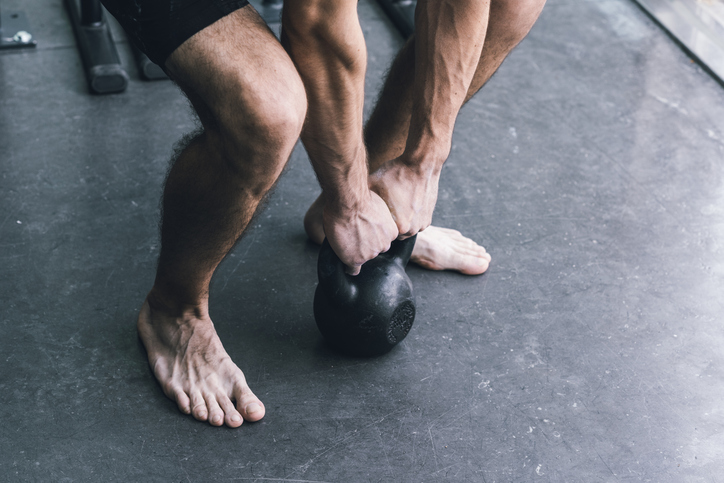
3 Reasons Why You Should Try Training Barefoot A supportive pair of shoes is the first item on most lists of essential workout gear, so how did barefoot training become popular? Look down and around, and you’re bound to see people doing all manner of fitness — from deadlifting to trail running — sans shoes. Are these unshod athletes just showing off, or are there real benefits to barefoot training? We checked in with the experts for their thoughts on the pros and cons of going shoeless so that you have all the info before jumping into this trend bare feet first. Is It Safe to Train Barefoot? Barring any environmental or health-related concerns, it’s probably safe to try barefoot training. However, there are some safety factors to consider. Environment Before ditching your kicks, the first thing to assess is your environment. While some fitness studios may allow you to go barefoot or even ask that you remove your shoes for certain activities, others may require athletic footwear for safety and hygiene reasons. Of course, you should follow the facility’s guidelines. If you tend to exercise outdoors, take a look around and use your best judgment. If the ground or anything on it could potentially cut, scrape, or burn your feet, keep your shoes on. Medical conditions Next, consider your own feet (and the body that’s connected to them). “Anyone who has any kind of sensory loss in their feet, or those at higher risk of sensory loss in their peripheries, like diabetics, should avoid training barefoot,” says Jack McNamara, MSc, CSCS, a lecturer in clinical exercise science at University of East London. If you have a chronic condition that affects your walking gait, McNamara recommends consulting a podiatrist before attempting barefoot training. A history of injuries (especially shin splints, ankle or foot pain, and stress fractures) also warrants a conversation with your doctor. Running experience If you’re considering running barefoot, start slow. Unless you’re an experienced runner, Niraj Vora, PT, co-founder of The Stride Shop in New Orleans, Louisiana, recommends starting with a walking program and foot-strengthening exercises before graduating to barefoot runs. “Our tendons, muscles, and bones undergo changes with consistent training that are critical to withstanding the stress that running puts on our bodies,” Vora says. “If you have been running consistently for more than a year, then we recommend starting with short bouts of barefoot running for 30 seconds to one minute mixed in with walking.” What Are the Benefits of Barefoot Training? Considering how much we pay for athletic shoes, there better be good reason for not wearing them. Here are a few potential benefits of barefoot training. 1. Greater foot mobility Some forms of exercise require foot mobility that’s restricted by shoes. If you’ve ever done an exercise like Pilates, you know that subtle changes in foot position (e.g., pointing the toes or flexing the foot) can affect the intensity of a movement or completely change its focus. And if yoga’s your jam, a clunky pair of sneakers will only throw off your balance and slow down your sun salutations. To experience the full range of motion of your toes, feet, and ankles, you need to go barefoot. 2. Stronger feet The springy soles of your favorite running shoes are comfy, but some experts believe all that cushioning may be making your foot muscles weaker. “Supportive shoes are designed to decrease the work that these [foot] muscles have to do, which is great in most cases,” says Dr. Mike Rushton, DPM, co-founder and medical director of Forward Motion Medical in St. George, Utah. “But, if you never let these muscles function properly, like anything else, they get weak and lose their ability to do their jobs effectively.” This can shortchange your athletic performance and eventually lead to muscle imbalances and injuries. “Barefoot training allows your feet to work naturally, engaging a whole new set of muscles that you probably didn’t know that you have,” Rushton says. 3. Improved body awareness Besides doing all the heavy lifting for your foot muscles, shoes also act as a barrier between the nerve endings in your feet and the surface on which you’re standing. Slipping off your shoes allows for a better sensory experience, which can help with proprioception, or your awareness of your body and how it moves in relation to its surroundings. Being able to feel the ground beneath you may also help you achieve better form and alignment in certain lifts. “Squatting barefoot can help build flexibility in the ankles and hips as the knees track forward and backward, which helps properly target the hip flexors and hamstrings,” says Jack Craig, CPT at Inside Bodybuilding. Can You Perform Barefoot Training if You Have Plantar Fasciitis? Plantar fasciitis occurs when the thick band of tissue connecting your heel bone to your toes becomes inflamed. It’s often very painful and should be evaluated by a medical professional. While you should listen to your own doctor’s recommendations regarding physical activity, it’s probably best to avoid barefoot training if you have plantar fasciitis. “Going barefoot for long periods of time should be avoided for people who have plantar fasciitis because the prolonged hard pressure of your heel and foot on solid ground can increase strain on the already inflamed foot arch and heel and can make symptoms of plantar fasciitis worse,” says Dr. Kristen Gasnick, PT, DPT. “Plantar fasciitis has a very strong link with footwear,” Gasnick says. “So making sure that you invest in proper fitting shoes with good shock absorption and foot support can help decrease your plantar fasciitis symptoms and improve your ability to walk barefoot without pain once the inflammation resolves.” Barefoot Training Shoes Intrigued but not yet ready to “bare” it all? These minimalist barefoot training shoes offer a barefoot-adjacent training experience while providing a barrier between you and the ground. Vivobarefoot Known for soles that are wide, flat, and flexible, Vivobarefoot offers a full line of minimalist shoes for the whole family. Vibram FiveFingers This is the
3 Reasons Why You Should Try Training Barefoot Read More »

Is Working Out Twice a Day Helping or Hurting Your Goals?

Is Working Out Twice a Day Helping or Hurting Your Goals? If you’re chasing specific fitness results, you may wonder whether working out twice a day will help you achieve them twice as fast. Once a relic of high school sports training, two-a-day workouts are now all over social media and are even included in some popular lifestyle programs. But should two-a-days be part of your workout routine? Does working out twice a day double the payoff or double the risk? Are There Benefits to Working Out Twice a Day? When it comes to the advantages of two-a-day workouts, “there really aren’t any unless you’re an elite athlete,” says Trevor Thieme, CSCS. “If you have enough gas in the tank to tackle two daily workouts, you likely aren’t going hard enough in either one to optimize your progress toward your goals.” To be clear, that doesn’t mean that you should never work out more than once a day. “If you’re too busy to complete your whole workout all at once on some days, go ahead and split it up,” Thieme says. You can also perform some moderate-intensity cardio on the same day as strength training, or vice versa — though you’d probably be better off doing them on different days altogether if you’re serious about endurance and/or strength gains. But “divide and conquer” isn’t your only option when you’re pressed for time. “You should also consider doing a higher-intensity, shorter workout rather than a longer one split into two parts,” Thieme suggests. “When you get right down to it, workout density trumps workout duration.” What Are the Cons of Two-a-Day Workouts? Unless you’re splitting one workout into two parts to accommodate your schedule, working out twice a day is more likely to hold back your progress than hasten it. 1. Increases your risk of overtraining In order to adapt to the training stimuli provided by your workouts, your body needs sufficient time to recover between them. “Pushing yourself too hard too often can put you on the fast track to overtraining,” warns Thieme. “That can not only land you in a training rut, but also increase your risk of injury.” 2. Decreases physical performance Burnout caused by overtraining will include a decrease in your performance during workouts. What’s worse, the effects of overtraining can spill into your everyday life, and include mood swings, insomnia, and loss of appetite. 3. Negatively affects muscle growth Building muscle mass is a process of creating micro-damage in your muscles, which triggers repair and adaptation processes that leave you stronger and fitter than before. But overtraining impedes muscle repair, recovery, and growth. If you’re not building muscle effectively, you’ll have a more challenging time reaching your goals. Should Beginners Work Out Twice a Day? In general, it’s not advised for beginners to work out twice a day. “There’s almost no reason to do two-a-days,” says Thieme. “Besides, most people have trouble finding time to do one workout a day, let alone two.” When you’re just starting out, focus on being consistent, not overzealous. Adding a second workout to your day can actually hinder your goals. Thieme explains that beginners are at the same risk of overtraining as everyone else. That’s because overtraining “occurs when you push yourself too hard, too often for your fitness level, whatever that fitness level is. No matter what your fitness level is, overtraining will put the brakes on your gains and increase your risk of injury.” 3 Ways to Reach Your Goals Faster “When it comes to fitness, more isn’t necessarily better,” says Thieme. Instead of working out twice a day, consider the following training ideas, so you can train smarter, not harder, to achieve your goals faster. 1. Focus on workout quality, not duration How long you work out is far less important than how you work out. “As long as your workouts are aligned with your fitness objectives and you challenge yourself multiple times a week, you will reach your goals,” he says. 2. Prioritize rest Rest days are just as important as your workouts, and you should prioritize them. Even if you’re already taking rest days from the gym, you should watch for signs of overtraining like increased fatigue, sleeplessness, reduced athletic performance, mood changes, and a decline in motivation. If you notice any of these symptoms, it’s time to dial back your training volume and intensity and dial in your post-workout recovery until your performance is back on track. 3. Increase your daily activity level A daily workout doesn’t counterbalance an otherwise sedentary lifestyle. That’s why it’s essential to become more active in general. “Focus on increasing your non-exercise activity thermogenesis (NEAT), which is all of the calories you burn throughout the day outside of exercise,” says Thieme. “If your goal is weight loss, or even if it’s just being healthier overall, you need to give NEAT just as much attention as working out.” The post Is Working Out Twice a Day Helping or Hurting Your Goals? appeared first on BODi. If you’re chasing specific fitness results, you may wonder whether working out twice a day will help you achieve them twice as fast. Once a relic of high school sports training, two-a-day workouts are now all over social media and are even included in some popular lifestyle programs. But should two-a-days be part of your […] The post Is Working Out Twice a Day Helping or Hurting Your Goals? appeared first on BODi. Linnea Zielinski{authorlink}https://www.beachbodyondemand.com/blog/working-out-twice-a-dayBODi BODi is a Health Esteem platform to help you embrace the person you are today so you can take action to achieve all your health and fitness goals. https://bodiblog.wpenginepowered.com/wp-content/plugins/bod-blog/assets/vendor/beachbodydigital/wordpress-core-plugins/beachbody.png

Is Working Out Twice a Day Helping or Hurting Your Goals? Read More »

“Ass to Grass” or 90 Degrees? Here’s How Low You Should Be Squatting

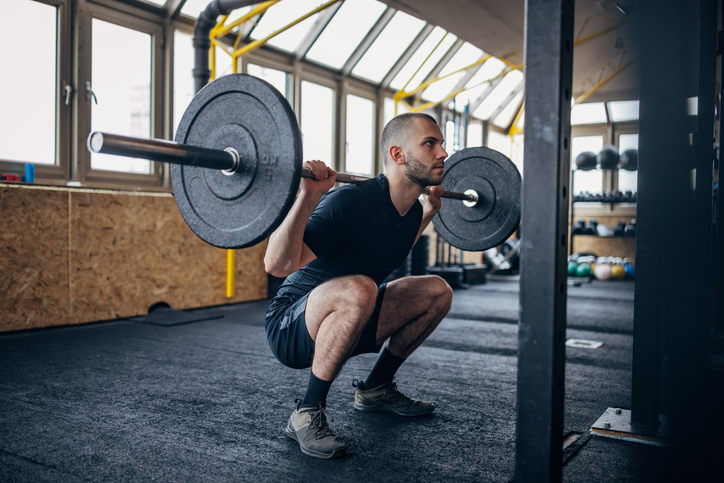
“Ass to Grass” or 90 Degrees? Here’s How Low You Should Be Squatting Whether you’re loading a barbell on your back, racking a kettlebell over your shoulder, or just warming up with bodyweight squats, one question remains a constant: What is the proper squat depth? How low you go is as important to your performance, safety, and results as how much weight you press, so squat depth should be high on your form checklist, according to Carol Mack, D.P.T., C.S.C.S., doctor of physical therapy and strength and conditioning coach. Read on to learn why. How Low Should You Squat? Unless you’re a competitive powerlifter whose goal is to squat as much weight as possible, Mack recommends squatting as deep as you can comfortably without sacrificing form. A deeper squat helps to fire up the muscles more efficiently and builds strength in a greater range of motion, which is important if you’re training for anything beyond aesthetics, like athleticism or everyday function. But your squat depth will vary based on a few personal factors, like “whether you have knee, hip, or ankle pain, and if you have enough mobility to go deeper,” says Mack. What If Your Knees Drift Past Your Toes? One unrelenting myth about squat depth is that you should never let your knees go past your toes. While this cue may indicate other form mistakes you may be making — such as not hinging at the hips — Mack says that your knees will likely drift past your toes if you’re going into a deeper squat, particularly with an activity like powerlifting. “Don’t worry about your knees coming forward when going past 90 degrees,” she says. “Of course, don’t force yourself deeper if you feel pain or a tight spot. But if you’re comfortable going deeper and you’re listening to your body, then it’s OK to go lower.” One alignment tip that helps, she adds, is to look down and make sure your knees are in line with your middle two toes, rather than splaying outward. (Just be sure to apply this tip during your warm-up and not, say, during a PR attempt.) How Can You Improve Squat Depth? If squat depth is something you struggle with, here are some strategies to help you get lower. 1. Focus on your hips Because squat depth is not just about your quads and glutes, focusing on the hips can be a game-changer, Mack says. Instead of dropping your butt straight down, try sending your hips back slightly — known as hinging — as you lower into your squat. This will help you bend with more hip flexion (a.k.a. bringing your knees closer to your chest), which can improve depth. It’s also important to keep your knees from caving inward as you approach the bottom of your squat and drive up to stand. “That might require adding hip mobility or strengthening to your routine to improve your squats,” Mack notes. Hip mobility exercises can do more than help squat depth, too. They can reduce the strain on the body from sitting too much, improve overall flexibility, and give you greater range of motion. 2. Increase ankle mobility Mack adds that it’s also important to have greater ankle mobility. This aspect of the squat can sometimes get ignored, but it plays a huge part in helping you get deeper. If you ever feel your ankles lifting off the ground during a squat, that’s a sign that you need to improve your mobility. Ankle-strengthening exercises can give you greater mobility and stability to support your squats, no matter how deep you go. 3. Strengthen your core Finally, remember that squats involve your spine as well, Mack says. “Some people have trouble keeping their trunk upright as they move deeper into their squat,” she says. “This can throw off alignment throughout the squat movement. It can happen for a lot of reasons, including mobility, but core strength is a big culprit.” If you tend to round your back as you come into a squat, or feel your upper body collapse as you’re pushing back up to standing, that usually means you need to integrate more core work into your routine, she suggests. Fortunately, there are tons of options for that, and much like the other mobility and strengthening choices here, you’ll be reducing your risk of injury and improving your form for a breadth of moves, including squats. The post “Ass to Grass” or 90 Degrees? Here’s How Low You Should Be Squatting appeared first on BODi. Whether you’re loading a barbell on your back, racking a kettlebell over your shoulder, or just warming up with bodyweight squats, one question remains a constant: What is the proper squat depth? How low you go is as important to your performance, safety, and results as how much weight you press, so squat depth should be high […] The post “Ass to Grass” or 90 Degrees? Here’s How Low You Should Be Squatting appeared first on BODi. William Kang{authorlink}https://www.beachbodyondemand.com/blog/squat-depthBODi BODi is a Health Esteem platform to help you embrace the person you are today so you can take action to achieve all your health and fitness goals. https://bodiblog.wpenginepowered.com/wp-content/plugins/bod-blog/assets/vendor/beachbodydigital/wordpress-core-plugins/beachbody.png

“Ass to Grass” or 90 Degrees? Here’s How Low You Should Be Squatting Read More »

The Weekly Roundup: Your Go-To Guide For Everything You May Have Missed This Week & More! 12/20-12/26

The Weekly Roundup: Your Go-To Guide For Everything You May Have Missed This Week & More! 12/20-12/26 Welcome to Ben Greenfield’s Weekly Roundup! In this weekly post, I share with you my most interesting discoveries of the The post The Weekly Roundup: Your Go-To Guide For Everything You May Have Missed This Week & More! 12/20-12/26 appeared first on Ben Greenfield Life – Health, Diet, Fitness, Family & Faith. Welcome to Ben Greenfield’s Weekly Roundup! In this weekly post, I share with you my most interesting discoveries of the The post The Weekly Roundup: Your Go-To Guide For Everything You May Have Missed This Week & More! 12/20-12/26 appeared first on Ben Greenfield Life – Health, Diet, Fitness, Family & Faith. Miguel Vences{authorlink}https://bengreenfieldlife.com/article/wkru12-20-12-26/Articles by Ben Greenfield – Ben Greenfield Fitness Discover the best life-hacking secrets for body, mind and spirit optimization, personal productivity, work-life balance, family, relationships, survival, spirituality & more! https://bengreenfieldlife.com/wp-content/uploads/2022/02/cropped-BGL-Favicon-negative-5@512-32×32.png

Read More »

Sumo Vs. Conventional Deadlift: What Are the Differences?

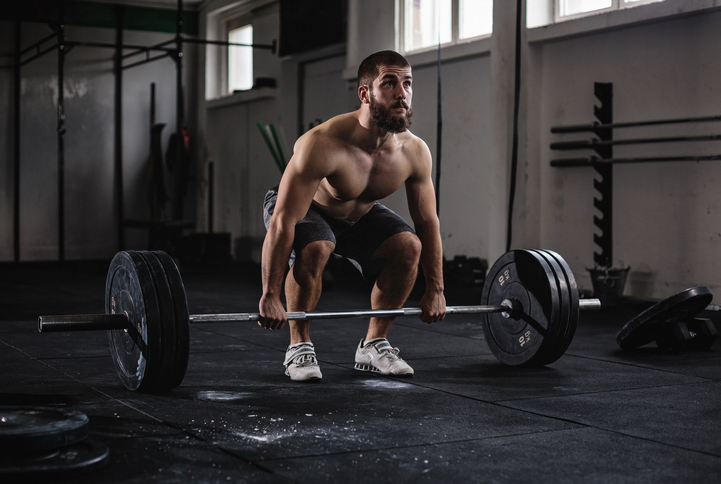
Sumo Vs. Conventional Deadlift: What Are the Differences? In the health and fitness space, there are a number of fearsome ideological match-ups: cardio vs strength training, plant vs animal protein, the front squat vs back squat. Among these titanic topics, however, few can rival that of the sumo vs conventional deadlift. Enter any weight room (or internet discussion) and you’ll be sure to hear the sumo vs conventional deadlift argument punctuated by the sound of clanging plates. Sumo is cheating! Conventional is dangerous! The list of accusations leveled against each of these deadlift variations is virtually endless. Sift through the accusations, however, and you’ll find that these compound movements have more in common than their respective fan bases understand. Sumo vs Conventional Deadlift: Is One Better Than the Other? While there are meaningful biomechanical differences between the sumo and conventional deadlift, “neither is superior to the other,” according to personal trainer and wellness coach Brandon Kwong, CSCS. Rather, each movement has its own unique set of benefits, and the “right” deadlift variation is the one that works for your goals, makes sense biomechanically, and can be performed both comfortably and confidently, according to Kwong. What Are the Differences Between Sumo and Conventional Deadlifts? Ultimately, the “best” movement comes down to the goals and abilities of the lifter. “Spend a few months on each type of deadlift focusing on good technique, and get a feel for which is more comfortable,” Kwong says. Testing the sumo vs conventional deadlift waters here may also point out weaknesses in your back or quad muscles, which the right accessory movements can help strengthen. With that being said, here are some key differences between the two deadlift styles. Conventional deadlift Feet are hip-width apart with arms outside the legs. Has more “sport-specific” applications due to the “conventional deadlift mirroring that of the universal athletic position,” according to Kwong. May be the easier lift for those lacking hip mobility. Can be a great exercise for those looking to build a strong upper back and spinal erectors. Most common form errors: bending the torso too far forward at the waist, not executing the all-important “hip hinge” correctly (more on that below), not cutting the slack in arms, losing tension in the posterior chain. Sumo deadlift Feet are several inches wider than hip-width, with arms inside the legs. The sumo deadlift’s “shorter range of motion means the barbell travels less distance,” according to Kwong, which can make it easier to train frequently with heavy loads. May yield a higher one-rep max. Can be difficult for those with poor hip mobility. Most common form error: bending the torso too far forward at the waist, not executing the hip hinge correctly, hyperextension of the lumbar spine (lower back) at the top of the lift. Can You Lift More With a Sumo Deadlift Than a Conventional Deadlift? “The sumo deadlift’s shorter range of motion due to its wide stance means the weight travels less distance,” Kwong says, which should make it easier to move heavy weight repeatedly for most people — in theory. However, the amount you can lift with either variation likely also comes down to your biomechanics, though the one-rep max record (held by Hafthor Bjornsson) sits at 1,104 pounds employing a conventional stance, while Chris Duffin’s record one-rep max sumo deadlift is approximately 100 pounds lighter. Which Variation Is Better for Building Strength and Muscle? The conventional and the sumo stance are both effective muscle-builders — specifically for the glutes, hamstrings, and lower back — and should have places in your training plan. Together, they will help you achieve the variety necessary to optimize muscle growth. In terms of building strength and athleticism, however, the conventional stance has the upper hand. The sumo deadlift is still a great exercise to improve lower-body strength, but the conventional deadlift is a foundational movement that should be at the core of your strength training program. It helps you build more functional strength than its sumo counterpart because it more effectively utilizes the hip hinge, a fundamental movement pattern of functional fitness. In short, the training adaptations you get from the conventional deadlift have more real-world applicability — from sports performance to day-to-day life. Which One Do Trainers Recommend? Trainers recommend mastering the conventional deadlift before progressing to its variations. Once you’ve perfected the movement, Kwong says the difference between the two comes down to the people performing them. “If you’re a powerlifter and the goal is to pull the most weight off the floor, and you’re comfortable with sumo, go for it,” he says. “At the end of the day, it’s about providing the most stimulus with the least risk of injury.” How to perform a conventional deadlift Stand with your feet hip-width apart and the barbell positioned directly over your mid-foot. Keeping your back flat and core engaged, push your hips back (imagine that you’re closing a door with your butt) as you bend at your knees slightly and grab the barbell with an overhand (palms facing backward) grip. (Be sure to keep your butt higher than your knees at all times.) This is the starting position. Keeping your core engaged, back flat, and bar close to your body, drive through your heels and lift the bar until your legs are fully extended, squeezing your glutes and driving your hips forward as you do. Pause, and then reverse the movement to return to the starting position. How to perform a sumo deadlift Stand with your feet several inches wider than shoulder-width apart, shoelaces directly beneath the barbell, and toes pointing slightly outward (roughly a 45 degree angle) With your back flat and your arms hanging naturally between your knees, push your hips back (imagine you’re closing a door with your butt—this is the “hip hinge” mentioned earlier) as you bend your knees slightly and grab the bar with an overhand (palms facing backward) grip. (Keep your knees in line with your feet and be sure to keep your butt higher than your knees

Sumo Vs. Conventional Deadlift: What Are the Differences? Read More »