How to Relieve Sore Arm Muscles
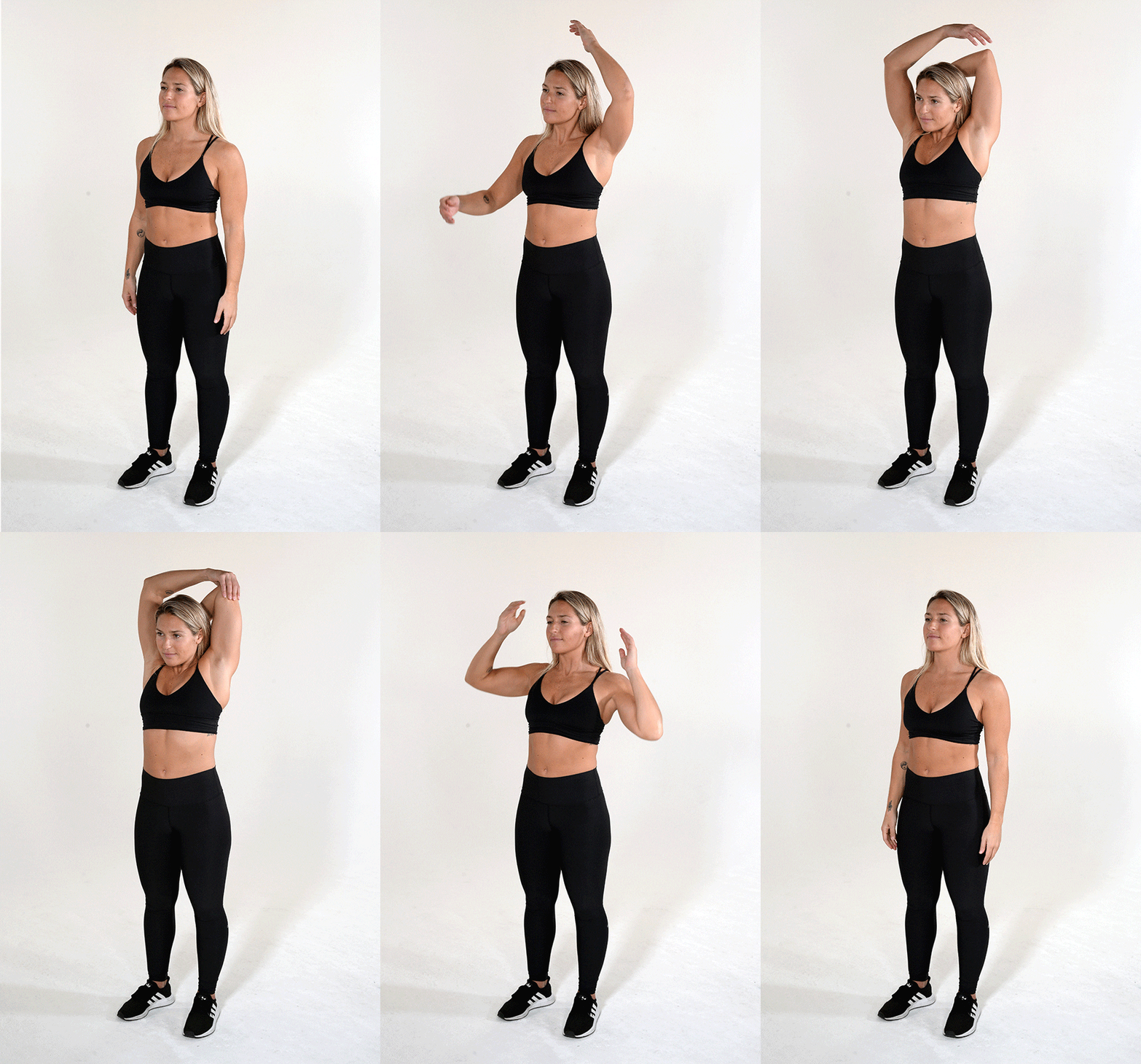
How to Relieve Sore Arm Muscles It’s arm day at the gym, but your arms are still sore from the last time you worked out. Is this soreness typical? Or is it an injury? Read on to learn why your arms get sore, when you can work through the pain, and when the hurt is something more. Why Are My Arms Sore? “Delayed onset of muscle soreness is the most common soreness that exercisers experience,” says Joel French, Ph.D., adjunct professor at Concordia University. Your muscles feel sore when a muscle is challenged in a new way, like starting a new exercise program or lifting more weight. The stress of that novel challenge damages muscles on the cellular level, causing “micro tears.” It’s completely normal, and a necessary part of the repair, growth, and adaptation processes. But if there’s excessive damage, the resulting inflammation and swelling can cause soreness, which typically peaks within 48 hours and can last for a few days — hence its name: delayed onset muscle soreness (DOMS). How Do I Relieve Sore Arm Muscles? Low-intensity exercise and massage can both help relieve exercise-induced muscle soreness. For the latter, you’ll simply work the sore muscle with a very light load. If your triceps are sore, for example, you might do the triceps extension with 15 pounds instead of 25. Massage can be as easy as the shoulder and chest stretch (described below), which uses a tennis ball to penetrate deep into muscles. Indeed, stretching in general is another effective exercise-induced soreness reliever. Upper Body and Arm Stretches Perform the following stretches to ease tension, reduce soreness, and increase mobility and range of motion in your arms, shoulders, and chest. 1. Behind the head tricep stretch We love this stretch. It requires no props, and you have the option to perform this stretch while seated or standing. Sit tall in a cross-legged position or stand tall with your feet hip-width apart. Lift your right arm toward the ceiling. Bend your right elbow and reach your palm back between your shoulder blades. Take hold of your elbow with your left hand and gently pull your right elbow to the left. You should feel a stretch going down your tricep and toward your right side. Hold for a few breaths and repeat on your other side. 2. Overhead bench stretch Grab a broomstick or similarly sized pole with your hands about six inches apart, palms down. Kneel in front of a bench or chair and place your elbows on its surface. Move your knees backward and lower your torso toward the floor until you feel a deep stretch in your shoulders and lats. Hold for as long as you can — up to two minutes. 3. Shoulder and chest stretch with a tennis ball Stand with your right side touching a wall, and then reach your right arm behind you, pressing your palm and arm against the wall. Your goal is to get your right arm parallel to the floor. If your shoulders and upper body are tight, this might mean that the front of your body is oriented more toward the wall instead of perpendicular to it. Place a tennis ball or massage ball between the crook of your armpit and the wall, and move your body to roll the ball around your chest and shoulder area. Repeat on your other side. A Pulled Muscle or Something More? The difference between a sore muscle and an injured muscle isn’t always that obvious. But in general, exercise-induced soreness is just that — soreness. It’s more of a tight, achy feeling rather than an acute, localized, sharp pain. “If the pain is minimal and likely DOMS, stay away from intense exercise for a few days until it subsides,” says French. “If the pain is severe, get examined by a physician ASAP to rule out a more serious injury [such as a sprain or strain].” A sprain is a ligament injury, in which the fibrous connective tissues used to connect bone to bone becomes overstretched or torn. Symptoms of a sprain includes joint or muscle pain, inflammation, hindered movement, tenderness, and bruising. A strain is a muscle or tendon injury, which include fibers that connect your muscles to bone. Strains can happen from repetitive use or a single incident. Symptoms include muscle spasms, weakness, cramping, pain, and bruising. If you experience any of those or the following symptoms, make an appointment with your doctor. Severe pain and swelling in the arm. Arm pain that comes on suddenly that is paired with pressure or a “squeezing feeling” in the chest. Trouble moving the arm normally or turning the palm up or down. The post How to Relieve Sore Arm Muscles appeared first on BODi. It’s arm day at the gym, but your arms are still sore from the last time you worked out. Is this soreness typical? Or is it an injury? Read on to learn why your arms get sore, when you can work through the pain, and when the hurt is something more. Why Are My Arms […] The post How to Relieve Sore Arm Muscles appeared first on BODi. Kayne Toyosato{authorlink}https://www.beachbodyondemand.com/blog/sore-arm-musclesBODi BODi is a Health Esteem platform to help you embrace the person you are today so you can take action to achieve all your health and fitness goals. https://www.beachbodyondemand.com/blog/wp-content/plugins/bod-blog/assets/vendor/beachbodydigital/wordpress-core-plugins/beachbody.png
How to Relieve Sore Arm Muscles Read More »