fitness tips

Auto Added by WPeMatico

7 Workout Mistakes Causing Pain Over 40 (and How to Fix Them)

7 Workout Mistakes Causing Pain Over 40 (and How to Fix Them) Whether you’re lacing up your sneakers before sunrise, squeezing in a power walk between meetings, or hitting the gym after a long workday, let me just say: good for you. Showing up for yourself is half the battle, and that consistency is what keeps your body strong and your mind clear. But here’s the reality check: even the most dedicated fitness routines can backfire if you’re not mindful of a few common mistakes. And those mistakes? They’re the sneaky culprits behind soreness, strain, and sometimes even full-blown injuries. As a trainer who’s been working with women over 40 for decades (and as a 59-year-old myself!), I’ve seen these slip-ups more times than I can count, and I’ve made a few of them, too. The upside? A few simple tweaks can go a long way in keeping you injury-free and feeling your best. Let’s walk through seven common workout mistakes, and how to fix them so you can stay moving pain-free! 1. Skipping the Warm-Up I get it, we’re all busy. But jumping into a workout cold can be a mistake especially as you age. Your muscles need a little wake-up call, and your joints need some gentle movement before you hit go. The Fix Take 5–10 minutes to warm up. As I’ve gotten older, I’ve realized how essential this step is. Try mobility moves like runner’s lunges, cat-cow, and down dog to ease in. Then flow into some bodyweight squats, arm circles, and hip openers. Remember what I always say: motion is lotion! Your joints need lubrication before they go to work. I recommend these warm up moves for middle aged before every workout! 2. Skipping the Cool Down We’ve all done it, class ends, and you’re out the door before the music stops. Or you finish a run, come in the house and just start doing the next thing. But skipping your cooldown is like slamming on the brakes without easing off the gas. Your body needs time to downshift. The Fix Carve out at least five minutes to slow your heart rate and stretch. This is your time to lengthen those hard-working muscles and support recovery. Static stretching helps prevent soreness and improves flexibility, something that becomes more essential as we age. That extra five minutes can be the difference between feeling fantastic or waking up stiff as a board. 3. Pushing Too Hard, Too Often There’s a myth that workouts only count if they leave you drenched in sweat and gasping for air. But for women in midlife, that “no pain, no gain” mentality can backfire. I like to push hard like many of you but what I’ve noticed is now that I’m older, I also need to build in recovery time. The Fix High-intensity workouts are great, in moderation. But rest and recovery are where the magic happens. Mix in gentler options like walking, Pilates, or yoga. If back pain is an issue, try this sciatica stretch for women over 50 to keep pain away! I wear an Oura ring, and it gives me a low readiness score when I haven’t prioritized recovery. Trust me, the data doesn’t lie, rest is not weakness. It’s wisdom. 4. Doing More Than Your Body Is Ready For Let’s be honest, it can be tempting to jump into advanced workouts before your body is quite ready, especially if you’re feeling motivated or trying to keep up with others. But doing too much too soon can lead to unnecessary aches or injuries. The Fix Challenge yourself within reason. Growth takes time, and you’ll get stronger by gradually increasing weights or intensity. It’s not a race. The goal is consistency over the long haul, not crushing yourself on day one. You’ve got plenty of time to level up! Check out even more tips to build muscle after menopause! 5. Letting Your Form Slide You’ve probably heard me say it before: “Poor form, poor results.” It doesn’t matter how many reps you’re doing, if your form’s off, you’re not doing your body any favors. The Fix Slow down and check your technique. Whether it’s in a group class, a one-on-one session, or even watching a tutorial video, learn the right way to move before you add speed or weight. You’ll get better results, and avoid injury. 6. Skipping Strength Training If you’re skipping strength work, you’re missing a key ingredient for aging well. Cardio is great, but strength training is what keeps your muscles firm, your bones strong, and your metabolism humming. The Fix Lift weights at least twice a week. Start with bodyweight exercises like squats or push-ups and progress to dumbbells. Use resistance that feels challenging by the 10th or 12th rep. Strength training is your ticket to more energy, better balance, and a faster metabolism. Don’t be afraid to start, it’s never too late. 7. Ignoring Pain or Discomfort A lot of us have been taught to tough it out. But pain is your body’s way of waving a red flag. Muscle fatigue is one thing, but real pain means something’s not right not right. The Fix Pay attention to your body’s signals. If something hurts in a sharp, “ouch” kind of way, stop. Rest. Seek help if you need to. Pushing through pain doesn’t make you a warrior, it increases your risk of long-term injury. Staying active in your 40s, 50s, and beyond is one of the best gifts you can give your body. I do things differently now at 60 than I did at 40, and that’s okay. The way you move matters just as much as how often you move. With a few smart shifts, you can stay strong, mobile, and pain-free. Remember: fitness isn’t about beating yourself up, it’s about feeling good in your body and living the life you want to live. Whether you’re lacing up your sneakers before sunrise, squeezing in a power walk between meetings, or hitting the gym after… Chris

7 Workout Mistakes Causing Pain Over 40 (and How to Fix Them) Read More »

How to Build Muscle After Menopause and Burn More Fat

How to Build Muscle After Menopause and Burn More Fat Menopause brings a wave of changes, some expected, some less so. One of the biggest challenges? Losing muscle mass and gaining unwanted fat. But here’s the good news: with the right approach, you can regain strength, build lean muscle, and fire up your metabolism well into your 50s, 60s, and beyond. I’m a personal trainer and health coach with over 35 years of experience. And let me tell you, there is a lot I do differently at 60 vs 40! I’ve been through menopause myself, and I know firsthand that staying strong is one of the best things you can do for your long-term health. Let’s break down what’s happening in your body and how you can take control with strength training, smart nutrition, and lifestyle shifts. Understanding the Physiological Changes of Menopause and Muscle Loss When a woman tells me it seems harder to keep muscle on after menopause, it’s true. But keeping a positive attitude, it’s not impossible. There are a few things that come to light at this time of life. Hormonal Shifts and Their Impact on Muscle Protein Synthesis As estrogen levels decline, muscle protein synthesis slows down. This means your body doesn’t rebuild and repair muscle tissue as efficiently as it used to. At the same time, progesterone and testosterone, two hormones that also play a role in muscle maintenance, shift, leading to an increased risk of muscle loss. The result? If you’re not actively strength training, you could be losing half a pound of muscle per year after 35! The Connection Between Menopause, Sarcopenia, and Osteoporosis Sarcopenia is the age-related loss of muscle mass, and it’s closely linked to osteoporosis. When muscles shrink, bone density tends to follow. The stronger your muscles are, the more they protect your bones, helping to prevent fractures and maintain independence as you age. That’s why weight-bearing exercises and resistance training are essential for keeping both your muscles and bones strong. Check out these 8 simple strength exercises to prevent menopause muscle loss. Increased Inflammation and Insulin Resistance: Barriers to Muscle Growth Menopause often brings low-grade inflammation, which can make it harder to build muscle and recover from workouts. Insulin resistance is another challenge, as shifting hormone levels can make it easier to store fat, especially around the belly, while making it harder to use glucose for energy. The key? Managing inflammation through exercise and an anti-inflammatory diet. How I Use Strength Training for Muscle Growth Post-Menopause There isn’t a short cut to maintaining muscle in menopause and there isn’t a pill you can take, you have to put in the hard work. Prioritizing Compound Exercises for Maximum Muscle Activation If you’re only doing isolated exercises (think: bicep curls or leg lifts), you’re missing out. Compound movements for muscle building like squats, lunges, deadlifts, and push-ups engage multiple muscle groups at once, helping you build strength faster and burn more calories. Check out the benefits of functional strength training and how it can keep you stronger in everyday life! Progressive Overload: The Key to Continuous Muscle Adaptation Your muscles need a reason to grow, which means gradually increasing the challenge. Whether it’s lifting heavier weights, doing a resistance band workout, increasing reps, or slowing down movements to create more time under tension, progressive overload when lifting weights is how you continue making gains. Optimal Training Frequency and Volume for Post-Menopausal Women The sweet spot? Resistance training at least 2-4 times a week, working each major muscle group at least twice. Recovery is just as important, so don’t forget rest days. See how I prevent joint pain during exercise in middle age. And don’t forget about cardio! Explore the differences between cardio vs. strength training, and how to find the right balance for your goals. Incorporating High-Intensity Interval Training (HIIT) for Fat Loss and Muscle Preservation HIIT isn’t just for younger athletes, it’s one of the best ways to maintain muscle and burn fat. The short bursts of intense work followed by rest periods help rev up your metabolism and preserve lean muscle while keeping workouts efficient. I love my moderate intensity daily walks for getting in steps and keeping active during the day but if you are capable, try fitting in one or two HIIT workouts per week. I also make sure to use a walking pad during my work day to get extra steps. Addressing Pelvic Floor Health and Core Stability in Strength Training A strong core is non-negotiable, especially post-menopause. Your core connects your upper body and lower body, supports balance, and protects your back. But one area that often gets overlooked? The pelvic floor. Many women experience a weakening of these muscles after menopause, leading to issues like urinary incontinence, cue the dreaded sneeze, laugh, or jump that results in an unexpected leak. The good news? You can train your pelvic floor just like any other muscle. Incorporating exercises like planks, deadbugs, and glute bridges helps build overall core strength, but adding in intentional pelvic floor activation, like Kegels, diaphragmatic breathing, and Pilates-based movements, can make a huge difference. Nutritional Considerations for Muscle Growth During and After Menopause What you put in your mouth in your midlife makes a big difference. Fueling for strength and better energy is key to your overall well being. You may not realize it yet, but food can help you manage menopause! Check out why: Prioritizing Protein Intake: Sources and Timing Protein is your best friend for muscle maintenance and recovery. Plus protein helps keep you feeling full. Aim for at least 20-30 grams of high-quality protein per meal from sources like lean meats, fish, eggs, Greek yogurt, and plant-based options like lentils and tofu. See how I get 30 gram of protein in every meal! Use my Free Protein Calculator to see exactly how much protein you should target for your weight and activity level. The Role of Carbohydrates and Healthy Fats in Muscle Recovery and Hormone Balance Carbs

How to Build Muscle After Menopause and Burn More Fat Read More »

Best Walking Shoes for Women (Affordable Hoka Alternatives I Love)

Best Walking Shoes for Women (Affordable Hoka Alternatives I Love) Walking is one of the most powerful forms of exercise for women over 40. It supports heart health, strengthens muscles, improves mood, and helps maintain a healthy metabolism. But here’s the truth after 35+ years as a personal trainer and thousands of miles on my feet: The wrong shoes can make walking miserable. I’ve seen it over and over. Women develop foot pain, knee discomfort, hip tightness, or lower-back aches simply because they’re wearing shoes that don’t properly support their stride. And as someone who logs 10,000+ steps most days (often with my weighted vest), I can confidently say this: Your walking shoes matter more than almost any other piece of fitness gear. The good news? You don’t always have to spend $150+ to get great walking shoes. I’ve tested dozens of brands over the years, including many popular premium shoes. I’ve recently discovered several incredibly comfortable Amazon walking shoes that feel very similar to Hoka cushioning, but at a fraction of the price. And after wearing them for two full years, I’m ready to share my honest experience. Here are my top picks! 1. Nortiv8 Active Float Walking / Running Shoe (My Personal Favorite!) Why I Like It This has been the number one best-selling shoe in my Amazon storefront and one of my favorite budget-friendly athletic shoes. I have been wearing Nortiv8 shoes for about two years now and this particular style reminds me a lot of the Hoka Clifton in both feel and performance. The lace-up design gives you a secure fit which I really like for longer walks or walking workouts. The cushioned EVA midsole absorbs impact nicely and feels soft underfoot without feeling unstable. I also noticed the extra heel padding right away, which helps keep your stride supported. The mesh upper is lightweight and breathable so your feet stay cooler on longer walks. Another feature I appreciate is the roomy toe box. My toes have space to move naturally, which helps prevent rubbing or blisters when you are logging more miles. My Experience When I first tried these, I was curious but cautious. After several long walks, I quickly realized they felt surprisingly similar to the cushioning and support I was used to in my Hokas. Two years later, I am still wearing this brand and they have held up well. Many women in my community have purchased them and continue to reorder them. Best For Walking workouts, light running, gym training, or anyone who prefers a traditional lace-up shoe for support. 2. Nortiv8 ActiveBreeze Slip-On Walking Shoe Why I Like It If you like the Nortiv8 shoe and you want a slip on quickly and head out the door version, this is a great everyday option. These have the same cushioned feel as many max-cushion athletic shoes but with a simple slip-on design that works well for daily life. The EVA midsole provides soft cushioning and absorbs impact while walking. The upper is made of breathable mesh so the shoe stays lightweight and comfortable. The cushioned insole is also soft enough that you can wear them without socks if you want to. My Experience I find myself wearing these often for casual walks, running errands, or travel days when I know I will be on my feet a lot. They are easy, comfortable, and surprisingly supportive for a slip-on shoe. I’m all about the easy on and easy off when going in and out of the house. They also include reflective details which are helpful if you walk early in the morning or later in the evening. Best For Everyday walking, errands, travel days, or casual wear when you want comfort without tying laces. 3. ALLSWIFT Road Running Shoe Why I Like It This is a newer brand I have been testing for the past few months and I have been very impressed. I can’t decide between this Allswift and the Nortiv8 – they are both soo good. The cushioning reminds me a lot of the Hoka Bondi style. It is very cushioned and protective, which makes a difference if you spend long periods walking or standing. And it’s the most lightweight shoe I have tried. The midsole uses supercritical foam which provides soft cushioning but still feels responsive when you walk. The design is meant to give some energy return with each step, helping your stride feel lighter and more efficient. I also like the wider toe box which allows your toes to spread naturally. The breathable jacquard mesh upper keeps the shoe lightweight while still providing structure and support. Another feature that stands out is the rocker sole design which helps create a smooth heel-to-toe walking motion. My Experience I have been wearing these during walking workouts and longer days on my feet, and the cushioning feels very protective. I’m in love with them. Best For Walking workouts, running, gym training, or anyone who loves the max-cushion feel similar to the Hoka Bondi. 4. ALLSWIFT Slip-On Walking Shoe Why I Like It If you like the cushioning of the ALLSWIFT running shoe but prefer something easier to put on and take off, this slip-on version is a great everyday option. The elastic no-tie laces and open collar make these easy to slip on quickly. The EVA midsole provides solid shock absorption which helps reduce pressure on your joints during walking. The insole includes high-density foam that offers comfortable arch support, and the shoe also includes a TPU stability plate that helps prevent twisting while walking. The breathable mesh upper keeps your feet cool, and the rubber outsole provides traction for sidewalks and everyday surfaces. My Experience These are comfortable for long days when you are on your feet and want something supportive without dealing with laces. Best For Everyday walking, errands, travel days, or casual wear. 5. Nortiv8 Move Propel Walking Shoe Why I Like It If you like the look and feel of On Cloud shoes, this is a

Best Walking Shoes for Women (Affordable Hoka Alternatives I Love) Read More »

LMNT Electrolyte Review: My Honest Results for Energy & Hydration Over 50

LMNT Electrolyte Review: My Honest Results for Energy & Hydration Over 50 As a personal trainer in my 50s (and now 60!), I started noticing my early morning workouts felt harder than they used to. Even though I was drinking plenty of water, I sometimes felt drained halfway through my workouts. That sent me down a hydration rabbit hole—and that’s how I discovered LMNT electrolyte drink mix. Electrolytes, explained Electrolytes are minerals like sodium, potassium, and magnesium that help regulate fluid balance, support muscle contractions, and maintain steady energy levels. How I found LMNT I started researching electrolyte supplements because I kept hearing about them from athletes and other trainers. I searched things like “best electrolytes for workouts” and “hydration for women over 50.” LMNT kept popping up in conversations, podcasts, and reviews—so I decided to try it myself. After using LMNT consistently for over a year, here’s my honest experience. What You’ll Love About LMNT If you’re considering trying LMNT electrolytes, these are the standout benefits I noticed after using the drink mix consistently in my workouts and daily routine. Strong electrolyte formula Each LMNT packet contains a powerful electrolyte blend designed to support hydration and muscle function: 1000 mg Sodium — helps regulate fluid balance and nerve function 200 mg Potassium — supports cellular and cardiovascular health 60 mg Magnesium — supports muscle recovery and energy production For people who sweat regularly during workouts, these minerals are incredibly important. No sugar or junk ingredients Unlike many sports drinks, LMNT contains: No sugar No artificial ingredients No gluten It’s also popular with people following keto or paleo lifestyles. Ingredients typically include: Sodium Chloride Potassium Chloride Magnesium Malate Citric Acid Natural Flavors Stevia Leaf Extract Convenient daily hydration The single-serve packets make LMNT easy to keep in your gym bag, travel bag, or kitchen. I simply mix a packet into water before workouts or during the afternoon slump. For busy women (especially moms and professionals), convenience matters. Sustained workout energy For me personally, this is the biggest benefit. I work out very early—around 5:30am. Since adding LMNT to my routine, I feel stronger and can power through my workouts with much better energy. After using it consistently for more than a year, it has become part of my daily supplement routine. My Experience Using LMNT Because this is a long-term LMNT electrolyte review, I want to walk you through exactly how I started using it, what surprised me, and how it fits into my daily hydration routine today. Unboxing & first impressions My first sip? I thought: Wow… this is salty. And honestly, that surprises a lot of people at first. But once I understood why sodium plays such an important role in hydration, the flavor started to make sense. Setup & first use Here’s my best beginner tip: Start with ½ packet in 32 oz of water. Add ice and mix well. Once you adjust to the flavor, you can increase to a full packet in 32–40 oz of water. My personal routine: Morning workout½ packet in 32 oz water Afternoon hydration boost½ packet in 32 oz water Routine & adaptation After a few weeks, something interesting happened. I actually started craving it during workouts. Now—after more than a year of daily use—it’s just part of my routine. Just like putting on my workout shoes. Results & reflections After over a year of using LMNT regularly, here’s what I’ve noticed: Better sustained energy during workouts Fewer afternoon energy crashes Less craving for salty snacks One unexpected change? My random menopausal headaches seem to happen less often. I can’t make any medical claims here, but it’s something I personally noticed. Alternatives I considered I looked at several other electrolyte drinks like Liquid IV and other hydration mixes. But many include added sugars or lower sodium levels, which wasn’t what I was looking for. LMNT stood out because it focuses on simple ingredients and effective electrolyte levels. Why Hydration Matters Even More After 50 Proper hydration becomes even more important as we age, especially for active women who exercise regularly and lose electrolytes through sweat. As we age, our bodies become less efficient at regulating fluids and electrolytes. That means proper hydration becomes even more important for: Muscle performance Energy levels Preventing cramps Supporting brain function Water alone isn’t always enough—especially if you exercise regularly. Electrolytes help your body absorb and utilize fluids more efficiently, which is why many athletes and trainers rely on them. The Science Behind Sodium (And Why It’s Often Misunderstood) Another reason I appreciate LMNT is the science behind sodium intake. For years we were told to drastically limit salt intake. But much of that research focused on sedentary populations eating highly processed diets. For active individuals who sweat regularly, sodium helps support: Cellular hydration Nerve function Muscle contractions LMNT focuses on replenishing the electrolytes your body actually loses through sweat. What to Consider Before Buying Before deciding if LMNT electrolyte packets are right for you, here are a few important things to consider including taste, cost, and who benefits most from electrolyte supplements. Cost LMNT costs roughly: $45 for 30 packets $39 with subscription That’s about $1.30–$1.50 per serving. It’s not the cheapest electrolyte drink available—but you’re paying for high-quality ingredients and higher electrolyte levels. Taste Some people find the saltiness surprising at first. Using more water or starting with half a packet usually solves that issue. Sodium sensitivity If you have high blood pressure or sodium sensitivity, it’s always best to consult your healthcare provider before adding electrolyte supplements. LMNT Flavors (My Favorites) One of the fun parts of trying LMNT is experimenting with the different flavors to find the ones you enjoy most during workouts or throughout the day. My favorites are: Citrus SaltMy absolute favorite—light lemon-lime flavor. Orange SaltRefreshing and crisp. Grapefruit SaltA big favorite among my followers. Raspberry SaltPerfect berry flavor. Watermelon SaltGreat for summer workouts. Mango ChiliMy go-to mocktail flavor mixed with sparkling water and lime. Other options include: Raw

Read More »

6 Practical Tips to Stay Consistent With Exercise After 40

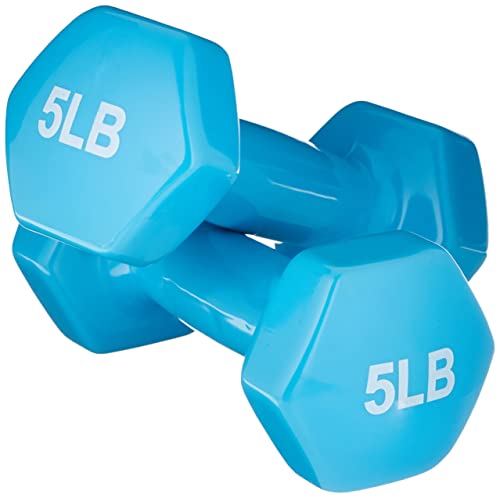
6 Practical Tips to Stay Consistent With Exercise After 40 I’m all about making fitness part of your everyday routine—and here’s the truth: it doesn’t have to be complicated! Consistency is the real game-changer, especially for women in middle age. Whether your goal is to boost energy, strengthen your muscles, or just feel better in your own skin, showing up for yourself every day matters more than the duration or intensity of your workouts. The good news? There are some simple strategies you can implement right now to make it easier to stick with your fitness routine. I’m breaking down the six practical strategies I share with my personal training clients! 1. Set Out Your Workout Clothes Ahead of Time If you’re a morning exerciser, this one is a game-changer. Laying out your workout clothes the night before removes a major barrier between you and your workout: decision fatigue. When you wake up and everything is ready to go, it’s easier to slip into your gear and get moving without thinking twice. And it doesn’t just work for morning workouts. Even if you prefer evenings or lunch breaks, having your gear ready signals to your brain that your workout is non-negotiable. Think of it as a little nudge for your future self—because your future self will thank you when getting dressed becomes effortless. Check out these amazing Lululemon lookalikes from Amazon for less to freshen up your workout wear! 2. Use a Timer or Alarm Life gets busy, and our schedules can get messy. That’s why using a timer or an alarm is such a powerful habit hack. Morning workouts: Set an early alarm and commit to hitting the floor, treadmill, or yoga mat the second it goes off. Treat it like any other important appointment. Midday or evening workouts: Set a timer for when it’s time to take a break from work, errands, or chores. This acts as a gentle reminder to prioritize your health. Holding yourself accountable with these little cues may feel small, but over time, they help build a powerful habit of showing up for yourself consistently. 3. Have Your Workout Planned and Ready Nothing kills motivation faster than staring at a screen or gym floor wondering what you “should” do. That’s where planning comes in. Having a workout ready to go—whether it’s a strength session, a quick HIIT circuit, or a yoga flow—removes the mental load of decision-making. Tools like GHUTV make this super easy by providing daily workouts and monthly calendars so you never have to guess what to do. You simply follow the plan, which increases your chances of sticking with it. The key here is preparation. Even a 10-minute plan is enough if it’s structured and ready to go. 4. Find an Accountability Partner There’s a reason why people swear by workout buddies—it’s harder to skip a session when someone else is counting on you. Accountability partners provide encouragement, motivation, and a sense of community. You don’t have to overcomplicate this. Even checking in with a friend via text or scheduling a weekly Zoom workout counts. Knowing that someone else is rooting for you makes showing up a lot easier and, honestly, a lot more fun. 5. Remember, 10 Minutes is Enough One of the biggest excuses I hear is, “I don’t have time.” Let me stop you right there—10 minutes is enough. A short burst of movement is better than no movement at all. Mini workouts can fit into the cracks of your day and still deliver results over time. The idea is simple: doing something consistently, even in small doses, beats sporadic, long sessions that feel overwhelming. This is especially important for middle-aged women, who are balancing work, family, and everything in between. Remember, small steps add up to big results. 6. Have Fun With It If fitness feels like a chore, it’s going to be much harder to stick with. The secret to long-term consistency is finding ways to enjoy your workouts. Dance along to your favorite songs Try a new type of class or online workout Mix in outdoor activities like hiking, walking workouts for weight loss, or biking Bring back old favorites, like my favorite cardio step exercises! When you make exercise fun, it stops feeling like a task and becomes something you look forward to. Laughter, movement, and joy are all part of a sustainable fitness routine—don’t underestimate their power. Consistency in exercise doesn’t have to be complicated, and it certainly doesn’t have to feel like a punishment. By setting yourself up for success with these six simple tips—laying out your clothes, using timers, planning your workouts, finding an accountability partner, embracing short sessions, and keeping it fun—you can make fitness a natural and enjoyable part of your daily routine. Remember, middle age is the perfect time to prioritize yourself. Every workout, no matter how small, is a step toward more energy, strength, and confidence. Start small, stay consistent, and make it enjoyable—because showing up for yourself is the best gift you can give your body and your mind. Product Image Product Name Primary Button Amazon Basics Vinyl Coated Dumbbell Hand Weights Check Price ZENY 43” Exercise Aerobic Step Platform Adjustable Fitness Stepper with 4 Detachable Risers Check Price SPRI Xertube Resistance Bands with Handles Check Price Gaiam Yoga Mat Premium Solid Color Non Slip Exercise & Fitness Mat for All Types of Yoga, Pilates & Floor Workouts, New Lilac, 5mm Check Price NORTIV 8 Women’s Walking Shoes – Cushion Tennis Shoes Check Price CRZ YOGA Women’s Butterluxe Leggings 25 Inches – High Waisted Buttery Soft Comfort Lounge Leggings Black Small Buy Now Lifepro Waver Vibration Plate Exercise Machine for Lymphatic Drainage Check Price Amazon Basics Vinyl Coated Dumbbell Hand Weights Check Price ZENY 43” Exercise Aerobic Step Platform Adjustable Fitness Stepper with 4 Detachable Risers Check Price SPRI Xertube Resistance Bands with Handles Check Price Gaiam Yoga Mat Premium Solid Color Non Slip Exercise & Fitness Mat for All Types of Yoga, Pilates &

6 Practical Tips to Stay Consistent With Exercise After 40 Read More »

Vibration Plate Fitness: Does It Really Work for Women Over 40?

Vibration Plate Fitness: Does It Really Work for Women Over 40? If you’ve been around fitness trends for a while, you’ve probably seen vibration plates come and go. And I get the skepticism…when something looks too easy, it’s natural to wonder if it actually works. Here’s my perspective after 35+ years in the fitness industry and many years selling vibration plates on Home Shopping: for the right person and the right purpose, vibration plate training can be a really helpful tool. Let’s break it down honestly – no hype, no extremes. What Is a Vibration Plate? A vibration plate is a fitness device that uses whole-body vibration to stimulate your muscles while you stand, sit, or perform simple movements on the platform. The vibrations cause your muscles to contract and relax rapidly, which can help stimulate circulation and neuromuscular activity. Most plates allow you to adjust: Speed Intensity of vibration Duration Many also include resistance bands, which can add light strength work and improve balance. Who Can Benefit Most From a Vibration Plate? Over the years, I noticed very clear patterns in who loved these machines the most. Vibration plates tend to work best for people who: Struggle with poor circulation Deal with inflammation or stiffness Have lymphedema or lymphatic congestion Want support with muscle recovery Need a low-impact option due to joint pain Want bone-building stimulation but do not (or cannot) do jump training The vibration creates force through the body, which may help stimulate bones making this a helpful option for women concerned about bone density and who aren’t jumping or doing high-impact work. Vibration plates can also be useful for older adults who may prefer to sit and simply place their feet on the platform to help encourage circulation. This gentle option can be especially appealing for those with balance concerns or limited mobility. This is not about replacing real workouts. It’s about supporting the body especially during midlife, menopause, aging, or recovery phases. Potential Benefits of Vibration Plate Training Used consistently (even just 10 minutes a day), vibration plates may offer several benefits: 1. Improved Circulation The vibration stimulates blood flow, which can be especially helpful if you sit a lot, travel often, or feel heavy or sluggish in your legs. 2. Lymphatic Drainage Support For people dealing with lymphedema or fluid retention, vibration can help encourage lymphatic movement. Many users report feeling less puffy after regular use. 3. Muscle Recovery & Reduced Soreness After heavy lifting or intense workouts, vibration plates can help reduce muscle soreness by increasing circulation and relaxing tight muscles. 4. Joint Health & Mobility Because vibration plates are low impact, they can be a joint-friendly way to stimulate muscles without pounding or jumping. 5. Bone Health & Density Support One often-overlooked benefit of vibration plate training is its potential role in bone health, especially for women in midlife and beyond. The vibration creates mechanical force through the body, which may help stimulate bones in a way that mimics some of the benefits of impact training. This can be particularly helpful for women who: Are postmenopausal Have joint pain that limits jumping Are new to strength training Are concerned about maintaining bone density While vibration plates do not replace strength training or impact exercise, they may be a useful supportive tool for bone stimulation when traditional jump training isn’t appropriate or realistic. Think of it as another way to remind your bones they’re needed and that matters as we age. What Vibration Plates Are NOT This part matters, so read carefully! A vibration plate is: Not a weight-loss solution Not a replacement for strength training Not a magic fix If someone is selling it as a stand-alone fitness miracle, that’s a red flag. Real fitness, especially in midlife, is about consistency, strength, movement, and self-care. Why I Like Vibration Plates as a Fitness Add-On What I appreciate most is how accessible they are. Tiny footprint (great for home use) Very low time commitment Easy to use—just step on and adjust the settings Can be used on rest days, recovery days, or flare-up days Many people report feeling: Less stiff More energized Lighter in their legs More comfortable moving throughout the day And honestly? Feeling better counts. My Go-To Brand: LifePro I’ve worked with and tested many vibration plates over the years, and the LifePro vibration plate is a brand I’ve consistently trusted. They offer solid construction, adjustable settings, and resistance bands that add a little extra value for balance and light strength work. (Always start slow, listen to your body, and check with your healthcare provider if you have medical concerns.) View this post on Instagram A post shared by Chris Freytag: Over 50 Health and Fitness Expert (@chrisfreytag) Safety Notes & Best Practices As with any fitness or wellness tool, safety comes first, especially for older adults or anyone managing chronic conditions. Start with low vibration settings and short sessions Use a sturdy chair or wall for balance if standing Older adults may prefer to sit and place their feet on the plate to encourage circulation Avoid locking the knees; keep a soft bend If you have osteoporosis, joint replacements, cardiovascular conditions, or balance concerns, check with your healthcare provider before use Listening to your body is always the goal. More vibration is not always better. Vibration plate fitness isn’t about doing less… it’s about supporting your body so you can do more. For women in midlife dealing with inflammation, circulation issues, joint discomfort, or recovery challenges, this can be a smart, simple tool to add to your routine. Remember: Fitness is medicine. Small steps add up. And listening to your body is always the right move. If you’ve been around fitness trends for a while, you’ve probably seen vibration plates come and go. And I get… Chris Freytag, CPT{authorlink}https://gethealthyu.com/vibration-plate-fitness-worth-it/Get Healthy U | Chris Freytag Realistic workouts and healthy aging for the middle-aged woman. https://gethealthyu.com/wp-content/uploads/2024/09/favicon-96×96.png

Vibration Plate Fitness: Does It Really Work for Women Over 40? Read More »

Kyphosis (Dowager’s Hump): Why It Happens and How Midlife Women Can Improve It

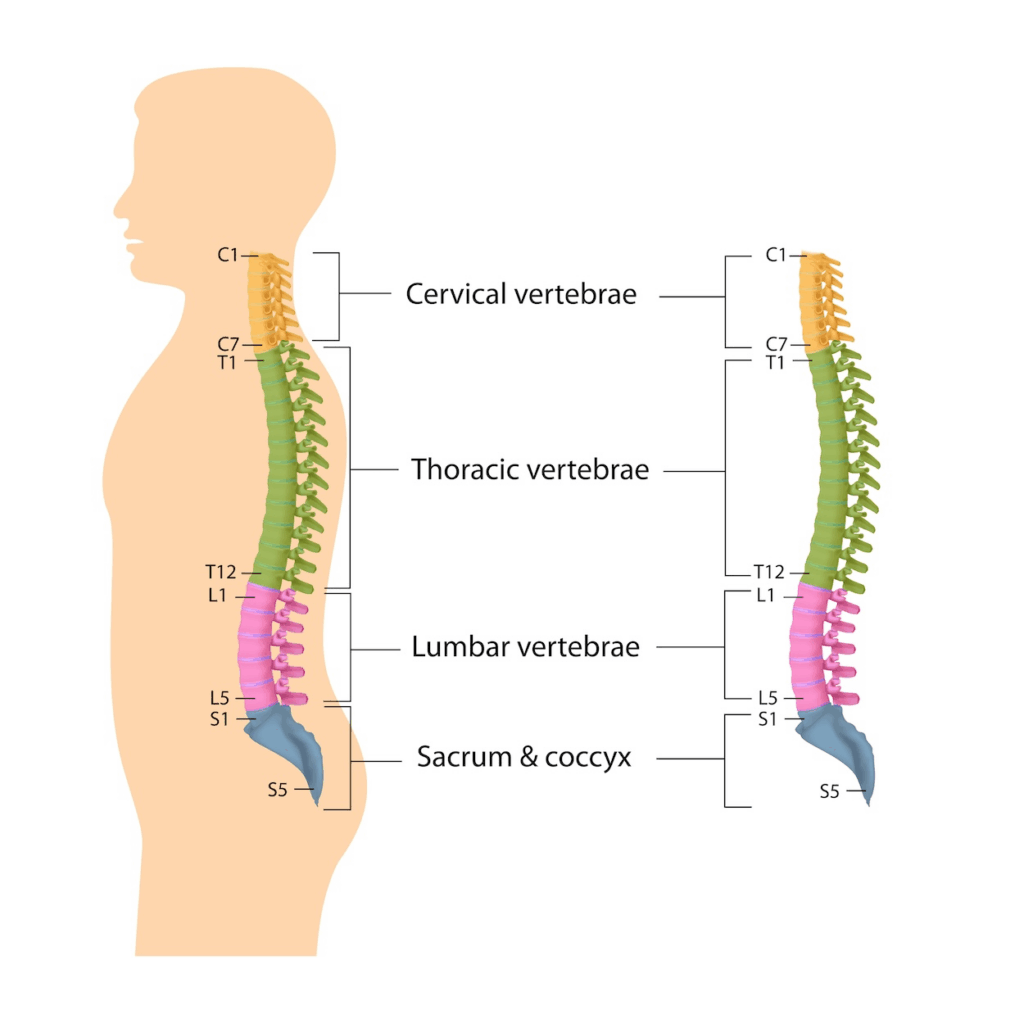
Kyphosis (Dowager’s Hump): Why It Happens and How Midlife Women Can Improve It If you’ve ever glanced in the mirror and thought, “Where did that little hump at the base of my neck come from?” — you are so not alone. Many of us in midlife start to notice rounding through the upper back or a forward head posture that just wasn’t there in our 30s. It’s often called kyphosis or Dowager’s Hump, and while it can feel discouraging, here’s the good news: You are not stuck with it. You didn’t “fail” at posture — your body simply adapted to how you use it. As a 35+ year trainer and certified Pilates instructor, I’ve coached thousands of women through this. Strengthening the upper back — from the cervical vertebrae in your neck through the thoracic spine (mid-back) — is one of the biggest game changers for posture, confidence, and long-term mobility. Let’s break this down in a way that feels empowering and understandable. What Exactly Is Kyphosis? Kyphosis refers to an exaggerated forward curve in the upper spine. Everyone has a natural curve — that’s normal and healthy. But when the thoracic spine rounds too much, it can become what many call a “hump.” While genetics and structural issues can play a role, most midlife women experience postural kyphosis, meaning it’s functional and influenced by: Lifestyle habits Muscle imbalances Daily movement patterns The good news? Postural kyphosis is highly responsive to movement. Spine Anatomy (In Simple Terms) Your spine isn’t one long stick. It’s made up of 24 movable vertebrae, each designed to articulate and share load. Cervical spine (neck): 7 vertebrae that control head position Thoracic spine (upper/mid back): 12 vertebrae that anchor the ribs and support posture Lumbar spine (low back): 5 vertebrae built for stability and load-bearing A healthy spine forms gentle curves that act like springs. But sitting, slouching, screen time, stress, and age-related changes can exaggerate the thoracic curve while shifting the cervical spine forward. The result? Forward head posture Rounded shoulders Weak upper-back muscles A visible “hump” or fullness at the base of the neck Why Midlife Women Are Especially Prone to Kyphosis Kyphosis in middle age is not about blame — it’s about biology, lifestyle, and knowing what we’re up against so we can take action. Hormonal Changes + Bone Density Shifts After menopause, bone density naturally declines and disc height can decrease. This makes it easier for the upper back to collapse forward. A Lifetime of “Forward Living” Think about how much of life happens in front of you. The term “tech neck” has become increasingly popular and more people are noticing the outcome of spending time on: Phones Laptops Driving Cooking Caring for kids Reading Even workouts (hello push-ups and planks!) Your body adapts to its most repeated position. Weak Upper Back + Tight Chest This classic imbalance in middle age women presents as: Tight chest muscles Weak upper-back muscles Head drifting forward Shoulders rounding Spine following Sedentary Time Adds Up Women today sit more than ever. Prolonged sitting — especially unsupported — is directly correlated with progression of postural kyphosis. That’s why I’ve personally added a walking pad to my workday routine. More time on my feet, and less time bent over my computer in a chair! Stress and Breathing Patterns Shallow breathing tightens the chest and collapses the spine forward. Posture and breath are deeply connected. What Happens If You Ignore Kyphosis? Not to scare you — but to inspire action — here’s what can happen if kyphosis progresses: Increased neck, shoulder, and upper-back pain Stiffness and reduced mobility Tension headaches Limited thoracic extension (harder to stand tall) Reduced lung capacity in severe cases Decreased confidence (posture absolutely affects mood and self-image) Important reminder: Posture can improve at any age. I’ve seen women in their 70s make incredible changes. The Real Cause: Poor Upper-Back Muscle Control This is where Pilates taught me so much. Posture is not just about “pulling your shoulders back.” That often creates tension. The real issue is weak or under-used muscles deep between the shoulder blades and along the spine, including: Rhomboids Mid and lower trapezius Spinal extensors Scapular stabilizers When these muscles aren’t activated regularly, the front body takes over and pulls you into rounding. Add a forward-thrusting head (which weighs 8–12 pounds — thanks, Jerry Maguire 😉), and the body adapts by building soft tissue at the base of the neck for stability. What Research Shows: Yes, Kyphosis Can Improve If your kyphosis is postural — which is true for most midlife women — improvement is absolutely possible. Research shows: Strengthening upper-back muscles reduces rounding Thoracic mobility improves extension Stretching the chest increases spinal freedom Strength + mobility together work better than stretching alone The Best Exercises to Improve Kyphosis (Pilates-Inspired & Midlife-Friendly) Strength + mobility + awareness = your recipe for a taller, healthier spine. Improving kyphosis isn’t about forcing yourself to “stand up straight.” It’s about: Restoring mobility in the upper spine Strengthening postural muscles Building awareness you carry into daily life These exercises are gentle, effective, and perfect for midlife women. No fancy equipment required. Remember, consistency beats intensity. Doing 5–10 minutes daily helps far more than one intense session per week. 👉 Move slowly, breathe deeply, and focus on quality over quantity. 1. Foam Roller Thoracic Extension Why it helps: This is one of my favorite exercises for kyphosis. It helps restore extension in the thoracic spine- an area that often gets stiff from sitting and slouching. How to do it: Place a foam roller horizontally on the floor. Lie on your back with the roller under your upper back (mid-back area). Support your head with your hands. Gently extend your upper back over the roller – no crunching, no forcing. Pause briefly, then return to neutral. Reps: 10–15 slow reps Coaching cue:“Think length, not how far you bend.” 2. Cat–Cow Stretch Why it helps: This move mobilizes every vertebra in your spine and helps reconnect your neck, upper back, and core.

Kyphosis (Dowager’s Hump): Why It Happens and How Midlife Women Can Improve It Read More »

Why Your Body Isn’t Responding Like It Used To (And What Actually Works After 40)

Why Your Body Isn’t Responding Like It Used To (And What Actually Works After 40) If you’ve ever looked in the mirror in your late 40s or 50s and thought, “What is happening to my body?” please hear me loud and clear: nothing is wrong with you. I talk to women every single day who feel betrayed by the changes happening in their bodies. The complaints are real… and they’re common: “My weight won’t budge.” “My belly fat showed up overnight.” “I’m eating healthy—why isn’t anything working?” “My metabolism has just slowed to a crawl.” “What used to work doesn’t anymore.” And the emotional spiral that follows? Frustration. Confusion. Shame. The quiet fear that maybe this is just… aging. But I’m here to tell you-woman to woman-your body isn’t broken. You don’t need a new body… you need a new plan. Because midlife isn’t the end of your health story. It’s a whole new chapter  and you get to write it! What’s Actually Going On In Your Midlife Body (The WHY Behind the Changes) One thing I know about women: we LOVE understanding the WHY. And when you understand what’s truly happening, it becomes so much easier to take action. 1. Your hormones are shifting (especially estrogen) As estrogen declines, your body becomes more likely to store fat around the midsection. Not because you’re doing anything wrong but because your biology is changing. Your body becomes more sensitive to stress, more reactive to sugar, and more likely to hold onto energy. 2. You naturally lose muscle after 40 Unless you actively strength train, you lose around a ½ pound to a full pound of your muscle each year.  Less muscle = slower metabolism = frustration when the scale doesn’t move. 3. Midlife stress hits differently Careers, aging parents, college-age kids, hormonal changes, sleep disruption. Your cortisol levels take a beating, and cortisol loves to store belly fat. 4. What used to work simply doesn’t work anymore Cutting calories, doing more cardio, skipping meals …these strategies backfire in midlife. And again, that’s not your fault. Your body is changing. So your approach must change too. Let’s Reframe this: What Women Over 40 Need to Hear These are the statements I repeat to my community again and again, because they shift the way we think about our bodies in midlife. “You don’t need a new body. You need a new plan.” Your body isn’t resisting change… it’s asking for a different strategy. “Your metabolism isn’t broken – it needs strength training.” Lifting weights is the number one way to support your metabolism in this season. Muscle is metabolic gold. Muscle burns more calories than body fat all day long.  “If you want energy in 2025, you need muscle.” Women in midlife aren’t chasing six-packs. We’re chasing energy, mobility, and confidence.Strength training delivers all three. “You can feel like yourself again… starting with 10 minutes a day.” Women get overwhelmed because they think they need to overhaul everything.Nope. Start tiny. Ten minutes changes your mood, your joints, your mindset. “Pain-free movement is possible—you just need modifications.” At 50+, the fear of injury is real. But modifications aren’t a downgrade — they’re a smart upgrade. “Menopause weight gain isn’t permanent.” Read that again. You are not stuck. Your body is adaptable, resilient, and capable of change at ANY age. “You’re not too old—you’re too unsupported.” Once women get the right plan and the right community, everything changes. Find some like-minded friends in the gym or online to build a support system.  “Strong is the new skinny… especially after 50.” Strength brings confidence, vitality, better posture, and better metabolism. Skinny is out. Strong is in. “Stop starting over every January. Start smaller—and stick with it.” Consistency beats intensity every time. “This is the season of YOU.” Midlife is not the season to shrink. It’s the season to rise. So Let’s Talk About What Does Work Now: Your Midlife Reset Plan Here’s what I teach women in their 40s, 50s, 60s, and beyond and what I practice myself as a 60-year-old trainer who wants to stay strong for decades to come. 1. Strength Train 2–3 Times Per Week This is the game-changer. There is no pill to build muscle. You have to do the work on your own so just commit and start! Strength training helps: Boost metabolism Increase energy Support hormone balance Improve bone density Reduce belly fat Build confidence If you only change ONE thing? Let it be this. Your future self will thank you. Start with my favorite strength training moves for women over 50! 2. Walk More (It’s Truly Medicine!) Walking is gentle, sustainable, hormone-friendly, and joint-friendly. It reduces stress, improves insulin sensitivity, and lifts your mood instantly. You don’t have to run.You don’t have to jump.You don’t have to sweat buckets. Just walk. Get started with my power walking for beginners guide, or my simple walking workouts for weight loss! 3. Prioritize Protein at Every Meal Protein supports muscle maintenance and keeps you satisfied longer. Most midlife women aren’t eating nearly enough. Aim to include protein at every meal: eggs, meat, chicken, Greek yogurt, beans, cottage cheese, tofu, or a protein smoothie. It makes a HUGE difference. Use my Free Protein Calculator to see exactly how much protein you should target for your specific needs. Then, get inspired with these simple ways to get 20g of protein! 4. Manage Stress (This Is Not Optional Anymore) Midlife bodies are more sensitive to stress hormones, especially cortisol. This doesn’t mean you need to meditate for an hour a day. It just means you need a toolbox: Walking Deep breathing Strength workouts 10-minute stretch sessions Healthy boundaries (yes, please!) Earlier bedtime Stress management is not a luxury. It’s part of your midlife health plan. Use these simple ways to reduce daily stress—they worked for me! 5. Sleep Like It Matters (Because It Does) Sleep changes in midlife… sometimes drastically. But sleep affects everything: hormones, cravings, energy, weight, mood. Simple habits help: Consistent bedtime Magnesium Limiting screens before bed

Why Your Body Isn’t Responding Like It Used To (And What Actually Works After 40) Read More »

5 Powerful Ways to Track Fitness Progress Without Using a Scale

5 Powerful Ways to Track Fitness Progress Without Using a Scale Let’s talk about something that comes up with so many women I coach: the scale. For decades, we’ve been conditioned to believe that our progress and even our worth, should be tied to a number on the scale. But let me be very clear: you are not defined by your weight. As someone who’s worked with women of all ages for 35+ years and who has walked the road of perimenopause and post-menopause myself; I’m here to tell you that scale weight is one tiny piece of a much bigger picture. Weight fluctuates constantly due to hormone changes, sleep, hydration, stress, and more. So why give it so much power? And here’s something I really want women to understand: As you build lean muscle and lose fat, your body composition changes and often that means your clothes fit better, your shape looks leaner, but the scale doesn’t budge (or it might even go up!). That’s not failure…that’s progress. Muscle takes up less space than fat, so your size may shrink even if your weight goes up. If you’re showing up consistently, moving your body, eating with intention, and taking care of yourself; that’s real progress. The scale is just one data point. And for many women, especially in midlife, it can be more discouraging than helpful. So let’s shift the focus. Let’s measure progress in ways that lift you up and motivate you to keep going. Because aging is inevitable but how we show up for ourselves along the way? That’s a choice. Here are five more empowering ways to measure how far you’ve come that have absolutely nothing to do with the scale. 1. Your Strength is Increasing (Yes, Pick Up the Heavier Weights!) Forget the number on the scale. Can you lift more than you did last month? Are you finally doing push-ups without dropping to your knees? That’s the kind of progress that matters. Building strength not only helps you function better, it reshapes your body from the inside out. You may gain a few pounds on the scale, but you’ll lose inches because muscle is more dense than fat. That means more definition, better posture, and a tighter silhouette regardless of what the scale says. Progress isn’t about getting smaller. It’s about getting stronger. Use my favorite strength training moves for women over 50 to get started. “Turns out the fountain of youth isn’t a fountain, it’s a dumbbell!” Chris Freytag 2. You’ve Got More Energy (And You’re Not Crashing at 3PM) You know your body is responding well when you’re waking up with energy, not dragging through the day. If you’re fueling your body properly, moving regularly, and prioritizing sleep, you’ll notice your energy shifts. You might not need that second (or third) cup of coffee anymore. You feel more productive, present, and yes, even happier. And that’s a big win, especially in midlife. Remember: movement creates energy. It’s a cycle and a healthy one! I focus on daily hydration and also take an LMNT electrolyte packet with every workout to help keep myself energized through all the activity! 3. You’re Consistent (Even When You Don’t Feel Like It) Real progress? It’s not a “before and after” photo. It’s showing up, even on the days when you’d rather skip it. If you used to fall off after two weeks and now you’re working out 3–4 times a week regularly, give yourself credit. That’s growth. And it’s that consistency that will carry you toward long-term change not a crash diet or a quick fix. Consistency builds habits. Habits build results. Here are my 6 practical tips for staying consistent with exercise in your 40’s, 50’s and beyond! 4. You Function Better in Everyday Life (This is What It’s All About) This one is huge. Fitness is not just for looking good in clothes. It’s for living well. Can you carry your groceries without help? Climb stairs without huffing and puffing? Pick up your grandkids with confidence? That’s functional strength and it matters more than any number on a scale. When your body supports your lifestyle, you’re winning. Fitness should make life easier, not harder. 5. You Feel More Comfortable in Your Own Skin This is the heart of it all. It’s not about being a certain size. It’s about feeling good in your body. This is something I have personally worked on. It’s easy in the fitness world to compare yourself to your peers. As I’ve aged, I’ve definitely learned to accept myself as is better than I did in my 30’s.  Do you feel empowered when you move? More confident when you get dressed? Are you starting to love the way your body shows up for you as strong, capable, and resilient? You don’t need to shrink to feel amazing. You just need to build habits that support the life you want to live. You are stronger than you think, and your progress is worth celebrating…scale or no scale. PS. While you’re working on getting those fitness results, use my style tips to feel more confident getting dressed! Let’s talk about something that comes up with so many women I coach: the scale. For decades, we’ve been conditioned… Chris Freytag, CPT{authorlink}https://gethealthyu.com/track-fitness-progress-without-the-scale/Get Healthy U | Chris Freytag Realistic workouts and healthy aging for the middle-aged woman. https://gethealthyu.com/wp-content/uploads/2024/09/favicon-96×96.png

5 Powerful Ways to Track Fitness Progress Without Using a Scale Read More »

Why Your Water Bottle Might Be Dirtier Than a Toilet Seat

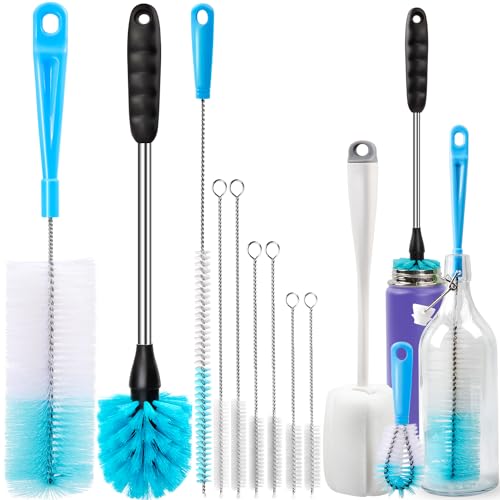
Why Your Water Bottle Might Be Dirtier Than a Toilet Seat We all know it’s crucial to stay hydrated — I talk about it all the time — and these days, it’s common to see people carrying reusable water bottles everywhere. They’re eco-friendly, they save money, and they make hitting your daily water goal so much easier. But here’s the thing no one likes to think about: your water bottle might be crawling with bacteria.Yes, even the one sitting on your desk right now. In fact, a study found that reusable water bottles can harbor more bacteria than a kitchen sink, your pet’s water bowl, or even the average toilet seat. One test from Treadmill Reviews analyzed different types of reusable bottles and found: Slide-top bottles had more than 900,000 colony-forming units (CFU) of bacteria per square centimeter. Squeeze-top bottles averaged around 160,000 CFU/sq cm. Screw-top bottles had fewer bacteria than the others — but still far more than you want to drink. For comparison, the average toilet seat has about 1,200 CFU/sq cm. That means in some cases, your water bottle could be 700 times dirtier than your toilet. Why Your Water Bottle Gets So Dirty It’s not about being careless — water bottles are just the perfect storm for bacterial growth: Moisture + warmth = bacteria paradise. Even a small amount of leftover water creates a breeding ground, especially if it sits in your car or gym bag. Frequent touching. Every time you unscrew the lid, take a sip, or toss it in your tote, you’re introducing new germs. Dark, enclosed spaces. Lids, straws, and rubber seals trap moisture and organic material (hello, backwash) that bacteria love. Infrequent cleaning. Many people give their bottle a quick rinse and call it good — but rinsing does not remove bacteria. And if you’ve ever left your water bottle in the car overnight, you know it can start smelling funky. That’s not just “old water smell” — that’s bacterial growth. The Health Risks of a Dirty Water Bottle While not all bacteria are harmful, the wrong types can cause stomach bugs, diarrhea, or infections. Some studies have detected: E. coli — a bacteria that can cause severe gastrointestinal illness Staphylococcus aureus (staph) — can lead to skin infections or worse if ingested in large amounts Mold and yeast — which thrive in damp, closed spaces and can trigger allergies or respiratory issues If you’ve been experiencing unexplained stomach discomfort or seem to catch every cold going around, your water bottle could be part of the problem. Hydration Is Important — But It Has To Be Clean Water You’ve probably heard me say it before: hydration is one of the simplest, most powerful things you can do for your health. It helps with: Energy levels — dehydration can cause fatigue and brain fog Digestion — water helps promote good gut health and move food through your system Skin health — hydration keeps your skin plump and glowing Joint lubrication — water is essential for joint comfort and mobility If you need a refresher, check out my Tips for Drinking More Water and read up on The Importance of Electrolytes in Middle Age for staying balanced. I personally use LMNT Electrolytes because they’re clean, tasty, and effective — especially after a sweaty workout. But here’s the kicker: hydration only benefits you if the water you’re drinking is clean. And if your bottle is full of bacteria, you’re undoing all the good your water is supposed to do. How Often Should You Clean Your Water Bottle? The short answer: daily. If you’re using your bottle every day, you should give it a proper wash every night — especially if you’ve added anything other than water (like electrolyte mixes, lemon slices, or tea). Those extras can leave behind sugar and organic matter that bacteria love to feed on. In addition to your daily wash, aim for a deep clean at least once a week to get into every nook and cranny. The Best Way to Clean Your Water Bottle (Step-by-Step) Follow these simple steps to keep your water bottle clean and free of harmful bacteria: 1. Disassemble completely. Take apart the lid, straw, mouthpiece, rubber gaskets — everything. If your bottle has a built-in straw, that’s one of the dirtiest areas. 2. Wash with hot, soapy water. Fill your sink with hot water, add a squirt of mild dish soap, and scrub all surfaces. 3. Use a water bottle cleaning brush kit. Regular sponges can’t reach deep inside a bottle or straw. I use this water bottle cleaning brush kit on Amazon — it has different brush sizes for bottles, lids, and straws, so you can really get every surface clean. Holikme Bottle Brush Tube Cleaning Lab Set Check Price We earn a commission if you make a purchase, at no additional cost to you. 4. Rinse thoroughly. Soap residue can leave a taste and break down some materials over time. 5. Air dry completely. Bacteria and mold thrive in moisture, so let all parts dry before reassembling. I leave mine upside down on a drying rack. 6. Deep clean weekly. Soak your bottle in a mix of 1 teaspoon baking soda + warm water, or use a vinegar-water solution to kill stubborn bacteria and odors. Bonus Cleaning Tips Dishwasher-safe bottles: If your bottle is labeled dishwasher-safe, use the top rack and the sanitize setting for extra germ-killing power. Rubber gaskets: These can trap grime and mold — remove them regularly and scrub with a small brush. Stainless steel bottles: Avoid bleach, which can corrode the material. Stick to baking soda or vinegar for deep cleans. Reusable water bottles are amazing for your health, your wallet, and the planet — but only if you keep them clean. Otherwise, you could be sipping on some of the dirtiest water you’ve ever had. So here’s your hydration checklist: Drink plenty of water daily (bonus points if you add electrolytes like LMNT) Use a reusable bottle you

Why Your Water Bottle Might Be Dirtier Than a Toilet Seat Read More »