fitness tips

Auto Added by WPeMatico

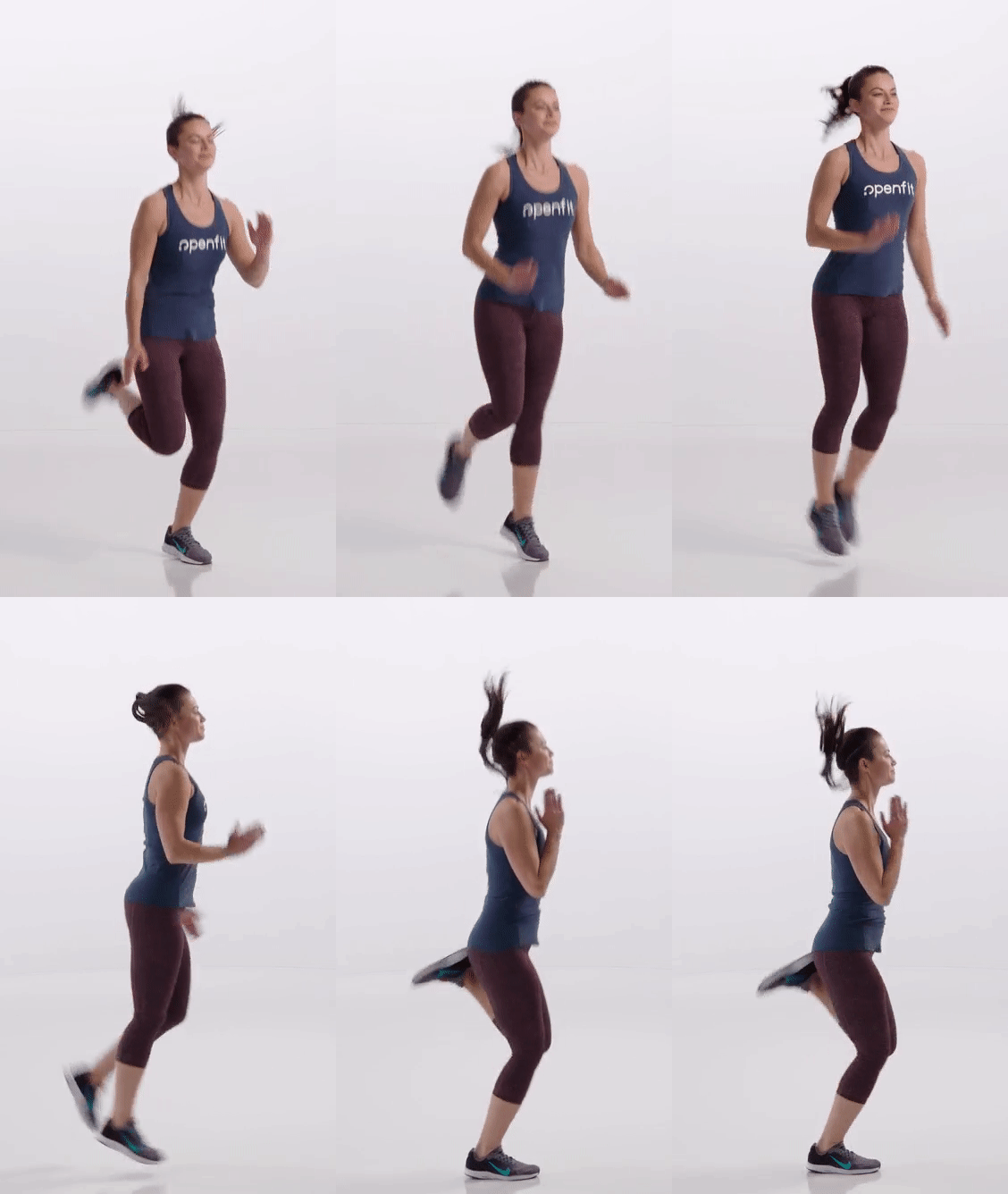
Make Your Next Run Your Best Run With Butt Kicks

Make Your Next Run Your Best Run With Butt Kicks It may have a silly name, but don’t be fooled: The butt kicks exercise offers serious benefits for every runner and fitness enthusiast. What are butt kicks, exactly? They’re a moderate-impact movement that raises core temperature, lubricates joints, and stretches and activates lower body muscles. That makes this exercise especially effective for getting your body warmed up for exercise, says New York City-based strength and conditioning coach Kristian Flores, C.S.C.S. Just 30 seconds of this drill will fire up key running muscles like your glutes, hamstrings, and core. Plus, the quick leg turnover can help you improve your running form. Before you try butt kicks for yourself, brush up on form and technique with these step-by-step instructions. Butt Kicks: Step-by-Step Instructions Stand tall with your feet hip-width apart and your arms bent 90 degrees at your sides. Kick your left heel up towards your left glute as you swing your right arm forward. Then, return your left foot to the ground so the weight is on the ball of your foot. Next, perform the same motion with your right heel. Keeping your chest up, your shoulders back and down, and your core engaged, gradually build up speed as you continue alternating feet until you’re running quickly in place. Pump your arms in rhythm with each step, making sure to land gently on the balls of your feet. Trainer tip: “Don’t force your heels to your butt if it feels too effortful,” Flores says. “This should be an easy move that feels smooth.” Butt Kick Variations For slightly more advanced butt kick variations — which can also help you achieve proper running form — Flores recommends A-skips and B-skips. A-skips Hop forward or in place on your right foot, bringing your left knee to waist height, and swinging your right arm forward. Land gently on the ball of your left foot and repeat, alternating between the two sides. B-skips B-skips are similar to A-skips, except you’ll kick and extend your lead leg forward instead of bending your knee. Benefits of Butt Kicks There’s a reason butt kicks are a go-to warm-up exercise for runners everywhere. “The light impact fires up the central nervous system and works the stretch reflex to prepare the body for running,” says Flores. The butt kicking motion involves knee flexion, which helps to wake up your hamstrings — a prime mover in running. Plus, it also helps with the “kick” in your running stride, which increases stride length, and, therefore (potentially) speed. Among other things, butt kicks are a type of “form running” designed to clean up running form. For non-runners, butt kicks can be a great addition to any warm-up or workout. Use them to prep your body for high-intensity exercise, or incorporate them into your workout anytime you need a cardio boost. The post Make Your Next Run Your Best Run With Butt Kicks appeared first on BODi. It may have a silly name, but don’t be fooled: The butt kicks exercise offers serious benefits for every runner and fitness enthusiast. What are butt kicks, exactly? They’re a moderate-impact movement that raises core temperature, lubricates joints, and stretches and activates lower body muscles. That makes this exercise especially effective for getting your body […] The post Make Your Next Run Your Best Run With Butt Kicks appeared first on BODi. Kayne Toyosato{authorlink}https://www.beachbodyondemand.com/blog/butt-kicksBODi BODi is a Health Esteem platform to help you embrace the person you are today so you can take action to achieve all your health and fitness goals. https://www.beachbodyondemand.com/blog/wp-content/plugins/bod-blog/assets/vendor/beachbodydigital/wordpress-core-plugins/beachbody.png

Make Your Next Run Your Best Run With Butt Kicks Read More »

What Is a Healthy Weight for Me?

What Is a Healthy Weight for Me? If you’re wondering if there’s a definitive “healthy weight,” here’s the truth: There’s no perfect, absolute number you should aspire to achieve. Your healthy weight depends on a number of different factors, and there’s no way we can all fit into the same mold. With that said, everyone has a healthy weight — or better yet, a healthy weight range — they can strive for to limit their risk of weight-related health issues. Here’s how to estimate yours. How to Find Your Healthy Weight Age, height, gender, bone density, muscle-to-fat ratio, and overall health can all influence how much you weigh. While there’s no cut-and-dried formula for calculating your healthy weight, there are four common metrics that medical professionals use: Body mass index (BMI) Waist-to-hip ratio Absolute waist circumference Body fat percentage While these measurements won’t provide you with a magical number to aim for, they can be used as a guideline to determine a healthy weight range. (Though, again, this isn’t an exact science — it’s also important to pay attention to other factors, like your energy levels, how your clothes fit, and how good you feel overall.) What Is Body Mass Index (BMI)? Body Mass Index (BMI) is an estimation of body fat based on a person’s weight and height. Doctors may use your BMI as a screening tool to determine if you’re at risk for developing obesity-related health problems such as heart disease, high blood pressure, type 2 diabetes, and sleep apnea. To calculate your BMI, divide your weight in pounds by your height in inches squared, and multiply the result by 703. (Or just use an online BMI calculator.) The resulting number predicts where you sit on the weight spectrum: Underweight = BMI <18.5 Normal weight = BMI 18.5–24.9 Overweight = BMI 25–29.9 Obesity = BMI of 30 or greater You can get an idea of your recommended weight range for your height by consulting this BMI chart from the National Institutes of Health. However, the Center for Disease Control and Prevention (CDC) notes that BMI is not a reliable method of measuring body composition, which is all-important, because it only measures “excess weight” and not excess fat. Excess weight isn’t always a bad thing. Someone who carries a lot of muscle, for example, may have a high BMI even though their body fat percentage is quite low. That’s why it’s important to take other metrics, like waist circumference and boy fat percentage, into consideration, too. What Is Absolute Waist Circumference? Absolute waist circumference is a fancy term for your waist measurement in inches. This measurement should be taken an inch or so above your belly button, says nutrition scientist Eric Feigl-Ding, PhD. “People with apple-shaped bodies — or a large amount of fat around the midsection — have high risk levels for health problems, especially when their waist circumference is more than 35 inches (for women) or 40 inches (for men),” he explains. How can this info help you determine your healthy weight? In general, if your waist circumference falls below that threshold, it’s likely that your weight is within a healthy range. What Is Hip-to-Waist Ratio? Like BMI and absolute waist circumference, measuring your hip-to-waist ratio is another quick way to estimate whether you’re at a healthy weight. To calculate hip-to-waist ratio, simply divide your waist measurement (in inches) by your hip measurement (taken at the widest part of your buttocks—also in inches). The resulting number can be used to predict your risk of developing health conditions such as heart disease, especially in women. For men, waist-to-hip ratios of: Less than 0.9 = low risk 0.9 to 0.99 = moderate risk 1 or above = high risk For women, ratios of: Less than 0.8 = low risk 0.8 to 0.89 = moderate risk 0.9 or above = high risk Similar to BMI, lowering your waist-to-hip ratio into the “low risk” range means that your weight is likely in — or close to — a healthy range. What Is Body Fat Percentage? We get it: When you’re trying to lose weight, you want to see the number on the scale go down. But water retention, muscle mass, and hormones can cause the scale to fluctuate — so focusing on weight isn’t the best way to gauge whether your healthy lifestyle is paying off. By keeping track of your body fat percentage, however, you can get an idea of how much fat you’ve lost — even if the number on the scale isn’t budging. And research suggests that body fat percentage — the percentage of your weight that comes from fat — may be a better predictor of cardiovascular risk factors than BMI. So how do you measure body fat percentage? The most reliable methods include a DEXA (x-ray) scan, underwater weighing, or bioelectrical impedance. Some of these methods can be done at home — you can shop online for a body fat scale that uses bioelectrical impedance — but for the most accurate estimate of your body fat percentage, you’ll want to let a professional do the measuring (ask your doctor for a recommendation). Finding Your Healthy Weight Without Crunching Numbers When it comes to determining and achieving your goal weight, some of the most important variables can’t be calculated or measured. Take stock of how you feel overall: Do you have enough energy to be as active as you’d like throughout the day? Does your annual physical show you’re in good health? Are you eating and sleeping well? Pay attention to that instead of solely focusing on what you see on the scale. “It’s always about a better weight, not a perfect weight,” says Marty Davey, M.S., R.D. “Aiming for better weight is much more useful, because it’s achievable. A 280-pound person who loses even 10 percent of their weight is still obese, but has reduced health risks. That’s a win.” The post What Is a Healthy Weight for Me? appeared first on BODi. If you’re

What Is a Healthy Weight for Me? Read More »

Can You Think Your Way to Bigger Gains?

Can You Think Your Way to Bigger Gains? When it comes to maximizing hypertrophy — a.k.a. muscle growth — we rely on tried-and-true methods like lifting heavier weights, increasing sets, and consuming enough protein. But there’s another factor that can help facilitate muscle growth: the mind-muscle connection. What Is the Mind-Muscle Connection? The mind-muscle connection refers to your ability to focus your mind on engaging a muscle or group of muscles while performing an exercise. It’s a form of attentional focus, which basically refers to whatever you’re paying attention to at any given moment. When you concentrate on the outcome of an exercise, like moving the barbell overhead, you’re using external attentional focus. But when you concentrate on your body’s movements during an exercise, like “squeezing” the muscle, you’re using internal attentional focus, which creates that mind-muscle connection. Both forms of attentional focus can be beneficial, but if your goal is to build lean mass, the mind-muscle connection is key. Why Is the Mind-Muscle Connection Important? According to Trevor Thieme, C.S.C.S., BODi’s executive director of fitness and nutrition content, you can increase muscle engagement by actively thinking about the muscle as you use it, and the more effectively and completely you recruit its fibers, the greater its growth stimulus will be. In other words, you have to use your brain if you want to build more brawn. It might all sound like “woo-woo” science, but research suggests that creating a mind-muscle connection during strength training really can lead to greater muscle growth. In one study, for example, a group of 30 untrained college-aged men were split into two groups. One group focused their attention on their biceps during sets of arm curls, while the other group just focused on getting the weight up. The group that concentrated on their muscles experienced nearly two times the growth (12.4 percent growth versus 6.9 percent after eight weeks). How Do You Improve Mind-Muscle Connection? As with most new skills, mastering the mind-muscle connection will take practice. Here’s how to get into the habit of focusing on your muscles as you lift. 1. Ignore the mirror “Most gyms have mirrors to help people watch their form, but the reality is that most people use them more for vanity and checking others out than for assessing their technique,” says Thieme, adding that facing away from the mirror will force you to focus on how the exercise feels instead of on how it looks. “And that, in turn, will give you a better sense of whether you’re fully engaging the right muscles.” 2. Don’t space out Now isn’t the time to run through your mental to-do list, watch TV, or chat with a fellow gym-goer. To really make a mind-muscle connection, you have to actively think about and feel your muscles working through their full ranges of motion. As you do an exercise, actively think about “squeezing the muscle” during every rep. This is the cue that helped those untrained college guys in the study mentioned above bulk up their biceps. 3. Start with your upper body Most of us find it easier to coordinate and control our arms than our legs. This means that you’ll probably find it easier to focus on your biceps during curls than on your quads during squats — especially if you’re still working on mastering the mind-muscle connection. In fact, while the untrained college men who established mind-muscle connection saw greater bicep growth than the men who didn’t, there was no significant difference between the two groups when it came to the quads — leading researchers to speculate that newer lifters might have more trouble concentrating on the lower-body muscles. Seasoned lifters may have an easier time getting the hang of the mind-muscle connection than newbies, but don’t get discouraged. Just as you need to progressively lift heavier weight for your muscles to adapt and grow, you need to keep practicing the mind-muscle connection for your body to become more efficient at fully engaging your muscles. Who Shouldn’t Use Mind-Muscle Connection? There’s at least one fitness goal for which an inward focus isn’t recommended. If you’re training for explosive power (think: sprinting and Olympic lifting) the mind-muscle connection might actually work against you. Why? Because when you’re trying to move explosively, powerfully, and precisely — especially if a heavy load is involved — focusing internally can throw off your execution. To demonstrate that, researchers had 12 competitively trained athletes perform two sets of the barbell snatch. During one set, athletes were given an internal cue (move the elbows high and to the side rapidly). During the other, the same athletes were given an external cue (move the barbell back and up rapidly). Researchers found that, for this type of exercise, focusing on an external cue — the outcome of the movement — actually helped athletes perform a more efficient lift. Bottom line? Save the mind-muscle connection for workouts in which your goals are building strength and muscle, not enhancing power. The post Can You Think Your Way to Bigger Gains? appeared first on BODi. When it comes to maximizing hypertrophy — a.k.a. muscle growth — we rely on tried-and-true methods like lifting heavier weights, increasing sets, and consuming enough protein. But there’s another factor that can help facilitate muscle growth: the mind-muscle connection. What Is the Mind-Muscle Connection? The mind-muscle connection refers to your ability to focus your mind […] The post Can You Think Your Way to Bigger Gains? appeared first on BODi. Kayne Toyosato{authorlink}https://www.beachbodyondemand.com/blog/mind-muscle-connectionBODi BODi is a Health Esteem platform to help you embrace the person you are today so you can take action to achieve all your health and fitness goals. https://www.beachbodyondemand.com/blog/wp-content/plugins/bod-blog/assets/vendor/beachbodydigital/wordpress-core-plugins/beachbody.png

Can You Think Your Way to Bigger Gains? Read More »

What Is Fascia? Learn Why This Connective Tissue Is So Important

What Is Fascia? Learn Why This Connective Tissue Is So Important If you’ve spent any time in the fitness world, you’ve undoubtedly heard of fascia. Usually, it’s within the same breath as words like “tightness,” “rolling,” and “releasing.” Here’s what you need to know about fascia. What Is Fascia? Fascia is an intricate matrix of collagen fibers that acts like “a full-body wetsuit that wraps around your entire body, as well as every individual muscle within it,” says Lauren Roxburgh, a board-certified structural integration practitioner. Fascia is critical to connecting the body into a single cohesive unit. Even within each muscle, there are multiple fascial layers, wrapping around each muscle, the hundreds to thousands of muscle fiber bundles within them, and within each bundle, every individual muscle cell, per recent research. What Does Fascia Do? Fascia gives each muscles — and the entire body — its shape. It contains nerves that relay information back and forth to your brain, and blood, oxygen, and other nutrients and waste products constantly flow through it, Roxburgh says. Then, connecting to other connective tissues and structures like bones within your body, it plays a role in everything you do. A Frontiers in Physiology study even found that fascia actively contracts and may work similarly to your muscles to power movement. Whenever you work your butt muscles, arm muscles, or chest muscles, your fascia is hard at work, too. What Is Fascial Pain? Unfortunately, your body’s fascia isn’t only working when you’re moving. It’s also supporting your body during the hours you spend hunched in front of a computer, looking down at your phone, or in other less-than-ideal body postures, says Roxburgh. She explains that the fascia can become almost “stuck” in these shortened, tensed-up positions. In fact, a 2014 review published in the Journal of Multidisciplinary Healthcare explains that the fascia is soaked in a gelatinous substance that helps each layer easily slide against each other, as well as over the muscles, bones, connective tissues, and other structures of the body. Inflammation, dehydration, scar tissue, and sedentary activities can all make it harder for the fascia to slide.The result: tight fascia and fascial pain. What Are the Symptoms of Tight Fascia? According to Roxburgh, most people with tight fascia often experience the following symptoms: “Knots” Muscle tightness Tension Pain Limited mobility Some people may notice that one side of their body isn’t moving quite as well as the other. Maybe they can’t raise one arm quite as high as the other above their head. Authors of that 2014 review noted that the tightness many people feel first thing in the morning as they get out of bed is actually due to fascia that isn’t sliding properly. How Do You Improve Fascial Health? Anyone trying to live a healthy, well-balanced lifestyle should prioritize their fascia, says Roxburgh, who likens fascial care to basic hygiene measures like tooth brushing and showering. Small actions, performed consistently, can drastically improve your fascial health — and with it, your mobility, fitness, and quality of life. 1. Drink more water You know that gelatinous substance we talked about before? The one that allows your fascial layers to properly slide and move? To keep your levels where they need to be, hydration is key, Roxburgh says. Drinking half your body weight in ounces per day can help prevent dehydration, and make sure to add extra fluids when you’re exercising. 2. Roll out your fascia When you foam roll, you’re not just hitting your muscles, you’re actively wringing out the fascia that surrounds them, Roxburgh says. That may facilitate the exchange of metabolic byproducts for nutrient-rich blood within the connective tissue. When rolling, she suggests opting for a lighter-density roller. After all, if the density and intensity are too much, you’ll spend your roll time tensed up, defeating the point of your bodywork. 3. Stretch dynamically Static, bend-and-hold stretches can feel great and help relieve tension. But, when it comes to promoting fascial function, Roxburgh recommends focusing on flowing, dynamic stretches. One of her favorites: cat-cow. Take care to deeply inhale through your nose into cat, and exhale through your mouth into cow, she says. This deep, diaphragmatic breathing activates the parasympathetic, “rest and digest” nervous system while also dynamically stretching the fascia of the muscles that control breathing. 4. Integrate more (non-exercise) activity All structured exercise and fascial work aside, maintaining a regular movement habit is critical. It benefits fascial health and function while also helping to prevent fascial tightness and accompanying knots, Roxburgh says. Be conscious to prioritize active living — walking more, breaking up periods spent sitting, and moving your entire body through a full range of motion. Every bit of movement counts. The post What Is Fascia? Learn Why This Connective Tissue Is So Important appeared first on BODi. If you’ve spent any time in the fitness world, you’ve undoubtedly heard of fascia. Usually, it’s within the same breath as words like “tightness,” “rolling,” and “releasing.” Here’s what you need to know about fascia. What Is Fascia? Fascia is an intricate matrix of collagen fibers that acts like “a full-body wetsuit that wraps around […] The post What Is Fascia? Learn Why This Connective Tissue Is So Important appeared first on BODi. Kayne Toyosato{authorlink}https://www.beachbodyondemand.com/blog/what-is-fasciaBODi BODi is a Health Esteem platform to help you embrace the person you are today so you can take action to achieve all your health and fitness goals. https://www.beachbodyondemand.com/blog/wp-content/plugins/bod-blog/assets/vendor/beachbodydigital/wordpress-core-plugins/beachbody.png

What Is Fascia? Learn Why This Connective Tissue Is So Important Read More »

10 Massage Guns to Take on Your Sore Muscles in 2023

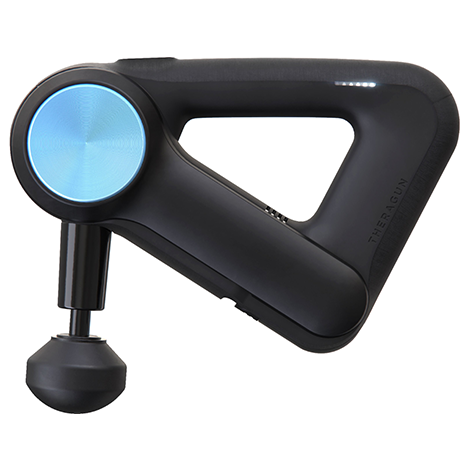
10 Massage Guns to Take on Your Sore Muscles in 2023 Massage guns are a popular product to soothe muscles after a kick-butt workout. Perfect for any fitness enthusiast, a massage gun helps release pesky knots and boosts blood flow to muscles, so that you can get back to doing what you love. To make it easier to shop for a massage gun (or percussive therapy device, as they’re also known), we’ve gathered nine of our favorites that range in price and features for all your performance and budget needs. 1. Theragun Elite We love the Theragun Elite because it’s simple to use and comes with a wide variety of easy-to-clean attachments. Plus it’s more affordable than the Theragun Pro and has a nice, comfy handle that lets you target soreness from multiple angles. Where to buy: Amazon 2. iReliev iReliev is the easiest massage gun to use. It has one button, four attachments, and three different percussive speeds to help release knots and knead muscles. It’s simple but gets the job done. Where to buy: Amazon 3. Zyllion The curved, lightweight design of the Zyllion percussive therapy device makes it ideal for reaching all your sore muscles, even on your back. Plus, it has five different attachments and a soothing heat function. Where to buy: Amazon 4. Theragun Mini Like the Theragun, only smaller! But don’t let the size of this massage gun fool you — it still packs a punch. Its compact design makes it easy to slip into any bag, and it comes in a variety of colors, making it the perfect fitness accessory. Where to buy: Amazon 5. Lifepro SonicX The Lifepro Sonic X is one of the quieter massage guns on the market. Its near-silent motor is still powerful enough to allow the gun to penetrate deep into your muscles so you get the relief you crave. Where to buy: Walmart 6. Ekrin B37 The Ekrin B37 is a relative newcomer with a long-lasting, rechargeable lithium battery and noise reduction technology. It delivers up to 3,200 percussions per minute (double that of many other devices) and includes a lifetime warranty. Where to buy: Amazon 7. OPOVE Apex Massage Gun The OPOVE is easy-to-use for myofascial release all over your body. It has six different attachments (and three speeds) to reach every knot in just the right way. Its brushless motor technology to reduce noise and three-and-a-half-hour battery life are bonuses. Price: $199Where to buy: OPOVE 8. VYBE Pro The VYBE Pro is a super-versatile massage gun with nine changeable speeds and eight adjustable massage heads. There are fewer features on this model, but it does them all well. Where to buy: Amazon 9. HoMedics Pro Physio Massage Gun If temperature is a recovery priority, the HoMedics Pro Physio offers both ends of the spectrum. Its Tru Heat Technology warms up in excess of 115 degrees in less than two minutes, while its cool gel head can be frozen to apply cold therapy. Where to buy: HoMedics 10. MIIKO The MIIKO powers up with a USB charger, which is quite convenient! It’s light, easy to carry around with you, has four changeable speeds, and is powerful despite its compact design. Price: $149Where to buy: WinnerGear The post 10 Massage Guns to Take on Your Sore Muscles in 2023 appeared first on BODi. Massage guns are a popular product to soothe muscles after a kick-butt workout. Perfect for any fitness enthusiast, a massage gun helps release pesky knots and boosts blood flow to muscles, so that you can get back to doing what you love. To make it easier to shop for a massage gun (or percussive therapy device, as they’re also known), […] The post 10 Massage Guns to Take on Your Sore Muscles in 2023 appeared first on BODi. Brit Yeager{authorlink}https://www.beachbodyondemand.com/blog/best-massage-gunsBODi BODi is a Health Esteem platform to help you embrace the person you are today so you can take action to achieve all your health and fitness goals. https://www.beachbodyondemand.com/blog/wp-content/plugins/bod-blog/assets/vendor/beachbodydigital/wordpress-core-plugins/beachbody.png

10 Massage Guns to Take on Your Sore Muscles in 2023 Read More »

Should You Engage Your Core While Cycling?

Should You Engage Your Core While Cycling? Squeeze your abs. Brace for a gut punch. Belly button to spine! During most exercise classes, you’re bound to hear at least one of these verbal cues for how to engage your core. And with good reason — engaging your core during physical activity may help prevent injury and improve your athletic performance. In some workouts, that means actively bracing, squeezing, or stiffening your core muscles. But that’s not the case when you’re on the bike. How to Engage Your Core When Cycling Short answer: You shouldn’t actively try to tighten your core muscles while riding. The reason has to do with core anatomy. Besides the rectus abdominis, the core includes the obliques, pelvic floor, diaphragm, and some back muscles. When you’re riding a bike and bent over at the waist, the core muscles in your lower back become naturally engaged in order to maintain your balance, explains Garret Seacat, CSCS, head coach of Absolute Endurance. The rest of your core should remain neutral; when you actively try to tighten your abs, it can create an imbalance that puts extra stress on your lower back and actually hampers your performance. “Riding your bike, while hard and taxing, is not a true full-body exercise, and you shouldn’t try to make it into one,” Seacat adds. “By trying to activate and use muscles that are not necessary during riding, you can create a negative experience on the bike and can make other muscles work even harder to keep you moving.” How to Tell If You’re Engaging Your Core Properly Your core should be almost “unnoticeable” if you maintain good form (e.g. a flat back) and your bike is properly fit and set up to your specifications, Seacat says. But if you have generally poor posture or if your upper body becomes fatigued while riding, “you may need to consciously activate your lower back to help get your back straight,” Seacat adds. Luckily, the trainer-led bike workouts on the BODi Bike include reminders (and motivation!) to maintain good form throughout the ride. Will Cycling Give Me Abs? On its own, cycling is unlikely to produce six-pack abs. As mentioned above, riding a bike is not a full-body exercise or a targeted core workout. If sculpted abs are part of your fitness goals, it’s best to add strength training that specifically targets the rectus abdominis and the rest of the muscles of your core. You’ll also need to prioritize healthy eating and a regular workout routine to help promote overall fat loss. That being said, cycling is a great way to burn calories and potentially lose the excess fat that’s covering up your perfectly defined washboard abs. But keep in mind that losing weight takes time and spot reduction (slimming down in one specific area of the body) is impossible. 4 Tips for Proper Cycling Form Riding with proper form can help to ensure your core is engaged correctly. Here are a few tips for a comfortable and efficient ride. 1. Get the right fit Work with a bike expert or cycling instructor to make sure your bike is the right size and adjusted according to your unique specifications. If you’re taking an indoor cycling class, the general rule is to raise your seat to the level of your hips when standing. You should be able to reach the handlebars without shrugging your shoulders or experiencing any pain in your lower back. The handlebars and the seat of the BODi Bike move both up and down and forward and backward to ensure the perfect fit for your body. 2. Relax your upper body Allow your elbows to bend slightly and point down toward the ground, and the rest of your upper body will also relax. “If you notice your elbows are locked out and straight, you are not relaxed,” Seacat says. “You will also notice an improvement in ride quality, as you’re giving your bike natural shock absorbers with your slightly bent elbows.” 3. Check your posture Feel like you’re constantly hunching or bending your back? Seacat recommends rotating your pelvis forward in order to bring your torso forward. “You may notice your old saddle is not as comfortable as before now that you are properly seated,” he says. 4. Level your hips Your hips shouldn’t shift or move from side to side when you pedal. Your weight should be equally distributed between your sitting bones at all times. If each pedal stroke (or pedaling on just one side) causes you to move around in the saddle, you may need to adjust your seat. If your seat is where it should be, try stretching and mobilizing your hips before hopping on the bike. The post Should You Engage Your Core While Cycling? appeared first on BODi. Squeeze your abs. Brace for a gut punch. Belly button to spine! During most exercise classes, you’re bound to hear at least one of these verbal cues for how to engage your core. And with good reason — engaging your core during physical activity may help prevent injury and improve your athletic performance. In some workouts, […] The post Should You Engage Your Core While Cycling? appeared first on BODi. Kayne Toyosato{authorlink}https://www.beachbodyondemand.com/blog/how-to-engage-your-core-cyclingBODi BODi is a Health Esteem platform to help you embrace the person you are today so you can take action to achieve all your health and fitness goals. https://www.beachbodyondemand.com/blog/wp-content/plugins/bod-blog/assets/vendor/beachbodydigital/wordpress-core-plugins/beachbody.png

Should You Engage Your Core While Cycling? Read More »

Ever Wonder How Many Calories You Burn Stretching?

Ever Wonder How Many Calories You Burn Stretching? If you generally feel lighter after a good stretching session, you might wonder, “Did I just lose weight? Does stretching burn calories?!” Of all the other unconventional ways to shave off a few calories, stretching seems to be the most useful. Read on to find out how stretching can benefit you beyond burning calories (since that’s not really the point of stretching), plus how to build it into your day. How Many Calories Does Stretching Burn? The goal of stretching should not be to burn calories, says Dr. Nicole Lombardo, PT, DPT, CSCS. That said, it may burn some depending on the type of flexibility work you’re doing and for how long. There are the two main types of stretching: Static: This is the type of stretching you likely learned in gym class, where you elongate a muscle and hold that position for a couple seconds to release tension. Think: touching your toes or a side bend. Dynamic: These kind of stretches are active, moving your limbs and joints through full ranges of motion to prime your muscles for action. Think: walking lunges or trunk rotations. “If you are doing dynamic stretches or a yoga flow — which can include various stretches — you may burn some calories when compared to not moving at all,” Lombardo says. The American Council on Exercise estimates that a 150-pound person could burn around 85 calories stretching or practicing hatha yoga for 30 minutes. Why Should I Add Stretching to My Routine? Adding some quality stretching to your day not only helps your body prepare for and recover from exercise but also helps your body function outside of the gym, especially as you age. “Stretching is important to do in order to maintain a level of flexibility and allow us to remain functional,” Lombardo says. “For example, many older adults lose the ability to touch their toes, which makes activities such as putting on shoes and socks difficult.” Can Stretching Change the Shape of My Body? Nope, not really. “It may change how your body moves, but stretching really can’t change your muscle or fat composition,” Lombardo says. It’s a good way to recover after workouts that do those things, however. 5 Tips to Start Stretching Take a quick stretch break every hour or two at work. Stretch while watching TV. Figure out a time that’s usually open during your day, and then block it off on your calendar for stretching. Ease into your new stretching routine. It might take a while for you to build mobility and flexibility, so be patient and allow your body time to adapt. Try our XB Stretch or Yoga52 programs. The moral of the stretching story: Stretching itself isn’t some magical calorie-torching weight-loss tool, but it’s an important way to help you prep for and recover from workouts and move through your day with more ease. Best Stretching Exercises If you’re looking for relief in some of the most commonly tense areas of your body, try these stretches: 10 of the Best Hip Stretches Ever 6 Ankle Stretches for Flexibility 9 Stretches to Relieve Hip and Lower Back Pain Best Shoulder Stretches to Relieve Tension The post Ever Wonder How Many Calories You Burn Stretching? appeared first on BODi. If you generally feel lighter after a good stretching session, you might wonder, “Did I just lose weight? Does stretching burn calories?!” Of all the other unconventional ways to shave off a few calories, stretching seems to be the most useful. Read on to find out how stretching can benefit you beyond burning calories (since that’s […] The post Ever Wonder How Many Calories You Burn Stretching? appeared first on BODi. Kayne Toyosato{authorlink}https://www.beachbodyondemand.com/blog/does-stretching-burn-caloriesBODi BODi is a Health Esteem platform to help you embrace the person you are today so you can take action to achieve all your health and fitness goals. https://www.beachbodyondemand.com/blog/wp-content/plugins/bod-blog/assets/vendor/beachbodydigital/wordpress-core-plugins/beachbody.png

Ever Wonder How Many Calories You Burn Stretching? Read More »

How a Running Pace Chart Can Help You Train Smarter

How a Running Pace Chart Can Help You Train Smarter Once you’ve run a few 5K races, you’re probably ready to focus on cutting time or maybe even lengthening distance. Either way, you’re not interested in simply crossing the finish line anymore — you want to go farther and/or faster than you’ve gone before. In order to accomplish your new running goal, you need to start paying attention to your running pace during both training runs and races. That will give you an idea of how well you’re improving during training, and ensure you’re on-track to finish your race in record time. What Is a Good Running Pace? Determining a good running pace for yourself will depend on what you’re specifically trying to accomplish with a given training run, says Janet Hamilton, C.S.C.S., registered clinical exercise physiologist and owner of Running Strong. For example, if you’re running for general fitness and health, a pace that’s equivalent to 78 percent of your 5K effort will make for a good “easy” running pace. Simply take your 5K race pace and divide it by .78, so a 7:12/mile pace becomes a 9:23/mile effort. But if you’re trying to achieve a new PR in a particular event, you’ll want to be sure to include runs that are at or near your goal race pace during your training. That way, you’ll gain a grasp of what that pace feels like, and your body will make the necessary adaptations. “Every pace has a purpose. Respect the purpose of the workout and you’ll make the physiological adaptations you’re striving for,” Hamilton says. How to Use This Running Pace Chart The following chart offers estimated times for six popular race distances, including the 5K, 5-miler, 10K, 10-miler, half marathon, and marathon. The race times themselves are broken down according to pace per mile (from 5:00/mile to 15:59/mile). There are a couple of ways you can use this chart: To determine your average pace per mile. Use the chart to locate your time from a previous race or training run to determine your average mile/kilometer pace. To find out what pace you need to average in order to achieve your goal race time. This way, you’ll know how to structure your training program, and you can be sure to incorporate segments at or near your target race pace. 5:00–5:55 per mile Pace 5K 5 Mi. 10K 10 Mi. Half Mar. Marathon 5:00 15:32 25:00 31:04 50:00 1:05:33 2:11:06 5:05 15:48 25:25 31:35 50:50 1:06:38 2:13:17 5:10 16:03 25:50 32:06 51:40 1:07:44 2:15:28 5:15 16:19 26:15 32:37 52:30 1:08:49 2:17:39 5:20 16:34 26:40 33:08 53:20 1:09:55 2:19:50 5:25 16:50 27:05 33:39 54:10 1:11:01 2:22:01 5:30 17:05 27:30 34:11 55:00 1:12:06 2:24:12 5:35 17:21 27:55 34:42 55:50 1:13:12 2:26:23 5:40 17:36 28:20 35:13 56:40 1:14:17 2:28:34 5:45 17:52 28:45 35:44 57:30 1:15:23 2:30:45 5:50 18:07 29:10 36:15 58:20 1:16:28 2:32:57 5:55 18:23 29:53 36:46 59:10 1:17:34 2:35:08   6:00–6:55 per mile Pace 5K 5 Mi. 10K 10 Mi. Half Mar. Marathon 6:00 18:38 30:00 37:17 1:00:00 1:18:39 2:37:19 6:05 18:54 30:25 37:48 1:00:50 1:19:45 2:39:30 6:10 19:10 30:50 38:19 1:01:40 1:20:50 2:41:41 6:15 19:25 31:15 38:50 1:02:30 1:21:56 2:43:52 6:20 19:41 31:40 39:21 1:03:20 1:23:02 2:46:03 6:25 19:56 32:05 39:52 1:04:10 1:24:07 2:48:14 6:30 20:12 32:30 40:23 1:05:00 1:25:13 2:50:25 6:35 20:27 32:55 40:54 105:50 1:26:18 2:52:36 6:40 20:43 33:20 41:25 1:06:40 1:27:24 2:54:48 6:45 20:58 33:45 41:57 1:07:30 1:28:29 2:56:59 6:50 21:14 34:10 42:28 1:08:20 1:29:35 2:59:10 6:55 21:29 34:35 42:59 1:09:10 1:30:40 3:01:21   7:00–7:55 per mile Pace 5K 5 Mi. 10K 10 Mi. Half Mar. Marathon 7:00 21:45 35:00 43:30 1:10:00 1:31:46 3:03:32 7:05 22:00 35:25 44:01 1:10:50 1:32:51 3:05:43 7:10 22:16 35:50 44:32 1:11:40 1:33:57 3:07:54 7:15 22:31 36:15 45:03 1:12:30 1:35:03 3:10:05 7:20 22:47 36:40 45:34 1:13:20 1:36:08 3:12:16 7:25 23:03 37:05 46:05 1:14:10 1:37:14 3:14:27 7:30 23:18 37:30 46:36 1:15:00 1:38:19 3:16:38 7:35 23:34 37:55 47:07 1:15:50 1:39:25 3:18:50 7:40 23:49 38:20 47:38 1:16:40 1:40:30 3:21:01 7:45 24:05 38:45 48:09 1:17:30 1:41:36 3:23:12 7:50 24:20 39:10 48:40 1:18:20 1:42:41 3:25:23 7:55 24:36 39:35 49:12 1:19:10 1:43:47 3:27:34   8:00–8:55 per mile Pace 5K 5 Mi. 10K 10 Mi. Half Mar. Marathon 8:00 24:51 40:00 49:43 1:20:00 1:44:53 3:29:45 8:05 25:07 40:25 50:14 1:20:50 1:45:58 3:31:56 8:10 25:22 40:50 50:45 1:21:40 1:47:04 3:34:07 8:15 25:38 41:15 51:16 1:22:30 1:48:09 3:36:18 8:20 25:53 41:40 51:47 1:23:20 1:49:15 3:38:29 8:25 26:09 42:05 52:18 1:24:10 1:50:20 3:40:40 8:30 26:24 42:30 52:49 1:25:00 1:51:26 3:42:52 8:35 26:40 42:55 53:20 1:25:50 1:52:31 3:45:03 8:40 26:56 43:20 53:51 1:26:40 1:53:37 3:47:14 8:45 27:11 43:45 54:22 1:27:30 1:54:42 3:49:25 8:50 27:27 44:10 54:53 1:28:20 1:55:48 3:51:36 8:55 27:42 44:35 55:24 1:29:10 1:56:54 3:53:47   9:00–9:55 per mile Pace 5K 5 Mi. 10K 10 Mi. Half Mar. Marathon 9:00 27:58 45:00 55:55 1:30:00 1:57:59 3:55:58 9:05 28:13 45:25 56:26 1:30:50 1:59:05 3:58:09 9:10 28:29 45:50 56:58 1:31:40 2:00:10 4:00:20 9:15 28:44 46:15 57:29 1:32:30 2:01:16 4:02:31 9:20 29:00 46:40 58:00 1:33:20 2:02:21 4:04:43 9:25 29:15 47:05 58:31 1:34:10 2:03:27 4:06:54 9:30 29:31 47:30 59:02 1:35:00 2:04:32 4:09:05 9:35 29:46 47:55 59:33 1:35:50 2:05:38 4:11:16 9:40 30:02 48:20 1:00:04 1:36:40 2:06:43 4:13:27 9:45 30:18 48:45 1:00:35 1:37:30 2:07:49 4:15:38 9:50 30:33 49:10 1:01:06 1:38:20 2:08:55 4:17:49 9:55 30:49 49:35 1:01:37 1:39:10 2:10:00 4:20:00   10:00–10:55 per mile Pace 5K 5 Mi. 10K 10 Mi. Half Mar. Marathon 10:00 31:04 50:00 1:02:08 1:40:00 2:11:06 4:22:11 10:05 31:20 50:25 1:02:39 1:40:50 2:12:11 4:24:22 10:10 31:35 50:50 1:03:10 1:41:40 2:13:17 4:26:33 10:15 31:51 51:15 1:03:41 1:42:30 2:14:22 4:28:45 10:20 32:06 51:40 1:04:13 1:43:20 2:15:28 4:30:56 10:25 32:22 52:05 1:04:44 1:44:10 2:16:33 4:33:07 10:30 32:37 52:30 1:05:15 1:45:00 2:17:39 4:35:18 10:35 32:53 52:55 1:05:46 1:45:50 2:18:44 4:37:29 10:40 33:08 53:20 1:06:17 1:46:40 2:19:50 4:39:40 10:45 33:24 53:45 1:06:48 1:47:30 2:20:56 4:41:51 10:50 33:39 54:10 1:07:19 1:48:20 2:22:01 4:44:02 10:55 33:55 54:35 1:07:50 1:49:10 2:23:07 4:46:13   11:00–11:55 per mile Pace 5K 5 Mi. 10K 10 Mi. Half Mar. Marathon 11:00 34:11 55:00 1:08:21 1:50:00 2:24:12 4:48:24 11:05 34:26 55:25 1:08:52 1:50:50 2:25:18 4:50:35

How a Running Pace Chart Can Help You Train Smarter Read More »

How to Engage Your Abs to Make Your Workouts More Effective

How to Engage Your Abs to Make Your Workouts More Effective You’re doing ab workouts at home, but your lower back feels the burn more than your abs. What gives? Turns out, you might just have to learn how to activate your abs. Activating your abs is essential for strengthening them, but it’s not the same as flexing your abs. Whether or not you want visible abs, those muscles are vital beyond aesthetics. Strong abs offer “better support for all muscle groups,” explains Jim White, an exercise physiologist, registered dietitian, and ACSM-certified personal trainer. “If you’ve ever picked up a bag of groceries wrong and dealt with lingering muscle pain for weeks, you know your abs may need some work to provide better support,” White says. Read on to learn how to activate your abs, plus a few moves to try. What Is Ab Activation? Flexing is part of engaging your abs, but you should also be “bracing them so that it feels tight and secure,” explains White. And that means the upper and lower abs. “If you’re not activating every part of your abs, you’re not going to see growth in your ab muscles,” says White. If you’re not used to activating your abs: Take a long inhale, letting your belly expand. Exhale with some force as you bring your belly in and feel your ab muscles engage. White suggests adding these steps to feel your abs: Roll your shoulders back. Keep your chest open. Tuck your hips slightly and engage your glutes. “You should feel the lower part of your abs engage to support your lower spine,” White says. Once you’re activating the upper and lower parts of your abs, you can perform core exercises as they’re intended. If you’re feeling crunches in your neck or back more than your abs, try the following: Start in position as if you’re going to do a crunch. Flex the top part of your abs. Tuck your hips gently. Pull your belly button into your spine so your lower back stays planted on the floor. You’ll know you’ve got it when there’s no gap between your lower back and the floor. Don’t be afraid to pause between each rep and reassess your ab activation. Performing fewer, quality reps is preferable to higher reps that strain your back or neck. Fire Up Your Core for More Effective Workouts “Your core is involved in stabilizing all of your muscles,” White explains. “Failing to activate it can cause overreliance on other muscle groups” — and not effectively training the muscles you think you’re targeting. Properly engaging your core may also prevent injury. Engaging your lower abs helps prevent your lower back from taking on the work. Letting other muscles do your abs’ work “can lead to pulled muscles or other injuries,” White cautions. And, if you get lax about ab activation, “your abs won’t look the way you want them to.” 5 Ab Activation Exercises Not sure if you’re engaging your core properly? Start with these moves, which will help you target them. 1. Mountain climbers Resist the urge to rush through your reps. Stay slow enough to remain in control of your movements with your core engaged the entire time. Start in a push-up position, with your feet together, core braced, body straight from head to heels, and hands below and in line with your shoulders. Lift your right foot off the floor. Bring your right knee toward your chest, as you keep your back flat, butt down, and the rest of your body still. Return your right foot to the starting position, then immediately repeat with your left leg. That’s one rep. Continue alternating legs, performing equal reps on both sides. 2. Dead bugs To really learn how to activate your abs, start with dead bugs. This one is tougher than it looks. To modify, straighten your leg (but don’t lower it all the way down to the floor). You can also keep your knee bent, then lower your toes until they tap the floor. Lie flat on your back, then push your back down to remove any space between you and the floor or mat. Bend your knees to 90 degrees, and lift your feet off the floor. Keep your knees directly above your hips, and lift your arms straight up toward the ceiling. Lower your left arm behind your head and, at the same time, straighten your right leg long in front of you. Hover both off the mat. Return to your starting position. Complete several reps before switching to your left leg and right arm. Move as slowly as possible here, never letting your back come off the floor. Focus on keeping the core engaged, not how far you can move the arm and leg. 3. Front planks If you have access to a mirror, use it to check your form in this exercise. Keep an eye out for any body part that’s out of line. Assume a push-up position, but with your weight on your forearms instead of your hands (keep your elbows directly beneath your shoulders). Keep your feet together, but if you want to make the move a bit easier, you can separate them slightly. Squeeze your glutes and brace your core (imagine someone is about to punch you in the gut) to lock your body into a straight line from head to heels. At the same time, drive your forearms into the ground and actively try to pull your elbows toward your toes. Hold this position for 30 seconds, or longer if possible. Make sure your spine is straight, and don’t let your stomach collapse or back arch. Rest if you notice your back starts to curve. 4. Side planks Since your back isn’t flat on a mat, this move makes it harder to check your ab activation. Before you start, flex your top abs and pull your belly button into your spine to fire up your core. Lie on your left side with your feet

How to Engage Your Abs to Make Your Workouts More Effective Read More »

How to Break Up With Your Gym

How to Break Up With Your Gym After enduring years of the pandemic, maybe you’ve become put-off by heavily touched surfaces and heavy-breathing strangers. Maybe you’ve discovered the advantages of working out at home. For whatever reason, you’ve found yourself in a classic situation: You signed a contract for an expensive gym membership and aren’t using the damn thing. Can you extricate yourself from the commitment and save some money? Today, the answer is the same as always: Maybe, maybe not; almost certainly not without some effort and maybe a fee. “Gym memberships are notoriously hard to quit,” says David Reischer, a New York City attorney and CEO of LegalAdvice.com. “Contracts are drafted in such a way as to not allow a person to quit without suffering a penalty.” Ah, yes — much like working out itself. That said, there are ways to get around gym contracts, especially now. Here’s how to go about it. 1. Review Your Contract Dig through your inbox or junk drawer to find those documents you signed when you joined the gym, and review each clause before you proceed. “First, I suggest reading the fine print of your contract so you can see the terms and what is expected of you should you wish to break it,” says Andrew Taylor, an attorney in Sydney, Australia, and founder and director of Net Lawman. See if there are provisions for cancellation. These commonly include: If you become disabled and are unable to use the gym. If you move a certain distance away from a gym or chain’s location (often 25 miles). When you give a certain number of days’ notice (usually in writing). If you pay a cancellation fee. “Sometimes there will be a kill fee, but if you’re not using your membership for certain reasons, it’s going to be well worth that to get out of it,” Taylor says. 2. Give the Gym a Call If your membership is iron-clad — or the cancellation terms in the contract aren’t acceptable to you — you can give your gym a ring and see if they’ll let you out of your contract. But depending on the gym, don’t expect to bend a sympathetic ear. If cancelling isn’t an option over the phone, there are other solutions you can suggest while you have them on the line. 3. Propose a Freeze or Transfer A potential compromise: “Try talking to the gym management and see if the membership can be transferred or temporarily frozen,” Reischer says. Gym contracts often include a provision for freezing memberships. If yours doesn’t, you might be able to negotiate one over the phone. You might be able to pause billing on a monthly membership for a certain time, usually from one to six months. Or if you have a friend or family member who’s willing to take over your membership, and your gym will allow it, you could have the gym shift the monthly charges to their credit card, or they could reimburse you for the balance of your prepaid yearly contract. If you choose the latter, just do it formally through the gym; it’s not a great idea to let someone impersonate you in a venue where public nudity is commonplace. 4. Cut `Em Off If you’re on a monthly contract, you have another option: Go nuclear. “Call your credit card company to dispute the charges and prevent further charges going forward,” Reischer says. “Typically, a person who unilaterally cancels the contract will not face a lawsuit, because most gyms collect sufficient upfront fees that they won’t waste their time pursuing a lawsuit for the remaining money due,” he adds. But do this at your own risk. You could find yourself blacklisted from that gym or chain in the future. And credit card companies regularly conduct reviews on chargebacks; they might determine your claim is invalid and reinstate the charges. Your best bet is to call your gym and negotiate a conscious uncoupling. Don’t be afraid to ask for terms that work for you — consumers can have leverage. “Talk to your gym, explain the situation and your reluctance to continue your membership, and potentially place it on hold for another time, which they may be interested in — they don’t want to lose you as a customer for their own survival,” Taylor says. The post How to Break Up With Your Gym appeared first on BODi. After enduring years of the pandemic, maybe you’ve become put-off by heavily touched surfaces and heavy-breathing strangers. Maybe you’ve discovered the advantages of working out at home. For whatever reason, you’ve found yourself in a classic situation: You signed a contract for an expensive gym membership and aren’t using the damn thing. Can you extricate […] The post How to Break Up With Your Gym appeared first on BODi. Michael Martin{authorlink}https://www.beachbodyondemand.com/blog/quit-the-gymBODi BODi is a Health Esteem platform to help you embrace the person you are today so you can take action to achieve all your health and fitness goals. https://www.beachbodyondemand.com/blog/wp-content/plugins/bod-blog/assets/vendor/beachbodydigital/wordpress-core-plugins/beachbody.png

How to Break Up With Your Gym Read More »