fitness tips

Auto Added by WPeMatico

Do You Have Nerd Neck? Read (Gently) to Find Out

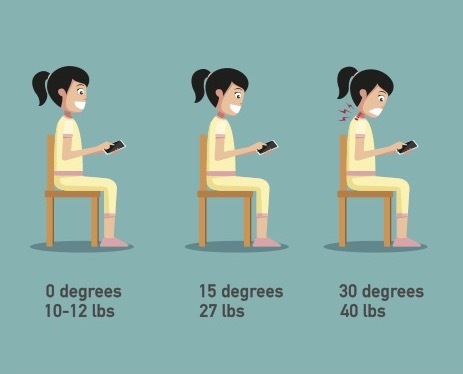
Do You Have Nerd Neck? Read (Gently) to Find Out Before you read any further, do a quick posture check. Are you currently looking down at your screen? Are your shoulders rounded? Your chin forward? If so, you could be on your way to developing forward head posture, or nerd neck. What Is Nerd Neck? Nerd neck, also known as tech neck, text neck, forward head posture, and upper crossed syndrome, is a term for a postural condition in which your head and neck protrude forward. “Your lower neck becomes flexed, and your upper neck extends to compensate. Over time your body starts to adapt, causing some muscles to shorten and others to elongate,” explains Dr. Jordan Duncan, DC, owner of Silverdale Sport & Spine in Silverdale, Washington. “In addition, you may become habituated to nerd neck, where your nervous system starts to think this position of your head is normal,” he adds. But it’s not normal. One study measured changes in the effective weight of the human head experienced by the cervical spine as the head moves forward from a neutral position. In a neutral position, the average human head is about 10-12 pounds. At a 15-degree forward angle, the weight increased to 27 pounds. At 30 degrees, it came in at 40 pounds. Essentially, living with nerd neck is like walking around with a 30-pound necklace — without the bling — due to the increased forces on the cervical spine. How to Tell If You Have Forward Head Posture The first clue that you’re dealing with a case of forward head posture (besides your friends’ and family members’ constant nagging to sit up straight) may be headaches and pain in your neck, shoulders, and upper back. To conduct an unofficial self-assessment, have someone take a profile picture of you standing with your normal posture. “Ideally, your ears should be in line with your shoulders, which should be in line with your hips and knees. With nerd neck, your head drifts forward relative to the rest of your body,” Duncan says. What Causes Nerd Neck? Nerd neck tends to result from habitually hunching over books, phones, and computer keyboards, explaining how it got the name. Considering how much time we spend in front of screens and consuming media, this habit can have a significant impact and, according to Duncan, can be “difficult to correct.” What Are the Side Effects of Nerd Neck? Nerd neck isn’t exactly sexy, but aesthetics are one just part of the problem. Pain and discomfort “Symptoms of neck pain, headache, ringing in the ears, upper back pain, and numbness in the arm or hands can develop from prolonged maintenance of this posture,” says Jerome G. Enad, MD, board-certified orthopaedic surgeon. Additionally, research has shown a link between forward head posture and temporomandibular joint (TMJ) disorders, which can cause jaw pain and headaches. Decreased lung capacity “The tilting of the head and rounding of the back also results in decreased lung capacity,” he adds. That’s because forward neck posture impairs movement and function of muscles within the chest and abdomen that help govern breathing. Stress Nerd neck may also negatively affect your ability to respond to and deal with stress. In one study, before participants completed a psychological stress task and assessments of their mood, self-esteem, and perceived threat, they were asked to assume either a slumped or upright position. According to the study, “Upright participants reported higher self-esteem, more arousal, better mood, and lower fear, compared to slumped participants… [who] used more negative emotion words, first-person singular pronouns, affective process words, sadness words, and fewer positive emotion words.” How to Fix Forward Head Posture Books, screens, and smartphones aren’t going anywhere, so what can you realistically do to combat nerd neck? 1. Make your workstation ergonomic Read up on the guidelines for chairs, keyboard positioning, and mouse usage, but make sure the top third of your monitor is at your seated eye level. 2. Adjust your scrolling position “Moving your phone up, so you aren’t looking down at it, can help with forward head posture,” Duncan says. 3. Get up and move You don’t want to stay in any one position — even one that utilizes “good” posture — for too long. “Taking breaks to get up and stretch, especially moving in the direction opposite your seated posture, can go a long way,” Duncan says. 4. Assume the Bruegger’s Relief Position Duncan recommends doing a stretch called the Bruegger’s relief position once for every hour you spend sitting: Sit at the edge of a chair and position your knees a little wider than your hips with your feet turned out slightly. While looking straight ahead, bring your chin slightly back. With your arms at your sides, open your hands and rotate your shoulders so that your palms are facing forward. Bring your shoulder blades back and down as if sticking them in your back pockets. Take a deep breath in through your nose, then let the breath out through your mouth, and allow your shoulders to move farther back and down. Repeat a few times. 5. Seek help If you continue to struggle with forward head posture and its side effects, it may be necessary to consult a medical or movement professional, as they can help treat any muscular imbalances. “Physical therapy focuses on relaxation and myofascial release of the tight, shortened muscles and dynamic exercises of not just the overstretched areas, but of all postural muscles,” explains Enad. The post Do You Have Nerd Neck? Read (Gently) to Find Out appeared first on BODi. Before you read any further, do a quick posture check. Are you currently looking down at your screen? Are your shoulders rounded? Your chin forward? If so, you could be on your way to developing forward head posture, or nerd neck. What Is Nerd Neck? Nerd neck, also known as tech neck, text neck, forward […] The post Do You Have Nerd Neck? Read (Gently) to Find Out appeared first

Do You Have Nerd Neck? Read (Gently) to Find Out Read More »

Prevent Runner’s Itch With These Simple Tips

Prevent Runner’s Itch With These Simple Tips Your running playlist is perfect. You’ve hit a great stride. You’re on pace to beat your record time. Then, suddenly, your skin starts to feel itchy and tingly, kind of like you passed through a poison ivy patch. What causes this “runner’s itch” — and should you be concerned? Here’s what you need to know. What Is Runner’s Itch? Runner’s itch is an irritation of the skin that can surface during strenuous exercise. The itch can occur anywhere on your body, including your stomach and arms, but it’s most common on the legs. Fortunately, it’s not usually a concern, especially if it goes away soon after you stop running. If the itchiness doesn’t subside — or it’s accompanied by symptoms like hives or dizziness — talk to your doctor. What Causes Runner’s Itch? Here are two of the most common reasons why you might be itchy. Nerves One common cause of runner’s itch is increased blood flow. This occurs most with people who are new to running or haven’t run in a while. The intensity of the activity boosts your heart rate, which leads to expanded arteries and capillaries, as well as more blood flow to the muscles. When that happens, nerve cells throughout the body can become stimulated. So what you’re feeling is not technically an itch but rather fired-up nerves. Allergies Another possible cause — especially if the itchy area is covered by your clothing — is a mild allergic reaction to a product you’re using, such as laundry detergent or soap. Fragrances among these products tend to be one of the top culprits for contact dermatitis, which is an itch caused by contact with an allergen, says Lily Adelzadeh, MD, a board-certified dermatologist in California. As you sweat, your pores open up more, which could make you more likely to have a reaction. Some people may also experience exercise-induced urticaria, a condition which causes allergic symptoms like hives or swelling during or after physical activity. If you think this might be your issue, your doctor can help you identify potential triggers and control your symptoms. How Do You Prevent Runner’s Itch? Running on a regular schedule can help, as the condition tends to be less problematic as your body — and your nervous system — gets used to running, says Adelzadeh. Warm up before running, since that helps with blood flow. Switching to fragrance-free detergent and dryer sheets for your running gear can help as well, Adelzadeh adds. Wearing moisture-wicking clothes can help minimize sweating, and compression socks can help with blood flow. Can You Stop Runner’s Itch? Prevention steps are helpful, but what can you do in the moment for that super itchy sensation? Adelzadeh suggests rubbing your legs instead of scratching, since scraping the skin can make it more irritated. You may also want to try carrying a small bottle or baggie of unscented moisturizer with you, because dry skin can exacerbate the issue. If possible, keep running. Getting your full workout will help you adjust faster and leave runner’s itch behind. But if your symptoms are severe or they don’t subside, talk to your doctor about possible treatment options. The post Prevent Runner’s Itch With These Simple Tips appeared first on BODi. Your running playlist is perfect. You’ve hit a great stride. You’re on pace to beat your record time. Then, suddenly, your skin starts to feel itchy and tingly, kind of like you passed through a poison ivy patch. What causes this “runner’s itch” — and should you be concerned? Here’s what you need to know. […] The post Prevent Runner’s Itch With These Simple Tips appeared first on BODi. Kayne Toyosato{authorlink}https://www.beachbodyondemand.com/blog/runners-itchBODi BODi is a Health Esteem platform to help you embrace the person you are today so you can take action to achieve all your health and fitness goals. https://www.beachbodyondemand.com/blog/wp-content/plugins/bod-blog/assets/vendor/beachbodydigital/wordpress-core-plugins/beachbody.png

Prevent Runner’s Itch With These Simple Tips Read More »

Is It Safe to Ride Your Indoor Bike While Pregnant? Here’s What You Need to Know

Is It Safe to Ride Your Indoor Bike While Pregnant? Here’s What You Need to Know If you’re concerned about the safety of your little one, you might have some questions around cycling while pregnant. The good news is that it’s safe to ride, though it’s always important to get the go-ahead from your doctor first. Previously, pregnant women were told to take it easy — and based on some medical conditions, that may still be the best advice for some. But growing awareness and research on the benefits of exercise during pregnancy have flipped the script. Studies have found that regular exercise may help control blood pressure — a significant concern during pregnancy — and can shorten the duration of labor and improve the health of your baby. The American College of Obstetricians and Gynecologists (ACOG) recommends getting at least 150 minutes of moderate-intensity aerobic activity throughout the week. Getting on your BODi Bike can help you dial up to that intensity while minimizing the impact on your joints — especially as your pregnancy progresses and your weight changes. Research backs the benefits of indoor cycling as well. One study found that pregnant women who rode on stationary bikes regularly showed more stabilized blood sugar, improved circulation, higher energy, and were better prepared for labor. Are there ways to make riding safer and more comfortable during pregnancy? Absolutely, says Melanie Melillo, CPT, as long as you adjust your workouts in a way that keeps you protected. Here are some top tips to consider. 1. Listen to Your Body “Because indoor cycling is low impact, it’s great cardio for pregnancy. But as pregnancy progresses, sitting on the bike may not be comfortable,” says Melillo. For example, she stopped when she was seven months pregnant because she had to pee the minute she sat on the bike — a sensation any woman in her third trimester likely knows all too well. She adds that the general rule is that you should pay attention to what your body is telling you and monitor how you feel. There may come a point, like with Melillo, where riding isn’t as comfortable. Still, it’s also possible that you can keep going right up to your delivery date — it all depends on what’s happening with your body specifically. That also means making sure to keep track of your rate of perceived exertion (RPE). Although it can be fun to challenge yourself to some degree, your body already works harder to accommodate the changes associated with pregnancy. Consider staying at a comfortable pace where you’re able to talk throughout, rather than getting out of breath. 2. Stay Indoors Melillo says one of the benefits of indoor cycling compared to being outdoors on a traditional bike is the center-of-gravity factor. This will be a more significant issue as pregnancy progresses, which means you have to be more cautious about activities that raise your risk of falling. “For outdoor cycling, safety is a major concern, and center of gravity would be a big part of that,” she notes. However, since indoor cycling doesn’t have the type of directional shifts and uneven terrain found in outdoor cycling, it’s much less of an issue. 3. Adjust Over Time “As pregnancy progresses, staying comfortable while riding gets more challenging,” says Melillo, adding that even minor adjustments can be helpful, like raising the handlebars to make room for your growing belly and making sure to pee before you ride. The BODi Bike features adjustable handlebars that move not only up and down but also forward and backward, helping you find the perfect position to accommodate your baby bump. Another big tweak: Lighten up the resistance. Melillo says a lighter resistance can help your heart rate and blood pressure stay in a more comfortable range. 4. Stay Nourished and Hydrated Even when you’re not pregnant, higher levels of activity often change your nutritional needs. When you’re expecting, that’s even more pronounced. That’s why it’s helpful to discuss the issue with your doctor, and to focus on foods that can keep you going strong, like lean protein, whole grains, leafy greens, and healthy fats. Another critical strategy is staying hydrated, adds Melillo. The benefit with indoor cycling is that you don’t have to carry water, she says, since you can keep it right next to you or on the bike — just don’t forget to drink regularly. Keep in mind, too, that your water requirements increase throughout the pregnancy, according to research. Although this will make you pee more often (sorry!), it helps prevent dehydration, which can have profound effects on maternal and fetal health, like keeping your blood pressure controlled. The post Is It Safe to Ride Your Indoor Bike While Pregnant? Here’s What You Need to Know appeared first on BODi. If you’re concerned about the safety of your little one, you might have some questions around cycling while pregnant. The good news is that it’s safe to ride, though it’s always important to get the go-ahead from your doctor first. Previously, pregnant women were told to take it easy — and based on some medical […] The post Is It Safe to Ride Your Indoor Bike While Pregnant? Here’s What You Need to Know appeared first on BODi. Kayne Toyosato{authorlink}https://www.beachbodyondemand.com/blog/cycling-while-pregnantBODi BODi is a Health Esteem platform to help you embrace the person you are today so you can take action to achieve all your health and fitness goals. https://www.beachbodyondemand.com/blog/wp-content/plugins/bod-blog/assets/vendor/beachbodydigital/wordpress-core-plugins/beachbody.png

Is It Safe to Ride Your Indoor Bike While Pregnant? Here’s What You Need to Know Read More »

Get the Intensity Without the Impact With HILIT Exercises

Get the Intensity Without the Impact With HILIT Exercises When you think of challenging, time-effective workouts, high-intensity interval training (HIIT) staples — like squat thrusts and tuck jumps — probably come to mind. However, high-intensity low-impact training (HILIT) can be just as useful for improving heart health, shedding excess weight, and strengthening muscles. HILIT goes against the pervasive “no pain, no gain” mentality and shows us that the toll that an exercise has on your body doesn’t directly relate to its benefits. What Is HILIT? Like HIIT, HILIT workouts are comprised of bursts of activity interspersed with short rest periods. Work intervals are for pushing your limits; during a HILIT session, your heart rate may hover between 80 and 90 percent of your maximum heart rate. But not because you’re jumping, bounding, or moving in a way that greatly impacts your joints. HILIT workouts omit plyometric movements by design. However, don’t let the “low-impact” aspect of HILIT fool you. “The idea behind HILIT is not to make a workout easy,” says Elanit Sellers, BODi’s executive director of fitness development. “This methodology of training allows for sweaty workouts while minimizing the impact on the joints.” Is Low-Impact HIIT Effective? HILIT workouts are effective as long as you’re maintaining a high level of intensity throughout the workout and sticking to relatively short rest periods. “Just because an exercise is low-impact doesn’t mean you’re not still challenging your muscular and cardiovascular endurance,” Friedman explains. In fact, for some people, HILIT may be preferable to HIIT. “Everyone lives in a different body, which means not everyone’s body feels good when performing high-impact exercises,” Friedman says. “HILIT is a great way to train your body while minimizing your risk of injury by reducing force on the joints. The benefits are increased strength, better cardiovascular endurance, leanness, and weight loss.” HILIT Workouts to Try If you’re interested in incorporating HILIT into your workout routine, Friedman recommends trying Pilates and more vigorous styles of yoga. You’re guaranteed to break a sweat in any one of BODi’s Xtend Barre and XB Pilates classes, and Yoga52 offers challenging sequences for practitioners of every level of experience. If you’re looking for HILIT exercises to build your core and butt, check out Jordan Morello’s Ab + Booty Burn! Jordan has dealt with his fair share of injuries and setbacks, so he designed his workouts around low-impact exercises. Try some of his favorite moves that work your abs and booty simultaneously. But if you’d rather put together your own HILIT circuit, here are some movements that will get your blood pumping (without pummeling your joints). 1. Inchworm Stand tall with your feet hip-width apart and your arms at your sides. Keeping your core engaged and back flat, hinge forward at your hips and place both palms on the floor. Bend your knees slightly if necessary. Walk your hands forward into a high plank position. Your wrists should be directly under your shoulders, and your body should be straight from head to heels. Reverse the movement, walking your hands back toward your feet to return to the starting position. 2. Goblet squat Grab a dumbbell and hold it vertically in front of your chest, cupping the top end in both hands (imagine it’s a heavy goblet). Set your feet slightly wider than shoulder-width apart. Keeping your back flat and elbows pointed down, push your hips back and lower your body until your thighs are at least parallel to the ground (your elbows should stay inside your knees). Pause, and then slowly push yourself back up to the starting position. 3. Reverse lunge to biceps curl Standing with your feet hip-width apart, hold a pair of dumbbells by your sides with your palms facing forward. Keeping your chest up, back flat, shoulders back, and core engaged, take a large step back with your right leg. Simultaneously bend your elbows and begin to lift the dumbbells toward your body. Lower your body until your left thigh is parallel with the floor. (Your knees should be bent about 90 degrees, with the right knee hovering a couple of inches above the ground.) As you lower your body, curl both dumbbells up toward your shoulders, keeping both elbows pointed down. Pause, and then push off your back foot to return to the starting position, slowly lowering the weights. Perform equal reps on both sides. 4. Modified Pilates push-up Start on all fours with your palms and knees on the floor. Your elbows and shoulders should be stacked directly over your wrists. Position your knees so that there’s a straight line from your head to your knees; don’t allow your hips to pike up or sag toward the floor. Bend your knees, point your toes, and lift your heels toward your butt. Keeping your elbows tucked in toward your body, bend your arms to lower your chest to the floor. Push through your palms to straighten your elbows and lift your chest away from the floor. 5. Seated triceps dip Sit on the floor with your legs together. Bend your knees, place your hands on the floor behind your butt, and press the soles of your feet into the floor. Slide your feet toward your butt and lift your hips off the floor. Keeping your elbows tucked in toward your body, bend them to lower your hips until your butt is a couple of inches from the floor. Use your triceps to quickly straighten your elbows and lift your hips. Continue to use your triceps to lower and lift your hips in a quick, pulsing motion until all reps are complete. 6. Jackknife sit-up Lie flat on your back and neutralize your lower back (avoid a rounded or an arched spine). Extend your legs out long and reach your arms above your head. Hover your arms and legs a few inches off the floor. (Continue to press your tailbone into the mat.) This is your starting position. On an exhale, lift your head and pull your arms and legs up into a V-shape (lift 30-45 degrees away

Get the Intensity Without the Impact With HILIT Exercises Read More »

Build Strength and Endurance Simultaneously With Circuit Training

Build Strength and Endurance Simultaneously With Circuit Training If you’ve ever taken a group fitness class or done an online workout program, chances are you’ve done some form of circuit training. A great way to mix cardio and strength training into one effective routine, circuit training packs a lot of work into a short period of time — and you often don’t even need any equipment. It can also be an effective boredom-buster, since you can switch things up easily with so many different exercises. So what exactly is circuit training? How many calories can it burn? And is circuit training good for weight loss? Here’s what you need to know. What Is Circuit Training? “Circuit training involves performing multiple rounds of several back-to-back exercises with brief periods of rest between rounds,” explains Trevor Thieme, C.S.C.S., BODi’s executive director of fitness and nutrition content. For example, a circuit workout could entail performing all reps of the following exercises back-to-back, resting two minutes between rounds for three rounds: Jumping lunge: 8 reps/leg Push-up: 8-10 reps Squat: 10 reps Toe taps: 20 reps Side plank: 20 seconds/side If you’re crazy busy, circuit training is a great way to maximize your efficiency, since it helps improve both strength and cardiovascular fitness in one workout. And you can make it even more efficient by sequencing your exercises so you work one body part or muscle group while you rest another, Thieme says — for example, you could alternate between lower-body, upper-body, and core exercises. Or you might want to incorporate some bodyweight cardio exercises into your workout. Circuit training vs HIIT Circuit training differs slightly from high-intensity interval training (HIIT) in that the work periods in HIIT are usually shorter and more intense, plus there’s a stronger emphasis on cardio in interval training, Thieme says. How Often Should You Do Circuit Training? If you design your own circuit training routine, Thieme recommends working out three to four days a week. If you have a personal trainer or follow an online program with streaming workouts, you can circuit train up to six days a week. “That’s because a smart trainer or well-designed online program will manage fatigue — not just during individual workouts, but also throughout each training week — allowing you to exercise almost every day without increasing your risk of overtraining,” he explains. Circuit Training for Weight Loss If your goal is to lose weight, circuit training may help. “Any workout that challenges your muscular or cardiorespiratory systems can help you shed fat, and circuit training challenges both,” Thieme says. In one study, researchers divided 58 middle-aged overweight men into three exercise groups: One did high-intensity circuit training, one did low-intensity circuit training, and the last did traditional endurance training. Each group worked out three times a week for 50 minutes. After 12 weeks, both circuit-training groups lost significantly more weight than the endurance group, and the high-intensity exercisers lost significantly more fat than the other two groups did. And you don’t need a gym to see weight-loss results: Research suggests high-intensity circuit training using only bodyweight exercises like squats, push-ups, and planks can decrease body fat. One driving factor of weight loss through circuit training is oxygen. Your muscles need oxygen to perform, and because circuit training works multiple muscle groups, you need more oxygen — and your calorie burn increases. According to Harvard Medical School, in a 30-minute circuit training workout, a 155-pound person burns 298 calories. And circuit training can also increase excess post-exercise oxygen consumption (EPOC), which means you continue to burn calories after your workout is over. 7 Circuit Training Exercises to Try So what are the best circuit training exercises? Actually, just about any exercise can count as circuit training — as long as your workout is structured correctly. “Circuit training is less about exercise type and more about workout design,” Thieme explains. “As long as you perform more than three exercises back-to-back, you’ve got yourself a circuit.” Here are a few ideas for exercises to incorporate into your circuit training workout. 1. Jump squats Stand with your feet shoulder-width apart. You can use just your bodyweight, or hold a weight at your chest. Keeping your chest up, core engaged, and back flat, push your hips back and lower your body until your thighs are parallel to the floor. Push yourself back up explosively, jumping straight up. Land softly, lowering yourself immediately into your next rep. 2. Burpees Start by standing with your feet hip-width apart. Push your hips back, bend your knees, and place your hands on the floor in front of you. Jump your feet back into a push-up position, and then jump back to a squat position. Explode up, reaching overhead as you jump off the floor. Land softly, and immediately begin your next rep. 3. Skipping Skip in place, jump rope, or do skater hops for a minute between the other exercises in your circuit. 4. Dumbbell squats Stand with your feet hip- to shoulder-width apart, holding a pair of dumbbells at arm’s length by your sides. Keeping your back flat and core tight, push your hips back, bend your knees, and lower your body until your thighs are parallel to the floor. Pause, then push yourself back up to the starting position. 5. Treadmill running Run on a treadmill for two minutes between the other exercises in your circuit. 6. Squat thrusts Start by standing with your feet hip-width apart. Push your hips back, bend your knees, and place your hands on the floor in front of you. Jump your feet back into a push-up position, and then jump back to to a squat position. Quickly return to standing and begin your next rep. (A squat thrust is similar to a burpee, but without the explosive jump at the end of each rep.) 7. Tuck jumps Stand with your feet shoulder-width apart. Drive your arms up toward the sky and lift your knees toward your elbows as you jump as high

Build Strength and Endurance Simultaneously With Circuit Training Read More »

Get More From Your Workouts by Tracking Calories Burned by Heart Rate

Get More From Your Workouts by Tracking Calories Burned by Heart Rate Thanks to the wide selection of available fitness trackers and smartwatches, it’s never been easier to track and record your heart rate. But how useful is that information? Very, it turns out. First of all, it’s possible to calculate calories burned by heart rate. So, if you’ve ever wondered about the effectiveness of a particular fitness class or wanted to compare the intensity of one type of workout to another, your heart rate can be a useful clue. Monitoring your heart rate in real time can also help you stay within your target heart rate zone and provide valuable insights into your progress and overall fitness level. So don’t ignore that little heart-shaped graphic on the screen of your wearable — use it. How to Calculate Calories Burned by Heart Rate Only an exercise physiologist with access to a lab can provide a scientifically accurate measurement of how many calories you’ve burned during a workout. But, with some basic math skills, it is possible to get an estimate. To calculate calories burned by heart rate, you’ll need: The duration of your workout Your average heart rate for that workout Some basic personal information A calculator Below are two formulas based on biological sex: Male: [(-55.0969 + (0.6309 x HR) + (0.1988 x W) + (0.2017 x A)] / 4.184) x 60 x TFemale: [(-20.4022 + (0.4472 x HR) – (0.1263 x W) + (0.074 x A)] / 4.184) x 60 x T HR = Heart rate (in beats/minute) W = Weight (in kilograms; 1 kg = 2.2 pounds) A = Age (in years) T = Exercise duration time (in hours) For example, a 40-year-old woman weighing 68 kilograms (about 150 pounds) who averages 160 bpm during an hour-long workout will burn about 653 calories. “Generally speaking, the higher your heart rate, the more calories you will burn for a given amount of time,” says Todd Buckingham, Ph.D, an exercise physiologist at Mary Free Bed Sports Rehabilitation Performance Lab in Wyoming, Michigan. “For example, if running for 10 minutes, you will burn more calories if your heart rate is 180 beats per minute (bpm) than if it was 140 bpm.” Buckingham describes this formula as a “good, scientifically developed formula,” but notes that all the participants in the study that tested it were physically active and free of any metabolic or cardiovascular diseases. “This means that the equation accurately predicted actual energy expenditure extremely well for a wide range of active individuals and can therefore be generalized to other active individuals who regularly partake in physical activity,” he says. “Whether this equation is accurate for individuals who have some type of metabolic or cardiovascular disease or who have not engaged in prior physical activity remains unknown.” What Heart Rate Zone Is Best for Losing Weight? Heart rate zones are based on your maximum heart rate (MHR), or the fastest rate at which your heart can beat. The most popular formula for calculating MHR is: 220 minus age. So, based on this formula, the MHR for a 40-year-old person is estimated to be about 180 bpm. (Note that, while this formula is simple to use, there are other, slightly more complicated formulas that are believed to be more accurate.) Each heart rate zone is determined by a percentage of your MHR: 50-60% of MHR: A relatively low level of effort. You can still carry on a conversation. (Think: warming up, cooling down, and active recovery.) 60-70% of MHR: You’re breathing heavier, but you can still speak in short sentences. 70-80% of MHR: Your heart is beating faster, breathing is labored, and it’s harder to speak. 80-90% of MHR: Speaking is no longer an option. 90-100% of MHR: An all-out effort that you can sustain for only very short bursts (e.g., a sprint). Your ideal heart rate zone depends on your fitness goals, says Buckingham. “If your goal is weight loss, you should try to keep your heart rate as high as possible for as long as possible [without increasing your risk of overtraining or injury],” he explains. “So, if you’re able to sustain a high heart rate for an extended period of time, you will get the most of your calorie burn.” However, whether you’re a competitive sprinter or marathon runner, you’ll need to adjust your approach accordingly. “If your goal is training for endurance, you need to be able to run for long durations,” Buckingham says. “Therefore, it’s important to incorporate a lot of long, steady state runs into your training where you keep your heart rate at about 70% of your maximum.” For the sprinter, heart rate monitoring is less applicable to everyday training. “When sprint training, it’s best just to run really fast and not pay attention to heart rate,” he says. What Can You Learn From Your Heart Rate? When tracked over time, your heart rate can be an indicator of your overall health and progress toward achieving your fitness goals. If you’re consistent with exercise, you’ll likely notice that your heart rate is lower than when you first began working out — both at rest and when you’re active. “This shows that your body is becoming more efficient,” Buckingham says. “Cardiac output is the amount of blood your heart pumps out each minute and is comprised of your heart rate and stroke volume (milliliters per beat). As you become more fit, your heart gets stronger and can pump more blood with each beat. Because your heart is now pumping more blood with each beat, it doesn’t have to beat as fast to maintain the same cardiac output,” he explains. The post Get More From Your Workouts by Tracking Calories Burned by Heart Rate appeared first on BODi. Thanks to the wide selection of available fitness trackers and smartwatches, it’s never been easier to track and record your heart rate. But how useful is that information? Very, it turns out. First of all, it’s possible to calculate calories burned by heart rate. So,

Get More From Your Workouts by Tracking Calories Burned by Heart Rate Read More »

How to Deal With Knee Pain From Cycling

How to Deal With Knee Pain From Cycling Cycling — stationary, road, or otherwise — has its pros and cons. On the pro side, there’s the increased endurance and muscle definition. Downsides? The dull achiness that forms at the front of your knee, known as cycling knee pain. Knee pain is a common side effect of cycling, affecting about a quarter of serious outdoor and indoor cyclists. If you’re one of them, we’re here to help. Why Do Cyclists Experience Knee Pain? “Knee pain arising from cycling is usually related to repeated use,” says Stacy Barrows, a physical therapist and Feldenkrais practitioner from Los Angeles. Unless you crash your bike, in other words, you’re unlikely to experience a catastrophic knee injury. The pain you feel is due to pumping the pedals tens of thousands of times or more per week. Perform any movement that often and overuse injury is a likely outcome, explains Barrows. The knee, a simple hinge joint, is happiest when it tracks straight, like a well-mounted door. Even a small misalignment in your feet, hips, back, or shoulders can throw off that hinge movement. The result? Micro-trauma with each pedal stroke, which can ultimately lead to pain in one or both knees. However, cycling is a cardio activity that’s generally easy on the joints because your body absorbs very little impact. Knee pain from running, hiking, or power-walking is usually caused by the repeated impact of the feet on the ground. Without that impact, joint pain is much less likely. What Types of Knee Pain are Common in Cyclists? The most common type of knee pain from cycling is patellofemoral pain. That’s a dull, achy sensation in the front of the knee, around the kneecap. You might also experience pain on the inside or outside (medial or lateral sides), or the back of the knee (posterior). “The movement of the knee is affected by many structures — among them your ankles, hips, lower back, and shoulders,” says Barrows. If your glutes are tight, for example, your knee may track outward with each pedal stroke, causing pain over time. If your core isn’t strong, your pelvis may rock excessively to one side, causing one knee to hyperextend. When to Seek Help for Knee Pain If your pain is severe, you have swelling, or the joint feels hot to the touch, check your symptoms out with your doctor. Hobbling around and living on ibuprofen for several days are telltale signs that your problems are likely beyond the scope of this article. Get thee to the orthopedist. Chances are your knee pain is exercise-related, which means you like to exercise, and probably don’t like not exercising. But if you keep doing the same type of exercise that’s causing your knee pain, you’ll wind up with more (and probably worse) knee pain. Then your break from exercise might not be days or weeks, but months or even years. So until your knee pain resolves itself, stop cycling. More on that below. How to Treat Knee Pain From Cycling Without the help of a specialist, it’s hard to determine the reason for a particular knee issue. But here are several ways to improve most cycling-related knee pain. 1. Get out of the saddle The first step in fixing your knee pain from cycling is to stop doing the thing that’s causing your pain — namely, cycling. What’s worse: two weeks off or five months off? In the interim, do something else that doesn’t exacerbate the pain. That might be yoga, strength training, walking, or using the elliptical machine. Worst-case, you might have to lay off the lower body and focus on core strength, mobility, and upper body training temporarily. There are worse ways to spend a couple of weeks. But whatever it is, do something. It will make returning to exercise that much easier, and you may well shore up some weak points while you’re at it. Once you do return to cycling, start with some of the shorter classes on BODi — they help you set up the bike perfectly, so you can stop knee pain before it starts. 2. Home remedies for sore knees If your knee is swollen or especially sore, elevate your leg and apply heat or ice for 20 minutes at a stretch up to a few times a day. Barrows also recommends kinesiotape (KT tape), which can help support the knee, or physical therapy exercises, which can help promote recovery during this phase. Quick reminder: Check in with your doctor if the soreness lasts more than a few days — and schedule an appointment immediately if the pain is severe and acute. Home-remedy solutions like these will relieve pain so you can get back to your daily activities sooner. 3. Fix your seat height While you’re taking time off your wheels, check your seat height or get a pro to check it for you. “Knee pain can happen if your seat is either too high or too low,” says Barrows. A high seat causes the knees to overextend, while a seat that’s too low can cause the knees to bend too far. “You’re looking for about a 20- to 25-degree knee bend at the bottom of your pedal stroke,” says Barrows. That’s a comfortably straight position — not rigid and locked out. 4. Roll out your quads The quadriceps (the muscles on the fronts of your thighs) are the prime movers in cycling, working to straighten your knee over and over as you pedal away. Over time this can put enormous pressure on the knee joint, pulling your kneecap off track. In avid cyclists, this tension can become chronic, even when you’re off the bike. One solution, says Barrows, is to do some soft-tissue work on those quads. “I prefer a soft ball,” she says. “Put it against the wall and roll the fronts and sides of your thighs out for a few minutes on each side.” You’ll release excessive tension, allowing the kneecap to track properly.

How to Deal With Knee Pain From Cycling Read More »

What Muscles Does Cycling Work? Here’s What Your Workouts Are Doing for You

What Muscles Does Cycling Work? Here’s What Your Workouts Are Doing for You If you noticed some extra definition in your lower body since you’ve hopped in the saddle, you might wonder, What muscles does cycling work? After seeing years of headlines warning that “sitting is the new smoking,” it might require a little suspension of disbelief to consider that you can get in the best shape of your life while largely parked on your butt. But that’s what cycling, a surprisingly comprehensive workout, can provide. “Cycling builds muscle and improves endurance,” says John Gardner, an NASM-certified personal trainer. It’s a serious calorie burner, which can help you lose fat and slim down overall. “While the most difference will appear on the lower body muscles — as most of the pedaling power comes from those muscles — your core can get toned, too,” he adds. Cycling works your cardiovascular system as well as your lower body. Here’s how. 1. Heart First, a good bike workout can strengthen the most vital muscle of all. “Cycling is a cardiovascular exercise, so that means you’re going to burn calories and strengthen your heart and lungs while you do it,” says Melanie Melillo, CPT. But in terms of the muscle groups you can see, cycling mainly works the lower body, particularly the legs. Cycling indoors with a bike that provides varying resistance can help you focus on these areas. “When you’re an indoor cyclist, because of the resistance on the flywheel, you’ll shape and tone your legs, creating definition in your quads, calves, and glutes,” says Melillo. 2. Quadriceps As your legs cycle, you slightly straighten your legs to push the pedal down. That engages the quadriceps, says Gardner. Your quads are the four muscles that line the front and sides of the thigh. As both hip flexors and knee extensors, they’re super-functional; strengthening them can help support those major joints. And because the quads comprise the biggest muscle group in your body, building them can have visible benefits. 3. Hamstrings As you bend your knees and pump away, you work the hamstrings muscles — those on the backs of the thighs — which provide force to push against the pedals, says Gardner. And if you have clip-in pedals, you place slightly more emphasis on the hamstrings and hip flexors by more actively pulling up with each pedal stroke. 4. Calves As you pedal downward, the calves power the action, collaborating with the hamstrings and quadriceps to push against the pedal and stabilize the foot, says Gardner. On the stability front, doctors and trainers often prescribe cycling to people who are recovering from knee injuries or whose knees are bothered by joint disorders like arthritis. “I highly recommend cycling to my patients,” says Siddharth Tambar, MD, a board-certified rheumatologist in Chicago who specializes in the non-surgical treatment of neuromuscular problems. “Cycling recruits the gluteus, quadriceps, thigh, and calf muscles. Strengthening these muscles has a stabilizing effect on the knees, decreasing knee instability, weakness, and injury,” Tambar explains. 5. Glutes When cycling, your hips rotate, which engages the glutes; they allow the pelvis to stay stable on the bike, says Gardner. The motion and resistance can strengthen this aesthetically crucial muscle group. “The stronger your glutes are, the perkier they are,” says Melillo. “And we all know these days, the more shapely the booty, the better.” An important note: Don’t shift your butt out of alignment to try to further engage those muscles; that can be dangerous, says Melillo. “If you stick your butt out further, are you going to get more glute work? No,” she says. “You can actually hurt yourself. The more efficient you get at riding, the more resistance you can turn on, and the stronger you’ll get overall. Your glutes work as much as they need to work when you’re in the proper cycling position.” 6. Core “Surprisingly, indoor cycling is a complete core workout,” says Karen Maxwell, an ISSA-certified sports nutritionist and master instructor for CycleBar in Denver, Colorado. “Your core stabilizes you; it’s your central place of balance and power. The more still the upper body is and with a tight core, the better.” Functional Fitness But cycling’s benefits can be more significant than any individual muscle group. “It’s really about the functional [fitness] that you bring to every other aspect of your life,” says Melillo. “When you have more muscular endurance in your legs, you’re going to be able to enjoy the rest of your life without fatiguing as quickly. You’ll be that person who, when somebody says, ‘Hey, you want to go for a hike?’ or, ‘Let’s go for a walk,’ you’ll be able to do it because you’ll have that foundation. It brings a lot to just general quality of life,” she explains. The post What Muscles Does Cycling Work? Here’s What Your Workouts Are Doing for You appeared first on BODi. If you noticed some extra definition in your lower body since you’ve hopped in the saddle, you might wonder, What muscles does cycling work? After seeing years of headlines warning that “sitting is the new smoking,” it might require a little suspension of disbelief to consider that you can get in the best shape of […] The post What Muscles Does Cycling Work? Here’s What Your Workouts Are Doing for You appeared first on BODi. Michael Martin{authorlink}https://www.beachbodyondemand.com/blog/what-muscles-does-cycling-workBODi BODi is a Health Esteem platform to help you embrace the person you are today so you can take action to achieve all your health and fitness goals. https://www.beachbodyondemand.com/blog/wp-content/plugins/bod-blog/assets/vendor/beachbodydigital/wordpress-core-plugins/beachbody.png

What Muscles Does Cycling Work? Here’s What Your Workouts Are Doing for You Read More »

What Is Pelvic Tilt? Plus, 5 Exercises to Prevent Pain

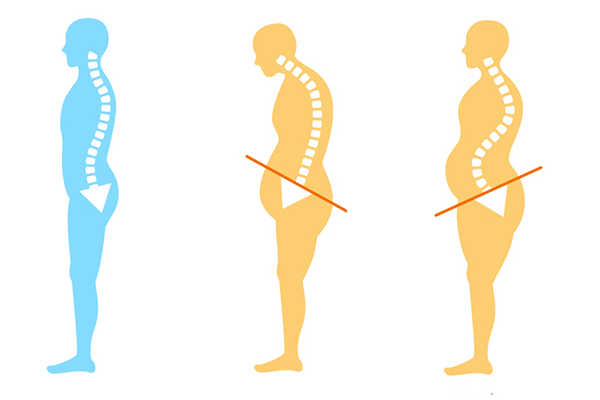
What Is Pelvic Tilt? Plus, 5 Exercises to Prevent Pain Just like debates about macros and if lifting weights makes women bulky, talks about pelvic tilt can get a little heated in the fitness world. “There is a connotation of late where people think pelvic tilt is bad,” says Tony Gentilcore, CSCS, co-founder of Cressey Sports Performance. “But it’s 100 percent normal.” Here’s what you need to know about pelvic tilt — and exercises to help correct it if you’re concerned about excessive tilt. What Is Pelvic Tilt? Pelvic tilt can actually refer to three things, explains physical therapist Carrie Pagliano, PT, DPT, and media spokesperson for the American Physical Therapy Association. A movement strategy people use during activities such as heavy lifting exercises and gymnastics. An exercise used to strengthen the core. A structural part of your anatomy. For the purpose of this article, we’re discussing the structure. “The pelvis bones can have an angle of rotation,” Pagliano explains. When the pelvis tilts backward (rounding your back), it’s called posterior pelvic tilt. When the pelvis tilts forward (arching your back), it’s called anterior pelvic tilt, which is more common. A physical therapist may do several tests to measure pelvic tilt and determine if it is excessive or not. However, many personal trainers are able to spot pelvic tilt from experience, since it can often be identified visually. What Causes Pelvic Tilt? Most pelvic tilt is natural. “We are designed to have anterior pelvic tilt, where we are a little bit more tilted forward,” Gentilcore says. Women tend to have slighter greater anterior pelvic tilt than men do. However, excessive anterior pelvic tilt may be caused by a combination of tight and weak muscles. This may include tight lumbar muscles (lower back), psoas (part of the hip flexors), and rectus femoris (one of the quadriceps muscles), all of which can cause the pelvis to tilt forward. On the flip side, weak abdominals, glutes, and hamstrings may also contribute to an anterior pelvic tilt. Prolonged sitting can contribute to anterior pelvic tilt, as long stints on our butts can lead to weak glutes and tight hip flexors. Pregnancy can also lead to anterior pelvic tilt because the weight of the fetus tips the pelvis forward. Additionally, many athletes develop anterior pelvic tilt — and use it to win. “A lot of what makes certain athletes very successful is that they are in a[n] anterior pelvic tilt all the time,” Gentilcore says. “That’s why they run so fast and jump so high.” Indeed, according to a review published in the Strength and Conditioning Journal in 2008, anterior pelvic tilt may give those who have to sprint, jump, or kick an advantage. “It’s the nature of the beast. A lot of athletics is extension — reaching, jumping, sprinting — because extension is acceleration,” Gentilcore explains. Tilted Pelvis and Back Pain There is no one answer to whether or not pelvic tilt alone causes back pain. Although many people link pelvic tilt and back pain, some research shows it does indeed lead to pain, some studies say it doesn’t, and some have mixed reviews. One study of 60 women found a significant relationship between tilt and low-back pain, but also found that people with and without back pain all had varying degrees of anterior pelvic tilt. And in a review of 43 studies published in BMC Musculoskeletal Disorders, the study authors found no significant differences in the standing pelvic angle tilt of people with and without low-back pain. “If you have bad posture, it doesn’t mean you will have back pain,” Pagliano says. “Pain is way more complex and there are a lot more systems involved.” Back pain aside, some people find that pelvic tilt may cause hip and knee discomfort, shin splints, or plantar fasciitis, Gentilcore says. “It’s a kinetic chain. If someone has flat feet and plantar fasciitis and their shins hurt, we’ll look at the hips.” 5 Pelvic Tilt Exercises You don’t necessarily need to fix a natural anterior pelvic tilt or posterior pelvic tilt. “Most of the time you don’t have to worry about it,” Gentilcore says. “It is normal.” However, if you have an excessive pelvic tilt, you may want to see a physical therapist who can do an assessment and recommend stretches and exercises. “Anything that hammers the glutes will be money,” Gentilcore says. “And core work will strengthen your rectus abdominis.” Try some of the following exercises often suggested for excessive pelvic tilt. 1. Squat Stand tall with your hands by your sides, feet shoulder-width apart, and toes pointed forward. Keeping your back flat and core braced, push your hips back, bend your knees, and lower your body until your thighs are parallel to the floor. You want to “sit” into the exercise, pushing your butt back like you’re lowering yourself onto a chair or bench. Never bend forward at your waist — that will only increase the stress on your spine and throw you off balance. Pause at the bottom, and then push yourself back up to the starting position. 2. Glute bridge Lie on your back, arms down by your sides. Bend your knees and plant your feet flat on the floor. Pull in through your navel to brace your core muscles, and then squeeze your glutes to press your hips up so your body forms a straight line from knees to shoulders. Don’t allow your back to arch. Keep your head on the floor and eyes focused on the ceiling. Hold the position for a beat, and then lower and repeat. 3. Psoas extension Stand inside a doorframe so that you’re facing one of the jambs. Carefully step back with your right leg, moving your foot outside the door along the wall as you lower your body into a lunge (your back should touch the jamb behind you). Reach up with both hands and grab the jamb as high above your head as possible. Hold for as long as you can up to 2 minutes. Stand up and repeat, stepping back with your left leg. 4. Deadbug Lie flat

What Is Pelvic Tilt? Plus, 5 Exercises to Prevent Pain Read More »

How to Set Goals for Your Cycling Routine — and Crush Them

How to Set Goals for Your Cycling Routine — and Crush Them If you’re ready to get serious about cycling, your first move is to set some goals. “Goal-setting is the most important component of any fitness program, because your goal defines what you do,” says Melanie Melillo, CPT. In the case of cycling, what you hope to accomplish — weight loss, fitness, performance — will ultimately dictate how and when you ride. The same rules apply whether you’re just getting started with an indoor cycling routine or taking your BODi Bike obsession to the next level. Here’s how to set better, smarter goals for your cycling routine. 1. Set SMART Goals Setting SMART goals (ones that are Specific, Measurable, Achievable, Relevant, and Timely) can significantly increase your chances of reaching them. Here’s how to get SMART: Specific Here’s the fun part: Figuring out what you want to achieve through your cycling routine. Is it fat loss? Crossing a virtual or actual finish line? Or how about keeping pace with your avid-cyclist best friend? Whatever the goal, make sure it’s specific. So, instead of “weight loss,” pinpoint a particular amount of weight (ex. 5 pounds, 15 pounds, 30 pounds). If you’re training for a race, pick out your event, so you have a date and distance to aim for. It’s okay if you have multiple goals in mind, but you’ll see the most success by focusing on one to start. Measurable Once you’ve identified your big goal, you need to break it into smaller pieces. Breaking your goal up can make a large goal feel less daunting. “Give yourself smaller chunks to work with so you can see your progress,” Melillo says. Take your goal and split it into smaller weekly goals. For example, if you hope to cycle for a full hour, aim to meet a new time goal by the end of every week. Breaking up your goal this way can make your big goal more approachable. “It also gives you a sense of urgency, because if it’s this week’s goal, you can’t really put it off until next week,” Melillo says. Achievable When you create a plan to reach your goals, be sure to start where you’re at and build gradually from one week to the next. If you’re new to the bike, it might not be realistic to expect to cycle for 30 minutes three days per week. Even if you have a good base of cardiovascular fitness, it still takes your body time to get used to the new demands of cycling. “Just because you can run five miles doesn’t mean you’re ready to jump into an hour-long ride,” Melillo says. If you try to skip ahead in your training, you’ll only hurt your progress. “The biggest mistake people make when they start a fitness routine is they bite off more than their body can handle,” Melillo says. Do this and you may wind up too sore to work out regularly, or even increase your odds of injury. “You want to build on that foundation, so take it slow,” Melillo says. Relevant Think of the “why” behind your goals and make sure they’re personalized to you. You’re likely not competing in Tour de France, so there’s no need to aim for 10 miles every day. If you’re just looking improve your overall fitness, three to four days of cycling per week can be plenty. Prefer lower-intensity workouts to high-intensity ones? Opt for endurance rides instead of HIIT rides. Chasing your goals is far more rewarding and enjoyable when the journey is specifically tailored to your interests and motivations. Timely Setting a reasonable timeline for achieving your goals can help you stay on track. For example, if you’re doing workouts on the BODi Bike, maybe you want to make your way towards completing a 45-minute class before it’s time for your next zone calibration ride. Whatever your goal is, a deadline can help motivate you to seek measurable progress every day or week. You know yourself best, so give yourself enough time to work hard for a few weeks or months, but not too much time to the point where you lose focus or get bored. 2. Strategize Your Workouts Smart workout selection is key to reaching your goals. That’s why we offer trainer-led rides via the BODi Bike on our platform, allowing you to recreate the studio cycling vibe in your own home. Choose from a wide selection of live and on-demand cycling workouts, all led by certified trainers and personalized via heart rate-based training. For example, if you’re training for a race, you’ll want to check out the endurance-focused workouts and the high-intensity interval training rides, Melillo says. 3. Find a Community To stay on track and keep your goals in sight, connect with other people who love to cycle. “It’s a nice way to check in with people who like the same things you do, and are also doing the same things,” Melillo says. “You can touch base with people who are choosing the same experience.” Look for cycling groups in your area if you prefer outdoor rides and the camaraderie of a group. The post How to Set Goals for Your Cycling Routine — and Crush Them appeared first on BODi. If you’re ready to get serious about cycling, your first move is to set some goals. “Goal-setting is the most important component of any fitness program, because your goal defines what you do,” says Melanie Melillo, CPT. In the case of cycling, what you hope to accomplish — weight loss, fitness, performance — will ultimately […] The post How to Set Goals for Your Cycling Routine — and Crush Them appeared first on BODi. Kayne Toyosato{authorlink}https://www.beachbodyondemand.com/blog/set-cycling-goalsBODi BODi is a Health Esteem platform to help you embrace the person you are today so you can take action to achieve all your health and fitness goals. https://www.beachbodyondemand.com/blog/wp-content/plugins/bod-blog/assets/vendor/beachbodydigital/wordpress-core-plugins/beachbody.png

How to Set Goals for Your Cycling Routine — and Crush Them Read More »