Running Workouts

Auto Added by WPeMatico

8 Ways to Make Running Less Boring

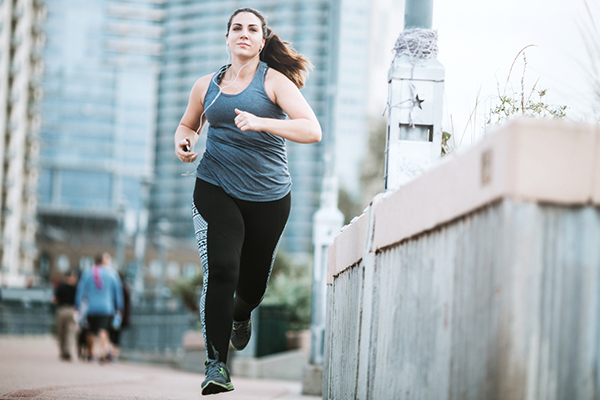
8 Ways to Make Running Less Boring There are many good reasons to pick up running. It’s beginner-friendly and requires zero equipment, and the benefits of running extend far beyond the asphalt or treadmill. So why don’t you see more people out for a morning or midday run? Boredom may play into it. “Whether you’re new to running or a seasoned veteran, there comes a time for every runner when the novelty wears off, the routine turns into a chore, and motivation takes a hit,” says Jack McNamara, MSc, CSCS, of TRAINFITNESS, who has specialized in coaching running for nearly a decade. This happens to just about every runner at some point — and it doesn’t mean you’re bad at running or should choose another exercise. If you’re wondering how to make running less boring, these strategies can keep you engaged and relight that fire for pounding the pavement. 1. Get Off the Treadmill “When we run outside, there are natural starts, stops, ups, and downs,” McNamara says. “The environment naturally forces us to alter our speed and even our stride.” All that variety adds up to more distraction, which may make for a more enjoyable run than heading to the treadmill again. 2. Find a Running Buddy A running buddy can make it easier for you to show up — and can make the miles feel less tedious. Choose the right person, and you may even improve your mile time. “Researchers have found that pairing up with a faster runner (or even just someone we perceive to be slightly faster than us) forces us to get out of our comfort zone,” McNamara explains. “The increased intensity, as well as a competitive edge, not only helps to keep things more interesting — it’ll also help make you a faster runner.” But even experienced runners have some challenging runs, and that’s also where a buddy comes in. With a running partner, you have someone there to cheer for you and support you through the tough pushes (just make sure you do the same for them). 3. Take a Running Class Having a runner partner is great “until they go on holiday, get injured, or work and family commitments take precedence,” McNamara cautions. So even if you have a running buddy, you may want to look into a run club or an online running program like like BODi’s 30-Day Breakaway. Blending resistance training and running drills, you’ll gradually progress in strength and endurance until you’re ready to crush your first race. “You’ll know there’ll always be someone there to help you through when your motivation starts to wane,” McNamara says. And for those wanting to speed up their pace, “the competitive spirit of a running group can encourage you to push a little bit further and harder than you’d do when you go solo,” he adds. 4. Enlist a Coach Coaches provide a wide variety of workouts, which can help you make more progress. “You’ll change your paces, inclines, and training zones repeatedly, all of which will challenge you physically and mentally,” McNamara says. They can also help you improve your running form and hold you accountable to your training plan. “When you prepare your own plans, you’re also more likely to ignore them,” McNamara adds. 5. Try Fartlek Training Fartlek training, which originates from the Swedish term for “speed play,” is a type of structured or unstructured training where you change your speed while running. To try it, just pick a landmark and speed up your run until you get there. As soon as you pass the landmark, return to a comfortable speed. Do this several times throughout your run. “Variety is the spice of life,” McNamara says, and fartlek training is just one way to mix things up while helping you break plateaus in endurance or speed. As you get used to fartlek training, you can play with how you apply it. If you’re entering a race, try doing pace work for the time you’d like to hit during the competition during the fartlek intervals. Try sprinting some intervals if you feel up to it. 6. Reverse Your Route Yes, it’s easy to track how long your runs are when you always travel the same route. But it’s also a recipe for boredom since you see the same scenery each time. You don’t have to map out an entirely new course to keep your mind engaged, though. Try running your same route — but reversed — next time you lace up your shoes. 7. Watch Your Favorite TV Show No choice but to get your run done on the treadmill? “Plan your treadmill sessions while you watch your favorite show,” McNamara suggests. Getting caught up in the plot is a much better way to pass the time than watching the seconds tick by. 8. Go for Distance, Not Time Setting a distance goal can help you feel more in control of your run, because you can vary your intensity rather than knowing you’re not done until the clock says so. “If we want to get it all over and done with, we have the option to push ourselves and run faster,” McNamara says. The post 8 Ways to Make Running Less Boring appeared first on BODi. There are many good reasons to pick up running. It’s beginner-friendly and requires zero equipment, and the benefits of running extend far beyond the asphalt or treadmill. So why don’t you see more people out for a morning or midday run? Boredom may play into it. “Whether you’re new to running or a seasoned veteran, […] The post 8 Ways to Make Running Less Boring appeared first on BODi. Linnea Zielinski{authorlink}https://www.beachbodyondemand.com/blog/how-to-make-running-less-boringBODi BODi is a Health Esteem platform to help you embrace the person you are today so you can take action to achieve all your health and fitness goals. https://bodiblog.wpenginepowered.com/wp-content/plugins/bod-blog/assets/vendor/beachbodydigital/wordpress-core-plugins/beachbody.png

8 Ways to Make Running Less Boring Read More »
What Is a Runner’s High, and Is It Even Real?

What Is a Runner’s High, and Is It Even Real? Whether you’re a longtime runner or you’ve just recently taken up running for weight loss, you’ve probably heard of a legendary phenomenon called the “runner’s high.” Supposedly this feeling can make running not only enjoyable, but downright euphoric — at least temporarily. But if running still feels like a struggle to you, you may wonder if a runner’s high is just a myth. Good news: It’s not. So what is a runner’s high and how do you achieve it? What Is a Runner’s High? A runner’s high is a sense of elation or euphoria that sometimes hits athletes a few miles into a run — though in spite of the name, you can actually achieve a runner’s high through any form of steady-state cardio (think: swimming and cycling). What does a runner’s high feel like? “People report having a sense of calm and mindfulness, and that their thoughts become streamlined in an unconscious ‘zone,’” says Michele Olson, Ph.D., F.A.C.S.M., C.S.C.S., senior clinical professor in the Department of Sport Science and Physical Education at Huntingdon College in Montgomery, Alabama. Think of a runner’s high as a zen-like feeling — relaxed yet powerful, as if you could run forever, Olson says. What Causes a Runner’s High? For decades, two chemicals got most of the credit for causing a runner’s high: endorphins (the natural morphine-like hormones that fight and dull pain) and dopamine (a neurotransmitter that gives us feel-good sensations). Exercise has long been linked to higher levels of endorphins in the body and can also modulate levels of dopamine. According to Olson, our bodies release these chemicals when we push ourselves harder than usual. This worked to our advantage in the hunter-gatherer days when we needed to escape danger or remain active for extended periods of time or distances while foraging for food, but it’s also helpful for getting through a tough workout. A runner’s high “reduces the feeling of pain, so you can continue to push yourself [during an intense effort],” says Carrie Jackson, M.A., mental skills coach and co-author of Rebound: Training Your Mind to Bounce Back Stronger from Sports Injuries. But recent research on rodents reveals a third chemical may play a key role in triggering a runner’s high: endocannabinoids. What are endocannabinoids? According to Olson, endocannabinoids are “short-order” neurotransmitters. “They’re produced and released on demand, only when the body signals that they are needed, such as during transient periods of pain or body stress,” Olson explains. When released, endocannabinoids create a relaxing effect similar to the effects of cannabis (AKA marijuana) — no puffing required. How Do You Achieve a Runner’s High? In order to experience the legendary runner’s high, you’ll most likely have to nail one of two exercise scenarios: prolonged bouts of steady-state cardio or high-intensity interval training (HIIT) that have you exercising at close to your maximum heart rate. If you’re doing steady-state cardio, the duration needs to be long enough to be challenging (typically an hour or more). On a short run, Olson explains, a seasoned runner probably won’t experience a runner’s high because their bodies don’t need endorphins or endocannabinoids to help them complete it. “But when a run becomes long, your body is pushed way out of its comfort zone and needs help from these chemicals,” Olson says. A recent study by Finnish researchers suggests that high-intensity workouts might trigger the release of even more feel-good hormones than steady-state workouts, but they also noted that when participants engaged in the high-intensity protocols, they were also more likely to report pain, exhaustion, and tension. The takeaway: If you ramp up intensity to the point where it’s making you miserable, you could knock yourself right out of that runner’s high, Cheadle notes. But even if you strike the perfect balance, there’s no guarantee you’ll experience a runner’s high: “It’s not a given that you’ll get the ‘high,’ even if you’re duplicating a previous run during which you experienced it,” says Janet Hamilton, M.A., C.S.C.S., registered clinical exercise physiologist and owner of Running Strong in Stockbridge, Georgia. To increase your odds, aim for steady-state cardio at a moderate intensity for an hour or more. (On a scale of 1 to 10, where 10 is maximum effort, moderate intensity should feel like a 5 or 6.) Or, if you prefer HIIT, Olson suggests pushing yourself to the point where you feel thoroughly challenged, but not to the extent that you’re hating every second. If you’re new to running — or to fitness in general — keep in mind you’re unlikely to experience a runner’s high right off the bat. The reason: It will likely take you a while to become fit enough to exercise long or hard enough to need those chemicals, Cheadle says. Bottom line: If you want to experience a runner’s high, get ready to put in quite a bit of work. The post What Is a Runner’s High, and Is It Even Real? appeared first on BODi. Whether you’re a longtime runner or you’ve just recently taken up running for weight loss, you’ve probably heard of a legendary phenomenon called the “runner’s high.” Supposedly this feeling can make running not only enjoyable, but downright euphoric — at least temporarily. But if running still feels like a struggle to you, you may wonder […] The post What Is a Runner’s High, and Is It Even Real? appeared first on BODi. Kayne Toyosato{authorlink}https://www.beachbodyondemand.com/blog/runners-highBODi BODi is a Health Esteem platform to help you embrace the person you are today so you can take action to achieve all your health and fitness goals. https://bodiblog.wpenginepowered.com/wp-content/plugins/bod-blog/assets/vendor/beachbodydigital/wordpress-core-plugins/beachbody.png

What Is a Runner’s High, and Is It Even Real? Read More »

Elliptical Workouts For Weight Loss (3 Free Plans)

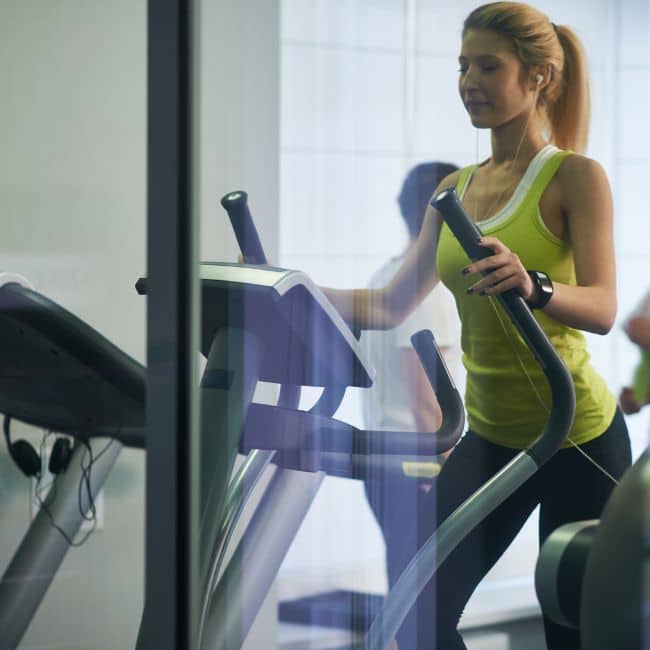
Elliptical Workouts For Weight Loss (3 Free Plans) Discover how effective elliptical workouts can be for reaching your weight loss goals. Learn the basics of an elliptical workout and start shedding pounds today! When it comes to a cardiovascular workout, there are so many different options to choose from. It can be difficult to decide which type of workout is best for you, especially if you’re trying to lose weight.  If you’re looking for an effective workout that can help you shed those extra pounds, elliptical workouts are a great option. The elliptical trainer has been a favorite cardio machine in gyms for decades. An elliptical workout puts less stress on the knee and hip joints than running or walking on a treadmill or the road making it a great low-impact alternative to other cardio options.  An elliptical workout is a type of low-impact aerobic exercise that is easy on the joints. It is a popular choice for people of all fitness levels, as it is a relatively simple machine to use and provides a great workout. Even better, elliptical machine workouts are considered weight-bearing which is needed for building bone mass.  Here’s everything you need to know about using elliptical workouts for weight loss. How Can Elliptical Workouts Help With Weight Loss? An elliptical workout can help you lose weight in several ways, no matter what your fitness level is. In fact, an elliptical is a good starting point for someone who is looking for a non-intimidating and easy way to get started with cardio exercise. Burns Calories First, it burns calories. A 150-pound person can burn up to 300 calories in 30 minutes of moderate-intensity elliptical training. And if weight loss is your goal, you can not deny the rule “calories in vs. calories out.  You need a calorie deficit to lose body fat and regular elliptical workouts will help you start to see a difference on the scale. Tones Muscle In addition to burning calories, elliptical workouts also help to tone your muscles. Elliptical workouts target the legs and glutes, so these are the areas that will see the most change if you are consistent. If you opt for a cross trainer model, you can grab those handles and really work your arm muscles. Boost Metabolism Finally, elliptical workouts can help to boost your metabolism by helping you to burn calories and build some muscle.  Muscle burns more calories at a resting heart rate than body fat, so if you add muscle to your body, you’ll burn more throughout the day.  Low Impact Another great bonus is that elliptical workouts are low-impact. They’re easy on your joints.  This is important because if you have any joint issues, high-impact, pounding workouts like running can aggravate them. But with an elliptical workout, you can get a great workout with less impact on your joints. Improve Heart Health Cardiovascular exercise is key to keeping your heart healthy. By raising your heart rate into an aerobic zone regularly, your heart will get stronger and you will start to see changes in your energy and your endurance.   A lot of people wonder which type of an exercise machine is right for them. Learn more about the differences between an elliptical vs treadmill to get a better idea! How to Get the Most out of Your Elliptical Workouts To use an elliptical machine, carefully step your feet on each pedal and grab the handlebars or handle levers with both arms. Then begin to move your legs in elliptically shaped motions.  Most elliptical machines have a motor and a programmable computer that can automatically create varying degrees of resistance.   There are 5 keys to making the most out of your elliptical workout, keeping your workouts fresh, and avoiding boredom: Vary your incline. More incline, lower body muscles used. Don’t forget resistance. More resistance, more effort needed. Change direction.  You can pedal forward or backward Add intervals. Pushing yourself for short bursts of time out of your comfort zone increases calorie burn.  Use the handles. Most Elliptical trainers also have handles making it a great total body workout. When you’re starting an elliptical workout regimen, it’s important to listen to your body. If you start to feel pain or discomfort, stop the workout and consult a doctor.  If you keep these things in mind, you’ll be well on your way to successfully losing weight with elliptical workouts. Benefits of Using The Elliptical Machine Here are a few of the reasons to do an elliptical workout: Gives you a cardio workout that’s easier on your joints than jumping or pounding the pavement. Good for all fitness levels; even if you are a beginner or you’re getting back into exercise after an injury. The elliptical is a total body workout and can burn a high number of calories if weight loss is your goal. Helps improve balance and mobility. Offers quick workouts for busy days. It feels great for the lower body, using muscles differently than a jogging or biking routine. Can be easily used for high-intensity interval training. We’ve utilized these tactics to give you 3 calorie-burning elliptical workouts to help you lose weight below.  How Often Should You Do Elliptical Workouts to Lose Weight? If you’re looking to lose weight, you might be wondering how often you should do elliptical workouts. The good news is that you can see results by working out on the elliptical 3-4 times per week. To see the best results from your elliptical workouts, it’s important to focus on intensity.  Moderate intensity workouts are great for overall fitness, but if you’re looking to lose weight, push yourself a little harder as you get stronger to burn more calories.  Consistency also matters. The CDC recommends 150 minutes of heart pumping exercise per week to stay healthy.  Divide it up throughout the week however you want but get 2.5 hours of cardio exercise in a week. The Benefits of High Intensity Interval Training on the Elliptical Interval training is a great way to get the most out

Elliptical Workouts For Weight Loss (3 Free Plans) Read More »

The 4 Best Treadmill Workouts For Weight Loss

The 4 Best Treadmill Workouts For Weight Loss Explore four of the best treadmill workouts for weight loss that combine interval training with speed and incline that you can do right in your home gym. Mix up your workout time with these simple routines for the best results possible in your weight loss journey! The truth is, a treadmill is the perfect tool to reach your fitness goals. You can get a kick-butt cardio workout using the speed and incline adjustments on your treadmill to create intervals that burn more body fat in less time.  An effective treadmill workout can help you reach your fat loss goals a little quicker. Plus, you can easily adjust the intensity of your workout to a level that works for you. Now, there’s nothing wrong with doing your own thing on your treadmill. In other words, it’s a bonus if you even turn it on and use it because most people don’t. But you can get a lot more out of your workout with a treadmill routine. Routines with high-intensity intervals, a steep incline, or maximum speed are an effective way to amp up your output without as much time needed on the machine. Ready to try something new and actually see results? As a Certified Personal Trainer and treadmill user, I’ve created four of the best treadmill workouts to do at home. They will help you burn fat, lose weight, and keep your workout routine interesting! Table of contents Benefits of Treadmill Workout How Intervals Help Maximize Your Treadmill Workouts Tips For Treadmill Workouts 4 Treadmill Workouts For Weight Loss 20-Minute Speed Intervals Treadmill Workout 30-Minute Hill Climber Treadmill Workout 30-Minute Interval Treadmill Workout The Walker’s Butt-Burner Treadmill Workout Benefits of Treadmill Workout While strength training is essential to build strong muscles and keep your metabolism revved, you also need cardiovascular exercise.  The CDC recommends individuals get at least 150 minutes of heart-pumping cardio each week. You can divide that number up however you like; do five 30-minute cardio sessions per week, three-hour-long sessions per week, or do 10 or 20 minutes here and there throughout the day. The treadmill offers just one awesome way to get your cardiovascular exercise in for the week, and there are so many things that make it a viable option for pretty much everyone.  Working out on a treadmill… Allows you to walk or run no matter the weather Helps you train for your first 5 or 10 k Allows you to work in intervals by adjusting the speed or incline Makes cardio workouts accessible to all fitness levels, no matter what intensity level Offers a low-impact flat ground alternative to running or walking on pavement Helps you track your progress by seeing extra calories burned, miles logged, and more You can even get a foldable mini treadmill, or walking pad, to use during your work day! Thinking the treadmill still, means boredom? Think again. Read on to learn the secret to maximizing your treadmill workouts…it has a little something to do with swapping intervals in place of steady-state cardio. How Intervals Help Maximize Your Treadmill Workouts Many people automatically assume that the treadmill equals steady-state cardio alone. First of all, there’s nothing wrong with steady-state cardio. Walking or running at a brisk pace is great for your heart. But, if you want to lose weight, you do need to incorporate higher intensity intervals in order to jumpstart your weight loss. Intervals require you to up your intensity for short bursts of time in order to get your heart pumping and fat burning, before returning to a lower intensity and repeating the cycle again. With a treadmill, you can create intervals by adjusting both the speed of the machine and the incline. You can really get your heart pumping when you increase your speed and force yourself to work harder than simply going at a comfortable pace. Plus, when you adjust the incline it not only helps you burn more calories but it can help you target different muscles—your glutes and thighs in particular get targeted when you work at an incline. Toning your legs and glutes while you get your cardio on? Yes, please! Tips For Treadmill Workouts I recommend using the following tips to get the most out of your treadmill workout. Warm ups Warming up is an important part of any workout. High intensity interval training is no different. A short warm up raises your heart rate and helps your muscles get ready for exercise. I recommend at least five minutes of warming up. Since you’re already getting on the treadmill anyway, the best way to knock this out is a moderate walk at a comfortable pace to prepare your body for what is to come. Cool Down Once you complete your workout you’ll want to bring your heart rate back down. A cool down will slowly reduce your respiration back to a normal rate. I recommend reducing your speed every one to two minutes until you hit a fairly easy pace. Then walk for about three to five minutes while your body eases into a calmer state.  Stretching I recommend completing your post-workout stretch as quickly as you can after your workout. Ideally you would be stretching within five to ten minutes after you’re done with your hiit treadmill workouts. Try this free 10 minute stretch routine after your workout to prevent injury and muscle soreness.  Hydration Staying hydrated is important in any fitness routine! Grab your favorite water bottle and get setup before you start the workout. Drinking water regularly during exercise helps you stay hydrated and able to complete more exercise. These are my favorite tips for drinking more water every day. Perceived Exertion Each of the treadmill workouts below is designed for you in terms of your own perceived exertion. What does that mean? Perceived exertion is how hard you feel you’re working. By tuning into how hard you’re working, you differentiate between when something feels easy, comfortably hard, or difficult. Of course, it would be impossible (and inadvisable) to try and stay at a

The 4 Best Treadmill Workouts For Weight Loss Read More »

Make Your Next Run Your Best Run With Butt Kicks

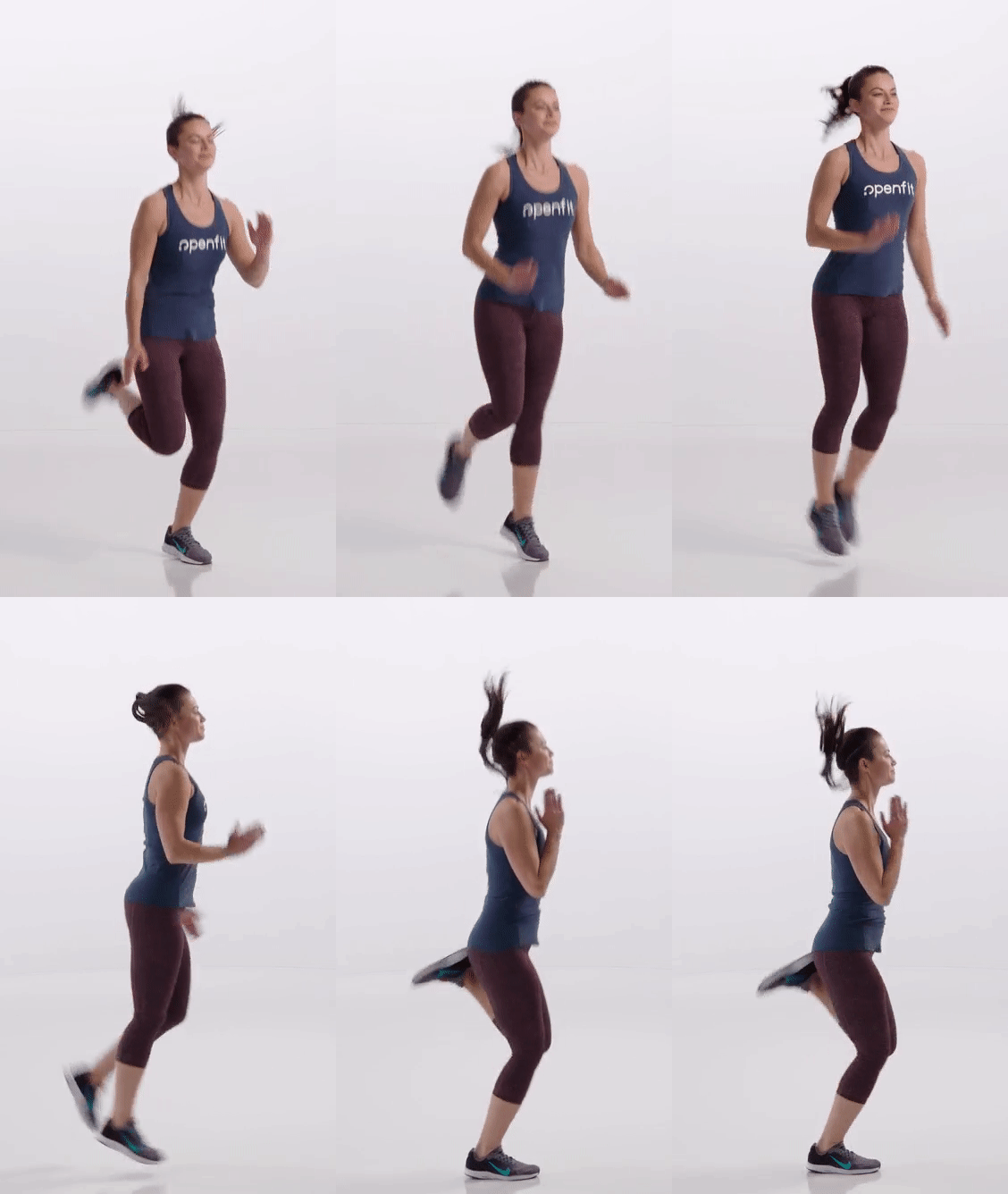
Make Your Next Run Your Best Run With Butt Kicks It may have a silly name, but don’t be fooled: The butt kicks exercise offers serious benefits for every runner and fitness enthusiast. What are butt kicks, exactly? They’re a moderate-impact movement that raises core temperature, lubricates joints, and stretches and activates lower body muscles. That makes this exercise especially effective for getting your body warmed up for exercise, says New York City-based strength and conditioning coach Kristian Flores, C.S.C.S. Just 30 seconds of this drill will fire up key running muscles like your glutes, hamstrings, and core. Plus, the quick leg turnover can help you improve your running form. Before you try butt kicks for yourself, brush up on form and technique with these step-by-step instructions. Butt Kicks: Step-by-Step Instructions Stand tall with your feet hip-width apart and your arms bent 90 degrees at your sides. Kick your left heel up towards your left glute as you swing your right arm forward. Then, return your left foot to the ground so the weight is on the ball of your foot. Next, perform the same motion with your right heel. Keeping your chest up, your shoulders back and down, and your core engaged, gradually build up speed as you continue alternating feet until you’re running quickly in place. Pump your arms in rhythm with each step, making sure to land gently on the balls of your feet. Trainer tip: “Don’t force your heels to your butt if it feels too effortful,” Flores says. “This should be an easy move that feels smooth.” Butt Kick Variations For slightly more advanced butt kick variations — which can also help you achieve proper running form — Flores recommends A-skips and B-skips. A-skips Hop forward or in place on your right foot, bringing your left knee to waist height, and swinging your right arm forward. Land gently on the ball of your left foot and repeat, alternating between the two sides. B-skips B-skips are similar to A-skips, except you’ll kick and extend your lead leg forward instead of bending your knee. Benefits of Butt Kicks There’s a reason butt kicks are a go-to warm-up exercise for runners everywhere. “The light impact fires up the central nervous system and works the stretch reflex to prepare the body for running,” says Flores. The butt kicking motion involves knee flexion, which helps to wake up your hamstrings — a prime mover in running. Plus, it also helps with the “kick” in your running stride, which increases stride length, and, therefore (potentially) speed. Among other things, butt kicks are a type of “form running” designed to clean up running form. For non-runners, butt kicks can be a great addition to any warm-up or workout. Use them to prep your body for high-intensity exercise, or incorporate them into your workout anytime you need a cardio boost. The post Make Your Next Run Your Best Run With Butt Kicks appeared first on BODi. It may have a silly name, but don’t be fooled: The butt kicks exercise offers serious benefits for every runner and fitness enthusiast. What are butt kicks, exactly? They’re a moderate-impact movement that raises core temperature, lubricates joints, and stretches and activates lower body muscles. That makes this exercise especially effective for getting your body […] The post Make Your Next Run Your Best Run With Butt Kicks appeared first on BODi. Kayne Toyosato{authorlink}https://www.beachbodyondemand.com/blog/butt-kicksBODi BODi is a Health Esteem platform to help you embrace the person you are today so you can take action to achieve all your health and fitness goals. https://www.beachbodyondemand.com/blog/wp-content/plugins/bod-blog/assets/vendor/beachbodydigital/wordpress-core-plugins/beachbody.png

Make Your Next Run Your Best Run With Butt Kicks Read More »

What’s the Best Way to Combine Yoga and Running?

What’s the Best Way to Combine Yoga and Running? Yoga and running are like two peas in a pod. Runners who take time to stretch (such as with post-run yoga) benefit from increased mobility and flexibility. Yogis who run build cardiovascular endurance and aerobic capacity. Running is repetitive and high-impact, and it mostly targets the muscles of the lower body. Yoga is dynamic and lower-impact, and it works the upper and lower body, as well as the core. While yoga does teach equanimity, there’s a right way and a less-right way to combine yoga and running to get the most out of both workouts. Keep reading to learn the best way to combine yoga and running, a couple of pitfalls to avoid, and a few post-run yoga poses to add to your routine. Is It OK to Do Yoga After Running? It’s absolutely OK to unroll your mat after a run, says yoga instructor Kayla Preston, E-RYT 200, YACEP. In fact, it’s better to save yoga for after you log your miles for the day, “as you want to warm up and strengthen your supporting muscles” with dynamic stretches and movements rather than static ones. “It is beneficial to do yoga or more stretching-based exercises after running,” she advises. What Type of Yoga Should You Do Post-Run? With so many different types of yoga, which is the best post-run yoga? Stick with gentler or restorative yoga. Save the intense Ashtanga or steamy Bikram for another day. “After a run, your body will be tired,” says Preston. And don’t forget to hydrate! If you’re following our Yoga52 program, choose level 1 classes or shorter sessions for after your run. How Long Should My Yoga Session Be Post-Run? There’s no prescribed length of a post-run yoga sesh. Instead, listen to your body. Aim for 10 minutes up to an hour, says Preston, depending on the distance you ran and your current fitness level. If you’re a seasoned runner who does a short route every day, you can totally do both daily. “If you are running long distance, you may start to alternate your running and yoga or other exercises to avoid overworking your body,” says Preston. Yoga is great active recovery. That whole mind-body connection that yoga builds really comes in handy here. To progress in your practice and build muscle memory, Preston suggests combining yoga and running at least three times a week. What Yoga Poses Should You Do Post-Run? Runners often get tight in the legs, hips, and lower back. Give attention to your calves, quads, hamstrings, and glutes during post-run yoga so that you can get back to hitting the pavement (or treadmill!) sooner. Yoga instructor and alignment coach Jennifer Fuller suggests starting with a 10-minute post-run yoga session, holding each pose for 30 to 90 seconds. This gives you time to cool the body down, alleviate tension, and loosen up. Here are a few of our favorite post-run yoga poses. 1. Happy baby (Ananda Balasana) Lie on your back. Keep your hips on the floor, then hug your knees to your chest. Reach between your thighs to capture the instep of your feet or your ankles. You can hold your calves if your hips feel tight. Rest your head on the mat. Stare at the ceiling. Relax and rock side to side if desired. 2. Child’s pose (Balasana) Start on all fours, with your hands directly below your shoulders and your knees hip width or wider. Bring your big toes together. Exhale and sink your hips back toward your heels. Rest your belly between your thighs and your forehead on your mat. Extend your arms out in front of you (palms down, to stretch the whole back) or along your sides (palms up, to stretch between the shoulders). 3. Lizard pose (Utthan Pristhasana) Begin in downward facing dog. Inhale your right leg high for three legged dog. Exhale to step your right foot between your hands for a low lunge. Shift your right hand on the inside of your right foot. Scoot your right foot to the edge of your yoga mat. Keep your right knee aligned over your ankle. Plant your right foot into your mat. Keep your shoulders stacked over your wrists or drop down to your elbows for a deeper stretch. Lengthen your back leg long and straight. Squeeze your glutes to keep your hips squared. Push the backside of your knee toward the ceiling to engage your leg muscles. You have the option to drop down to your back knee for a passive stretch. Gaze down toward your mat. Hold for as long as you’d like, then move through Downward Facing Dog and repeat on the other side. 4. Seated wide-leg forward fold (Prasarita Padottanasana) Take a seat. Rotate your body so that you face the long edge of your mat. Separate your legs until they are wider than hip-width (think a wide “V” shape). Straighten your legs — it is OK if your knees bend. Flex your feet to deepen the stretch. Stay upright with your shoulders stacked over your hips or walk your hands forward, folding your body in half. The post What’s the Best Way to Combine Yoga and Running? appeared first on BODi. Yoga and running are like two peas in a pod. Runners who take time to stretch (such as with post-run yoga) benefit from increased mobility and flexibility. Yogis who run build cardiovascular endurance and aerobic capacity. Running is repetitive and high-impact, and it mostly targets the muscles of the lower body. Yoga is dynamic and lower-impact, […] The post What’s the Best Way to Combine Yoga and Running? appeared first on BODi. Brit Yeager{authorlink}https://www.beachbodyondemand.com/blog/post-run-yogaBODi BODi is a Health Esteem platform to help you embrace the person you are today so you can take action to achieve all your health and fitness goals. https://www.beachbodyondemand.com/blog/wp-content/plugins/bod-blog/assets/vendor/beachbodydigital/wordpress-core-plugins/beachbody.png

What’s the Best Way to Combine Yoga and Running? Read More »

Strike a Pose! Become a Better Runner With the Pose Method

Strike a Pose! Become a Better Runner With the Pose Method If you want to reap more benefits and experience fewer injuries from running, try the Pose Method. Pose running is popular in CrossFit, and it’s gaining momentum in other sports. Here, we explain what pose running is and why you should give it a try. What Is the Pose Method of Running? The Pose Method of running teaches you how to run efficiently to minimize your risk of injury. “Running is a very high-impact movement, and we can see a lot of injuries,” says Emily Sears, a Pose Method-certified trainer. “Pose is a way to increase your times and get better at running while keeping your body healthy,” she adds. Who Created the Pose Method? The Pose Method was developed in 1977 by Nicholas S. Romanov, a two-time Olympic coach in the former Soviet Union. The method is grounded in the idea that an optimal pose or position exists for athletes in every sport. You can learn Pose Method principles to optimize your performance and reduce injuries in several sports, but the running technique is the most popular. What Are the Principles of Pose Running? Pose running defines the ideal positioning for three key elements of a runner’s stride: 1. Pose Your body should form one pose at all times during your run: the S-stance. This is where the shoulders, hips, and ankles remain aligned with your support leg, with your weight on the ball of your foot. You’ll change this pose from one leg to the other. 2. Fall Use gravity to create forward movement. Lean forward with your body and focus on falling forward with every step you take. 3. Pull Once you “fall,” initiate the next step by pulling your lead heel toward your glutes instead of pushing your foot into the ground. What’s the Difference Between Pose Running and Just Running? Pose running isn’t the same as “going for a jog.” Here’s what sets it apart. 1. Attention to form Thanks to the cues, pose running forces you to be mindful of your form at all times. “A lot of people just go out and start running, and they don’t give their form a second thought,” Sears says. But when that happens, form begins to break down, which can increase your odds of injury. 2. Less impact on knees Researchers from the University of Cape Town in South Africa found that pose running calls for more of a forefoot strike than a midfoot or heel-toe strike. This foot strike shortens stride height and length in natural heel-strikers, leading to less impact on the knees. 3. Boosts efficiency Running with a slight forward lean encourages gravity to help with forward movement. This may help you run with less energy and effort. Pose Running Drills You Can Try Practice these beginner pose running drills for 5 to 15 minutes before heading out for a walk or run. 1. Running pose Stand with your right knee slightly bent. Pull your left heel up, so it’s under your left hip, about calf-height. Focus on pulling your foot up instead of raising your knee. Hold briefly, keeping your weight on the ball of your right foot. Return to start and repeat on the opposite side. Practice this drill for 2-5 minutes. 2. Two leg hops Gently hop in place with both feet. Stay on the balls of your feet and try to break contact with the ground as little as possible. Hop in place for 10 seconds. Then, fall forward with your entire body and continue the drill for 10 yards. Keep your cadence high. Finish with a 10-yard jog. Practice this drill for 2-5 minutes. 3. The pony drill While standing, pull your left heel slightly up, keeping your toes in contact with the ground. As you pull your heel up, bounce slightly to shift your weight onto the opposite foot. Repeat on the opposite side. Continue in place for 10 seconds. Then, fall forward with the entire body and perform the drill for 10 yards. Finish with a 10-yard jog. Repeat this drill for 2-5 minutes. The post Strike a Pose! Become a Better Runner With the Pose Method appeared first on BODi. If you want to reap more benefits and experience fewer injuries from running, try the Pose Method. Pose running is popular in CrossFit, and it’s gaining momentum in other sports. Here, we explain what pose running is and why you should give it a try. What Is the Pose Method of Running? The Pose Method […] The post Strike a Pose! Become a Better Runner With the Pose Method appeared first on BODi. Kayne Toyosato{authorlink}https://www.beachbodyondemand.com/blog/pose-runningBODi BODi is a Health Esteem platform to help you embrace the person you are today so you can take action to achieve all your health and fitness goals. https://www.beachbodyondemand.com/blog/wp-content/plugins/bod-blog/assets/vendor/beachbodydigital/wordpress-core-plugins/beachbody.png

Strike a Pose! Become a Better Runner With the Pose Method Read More »

How a Running Pace Chart Can Help You Train Smarter

How a Running Pace Chart Can Help You Train Smarter Once you’ve run a few 5K races, you’re probably ready to focus on cutting time or maybe even lengthening distance. Either way, you’re not interested in simply crossing the finish line anymore — you want to go farther and/or faster than you’ve gone before. In order to accomplish your new running goal, you need to start paying attention to your running pace during both training runs and races. That will give you an idea of how well you’re improving during training, and ensure you’re on-track to finish your race in record time. What Is a Good Running Pace? Determining a good running pace for yourself will depend on what you’re specifically trying to accomplish with a given training run, says Janet Hamilton, C.S.C.S., registered clinical exercise physiologist and owner of Running Strong. For example, if you’re running for general fitness and health, a pace that’s equivalent to 78 percent of your 5K effort will make for a good “easy” running pace. Simply take your 5K race pace and divide it by .78, so a 7:12/mile pace becomes a 9:23/mile effort. But if you’re trying to achieve a new PR in a particular event, you’ll want to be sure to include runs that are at or near your goal race pace during your training. That way, you’ll gain a grasp of what that pace feels like, and your body will make the necessary adaptations. “Every pace has a purpose. Respect the purpose of the workout and you’ll make the physiological adaptations you’re striving for,” Hamilton says. How to Use This Running Pace Chart The following chart offers estimated times for six popular race distances, including the 5K, 5-miler, 10K, 10-miler, half marathon, and marathon. The race times themselves are broken down according to pace per mile (from 5:00/mile to 15:59/mile). There are a couple of ways you can use this chart: To determine your average pace per mile. Use the chart to locate your time from a previous race or training run to determine your average mile/kilometer pace. To find out what pace you need to average in order to achieve your goal race time. This way, you’ll know how to structure your training program, and you can be sure to incorporate segments at or near your target race pace. 5:00–5:55 per mile Pace 5K 5 Mi. 10K 10 Mi. Half Mar. Marathon 5:00 15:32 25:00 31:04 50:00 1:05:33 2:11:06 5:05 15:48 25:25 31:35 50:50 1:06:38 2:13:17 5:10 16:03 25:50 32:06 51:40 1:07:44 2:15:28 5:15 16:19 26:15 32:37 52:30 1:08:49 2:17:39 5:20 16:34 26:40 33:08 53:20 1:09:55 2:19:50 5:25 16:50 27:05 33:39 54:10 1:11:01 2:22:01 5:30 17:05 27:30 34:11 55:00 1:12:06 2:24:12 5:35 17:21 27:55 34:42 55:50 1:13:12 2:26:23 5:40 17:36 28:20 35:13 56:40 1:14:17 2:28:34 5:45 17:52 28:45 35:44 57:30 1:15:23 2:30:45 5:50 18:07 29:10 36:15 58:20 1:16:28 2:32:57 5:55 18:23 29:53 36:46 59:10 1:17:34 2:35:08   6:00–6:55 per mile Pace 5K 5 Mi. 10K 10 Mi. Half Mar. Marathon 6:00 18:38 30:00 37:17 1:00:00 1:18:39 2:37:19 6:05 18:54 30:25 37:48 1:00:50 1:19:45 2:39:30 6:10 19:10 30:50 38:19 1:01:40 1:20:50 2:41:41 6:15 19:25 31:15 38:50 1:02:30 1:21:56 2:43:52 6:20 19:41 31:40 39:21 1:03:20 1:23:02 2:46:03 6:25 19:56 32:05 39:52 1:04:10 1:24:07 2:48:14 6:30 20:12 32:30 40:23 1:05:00 1:25:13 2:50:25 6:35 20:27 32:55 40:54 105:50 1:26:18 2:52:36 6:40 20:43 33:20 41:25 1:06:40 1:27:24 2:54:48 6:45 20:58 33:45 41:57 1:07:30 1:28:29 2:56:59 6:50 21:14 34:10 42:28 1:08:20 1:29:35 2:59:10 6:55 21:29 34:35 42:59 1:09:10 1:30:40 3:01:21   7:00–7:55 per mile Pace 5K 5 Mi. 10K 10 Mi. Half Mar. Marathon 7:00 21:45 35:00 43:30 1:10:00 1:31:46 3:03:32 7:05 22:00 35:25 44:01 1:10:50 1:32:51 3:05:43 7:10 22:16 35:50 44:32 1:11:40 1:33:57 3:07:54 7:15 22:31 36:15 45:03 1:12:30 1:35:03 3:10:05 7:20 22:47 36:40 45:34 1:13:20 1:36:08 3:12:16 7:25 23:03 37:05 46:05 1:14:10 1:37:14 3:14:27 7:30 23:18 37:30 46:36 1:15:00 1:38:19 3:16:38 7:35 23:34 37:55 47:07 1:15:50 1:39:25 3:18:50 7:40 23:49 38:20 47:38 1:16:40 1:40:30 3:21:01 7:45 24:05 38:45 48:09 1:17:30 1:41:36 3:23:12 7:50 24:20 39:10 48:40 1:18:20 1:42:41 3:25:23 7:55 24:36 39:35 49:12 1:19:10 1:43:47 3:27:34   8:00–8:55 per mile Pace 5K 5 Mi. 10K 10 Mi. Half Mar. Marathon 8:00 24:51 40:00 49:43 1:20:00 1:44:53 3:29:45 8:05 25:07 40:25 50:14 1:20:50 1:45:58 3:31:56 8:10 25:22 40:50 50:45 1:21:40 1:47:04 3:34:07 8:15 25:38 41:15 51:16 1:22:30 1:48:09 3:36:18 8:20 25:53 41:40 51:47 1:23:20 1:49:15 3:38:29 8:25 26:09 42:05 52:18 1:24:10 1:50:20 3:40:40 8:30 26:24 42:30 52:49 1:25:00 1:51:26 3:42:52 8:35 26:40 42:55 53:20 1:25:50 1:52:31 3:45:03 8:40 26:56 43:20 53:51 1:26:40 1:53:37 3:47:14 8:45 27:11 43:45 54:22 1:27:30 1:54:42 3:49:25 8:50 27:27 44:10 54:53 1:28:20 1:55:48 3:51:36 8:55 27:42 44:35 55:24 1:29:10 1:56:54 3:53:47   9:00–9:55 per mile Pace 5K 5 Mi. 10K 10 Mi. Half Mar. Marathon 9:00 27:58 45:00 55:55 1:30:00 1:57:59 3:55:58 9:05 28:13 45:25 56:26 1:30:50 1:59:05 3:58:09 9:10 28:29 45:50 56:58 1:31:40 2:00:10 4:00:20 9:15 28:44 46:15 57:29 1:32:30 2:01:16 4:02:31 9:20 29:00 46:40 58:00 1:33:20 2:02:21 4:04:43 9:25 29:15 47:05 58:31 1:34:10 2:03:27 4:06:54 9:30 29:31 47:30 59:02 1:35:00 2:04:32 4:09:05 9:35 29:46 47:55 59:33 1:35:50 2:05:38 4:11:16 9:40 30:02 48:20 1:00:04 1:36:40 2:06:43 4:13:27 9:45 30:18 48:45 1:00:35 1:37:30 2:07:49 4:15:38 9:50 30:33 49:10 1:01:06 1:38:20 2:08:55 4:17:49 9:55 30:49 49:35 1:01:37 1:39:10 2:10:00 4:20:00   10:00–10:55 per mile Pace 5K 5 Mi. 10K 10 Mi. Half Mar. Marathon 10:00 31:04 50:00 1:02:08 1:40:00 2:11:06 4:22:11 10:05 31:20 50:25 1:02:39 1:40:50 2:12:11 4:24:22 10:10 31:35 50:50 1:03:10 1:41:40 2:13:17 4:26:33 10:15 31:51 51:15 1:03:41 1:42:30 2:14:22 4:28:45 10:20 32:06 51:40 1:04:13 1:43:20 2:15:28 4:30:56 10:25 32:22 52:05 1:04:44 1:44:10 2:16:33 4:33:07 10:30 32:37 52:30 1:05:15 1:45:00 2:17:39 4:35:18 10:35 32:53 52:55 1:05:46 1:45:50 2:18:44 4:37:29 10:40 33:08 53:20 1:06:17 1:46:40 2:19:50 4:39:40 10:45 33:24 53:45 1:06:48 1:47:30 2:20:56 4:41:51 10:50 33:39 54:10 1:07:19 1:48:20 2:22:01 4:44:02 10:55 33:55 54:35 1:07:50 1:49:10 2:23:07 4:46:13   11:00–11:55 per mile Pace 5K 5 Mi. 10K 10 Mi. Half Mar. Marathon 11:00 34:11 55:00 1:08:21 1:50:00 2:24:12 4:48:24 11:05 34:26 55:25 1:08:52 1:50:50 2:25:18 4:50:35

How a Running Pace Chart Can Help You Train Smarter Read More »