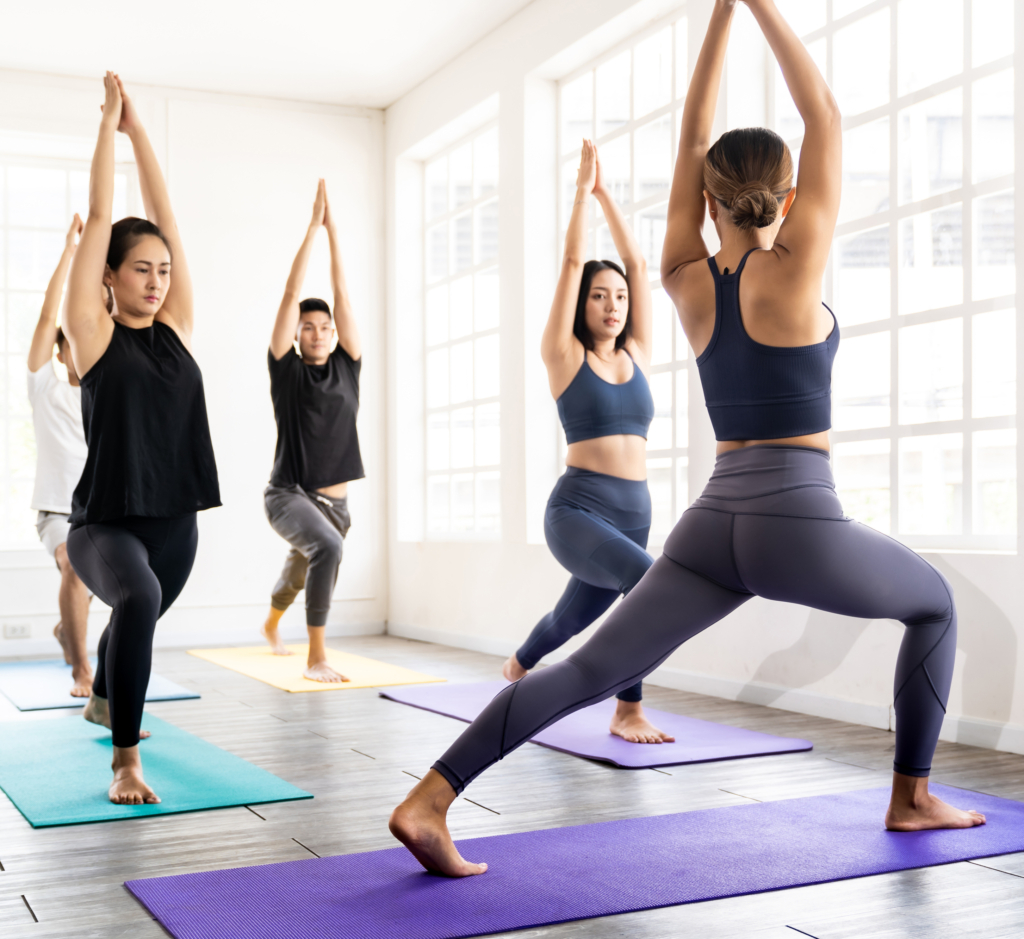
Do You Need to Be Super Flexible to Become a Yoga Instructor? (Common Myths Debunked)
Do You Need to Be Super Flexible to Become a Yoga Instructor? (Common Myths Debunked) 5 Common Yoga Myths—Busted: What Yoga Really Is and Who It’s For Yoga has exploded in popularity over the past few decades, becoming a mainstay in gyms, studios, and living rooms around the world. Yet despite its widespread presence, there are still plenty of misconceptions that prevent people from stepping onto the mat or considering a career as a yoga instructor. Let’s set the record straight. Whether you’re wondering “Do you have to be flexible to do yoga?” or “Is yoga just stretching?”—this one is for you. We’ll bust five of the most common yoga myths, explain what yoga actually is, and show you why yoga is one of the most powerful practices you can explore—regardless of your age, body type, or current flexibility. Myth #1: You Have to Be Flexible to Do Yoga We hear this one all the time. “I could never do yoga—I can’t even touch my toes.” It’s one of the biggest misconceptions about yoga and also one of the most harmful. If you’ve ever wondered, “Can you do yoga if you’re not flexible?” or “Can an inflexible person do yoga?”, the answer is a resounding YES. Yoga Is Not About Being Flexible. It’s About Becoming Aware. Flexibility may improve through a regular yoga practice, but it’s not a prerequisite. In fact, yoga helps you work with the body you have, not the one you think you should have. So, do you have to be flexible to do yoga? No. Flexibility is a benefit—not a requirement. Many yoga students and even instructors begin their journey with limited mobility or tightness in key muscle groups. Over time, their yoga flexibility improves, but more importantly, they develop awareness, strength, and balance. Rena Shoshana Forester, the primary instructor behind AFPA’s Yoga Instructor Certification course says it best: “Your yoga instructor was not born flexible! They just practice regularly. Also, we have ailments too, and we just turned to yoga as a tool for working through them.” If you’re still doubting whether you’re qualified to learn to teach yoga, let us say this: teaching yoga is about guiding others—not performing acrobatics. Sometimes, the best teachers are those who’ve overcome their own limitations and can relate to their students’ challenges. It’s not about your toe-touching abilities, it’s about your passion and dedication to the practice. Pro Tip: Look for a reputable yoga instructor certification program that emphasizes anatomy, inclusivity, and safe sequencing—not Instagram-worthy poses. Myth #2: Yoga Is Just Stretching Stretching is part of yoga, but to say that yoga is stretching or that yoga is the same thing as stretching is like saying cooking is the same as boiling water. So, is yoga just stretching? No. And it’s much more than that. Yoga incorporates breathwork, mindfulness, and movement to create a holistic experience for the mind and body. It engages the nervous system, encourages mental clarity, and offers spiritual and emotional benefits that traditional stretching simply doesn’t target. What Makes Yoga Different from Stretching? Classical yoga is traditionally made up of “eight limbs,” with asana (the physical postures) being just one component. Other limbs include pranayama (breath control), dhyana (meditation), and yamas and niyamas (ethical guidelines for living). Together, these elements create a well-rounded practice that nurtures not only the body, but also the mind and spirit—something simple stretching routines don’t offer. While yoga can improve mobility and includes plenty of yoga poses for flexibility, it’s about much more than limber hamstrings. Myth #3: Pilates Is the Same as Yoga This myth persists, even though yoga and Pilates are fundamentally different disciplines. So, is Pilates the same as yoga? Not quite. Yoga vs. Pilates: What’s the Difference? While both practices emphasize controlled movement and breath awareness, their origins and goals differ: Yoga has ancient spiritual roots from India. It combines physical postures (asanas), breath control (pranayama), and meditation. The intention is not just physical health, but union of mind, body, and spirit. Pilates was developed in the 20th century by Joseph Pilates. It’s a fitness system designed to strengthen the core and improve posture and alignment. Pilates classes focus on muscular conditioning, and can be done on the mat or using equipment, like the Pilates reformer. Yoga classes vary in intensity but tend to incorporate philosophy, meditation, and breathwork in addition to movement. So while the two share surface-level similarities, they’re not interchangeable. If you’re looking to cultivate inner awareness and develop a lifelong practice that goes beyond the body, yoga offers something Pilates doesn’t. Myth #4: Yoga Is Boring If your only experience with yoga was a slow, silent class where you felt out of place or unsure of what you were doing, it’s understandable to think, “Why is yoga so boring?” But here’s the truth: Yoga is only boring when it’s not the right style—or the right teacher—for you. There are dozens of styles of yoga, from fast-paced vinyasa and power yoga to meditative yin or restorative practices. If you’ve only tried one, don’t write it off just yet. AFPA Certified Yoga Instructor Amber Ludeman says, “My favorite part of the industry is that there is a [yoga] practice for everyone. I like a faster-paced flow with challenging transitions to a blend of hip-hop, 90s, alternative and pop music. Some people like relaxing Yin yoga with nature sounds. Other people need weights and balls to feel that burn.” Yoga Is Diverse—and Anything but Dull Many people fall in love with the physical challenge of yoga, while others crave the deep calm it brings. Some love the music and movement; others love the silence and stillness. So, is yoga boring? Only if you haven’t found the right flavor yet. For example, if you want a challenge that leaves you sweaty and energized, try hot yoga or a power flow. And if you’re someone who feels intimidated in a traditional gym setting, yoga can offer a supportive, non-competitive environment—something that’s especially powerful for beginners or
Do You Need to Be Super Flexible to Become a Yoga Instructor? (Common Myths Debunked) Read More »


