Yoga + Stretching Workouts

Auto Added by WPeMatico

Yoga for Core Strength: 8 Poses You Can Do Anywhere

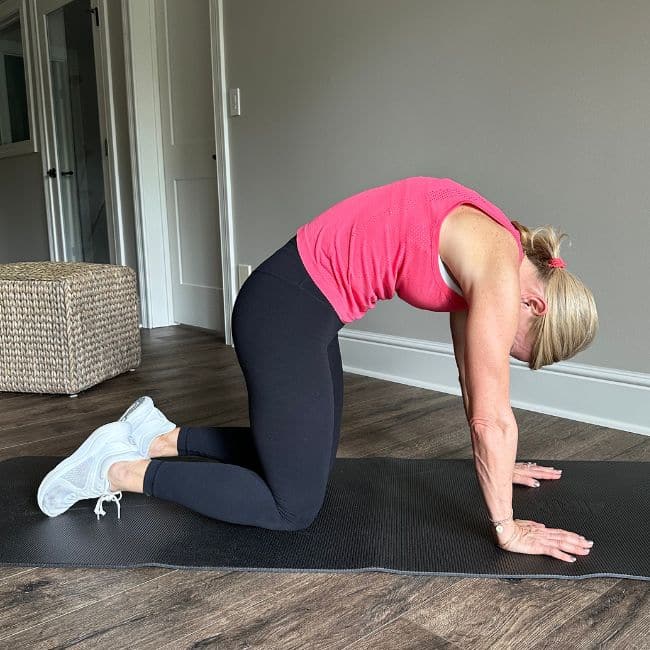
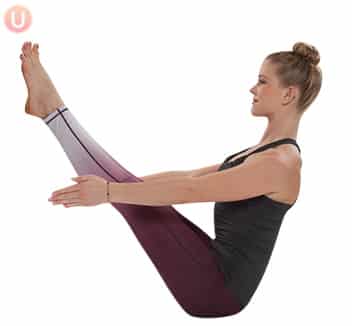
Yoga for Core Strength: 8 Poses You Can Do Anywhere I love using yoga for core strength training because it encourages you to engage your abs, align your spine and stabilize your body. Yoga is so beneficial for a number of things. Most commonly people think of it when they want a deep stretch, to lengthening muscles, and calm their mind. However, any yogi can tell you that yoga is also all about core strength! From planks to side planks to boat pose, many yoga poses call upon all of your core muscles. They use your stabilizing muscles, help you work on balance and posture, and challenge your ability to engage your muscles and hold steady. I call it sneaky. It’s not alwasy traditional ab work as you know it but often after a yoga class, your core is on fire the next day. In general, practicing yoga can help you develop a stronger mind-body connection and learn how to properly activate your core. As you build up strength overtime, you can yes, flatten your abs but more importantly you can reduce low back pain, improve balance, and develop a strong core for every day activity. I’ve put together my 8 favorite yoga poses that emphasize core strength into a simple workout for you to try. Follow the instructions below to start your journey towards a stronger more stabilized core! Yoga for Core Strength Workout Instructions Perform each pose, holding each one for 30 seconds. Go through the entire sequence twice. For moves that are one-side, do one side the first time through, and the other side the second time through. Once you try these yoga for core strength poses, check out the yoga poses I recommend doing every day. 1. Boat Pose A boat pose is a challenging position that forces you to pull in your lower abdominals to keep your legs lifted. Don’t worry if your legs aren’t perfectly straight—most people have tight hamstrings, which will inhibit this. Just extend your legs as long as you can and do your best to let your hip flexors relax to keep the focus on the abs. 2. Star Plank  Star plank is a great way to strengthen your obliques and lower abs while practicing balance and focus. To get started you can try practicing with your legs together in a full Side Plank, then work your way toward lifting the leg into a full star. 3. Chaturanga While chaturanga (low plank) may seem very upper-body focused, it is actually your core strength that supports your body and allows you to lower down slowly without letting your back sag. Be sure to keep your spine aligned, abdominals tucked in tight, and elbows close to your side. 4. Bird Dog  Bird Dog challenges you not only to hold your long leg and arm away from your body but also adds the challenge of holding your body very still. This challenge can be met by drawing the abdominals up and in and keeping them tight as you breathe smoothly. Every time you feel a little wobbly or like you are tipping one way or another, draw your abs in a bit tighter. 5. Warrior 3 Warrior 3 is a standing balance pose. This pose gets you to focus on lengthening your body and, obviously, practicing balance. However, in order to hold that balance steady while keeping your body aligned and straight, you must use a great amount of core strength. Draw your belly upward into your spine and breathe with a strong exhale. 6. Side Plank Scoop Side Plank Scoop takes a basic Side Plank pose to the next level! Not only are you working to hold yourself up in your side plank using your obliques, but you are now adding the strength of those low abs (called the transverse abdominus) to scoop your arm under your body and add the rotation without falling over. To modify, you can either place your bottom knee on the ground or you can do it on your forearm if your wrist bothers you. 7. Crow Pose  This is going to be your challenge pose! Crow pose is an arm balance move, but that doesn’t mean your arms are riding solo. In fact, there is virtually no way you will be able to accomplish this pose without using a significant amount of core strength. After bringing your knees toward the back of your arms, be sure to draw your transverse abdominus in before you lift your feet off the ground to get your balance. To modify, gently place your head down on the floor as well and practice Tripod Pose instead. 8. Windshield Wiper  This will be a great pose to end on. You’ll get a great finishing stretch while also working your obliques by moving your legs slowly from side to side. You and your abs are going to feel strong, powerful, and amazing after this yoga practice! More Core Strengthening Exercises 5 Pilates Moves To Sculpt Your Core The Best Core Exercises for Seniors How To Get Rid Of Lower Belly Fat + A 15- Minute Workout I love using yoga for core strength training because it encourages you to engage your abs, align your spine and stabilize your body. Yoga is so beneficial for a number of things. Most commonly people think of it when they want a deep stretch, to lengthening muscles, and calm their mind. However, any yogi can […] Chris Freytag, CPT{authorlink}https://gethealthyu.com/yoga-poses-for-core-strength/Get Healthy U | Chris Freytag

Yoga for Core Strength: 8 Poses You Can Do Anywhere Read More »
The 8 Best Leg Stretches For Tight Leg Muscles (2024)

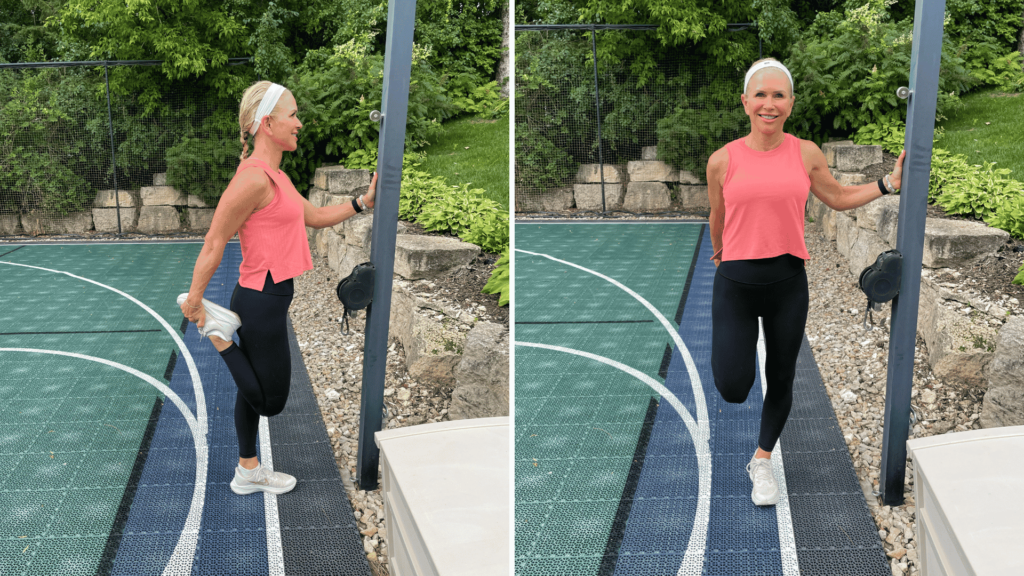
The 8 Best Leg Stretches For Tight Leg Muscles (2024) Tight leg muscles can be a pain, especially if you like to stay active. Fortunately, there are plenty of stretches you can do to ease tightness and improve flexibility in your legs. In this comprehensive guide, I’ll explore the 8 best leg stretches that can help you enhance mobility and keep your leg muscles in top shape. We’re all familiar with that cramped, achy, sometimes even painful feeling of tight leg muscles. It can strike your quads, hamstrings, calves, or — worse — all of the above making you in desperate need of the best leg stretches for sore legs. Leg muscles can stiffen up after sitting for long periods, overdoing it on leg days at the gym, or even as a response to tightness in other parts of the body.  A tight leg muscle every now and then is nothing to worry about, but persistent tightness can create issues like muscle pain, weakness, and imbalance. Not to mention, constantly feeling stiff and achy can get in the way of doing things you enjoy.  If you’re tired of tight leg muscles, take action with my best eight leg stretches for sore legs. Pick one or two stretches, or do them all. Even setting aside a few minutes a day to stretch your legs can make a huge difference in how you move and feel. 1. Standing Quad Stretch Enhance your workout routine with this simple yet effective standing quad stretch to target your quadriceps for better performance and injury prevention. This stretch will improve flexibility and reduce muscle tension. Standing Quad Stretch Stand near a wall. Place your right hand on the wall for support and grasp your left ankle with your left hand.  Gently pull your left heel up and back until you feel a stretch in the front of your left thigh. Keep your knees close and hold for 30 seconds.  Switch sides.  2. Prone Quad Stretch Unlock tight quadriceps and enhance flexibility with this prone quad stretch. Incorporate this targeted stretch into your fitness regimen to alleviate muscle tightness and improve overall performance. Prone (lying) Quad Stretch Lie on your stomach with your upper body supported on your forearms.  Bend your left knee and grab your ankle with your left hand. Pull your foot toward your butt until you feel a gentle stretch in the front of your left thigh. Breathe fully and hold for 30 seconds.  Release your left foot and repeat on the opposite side.  3. Pigeon Pose The pigeon pose stretch helps release tension, improve hip flexibility, and promote deep relaxation. Pigeon Pose Begin in a plank position.  Tighten your abdominals and pull your right knee toward your right hand. Set your knee on the floor and try to place your right foot as close to your left hand as possible.  Let your left leg stay long as you relax into your hips.  Breathe and hold for 30 seconds. Try to keep your hips level. Step back into plank and switch sides. 4. Inchworm Hamstring Stretch Elevate your flexibility and soothe tight hamstrings with this inchworm stretch. It will help enhance mobility and prevent injury during workouts. Inchworm From a standing position, soften your knees and bend forward to place both hands on the floor in front of your feet. Hold for 30 seconds. Keeping your feet in place, walk your hands forward until you’re in a plank position. Walk your hands back to your feet and stand up. Do 5-8 reps. 5. Lying Hamstring Stretch Unlock tight hamstrings and improve flexibility with this lying hamstring stretch. Incorporate this soothing stretch into your routine for enhanced mobility and relief from muscle tension. Lying Hamstring Stretch Lay flat with one leg in the air.  Wrap a resistance band around your foot.  Keep a little tension on the band and pul your toes towards your nose to feel the stretch.  Hold the stretch for 30 seconds. Switch legs. Do 3 sets per side. 6. Downward Dog Hamstring Stretch The downward dog hamstring stretch will enhance flexibility and relieve tension in your hamstrings. Downward Dog Begin in a kneeling position on the floor with your hands directly under your shoulders, fingers spread wide. Tuck your toes under and engage your abdominals as you push yourself off the floor. Only your hands and feet should be on the floor.  Press through your hands. Bring your chest gently toward your thighs and your heels gently toward the floor. Relax your neck and head. Breathe fully.   Hold for 30 seconds.  7. Standing Wall Calf Stretch The standing wall calf stretch improves flexibility and reduces tightness in your calves. It’s suitable for all fitness levels. Standing Calf Stretch Stand a couple of feet away from a wall. Place both hands on the wall and step forward with the right foot.  Bend both knees and press your heels into the floor. Hold for 30-60 seconds.  Switch legs. Do 3 sets per side.  To deepen the stretch, try to keep your heels on the ground while you bend and straighten the legs. 8. Seated Calf Stretch With a Resistance Band Maximize your calf stretching routine with our seated calf stretch using a resistance band. It will enhance flexibility and target deep muscle tension in your calves for improved mobility and performance. Seated Calf Stretch (with a Resistance Band) Sit on the floor with your legs stretched out in front of you.  Wrap a resistance band (with or without handles) securely around the arch of one foot.  With your foot flexed, pull the band toward you so there is tension on the band at all times.  Sitting tall, point your toes toward the ground to create a stretch through your calf. Then pull your toes toward you to flex your foot.  Continue to pull the band tight and alternate pointing and flexing your toes for 30 seconds.  Repeat on the opposite foot. Do 3-5 sets per side.  Try these stretches for sore legs whenever you need relief! 8 Best Leg Stretches Video Routine

The 8 Best Leg Stretches For Tight Leg Muscles (2024) Read More »

Fast Sciatica Relief in 8 Minutes (2024 Guide)

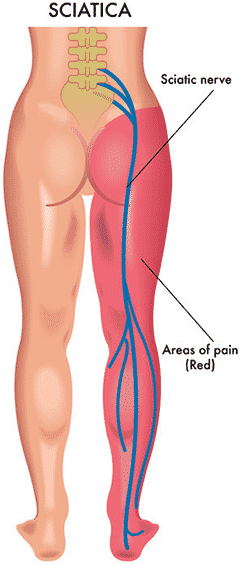
Fast Sciatica Relief in 8 Minutes (2024 Guide) Experience fast sciatica relief in 8 minutes with these simple techniques. Get effective, quick solutions for your sciatic pain today. Tingling down the back of your leg? Butt falling asleep when you sit too long? Shooting pain in your lower back or hip? If any of these sensations sound familiar, you might have a common condition known as sciatica. Sciatica is a debilitating condition that can severely impact the body and your quality of life. If you’re experiencing sciatica pain, you’re not alone. According to Harvard Health Publishing, approximately 40% of the population experience sciatic nerve pain at some point. The good news is that pain relief is possible, and it can be achieved quickly. Believe it or not, you can get sciatica relief in 8 minutes! In this guide, I’ll walk you through why sciatica pain happens, and various techniques and therapies that can help alleviate your sciatica symptoms quickly and efficiently. I’m also going to demonstrate our top pain-relieving sciatica exercises and stretches that you can do right at home. Let’s get into the basics of this common cause of low back pain and then explore the best sciatic nerve pain stretches so you can get instant relief! What Is Sciatica? Sciatica is pain, tingling, or numbness that comes from the irritation of the sciatic nerve, or the nerve roots that lead to the sciatic nerve. The discomfort can be felt in the buttocks on one side, down the side or back of the affected leg, or even in the ankle and foot. The pain can be severe, and it usually only occurs on one side of the body. You might not know it, but the sciatic nerve is the longest and largest nerve in the human body. It starts in your back and ends in your toes! Photo courtesy of Manhattan Pain & Sports Associates This nerve actually begins as a collection of nerve fibers—or roots—in the lower spine. These fibers exit the spinal canal through a number of different openings in the lower spine. Eventually, all of these little fibers meet up and combine to make one large sciatic nerve that can be as thick as a grown man’s thumb at its largest point. As it begins to travel downward from your lower back, the sciatic nerve runs below your piriformis muscle, through your hips and glutes, down the back of your leg, and into your foot. Common Symptoms of Sciatica Symptoms of sciatica can vary greatly by individual, but most commonly include pain that begins in the lower back and radiates down one or both legs. This pain can range from mild to severe. Individuals might feel pain in a combination or their lower back, buttocks, and legs. You may notice that sciatica pain might worsen when sitting, standing, or walking for extended periods. Other common sciatica symptoms include numbness, tingling, and weakness in the legs or feet. It’s important to note that the severity of symptoms can vary widely from person to person, and some individuals may not experience any discomfort at all. Nevertheless, if you are experiencing any symptoms associated with sciatica, you should consult with a healthcare professional to determine the underlying cause. Depending on the severity, they may identify various treatment options. Whatever they recommend, I can guarantee that stretching will be a part of your treatment plan to get better. In addition, back pain in general is an incredibly common problem, and we put together an entire guide on back pain exercises to help! What Causes Sciatic Nerve Pain? In general, sciatic irritation comes when something is pressing on the sciatic nerve. There are several things that can be the root cause of sciatica, including: a ruptured or bulging disc damaged or broken vertebrae spinal stenosis (which narrows the spinal root canal) arthritis of the back bone spur on the spine pinched nerve or damage from injury inflammation in your piriformis muscle Sciatica can also develop during pregnancy, and in very rare cases, a tumor pressing on the nerve can be the source of the pain. In general, though, most cases of sciatica will not require serious medical treatment and will resolve themselves over time with proper self-care and stretching. Best Stretches for Sciatica Pain Relief By far the best option to help your sciatica is going to be stretching! My personal relief to a sciatic nerve issue 10 years ago came from regular stretching and doing yoga for my hips, lower back, and piriformis to relieve the discomfort and help me feel good again. Adding consistent preventative stretching targeted towards sciatic pain can be a game changer for your pain management and general wellness. The keyword in that sentence: CONSISTENT. You can’t stretch a few times, call it a day and expect any change in your back pain or sciatica pain to occur. For true help, you will need to make regular stretching part of your routine. To help keep your sciatic pain at bay, perform these 8 sciatica stretches a few times a week. We hope these stretches provide immediate relief for your sciatica pain. However, if you’re looking for additional help, keep reading for more sciatica pain treatments and suggestions below! 1. Single Knee to Chest Stretch The single knee to chest stretch is a great way to relieve muscle tension that you may be feeling from sciatica. You’ll get the most relief in your low back and hips. How to do the Single Knee to Chest Stretch While lying on your back, place your hand behind one knee and gently pull it towards your chest. A comfortable stretch should be felt in the lower back and buttock. Hold the stretch 30 seconds while breathing and switch legs. 2. Sleeping Pigeon The sleeping pigeon takes a basic hip-stretching pose and, by lowering the chest down to rest over the top of the stretching leg, adds a deeper sensation to the stretch. How to Perform the Sleeping Pigeon Pose Begin in

Fast Sciatica Relief in 8 Minutes (2024 Guide) Read More »

11 Simple Back Strengthening Exercises for Seniors

11 Simple Back Strengthening Exercises for Seniors Discover 11 simple back strengthening exercises for seniors that can help strengthen your back, relieve pain, and embrace a more mobile, active lifestyle. Is there anything more frustrating than chronic back pain? If you’re someone who struggles with back pain you’ve probably tried just about everything to make it go away. The quick fixes are tempting, and they can help short term. However, simple exercises performed consistently are actually one of the best ways to ease pain, improve poor posture, and prevent future injuries. The best back strengthening exercises can help maintain spinal health while reducing symptoms of low back pain, bad posture, muscle strains, or tight backs. Not to mention they promote a larger range of motion, core strength, and a better quality of life. If you’ve been suffering from back pain for a long time, it’s time to get proactive about back-strengthening exercises. Table of contents My Experience With Back Pain Common Causes of Back Pain Benefits of Back Strengthening Exercises What To Do About Existing Back Pain 11 Back Strengthening Exercises for Seniors Child’s Pose Pelvic Tilts Hip Rolls Glute Bridges Spinal Rotation Forearm Plank Bird Dog Cat-Cow Stretch Mid-Back Extension Superman  Swimming My Experience With Back Pain I’ve selected the absolute best exercises for strengthening you back, keeping older people in mind. The good news is, these exercises are simple to follow and easy to add to your daily routine. Physical therapy will help but most people can’t afford to keep attending PT sessions forever. Therefore, learning and doing each of these exercises is a great way to strengthen weak back muscles in an effective way at home. Every exercise has modifications and tips for making them more comfortable. The important thing is to decide what works best for you depending on your body and capabilities. I suffered from low back pain 10 years ago. As a certified personal trainer who moves my body for a living, I needed to deal with it and I wanted to fix my issue long term. I started a daily routine where I take 10 minutes to preform a handful of these exercises daily and it changed my life.  Over the course of several months my back pain subsided. I no longer have back pain but still do my quick strengthening routine of core exercises and back exercises daily to prevent it from reoccurring.   There has never been a better time than now to switch up your exercise routine and improve your back strength! Common Causes of Back Pain There are many common causes of back pain. The pain can also become acute, or chronic. Acute pain is short-term (lasting six months or less), while chronic pain lasts longer than six months. Some of the most common causes of back pain include: Arthritis Disc Problems Lifestyle Triggers Scoliosis Muscle Sprains, Strains, Spasms Benefits of Back Strengthening Exercises Adding science-backed stretches to your weekly routine can help ease existing pain, and prevent future pain. The right exercises help strengthen the back and surrounding muscles that help support it. For example, did you know that strong abdominal and hip flexor muscles help with good posture? Or that our leg muscles support our backs while we move? Stronger gluteal muscles help us with walking, standing, and even sitting. Similarly, a strong back can help with daily activities.  Adding simple back strengthening exercises to your workout schedule can help by: Promoting Disc Health Decreasing Stiffness Strengthening Muscles What To Do About Existing Back Pain Should you still do back strengthening exercises if you have back pain? We always recommend checking with a physician or physical therapist before undertaking any new exercise program. This is especially true if you have existing back pain.  These exercises were chosen specifically to help strengthen back muscles and reduce the potential for injuries or pain. Try these exercises if they feel ok for your body and know they have been helpful for my 58  year old body.  You can also explore our other recommendations for treating back pain.   11 Back Strengthening Exercises for Seniors These gentle and effective exercises will help strengthen lower back muscles and upper back muscles while helping to ease existing pain, and prevent future injury. Several of these exercises will work your back muscles, ab muscles and hip muscles, all of which will work together to alleviate back pain,  You can start by trying just a few, and build to adding more as you get more comfortable. Add them to your weekly routine, and use the modifications when you need them! All of these exercises can be done without any weights or other equipment. You’ll just need a yoga mat! If you’d like to add an extra challenge to your exercise routine, check out my top picks for the best home gym equipment for seniors. Product Image Product Name Primary Button TriggerPoint Foam Massage Ball for Deep-Tissue Massage Check Price TriggerPoint Foam Massage Ball for Deep-Tissue Massage, MBX Extra Firm (2.6-inch) Buy Now Amazon Basics High-Density Round Foam Roller for Exercise and Recovery Check Price TriggerPoint Foam Massage Ball for Deep-Tissue Massage Check Price TriggerPoint Foam Massage Ball for Deep-Tissue Massage, MBX Extra Firm (2.6-inch) Buy Now Amazon Basics High-Density Round Foam Roller for Exercise and Recovery Check Price Child’s Pose Child’s pose is a great move to incorporate at the beginning and end of your routine. It targets your low back, pelvic region and spinal extensors, and helps you avoid stiffness. It’s a great exercise to use to counterbalance the extension in the prone exercises. After you perform extension, it is nice to follow with flexion and child’s pose is my pick to do just that. Feel free to also do this exercise several times between the exercises lying face down. It will stretch your back and promote relaxation. How To Do Child’s Pose Start in kneeling position and sit back your glutes onto your heels or as close as you can get to that.  Splay your knees a little wider and drop

11 Simple Back Strengthening Exercises for Seniors Read More »

The 10 Yoga Poses You Should Do Everyday

The 10 Yoga Poses You Should Do Everyday Simply put, a daily yoga routine makes you feel good. No matter where you find yourself or how much time you have, you can do the 10 yoga poses below and start your day with a centered mind and a refreshed body. Because beyond the mental benefits of yoga, the way your body will feel after a good stretch is vital to a healthy lifestyle. Benefits Of Doing Daily Yoga Poses There are so many reasons to add yoga to your daily routine, including: 1. Helping Stiff and Sore Muscles The most obvious benefit of stretching is to relieve stiff, sore muscles. Whether you are hurting from a hard workout or stiff from being sedentary, stretching alleviates muscle pain. And it’s a more natural and inexpensive solution than popping Advil or Tylenol—both of which can be hard on your body over time. Stretching after workouts helps prevent your muscles from becoming stiff and sore the next day, so you can be ready to get back at it again tomorrow. 2. Increases Range of Motion Everything in our bodies is connected: muscles, bones, and joints included. If the muscles around the joint aren’t flexible, it’s difficult to move efficiently. In other words, muscle stiffness can prevent you from doing full range of motion exercises, cause injury, and worst of all keep you from progressing with your fitness goals. Even those who DON’T exercise regularly will find that skipping stretching limits the ability to take full strides when you walk, reach for things, or move with a complete range of motion. Skip stretching, and you’ll eventually have that familiar “grandpa shuffle.” Related: The Beginner’s Guide To Yoga 3. Relieves Stress Don’t underestimate the damage stress can have on both your mental and physical health. A brief stretch break that utilizes deep breathing can provide a respite during the day to find clarity and slow down your breath. The bottom line is this: maintaining flexibility is the key to feeling good, preventing injury, moving well, and enjoying a healthy, active lifestyle well into your second half of life. And while you probably know that yoga provides the flexibility benefits that everyone desires, you may not have the time or the desire to get into a regular yoga practice. But truthfully, if you only do a handful of poses each day, you’ll start to see the difference in how your body looks and feels. Try our 10 yoga poses below to get a simple stretch every day that will benefit your mind and body. You might also like these workouts: The Best At-Home Workouts For Women 10 Yoga Poses To Do Every Day This 5-minute yoga workout gives you ten yoga poses you should add to your daily workout routine: [adthrive-in-post-video-player video-id=”duWSAg56″ upload-date=”2019-05-30T19:51:04.000Z” name=”10 Yoga Poses Square To Do Every Day” description=”Whether you’re an avid runner, lift weights, or haven’t exercised in months, everyone needs to stretch. Add these 10 yoga poses to your daily workout to stay flexible.” player-type=”collapse” override-embed=”false”] 1. Standing Side Bend Lengthen a compressed spine and a tight back by moving in a new direction: sideways! Stand tall with feet and legs together and reach both arms straight up overhead as you inhale. Lower your right arm down the right side of your body and exhale as you lengthen the left arm over the head, bending your body gently to the right. Inhale to return arms overhead to center and exhale as you repeat on the left side. Hold for 30 seconds. 2. Downward Dog Stretch the entire backside of your body: your back, hamstrings, calves, and Achilles. Begin in a kneeling position on your mat with hands directly under your shoulders, fingers spread wide. Tuck your toes under and engage your abdominals as you push your body up off the mat so only your hands and feet are on the mat. Press through your hands, moving your chest gently toward your thighs and your heels gently toward the floor. Hold for 30 seconds. Related: 6 Morning Yoga Poses You Can Do In Bed 3. Up Dog/Cobra Open your chest and the front of your shoulders for better posture. Begin lying face down on your mat with your head slightly lifted and your hand sitting directly under your shoulders. Point your toes so the tops of your feet are on the mat. As you exhale, press through your hands and the tops of your feet, raising your body and legs up off the ground until your arms are straight. Hold for 30 seconds. 4. Crescent Lunge Open tight hip flexors and lengthen your spinal column. From a standing position, step the ball of your left foot to the back of the mat. Keep your feet slightly wider than one another like you’re standing on railroad tracks. Reach both arms straight overhead and bend the right knee to 90 degrees. Relax your shoulders as you continue reaching up and lengthening the back leg. Hold 30 seconds and switch sides. Hold for 30 seconds. 5. Cat Relieve a tight back and maintain spinal flexibility. Begin on your hands and knees with hands directly under shoulders and knees directly under hips. Start with your spine in a “neutral” or long position, then slowly tuck your tailbone and lower the crown of your head so your back gently rounds. Draw your navel up to your spine and breathe gently as you hold the stretch. Hold for 30 seconds. 6. Cow Relieve a tight back and maintain spinal flexibility. Begin on your hands and knees with hands directly under shoulders and knees directly under hips. Start with your spine in a “neutral” or long position, then gently lift your heart and tailbone so your back gently curves downward. Be sure to focus on the lifting; do not press your back downward. Let the curve happen naturally. Look slightly upward with a relaxed neck and breathe gently. Hold for 30 seconds. 7. Pigeon One of the best hips stretches around. Open your hips and lower

The 10 Yoga Poses You Should Do Everyday Read More »