Vitamins & Supplements

Auto Added by WPeMatico

How Creatine Loading Can Help You Get Results Even Faster

How Creatine Loading Can Help You Get Results Even Faster Curious about creatine loading? Let’s start at the beginning. Among the thousands of potions, pills, and powders in the world of sports nutrition, creatine monohydrate is among the most studied, most tested, and most effective. Regular use can help enhance strength, muscle growth, and athletic performance by providing the raw materials your body needs to fuel brief, high-intensity efforts. Some trainers and nutritionists suggest a creatine loading phase for the first week of use followed by a maintenance phase. What does that mean, is it effective, and should you do it? What Is Creatine Loading? To speed up the availability of creatine for use in your workouts, creatine loading calls for taking a higher initial amount of the supplement for a brief period to saturate your muscles before switching to an ongoing, long-term schedule of regular servings. Creatine is the body’s primary fuel source during the first few seconds of any exercise and continues to be the primary fuel source during repeated bouts of high-intensity exercise (think: sprinting and resistance training). This fuel is stored in your cells and typically acquired through dietary sources such as meat and fish. Supplementation allows you to top off your cellular stores of creatine, helping to make more of it available during exercise. How Long Does Creatine Take to Work? At typical servings (five to 10 grams per day) of a creatine product, it can take a month or more of supplementation to build up your cellular creatine stores enough to make a noticeable difference in your workouts. Creatine loading allows you to reach those levels in as little as a week. Here’s how it works: You take up to 20 grams of creatine per day (usually broken into four five-gram servings, each taken with water about four hours apart) for your first seven to 10 days on the creatine supplement. Then you taper down to a maintenance dosage of about five grams per day, which you can continue safely as long as you wish. Continuing at a higher amount for longer than a week to 10 days won’t do you any good — you can’t make your cellular tanks any larger, after all — so once they’re topped off, be sure to dial back your daily intake to the maintenance level. Are There Any Side Effects to Loading Creatine? “Water retention is the most common event reported in the first several days of creatine use,” says Paul Falcone, principal scientist for BODi. Retaining water can occasionally lead to bloating and other gastrointestinal issues, including frequent urination. However, the recommended five grams taken four times a day while loading should help mitigate these short-term side effects. “Spreading out your intake strategy should enable your body to on-ramp more easily,” says Falcone. Any water retention should disappear after a few days, says Falcone. So even if you’re a little bloated at first, the effect will be temporary. And after five to seven days, switch to a lower amount of five grams daily. Do I Need Creatine? You don’t need creatine to achieve your strength training or performance goals, but it can help you reach them faster. In fact, if you’re interested in maximizing muscle and strength, creatine should be high on your list of supplements to try. Most people notice an uptick in their strength, performance, and muscle mass, with minimal side effects. The post How Creatine Loading Can Help You Get Results Even Faster appeared first on BODi. Curious about creatine loading? Let’s start at the beginning. Among the thousands of potions, pills, and powders in the world of sports nutrition, creatine monohydrate is among the most studied, most tested, and most effective. Regular use can help enhance strength, muscle growth, and athletic performance by providing the raw materials your body needs to […] The post How Creatine Loading Can Help You Get Results Even Faster appeared first on BODi. Andrew Heffernan CSCS, GCFP{authorlink}https://www.beachbodyondemand.com/blog/creatine-loadingBODi BODi is a Health Esteem platform to help you embrace the person you are today so you can take action to achieve all your health and fitness goals. https://bodiblog.wpenginepowered.com/wp-content/plugins/bod-blog/assets/vendor/beachbodydigital/wordpress-core-plugins/beachbody.png

How Creatine Loading Can Help You Get Results Even Faster Read More »
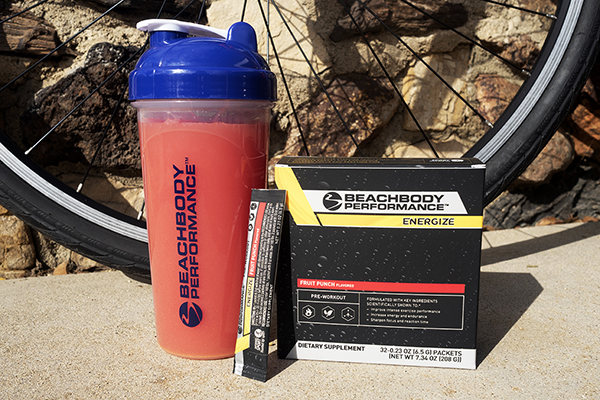
How Much Pre-Workout Should You Take?

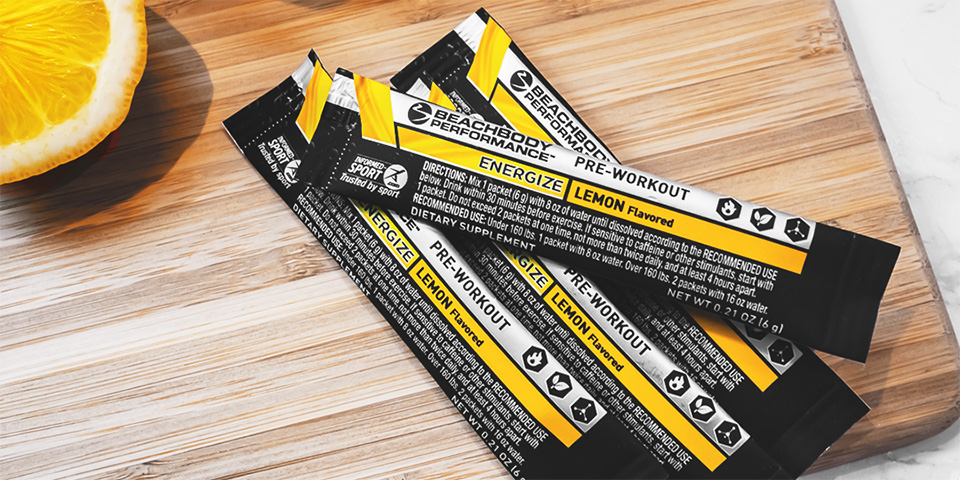
How Much Pre-Workout Should You Take? With a supplement like Beachbody Performance Energize, it’s easy to know how much pre-workout to take. The back panel on every container tells you exactly how much to take, how often, and when. Plan to drink Energize about 30 minutes before you exercise so it’s ready when you need it during your workout. Mix one level scoop with eight ounces of water, or start with half a packet if you’re sensitive to caffeine. “The ingredients in Energize weren’t selected at random or because they’re trendy — they were included because they all offer performance-enhancing benefits that are backed by science,” explains Trevor Thieme, CSCS. How Much Pre-Workout Can You Take in a Day? As a general rule, your caffeine consumption shouldn’t exceed 400 mg per day. However, all pre-workout supplements are different, so it’s best to follow the directions given by whatever you take. When it comes to Beachbody Performance Energize, we advise taking no more than two scoops at one time, no more than twice daily, and keeping consumption at least four hours apart. How Long Does Pre-Workout Take to Kick In? You’ll likely know when your pre-workout kicks in, but we recommend taking it 30 to 45 minutes before exercising. Beachbody Performance Energize contains beta-alanine, an amino acid that plays a role in muscle endurance during hard workouts.* But there’s something else: “For some people, beta-alanine excites sensory neurons in the skin, causing a slight tingling sensation that is harmless and temporary,” says Thieme. Should I Ever Adjust the Recommended Amount of Pre-Workout? If you are particularly sensitive to caffeine, start by taking half a scoop of Beachbody Performance Energize. After you assess your tolerance, you can increase that to one scoop. If you do not enjoy the tingling feeling associated with beta-alanine, reduce your dosage. *These statements have not been evaluated by the Food and Drug Administration. This product is not intended to diagnose, treat, cure, or prevent any disease. The post How Much Pre-Workout Should You Take? appeared first on BODi. With a supplement like Beachbody Performance Energize, it’s easy to know how much pre-workout to take. The back panel on every container tells you exactly how much to take, how often, and when. Plan to drink Energize about 30 minutes before you exercise so it’s ready when you need it during your workout. Mix one […] The post How Much Pre-Workout Should You Take? appeared first on BODi. Kayne Toyosato{authorlink}https://www.beachbodyondemand.com/blog/how-much-pre-workout-to-takeBODi BODi is a Health Esteem platform to help you embrace the person you are today so you can take action to achieve all your health and fitness goals. https://bodiblog.wpenginepowered.com/wp-content/plugins/bod-blog/assets/vendor/beachbodydigital/wordpress-core-plugins/beachbody.png

How Much Pre-Workout Should You Take? Read More »

Should You Take Creatine or Protein, or Both?

Should You Take Creatine or Protein, or Both? If you’re serious about weightlifting, sports, or HIIT and have started researching how to take your progress to the next level, two supplements have likely surfaced at the top of your search results: creatine and protein. And there are many good reasons why. Both supplements have been extensively researched, and there’s a lot of data to support their effectiveness and safety. But what are the benefits of creatine and protein, exactly? What’s the best way to take them, including dosage and timing? And should you take creatine and protein at the same time? Here’s what the experts say. What Is Creatine? Creatine is a compound stored primarily in muscle as phosphocreatine, which the body uses to power quick — as opposed to sustained — bursts of activity. That could include a 100-yard sprint or simply lifting a suitcase into your trunk. Creatine is comprised of three amino acids — arginine, glycine, and methionine — and is usually found in red meat and seafood. Studies suggest, however, that the body’s creatine stores can be increased through supplementation to improve workout performance and results. “Creatine helps fuel your muscles when they’re being used, especially during vigorous exercise,” says Bianca Grover, ACSM, EP-C, EIM2, ACE, CPT, an Ohio-based exercise physiologist. “By supplementing the amount of creatine in your body, you provide [additional] fuel for your muscles to perform.”* Benefits of Taking Creatine Numerous studies have found that creatine is a safe and effective supplement. “Creatine monohydrate is one of the most widely scientifically tested supplements, with documented results for strength, performance, and muscle mass development,” says Dr. Rori Alter, PT, DPT, SSC, PRSCC, a New York-based physical therapist who coaches competitive powerlifters. 1. Increased muscle mass “Creatine can help boost muscle energy stores, leading to [improved workout performance and thus] bigger gains,” says Morgyn Clair, MS, RDN, a Florida-based registered dietitian nutritionist. 2. Better athletic performance That performance boost isn’t limited to lifters. Whether you’re pumping iron or doing sprints, creatine may help you get more out of your workout. “According to research, creatine supplements may boost athletic performance for both strength and high-intensity exercises,” says Melissa Mitri, MS, RD, a registered dietitian in New York City. “Creatine is most beneficial for high-intensity workouts that include quick bursts of output followed by short rests,” Clair says. “Someone who does lower-intensity workouts like walks [or long, steady-state runs] probably wouldn’t benefit.” 3. Enhanced muscle recovery and repair Creatine may help maintain muscle mass if you’re injured, says Marie Spano, MS, RD, CSCS, CSSD, a consulting sports nutritionist for the Atlanta Braves. “During longer-term rehab, creatine can help you regain muscle, and it may even help with muscle growth in the absence of activity,” she says. “In one study, creatine increased size by 10 to 15 percent over 12 weeks in the muscle not undergoing rehab,” Spano adds. “So, if you’re only doing rehab on your injured right leg, your non-injured left leg can benefit from taking creatine.”* When Should You Take Creatine? Many people find it convenient to take creatine before or after a workout, but the truth is that you can take it any time of day — as long as you take it every day. That’s because creatine, unlike a fast-acting substance like caffeine, takes time to build up to sufficient levels in your cells to make a noticeable difference in your workouts. With a typical daily serving of five to 10 grams, it can take a month or more to impact your training. Creatine loading, during which you take up to 20 grams per day for a short period of time before dialing back to a daily five-gram “maintenance dose,” can get you there in as little as seven to 10 days. What Is Protein? Protein is the principal component in muscle, crucial for its growth and repair. It is comprised of 21 amino acids, nine of which (called “essential”) must be consumed in food because they can’t be produced by the body.* Supplementation of protein can be derived from animal or plant sources: Whey protein Whey protein is produced from cow’s milk. Known as a complete protein because it contains all nine essential amino acids in sufficient quantities, whey is processed in two primary forms for supplementation: Whey concentrate, which contains between 25% and 89% protein Whey isolate, which contains more than 90% protein Both forms are safe to consume regularly. But if you find dairy difficult to tolerate, whey protein isolate — which is not only higher in protein content, but also very low in lactose — may be a better option. Plant protein The sources of plant protein formulations can vary widely. The plant-based formulation of Beachbody Performance Recover, for example, is derived from pea protein, which is high in leucine, a key amino acid in muscle protein synthesis that supports growth. Other sources of plant protein include soy, hemp, brown rice, and pumpkin seed, to name a few.* Benefits of Taking Protein Here’s why it’s important to focus on consuming enough protein throughout the day, especially if you work out regularly. 1. Increased muscle mass During intense exercise, muscles sustain micro-damage that must be repaired. Protein delivers the essential amino acids necessary for that repair and eventual growth. “Whey protein has a great ability to stimulate muscle protein synthesis due to its high concentrations of the amino acid leucine, known for its role in hypertrophy, or muscle growth,” Grover says. This is also true of pea-based plant proteins.* 2. Enhanced muscle recovery and repair While a protein-rich diet consisting of whole foods is generally recommended for muscle building, well-timed supplementation with protein may be the more efficient recovery option. A liquid supplement can be absorbed faster, delivering essential aminos quicker to muscle tissue damaged during intense exercise, hastening recovery.* 3. May help with weight loss or maintenance If you’re looking to improve body composition, protein can help in a couple different ways. “Protein is effective at keeping you sated because it’s slow to digest, allowing for a longer feeling of fullness after meals,” Alter says. Since the body has to expend a relatively high amount of energy (compared to other macronutrients) to digest

Should You Take Creatine or Protein, or Both? Read More »

Is a Stim-Free Pre-Workout Right for You?

Is a Stim-Free Pre-Workout Right for You? What’s the difference between stim and stim-free pre-workout? Let’s start at the beginning. For decades, planning your workout supplement routine meant focusing on what to take after your gym session — namely, a high-quality protein to enable muscle recovery and boost growth. But science has brought about an exciting new era of pre-workout supplements. The right balance of supplements before a workout may help boost your performance and eventual results.* But there are many different kinds of pre-workouts in two major categories: “Stim” and “stim-free.” Here are the significant differences between the two and reasons why one or the other might be better for you. What’s the Difference Between Stim and Stim-Free? As their nicknames indicate, stim and stim-free pre-workout formulations are distinguished by their inclusion (or exclusion) of a stimulant — usually caffeine. For some people, a stim-free supplement is preferable. But the two aren’t equal. “The main reason for including caffeine in a pre-workout formulation is that it drives the key benefits of helping boost endurance and athletic performance,” says Paul Falcone, MS, principal scientist at BODi. Do Stim-Free Pre-Workouts Work? According to Falcone, stim-free pre-workout formulations may include: Creatine, which can help boost muscle mass and strength L-citrulline, a vasodilator that expands blood vessels (a.k.a. the “pump” you get from lifting weights), enhancing certain aspects of exercise performance like power output Beta-alanine, which can help delay exercise-induced muscle fatigue* L-theanine, an amino acid that supports a sense of calm alertness So a stim-free pre-workout can still provide benefits. But science has found that caffeine is the equivalent of Superman in the Justice League of pre-workout ingredients: The others are powerful on their own, but one is indisputably the glue of the operation. “At BODi, we feel that caffeine is an important part of a pre-workout formula,” says Falcone. “Its benefits, in terms of helping increase endurance and performance, are supported by decades of research.”* That’s why Beachbody Performance Energize contains 100 milligrams of caffeine, as well as quercetin and beta-alanine, to help provide a boost of energy and improve performance.* Is Non-Stim “Better” Than Stim? Whether a non-stim pre-workout supplement is better than stim really depends on what’s best for you. Consider your individual situation, including: Are you sensitive to caffeine? Do you metabolize caffeine quickly or slowly? What time of day do you usually work out? So Why Take a Non-Stim Pre-Workout? Some people might avoid caffeine at any hour of the day because it may induce negative side effects, such as jitters or an upset stomach. For them, stim-free pre-workout would be the best choice. And even the most hardened java junkies have regretted taking too much caffeine too late in the day, making it harder to fall asleep or experiencing interrupted sleep. “The major benefit of taking a stim-free pre-workout would come if you’re doing a late-afternoon or evening workout when you don’t want additional caffeine,” says Falcone. “It’s really an individual question, but it’s important. You want to ensure you’re not taking something that’s affecting your sleep because sleep is essential, particularly for muscle recovery.” Another important factor is how your body processes caffeine. “There’s a lot of variability in caffeine metabolism,” says Falcone. “Typically, the half-life of caffeine is about five hours, but it can actually be between one hour and 10 hours, depending on the person. If you’re a slow metabolizer of caffeine, any stim pre-workout is going to have a much different effect, and the timing becomes really important.” Why Energize Pre-Workout Contains Caffeine Beachbody Performance Energize contains 100 milligrams of caffeine sourced from green tea and coffee bean extract, which is about the amount of caffeine in a cup of coffee. “We chose that amount because a lot of research supports that dose for exercise performance benefits,” says Falcone. Those benefits don’t just include energy. Studies suggest that taking caffeine before a workout can have cognitive benefits, including increased focus and sharper reaction time.* Stim vs Stim-Free Pre-Workout: Which Should You Choose? So how do you know if you should opt for a stim or stim-free pre-workout formulation? “It’s relatively easy to test for,” says Falcone. “Some people can have caffeine at 7 p.m. and have no problems with their sleep. Some can’t take it past mid-afternoon. It’s very individual. You want to make it work with your lifestyle — when you work out and when you go to sleep. It’s really important to pay attention to your sleep and make sure that you are getting sufficient sleep quality and quantity.” How much sleep is enough? Experts recommend getting seven to nine hours every night. That will help maximize workout gains — allowing the body crucial time for muscle repair and recovery — and will support your overall health. If you’re not hitting that number, or if you’re waking up in the middle of the night, take a look at your caffeine consumption and adjust it if necessary. If your sleep issues continue, it’s a good idea to consult your doctor.   *These statements have not been evaluated by the Food and Drug Administration. This product is not intended to diagnose, treat, cure, or prevent any disease. The post Is a Stim-Free Pre-Workout Right for You? appeared first on BODi. What’s the difference between stim and stim-free pre-workout? Let’s start at the beginning. For decades, planning your workout supplement routine meant focusing on what to take after your gym session — namely, a high-quality protein to enable muscle recovery and boost growth. But science has brought about an exciting new era of pre-workout supplements. The right […] The post Is a Stim-Free Pre-Workout Right for You? appeared first on BODi. Michael Martin{authorlink}https://www.beachbodyondemand.com/blog/stim-free-pre-workoutBODi BODi is a Health Esteem platform to help you embrace the person you are today so you can take action to achieve all your health and fitness goals. https://bodiblog.wpenginepowered.com/wp-content/plugins/bod-blog/assets/vendor/beachbodydigital/wordpress-core-plugins/beachbody.png

Is a Stim-Free Pre-Workout Right for You? Read More »

How Long Do Pre-Workout Supplements Last?

How Long Do Pre-Workout Supplements Last? Our pre-workout supplement is carefully formulated to help you max out in the gym, during a BODi workout, or wherever you choose to push your limits. But, if you’ve never taken Beachbody Performance Energize, you might have some questions — it’s reasonable to want to get the full story before trying something new. How long does pre-workout last? And how do you know if it’s working? Not to worry — we have you covered, so you can focus on getting that PR and crushing your goals. When Should I Take Beachbody Performance Energize and How Long Will It Last? You should drink Beachbody Performance Energize with eight ounces of water 30 minutes before you plan to work out. A single, one-scoop serving of Energize contains 100 mg of caffeine. Everyone’s body is different, but the half-life of caffeine is three to seven hours, so it should easily help carry you through your run, fitness class, or sporting event when taken as directed. That last part is especially important. You always want to follow the directions on any supplement you take. Each serving of Energize contains powerful ingredients from the highest-quality sources. It’s specially formulated to help increase your energy and focus for better results.* Can I Take More Beachbody Performance Energize to Make It Last Longer? “Increasing your serving size won’t make the effects last longer,” says Trevor Thieme, CSCS. “You never want to exceed the recommended serving of this or any pre-workout and doing so won’t make the product work better.” How Do I Know if Beachbody Performance Energize Is Working? Beachbody Performance Energize contains beta-alanine, an ingredient that may tell you when your pre-workout is working! “For some people, beta-alanine excites sensory neurons in the skin, causing a slight tingling sensation that is temporary,” says Thieme. Beta-alanine plays a role in muscle endurance during tough workouts. Research shows that it can help delay muscle fatigue, boost endurance, and improve performance.* Will Sleep Affect How Effective Beachbody Performance Energize Is? Nothing can replace healthy sleep. Skimping on sleep can definitely impact your workout. That includes your form, concentration, recovery, and performance. Exercise and proper diet are necessary to achieve and maintain weight loss and strength gains. Healthy sleep should also be a non-negotiable part of your program. *These statements have not been evaluated by the Food and Drug Administration. This product is not intended to diagnose, treat, cure, or prevent any disease. The post How Long Do Pre-Workout Supplements Last? appeared first on BODi. Our pre-workout supplement is carefully formulated to help you max out in the gym, during a BODi workout, or wherever you choose to push your limits. But, if you’ve never taken Beachbody Performance Energize, you might have some questions — it’s reasonable to want to get the full story before trying something new. How long […] The post How Long Do Pre-Workout Supplements Last? appeared first on BODi. William Kang{authorlink}https://www.beachbodyondemand.com/blog/how-long-do-pre-workout-supplements-lastBODi BODi is a Health Esteem platform to help you embrace the person you are today so you can take action to achieve all your health and fitness goals. https://bodiblog.wpenginepowered.com/wp-content/plugins/bod-blog/assets/vendor/beachbodydigital/wordpress-core-plugins/beachbody.png

How Long Do Pre-Workout Supplements Last? Read More »

Before Dry Scooping Pre-Workout, Consider These Risks

Before Dry Scooping Pre-Workout, Consider These Risks “Dry scooping” is a trend made popular by social media influencers in which you consume a dry scoop of pre-workout — straight-up. (You can also dry scoop protein powder, but that’s not as common.) Instead of mixing the powder with water, you put it directly in your mouth and then drink a little water to wash it down. Before you try this at home, know that this trend is downright dangerous. So even if you’re tempted to give it a try — please don’t. Read on to learn what can happen if you “dry scoop” pre-workout instead of mixing it with water like the instructions recommend. Why Are People Dry Scooping? More people than ever are dry scooping because it’s gained popularity on social media. One study from the American Academy of Pediatrics found that video demonstrations of dry scooping on TikTok have gained more than eight million views. When researchers looked at 100 videos posted under #preworkout on TikTok, they found that only eight percent showed people taking pre-workout as directed by the instructions. But people who follow the fitness community on Instagram know that dry scooping has been around for a while. Popular “fit-stagrammers” have posted videos of them dry scooping pre-workout before exercising. How Dangerous Is Dry Scooping? Trying to dry scoop pre-workout powder carries serious risks. When you take these dietary supplements as a powder instead of mixing them with water, “they can, and likely will, be inhaled directly into the lungs,” warns John R. Windle, MD, a professor of cardiovascular medicine at University of Nebraska. Unlike certain medications formulated to absorb through the lungs, “powders carry a lot of additional substances that are not absorbed,” Windle explains. These additional substances “can cause dangerous bronchospasm (asthma) and potentially permanent lung damage.” The “cinnamon challenge,” which saw people on social media attempting to ingest dry spoonfuls of cinnamon, had similar risks. Windle wants to put that risk into perspective, though. “Like with everything, quantity matters,” he says. He explains that you don’t need to see a doctor if you accidentally inhale some powder as it lingers in the air “unless you start wheezing.” But if you attempt to take a dry scoop of pre-workout and inhale while doing it, you should call poison control or seek medical attention. Even if nothing life-threatening happens, coughing on pre-workout is a surefire way to derail any workout and kill your mojo for the day. (It’s also a guaranteed way to end up going viral at the gym for all the wrong reasons!) Too much caffeine can be dangerous One of the most significant risks of dry scooping is what Windle calls the “more must be better” mentality. Many people in these videos consumed more than one level scoop of pre-workout. With caffeine, “there is a graded response,” Windle explains. At lower amounts, it can make you feel more focused and energized, but the other side of that spectrum where you’re taking in large doses “ends in toxicity or overdose.” To put it in more practical terms, the more caffeine you take, the higher your risk of experiencing side effects. And the side effects of caffeine get more severe at higher doses. Mild side effects include jitteriness, facial flushing, muscle twitches, irritability, anxiety, and restlessness. But “excessive caffeine can lead to heart attacks and dangerous heart rhythms,” Windle adds. But even the mild side effects mean you may have taken too much. Pre-workout should make you feel focused and ready to tackle the workout ahead of you (and sometimes a little tingly from the beta-alanine). If you have too much caffeine, it can detract from your focus during exercise. There’s also no guarantee with most supplements (more on those exceptions later) that the caffeine content listed on the label is what’s actually inside the supplement. One study on the caffeine content of different pre-workout powders found that the actual amount in each supplement ranged from 59% to 176% of the amount listed on the label. This discrepancy is especially dangerous for people taking more than one scoop of these supplements, since they can’t know if they purchased a pre-workout with more caffeine than it claims. Dry scooping has no benefits Besides being dangerous (and isn’t that enough?), Windle explains that “there is absolutely no benefit to dry scooping.” That’s because the contents of pre-workout are absorbed in solution, whether that’s stomach acids or water. So you’re adding risks to your pre-workout routine without any potential benefit. What’s the Best Way to Take a Pre-Workout Supplement? Start by buying pre-workout from a brand you can trust. If you’re sensitive to caffeine, that means you may want to start with half a scoop of pre-workout no matter which brand you try. Building in this trial period gives you some leeway if there’s more caffeine in the pre-workout than the label claims. You can gauge its effects at a half-scoop to see if that’s plenty for your needs. You may also want to try a new pre-workout for a morning workout not an evening one. No matter what time of day you take it, you should take pre-workout 30 to 45 minutes before starting your workout. But once you’ve found a brand you can trust — which, ideally, contains the most effective ingredients for pre-workout supplements — and given it a trial period, follow the instructions on how and when to take it. If the label says to mix it with water, do so. You can cut down the amount of water if the liquid is too much to take in before exercise, but you still need to dilute it with water. If you want to make your pre-workout more portable, Beachbody Performance Energize — which is Informed Sport certified and contains no synthetic colors or artificial sweeteners or flavors — comes in single-serving packets that you can take on the go. Or you can use it to whip up a batch of homemade pre-workout gummies. They only require 15 minutes of prep time and provide perfectly portioned pieces of energy so you can simply

Before Dry Scooping Pre-Workout, Consider These Risks Read More »

Can Pre-Workout Supplements Help You Lose Weight?

Can Pre-Workout Supplements Help You Lose Weight? Pre-workout supplements are designed to (you guessed it!) be taken before you exercise. They can help boost your energy and endurance so you can exercise harder and get the most out of every workout. But can you take pre-workout for weight loss? While a pre-workout formula can be part of a fitness and healthy eating plan that helps you lose weight, it doesn’t directly influence weight loss, says Trevor Thieme, CSCS. “But what it can do is increase focus and delay fatigue during exercise, which can help you maintain a higher level of performance for a longer period of time — and that can affect how many calories you ultimately burn.” We’ll go into greater detail regarding how pre-workout supplements can influence weight management. But first, let’s start with the basics. What Is Pre-Workout? The goal of a pre-workout supplement is to enhance workout performance*, and the market is filled with products containing a variety of ingredients that claim to help do that. But not all of those claims are backed by science. “And that’s one of the things that makes Beachbody Performance Energize different,” says Thieme. “We use ingredients that are supported by research.” These ingredients include: 1. Beta-alanine Beta-alanine is an amino acid that may help delay muscular fatigue during hard workouts.* But to reap its benefits, you need to take it regularly. “Beta-alanine isn’t like caffeine — it doesn’t have an acute effect on workout performance,” says Thieme. “Like creatine, it can take up to a month with regular supplementation to build up to sufficient levels in your system to make a difference in your workout performance.” Sometimes beta-alanine excites the sensory neurons in your skin, causing tingles. This sensation is harmless and temporary, says Thieme. “But if it bothers you, reduce or space out your serving,” he adds. 2. Caffeine Beachbody Performance Energize contains about as much caffeine as an eight-ounce cup of coffee. “That’s all most people need to reap caffeine’s performance-enhancing benefits, including enhanced focus and endurance,”* says Thieme. 3. Quercetin Quercetin is a powerful phytonutrient that can help improve endurance and delay exercise-induced muscle fatigue. It works synergistically with caffeine and beta-alanine to help increase muscle power output so that your workouts feel easier.* Can Pre-Workout Help With Weight Loss? As stated above, while a pre-workout supplement likely won’t trigger your body to burn more fat directly, it can help you accomplish fitness goals by boosting your workout performance.* “The longer you’re able to maintain a high level of effort in your workouts, the more calories you’ll burn and the more fat you can potentially lose over time as a result,” says Thieme. Should I Use Pre-Workout? The performance-enhancing benefits of a high-quality, effective pre-workout supplement such as Beachbody Performance Energize make it a good option for just about anyone who wants to level-up their training, says Thieme, adding that you should always check with your doctor first — especially if you’re sensitive to caffeine. Also, you should read and follow all label instructions. Energize Pre-Workout may be right for you if you want to help: Boost focus, energy, and endurance.* Delay the onset of muscle burn and fatigue.* Improve performance.* Feel less tired during workouts.* Feel dialed into your sweat sessions.* *These statements have not been evaluated by the Food and Drug Administration. This product is not intended to diagnose, treat, cure, or prevent any disease. The post Can Pre-Workout Supplements Help You Lose Weight? appeared first on BODi. Pre-workout supplements are designed to (you guessed it!) be taken before you exercise. They can help boost your energy and endurance so you can exercise harder and get the most out of every workout. But can you take pre-workout for weight loss? While a pre-workout formula can be part of a fitness and healthy eating plan that […] The post Can Pre-Workout Supplements Help You Lose Weight? appeared first on BODi. Kayne Toyosato{authorlink}https://www.beachbodyondemand.com/blog/pre-workout-weight-lossBODi BODi is a Health Esteem platform to help you embrace the person you are today so you can take action to achieve all your health and fitness goals. https://bodiblog.wpenginepowered.com/wp-content/plugins/bod-blog/assets/vendor/beachbodydigital/wordpress-core-plugins/beachbody.png

Can Pre-Workout Supplements Help You Lose Weight? Read More »

Should You Have an Energy Drink Before a Workout?

Should You Have an Energy Drink Before a Workout? So, you have a challenging workout scheduled after work, but you’re feeling a little depleted. Squeezed for time, you make a pit-stop at a convenience store. You scan around looking for something that might help power you through your session — bananas, mixed nuts, bottled water — and see, in the cooler, a shelf of brightly colored energy drinks promising exactly what you need. There’s one that boasts hours of focus, one that all but guarantees massive muscles, one that says it will pump you up till you virtually explode. But what these energy drinks don’t include on the label is that their primary ingredients are sugar and a hefty dose of caffeine. Maybe it’s time to change our thinking. Pre-workout supplements are formulated to help you optimize performance, particularly during higher-intensity activities, and are decidedly a better choice than run-of-the-mill energy drinks. Here’s why. The Pros and Cons of Energy Drinks 1. Sugar Pro: Calories and sugar get a bad rap in our weight-obsessed culture. Calories are simply a measure of the amount of energy in a food, and sugar is an efficient, palate-pleasing fuel for many body functions. To perform at your best, you need adequate amounts of both. That goes double if you’re a regular exerciser. Trying to get through a hard workout on a completely empty stomach — particularly if you’re doing something anaerobic like lifting weights or HIIT — can be like dragging a stubborn dog to the vet: You might get there eventually, but it will be a fight every step of the way. That’s why most experts recommend eating a full meal an hour or two before performing anaerobic exercise — or, failing that, fueling up beforehand with a small snack like a piece of fruit. Con: If you’re trying to keep your fat stores in check, excess added sugar will work against your efforts. True, you burn some of that sugar during your workout, but, like anything else you consume, the sugar and calories in that energy drink factor into the calories-in, calories-out equation that determines if you lose weight, gain weight, or stay the same weight in the long term. “The high amounts of sugar found in energy drinks are not the best way to fuel for exercise,” says Paul Falcone, principal scientist at BODi. “It also may contribute additional calories that may not help you achieve your overall health goals.” 2. Caffeine Pro: Caffeine is another common active ingredient in energy drinks — and research has shown that it can be an effective one. A meta-analysis concluded that caffeine had “significant ergogenic [performance-enhancing] effects…on maximal muscle strength of upper body and muscle power.” Another small study found that caffeine enhanced jumping ability in female athletes. So, if you’re on the hunt for a legal, safe, and effective way to give your gym performance a measurable boost, look no further than the active ingredient in your morning cup of joe.* Con: But like sugar, caffeine has limits. Take too much, too often and you not only get jittery — you become more tolerant to its effects so that what once hyped you up now barely gets you to baseline. Moreover, some energy drinks contain upwards of 300 mg of caffeine — well over half the daily amount considered “safe.” 3. BCAAS Branched-chain amino acids — leucine, isoleucine, and valine — are another ingredient sometimes found in sports supplements. All three BCAAs are plentiful in foods that contain protein (including dairy, animal, and vegetable sources), so it’s not necessary to consume large amounts of them in supplement form — particularly before a workout. “Generally, BCAA’s play a greater role after your workout to aid in recovery and rebuilding,” says Falcone. What Should You Consume Instead of Energy Drinks? Are there better choices to make before your workout? Absolutely. You may experience intense exercise as a muscle-pumping, leg-churning sweat-fest, but on a molecular level, a workout is a score of complex chemicals, all reacting at blinding speed over and over again: fuel converting to a usable form; fuel burned and turned into kinetic energy; muscle fibers gripping and releasing from one another; waste products clearing; back-up fuels mobilize; oxygen pumps into the system and carbon-dioxide pumps out. Tailoring what you consume beforehand to your workout — as with a pre-workout supplement — can impact how efficiently those chemical reactions take place and whether you shamble out of the gym feeling like a dishrag or fly out feeling like a superhero. How Pre-Workouts Aid Your Routine Some of the ingredients that are particularly beneficial to high-intensity exercise are: Caffeine to help provide energy and improved focus and attention.* Beta-alanine helps you fight fatigue and perform better by helping your body produce more of the amino acid carnosine. This amino buffers muscle acids that result from exercise. * Quercetin is a powerful phytonutrient that works synergistically with caffeine and beta-alanine to help delay exercise-induced fatigue and boost performance.* “Caffeine and beta-alanine are some of the most clinically-researched ingredients available on the market,” says Falcone. “And the evidence shows that they can help you get the most out of your workouts.” Falcone’s recommendation: Skip the energy drinks and go for something formulated to help you reach your goals the fastest: “Energize Pre-Workout provides key ingredients to optimize your workout that are not found in energy drinks,” says Falcone. “These ingredients provide more than just energy — they help to fight fatigue during exercise and to enhance strength gains.”* *These statements have not been evaluated by the Food and Drug Administration. This product is not intended to diagnose, treat, cure, or prevent any disease. The post Should You Have an Energy Drink Before a Workout? appeared first on BODi. So, you have a challenging workout scheduled after work, but you’re feeling a little depleted. Squeezed for time, you make a pit-stop at a convenience store. You scan around looking for something that might help power you through your session — bananas, mixed nuts, bottled water — and see, in the cooler, a

Should You Have an Energy Drink Before a Workout? Read More »

BCAAs vs Protein: What’s the Difference?

BCAAs vs Protein: What’s the Difference? You know how important protein is for staying fit and muscular. But you might not know that much of its strength-building power comes from branched-chain amino acids (BCAAs). It’s one acronym you want to keep in mind when putting together an eating plan or supplement regimen that’ll help make your fitness goals a reality. BCAAs have several benefits that can help you get there. What Are BCAAs? Branched-chain amino acids are three of the nine essential amino acids that the body can’t produce on its own: Isoleucine Leucine Valine Amino acids are the building blocks of protein, and protein is a building block of muscle. BCAAs are three of the most important amino acids for muscle growth and repair. “In fitness training, BCAAs can serve a unique role in enhancing muscle recovery after physical activity,” says Bansari Acharya, RDN, a registered dietitian nutritionist in Detroit. In particular, BCAAs can help optimize muscle repair and growth.* Are BCAAs the Same as Protein? BCAAs are not protein. They’re some of the components of protein. Protein is a macronutrient with numerous benefits for the body, particularly when it comes to fitness and exercise. “For weight management or athletic performance, protein helps build and repair muscle tissue,” says Keith Hodges, a NASM-certified personal trainer in Los Angeles. Protein also provides a slight temporary boost in metabolism (because of the energy required to digest it) and may help promote satiety. Satiety is key because it has the ability to help you feel fuller for longer, which can lead to a reduction in daily caloric intake. Should I Take BCAAs and Protein? BCAAs can’t help your body synthesize protein on their own. They need to be consumed with the other essential amino acids to make a complete protein. “In my opinion, BCAAs and protein are equally important,” says Hodges. If you’re interested in taking BCAAs and protein, chances are you won’t have to buy two products. You’ll just need a good-quality protein powder, such as Beachbody Performance Recover, which is also fortified with BCAAs. “The key is to get high-quality protein into your body soon after you finish exercising,” says Trevor Thieme, CSCS. “Your body can break that protein down into amino acids and use them to help optimize muscle recovery and growth.” Are Amino Acids Better Than Protein? BCAAs and protein supplements work better together. While BCAAs are considered some of the most important amino acids for muscle growth, a major factor in muscle protein synthesis is played by the total amount of protein consumed, says Dimitar Marinov, MD, Ph.D., a physician who specializes in preventative medicine and nutrition. “It is much better for muscle protein synthesis and hypertrophy to consume more protein with high BCAA content rather than consuming BCAAs alone.” So be sure to consume plenty of protein from whole foods in addition to any supplements you take — you can get both protein and BCAAs from meat, fish, beans, eggs, and tofu, among other foods. “Remember that supplements aren’t a substitute for food,” says Hodges. “[You need to be] eating, hydrating, and sleeping according to the fitness goal you want to achieve.”   *These statements have not been evaluated by the Food and Drug Administration. This product is not intended to diagnose, treat, cure, or prevent any disease. The post BCAAs vs Protein: What’s the Difference? appeared first on BODi. You know how important protein is for staying fit and muscular. But you might not know that much of its strength-building power comes from branched-chain amino acids (BCAAs). It’s one acronym you want to keep in mind when putting together an eating plan or supplement regimen that’ll help make your fitness goals a reality. BCAAs […] The post BCAAs vs Protein: What’s the Difference? appeared first on BODi. Michael Martin{authorlink}https://www.beachbodyondemand.com/blog/bcaa-vs-proteinBODi BODi is a Health Esteem platform to help you embrace the person you are today so you can take action to achieve all your health and fitness goals. https://bodiblog.wpenginepowered.com/wp-content/plugins/bod-blog/assets/vendor/beachbodydigital/wordpress-core-plugins/beachbody.png

BCAAs vs Protein: What’s the Difference? Read More »

Chlorella vs Spirulina: Which Microalgae Is Better for You?

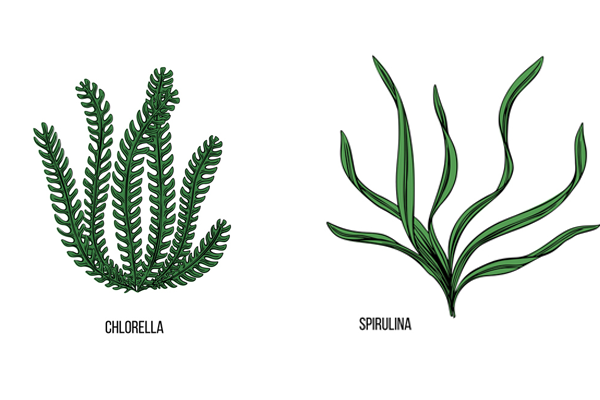
Chlorella vs Spirulina: Which Microalgae Is Better for You? There are two main types of nutritional algae that you’ll find in greens supplements: chlorella and spirulina. Both are microalgae that are dried into a dark green powder and “provide a variety of key nutrients, such as healthy fats and vegan protein,” says BODi Principal Scientist Paul Falcone. While they both contain high levels of antioxidant-like compounds and are taken as health-promoting supplements, is one better than the other? Falcone helped us take a closer look at chlorella vs spirulina, so read on to see which green reigns supreme as the best high-quality, plant-based source of vitamins, protein, and antioxidants. What’s the Difference Between Chlorella and Spirulina? There are two main differences between these microalgae: how they’re processed and their nutritional profiles. 1. Processing Spirulina is harvested and dried, a straightforward commercial process used for millennia by native cultures in Africa and Mexico. Chlorella, on the other hand, has a cell wall that must be cracked to make it digestible and to prevent rare instances of photosensitivity among consumers. But this adds a step to the packaging process, which explains why spirulina was initially more popular. Chlorella was only discovered in the 1800s and packaged with the needed cell wall penetration starting in the 1970s. 2. Nutritional profiles Even though spirulina has been around longer commercially, chlorella can be more nutritious. “Chlorella edges out the win here due to having higher amounts of important nutrients,” says Falcone. Health Benefits of Spirulina While chlorella has the nutritional edge, spirulina still has many health benefits. Here are its top properties. 1. Vitamins and minerals Spirulina provides more copper than chlorella, containing nearly twice the daily value (DV) per ounce. It is also slightly higher in vitamin B1, AKA thiamin. 2. Protein Spirulina contains 16 grams per ounce, making it very high in protein for plant-based food. Not only is the protein content high, but it also consists of a wide variety of amino acids (the building blocks of protein), which is key to protein quality. Health Benefits of Chlorella Spirulina outperforms chlorella in a couple of ways, but chlorella outdoes spirulina in many more. Here are some examples of its health benefits. 1. Vitamins and minerals Compared to spirulina, chlorella contains more than seven times the phosphorous, which is a key mineral and a structural component of DNA, RNA, and ATP (the energy molecule). 2. Protein Like spirulina, chlorella is about 50% protein by weight, making it a good way to get protein from a plant source. 3. Chelation Both microalgae are effective at helping the body rid itself of heavy metals. However, when you chelate with chlorella, you will also reap the many additional benefits of chlorella over spirulina. Falcone notes that while it was more complex to produce chlorella than spirulina in the past, things have changed. “Presently, the cracking of the cell wall is part of chlorella’s harvesting process, so chlorella can now be produced as quickly and effectively as spirulina. Because of chlorella’s superior nutritional profile, I expect it to become more prevalent in the market.” 4. Healthy fats In a study comparing multiple samples of spirulina and chlorella, both microalgae types contained a variety of important fatty acids. But while the nine total samples showed wide variability in fatty acid composition due to differences in growing conditions and processing, the chlorella seemed to provide higher amounts of certain healthy fats. What Studies Have Said About Heart Health Chlorella and spirulina have been studied as useful for cardiovascular fitness. They’ve been shown to support normal heart health. The Bottom Line Spirulina has many health benefits and is a great addition to any diet, but chlorella is the better choice for your overall health and wellness. As Falcone says, many of the benefits of chlorella will come from the evidence-based actions of key nutrients: Protein is an essential building block of life, phosphorous is a necessary structural component of DNA and ATP, and healthy fats help support normal brain and cell function. Whatever your health goals, chlorella is an excellent tool to have in your kit.* *These statements have not been evaluated by the Food and Drug Administration. This product is not intended to diagnose, treat, cure, or prevent any disease. The post Chlorella vs Spirulina: Which Microalgae Is Better for You? appeared first on BODi. There are two main types of nutritional algae that you’ll find in greens supplements: chlorella and spirulina. Both are microalgae that are dried into a dark green powder and “provide a variety of key nutrients, such as healthy fats and vegan protein,” says BODi Principal Scientist Paul Falcone. While they both contain high levels of antioxidant-like compounds and […] The post Chlorella vs Spirulina: Which Microalgae Is Better for You? appeared first on BODi. Kayne Toyosato{authorlink}https://www.beachbodyondemand.com/blog/chlorella-vs-spirulinaBODi BODi is a Health Esteem platform to help you embrace the person you are today so you can take action to achieve all your health and fitness goals. https://bodiblog.wpenginepowered.com/wp-content/plugins/bod-blog/assets/vendor/beachbodydigital/wordpress-core-plugins/beachbody.png

Chlorella vs Spirulina: Which Microalgae Is Better for You? Read More »