Vitamins & Supplements

Auto Added by WPeMatico

Is Pea Protein as Effective as Whey? 5 Reasons to Try This Plant Protein

Is Pea Protein as Effective as Whey? 5 Reasons to Try This Plant Protein When you hear “good source of protein,” which foods come to mind? A boneless, skinless chicken breast? A medium-rare prime rib? A cup of Greek yogurt sprinkled with chopped almonds? What about yellow peas? Maybe it’s not your first thought, but pea protein is an excellent option for anyone who wants the benefits of protein supplementation but prefers plant-based products. Learn why we use pea protein in our protein supplements — and how choosing a plant-based protein won’t short-change your gains and goals. 5 Nutritional Benefits of Pea Protein The humble pea is actually a protein powerhouse, and that’s just part of its appeal. Here are some of the nutritional benefits of pea protein. 1. Helps muscle repair and growth You likely know the basics of how muscles are built: Exercise (strength training, in particular) causes damage to the muscle tissue. In the process of their repair, muscles grow stronger and larger in size. In short, exercise is the stimulus, and adequate nutrition — specifically, protein — is key to the adaptation. “Pea protein helps to build muscle since it provides the building blocks (amino acids) that your muscles need to repair and rebuild after exercise,” says Paul Falcone, principal scientist at BODi. Sipping a pea protein shake or smoothie after your workout or between meals can help you meet your daily protein needs.* The plant-based formulation of Beachbody Performance Recover utilizes pea protein as its primary protein source, delivering 20 grams of protein per serving. It also contains essential amino acids, so called because they aren’t made by the body and must be provided by food. Those essential amino acids also include branched-chain amino acids (BCAAs). 2. Helps improve performance Falcone conveys that the benefits of consuming pea protein can be cumulative. With consistent fueling, as well as training and recovery, you’ll likely notice a meaningful difference in your workouts. “Pea protein after exercise also helps support performance, because you can get stronger over time if you give your body what it needs to recover properly,” Falcone says.* 3. Vegan-friendly and dairy-free As noted above, incorporating a protein shake or smoothie into your routine can aid muscle recovery. But for people who follow a vegan or dairy-free diet, protein supplements that contain whey and casein (the majority of readily available powders and pre-made drinks) aren’t an option. Because pea protein is completely plant-based, it’s a comparable, dairy-free alternative to animal-based protein powders that’s also vegan-friendly. 4. Excellent source of iron Iron is essential to maintaining healthy blood. However, it can be difficult to meet your daily intake requirements, especially if you follow a vegan or vegetarian diet. They exclude sources of the more bioavailable heme iron that are found in animal-based foods like meat, poultry, and seafood. Peas and other legumes are naturally good sources of iron, which makes pea protein a worthy option for anyone looking to boost their iron intake. One serving of Beachbody Performance Plant-Based Recover contains 5 mg of iron, which is more than half of the recommended daily value for men and around 25 percent for women. 5. It can help keep you satisfied Looking to maintain or cut weight? The key is to find the right balance between feeling full and not exceeding your daily calorie needs. Research shows that consuming protein may help provide longer-lasting satiety, making between-meal snacking less appealing, and compared to other sources of protein, studies have found that pea protein can be just as effective at staving off hunger.* Why We Use Pea Protein According to Falcone, BODi’s choice to utilize pea protein for our vegan protein supplements is based on the unique chemical makeup of pea protein. “We chose pea protein because it provides leucine (a BCAA) and a wide array of other essential amino acids in amounts that can help support recovery after exercise,” he says. “Research indicates that leucine and essential amino acid content are extremely important when choosing protein sources for muscle-building and exercise performance.”* Does Pea Protein Work for Muscle Gain? When paired with a consistent resistance-training routine, a healthy diet, and proper rest and recovery, pea protein can help you gain muscle mass, strength, and power. “Pea protein provides essential amino acids, which are necessary building blocks to help muscles rebuild and repair,” Falcone says. “Leucine is a particularly important essential amino acid, since it enhances the molecular signal for the muscle to rebuild, while also being a building block.” In fact, pea protein may be just as effective in aiding muscle gain as some of the most commonly used supplements on the market. Falcone notes a study at Lipscomb University in which researchers compared pea protein to whey protein, “an animal-based protein that is considered the gold standard for muscle building,” he says. “The young men and women in the study underwent eight weeks of a high-intensity functional training protocol. Both the pea and the whey protein produced similar outcomes on measures of strength and muscle mass, suggesting that pea may be as effective as whey in conjunction with a HIIT protocol.”*   *These statements have not been evaluated by the Food and Drug Administration. This product is not intended to diagnose, treat, cure, or prevent any disease. The post Is Pea Protein as Effective as Whey? 5 Reasons to Try This Plant Protein appeared first on BODi. When you hear “good source of protein,” which foods come to mind? A boneless, skinless chicken breast? A medium-rare prime rib? A cup of Greek yogurt sprinkled with chopped almonds? What about yellow peas? Maybe it’s not your first thought, but pea protein is an excellent option for anyone who wants the benefits of protein […] The post Is Pea Protein as Effective as Whey? 5 Reasons to Try This Plant Protein appeared first on BODi. Jenessa Connor, CPT{authorlink}https://www.beachbodyondemand.com/blog/pea-proteinBODi BODi is a Health Esteem platform to help you embrace the person you are today so you can take action to achieve all your health and fitness goals. https://bodiblog.wpenginepowered.com/wp-content/plugins/bod-blog/assets/vendor/beachbodydigital/wordpress-core-plugins/beachbody.png

Is Pea Protein as Effective as Whey? 5 Reasons to Try This Plant Protein Read More »
Do Men and Women Need Different Workout Supplements?

Do Men and Women Need Different Workout Supplements? Like just about anything, when it comes to pre- and post-workout supplementation, you can find store shelf upon store shelf of products formulated specifically for one gender. But do men and women really need different workout supplements? Can Men and Women Take the Same Workout Supplements? It’s the goal of the supplement — not the sex of the consumer — that should drive choice, says Shena Jaramillo, R.D. “If you’re using pre-workout or post-workout supplements to support your efforts with strength training or running a marathon, that’s not specific to gender,” she says. As opposed to supporting general nutritional needs, workout supplements are designed to amplify athletic performance, which applies equally to women and men. For example, a pre-workout supplement like Beachbody Performance Energize boasts caffeine and beta-alanine, a combination that helps increase energy and delay fatigue regardless of gender. With post-workout options, such as Beachbody Performance Recover, the goals are to help muscles recover faster and replenish fuel stores. Those outcomes benefit both men and women.* That’s not to say the genders don’t have slightly differing nutrient needs. “For example, women have a greater need for iron, and this could be one of the components in a supplement designed for women,” Jaramillo says. “One for men may have slightly higher calorie and protein content, as men can have more body mass and require a greater intake to support their fitness,” she continues. “However, taking a supplement not specifically designed for your gender can still be beneficial to your workout.” What Should Men and Women Look for in Workout Supplements? One major consideration to keep in mind when comparing workout supplements is to look closely at the ingredients. Among other concerns, research suggests that some formulations may contain banned substances. That isn’t the case with Beachbody Performance products, all of which carry the Informed-Sport seal. This independent, third-party certification tests products for substances on the World Anti-Doping Agency (WADA) Prohibited List. In general though, for both men and women, workout supplements can be beneficial because they help to promote recovery, Jaramillo says, “and can increase workout performance.”   *These statements have not been evaluated by the Food and Drug Administration. This product is not intended to diagnose, treat, cure, or prevent any disease. The post Do Men and Women Need Different Workout Supplements? appeared first on BODi. Like just about anything, when it comes to pre- and post-workout supplementation, you can find store shelf upon store shelf of products formulated specifically for one gender. But do men and women really need different workout supplements? Can Men and Women Take the Same Workout Supplements? It’s the goal of the supplement — not the sex […] The post Do Men and Women Need Different Workout Supplements? appeared first on BODi. William Kang{authorlink}https://www.beachbodyondemand.com/blog/men-vs-women-workout-supplementsBODi BODi is a Health Esteem platform to help you embrace the person you are today so you can take action to achieve all your health and fitness goals. https://bodiblog.wpenginepowered.com/wp-content/plugins/bod-blog/assets/vendor/beachbodydigital/wordpress-core-plugins/beachbody.png

Do Men and Women Need Different Workout Supplements? Read More »

5 Ways to Use Caffeine for Maximum Performance

5 Ways to Use Caffeine for Maximum Performance Whether you want to take a HIIT class to the next level or increase your stamina on a run, all walks of active people have used caffeine to enhance performance. Some caffeine effects include helping boost energy and increase focus, and they may also help get you over hurdles during your workout. Studies have found that caffeine improves performance in athletes, and even the International Olympic Committee has acknowledged its effectiveness. However, chugging more caffeine before a workout does not mean more power. “The main factors to making caffeine more effective include timing and type,” explains Marie Spano, MS, RD, CSSD, CSCS. Here’s a look at some caffeine effects and how you can maximize its benefits. 1. Know What It Does Caffeine is one of the best-known nootropics, a group of substances that support mental alertness, performance, and focus. It’s also the most widely consumed ergogenic (performance-enhancing) aid in the world and may help boost your anaerobic power performance. Along with a proper diet, consuming caffeine before a workout may give you more energy or help you lift more after limited sleep. However, caffeine should never replace sleep. It should supplement healthy rest, exercise, and food. 2. Assess How It Works for You “Caffeine works by blocking receptors in the brain that sense fatigue,” explains Kyla Channell, who holds a master’s in nutrition and human performance. It is chemically similar to a neuromodulator in the brain that regulates sleepiness — caffeine binds to the same receptors, reducing drowsiness. However, this sparks another question: Are you a fast, slow, or moderate metabolizer of caffeine? The answer is largely determined by your genes, and more specifically the CYP1A2 gene, explains Channell. You could find out by taking an at-home genetic test, but you’re likely better off experimenting with dosages and timing to get a sense for how it personally affects you. 3. Understand the Different Types Many caffeine sources are extracted from plants. The most familiar plant sources are tea leaves, coffee beans, and cacao beans. Another common source in supplements is caffeine anhydrous, or a highly concentrated form of caffeine. Even though it’s often plant-derived, a 2019 study found caffeine levels can be as high as 176 percent of what the label states in some Australian supplements. This could result in mega-dosing (and unsavory side effects). “Too much caffeine can be a bad thing,” says Channell, with high doses potentially impacting cardiovascular health. 4. Consume the Right Amount According to the U.S. Food & Drug Administration, consuming up to 400 mg of caffeine a day (the equivalent of about four to five cups of coffee) is safe for most healthy adults. One scoop of Beachbody Performance Energize delivers 100 mg of caffeine, which studies show is an efficacious amount to reap many of its performance-enhancing benefits. 5. Time It Just Right “Caffeine is absorbed fast,” says Spano. “But it doesn’t leave your body quickly.” After you ingest it, caffeine reaches peak levels in the bloodstream between 15 and 120 minutes, but it takes about five hours for your body to eliminate half of it. For performance benefits, it’s best to take caffeine about 30 minutes before exercising. To support focus and attention, Beachbody Performance Energize provides 100 mg of caffeine from green tea and coffee bean extract, and it also includes beta-alanine and quercetin. The formula helps you go harder for longer — safely and effectively.* The post 5 Ways to Use Caffeine for Maximum Performance appeared first on BODi. Whether you want to take a HIIT class to the next level or increase your stamina on a run, all walks of active people have used caffeine to enhance performance. Some caffeine effects include helping boost energy and increase focus, and they may also help get you over hurdles during your workout. Studies have found that […] The post 5 Ways to Use Caffeine for Maximum Performance appeared first on BODi. Cemile Kavountzis{authorlink}https://www.beachbodyondemand.com/blog/how-to-make-caffeine-more-effectiveBODi BODi is a Health Esteem platform to help you embrace the person you are today so you can take action to achieve all your health and fitness goals. https://bodiblog.wpenginepowered.com/wp-content/plugins/bod-blog/assets/vendor/beachbodydigital/wordpress-core-plugins/beachbody.png

5 Ways to Use Caffeine for Maximum Performance Read More »

Does Pre-Workout Go Bad?

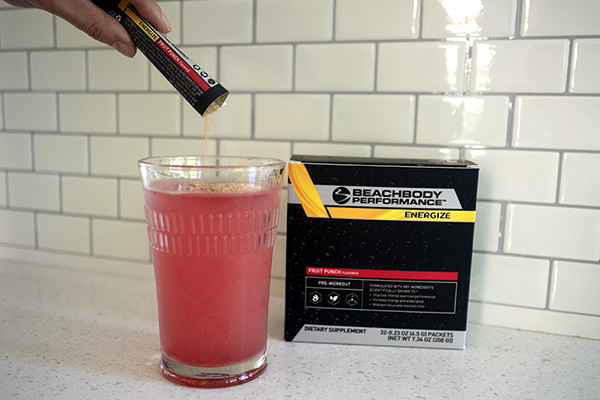
Does Pre-Workout Go Bad? We’re sure you’ve been in this situation before: You reach into your pantry looking forward to an energy boost, only to realize that your pre-workout has expired. But a look into the container reveals that it appears fine. You give it a sniff, and it smells OK. Then, you think to yourself: Does pre-workout expire? You don’t want to be wasteful, but you’re also not sure if rolling the dice is worth it… So, what do you do? How to Tell if Pre-Workout Is Expired Go ahead and hang up your detective hat. The best way to determine whether or not your pre-workout has expired is by looking at the expiration date printed on the packaging, says Paul Falcone, MS, principal scientist at BODi. “These dates are established after testing to guarantee quality, potency, and efficacy of the product within that time frame,” Falcone says. Additionally, discolored or clumpy pre-workout powder can also be signs that it was left out for too long and has gone bad. Beachbody Performance Energize‘s active ingredients are carefully formulated to help optimize athletic performance.* Caffeine, beta-alanine, and quercetin work to help increase energy, delay fatigue, and maintain laser-sharp focus. However, the only way to ensure you’re gaining the optimal benefits from Beachbody Performance Energize (or any other pre-workout supplement) is to consume it according to the instructions and before its expiration date. Can Pre-Workout Go Bad After Mixing? While it’s best to allow some time between drinking pre-workout and hitting the gym (30 to 60 minutes is ideal), you should avoid preparing pre-workout too far in advance. “We recommend drinking pre-workout right away after mixing it up, or as instructed on the packaging of these products,” Falcone says. On-the-go packets of Beachbody Performance Energize — because they include a single serving and require no measuring — make it easy to prepare your pre-workout anywhere there’s a water source. Just don’t forget your bottle! What Causes Pre-Workout to Go Bad? Pretty much anything meant to be consumed has a shelf life. Dietary supplements, just like an apple, are susceptible to air and moisture and will begin to break down over time. Based on scientific testing, expiration dates offer the most accurate timeframe for when it’s okay to consume supplements. “Beachbody Performance Energize should maintain its quality as long as it is consumed within the expiration date provided on the package,” Falcone says. Is It OK to Take Expired Pre-Workout? At some point, you’ve probably gambled with an expired product without experiencing any side effects. Maybe you took your chances with yogurt just past its “best by” date or, in a moment of desperation, heated up that forgotten jar of spaghetti sauce that technically should have been eaten a couple months ago. While you survived to tell the tale, you probably should have just tossed the questionable item. The same rule applies to all supplements, including Beachbody Performance Energize. “It is never a good idea to consume any product past its expiry date,” Falcone says. How Can You Stop Pre-Workout From Going Bad? Preserving pre-workout’s freshness comes down to proper storage conditions. Use these tips to keep your pre-workout fresh. 1. Keep it in its container Beachbody Performance Energize‘s packaging is designed for storage, so avoid transferring it (or any other Beachbody Performance product) to a different container. 2. Stay cool The shelf sitting in direct sunlight or above the oven is probably not the best home for your pre-workout. Instead, choose a cool, dry place like a cabinet or, if you have room, pop it in your fridge. 3. Avoid moisture Never use a wet scoop to measure your pre-workout, and be mindful of humidity. Some rooms, like the bathroom, tend to have more moisture in the air. Find the driest space in your home to store pre-workout.   *These statements have not been evaluated by the Food and Drug Administration. This product is not intended to diagnose, treat, cure, or prevent any disease. The post Does Pre-Workout Go Bad? appeared first on BODi. We’re sure you’ve been in this situation before: You reach into your pantry looking forward to an energy boost, only to realize that your pre-workout has expired. But a look into the container reveals that it appears fine. You give it a sniff, and it smells OK. Then, you think to yourself: Does pre-workout expire? […] The post Does Pre-Workout Go Bad? appeared first on BODi. Jenessa Connor, CPT{authorlink}https://www.beachbodyondemand.com/blog/does-pre-workout-expireBODi BODi is a Health Esteem platform to help you embrace the person you are today so you can take action to achieve all your health and fitness goals. https://bodiblog.wpenginepowered.com/wp-content/plugins/bod-blog/assets/vendor/beachbodydigital/wordpress-core-plugins/beachbody.png

Does Pre-Workout Go Bad? Read More »

How Much Beta-Alanine Should You Take to See Results?

How Much Beta-Alanine Should You Take to See Results? Whether it’s included in your pre-workout drink or you supplement with it separately, beta-alanine is a good addition to any roster of performance supplements. But in order to derive all its benefits, it’s important to know how much beta-alanine to take. If you’re serious about getting fit, a growing body of research shows that bolstering your beta-alanine tank can help you exercise harder for longer. Over time, that may help support your individual fitness goals, such as more strength, less fat, greater muscular endurance, and more muscle.* What’s the Minimum Effective Amount of Beta-Alanine? “Beta-alanine has been studied at a wide range of serving sizes, from 800 mg per day up to 6.4 grams per day,” says Dr. Emily Pankow Fritz, Ph.D. In clinical trials, she says, supplementing with 1.6 grams of beta-alanine has been shown to increase levels of carnosine in muscles. That’s important because carnosine creation is the goal of beta-alanine supplementation. The body combines beta-alanine with another amino acid called histidine to make a third amino acid called carnosine, which can help delay fatigue during intense exercise by buffering the buildup of acid in muscles.* “Doses of around 1.6 grams [the amount found in Beachbody Performance Energize] have also been shown to help improve exercise performance,” says Fritz. Can You Take Too Much Beta-Alanine? Beta-alanine is safe at recommended servings, says Fritz, but always check with your doctor before taking any supplement. “One of the potential side effects of beta-alanine is a harmless, temporary tingling sensation called paraesthesia that can last 30 to 90 minutes after you take it,” Fritz says. When it occurs, the tingling happens in the hands, face, and neck and is dose-dependent. So if beta-alanine makes you tingle, and that makes you uncomfortable, break up your serving size into smaller amounts during the day — half in the morning, half at night, for example. It doesn’t matter when you take beta-alanine, as long as you take it consistently, because it takes about a month to build sufficient levels in your body before you notice a difference in exercise performance. How Long Does It Take for Beta-Alanine to Work? Regardless of your serving of beta-alanine, it takes four to six weeks to accrue enough of it in your system to impact your workouts. So take it daily and be patient — after a few weeks, you’ll notice it helping make a clear difference in your strength and stamina.*   *These statements have not been evaluated by the Food and Drug Administration. This product is not intended to diagnose, treat, cure, or prevent any disease. The post How Much Beta-Alanine Should You Take to See Results? appeared first on BODi. Whether it’s included in your pre-workout drink or you supplement with it separately, beta-alanine is a good addition to any roster of performance supplements. But in order to derive all its benefits, it’s important to know how much beta-alanine to take. If you’re serious about getting fit, a growing body of research shows that bolstering […] The post How Much Beta-Alanine Should You Take to See Results? appeared first on BODi. Andrew Heffernan CSCS, GCFP{authorlink}https://www.beachbodyondemand.com/blog/how-much-beta-alanine-to-takeBODi BODi is a Health Esteem platform to help you embrace the person you are today so you can take action to achieve all your health and fitness goals. https://bodiblog.wpenginepowered.com/wp-content/plugins/bod-blog/assets/vendor/beachbodydigital/wordpress-core-plugins/beachbody.png

How Much Beta-Alanine Should You Take to See Results? Read More »

Is There a “Best” Time to Take Beta-Alanine?

Is There a “Best” Time to Take Beta-Alanine? Beta-alanine is one of the most well-researched performance enhancers in the world of sports supplements. Studies show that taking it consistently for about four weeks can result in a higher resistance to fatigue, allowing you to work out harder for longer.* That, in turn, may help support your individual fitness goals, such as more muscle, less fat, and greater endurance. As with any supplement, knowing when to take beta-alanine can help you get the most from it.* Should I Take Beta-Alanine Close to My Workout? Some supplements have an “acute” effect, meaning they have a direct benefit soon after ingesting them. For example, caffeine produces a sharp increase in focus in as little as 15 minutes for many people. Beta-alanine is different. “It can take four to six weeks for beta-alanine to build up to sufficient levels in your body to make a noticeable difference in your workouts,” says Trevor Thieme, CSCS. As such, there’s no need (or any short-term benefit) to take it right before a workout. Also, unlike caffeine, which works primarily on your central nervous system, beta-alanine works in your muscle cells, combining with histidine to form carnosine. Carnosine helps buffer the buildup of acid that causes the “burning” sensation during intense exercise. The result: an increase in muscular endurance.* When to Take Beta-Alanine Taking beta-alanine is a long-term investment. “It doesn’t really matter when you take beta-alanine during the day as long as you take it,” says Thieme. In the morning with your coffee, in the evening with your protein, in your pre-workout supplement — it’s all good. Just be consistent, and you can expect a noticeable improvement in your workout performance a few weeks later.* Is Beta-Alanine the Same as Pre-Workout? Beta-alanine itself isn’t a pre-workout supplement, since it doesn’t provide any acute effects and you can take it at any point in the day. However, it’s a common ingredient in pre-workout formulations — such as Beachbody Performance Energize — because it ensures you get your daily serving.* You might also experience a common, yet harmless side effect when starting supplementation: the beta-alanine tingle. Often described as an itch or a mild “pins and needles” poking under the skin, the beta-alanine tingle is a temporary sensation that usually starts in the neck, shoulders, and arms about 15 minutes after you take it. If you can’t get used to the tingling feeling, you can minimize it by simply splitting up your doses throughout the day.   *These statements have not been evaluated by the Food and Drug Administration. This product is not intended to diagnose, treat, cure, or prevent any disease. The post Is There a “Best” Time to Take Beta-Alanine? appeared first on BODi. Beta-alanine is one of the most well-researched performance enhancers in the world of sports supplements. Studies show that taking it consistently for about four weeks can result in a higher resistance to fatigue, allowing you to work out harder for longer.* That, in turn, may help support your individual fitness goals, such as more muscle, […] The post Is There a “Best” Time to Take Beta-Alanine? appeared first on BODi. Andrew Heffernan CSCS, GCFP{authorlink}https://www.beachbodyondemand.com/blog/when-to-take-beta-alanineBODi BODi is a Health Esteem platform to help you embrace the person you are today so you can take action to achieve all your health and fitness goals. https://bodiblog.wpenginepowered.com/wp-content/plugins/bod-blog/assets/vendor/beachbodydigital/wordpress-core-plugins/beachbody.png

Is There a “Best” Time to Take Beta-Alanine? Read More »

Does Pre-Workout Break a Fast?

Does Pre-Workout Break a Fast? If you’re following an intermittent fasting diet, you may wonder, “Does pre-workout break a fast?” Let’s find out. One of the benefits of intermittent fasting is simplicity. You don’t count anything: no calories, carbs, nor grains of salt. All you do is watch the clock, then schedule your meals so that, at regular intervals, you eat nothing at all. The timing varies — some people skip whole days of eating, others fast during set hours each day — but the concept is the same: Eat for a while. Then, during your fasts, stop. Inevitably, though, people have questions — especially when their fasting schedule contradicts other fitness-boosting practices like consuming enough protein or fueling your body with adequate carbs. Or taking a supplement like Beachbody Performance Energize before a training session. So let’s break it down: Does pre-workout break a fast? And, if it does, how should you incorporate it into an intermittent fasting schedule? What Is a Fast? “Fasting, in its simplest definition, is refraining from food or drink,” says Krista Maguire, RD. Water, plain tea, and black coffee are okay during a fast because they have zero calories. There’s some debate over diet colas, but technically zero-calorie drinks don’t break your fast either. All food is out. “Fasting comes in many forms,” says Maguire. “Intermittent fasting (IF) can refer to certain days with little to no food or in the form of what we call time-restricted feeding, which is going a certain number of hours without food each day.” Intermittent fasting, unsurprisingly, usually leads to weight loss, primarily because over the course of a given week, you’re eating much less than usual. For example, in a 16:8 fast (fast for 16 hours, then eat all your meals in the remaining eight-hour window), most people eat much less in their feeding window than they would over a day when their eating wasn’t time-restricted. Over weeks and months, you wind up eating less than you usually would — and weight loss is the obvious outcome. IF adherents claim that this approach confers benefits beyond what can be achieved simply by eating a little less at every meal. Some argue that long fasts improve our ability to access fat stores or improve our ability to clear sugars from the bloodstream. However, these larger claims remain speculative. “As far as heart health, blood sugar management, gut health, and other health benefits, the jury is still out,” says Maguire. The main draw of the diet is that it’s relatively foolproof: don’t eat, lose weight. That’s still good news, though. Some people seeking to lose weight prefer an IF approach over the more standard practice, and the science suggests that both methods work. Will Beachbody Performance Energize Break a Fast? Technically, yes. Beachbody Performance Energize contains 20 calories per scoop, so taking a serving — or even a part of a serving — means you’re no longer fasting. That’s the short answer. The longer answer, however, is a resounding yes, but… Is breaking a fast really such a bad thing? Not necessarily. As noted, most of the benefits of IF come from the fact that, over time, you are eating less than you usually would — the other benefits are speculative. “There’s not a lot of hard and fast data out there showing that a certain number of calories during this fasting window will help or hinder any health benefits,” says Maguire. Arguably, if you’re hungry from a long fast, a pre-workout drink before your gym session could give you the energy you need to put in a good workout. When fueled by Beachbody Performance Energize or a pre-workout snack, you’re setting yourself up to potentially burn more calories than are contained in the pre-workout snack or supplement itself. Plus, you’ll have the fuel and energy you need to lift heavier and possibly build more muscle. The net result is a far more productive session than you might’ve had if you hadn’t consumed a few calories beforehand.* If you really want to do IF by the book, however, consider working out at the beginning or end of a fasting window, so that taking a pre-workout supplement beforehand — or a nourishing post-workout meal afterwards — does not break a fast you’d rather extend. Alternatively, choose a workout modality — like walking or low-intensity cardio — that relies less on stored carbohydrates, and your performance won’t suffer during the workout. Finally, know that even some pros would likely let a mid-fast serving of Beachbody Performance Energize slide. “Some experts say that eating a low-calorie food or beverage under around 50 calories or so is okay during a fasting window as long as it doesn’t spike your blood sugar,” says Maguire. Ingredients in Beachbody Performance Energize That Won’t Break a Fast Some of the ingredients in Beachbody Performance Energize contain calories — mostly carbohydrates — and therefore do break a fast: Organic cane sugar is a carbohydrate, which delivers about four calories per gram. But the other ingredients in Beachbody Performance Energize — including beta-alanine, quercetin, silica, citric acid, and others — contain little to no calories at all. Big picture: If losing fat, building muscle, and becoming healthy and strong are your fitness goals, the small number of calories in Beachbody Performance Energize should not deter you from taking it. In the long term, you could reach these goals faster by nourishing your body with a pre-workout supplement than by extending your fast by another hour or two. The pros far outweigh any cons.* Finally, remember it’s always a good idea to consult your physician before beginning any diet or exercise program.   *These statements have not been evaluated by the Food and Drug Administration. This product is not intended to diagnose, treat, cure, or prevent any disease. The post Does Pre-Workout Break a Fast? appeared first on BODi. If you’re following an intermittent fasting diet, you may wonder, “Does pre-workout break a fast?” Let’s find out. One of the benefits of intermittent fasting

Does Pre-Workout Break a Fast? Read More »

Can You Build as Much Muscle Using Vegan Protein Powder?

Can You Build as Much Muscle Using Vegan Protein Powder? Play a game of word association with “vegan,” and “healthy” might come up rather quickly. “Muscular” might not. But that could change — and sooner than you might think. As plant-based lifestyles catch on for more Americans, vegan protein powders derived from plant sources such as peas, rice, soy, and hemp have become increasingly popular for workout recovery. And they’re not just watered-down substitutes for whey, appealing only to those who abstain from eating animal products. Research has shown that vegan protein can produce results similar to other types of protein. Here’s what you should know about vegan protein powder for muscle gain. Can You Build Muscle With Vegan Protein Powder? You can totally build muscle with vegan protein powder. A study published in the Journal of the International Society of Sports Medicine found that rice and whey protein yielded similar outcomes for body composition and performance. And pea protein has also been found to be quite effective versus a placebo (and on par with whey). Just like whey, vegan protein can contain BCAAs (branched-chain amino acids), a category of protein building blocks that are important for muscles and the heart. Among the three BCAAs, however, leucine appears to be particularly important for building muscle. As such, the International Society of Sports Nutrition recommends protein sources that are rich in leucine (like whey and pea protein) and that provide a balanced array of essential amino acids (EAAs). Whey protein is renowned for being a complete protein, containing adequate amounts of all nine EAAs. And while most vegan protein sources aren’t complete by themselves, you can combine pea protein with other plant-based proteins for a more complete amino acid profile, suggests Kelly Jones, MS, RD, CSSD, LDN, a board-certified sports dietitian in Newtown, Pennsylvania To build muscle on a vegan diet, Jones recommends starting with 1.8 grams of protein per kg (equal to 2.2 pounds) of your weight in protein per day and adding 10 percent to that number in grams. Why add 10 percent? “That’s because the bioavailability of many plant protein sources is lower than animal sources,” says Jones. This means you may digest and absorb slightly less of a plant food’s amino acid content compared to animal protein. Does Vegan Protein Work Better Than Whey for Muscle Gain? Although studies suggest that vegan protein powder can be just as effective as animal protein, there isn’t conclusive evidence that vegan protein is better for packing on muscle. Both whey and vegan protein powders provide protein to help you refuel and repair muscle after a workout. When choosing between them, it’s mostly about personal preference, including dietary choices and allergies. And no matter which protein powder you choose, don’t expect it to do more than its share of the work. “Protein shakes won’t be what make or break your results,” says Jones. “At the end of the day, it’s all going to come down to total protein and energy intake, as well as the timing of your protein intake.” And there’s still more to the equation. “Eating enough calories, especially from carbohydrates, is important to fuel your exercise and maintain a high intensity during workouts,” she adds. But you might find vegan protein superior to animal protein if whey or casein tend to upset your stomach and, of course, if you’re following a vegan diet.   *These statements have not been evaluated by the Food and Drug Administration. This product is not intended to diagnose, treat, cure, or prevent any disease. The post Can You Build as Much Muscle Using Vegan Protein Powder? appeared first on BODi. Play a game of word association with “vegan,” and “healthy” might come up rather quickly. “Muscular” might not. But that could change — and sooner than you might think. As plant-based lifestyles catch on for more Americans, vegan protein powders derived from plant sources such as peas, rice, soy, and hemp have become increasingly popular for […] The post Can You Build as Much Muscle Using Vegan Protein Powder? appeared first on BODi. Michael Martin{authorlink}https://www.beachbodyondemand.com/blog/vegan-protein-muscle-gainBODi BODi is a Health Esteem platform to help you embrace the person you are today so you can take action to achieve all your health and fitness goals. https://bodiblog.wpenginepowered.com/wp-content/plugins/bod-blog/assets/vendor/beachbodydigital/wordpress-core-plugins/beachbody.png

Can You Build as Much Muscle Using Vegan Protein Powder? Read More »

How Long Does Pre-Workout Stay in Your System?

How Long Does Pre-Workout Stay in Your System? Beachbody Performance Energize is carefully formulated to provide an edge in the gym, during your home workouts, or wherever you choose to push yourself. But, if you’ve never taken a pre-workout supplement, you might have some questions — it’s reasonable to want to get the full story before trying something new. How long does Beachbody Performance Energize last? And how do you know if it’s working? Not to worry — we have you covered, so you can focus on breaking plateaus and crushing your goals. How Long Does Pre-Workout Last? This question doesn’t exactly have a concrete answer because every body metabolizes caffeine at different rates. However, we can provide some ballpark numbers. Caffeine reaches peak levels in the bloodstream between 15 and 120 minutes after ingestion. And the half-life of caffeine is three to seven hours (meaning it can take your body three to seven hours to eliminate half of it from your system), so it should easily help carry you through your run, workout, or sporting event when taken as directed. However, if you’re new to taking caffeinated pre-workout supplements, you should avoid consuming them late in the day so as to avoid any negative effects caffeine can have on your sleep. A single, one-scoop serving of Beachbody Performance Energize contains 100 mg of caffeine. Start with one level scoop mixed with eight ounces of water to assess your tolerance. If you can tolerate it well, you may increase your serving size to two scoops (but use twice the water). Don’t exceed two scoops per serving, don’t take it more than twice a day, and keep servings at least four hours apart. When to Take Pre-Workout Mix one scoop of Beachbody Performance Energize with eight ounces of water and drink it 30 minutes before you plan to work out. You always want to follow the directions on any supplement you take. Each serving of Beachbody Performance Energize contains powerful ingredients from the highest-quality sources — it’s specially formulated to help increase your energy and focus for better results.* Can I Take More Beachbody Performance Energize to Make It Last Longer? “Increasing your serving size won’t make the effects last longer,” says Trevor Thieme, CSCS. “You never want to exceed the recommended serving of this or any pre-workout and doing so won’t make the product work better.” How Do I Know if Beachbody Performance Energize Is Working? Beachbody Performance Energize contains beta-alanine, an ingredient that may tell you when your pre-workout is working! Beta-alanine plays a role in muscle endurance during tough workouts. Research shows that it can help delay muscle fatigue, boost endurance, and improve performance.* “For some people, beta-alanine excites sensory neurons in the skin, causing a slight tingling sensation that is harmless temporary,” says Thieme. Will Sleep Affect How Effective Beachbody Performance Energize Is? Skimping on sleep can definitely impact your workout. That includes your form, concentration, recovery, and performance. Exercise, a proper diet, and a healthy amount of sleep are necessary to achieve and maintain weight loss and strength gains. Sleep should be a non-negotiable part of your program.   *These statements have not been evaluated by the Food and Drug Administration. This product is not intended to diagnose, treat, cure, or prevent any disease. The post How Long Does Pre-Workout Stay in Your System? appeared first on BODi. Beachbody Performance Energize is carefully formulated to provide an edge in the gym, during your home workouts, or wherever you choose to push yourself. But, if you’ve never taken a pre-workout supplement, you might have some questions — it’s reasonable to want to get the full story before trying something new. How long does Beachbody […] The post How Long Does Pre-Workout Stay in Your System? appeared first on BODi. William Kang{authorlink}https://www.beachbodyondemand.com/blog/how-long-does-pre-workout-lastBODi BODi is a Health Esteem platform to help you embrace the person you are today so you can take action to achieve all your health and fitness goals. https://bodiblog.wpenginepowered.com/wp-content/plugins/bod-blog/assets/vendor/beachbodydigital/wordpress-core-plugins/beachbody.png

How Long Does Pre-Workout Stay in Your System? Read More »

Is Creatine Safe for Women? Here’s What You Need to Know

Is Creatine Safe for Women? Here’s What You Need to Know It’s no secret that creatine is more popular among men than women, making men more apt to enjoy its benefits, such as greater workout performance and enhanced muscle growth. And if you’re a woman, you might wonder if creatine supplementation will work the same way for you — and if it poses any risks for your gender. Fortunately, creatine monohydrate, the most tested and effective form of creatine, is one of the most extensively studied and research-backed supplements on the market, explains Marie Spano, RD, CSCS, CSSD, a certified specialist in sports dietetics and consulting major league sports dietitian. Here, we answer whether creatine is safe for women and how to take it for optimal results. How Does Creatine Work? Creatine helps provide fuel for high-intensity efforts like weightlifting and sprinting, and during the first 10 or so seconds of exercise. This type of activity is governed by the phosphagen system, one of three distinct “metabolic pathways” that also includes the glycolytic and oxidative systems. Each of these energy systems relies on a different fuel source and is emphasized in different situations. By bulking up your body’s creatine stores, you’re supplying your phosphagen system with more of this key fuel source, which can help increase output and delay fatigue during short, intense activity. Will Creatine Make Women Gain Weight? Creatine is an “osmotically active substance,” which means it causes cells to draw in more water. That’s why supplementing with creatine can result in a small but temporary increase in water weight. Although this might be noticeable (and slightly disconcerting) when you step on the scale, it likely won’t make it more difficult to button your pants. What Are the Primary Benefits of Taking a Creatine Supplement? Here’s how creatine may be able to help supplement your workouts and get you better results. 1. Better workout performance As mentioned previously, creatine supplementation can help enhance energy production and delay fatigue during high-intensity efforts. That, in turn, can result in greater workout performance. According to one Journal of Strength and Conditioning Research review, creatine helps lifters perform 14 percent more reps at a given weight. 2. Increased muscle growth By helping you perform more high-quality reps, creatine can help you safely increase your training volume, which can have a positive effect on strength and muscle gains. According to a Journal of the International Society of Sports Nutrition review, heavy lifting combined with creatine supplementation can result in larger increases in muscle mass compared with lifting alone. Are There Any Reasons I Shouldn’t Take a Creatine Supplement? “Creatine is generally safe for healthy individuals,” Spano says. Nevertheless, always check with your physician prior to taking a new supplement. How Much Creatine Should Women Take? Research suggests that taking five grams of creatine a day is both safe and healthy for most people. At that level, it will take about a month of supplementation for it to build up to sufficient levels in your cells for you to notice a difference in your workouts. You can knock up to three weeks off that timeline through a practice called “loading,” which is a brief period of taking a higher initial amount of creatine before switching to the five-gram maintenance serving. When Should I Take Creatine? Creatine isn’t like caffeine — its effects aren’t fast-acting. It takes a while for creatine to build up to sufficient levels in your system. As a result, it doesn’t matter when you take creatine each day as long as you take it. The post Is Creatine Safe for Women? Here’s What You Need to Know appeared first on BODi. It’s no secret that creatine is more popular among men than women, making men more apt to enjoy its benefits, such as greater workout performance and enhanced muscle growth. And if you’re a woman, you might wonder if creatine supplementation will work the same way for you — and if it poses any risks for your […] The post Is Creatine Safe for Women? Here’s What You Need to Know appeared first on BODi. Kayne Toyosato{authorlink}https://www.beachbodyondemand.com/blog/creatine-for-womenBODi BODi is a Health Esteem platform to help you embrace the person you are today so you can take action to achieve all your health and fitness goals. https://bodiblog.wpenginepowered.com/wp-content/plugins/bod-blog/assets/vendor/beachbodydigital/wordpress-core-plugins/beachbody.png

Is Creatine Safe for Women? Here’s What You Need to Know Read More »