Vitamins & Supplements

Auto Added by WPeMatico

Whey Protein Isolate vs Concentrate: Which Is Better?

Whey Protein Isolate vs Concentrate: Which Is Better? You probably know protein is an important part of the muscle-building process. But this macronutrient matters more than you may think. It also plays an essential role in recovery and even bone health. While the majority of protein should come from whole food sources like beef, chicken, fish, eggs, dairy, and beans, a good protein powder can deliver high-quality protein in a concentrated, more convenient form. And whey protein is considered the gold standard because it has all of the amino acids your body needs to fuel muscle gain and recovery, making it a “complete” protein. Understanding that whey is a great option is pretty simple. But before you grab any old whey powder, the details make all the difference in ensuring you’re giving your body what it needs — and not getting ripped off. Here’s what you need to know about whey protein isolate vs. concentrate — and how each type of whey protein can play a role in an athlete’s diet. What Is Whey Protein? Whey is derived from milk and is a byproduct of the cheese-making process: Enzymes are added to milk to separate the liquid from curds. After the curds are drained, the leftover liquid is whey. This liquid was originally considered a “waste” product. Then supplement makers realized whey could be used as a high-quality, valuable protein. Because whey production is a multi-step process, there are different variations. Whey protein is primarily offered as two different variations: whey protein concentrate and whey protein isolate. Knowing the difference (and what to look for on a label) will go a long way to ensuring you get the most out of your protein supplements. Whey Protein Isolate vs Concentrate: What Are the Differences? The main difference between whey protein isolate and whey protein concentrate is protein content. Whey protein concentrate is the most common form of whey protein. To understand how whey protein concentrate is processed, imagine whey falling off a conveyor belt into buckets. All you need to do is filter out impurities, dehydrate it, flavor it, and call it “Delicious Chocolate Whey Concentrate.” (Coming soon to a supplement store near you!) Some supplement companies may do more than that to their concentrate products, but it’s not required. That means whey protein concentrate can vary widely in terms of protein content. Whey protein may be labeled as “concentrate” if 25 to 89 percent of its content by weight is protein. So if you scoop out 100 grams of protein powder, it can be called whey protein concentrate if anywhere between 25 and 89 grams of that is protein. Whey protein isolate — found in Beachbody Performance Recover — must be at least 90 percent protein by weight. If you scoop out 100 grams of whey isolate, you will get 90 grams or more of protein — a significant difference compared to concentrate. Are there any other types of whey protein? One more type of whey protein you might hear about is whey protein hydrolysate. This type of whey protein has been partially broken down with acid and high heat, making it easier to digest. (For this reason, it’s commonly used in baby formula.) Hydrolysates are absorbed more quickly than isolates, but there’s no strong evidence to suggest that the faster speed has any added benefit for muscle gain or recovery. What Are the Benefits of Each Type of Whey Protein? Most research on protein powders has found that whey protein is the best way to go for muscle growth. Whey protein contains an ideal mix of essential amino acids, and when taken regularly, whey protein can deliver results. But there are a few unique benefits of each type of whey protein. Concentrates tend to be the cheapest sources of protein supplementation. This doesn’t mean the product is low-quality, but it does mean it’s not the highest purity for a protein powder. Whey isolates tend to have a higher price relative to concentrates for four reasons: Protein quality. Because it’s a purer form of protein, you get a higher protein-to-calorie ratio. Protein purity. Whey protein isolate filters out the rest of the macronutrients, meaning you have less carbohydrates, sugar, and fat. Digestion. Whey protein isolate usually has less than one percent lactose, meaning it’s easier on your stomach if you experience lactose intolerance. Improved mixability. Whey protein isolate has better solubility, which tends to make it a smoother, better-tasting protein smoothie. What’s the Best Whey Protein for You? Both whey protein concentrate and whey protein isolate have important benefits, but whey protein isolate is a purer form of whey protein and has a higher percentage of protein — sometimes much higher — than whey concentrate. If you buy a concentrate, it’s possible that you’re getting a protein that’s only 25 percent protein by weight. Whereas if you use whey protein isolate, you’re getting 90 percent protein by weight — so you’ll know you’re getting all the protein and amino acids you need to increase your protein intake and help support your fitness goals. The post Whey Protein Isolate vs Concentrate: Which Is Better? appeared first on BODi. You probably know protein is an important part of the muscle-building process. But this macronutrient matters more than you may think. It also plays an essential role in recovery and even bone health. While the majority of protein should come from whole food sources like beef, chicken, fish, eggs, dairy, and beans, a good protein powder can deliver high-quality protein in […] The post Whey Protein Isolate vs Concentrate: Which Is Better? appeared first on BODi. BODi{authorlink}https://www.beachbodyondemand.com/blog/whey-protein-isolate-vs-concentrateBODi BODi is a Health Esteem platform to help you embrace the person you are today so you can take action to achieve all your health and fitness goals. https://bodiblog.wpenginepowered.com/wp-content/plugins/bod-blog/assets/vendor/beachbodydigital/wordpress-core-plugins/beachbody.png

Whey Protein Isolate vs Concentrate: Which Is Better? Read More »

Why Does Beta-Alanine Make You Itch? Can You Stop The Tingle?

Why Does Beta-Alanine Make You Itch? Can You Stop The Tingle? For its help improving exercise performance, delaying muscular fatigue, and elevating overall endurance, beta-alanine — a key ingredient in Beachbody Performance Energize — has gained attention as a supplement in recent years. But there’s a quirky side effect that some people experience while supplementing with this amino acid: the beta-alanine itch or tingle. “The sensation is often described as ‘pins and needles’ poking under the skin, which can be a bit nerve-wracking for those who’ve never used beta-alanine before,” says Elliot Reimers, a NASM-certified nutrition coach. “There’s a misconception that this might be dangerous, or somehow causing long-damage to your nerves or muscles, but that’s simply not true, even at higher doses.” Why Does Beta-Alanine Make You Tingle? Scientists and researchers don’t have a definitive answer for what causes beta-alanine tingling — considered a form of paresthesia — but there is evidence to support one major hypothesis, says Melissa Morris, ACSM-certified exercise physiologist and ISSN-certified sports nutritionist. The theory she relays is that beta-alanine activates G-protein-coupled receptors, which are responsible for transmitting signals throughout your central nervous system, and especially on the skin. In other words, the amino acid fires up your nerve endings in a way that causes that beta-alanine tingle and itch, but not enough to cause actual pain. Keep in mind that this is a side effect, rather than a main effect, Morris adds. “Beta-alanine acts at the cellular level to keep the pH within the muscle from getting too acidic, which contributes to fatigue. Therefore, beta-alanine delays neuromuscular fatigue, which gives performance benefits. The itch, or tingle, is just something to put up with on your way to getting those benefits.” How Long Does the Beta-Alanine Tingle Last? The length of time during which you’ll feel those pins and needles can vary depending on your experience. Reimers says, some people may feel this effect for just a few minutes. Others might have it for an hour. Some may never experience it at all. The tingling sensation starts in the neck, shoulders, and arms about 15 minutes after you take it, according to ISSA-certified nutritionist and personal trainer Jamie Hickey. For most people, the sensation starts to fade within 30 minutes, he adds. Can You Stop the Beta-Alanine Itch? If you’ve been taking beta-alanine in your pre-workout supplement for a while and you simply can’t get used to that tingling feeling, there are ways to minimize the sensation. You might even be able to stop it completely. The main strategy is to split up your doses, Reimers advises. He suggests taking smaller amounts throughout the day instead of taking one large dose just before hitting the gym. This should significantly reduce the beta-alanine tingling you experience. You can also try reducing your dosage. See if you still get results in terms of athletic performance without feeling itchy. Playing around with how to use beta-alanine most effectively is worth the trouble, Hickey believes. He thinks beta-alanine supplementation lives up to its reputation. “The majority of supplements on the market are over-hyped and useless,” he says. “Beta-alanine, however, stands out as one of the few products that continues to show solid science to back up its effectiveness in helping athletes and bodybuilders reach their fitness goals. And that’s worth a little tingling.” The post Why Does Beta-Alanine Make You Itch? Can You Stop The Tingle? appeared first on BODi. For its help improving exercise performance, delaying muscular fatigue, and elevating overall endurance, beta-alanine — a key ingredient in Beachbody Performance Energize — has gained attention as a supplement in recent years. But there’s a quirky side effect that some people experience while supplementing with this amino acid: the beta-alanine itch or tingle. “The sensation is […] The post Why Does Beta-Alanine Make You Itch? Can You Stop The Tingle? appeared first on BODi. Kayne Toyosato{authorlink}https://www.beachbodyondemand.com/blog/beta-alanine-itchBODi BODi is a Health Esteem platform to help you embrace the person you are today so you can take action to achieve all your health and fitness goals. https://bodiblog.wpenginepowered.com/wp-content/plugins/bod-blog/assets/vendor/beachbodydigital/wordpress-core-plugins/beachbody.png

Why Does Beta-Alanine Make You Itch? Can You Stop The Tingle? Read More »

Should You Take Creatine On Rest Days?

Should You Take Creatine On Rest Days? Creatine is a well-tested, effective, and super popular sports nutrition supplement that can help support muscle growth, performance, and strength. But despite its widespread use, there’s still a lot of confusion about when and how to take creatine. One common question among athletes: Should I take creatine on off days? The short answer is yes, but you can also skip some days. “Research suggests that creatine stores can be maintained at high levels even if creatine is not taken every single day,” says Paul Falcone, senior scientist for BODi. “However, it is important to be consuming creatine regularly.” Aim for 5 grams of creatine per day for maintenance, though it’s OK if you skip a day here and there. Read on to get a refresher on the benefits of creatine — and to learn why timing isn’t as important as consistency. When Should You Take Creatine? “Creatine timing during the day isn’t very important,” Falcone says. The supplement works best when it’s a regular habit, but there’s no advantage to taking it at a precise time each day. “Taking creatine regularly — multiple times per week — is essential to increase creatine stores within the muscle,” he adds. That said, if you’re loading creatine to build up your cellular reserves quickly, timing does matter more. In this phase, you take up to 20 grams of creatine daily divided into four servings taken with water a few hours apart. After a week, you scale back to a recommended “maintenance” amount of about 5 grams per day. Of course, you can just skip the loading phase and stick to the 5 grams per day serving from the start, though it will take a bit longer (about a month) for creatine to build up to sufficient levels in your muscles to make a noticeable difference in your workouts. Either way, once you’re in maintenance mode, you can occasionally skip creatine on an off day if you want. Why Should You Take Creatine? “Creatine enhances strength and gains in muscle mass in conjunction with resistance exercise,” Falcone says. Otherwise known as methyl guanidinoacetic acid, creatine is a combination of three amino acids: arginine, glycine, and methionine. Creatine gets stored in your muscles and serves as the body’s primary fuel during quick bursts of activity. During repeated bouts of intense activity, such as lifting or sprinting, creatine continues to be your go-to fuel source. It plays a key role in your body’s adenosine triphosphate (ATP) energy cycle, which gives your muscles the energy they need to function. As you deplete ATP during exercise, your body taps your creatine stores, breaking it down into creatine and phosphate to top off your ATP and replenish your energy. But, take note: Not all creatine is the same. The most tested and effective form is creatine monohydrate. Is It Best to Take Creatine Before or After a Workout? It doesn’t matter whether you take your creatine before or after a workout. The science supports creatine plus resistance training for greater gains, but there’s no magic hour. “With creatine, regular supplementation is what matters most — not timing during the day,” Falcone says. What Else to Do on Rest Days Use your off days to dial in your nutrition, get plenty of sleep, and squeeze in some active recovery. “It is important to take rest and recovery seriously,” Falcone says. “Light activity, stretching, and foam rolling can play a role on rest days.” Keep up these healthy habits even on off days: Eat enough protein. Healthy adults who exercise need about 0.54 to .91 grams of protein per pound of body weight per day to support lean muscle growth. Get ahead on your hydration game. We recommend drinking half your body weight in ounces of water every day, so stay hydrated even if you’re not working out that day. Sleep. Adults need at least seven hours of sleep a night. That’s when your body is going to do the bulk of its recovery and repair. On off days, take the time you would’ve spent hitting the weights and use it to get some extra rest instead — it can help you go harder the next day. De-stress. Stress is a natural part of life, but too much of it may impair your recovery from tough workouts. Incorporate stress management techniques into your daily routine so stress doesn’t get in the way of your gains. The post Should You Take Creatine On Rest Days? appeared first on BODi. Creatine is a well-tested, effective, and super popular sports nutrition supplement that can help support muscle growth, performance, and strength. But despite its widespread use, there’s still a lot of confusion about when and how to take creatine. One common question among athletes: Should I take creatine on off days? The short answer is yes, but you can […] The post Should You Take Creatine On Rest Days? appeared first on BODi. Kayne Toyosato{authorlink}https://www.beachbodyondemand.com/blog/when-to-take-creatineBODi BODi is a Health Esteem platform to help you embrace the person you are today so you can take action to achieve all your health and fitness goals. https://bodiblog.wpenginepowered.com/wp-content/plugins/bod-blog/assets/vendor/beachbodydigital/wordpress-core-plugins/beachbody.png

Should You Take Creatine On Rest Days? Read More »

3 Ways Protein Shakes Can Help You Lose Weight

3 Ways Protein Shakes Can Help You Lose Weight If you’re looking to build muscle, the benefits of protein shakes are clear: They’re a convenient and dense source of protein and can help you recover faster between workouts. But what if you’re working to shed some pounds? Are protein shakes good for weight loss? Tasty, portable, and quick to make, protein shakes provide a number of benefits that can help you lose weight, like helping you keep full while still staying on track with your goals — and research backs this up. A study in the American Journal of Clinical Nutrition noted that over a 20-year period, diets higher in protein have consistently proven successful in helping with weight management. Regular intake of protein (as part of a balanced diet that also includes adequate amounts of carbs and beneficial fats) can help with metabolism, appetite, and calorie control, the researchers concluded. Why Protein Shakes Are Good for Weight Loss 1. They can help you feel full Protein helps provide satiety, says dietitian Natalie Allen, RD, MS, a professor of health sciences at Missouri State University. That means it can help you feel full for longer, and when that happens, you should be able to control the amount you eat more easily. That’s different than a drink like a fruit-only smoothie, which might fill you up for a brief amount of time, but then leave you hungry not long afterward. That’s because while it will contain some fiber, it’ll mostly consist of quick-burning carbs. 2. They’re typically low-calorie Although it’s possible to make a protein smoothie into a high-calorie drink, many protein shakes are low in calories, Allen notes. That makes it easier to stick to your calorie goals for the day but not feel deprived. 3. They help you maintain and build muscle mass When you exercise and strength train, you create microscopic damage in your muscles, and the amino acids in protein help repair that micro damage, which, over time, can make your muscles stronger. Protein shakes are an easy way to help with this process, Allen says.* What Type of Protein Is Best? “Food is always your best bet for protein, as the nutrients and fiber in foods are key,” says Allen. Lean, complete protein foods include options like chicken breast, white fish, pork loin, plain Greek yogurt, and tuna. Even if you’re not an animal-based eater, there are plenty of vegan protein sources high in essential amino acids such as tofu, tempeh, buckwheat, edamame, hemp seeds, beans, and nuts. But it can also be challenging to get all the protein you need from foods, especially when you’re busy. Thus, boosting your daily protein intake with a protein shake is an effective way to help ensure you’re getting enough, according to Allen. If you’re looking for a high-quality protein powder with no artificial sweeteners, colors, or flavors, Beachbody Performance Recover comes in whey and plant-based formulations, providing 20 grams of muscle-building protein, as well as pomegranate extract to help reduce post-workout muscle soreness.* Prefer an all-around nutrition shake that’s still big on protein? Shakeology includes 16 to 17 grams of protein, plus fiber, probiotics, superfoods, and adaptogens to help improve digestion, provide healthy energy, and aid in weight loss. It also comes in a no-sugar-added formulation if you’re trying to cut back on the sweet stuff.* Otherwise, you have many other protein powder options, such as casein, soy, hemp, rice, and pea protein. How Much Protein Do You Need? Your protein needs depend on your goals. If you’re active and would like to customize your protein intake to meet your specific needs, aim for 0.5 to 0.9 grams of protein per pound of body weight. If your workouts are particularly intense and frequent, this number can go up to 1.5 grams of protein per pound of body weight. The more you exercise, the more protein you need to maintain and build muscle. “Generally, women need 60 to 70 grams of protein per day, and men need 70 to 80 grams per day, but this amount is dependent on activity and weight,” says Allen. “Also, it’s ideal to spread out protein throughout the day. For example, if your protein needs are 60 grams a day, then aim for 20 grams at each meal.” Protein shakes can help you meet these numbers and allow you to space out your protein so it’s more effective and filling. *These statements have not been evaluated by the Food and Drug Administration. This product is not intended to diagnose, treat, cure, or prevent any disease. The post 3 Ways Protein Shakes Can Help You Lose Weight appeared first on BODi. If you’re looking to build muscle, the benefits of protein shakes are clear: They’re a convenient and dense source of protein and can help you recover faster between workouts. But what if you’re working to shed some pounds? Are protein shakes good for weight loss? Tasty, portable, and quick to make, protein shakes provide a […] The post 3 Ways Protein Shakes Can Help You Lose Weight appeared first on BODi. Kayne Toyosato{authorlink}https://www.beachbodyondemand.com/blog/are-protein-shakes-good-for-weight-lossBODi BODi is a Health Esteem platform to help you embrace the person you are today so you can take action to achieve all your health and fitness goals. https://bodiblog.wpenginepowered.com/wp-content/plugins/bod-blog/assets/vendor/beachbodydigital/wordpress-core-plugins/beachbody.png

3 Ways Protein Shakes Can Help You Lose Weight Read More »

Whey vs. Plant Protein: Which Should You Choose?

Whey vs. Plant Protein: Which Should You Choose? There are so many different protein powders available on the market, it can be hard to choose one. Many powders are whey-based, which is an animal protein, but then there are soy and pea powders, which are plant-based. If you’re curious about the main differences and similarities between whey vs. plant protein, we’re here to help! What Is Whey Protein and What Is Plant Protein? Whey protein is one of the main proteins found in cow’s milk (the other is casein). Plant proteins, on the other hand, come from a variety of different plant sources. “The most common plant protein powders are soy, pea, and hemp,” says Mascha Davis, MPH, RDN, and author of Eat Your Vitamins. You can find pea protein in Chocolate Plant-Based Vegan Shakeology, for example. She explains that some brands blend proteins from different plant sources to make it complete. “This means that when blended together, all essential amino acids are present in the powder,” she says. (Whey is a naturally complete protein.) Although there are many different plant proteins to choose from with varying ingredients and nutrition labels, there are some primary differences and similarities between the average plant-based protein and whey, according to Davis: Differences between whey and plant-based proteins Whey comes from cow milk; plant-based proteins do not contain animal products, making them suitable for vegetarians and vegans. Whey protein is always complete; some plant proteins or blends may be incomplete, depending on their mix of vegetable based proteins. Additionally, “the amino acid profile of each plant-based supplement might be slightly different depending on the blend used,” Davis says, while whey will be fairly consistent. Whey protein powders offer roughly the same amount of protein from brand to brand; plant-based powders can vary significantly depending on the type of plant protein used. Whey is often mild in flavor; plant protein powders can be earthy, nutty, and sometimes bitter. Generally, plant proteins may require less land, water and energy to produce, compared to animal proteins. Similarities between whey and plant-based proteins Both whey and plant-based protein powders provide protein, which can help you refuel and repair muscle after a workout, according to research.* Both types of powder can be easily mixed into a shake for a quick snack or meal. There are multiple flavors available for both whey and plant protein powders. Which Is Better? When it comes to the great battle of whey vs. plant-based proteins, Davis says there’s limited evidence touting one over the other. In fact one study, which put whey and pea protein head to head, found both options produce similar outcomes for key metrics including body composition, muscle thickness, force production, performance, and strength after following an eight-week high-intensity functional training protocol.* “Muscle growth is a result of training your muscles,” Davis says. “The protein powders are simply a tool to replenish losses easily.” Which Should I Choose? When choosing between whey and plant-based protein, it really comes down to your personal preference, including dietary choices and allergies. Whichever you choose, make sure to take a look at the label. Many protein powders — both whey and plant-based — may have added ingredients such as artificial sweeteners, thickeners, and artificial flavors and colors. “Try to avoid those high in additives,” Davis says. If you opt for whey protein, just know there are three different types that have varying protein content: Whey protein concentrate contains 25 to 89 percent protein. Whey protein isolate contains at least 90 percent protein. Whey protein hydrolysate contains at least 90% protein but is also broken down via hydrolysis to promote absorption. Beachbody Performance Recover, which has both whey and plant-based formulations, provides 20 grams of high-quality protein per scoop to aid muscle recovery, along with pomegranate extract to help reduce post-workout soreness. For a healthy snack packed with plant-based protein, try any of our plant-based vegan Shakeology flavors: Chocolate, Vanilla, Cookies & Creamy, Cafe Latte, Tropical Strawberry, and Snickerdoodle. They include 16 to 17 grams of pea protein, probiotics, and helpful fiber and minerals. And remember that while protein powders can help you consume more protein throughout the day, you can also bump up your protein intake with whole foods. Check out our list of lean protein foods and vegan protein sources that you can add into your meals, no matter your dietary preferences. *These statements have not been evaluated by the Food and Drug Administration. This product is not intended to diagnose, treat, cure, or prevent any disease. The post Whey vs. Plant Protein: Which Should You Choose? appeared first on BODi. There are so many different protein powders available on the market, it can be hard to choose one. Many powders are whey-based, which is an animal protein, but then there are soy and pea powders, which are plant-based. If you’re curious about the main differences and similarities between whey vs. plant protein, we’re here to […] The post Whey vs. Plant Protein: Which Should You Choose? appeared first on BODi. Kayne Toyosato{authorlink}https://www.beachbodyondemand.com/blog/whey-vs-plant-proteinBODi BODi is a Health Esteem platform to help you embrace the person you are today so you can take action to achieve all your health and fitness goals. https://bodiblog.wpenginepowered.com/wp-content/plugins/bod-blog/assets/vendor/beachbodydigital/wordpress-core-plugins/beachbody.png

Whey vs. Plant Protein: Which Should You Choose? Read More »

Is Whey Protein Good for Weight Loss? Here’s What You Should Know

Is Whey Protein Good for Weight Loss? Here’s What You Should Know Of all the reasons to try whey protein, weight loss likely flies under the radar. But is weight protein good for weight loss? What does whey protein do for your body — and what the heck is whey, anyway? What Is Whey? “Whey is a cow dairy protein,” explains Tina Marinaccio, MS, RD, who offers nutrition counseling and cooking classes in the greater New York City area. “When cheese is made, another protein called casein is coagulated, and whey remains liquid and runs off with lactose.” Sound familiar? You might have learned about whey in nursery school. “Remember the old Mother Goose rhyme about Little Miss Muffet eating her curds and whey?” says Marinaccio. “The curds were the coagulated casein, and the whey was the liquid portion.” (Little Miss Muffet was eating cottage cheese — and likely not thinking about whey protein, weight loss, or her gains — as she sat on her tuffet.) While both casein and whey are derived from dairy, the proteins are metabolized differently in your body. “Whey protein is digested more quickly than casein protein,” adds Amy Gorin, MS, RDN, owner of Amy Gorin Nutrition in the New York City area. “They are both complete proteins.” Can Whey Protein Help Support Your Weight Loss Plan? Let’s look at the science behind weight loss and how whey protein can fit into your plan: Weight loss requires a consistent calorie deficit, which is achieved by reducing food and/or increasing exercise and activity (also known as, calories in versus calories out). Proteins, including whey protein powder, may help you stay fuller longer, which in turn can help keep you within your ideal calorie range for weight loss (and ensure you have the energy to give your all during workouts). Whey is high in the amino acid leucine, says Marinaccio, which is specifically why whey protein is beneficial for both preserving muscle and helping support fat loss. Research shows that whey protein also encourages the release of anabolic (muscle-building) hormones, including insulin. While you can take whey protein powder at any time of day, the best time to take it is after a workout because it’s a fast-digesting protein. “Some studies suggest that consuming whey protein after intense exercise may help speed muscle recovery,” adds Gorin.* But while whey protein powder can certainly be part of your weight-loss plan, it shouldn’t be considered a magic bullet. “The more important thing is fueling properly before and after a hard workout — eating a little protein and carbs beforehand and more of both afterward,” says Gorin. “Whey supplements are a way to get that protein. The protein beforehand potentially helps make amino acids available to your muscles so your body doesn’t break down protein in your muscles. Afterward, it helps your muscles to repair and build strength.” A great way to up your post-workout protein is Beachbody Performance Recover. Our powder packs 20 grams of protein per serving to help you recover faster and come back stronger, while pomegranate extract helps reduce post-exercise muscle soreness. Our simple formula has no synthetic colors and no artificial flavors, sweeteners, or preservatives.* How to Use Whey Protein for Weight Loss Your meal plan is going to look different when you’re eating for weight loss versus weight gain. Whey protein powder can help you meet your protein goals while still staying within your calorie range. “Per ounce, most brands provide about 12 to 18 grams of protein,” says Gorin. “It’s very easy to add to many types of foods.” These include: You can also stir whey protein powder into yogurt, smoothies, oatmeal, or applesauce, make your own protein pudding, freeze protein shakes into creamy ice pops, or blend whey into iced coffee drinks for a boost of protein with any meal or snack. It easily mixes into liquids and isn’t chalky like other types of protein powders can be, says Marinaccio. “Whey protein drinks have a silky texture, which is pleasing to the palate,” she adds. How Do I Choose Whey Protein for Weight Loss? Not all whey protein powders are created equal, so do your research before choosing the right one for you. There are three basic types: Whey protein isolate is the purest protein powder, consisting of 90 percent protein (with 0.5 percent each milkfat and lactose). Whey concentrate contains anywhere between 25 percent and 89 percent protein. Whey powder contains just 11 percent to 14.5 percent protein (whey and whey concentrate contain far more milkfat and lactose than whey protein isolate). When choosing a whey protein powder, look for brands that do not use artificial ingredients (like flavors, colors, sweeteners, and preservatives). Gorin also suggests checking the label to ensure that your whey protein powder contains minimal — if any — added sugars. “Like with any supplement you purchase, I recommend looking for a protein powder that’s third-party tested,” says Gorin. “This tells you that the supplement contains what it says it does and that it’s not contaminated.” *These statements have not been evaluated by the Food and Drug Administration. This product is not intended to diagnose, treat, cure, or prevent any disease. The post Is Whey Protein Good for Weight Loss? Here’s What You Should Know appeared first on BODi. Of all the reasons to try whey protein, weight loss likely flies under the radar. But is weight protein good for weight loss? What does whey protein do for your body — and what the heck is whey, anyway? What Is Whey? “Whey is a cow dairy protein,” explains Tina Marinaccio, MS, RD, who offers nutrition […] The post Is Whey Protein Good for Weight Loss? Here’s What You Should Know appeared first on BODi. Kayne Toyosato{authorlink}https://www.beachbodyondemand.com/blog/is-whey-protein-good-for-weight-lossBODi BODi is a Health Esteem platform to help you embrace the person you are today so you can take action to achieve all your health and fitness goals. https://bodiblog.wpenginepowered.com/wp-content/plugins/bod-blog/assets/vendor/beachbodydigital/wordpress-core-plugins/beachbody.png

Is Whey Protein Good for Weight Loss? Here’s What You Should Know Read More »

Why and When You Should Use an Electrolyte Supplement

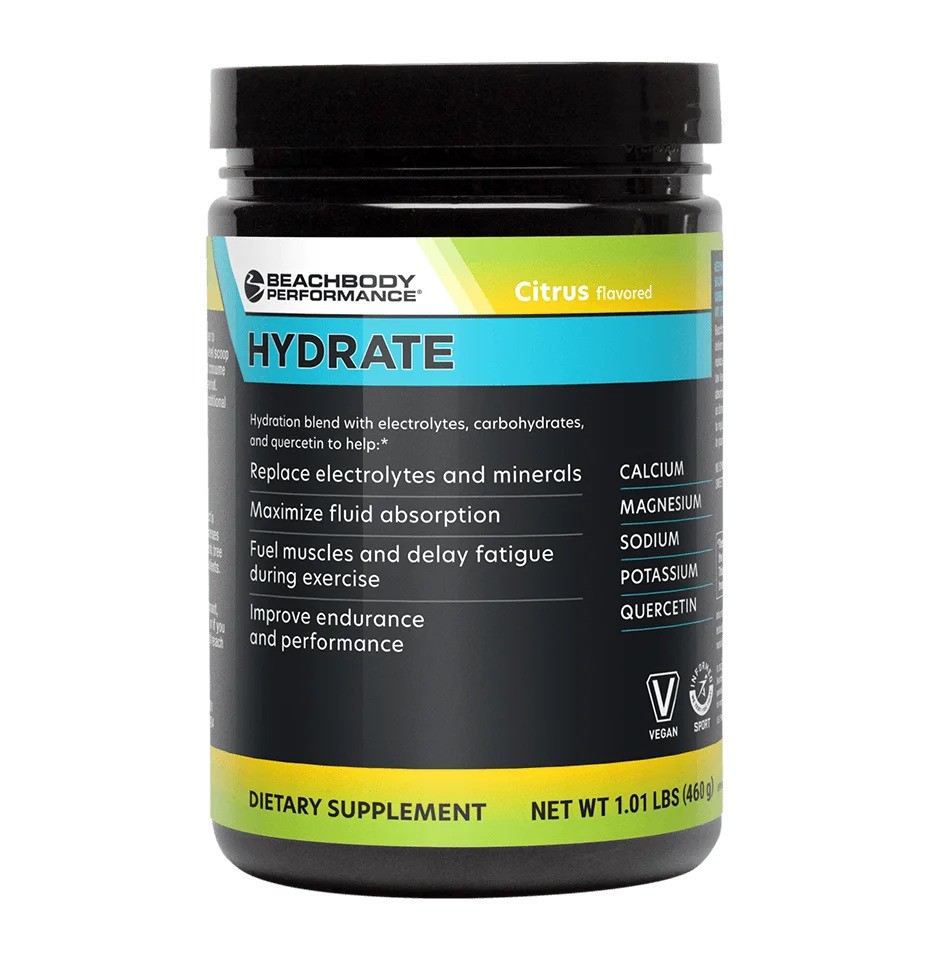
Why and When You Should Use an Electrolyte Supplement Hydration and exercise go hand-in-hand. But is that trusty water bottle filled with regular H2O enough? Or could you benefit from an electrolyte supplement like Beachbody Performance Hydrate? Here’s what the experts say. What Are Electrolyte Supplements? “Hydration supplements are additives put in water to facilitate or enhance your body’s natural ability to absorb water quickly and reduce the potential impacts of dehydration,” says Amy Stone, an endurance coach in Miami who specializes in long-distance running and ultra triathlons. They do that by boosting the levels of certain electrolytes — such as sodium, magnesium, and potassium — that help the body’s cells maintain fluid balance. In the case of Beachbody Performance Hydrate, you’ll get a lemon lime powder that contains sodium, calcium, magnesium, and potassium to help replace what’s lost through sweat, promote endurance, and support overall hydration levels.* Electrolyte supplements often come in the form of a drink mix or capsule that you can take before, during, or after exercise. Do Electrolyte Supplements Work? While the liquids you’re taking them with are providing hydration, the supplements work by providing minerals to your body. “Hydration supplements work very well at replacing the electrolytes we lose during hot weather and intense exercise,” which can even help aid recovery, says ACE-certified personal trainer Michael Julom.* Many electrolyte beverages also deliver fast-absorbing carbohydrates to help keep you fueled during long, intense workouts and maintain performance.* (There are also a number of sugar-free electrolyte drinks that omit carbs and sugar from their ingredient list.) Can Water Hydrate Me Enough by Itself? Sometimes, but not always. Water helps keep the body’s fluid levels stable, but that’s only one element of hydration. “We need electrolytes, too,” says Julom. “This doesn’t necessarily mean using supplements. There are plenty of foods that are rich in various electrolytes. Usually, simple table salt will help to remedy symptoms of light dehydration.” However, when it comes to replacing electrolytes efficiently and conveniently, hydration supplements take the edge over whole foods. “During exercise, fluids with electrolytes are a much faster way to replenish electrolytes,” says Stone. “Electrolytes can help the fluid absorb more quickly out of your digestive system. They help our bodies send and receive instructions to contract and release muscles, and they may potentially reduce cramping in tired muscles.” Research is limited, so more studies are needed to conclude that electrolytes can help with cramping.* Why Are Electrolytes Important for Hydration? When we sweat, electrolytes help keep the water balanced inside and outside cells so that your muscles and organs can continue to function properly.* Sodium We lose electrolytes, especially sodium, in perspiration — that’s why sweat tastes salty. “Sweating a lot — as we do during hot weather or intense exercise — can lead to dehydration, including a deficit of crucial electrolytes,” says Julom. Potassium Bansari Acharya, MA, RDN, a registered dietitian nutritionist in Detroit, notes that potassium is important for muscle function and strength. Low potassium levels can lead to fatigue and weakness.* Magnesium Magnesium helps the body retain potassium, Acharya adds. The kidneys help regulate magnesium concentration dependent on the body’s current levels. “Taking in electrolytes as part of your rehydration will help you to replace those lost minerals,” says Julom. “Electrolytes will also make your water intake more efficient, as electrolytes like magnesium, calcium, potassium, and sodium can help you to retain fluid and maintain a healthy fluid balance in your body.” Why Is Hydration Important? Adequate hydration is essential for the proper functioning of organs throughout the body, explains Acharya. Hydration also helps regulate body temperature and keep joints lubricated. *These statements have not been evaluated by the Food and Drug Administration. This product is not intended to diagnose, treat, cure, or prevent any disease. The post Why and When You Should Use an Electrolyte Supplement appeared first on BODi. Hydration and exercise go hand-in-hand. But is that trusty water bottle filled with regular H2O enough? Or could you benefit from an electrolyte supplement like Beachbody Performance Hydrate? Here’s what the experts say. What Are Electrolyte Supplements? “Hydration supplements are additives put in water to facilitate or enhance your body’s natural ability to absorb water quickly […] The post Why and When You Should Use an Electrolyte Supplement appeared first on BODi. Michael Martin{authorlink}https://www.beachbodyondemand.com/blog/electrolyte-supplementBODi BODi is a Health Esteem platform to help you embrace the person you are today so you can take action to achieve all your health and fitness goals. https://bodiblog.wpenginepowered.com/wp-content/plugins/bod-blog/assets/vendor/beachbodydigital/wordpress-core-plugins/beachbody.png

Why and When You Should Use an Electrolyte Supplement Read More »

Is a Rhodiola Supplement All You Need to Fight Off Stress?

Is a Rhodiola Supplement All You Need to Fight Off Stress? Rhodiola (also known by its botanical name rhodiola rosea) is an herb that’s been used in Europe to help promote physical endurance and combat the effects of high altitudes for hundreds of years. Because this botanical has historically been used to help temporary anxiety and fatigue, it has become mighty popular in our modern, stressed-out, wellness-loving world. It’s now pretty easy to find rhodiola extract, rhodiola supplements, and even herbal shots that contain the root. Read on to find out the benefits of rhodiola root, how you can take it, and why it’s important to be selective about rhodiola (and all other herbs and supplements). What Is Rhodiola Rosea? Rhodiola is an herb that is classified as an adaptogen and/or mild stimulant, depending on how it is used, says Kelcie Rosendahl, ND, a naturopathic physician based in Oregon. The root of rhodiola is used to make supplements and also goes by the names of arctic root, golden root, rose root, and king’s crown. The herb is native to the northern regions of Alaska, Europe, and Asia and has historically been used in Iceland, Sweden, France, Russia, and Greece, says Harris. Rhodiola Benefits and Uses Adaptogens like rhodiola and ashwagandha are “substances that encourage the body’s physiology to return to a normal state after a stressor has been encountered,” says Harris. Rhodiola rosea is typically used to help support the body in combating fatigue, temporary anxiety, and burnout. It can also be used to help increase endurance. But the benefits don’t stop there: “It is known as a stimulant because it can enhance physical endurance, as well as help the nervous system through its antioxidant effect,” says Dr. Alissia Zenhausern, NMD, a naturopathic physician at NMD Wellness of Scottsdale, Arizona. Harris says that researchers have identified at least 140 compounds in rhodiola with beneficial properties (rosavin being the best known). “The way these compounds interact with human physiology is complicated, and more research is needed at this time,” she says. “Herbs act synergistically and it is likely that these compounds work together to achieve the effects we see with rhodiola.” Here are some of the potential benefits of rhodiola rosea. 1. Stress support As an adaptogen, rhodiola rosea has been traditionally used to help increase the body’s resistance to stress, as well as for its beneficial effect on neurotransmitters, says Zenhausern. As such, stress support is a common reason why people consider taking this herb. 2. May help relieve mildly anxious feelings* In addition to its use in traditional medicine, rhodiola has shown promise in helping with temporary anxiety in preliminary research, says Harris. One 2008 study found significant improvement in generalized anxiety after participants took 340 mg of rhodiola rosea extract for a 10-week period, she says. Zenhausern adds that its adaptogenic qualities make it great for temporary mild anxiety. It’s important to note that you may need to take rhodiola consistently over time in order to experience all of its benefits. 3. Positive mood support* Recent research suggest that rhodiola can help support a positive mood. Harris explains that the herb and its active constituents are believed to act on the cellular level to mediate the stress response. A study conducted on rats found that rhodiola rosea stimulated the release of norepinephrine (aka our “fight or flight” hormone) and dopamine when taken in combination with citrus aurantium (bitter orange). 4. Helps improve exercise performance* Panax ginseng and rhodiola rosea are both adaptogenic herbs that are popular among athletes, especially those who compete in endurance sports. In one study, ingesting rhodiola rosea an hour before a workout resulted in a lower heart rate and faster speed during a six-mile cycling time trial compared to a placebo. These findings suggest that exercise performance may be improved with acute ingestion of rhodiola rosea, possibly due to a decreased perception of effort by the participant, explains Harris. In other words, you can push harder without feeling like you’re working more. Rhodiola Precautions As with all supplements, there are things to consider before taking this herb, as it can have side effects for certain individuals. “Rhodiola is a stimulant and can therefore cause overstimulation and sleep disturbance with excessive use,” says Harris. “It may also cause dry mouth or dizziness in some individuals.” In determining how much to take, always follow instructions on the label of your supplement or talk to your health-care provider. “Always consult with your doctor or naturopathic physician prior to starting any herbal supplement,” Zenhausern adds. What Is the Best Brand of Rhodiola? You can find rhodiola supplements at your local health-food store, co-op, and many mainstream pharmacies and supermarkets. BODi’s Focused Energy Shakeology Boost contains rhodiola, along with several other powerful adaptogens and phytonutrients, to help your body adapt and respond to the effects of stress. If you want to start your day with extra stress support and energy, FIRST THING blends rhodiola root, vitamin B complex, and green tea for healthy vitality. While there is no single best brand, both Harris and Zenhausern say it’s important to chose brands that do independent third-party testing to ensure quality and purity. “Many companies make false claims about their ingredients or the amounts of ingredients their products contain,” says Harris. “Third-party testing gives an unbiased assessment of the quality and contents of a product.” Anytime you shop for a supplement, consider these questions: Are they processed without harmful solvents or other additives? Is the company reputable? Are they making claims that sound too good to be true? Keep in mind that supplement companies have to abide by industry standards for their claims, which are regulated by the U.S. Food and Drug Administration. *These statements have not been evaluated by the Food and Drug Administration. This product is not intended to diagnose, treat, cure, or prevent any disease. The post Is a Rhodiola Supplement All You Need to Fight Off Stress? appeared first on BODi. Rhodiola (also known by its botanical name rhodiola rosea) is an herb that’s been used in Europe to help promote physical endurance and

Is a Rhodiola Supplement All You Need to Fight Off Stress? Read More »

Elderberry: The All-Natural, Immune-Boosting Superfood

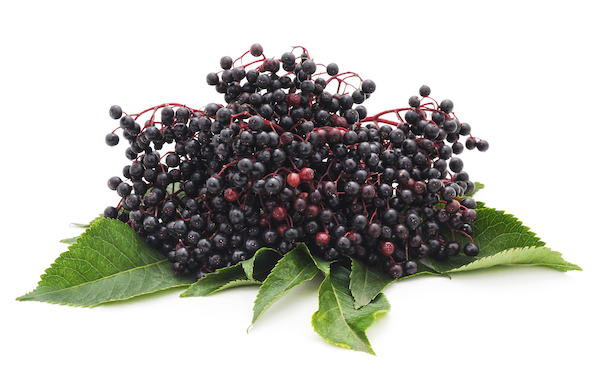
Elderberry: The All-Natural, Immune-Boosting Superfood If elderberry sounds familiar, that’s because you’ve probably seen it as syrup at your local pancake house, in a sweet wine at a spirits shop, or on the shelves of your pharmacy’s supplement section. Here’s everything you need to know about the benefits of elderberry and what elderberry is good for. What Is Elderberry? A dark purple berry from the European elder tree, elderberries can be eaten fresh in salads or cooked into jams and pies. The most popular edible variety Sambucus nigra, or black elderberry, comes from the Sambucus shrub, whose drupes grow in delicate clusters holding hundreds of deep violet berries. People have relied on elderberry for centuries, and it has been used as a traditional homeopathic remedy. Elderberry is currently a popular ingredient in a host of products, from healthy teas to swanky liqueurs. Benefits of Elderberry 1. Elderberry contains essential nutrients Raw elderberries boast some lofty nutritional content. “We get the phytochemicals our bodies need from the foods we eat. Not only does working elderberry into your diet help meet your daily fiber needs, but it also provides essential vitamins and minerals,” says registered dietitian Dr. Nina Hall RDN, LD. These vitamins and minerals include: Vitamin B-6 Iron Potassium Vitamin C Vitamin A 2. Elderberry contains flavonoids These sweet, tart berries are celebrated for their flavonoid content but also deliver anthocyanins and phenolic acids, which are believed to have the potential to help reduce oxidative stress. Flavonoids are found in nearly all fruits and vegetables, as well as the products we make from them — like tea and wine. They act as powerful antioxidant-like compounds and can impart many health benefits. 3. Elderberry may support a healthy immune system A study of 312 air travelers found that after taking a supplement containing 300 mg of elderberry extract three times daily, those who got sick showed signs of a healthier immune system. While more research is needed, these initial findings show promise. Are There Risks Associated With Elderberry? Dr. Hall notes that any substance that affects the body raises a certain level of concern and could complicate existing medical conditions; elderberry is no exception. Exercise caution when preparing Leave elderberry preparation to the experts. While the flowers and berries can be safely consumed (preferably ripe and cooked), you should take caution, especially with homemade preparations, as some parts of the plant can be toxic. The safety and efficacy of home remedies are yet undetermined. Elderberry bark, leaves, stems, and roots contain sambunigrin, a potentially toxic compound which is known to release cyanide. This substance is likely responsible for a few cases of elderberry juice poisonings on record. Any serious side effects are more likely to occur with homemade elderberry juice where little care was taken to exclude leaves and stems from the mixture. It is rare for elderberry to cause an allergic reaction. However, poorly prepared or under-ripe elderberries can cause nausea, vomiting, and diarrhea, so it’s important to purchase your elderberry supplements from a reputable retailer. Ask your doctor before supplementing Hall recommends looking to dark berries, like elderberry, to supplement a healthy diet, with a few caveats. She suggests consulting a medical professional before introducing any new dietary supplement to your routine. “It’s important to get additional information about how a particular supplement could interact with anything you are already taking,” she says. Pregnant women and children should avoid eating elderberry or taking elderberry supplements until more research on its safety is conducted, or unless approved by a healthcare provider. Where Can You Find Elderberry Fresh, raw elderberries may be challenging to find at your everyday grocery store, but you may be able to find them at smaller stores that specialize in organic produce. Dried elderberries, teas, and supplements are more common and are available at brick and mortar retailers as well as Amazon. Elderberry is also common as part of a larger blend of ingredients in supplements. For example, FIRST THING contains elderberry, along with beta-glucan, vitamin C, and zinc, to help maintain a healthy immune system.* Here are a few popular elderberry items available on Amazon: The Republic of Tea Organic Elderberry Herbal Tea MaryRuth Organics Elderberry Syrup Nature’s Way Sambucus Elderberry Gummies *These statements have not been evaluated by the Food and Drug Administration. This product is not intended to diagnose, treat, cure, or prevent any disease. All trademarks, trade dress, product names and logos, as shown are the property of their respective owners. The inclusion of any third-party products in this article does not in any manner express or imply any endorsement, approval or recommendation by such third party of any content provided by herein, nor of any recommendation, endorsement or approval of the product by the author or publisher of this article. The post Elderberry: The All-Natural, Immune-Boosting Superfood appeared first on BODi. If elderberry sounds familiar, that’s because you’ve probably seen it as syrup at your local pancake house, in a sweet wine at a spirits shop, or on the shelves of your pharmacy’s supplement section. Here’s everything you need to know about the benefits of elderberry and what elderberry is good for. What Is Elderberry? A […] The post Elderberry: The All-Natural, Immune-Boosting Superfood appeared first on BODi. Toshi Jones{authorlink}https://www.beachbodyondemand.com/blog/what-is-elderberryBODi BODi is a Health Esteem platform to help you embrace the person you are today so you can take action to achieve all your health and fitness goals. https://bodiblog.wpenginepowered.com/wp-content/plugins/bod-blog/assets/vendor/beachbodydigital/wordpress-core-plugins/beachbody.png

Elderberry: The All-Natural, Immune-Boosting Superfood Read More »

Chicory Root: Coffee Swap, Weight-Loss Aid, and More!

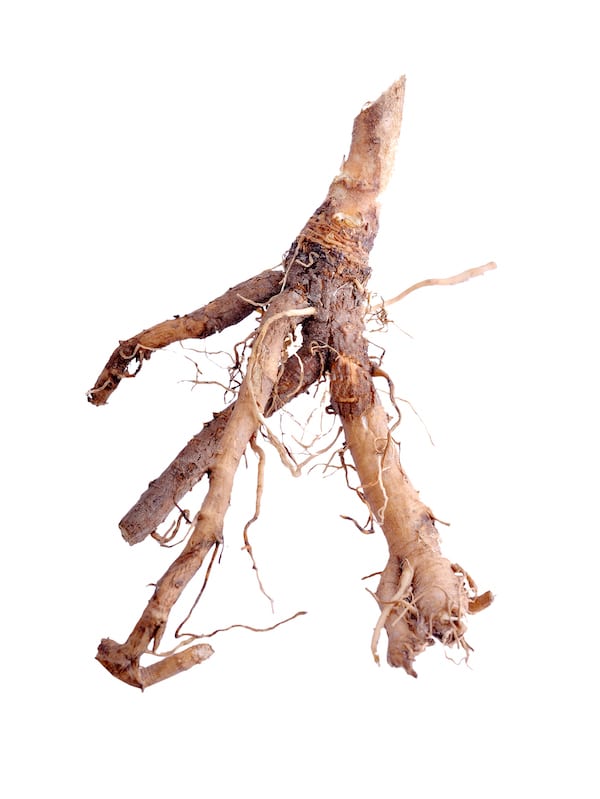
Chicory Root: Coffee Swap, Weight-Loss Aid, and More! You might not know chicory root, but chances are you would recognize its periwinkle blue flowers. Let’s take a look at the benefits of chicory root fiber, the side effects of chicory root extract, and why some people use it as a coffee substitute. What Is Chicory Root? A relative of dandelions, chicory (or Cichorium intybus) is a wildflower that blooms abundantly along roads and in meadows all summer. The use of chicory root and leaves dates back to ancient Egypt, and since then, its presence in herbalism, as well as the kitchen, has only grown. Its long, serrated leaves look and taste similar to dandelion greens and are used raw in salads with greens like endive or radicchio. They’re also often braised to tame their bitterness. Though prebiotic chicory root extract or supplements are more common, some European countries eat chicory root as a vegetable. Chicory root looks like a parsnip, and the ancient Greeks and Romans grew it as a vegetable, too. Chicory Root Benefits Like maca root and rhodiola rosea, chicory root is used in herbalism for various reasons. Research studies validate some of chicory’s traditional uses — mostly attributed to its unique fiber content — but note that more research is needed. 1. Chicory root contains prebiotic fiber Due to chicory root’s bitter compounds and relatively high amount of the prebiotic fiber inulin (a type of resistant starch), research has associated it with a wide array of benefits. One of the most popular among them is digestive health, explains Liz Wyosnick, MS, RDN. Chicory root has one of the highest amounts of inulin compared to other foods, says Wyosnick. Inulin is a prebiotic, which makes it a great food source for beneficial gut bacteria. Jerusalem artichoke is the runner-up when it comes to inulin, but the fiber is also in foods like leeks, onions, asparagus, and garlic. Like insoluble fiber (the type found in dark leafy greens, nuts, and seeds, and whole grains), inulin has a “bulking effect” on your stool, which can make it softer and easier to pass. Thus, chicory root fiber and other types of prebiotic fiber may help prevent occasional constipation. 2. Chicory root and weight management* All of that fiber leads to another chicory root benefit. Fiber (including inulin), along with protein, is believed to help you feel full longer, making it a great part of a healthy weight management strategy. 3. Chicory root can be used as a caffeine-free coffee swap This chicory root benefit is a tasty one that can help you cut back on caffeine. “Chicory root is often used as a swap for coffee because it has a bitter taste and comparable color to that of black coffee, and it does not contain any caffeine,” says Wyosnick. If you’ve ever been to New Orleans, you may have washed down a beignet with chicory coffee, made from roasted chicory root. Chicory root coffee started out of necessity as a way to stretch limited supplies of coffee beans. Young chicory roots are slightly bitter, with a hint of caramel flavor, similar to coffee. The chicory roots are roasted, ground, then brewed like coffee. The only drawback of preparing chicory root this way: You don’t get the fiber. Side Effects of Chicory Root While more fiber is usually a good thing, you should take it slow, especially with the inulin found in chicory root. Chicory root is generally safe, but those new to it may experience the following symptoms: Gas Bloating Diarrhea Abdominal cramping Increased urination “The inulin within the bitter compound of ground chicory root is disguised well, and you can easily consume enough of it to cause digestive discomfort,” cautions Wyosnick. “Chicory root is also considered a mild diuretic by some and may cause you to urinate more, so it is important to drink plenty of plain water if consuming a drink or food item that contains chicory root.” As with any fiber supplement, start small and work your way up — and drink plenty of water along the way. Where to Find Chicory Root You can find whole chicory root at specialty grocery stores, and chicory root coffee or tea is usually available at regular supermarkets (Cafe du Monde is a popular brand). Chicory root supplements are available at health food stores, larger supermarkets, some pharmacies, and online. But before you buy any supplement, consider these questions: How is the supplement produced? Is it processed without harmful solvents or other additives? Is the company reputable? Are they making claims that sound too good to be true? Keep in mind that supplement companies have to abide by industry standards for their claims, which are regulated by the U.S. Food and Drug Administration. And always be sure to discuss any supplements you are considering with your doctor. Here are some chicory root products available on Amazon: Worldwide Botanicals, Roasted French Chicory Root Maui Herbs, Chicory Herbal Supplement, 1200 mg capsules Micro Ingredients, Organic Chicory Root Inulin Powder *These statements have not been evaluated by the Food and Drug Administration. This product is not intended to diagnose, treat, cure, or prevent, any disease. The post Chicory Root: Coffee Swap, Weight-Loss Aid, and More! appeared first on BODi. You might not know chicory root, but chances are you would recognize its periwinkle blue flowers. Let’s take a look at the benefits of chicory root fiber, the side effects of chicory root extract, and why some people use it as a coffee substitute. What Is Chicory Root? A relative of dandelions, chicory (or Cichorium intybus) […] The post Chicory Root: Coffee Swap, Weight-Loss Aid, and More! appeared first on BODi. Kayne Toyosato{authorlink}https://www.beachbodyondemand.com/blog/chicory-root-benefitsBODi BODi is a Health Esteem platform to help you embrace the person you are today so you can take action to achieve all your health and fitness goals. https://bodiblog.wpenginepowered.com/wp-content/plugins/bod-blog/assets/vendor/beachbodydigital/wordpress-core-plugins/beachbody.png

Chicory Root: Coffee Swap, Weight-Loss Aid, and More! Read More »