Menopause Joint Pain: Causes & Treatments
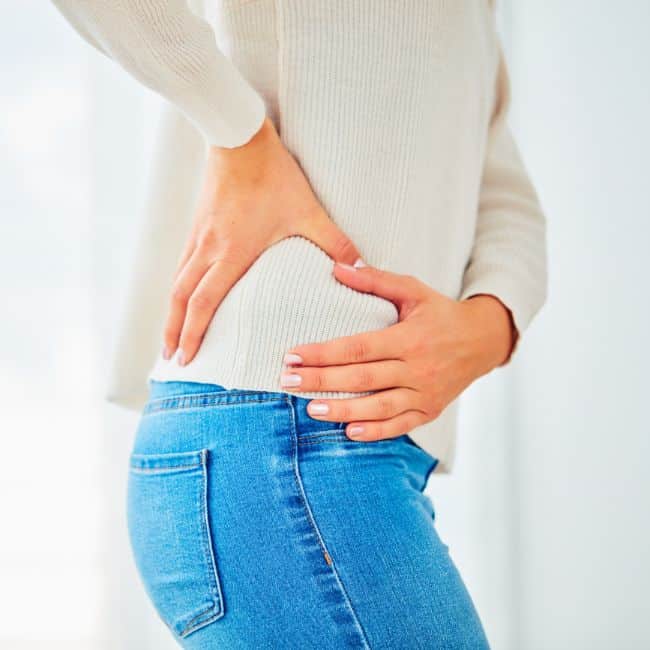
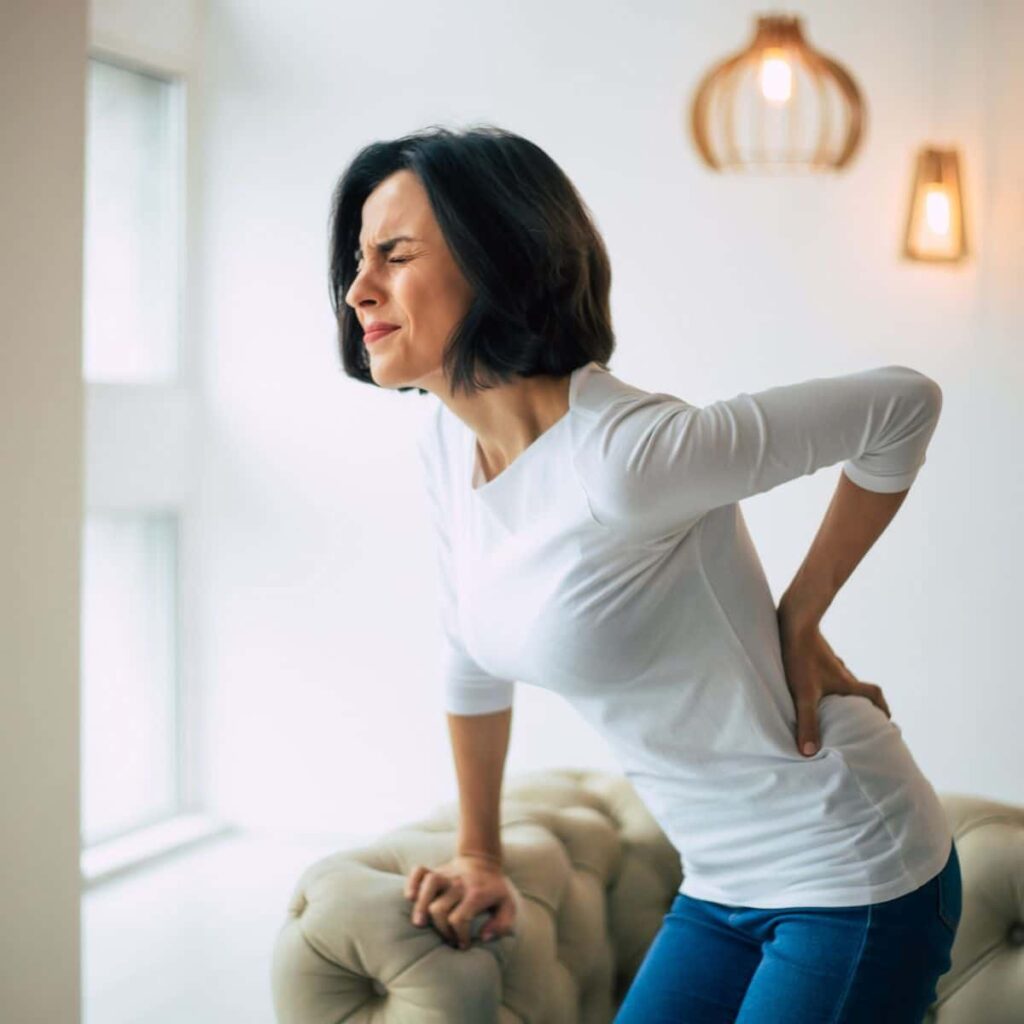
Menopause Joint Pain: Causes & Treatments Menopause marks a significant transition in a woman’s life, bringing about numerous physiological and hormonal changes that affect health and well-being. While hot flashes and night sweats are among the most talked about symptoms, menopause joint pain is a challenge that often flies under the radar. In fact, a reported 71% of perimenopausal women experience varying degrees of joint pain, which is exactly why we need to learn about it and talk about it! I have decades of experience training women, and I want to highlight just how important it is to understand the relationship between menopause and joint pain within your body. I suffered through menopause related joint pain for way longer than I should have because I didn’t understand the cause. I’m going to walk you through what this type of pain can feel like, where it comes from, and the best treatment options out there. Entering the menopause phase of your life doesn’t mean you should be living in pain! Keep reading to take the first steps towards improving your symptoms! What Does Menopause-Related Joint Pain Feel Like? Joint pain during the menopausal transition can manifest as persistent, dull aches or severe discomfort affecting the knees, hips, hands, and other joints. This pain often comes paired with stiffness and a reduced range of motion, particularly after periods of inactivity. Swelling, tenderness, and a feeling of warmth around the joints are also common. For many, this pain intensifies during or after physical activity, significantly impacting daily functioning and quality of life. Reflecting on my personal experience, as I navigated through my last years of perimenopause, I was plagued by severe hip pain. It was enough discomfort to make me think I had sustained a tear or some form of physical injury. Without the knowledge that joint pain was actually linked to perimenopausal symptoms, I continued to try to alleviate the pain through increased stretching, hoping for some form of relief. Regrettably, eight years ago, there was a substantial gap in disseminating information about the connection between joint pain and hormonal shifts occurring during menopause. This lack of awareness subjected me to not only physical pain but lack of direction on how to heal. By sharing this information below, I hope to enlighten younger women about this lesser-known symptom of perimenopause and help you understand how to deal with it. What Causes Menopause Joint Pain? The decline in estrogen levels is a key factor contributing to joint pain during menopause. Estrogen has a protective effect on the joints by reducing inflammation and maintaining bone density. Its decline can lead to increased inflammation and decreased bone density, contributing to joint discomfort. Additionally, changes in collagen production affect the strength and elasticity of joint tissues, leading to stiffness and reduced range of motion. Metabolic changes, including weight gain and redistribution of body fat, increase the load on weight-bearing joints, exacerbating pain and discomfort. Sleep disturbances and increased stress, which are common during menopause, can further contribute to joint pain by affecting the body’s ability to repair and manage inflammation. As you can see, there are a lot of bodily changes happening during this phase of life that can alter how your joints are functioning. Menopause Joint Pain Relief Strategies Now that you understand the connection between menopause and joint pain, let’s try and make it better. If you’re suffering from pain symptoms like the examples described above, explore the strategies below to start feeling relief! 1. Regular Exercise I know not everyone likes to hear this advice, but engaging in regular exercise can greatly help to alleviate joint pain during menopause. I tell women all the time, you have reached the time of life where you have to stop making excuses and just start exercising! It’s a matter of how much you care about what your next decades will look like. Focusing on strength training moves that target all muscle groups is highly beneficial. This not only enhances your muscle power, but it also helps with performing daily chores and activities more efficiently. Incorporating mobility exercises improves joint flexibility, helping to keep them lubricated, maintaining their health and preventing stiffness. Cardiovascular exercises are important too. They are great for maintaining your overall health, keeping the heart healthy and managing weight, which indirectly can reduce the pressure on joints. These are my favorite cardio workouts that don’t involved any running! 2. Maintaining a Healthy Weight This strategy focuses on reducing the pressure on joints, particularly the knees. This is especially important as society becomes more sedentary and less active during menopausal years. A balanced weight helps in keeping your joints healthy and less stressed. 3. Hot or Cold Therapy Applying heat or cold to the affected areas may alleviate pain and inflammation. Heat helps to relax muscles and increase blood flow, while cold therapy can reduce inflammation and numb the joint area to reduce pain. I use heat therapy on my low back everyday as preventative. I have a cord free infrared back pad I wear for 20 minutes in the morning to reduce inflammation and warm up my muscles. 4. Acupuncture of Massage Therapy These are natural methods of pain relief. Acupuncture involves the insertion of very thin needles through your skin at strategic points on your body, while massage therapy involves manipulating body tissues to relieve pain or tension. 5. OTC Pain Medications or Joint Supplements These could provide relief from joint pain. However, these should be used in consultation with your healthcare provider to prevent any potential side-effects or interactions. 6. Hormone Replacement Therapy (HRT) Under a doctor’s guidance, HRT can help manage menopause symptoms, including joint pain. It involves supplementing the body with either estrogen or a combination of estrogen and another hormone, progesterone. You need to seek out a doctor or functional medicine practitioner that is willing to test your hormones and listen to you. By adding HRT to your routine, you may find great relief. Everybody is different. It works
Menopause Joint Pain: Causes & Treatments Read More »