Nutrition Facts

Auto Added by WPeMatico

Does Eating Late at Night Make You Gain Weight?

Does Eating Late at Night Make You Gain Weight? If you’re cooking a late dinner or often feel snackish before bedtime, you may wonder, “Does eating at night make you gain weight?” Short answer: When you eat is not as important as what you eat or how much you consume. Your body doesn’t store more fat at night, and your metabolism does not slow down in the evening hours. “In general, there’s no set cutoff for eating food,” says Krista Maguire, R.D., C.S.S.D., senior nutrition manager for BODi. But you do still need to choose healthy snacks and be mindful of portions. Before you reach for that midnight snack, here’s what you need to know about late-night eating and weight gain. Busting the “Eating Late Causes Weight Gain” Myth There’s a long-held belief that eating after a certain hour contributes to weight gain, but that may not be entirely accurate. A 2011 study compared two groups of participants. One group followed a conventional weight-loss diet, while the other group consumed most of their carbohydrates at dinner. The surprising results: Over the course of the six-month study, the group that ate the carb-heavy dinner reported greater weight loss and body fat mass reductions. And more research suggests the “eat late, gain weight” adage applies to large quantities of food, but not to small meals consisting of nutrient-dense foods. “If you’ve already consumed a large amount of food during the day, late-night eating may just be excess calories that could lead to weight gain,” Maguire says. “This is especially true if you’re consuming foods with no nutritional value — think potato chips, soda, or candy.” But if you’re eating mindfully, Maguire adds, there can definitely be some benefits to eating at night. A higher-protein snack with high-fiber carbs before bedtime may help reduce exercise-induced muscle soreness, prevent hunger pangs in the night, and possibly help with healthy blood sugar control. Bottom line: “If you’re eating at night, don’t go about it mindlessly,” Maguire says. “Eat with purpose.” Does Meal Timing Matter? There are some potential benefits to planning your meals around when your body needs certain nutrients, a.k.a. timed nutrition. For example: Eating a healthy breakfast may keep you from feeling ravenous and overeating when lunchtime rolls around. A small pre-workout snack with 15 to 20 grams of carbohydrates — like half a banana — can give you the energy you need to power through a workout. Regularly timed meals throughout the day can help you maintain a healthy metabolism and energy levels. To understand why eating late at night won’t automatically lead to weight gain, it’s important to understand how your body processes calories. When you eat, your body works hard to convert food into the energy you need for everything from walking, thinking, breathing, building muscle, losing fat, and even sleeping. This process is known as the “thermic effect of food” (TEF). Protein is the most metabolically expensive macronutrient — you burn up to 30 percent of the calories you eat from protein during the digestion process. That’s one of the main reasons why protein (or taking a protein shake supplement) can be helpful for weight loss. The more protein you eat, the more calories you burn. But there’s no clear link between meal timing and TEF. So while you may have heard that eating first thing in the morning would lead to your metabolism working harder and burning more calories, the reality is that your body doesn’t care when or how often you eat — as long as you’re not adding excess calories. So instead of wondering how many meals you should eat in a day and when to eat them, focus on what you’re eating and whether you’re being mindful of your portions. Should You Eat at Night? It depends on why you’re eating. Many people eat at night out of boredom or because of stress or anxiety. Mindless eating and emotional eating can both turn a nighttime snack into a calorie bender. Want a simple way to gauge whether or not you need that late-night grub? “The true test of hunger is to ask, ‘If you could eat some veggies right now, would you?’” Maguire says. “If the answer is yes, you’re probably hungry.” Otherwise, you may just be craving a snack or eating out of habit or boredom. It’s also important to make sure late-night eating doesn’t interfere with your sleep habits. Research suggests consuming carbohydrates at night may make it easier to fall asleep, but eating a big meal too close to bedtime may disrupt your sleep cycle and can lead to heartburn for some people. That can ultimately get in the way of your weight loss goals. Research suggests lack of sleep can torpedo weight loss by slowing your metabolism, increasing your appetite, and decreasing the number of calories you burn. In a study at Wake Forest University, researchers found that people under 40 years of age who slept five hours or less each night gained nearly 2.5 times more abdominal fat than those who logged six to seven hours. So if you’re a night eater, that’s fine — just make sure you’re choosing healthy foods, staying within your calorie goals for the day, and getting enough sleep each night. The post Does Eating Late at Night Make You Gain Weight? appeared first on BODi. If you’re cooking a late dinner or often feel snackish before bedtime, you may wonder, “Does eating at night make you gain weight?” Short answer: When you eat is not as important as what you eat or how much you consume. Your body doesn’t store more fat at night, and your metabolism does not slow down in the evening hours. “In […] The post Does Eating Late at Night Make You Gain Weight? appeared first on BODi. Kara Wahlgren{authorlink}https://www.beachbodyondemand.com/blog/does-eating-at-night-make-you-gain-weightBODi BODi is a Health Esteem platform to help you embrace the person you are today so you can take action to achieve all your health and fitness goals. https://www.beachbodyondemand.com/blog/wp-content/plugins/bod-blog/assets/vendor/beachbodydigital/wordpress-core-plugins/beachbody.png

Does Eating Late at Night Make You Gain Weight? Read More »
How to Sweeten Food With Bananas Instead of Sugar

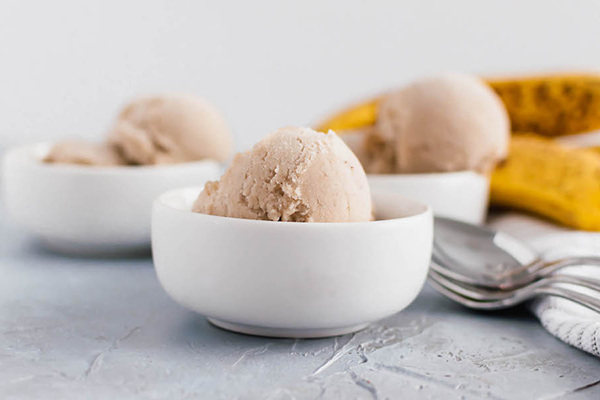
How to Sweeten Food With Bananas Instead of Sugar Craving sweet food is natural, but consuming lots of added sugar isn’t. Too much of it in your diet can lead to poor digestion and moodiness and negatively impact your overall health. So if you’re cutting down on added sugar, learning how to use bananas as a sweetener can go a long way. Ripe bananas contain over 14 grams of sugar, making them one of the sweetest fruits we eat, but they also come packed with fiber, which helps regulate blood sugar. Plus, thanks to their creamy texture, and how well they hold up to freezing and baking, bananas are an incredibly versatile and inexpensive way to sweeten food without refined sugar. Using bananas as a sweetener in treats is just one way to eat more dessert and make them fit into a healthy eating plan. Below are some easy ways to substitute bananas for sugar in desserts. 1. Ice Cream Thanks to their rich and creamy texture, bananas are an excellent base for a frozen treat. Chocolate banana protein ice cream isn’t just a delicious dessert — it’s filling, too. “Nice cream” is a treat that only requires frozen bananas. The PB addition in chocolate peanut butter protein ice cream adds comforting peanut butter flavor to the chocolate protein ice cream recipe above. 2. Breads and Muffins Though traditionally used as a fat replacer, bananas are sweet enough to swap out for sugar in quick breads and muffins. Chocolate chip banana bread employs both vanilla and cinnamon for well-rounded flavor. These banana muffins are technically oatmeal — but you’d never know. Puddings and Shakes Blended bananas work their magic way beyond smoothies! Chocolate banana pudding has protein-rich Greek yogurt and can help you recover from workouts, too. Peanut butter shakes are meant for breakfast, but are tasty enough to do double-duty as dessert. Banana cream pie chia pudding will give your day the decadence it needs. … And Beyond If you have a dessert idea, chances are bananas fit well with it. You can make a sauce for bread pudding by mixing mashed banana with coconut milk, a topping for pancakes by mashing a banana with a smidge of maple syrup, or sweeten your overnight oats with thinly sliced layers of them. Whichever way you cut — or mash— them, bananas are a healthy substitute for sugar. The post How to Sweeten Food With Bananas Instead of Sugar appeared first on BODi. Craving sweet food is natural, but consuming lots of added sugar isn’t. Too much of it in your diet can lead to poor digestion and moodiness and negatively impact your overall health. So if you’re cutting down on added sugar, learning how to use bananas as a sweetener can go a long way. Ripe bananas […] The post How to Sweeten Food With Bananas Instead of Sugar appeared first on BODi. Kayne Toyosato{authorlink}https://www.beachbodyondemand.com/blog/bananas-as-sweetenerBODi BODi is a Health Esteem platform to help you embrace the person you are today so you can take action to achieve all your health and fitness goals. https://www.beachbodyondemand.com/blog/wp-content/plugins/bod-blog/assets/vendor/beachbodydigital/wordpress-core-plugins/beachbody.png

How to Sweeten Food With Bananas Instead of Sugar Read More »

How Much Caffeine Should You Have a Day? Here’s What You Need to Know

How Much Caffeine Should You Have a Day? Here’s What You Need to Know Caffeine has a lot of great qualities: It makes getting through a day easier when you didn’t sleep enough the night before and helps you give that workout your all. But how much caffeine should you have per day? The benefits of caffeine are well researched. “Caffeine improves both exercise performance and endurance so that you can train harder and longer,” explains Paul Falcone, MS, senior scientist at BODi. “It also reduces something called the rate of perceived exertion, which means that exercise may actually feel easier after caffeine.” It is possible to lean too heavily on caffeine, though. Here’s what you need to know about overdoing it and how to find a good balance that includes your favorite caffeinated foods and drinks, like coffee, chocolate, and pre-workout. How Much Caffeine Can You Have Per Day? You should always talk to your doctor about caffeine consumption for advice based on your state of health, but there are general guidelines: Healthy adults can safely consume up to 400 milligrams (mg) of caffeine per day. According to some medical experts, children ages 12 to 18 should limit their intake to 100 mg per day, and children under 12 shouldn’t consume any caffeine. How Much Caffeine Is Required to Overdose? It takes quite a lot of caffeine for it to be toxic, but you’ll likely experience unpleasant side effects far sooner. That’s why even though “the FDA estimates that toxic effects may be observed when 1200 mg of caffeine are consumed in a short period of time,” Falcone explains that most healthcare professionals “recommend setting a limit around 400 mg.” These numbers may not apply to everyone, though, since people’s bodies process caffeine differently. “Some people are more sensitive to caffeine than others,” explains Jim White, RDN, ACSM EX-P, adding that these people can experience side effects at lower doses. And these symptoms can be worse in people who combine caffeine with tobacco or alcohol, he adds. What Are the Side Effects of a Caffeine Overdose? Three things to be on the lookout for: 1. The usual suspects If you have too much caffeine in a short amount of time, you may experience unpleasant side effects like restlessness, irritability, or upset stomach. Take that caffeine dose too close to bedtime, and you’ll probably also have a hard time sleeping. 2. Tolerance There are other downsides to using a lot of caffeine, especially if it’s habitual. Using high doses of caffeine every day (over 400 mg) “can lead to tolerance (lessening of benefits) and psychological dependence,” warns Falcone. 3. Withdrawal High caffeine intake can also make it harder to give it up since “headaches may occur when reducing caffeine intake over a short period of time,” Falcone says. But since we all process caffeine differently, Falcone underscores that “it is important to gauge these symptoms for oneself and increase or decrease the amount of caffeine accordingly.” Will Drinking Pre-Workout Cause Me to Overdose on Caffeine? Short answer: probably not. But you need to be mindful of your total caffeine intake for the day, just as you should be when considering whether to have that last cup of coffee. “As long as you are staying under that 400 mg of caffeine total, you should be safe,” says Falcone. Some quick mental math can help you figure out where pre-workout fits in your caffeine intake. If you have a 16-ounce coffee every morning, that’s about 200 mg of caffeine. If you’ve already had your morning coffee, you can safely consume most pre-workout supplements since you’ll clock in right at the 400 mg mark. Tips for Watching Your Caffeine Intake First, you need to know how much caffeine you consume on an average day to watch your intake. Take stock of how many caffeinated beverages and foods you’re consuming to get a baseline. Don’t forget to be mindful of serving sizes — an 8-ounce cup of coffee averages around 100 mg of caffeine, but that’s not what you’re getting if you use a 12-ounce mug. 1. Check labels and know what to look for Some pre-workout supplements may say “caffeine” on the label, but you should know other ingredients that contain caffeine as well to know when you’re consuming it. Green tea extract and cacao both indicate that a food or drink has caffeine in it. 2. Don’t forget about foods White underscores that you need to factor foods with caffeine into your daily consumption. Chocolate, coffee-flavored products, and some chewing gums contain caffeine. 3. Choose the caffeine you need If you’re nearing the 400 mg of caffeine per day mark, you’ll need to choose what you want or need to keep. Maybe you don’t want to get rid of pre-workout before your workouts or coffee for its health benefits. In that case, Falcone suggests you may want to watch your consumption of soft drinks or energy drinks because they’re often “sneaky sources of caffeine.” 4. Wait for that first cup of coffee You may think a cup of coffee is just the thing you need when you first get up, but Falcone wants you to challenge that assumption. “Perhaps your morning grogginess stems from being a little dehydrated, and a big glass of water may just do the trick,” he explains. 5. Swap your coffee for tea If you like both coffee and tea, opting for tea can lower your caffeine consumption. “Tea will typically have half the caffeine of coffee,” Falcone says. A regular 8-ounce cup of green tea (not matcha) has 30 mg of caffeine compared to coffee’s 100 mg. The post How Much Caffeine Should You Have a Day? Here’s What You Need to Know appeared first on BODi. Caffeine has a lot of great qualities: It makes getting through a day easier when you didn’t sleep enough the night before and helps you give that workout your all. But how much caffeine should you have per day?

How Much Caffeine Should You Have a Day? Here’s What You Need to Know Read More »

Complete Protein Foods for Every Diet

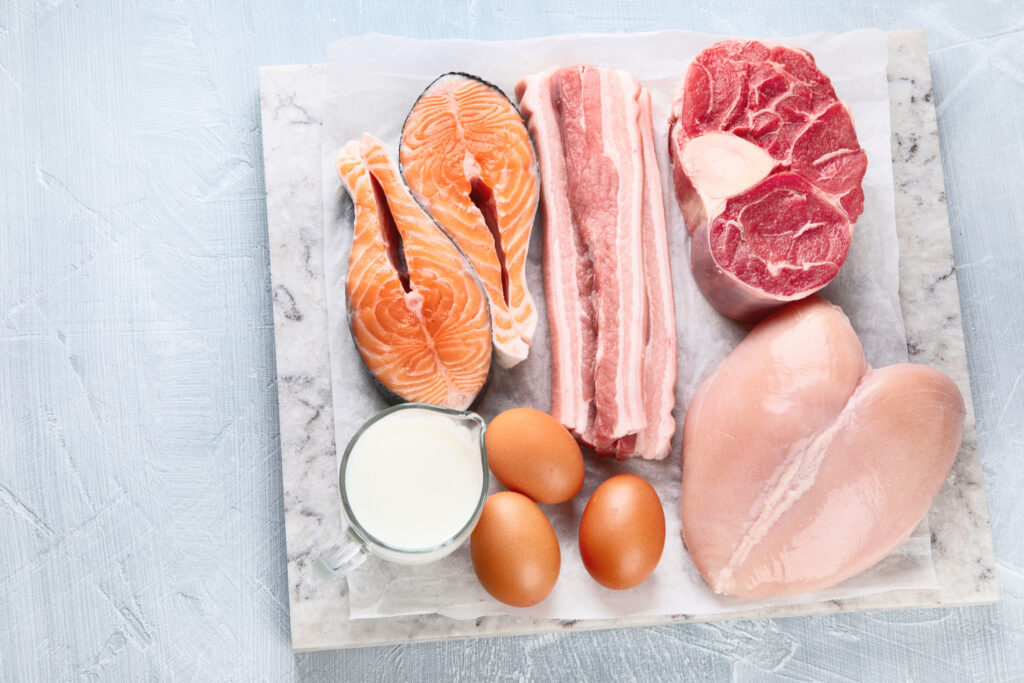
Complete Protein Foods for Every Diet Viewing a nutrition label, it might appear that protein is simply protein, since that’s the only way it’s ever listed. But there’s a difference between incomplete proteins and complete proteins. Proteins consist of amino acids, each of which can appear in food in varying quantities — or not at all. That can make it hard to know if you’re really getting the protein you need. One way to make eating simpler is to consume complete protein sources, which contain the essential amino acids in the required quantities. Read further for the differences between complete and incomplete proteins, as well as a list of complete protein foods. What Is a Complete Protein? There are 20 total amino acids that comprise protein in the body, but only nine of these are considered essential. An essential amino acid is one that the body can’t make on its own, and therefore must get from food. A complete protein is one that has all nine essential amino acids in the amounts needed. They include phenylalanine, valine, threonine, tryptophan, methionine, leucine, isoleucine, lysine, and histidine. The simplest way to consume a complete protein is to choose animal sources like meat, poultry, fish, eggs, and dairy. These foods contain what is called high biological value protein, which refers to how efficiently a protein can be utilized by the body. Those containing the greatest supplies of essential amino acids score highest. That doesn’t mean you can’t get all your amino acids on a vegetarian or vegan diet. For example, soy is a complete protein, and there are ways to combine other vegan foods to get everything you need. By eating a variety of plant foods throughout the day, you can get all your essential amino acids. Complete Protein Foods Below is a quick review of the quality and quantity of protein found in different food groups. Animal proteins Meat, poultry, and seafood: These have the highest amounts of complete protein per serving of any whole food. This protein is well absorbed and utilized by the body. Beef (22 g per 3-oz. serving, ground, 85 percent lean, broiled) Chicken (24 g per 3-oz. serving, breast, roasted) Turkey (26 g per 3-oz. serving, breast, roasted) Pork (23 g per 3-oz. serving, loin, broiled) Duck (23 g per 3-oz. serving, breast, broiled) Salmon (22 g per 3-oz. serving, cooked) Tilapia (23 g per 3-oz. filet, cooked) Swordfish (20 g per 3-oz. serving, cooked) Trout (23 g per 3-oz. serving, cooked) Shrimp (20 g per 3-oz. serving, cooked) Crab (16 g per 3-oz. serving, steamed) Scallops (17 g per 3-oz. serving, steamed) Tuna (22 g per 3-oz. serving, canned) Sardines (21 g per 3-oz. serving, canned) Eggs (6 g each): While they don’t contain as much protein per serving as meat, poultry, or fish, eggs are among the highest in biological value. Dairy proteins Dairy: Cow’s milk has among the highest amounts of protein per serving compared to other milks, and is a complete protein with a high biological value. Soy milk is comparable in protein quantity with 7–8 g per cup and is also a complete protein, but has a lower biological value than cow’s milk. Milk (8 g per cup) Yogurt (9 g per 6-oz. container, low-fat, plain) Cheese made from cow milk, goat milk, sheep milk (6–8 g per ounce) Greek yogurt (17 g per 6-oz. serving): Also a dairy source, Greek yogurt is so concentrated (compared to other yogurts), it’s an excellent source of protein — perfect for breakfast or after a workout. Plant proteins Soybeans (22 g per cup, cooked): Soy is the only food in the plant kingdom that’s considered a complete protein. Incomplete Plant Proteins With the exception of soybeans, foods from the plant kingdom are considered incomplete sources of protein as they are typically limited in one essential amino acid or another. That’s where combining foods is vital, to ensure that you get all the essentials! Below is a list of some plant foods with their limiting essential amino acid and protein content. Legumes: Legumes include beans, peas, and lentils. They are high in lysine but limited in methionine. Soybeans (22 g per cup, cooked) Lentils (9 g per ½ cup, cooked) White beans (16 g per cup, cooked) Split peas (8 g per ½ cup, cooked) Black beans (15 g per cup, cooked) Seeds: While high in other amino acids, many seeds are limited in lysine. Pumpkin seeds (9 g per ounce) Sunflower seeds (5.5 g per ounce) Chia seeds (5 g per ounce) Hemp seeds (9 g per ounce) Buckwheat (4 g per ounce) Grains: Whole grains provide protein, carbs, and fiber, but like seeds (and nuts), most are high in methionine and tend to be lower in lysine. Kamut (10 g per cup, cooked) Quinoa (8 g per cup, cooked) Amaranth (9 g per cup, cooked) Teff (10 g per cup, cooked) Wild rice (7 g per cup, cooked) How to Combine Complementary Proteins Conventional wisdom once held that complementary proteins must be combined at each meal. But now we know our bodies are smart enough to do this on their own as long as we eat complementary protein sources throughout the day (or even over 2 to 3 days!). The classic vegan combo that most of us are familiar with is rice and beans. While neither is complete on its own, together they provide all nine essential amino acids at the levels needed to be considered complete, and more often than not tons of heart-healthy fiber. But there are plenty of other delicious and creative combinations you can try. One good rule of thumb to keep in mind is to try and mix legumes with grains, such as hummus and pita, or to add quinoa and beans to your salad. The post Complete Protein Foods for Every Diet appeared first on BODi. Viewing a nutrition label, it might appear that protein is simply protein, since that’s the only way it’s ever listed. But there’s a difference between incomplete proteins and complete proteins. Proteins consist of amino acids, each of which can appear in food in

Complete Protein Foods for Every Diet Read More »

What to Eat on Your Period – and What Not to Eat

What to Eat on Your Period – and What Not to Eat Your period just started, and you’re feeling less than awesome. When your belly starts to grumble, you opt for self-care in the form of food. Double fudge brownie ice cream. Salt and vinegar kettle chips. And allllll the cheese. The problem? The foods that taste good don’t always make you feel good, so your cravings shouldn’t be in charge of choosing what to eat on your period. “Overall, you want to be supporting the hormonal shift happening in the body through both dietary intake and lifestyle behaviors,” says Natalie Welch, M.S., R.D.N., Nutrition Manager at BODi. And, she adds, “It’s helpful to limit your intake of ultra-processed foods and added sugars,” as well as caffeine (which may make cramps worse for some) and alcohol (which is dehydrating and inflammatory). Sigh. So what should you eat on your period? Read on to find out which nutrients to prioritize to feel your best – and which of your favorite foods can provide them. Key Nutrients for Menstrual Health Due to blood loss and shifts in hormones, certain essential nutrients are extra important during your period. “During your period, it is important to focus on getting enough of certain nutrients that are vital for maintaining overall health,” explains Dr. Javier Saldana, M.D., a board-certified obstetrician and gynecologist. By including certain foods that provide them (and avoiding other foods), you “can help keep hormones balanced, which may reduce bloating, cramps, fatigue, headaches, and other symptoms.” “Iron is needed for red blood cell production, and this is important during your period since you need to replace losses,” says Welch. “Magnesium and calcium may help with cramping, and calcium also supports both blood clotting and blood flow.” Iron-Rich Foods Iron deficiency is the most common nutritional deficiency in the developed world, and the blood loss that happens during menstruation is the most common cause for women of reproductive age. “Iron is necessary for hemoglobin synthesis and red blood cell production,” says registered dietitian Melissa Wasserman Baker, R.D.N. It helps replenish blood stores each month, and maintaining adequate levels helps prevent iron-deficient anemia and other issues, including restless legs and hair loss. Heme iron from animal sources is more bioavailable than non-heme iron in plant-based foods. Animal sources include meat (including organ meats), poultry, and seafood. Plants that provide iron include fortified breakfast cereals, legumes (such as white beans, chickpeas, kidney beans, and lentils), and cooked leafy greens (including spinach and kale). Calcium-Rich Foods Supplementing with calcium and vitamin D can help ease PMS — though researchers aren’t sure whether it can prevent those symptoms. Together with magnesium, “calcium may help with cramping, and calcium supports both blood clotting and blood flow,” explains Welch. The best source of calcium is dairy, including milk, yogurt, and cheese. “I love Greek yogurt which also provides high quality protein,” she adds. Non-dairy sources of calcium include fortified dairy-free milks, winter squash, tofu, almonds, canned salmon (with bones), and leafy greens. Magnesium-Rich Foods “Magnesium helps to regulate muscle and nerve function,” says Wasserman Baker, so keep it in mind when planning what to eat on your period. A 2017 literature review found that supplementing with magnesium effectively prevented dysmenorrhea (period cramps and pain), PMS, and migraines related to menstruation, but most U.S. adults aren’t consuming enough. Magnesium-rich foods include nuts, seeds, whole grains, and leafy greens. “Another great source of magnesium that may also satisfy a craving is dark chocolate,” suggests Welch. Foods to Eat During Your Period Here’s what to eat on your period (most of the time). Whole Grains and Complex Carbohydrates Whole grains and complex carbohydrates like oatmeal, brown rice, and sweet potatoes can satisfy cravings while delivering nutrients (including magnesium!). And they may also ease any period-related bathroom issues. “Incorporating fiber-rich foods such as fruits, vegetables, whole grains, and legumes can help regulate bowel movements and alleviate constipation,” says Wasserman Baker. Fruits and Vegetables Welch suggests prioritizing fruits and vegetables during your period. Full of fiber and phytonutrients, foods like berries, oranges, leafy greens, and cruciferous vegetables also deliver loads of nutrition without loads of calories. Healthy Fats Make sure to include healthy fats, like the poly- and monounsaturated kinds during your period. “For healthy fats like polyunsaturated omega-3s, I love salmon or tuna and for monounsaturated fats, avocado is an easy, yummy source,” suggests Welch. Foods Not to Eat During Your Period “Processed sugars and refined carbohydrates can cause blood sugar imbalances and exacerbate mood swings and irritability during menstruation,” says Wasserman Baker. Here’s a list of what not to eat on your period. Processed Foods “Eating more added sugars and ultra-processed/packaged foods displaces foods in your diet that are more nutrient-dense,” warns Welch. While it’s fine to honor cravings sometimes, foods like chips, cookies, and fast food should be occasional treats. Plus, excessively salty, packaged foods can make you retain water and feel bloated, she says. “When we do choose to eat these ‘fun foods,’ pairing them with protein and fiber-rich foods helps blunt any blood sugar spikes. Stable blood sugars have a positive effect on hormone balance,” Welch explains. An example would be, a piece of chocolate (bonus point for dark chocolate which contains magnesium!) and a handful of nuts. Caffeine Consider swapping your latte for decaf on your period. “Caffeine may exacerbate cramping for some people,” says Welch. “If caffeine is a must, try tea or matcha instead of coffee for less total caffeine intake, which can not only help with cramping but also GI symptoms like gas, bloating, and diarrhea. Making it with a milk that contains protein is also a plus.” Alcohol While a cocktail, beer, or glass of wine may make you feel more chill on your period, it could be making other symptoms worse. That’s because “alcohol can increase dehydration and worsen bloating and cramps,” says Wasserman Baker. Welch suggests sticking to mocktails instead. Other Tips for Eating During Your Period Stay hydrated. Drinking enough water can help offset GI symptoms as well as headaches related to mild dehydration. Eat regular meals. When

What to Eat on Your Period – and What Not to Eat Read More »