Healthy Living

Auto Added by WPeMatico

10 Expert Tips to Lose Weight Without Dieting

10 Expert Tips to Lose Weight Without Dieting Discover expert strategies to lose weight without dieting! Embrace these simple lifestyle changes to achieve your weight loss goals. Are you tired of counting calories and following strict diets to lose weight? As a personal trainer, the only diet I will ever suggest is this: healthy lifestyle changes. Losing weight doesn’t have to be a daunting task if you focus on simple but powerful lifestyle changes. To lose weight you need to: Make better food choices to nourish your body Eliminate processed foods Eat in a calorie deficit There are a million diets out on the internet that don’t work because they are typically super restrictive and hard to maintain for a long period of time. ` Instead of focusing on fad diets, I’m going to walk you through expert tips and strategies to help you achieve your weight loss goals in an approachable way. By implementing simple changes you can effectively lose weight without feeling deprived. Keep reading for my top 10 tips! Table of contents Understanding the Basics of Weight Loss 10 Simple Ways to Lose Weight Without Dieting 1. EDIT Your Food Choices 2. Embrace a Healthy Lifestyle Mindset 3. Use the 80/20 Rule 4. Watch Your Portions 5. Eat More Protein 6. Eat More Fiber Rich Foods 7. Use a Calorie Tracking App 8. Drink More Water 9. Move Your Body More 10. Get More Sleep FAQ Understanding the Basics of Weight Loss Weight loss can seem like an overwhelming task, but it all comes down to consuming fewer calories than your body needs. By doing so, your body taps into its stored body fat for energy, leading to weight loss. While diets are often centered around elimination of food groups, fasting, and special supplements,, there are alternative approaches you can take to lose weight while still enjoying your favorite foods. Here are a few of the key takeaways for understanding the basics of how weight loss works: Reducing portion sizes can help prevent weight gain and promote weight loss. Focusing on consuming nutrient-dense foods can be more impactful than specific diets. Practicing mindful eating can help avoid overeating. Staying hydrated throughout the day can help reduce cravings and boost metabolism. Regular physical activity, such as strength training, walking or dancing, can help burn calories and increase muscle tone. 10 Simple Ways to Lose Weight Without Dieting If you are tired of the weight loss roller coaster and you want to shed pounds for good, you are not alone. In fact, nearly 1 in 3 adults are overweight. Weight loss journeys can be an incredibly frustrating process, especially if you’re focusing on the wrong things. These are my favorite tips for successful weight loss (without the dieting!): 1. EDIT Your Food Choices Rearrange those four letters in the word “diet” and “edit” what you eat instead. Editing means making better food choices, being smarter about what you will eat, what you will eat less of, and what you might cut out altogether. It’s about gradual changes and mindful eating. Not crazy elimination diets, or intermittent fasting, or tedious counting calories. It’s about feeling in control of what you eat. Not saying you are on a diet, but rather making better choices to help improve your overall health. When you make smarter food choices, you end up naturally eating fewer unhealthy foods. This will ultimately reduce your overall calorie intake. Think of your strategy as meal planning or clean eating, not dieting. You will find that your relationship with food and your choices become a lot easier when you ditch the diet mentality! 2. Embrace a Healthy Lifestyle Mindset Accept that successful weight loss takes time. Remember, it’s a process and you’ll need to have patience and a positive mindset. Make your ‘why’ for eating healthy about deeper more meaningful things. Reducing blood sugar, reducing cortisol, improving cholesterol and blood pressure are all great examples. But your why should be unique to you! Remember that how you feel is a direct correlation to what you put in your mouth. Food is fuel and what you eat and the nutrients you get or don’t get into your body will affect how you feel, think, and act everyday. The best weight loss plans are foiled when the only motivation is weight loss. Make it about deeper reasons and think about how healthy eating can improve every aspect of your life. 3. Use the 80/20 Rule Use the 80/20 rule when it comes to eating. Eat healthy 80% of the time and give yourself 20% wiggle room. Some days you will do better than other days, and that’s perfectly okay. You don’t have to become the perfect clean-eating human. Each day try and get more of your choices to favor your health. If you have a bad day, wake up tomorrow and reset your mindset. Lean your life toward healthier choices. Be compassionate and kind to yourself when you make less-than-stellar choices. Skip the mentality of “I’m on a diet or I’m not.” Super restrictive diets have been proven not to last. The 80/20 rule is about moderation not perfection. 4. Watch Your Portions Weight gain and weight loss is an energy equation. Yes, that’s simplified, but if you take in too many calories—more than your body needs or can burn—you will gain weight. To lose weight steadily and keep it off, you need to eat fewer calories and watch your portion sizes. So what’s the difference between portions and servings? A portion is how much food you choose to eat. A serving is a standard amount (or guideline) used by food companies to identify how much to eat, as well as the calories and nutritional content in your food. Think about it, one of your portions could be several servings! They key to weight loss may be not having to eliminate your favorite foods, but just to eat less food overall. Take a nod from one of my favorite authors,

10 Expert Tips to Lose Weight Without Dieting Read More »

15 Science-Backed Tips For Better Sleep

15 Science-Backed Tips For Better Sleep Whether we’re just too busy to spend enough time in bed or stress causes us to toss and turn all night, it can be tough getting a good night’s sleep! According to the CDC, about 1 in 3 adults in the United States reported not getting enough rest or sleep every day. And nearly 40% of adults report falling asleep during the day without meaning to at least once a month. This can have serious consequences for our health. Not getting the right amount of sleep has been linked to everything from a weakened immune system to chronic disease and obesity. So, how do you get a better night’s sleep? Here, we’ll break down the best (and most realistic) tips for improving your sleep and getting your overall health back on track. Why Sleep Is Important For Your Overall Health Most people know that getting a good night’s sleep is important for their overall health, but many don’t know why. In this blog post, we’ll discuss the importance of sleep and how lack of sleep affects your overall health. Sleep is important for your overall health for a variety of reasons. First, sleep is when your body rests and repairs itself. This is important for both your physical and mental health. Physical Health When you sleep, your body is able to repair any damage that has been done during the day. This includes damage from physical activity, stress, and environmental factors.  Sleeping also helps to boost your immune system, which can help you fight off illnesses and infections. Mental Health Sleep is also important for your mental health. Getting enough sleep can help you to reduce stress and anxiety, and it can also help you to focus better during the day.  Sleep can also improve your mood and help you to regulate your emotions. Overall, getting enough sleep is essential for your physical and mental health. If you’re not getting enough sleep, it can have a negative impact on your overall health. Benefits of Getting Better Sleep Most people don’t get enough sleep. In fact, according to the National Sleep Foundation, 50-70 million US adults have a sleep disorder. That’s a lot of people who are not getting the recommended seven to nine hours of sleep per night! There are many benefits of getting better sleep, including: Improved mood Increased productivity Better memory Improved heart health Maintaining a healthy weight Following a regular sleep schedule will help to regulate your circadian rhythm. This is the 24-hour internal clock that tells your body when it’s time to sleep and wake up. When you follow a regular sleep schedule, your circadian rhythm will adjust and you’ll start to feel sleepy at the same time each night. There are many benefits to getting enough sleep. So, if you’re not getting the recommended seven to nine hours per night, make some changes to your routine and start reaping the benefits of a good night’s sleep. My Experience With Improving My Sleep I always felt like I must be genetically gifted when it comes to sleep. I slept like a rock up until I was 50. And then that thing called peri-menopause kicked in. Fluctuating hormones, night sweats, insomnia, anxiety – I was not exempt. I had to rethink my routine.  For a few years the hormone stuff was real and any of you in that stage of life just know it will mellow out once you hit that day called menopause. However, I have learned that at this stage of my life, my sleep habits matter.   15 Tips To Get Better Sleep For a few years, the hormone stuff was real and any of you in that stage of life just know it will mellow out once you hit that menopause. However, I have learned that at this stage of my life, my sleep habits matter.   Try A Breathing Technique When it comes to sleep, your body needs to relax. Not being able to turn your mind off is a common reason people have a hard time getting a good night’s rest. One incredible way to help you mind relax is to use breathing exercises. They will help calm your body, and mind!  Try doing one of these soothing breathing exercises that can relax your body and empty your mind.I personally do Wim Hof breathing to help me calm down during the day and it translates to a better night sleep for me and the many people who comment on his videos. Watch Caffeine Intake Most people are aware that caffeinated beverages like coffee and soda can affect their sleep. However, many don’t realize that other seemingly innocuous things like chocolate, some teas, and even some medications can also contain caffeine and other stimulants.  These can cause insomnia and make it difficult to get a good night’s sleep. Caffeine affects everyone a little differently, and for some, it can be the hidden culprit behind their insomnia or middle-of-the-night tossing and turning. It never affected me until I turned 50. Now I’m very careful not to have any coffee past 3pm or it may affect my sleep.  Coffee and tea are great in moderation, but try to cut yourself off early afternoon if you find that caffeine is keeping you awake.  Avoiding stimulants late in the day is a good way to improve your sleep habits. If you have trouble sleeping, avoid drinking caffeinated beverages after 2 pm, maybe even earlier if you’re particularly sensitive. You should also avoid eating chocolate or drinking caffeinated tea in the evening. Switch to herbal tea in the evening if you miss having a warm beverage after dinner. If you take medication for another condition, check the label to see if it has any stimulants. If it does, talk to your doctor about taking it earlier in the day. Get A White Noise Machine If random nighttime noises (or your partner’s snoring) keep you awake at night, try a white noise machine.  The beauty of a white noise

15 Science-Backed Tips For Better Sleep Read More »

Staying Healthy & Productive: Tips for Working from Home

Staying Healthy & Productive: Tips for Working from Home Working from home has revolutionised the way we approach our professional lives, blending the comfort of our personal space with the demands of our work responsibilities. However, the convenience of a home office also presents unique challenges in maintaining our physical and mental well-being. From creating an ergonomic workspace that fosters good posture to incorporating […] Working from home has revolutionised the way we approach our professional lives, blending the comfort of our personal space with the demands of our work responsibilities. However, the convenience of a home office also presents unique challenges in maintaining our physical and mental well-being. From creating an ergonomic workspace that fosters good posture to incorporating […] petra-admin{authorlink}https://www.behealthynow.co.uk/healthy-living/staying-healthy-productive-tips-for-working-from-home/Be Healthy Now

Staying Healthy & Productive: Tips for Working from Home Read More »

9 Causes of Brain Fog & Easy Ways To Improve It

9 Causes of Brain Fog & Easy Ways To Improve It Brain fog is a common issue, but what causes it? Learn more about the causes of brain fog and how to get rid of it. Are you struggling with brain fog? You’re not alone. Many people deal with this issue on a daily basis.  Brain fog, also called “brain fatigue,” is a medical condition that can range from a mild to severe experience of mental confusion. You may have trouble with short-term memory, remembering things mid-sentence, find your mind trailing off, or have difficulty concentrating. Whether it’s difficulty concentrating, forgetfulness, or just general mental fatigue, brain fog can be a real drag. The good news is that there are steps to improve your brain health you can take to get rid of it. Cognitive symptoms like brain fog can be especially common for women in menopause due to hormonal changes. To learn more about how to manage this phase of life, check out the 10 most common menopause symptoms, and what you can do about them. In this blog post, we’ll explore what causes brain fog and how to manage it. Table of contents What is Brain Fog? Common Symptoms of Brain Fog Common Causes of Brain Fog Menopause Diabetes Lack of Sleep Nutritional Deficiencies Side Effects of Medications Neurological Disorders Depression or Anxiety Dehydration Stress How to Get Rid of Brain Fog Hydrate Get Enough Sleep Reduce Stress Eat Healthy Exercise Regularly Improve Mental Sharpness Consider Natural Hormone Replacement Foods That Help With Brain Fog Is Brain Fog the Same as Dementia? Do Carbs Cause Brain Fog? Can Brain Fog Be Permanent? Brain Fog In Menopause What is Brain Fog? Have you ever had a day when you couldn’t focus on a single task, found yourself forgetting things more than usual, or felt downright fuzzy? How about memory problems that don’t seem typical? You were likely suffering from brain fog. Brain fog describes cognitive difficulties such as dissociation, fatigue, forgetfulness, and excessive cognitive effort. It can be caused by a variety of things, including poor sleep, stress, hormonal imbalances, and nutritional deficiencies. While brain fog can be a temporary condition, it can also be a symptom of more serious underlying health issues. Common Symptoms of Brain Fog In general, symptoms of brain fog can include: Difficulty concentrating Headaches Forgetfulness Low energy or motivation Confusion Irritability Trouble sleeping through the night Overall, brain fog causes your thinking to feel cloudy or sluggish—much like when you’re sick with a head cold or are jet-lagged from a long flight. Common Causes of Brain Fog Since brain fog is a symptom and not a condition itself, where, exactly, is it coming from? If you’re experiencing brain fog, it could be due to one of these common causes. Remember to always check in with your doctor if you think testing or diagnostics are required. Menopause Yes, with all the other joys of this glorious time of life, menopause can also bring bouts of brain fog. Scour the internet for memes, and you’ll find plenty that poke fun at the forgetfulness and memory loss that often comes with your menopausal years! Brain fog during menopause is all thanks to fluctuating hormones in your body. Specifically, a decrease in estrogen. Studies have confirmed that performance on certain memory tasks declines during the menopausal years. But don’t worry: as your hormones even out, your mental fog likely will too. Research also shows that memory usually improves in post-menopausal years. Diabetes People with diabetes can often experience periods of brain fog due to fluctuating glucose. Since glucose is the primary energy source for your brain, fluctuating levels in diabetics can cause short-term brain fog. Whether you have type 1 or type 2 diabetes, if you’re experiencing mental confusion or periods of brain fatigue, speak with your healthcare provider about different ways to manage your diabetes. Lack of Sleep It should come as no surprise that when you’re sleep deprived, you’re a bit foggy. Your brain needs 7 to 8 hours of sleep per night to function with the best executive function. When you experience chronic, long-term sleep deprivation, brain fog and a general impact on your cognitive abilities, like feeling a bit fuzzy are to be expected. I recommend trying a few of these science backed tips to get better sleep, and to start getting the rest your body needs! Nutritional Deficiencies Certain nutrients are essential for proper brain function. Poor nutrition can lead to brain fog. Make sure you’re eating a balanced diet and taking a multivitamin if needed. Your brain fog could be from a vitamin B12 deficiency. B12 plays an important role in the health of your brain and nervous symptom. If you suffer from digestive woes and often take medications like Zantac or Pepcid, you may also be particularly prone to having a B12 deficiency. To correct it, either take a B12 supplement and/or try incorporating more of the following foods which are high in B12 into your diet: Seafood, such as salmon, shrimp, mackerel, sardines, trout, herring Grass-fed beef Eggs Fortified yeast Side Effects of Medications Brain fog can be a side effect of many common medications. Even if it isn’t listed as a symptom of your medication, if you notice that your brain fog has only come about when you’ve started a new medication treatment plan, talk to your doctor. Everybody is different, and how you metabolize or handle medication can affect your mental state. Neurological Disorders Aside from a lack of sleep or nutritional deficiencies, specific disorders can cause brain fog. Conditions like lupus, chronic fatigue syndrome, and fibromyalgia can be some of the main culprits. If you’ve ruled out other potential causes and can’t seem to get to the bottom of things, make an appointment with your doctor to make sure one of these disorders isn’t to blame. Depression or Anxiety If you’re suffering from depression or anxiety, it could also be the cause of brain fog. Because of the mental energy it takes to be in a constant

9 Causes of Brain Fog & Easy Ways To Improve It Read More »

Addressing Hair Loss: Options for Everyone

Addressing Hair Loss: Options for Everyone Let’s be honest: your hair is a dealbreaker when it comes to your overall appearance. How you style or hold it will determine how people look at you and how you see yourself. However, you may be forced to hide your hair under hats and wigs when it starts to fall out. Remember, youthful hair […] Let’s be honest: your hair is a dealbreaker when it comes to your overall appearance. How you style or hold it will determine how people look at you and how you see yourself. However, you may be forced to hide your hair under hats and wigs when it starts to fall out. Remember, youthful hair […] petra-admin{authorlink}https://www.behealthynow.co.uk/healthy-living/addressing-hair-loss-options-for-everyone/Be Healthy Now

Addressing Hair Loss: Options for Everyone Read More »

Choosing the Right Private Hearing Specialist for Safe and Effective Earwax removal

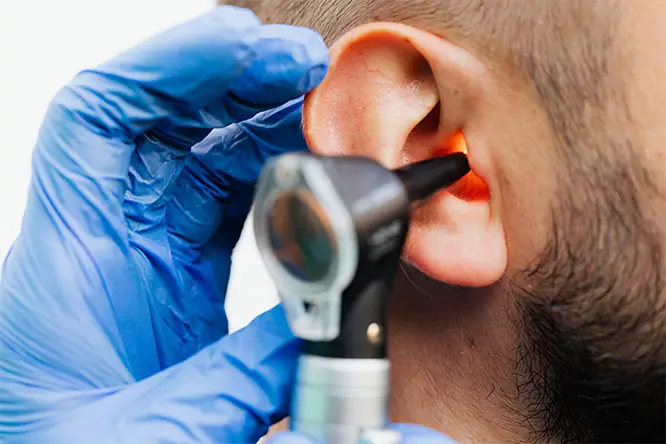
Choosing the Right Private Hearing Specialist for Safe and Effective Earwax removal Hearing is one of our most vital senses, significantly impacting our quality of life. Earwax, although a natural substance produced by our bodies to clean and protect our ears, can sometimes accumulate and cause problems. When simple at-home cleaning methods aren’t sufficient, seeking a professional for earwax cleaning is a prudent decision. However, the choice […] Hearing is one of our most vital senses, significantly impacting our quality of life. Earwax, although a natural substance produced by our bodies to clean and protect our ears, can sometimes accumulate and cause problems. When simple at-home cleaning methods aren’t sufficient, seeking a professional for earwax cleaning is a prudent decision. However, the choice […] petra-admin{authorlink}https://www.behealthynow.co.uk/healthy-living/choosing-the-right-private-hearing-specialist-for-safe-and-effective-earwax-removal/Be Healthy Now

Choosing the Right Private Hearing Specialist for Safe and Effective Earwax removal Read More »

Stress Management For A Healthier Life And Stronger Teeth

Stress Management For A Healthier Life And Stronger Teeth Stress is an inevitable part of life. From work demands to health issues, there are endless sources of stress that can negatively impact your overall well-being. Unmanaged chronic stress has been tied to increased risk for serious illnesses like heart disease, diabetes, and depression. Stress also takes a toll on your oral health, increasing the […] Stress is an inevitable part of life. From work demands to health issues, there are endless sources of stress that can negatively impact your overall well-being. Unmanaged chronic stress has been tied to increased risk for serious illnesses like heart disease, diabetes, and depression. Stress also takes a toll on your oral health, increasing the […] petra-admin{authorlink}https://www.behealthynow.co.uk/healthy-living/stress-management-for-a-healthier-life-and-stronger-teeth/Be Healthy Now

Stress Management For A Healthier Life And Stronger Teeth Read More »

Yuka App Tried & Tested – My Honest Review

Yuka App Tried & Tested – My Honest Review I recently came across the Yuka app and I’ve been trying it out to share my honest thoughts with you. If you haven’t heard about it, Yuka is a mobile app that scans your food and beauty products. It gives each one a score that tells you how healthy it is for you. The scores […] I recently came across the Yuka app and I’ve been trying it out to share my honest thoughts with you. If you haven’t heard about it, Yuka is a mobile app that scans your food and beauty products. It gives each one a score that tells you how healthy it is for you. The scores […] petra-admin{authorlink}https://www.behealthynow.co.uk/healthy-living/yuka-app-review/Be Healthy Now

Yuka App Tried & Tested – My Honest Review Read More »

14 Tips To Avoid Holiday Weight Gain This Season

14 Tips To Avoid Holiday Weight Gain This Season Don’t let the holiday season derail your fitness goals. Check out these 14 tips to help you enjoy the festivities without worrying about packing on the pounds! Managing your weight and sticking to an exercise program can easily slip down your priority wish list during the holiday season. Purchasing gifts, trimming the tree, sampling holiday treats and finding the perfect fuzzy sweater are way more fun this time of year than remembering to avoid holiday weight gain! There are lots of factors that come into play when dealing with weight gain. Even hormones can have a surprising impact. But, by taking control of your holiday eating and fitting in a little extra movement when you can, you are more likely to maintain a healthy weight and keep those extra pounds away. These amazing 14 tips and strategies are some of the best ways to have a blast this holiday season while still managing to keep that holiday weight gain at bay. Table of contents Common Causes of Holiday Weight Gain Overeating Drinking Too Much Alcohol Stress Eating Inactivity Can You Avoid Holiday Weight Gain? Average Weight Gain During The Holidays 14 Best Tips For Avoiding Holiday Weight Gain Get Moving And Stick to Your Exercise Routine Stick To A Five-A-Day Plan Watch What You Drink (Liquid Calories) Allow For Indulgences And Enjoy Dessert Control Your Temptation Triggers Never Go To A Party Hungry Exercise In Bursts Just Say No Focus On The People, Not The Food Control Your Portion Sizes Eat Healthy Appetizers and Snacks Choose Plant-Based Sides Avoid Buffet-Style Meals Get Enough Rest and Hydration Common Causes of Holiday Weight Gain The holiday season is a time for gatherings with family and friends, and often, these gatherings involve food. It’s no wonder then that many people struggle to avoid holiday weight gain.  Here are four common causes of extra weight gain around the holidays and how you can avoid them: Overeating Overeating is probably the most common cause of holiday weight gain near the end of the year. When we’re surrounded by delicious food, it’s hard not to overindulge.  To avoid overeating, don’t go to parties with an empty stomach. Try to eat a little something before you go to holiday parties or events.  This way, you’ll be less likely to over fill up on party food.  And when you’re at a party, make sure to eat slowly, keep portion size appropriate, and stop when you’re full. Drinking Too Much Alcohol Drinking alcohol can also lead to weight gain. Alcoholic beverages are high in calories, and they can also reduce our inhibitions, which can lead to overeating. After a few cocktails your self discipline goes out the door.  If you’re trying to avoid holiday weight gain, limit your alcohol intake. Stick to one or two drinks, and make sure to alternate alcohol with water. Stress Eating The holidays can be a stressful time for some people. And when we’re stressed, we may turn to food for comfort and it can lead to weight gain.  To avoid stress eating in the first place, try to find other ways to cope with holiday stress. Even things like taking a walk, meditation, deep breathing exercises or talking to a friend. Inactivity The holidays can also be a time when we’re less active. We may not have time for our usual exercise routine, or we may be tempted to lounge around and relax more than usual.  Less calories burned and more calories consumed will lead to weight gain.  To avoid gaining weight from inactivity, make sure to find time for some physical activity, even if it’s just a short walk around the block. You don’t need a personal trainer to stay active! The holidays don’t have to be a time when we gain weight. By being aware of the common causes of holiday weight gain and taking steps to avoid them, we can enjoy the holidays without worrying about our waistline. Can You Avoid Holiday Weight Gain? The holidays are a time for families to get together, share meals, and exchange gifts. It’s also a time when many people see their weight go up.  One study analyzed two groups of adults. They used a control group, and an intervention group. The intervention group was given specific tools to help them manage weight loss during the holidays, while the control group was just given information on healthy living. The intervention group ended up losing an average of 0.3 lbs, while the control group gained 0.8 lbs on average. So, it is possible to not only avoid holiday weight gain, but actually lose too! The good news is there are plenty of things you can do to avoid holiday weight gain. Keep reading to see my favorite tips. Average Weight Gain During The Holidays The holidays are a time for family, friends, and of course, food! It’s no surprise that the average American gains weight during this time of year. But how much weight is too much? And how can you avoid putting on those extra pounds? The average American gains about 1-2 pounds from Thanksgiving to New Year’s Day.  The good news is that isn’t probably as much as you thought. Don’t throw in the towel thinking “oh well, I’m going to gain 10 pounds so I’m just going to eat anything I want.”  Realize that you have some control and if you are a little disciplined and smart about choices, you can avoid feeling like you came out of the holidays with a bigger belly.   I recommend using the following tips to enjoy the holidays without letting them sabotage your health! 14 Best Tips For Avoiding Holiday Weight Gain Holiday weight gain is common, but it’s not impossible to avoid. Yes, you can still enjoy the holiday season. It’s totally possible to modify your behaviors and movement to make the most of the season, while still maintaining a healthy weight. Here are my favorite 14 tips to avoid holiday weight gain: Get Moving And Stick to Your Exercise Routine Food and

14 Tips To Avoid Holiday Weight Gain This Season Read More »

15 Science Backed Tips To Relax & Get Better Sleep

15 Science Backed Tips To Relax & Get Better Sleep Discover 15 simple steps to help you get a better night’s sleep. Find out how easy it is to make changes that will provide long-term health benefits. The reality is that most of us at some point or another will have a hard time getting enough sleep. Whether we’re just too busy to spend enough time in bed or stress causes us to toss and turn all night, no one is guaranteed a good night’s sleep every single night. According to the Centers for Disease Control and Prevention, about 1 in 3 adults in the United States reported not getting enough rest or sleep every day. And, nearly 40% of adults report falling asleep during the day without meaning to at least once a month. This can have serious consequences for our health. Not getting the right amount of sleep has been linked with everything from a weakened immune system and chronic disease to obesity and accidents. So let’s make it better! I’m breaking down the best helpful tools and ideas to clean up your sleep hygiene so you can make sure you’re getting enough rest. Keep reading to see our realistic tips for getting better sleep. Table of contents Why Sleep Is Important For Your Overall Health Physical Health Mental Health Benefits of Getting Better Sleep My Experience With Improving My Sleep 15 Tips To Get Better Sleep Try A Breathing Technique Watch Caffeine Intake Get A White Noise Machine Skip Alcohol Try Natural Sleep Supplements and Remedies Create Calming Bedtime Rituals Monitor Your Digital Usage Don’t Toss and Turn For Hours Take a Hot Bath or Shower Jot Down Your Worries and Plans Before Bed Meditate Exercise During the Daytime Establish a Relaxing Bedtime Routine Understand Your Sleep Cycle Create A Comfortable Sleeping Environment See a Physician or Chiropractor if You Are Still Tired Why Sleep Is Important For Your Overall Health Most people know that getting a good night’s sleep is important for their overall health, but many don’t know why. In this blog post, we’ll discuss the importance of sleep and how lack of sleep affects your overall health. Sleep is important for your overall health for a variety of reasons. First, sleep is when your body rests and repairs itself. This is important for both your physical and mental health. Physical Health When you sleep, your body is able to repair any damage that has been done during the day. This includes damage from physical activity, stress, and environmental factors.  Sleeping also helps to boost your immune system, which can help you fight off illnesses and infections. Mental Health Sleep is also important for your mental health. Getting enough sleep can help you to reduce stress and anxiety, and it can also help you to focus better during the day.  Sleep can also improve your mood and help you to regulate your emotions. Overall, getting enough sleep is essential for your physical and mental health. If you’re not getting enough sleep, it can have a negative impact on your overall health. Benefits of Getting Better Sleep Most people don’t get enough sleep. In fact, according to the National Sleep Foundation, 50-70 million US adults have a sleep disorder. That’s a lot of people who are not getting the recommended seven to nine hours of sleep per night! There are many benefits of getting better sleep, including: Improved mood Increased productivity Better memory Improved heart health Maintaining a healthy weight Following a regular sleep schedule will help to regulate your circadian rhythm. This is the 24-hour internal clock that tells your body when it’s time to sleep and wake up. When you follow a regular sleep schedule, your circadian rhythm will adjust and you’ll start to feel sleepy at the same time each night. There are many benefits to getting enough sleep. So, if you’re not getting the recommended seven to nine hours per night, make some changes to your routine and start reaping the benefits of a good night’s sleep. My Experience With Improving My Sleep I always felt like I must be genetically gifted when it comes to sleep. I slept like a rock up until I was 50. And then that thing called peri-menopause kicked in. Fluctuating hormones, night sweats, insomnia, anxiety – I was not exempt. I had to rethink my routine.  For a few years the hormone stuff was real and any of you in that stage of life just know it will mellow out once you hit that day called menopause. However, I have learned that at this stage of my life, my sleep habits matter.   15 Tips To Get Better Sleep I always felt like I must be genetically gifted when it comes to sleep. I slept like a rock up until I was 50. And then that thing called peri-menopause kicked in. Fluctuating hormones, night sweats, insomnia, anxiety – I was not exempt. I had to rethink my routine.  For a few years the hormone stuff was real and any of you in that stage of life just know it will mellow out once you hit that day called menopause. However, I have learned that at this stage of my life, my sleep habits matter.   Try A Breathing Technique When it comes to sleep, your body needs to relax. Not being able to turn your mind off is a common reason people have a hard time getting a good night’s rest. One incredible way to help you mind relax is to use breathing exercises. They will help calm your body, and mind!  Try doing one of these soothing breathing exercises that can relax your body and empty your mind. I personally do Wim Hof breathing to help me calm down during the day and it translates to a better night sleep for me and the many people who comment on his videos. Watch Caffeine Intake Most people are aware that caffeinated beverages like coffee and soda can affect their sleep. However, many

15 Science Backed Tips To Relax & Get Better Sleep Read More »