Blog

Unwinding Anxiety Anxiety is a habit you can “unwind”

Unwinding Anxiety Anxiety is a habit you can “unwind” The brain is wired to keep us alive, not healthy or happy. Anxiety is one of the many tools the brain uses to keep us alive. Anxiety is extremely appropriate in some circumstances. Feeling uneasy when walking down a dark alley has utility; it nudges you to stay alert and ready to run. Anxiety becomes […] The brain is wired to keep us alive, not healthy or happy. Anxiety is one of the many tools the brain uses to keep us alive. Anxiety is extremely appropriate in some circumstances. Feeling uneasy when walking down a dark alley has utility; it nudges you to stay alert and ready to run. Anxiety becomes […] Kathleen Trotter{authorlink}https://www.kathleentrotter.com/unwinding-anxiety-anxiety-is-a-habit-you-can-unwind/Kathleen Trotter–Personal trainer, author, speaker Stop shoulding! Just START! https://www.kathleentrotter.com/wp-content/uploads/2022/07/kathleen-trotter-msc-300×83.png

Unwinding Anxiety Anxiety is a habit you can “unwind” Read More »

How to Naturally Increase Good Bacteria in the Gut 

How to Naturally Increase Good Bacteria in the Gut  Every individual carries within them a unique universe of microorganisms known as the gut microbiota. These microscopic creatures, which predominantly consist of bacteria, play a vital role in our health by assisting in digestion, producing essential vitamins, boosting our immune system, and even affecting our mood. Yet, not all bacteria in our gut are beneficial; there’s a constant tussle between ‘good’ and ‘bad’ microbes.  So, how do we tilt the balance in favor of the beneficial bacteria? Typically, the answer might be probiotic supplements. These products contain live bacteria intended to boost the population of good bacteria in your gut. However, as health and fitness professionals, we often encounter individuals who either cannot or prefer not to take supplements or simply want to build a gut-health-promoting lifestyle before considering supplementation.  This article is for those looking for natural strategies to enhance their gut microbiota. We will explore evidence-based lifestyle and dietary changes that can help increase the diversity and abundance of beneficial gut bacteria, promoting overall health and wellbeing. No pills, no powders – just simple, practical advice rooted in scientific research.  Get Your Free Guide to the Top 50 Anti-Inflammatory Foods Get More Good Bacteria in Your Gut Without Supplements  Before diving into specific approaches, it’s important to understand that promoting gut health isn’t solely about what you put on your plate. Yes, diet plays a major role, but there’s a broader lifestyle context that cannot be ignored. A holistic approach that encompasses sleep, physical activity, stress management, and hydration, in addition to diet, is key to fostering a diverse and healthy gut microbiome.  Consider sleep, for example. Research reveals a bidirectional relationship between sleep and gut health. Poor sleep can disrupt your gut microbiota; conversely, an unhealthy gut can contribute to sleep issues. Similarly, regular physical activity is associated with a more diverse gut microbiota.  Stress, both physical and emotional, can also affect the gut microbiota. Chronic stress may alter the diversity and composition of the gut microbiota, potentially leading to a range of health problems. Hydration, though often overlooked, also plays a role in maintaining the health of the gut.  In this article, we will delve into each of these lifestyle strategies, exploring how they can be harnessed to naturally enhance the beneficial bacteria in our guts. But first, we will talk about some generalities of the microbiome and some signs and symptoms of a healthy gut.   The Importance of the Gut Microbiome for Overall Health   Often referred to as the body’s “second brain”, the gut microbiome is crucial for more than just digestive health. It plays an integral role in our overall health, influencing everything from metabolism and immunity to brain function and mood.  Firstly, the gut microbiome aids in digestion and nutrient absorption. It assists in breaking down complex carbohydrates, producing essential vitamins like vitamin K and B-vitamins, and facilitating the absorption of certain minerals.  But the role of the gut microbiome extends well beyond the digestive tract. Research has shown that it plays a crucial role in our immune system, with around 70% of the body’s immune cells found in the gut. The gut microbiome helps to regulate these immune responses, protecting against pathogens and preventing overactive immune responses, which could lead to autoimmune disorders.  Moreover, the gut microbiome is intricately linked to our brain health. Through the gut-brain axis, our gut bacteria can influence our mood, behavior, and mental health. Studies suggest that an imbalanced gut microbiota may contribute to a range of neurological and mental health disorders, including anxiety, depression, and even neurodegenerative diseases.  In essence, a healthy and diverse gut microbiome is integral to our overall health. By cultivating a flourishing gut ecosystem, we can nurture our physical and mental wellbeing, highlighting the importance of strategies that naturally promote beneficial gut bacteria.  Signs and Symptoms of a Healthy Gut  Recognizing a healthy gut can often be subjective and might differ somewhat from person to person, given our unique gut microbiomes. However, some general signs of a healthy gut include:  Regular Bowel Movements: Regular bowel movements typically imply a healthy gut. The key word here is “regular,” which can vary from person to person. For some, regularity might mean a bowel movement every day, for others, it might be every other day. What’s important is that there’s consistency in your routine. Consistency and regularity in bowel movements signify a healthy digestive system.  Absence of Uncomfortable Symptoms: If you’re free from chronic bloating, gas, constipation, diarrhea, or heartburn, this is generally a sign of a well-functioning digestive system and a balanced gut microbiota.   A Well-Regulated Immune System: A healthy gut microbiota interacts with immune cells to help regulate the immune response. Therefore, not becoming sick frequently might indicate that your gut health is in a good state. Frequent illnesses, on the other hand, might indicate an imbalanced gut, as a healthy microbiome plays a crucial role in immune function.  Good Sleep: There is a two-way relationship between sleep and gut health. A balanced gut microbiota can influence the body’s sleep-wake cycle, help maintain a normal sleep pattern, and enhance sleep quality. Regular, restful sleep might indicate a balanced gut microbiome.  Healthy Skin: There is a complex relationship between gut health and skin health, but they communicate and affect one another via the gut-skin axis. Skin issues like eczema may be associated with a gut imbalance. Clear, healthy skin can be a sign of a healthy gut.  Signs and Symptoms of an Unhealthy Gut  Contrarily, there are also signs and symptoms that may indicate an unhealthy or imbalanced gut microbiome. These may include:  Digestive Issues: Chronic bloating, gas, constipation, diarrhea, or heartburn may all be signs of an imbalanced gut. These symptoms indicate that food is not being properly broken down or that harmful microbes might be present in your gut.  Food Intolerances: If you have difficulty digesting certain foods or experience symptoms such as gas, bloating, abdominal pain, or diarrhea after eating

How to Naturally Increase Good Bacteria in the Gut  Read More »

Unplugging for Wellness: The Vital Role of Vacations in Health  

Unplugging for Wellness: The Vital Role of Vacations in Health   Do you remember the last time you truly disconnected from work, slipped your feet into flip-flops, and let the soothing rhythm of the ocean wash away your stress? Or perhaps your ideal getaway is a tranquil woodland hike or a peaceful staycation. Regardless of the setting, a vacation is more than just a break from the daily grind—it’s a powerful catalyst for health, rejuvenation, and even professional success.  This might sound surprising, especially in our work-obsessed culture where ‘busyness’ is often worn as a badge of honor. Yet, an emerging body of research reveals the profound impact of rest and vacation on our physical health, mental wellness, and job performance. This is particularly relevant for health, fitness, and nutrition professionals who work tirelessly to improve the well-being of others, often at the cost of their own.  So, are you ready to flip the script? To embrace the power of the pause and see firsthand how vacation and rest can revitalize your life and work? Dive into this exploration of why taking a vacation is a necessity—not just a luxury—for you and your clients.  Let’s embark on this journey, transforming the burnout blues to the blissful balance that comes with understanding the restorative power of a well-earned break.  Why Vacation Time Is Important for Your Health & Wellness  First, we’ll explore the importance of taking a vacation. (Spoiler: the benefits stay long after you leave.) The Big Picture on the Power of Pause   In today’s fast-paced world, life can often feel like an unending marathon—especially for health, fitness, and nutrition coaches. From designing wellness plans, managing client progress, handling administrative tasks, and staying abreast of the latest scientific breakthroughs, a health coach’s job is never truly done. And while the passion for making a difference can fuel this relentless drive, it’s crucial to recognize that everyone—including health professionals—needs a breather from time to time. This is where the power of pause, better known as taking a vacation, comes into play.  Vacations are much more than just a luxury or a break from routine; they are essential for maintaining and enhancing our overall health and well-being. A well-spent vacation has the potential to hit the refresh button on our bodies, minds, and spirits. It allows us to step back from our daily responsibilities, to rest and recharge, to engage with diverse environments and cultures, and ultimately, to return to our professional and personal lives with renewed energy and a broadened perspective.  From a biological standpoint, vacations help reduce chronic stress, a key contributor to numerous health issues such as hypertension, diabetes, and cardiovascular disease. Lower stress levels mean better physical health, improved sleep, and a boosted immune system. From a psychological angle, vacations contribute to enhanced mood, increased creativity, and improved mental health.  For health coaches, the power of pause also translates into professional benefits. When you take time off for yourself, you return more refreshed, energetic, and ready to deliver better services to your clients. It’s similar to the safety instructions given on an airplane: you must first put on your oxygen mask before assisting others with theirs. By investing in your own well-being, you’re better equipped to guide your clients on their health journeys.  But vacations are not just for you; they’re a wellness strategy that should be encouraged among your clients as well. Discussing the benefits of vacation during your sessions can be a game-changer. It educates clients about the importance of rest and relaxation in their wellness journeys, promotes a holistic approach to health, and helps them see you as a coach who values balance and overall well-being—not just physical fitness or nutrition.  In essence, vacations can be a transformative tool for health coaches both personally and professionally. Harnessing the power of pause can lead to improved health, elevated job performance, and more effective client relationships.  Read on to dig deeper into this topic.  Burnout Blues: A Silent Epidemic   Burnout, a term first coined by psychologist Herbert Freudenberger in the 1970s, is a state of emotional, physical, and mental exhaustion caused by excessive and prolonged stress. It is often characterized by feelings of overwhelming exhaustion, cynicism or detachment from the job, and a sense of ineffectiveness or lack of accomplishment at work.  Health, fitness, and nutrition professionals are particularly susceptible to burnout due to the high-stress nature of their work. They often work long hours, are required to give attention to their clients’ needs, and can sometimes find it challenging to separate their personal and professional lives. This constant stress can lead to burnout, manifesting as decreased energy, reduced ability to concentrate, irritability, and even physical symptoms like headaches or insomnia.  The prevalence of burnout among health professionals is disturbingly high. A 2018 study published in the Journal of Internal Medicine found that up to half of physicians experienced symptoms of burnout, and those rates were only increasing. Though specific data on health, fitness, and nutrition coaches isn’t widely available, it is reasonable to conclude that they face similar challenges, given the high demands and stressors of their work.  The impact of burnout is multi-faceted, affecting the individual’s health and job performance, client outcomes, and even the wider healthcare system. At the individual level, burnout has been linked to various health problems, including cardiovascular disease, musculoskeletal disorders, and mental health issues. At a professional level, it leads to reduced productivity, decreased job satisfaction, and increased job turnover.  For health coaches, burnout can hamper the ability to effectively support their clients. It can erode empathy, communication skills, and overall quality of care. Consequently, this can lead to poorer health outcomes for clients, lower client satisfaction, and ultimately, a less effective health, fitness, or nutrition program.  Needless to say, burnout is a silent yet significant epidemic among health professionals, including health, fitness, and nutrition coaches. Recognizing its signs, understanding its impacts, and taking proactive steps to prevent and manage it is critical for the well-being of health

Unplugging for Wellness: The Vital Role of Vacations in Health   Read More »

Lat Pulldowns Don’t Train The Lats? Debunking This Dubious Lat Pulldown Claim…

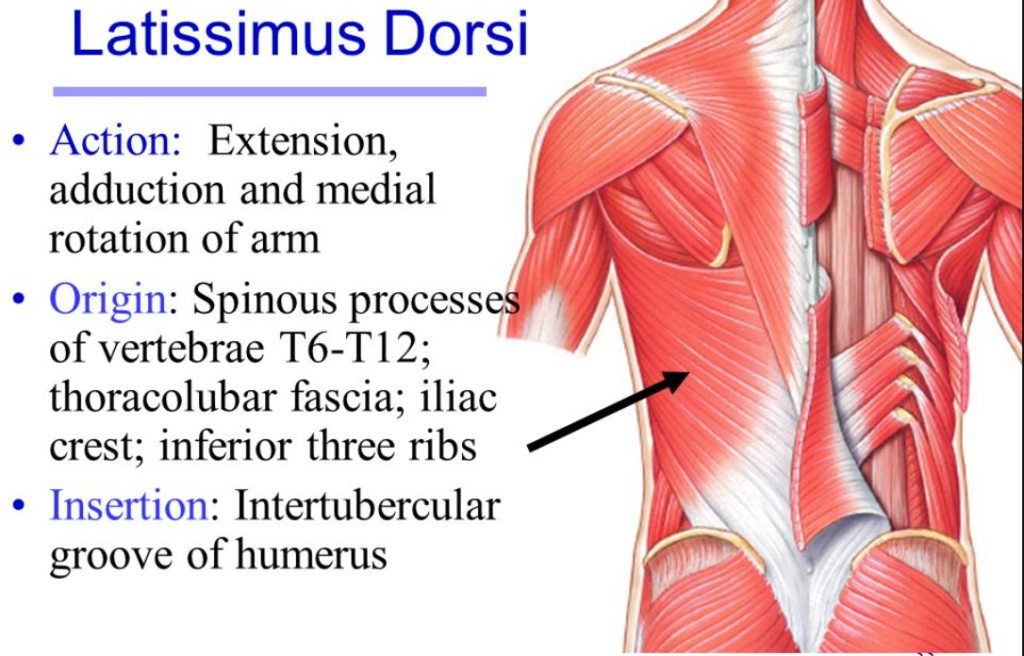
Lat Pulldowns Don’t Train The Lats? Debunking This Dubious Lat Pulldown Claim… Lat Pulldowns It’s In The NAME Claiming that Lat pulldowns don’t train the LATS is quite literally one of the dumbest things I’ve ever heard. Next thing you know we’ll have IG influencers claiming triceps extensions don’t train the triceps, biceps curls don’t train the biceps, abdominal crunches don’t train the abs, and calf raises don’t train the calves (unless you’re me)… This sensationalizing of the ineffectiveness of simple staple NAME SAKE exercises needs to stop. Because the reality is, biomechanics and human anatomy has NOT changed in hundreds of thousands of years. And certainly NOT in our lifetime. But instead of bitching and talking shit about dubious statements like the above, lets break down this incorrect claim with some more context… The “Isolated” Roll of The Lats In isolation, the lat’s textbook action is to adduct, extend and internally rotate the humerus (upper arm bone). If you dive into the anatomical actions of the lats one layer deeper you’ll learn that the lats also play a secondary roll in rotation and stabilization of the torso (upper and lower) along with the pelvis. But the “bro” action that many perseverate on is indeed the action of the upper arm relative to the rest of the body. The so called “isolated” action beloved by bodybuilders and booty chicks alike. But here’s the problem, muscles don’t function in isolation, they function in INTEGRATION. Especially the lats. The Complicated Shoulder Complex As the broadest attaching muscle in the human body, the lats are synergistically tied to the muscles of the upper back complex (comprised of 16 muscles around the shoulder blade) and also the pectoralis complex on the front side of the body. So simply put, in order for the lats to fire and create dynamic movement, the upper back AND the pectoralis groups must also be active playing rolls in dynamic stability and mobility to potentiate the lats to ultimately carry out their primary actions. Unless you’re dead or knocked unconscious and hooked up to electrodes or EMG’s, there truly is NO isolation. Not from a biomechanical perspective, and certainly not from a neuromuscular perspective. The brain is always on, and since the brain controls the body, we will ALWAYS have relative tension, recruitment and potentiation in muscles, especially those that have a local active mover in the vicinity. And since the lats are anatomically tied into the shoulder complex (comprised of 4 synergistic joints and countless muscles that work, overlay and interact together in a myriad of different positions around the most mobile joint in the human body, the glenohumeral joint) there is truly no great argument for lat isolation during training or exercise. So What About The Traditional Lat Pulldown Exercise? Respecting the synergistic nature of the lats, lets take a look at the traditional lat pulldown exercise (the original name sake exercise for lat development) knowing very well that the lats fire in ALL types of lat pulldown variations and derivatives (sorry, it’s just simple science). Trained in a pure vertical plane of motion (as many lat pulldown machines are setup) the shoulder blade’s rotation becomes more apparent and dominant, hence creating increased targeting at the upper back, and slightly less at the lats. BUT the lats are still working. Think of the lats, upper back and pecs “sharing” the load necessary to move a weight throughout a complete range of motion of an exercise. If we need 100% as a total to complete an exercise, that 100% is shared between these 3 key players. To what degree remains the question, and the foundation of this debate. If your goal is to get as strong as possible, then integrating as many muscular movers as possible into the lat pulldown exercise is going to be advantageous. This means bigger grip, more upper arms, and absolutely intense amounts of upper back recruitment to control that free floating shoulder blade on the thoracic cage. But for muscular hypertrophy (AKA bodybuilding), or trying to bring up a weak point or linchpin in the kinetic chain, there would be great benefit to getting MORE out of the lats, and having less recruitment from the other secondary muscular players in the movement itself. NOTE: It’s worth repeating that there no such thing as ISOLATION Making Lat Pulldowns More Lat Dominant Making a traditional lat pulldown more LAT dominant isn’t rocket science, it’s anatomical (and neurological science). Simply use a slightly “off” angle of pull with arms slight out in front of the torso angle to create more targeting at lats, and less at the upper back. And if you want to go one step further, freeing the hands in order to rotate more naturally, or preferentially, having the hands assume a more neutral (palms facing one another) position while incorporating the anteriorly directed plane of motion of the pull, can also reduce the amount of recruitment at the biceps and upper back, theoretically placing more directly over the lats.   In real time execution, this may look like leaning back slightly in traditional lat pulldown machine setups (where the cable is coming from above you and you’re seated with your knees under a pad) OR using a chest supported position on an incline bench with single OR double cables to achieve a more optimal angle of the lats to be the first line of action and the primary targeted musculature of the exercise. With the equipment options available today, there are a million and one different setups that can both target the lats to their full potential in the pull pattern, but also allow the vertical or “off plane” pulling pattern to get as strong as possible (as safely as possible on the shoulders) for training. Don’t be a slave to a single exercise variation, especially lat pulldowns. With the combination of the broad attachment points of the lats, and it’s synergistic relationship with the upper back and shoulder complex, there are

Lat Pulldowns Don’t Train The Lats? Debunking This Dubious Lat Pulldown Claim… Read More »