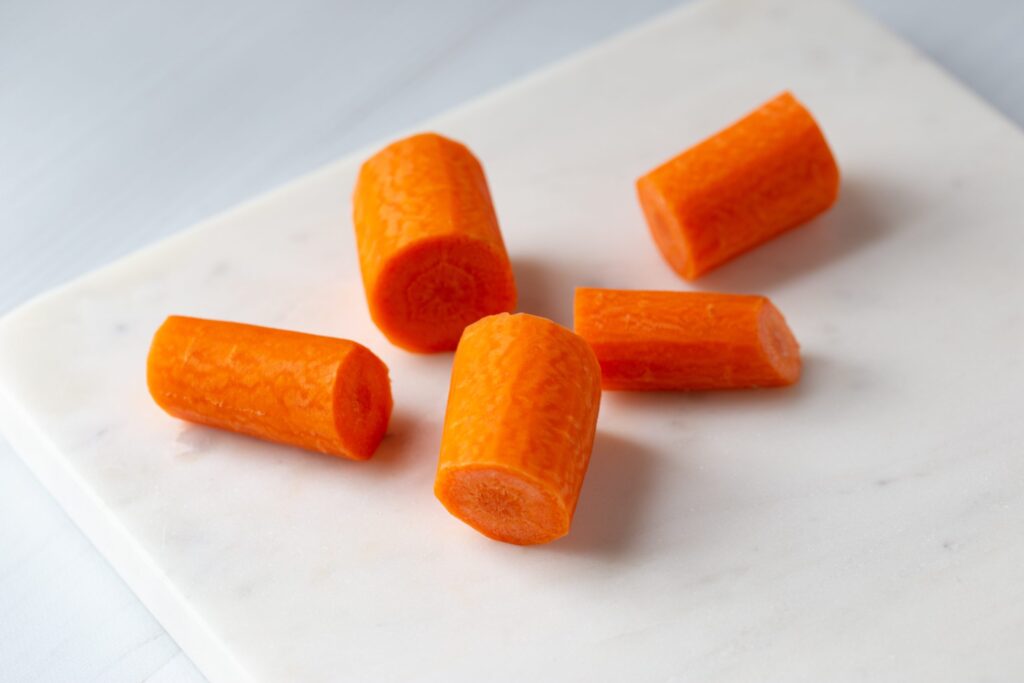
Learn How to Do These 10 Different Knife Cuts and Become a Kitchen Wizard If you spend any time in the kitchen preparing meals, having a basic understanding of the various culinary knife cuts will help you make better food. Many knife cuts are very easy to achieve, and learning to use the right ones will not only improve your results in the kitchen, it will also make you look like a total badass! Don’t be scared off by the term “knife cuts.” It simply refers to the many different ways of cutting and shaping food. In culinary parlance, every shape and size has a different name, so that when reading a recipe, the person cooking will know exactly what to do to. This fancy stuff isn’t just for show. The size and shape of vegetables in a recipe affects the flavor and texture of a dish, and how long it needs to cook. Small pieces cook faster than large pieces and allow several different flavors to be part of the same bite. Large pieces will retain a more recognizable flavor and rustic texture. Using the right knife cut will get all of the pieces to be the same size so they cook evenly. Read This Before You Start Practicing Knife Cuts If you like having fingers, always use a sharp knife that is large enough for the task. A good, sharp chef’s knife is ideal. Dull knives are dangerous; they require significantly more force and can slip easier. Remember to wash or peel the vegetable if needed, and remove roots or stems and any blemishes before you begin cutting. Hold the vegetable that you’re cutting securely against the cutting surface with your fingertips curled inward away from the blade like a claw. Always place the cut side of a vegetable flat against the cutting board for extra stability before making the next cut. Making fancier knife cuts may feel wasteful because it creates a lot of unused vegetable scraps, but don’t toss those out! Freeze them in a plastic bag to use for stocks, or simmer them in broth and puree to make a simple soup. 10 Knife Cuts to Improve Your Kitchen Skills Ready to level up in the kitchen? Use this guide to help you master 10 different knife cuts. 1. Rough chop (aka big chunks) A rough chop is exactly what it sounds like. Hack a vegetable into a few pieces and you’ll be on the right track. Just aim to make the pieces approximately the same size — an inch or two in diameter — so that they cook evenly. It’s so easy, you could do it with your eyes closed (but please don’t!). This knife cut is generally used for vegetables that will flavor stocks or get pureed or mashed, but it can be a game changer for speeding up your time in the kitchen. Rough chop any and all vegetables for roasting, steaming, stews, and chilies. The pieces will be larger, but heartier, and you’ll shave precious minutes off your meal prep activities. 2. Chop (aka the go-to) Smaller than the rough chop, the basic chop is the home cook’s bread and butter, and your go-to knife cut for most recipes. Use it whenever precision, shape, and size don’t matter. For this knife cut, simply cut the vegetable into small pieces of similar size so that a few pieces can fit together on a spoon. The trick to better chopping is to let the shape of the vegetable guide how you cut it. If it’s round like a potato, start by cutting the vegetable into slabs of even width. If it’s long and thin like a carrot, cut it into spears first. If the carrot is thick, cut it lengthwise once more, then cut all the pieces in half. To finish this task quickly and get more uniform pieces, gather the carrot sticks into a bundle and slice them to the desired size. 3. Rondelle (aka coins) This straightforward knife cut yields pretty, round vegetable slices that can be steamed, sautéed, roasted, or eaten raw. The easiest way to cut cylindrical vegetables (like carrots, zucchini, and cucumbers) is to slice them into coins, which in French cuisine is known as a rondelle. (Hence the name of the cut!) To do this, hold a knife perpendicular to the vegetable and make even slices, usually ⅛- to ½-inch thick. 4. Bias (aka coins with flair) Ready to take things to the next level? Give your vegetable coins some extra je ne sais quoi by cutting them on a bias, or diagonal. From a cooking stand point, a bias cut isn’t much different from a rondelle cut. But it does add visual interest, so it’s perfect for when you want to show off a little bit. Plus, it’s pretty easy to do with any cylindrical vegetable. Simply hold the knife at a 45 degree angle to the vegetable and slice. That’s it! 5. Batonnet (aka sticks) Make your veggie tray a thing of beauty with batonnets. These aren’t your grandma’s carrot sticks… unless granny went to the Cordon Bleu. Batonnets are uniform ½-inch by ½-inch by 2½-inch sticks. This is the knife cut to practice first if you want to graduate to more advanced cuts like the dice, julienne, and brunoise since it’s the starting point for all of them. To do this cut, first, remove the top and tail of the vegetable. Then, slice each side to square them off. Finally, cut the vegetable into 2½-inch sticks. If you’re starting with a larger vegetable, like a potato or jicama, square off the round edges, then slice it into ½-inch thick slabs, and then cut each slab into sticks. 6. Dice (aka cubes) If you run into a recipe that call for diced ingredients, this really just means to cut them into cubes. There are a few different sizes of cubes: A large dice, known as a Carré, refers to a ¾-inch cube. A medium dice, or Parmentier, is a ½-inch cube (pictured). A