Food Benefits

Auto Added by WPeMatico

Do Bananas Make You Fat?

Do Bananas Make You Fat? The bashing of bananas has received a lot of attention with articles such as “eating bananas causes weight gain” to “Stop eating bananas for a flatter stomach.” Just when you thought fruit was safe, you’re now being told one of nature’s natural candies can be a threat to your weight. Whoa! Let me start by saying that I, a certified fitness expert, eat a banana every day. If bananas made you fat, I’d be the poster child. So how did this simplistic fruit, grown from the earth and unprocessed, get such a bad rap in recent months? And do bananas make you gain weight? Or are bananas actually good for weight loss? Bananas Won’t Make You Gain Weight Because It’s Not A Processed Sugar The more processed a food is, the more nutrients it loses due to ridding the food of its natural state. Nutrients such as vitamins and minerals are essential for helping the body function on a day-to-day basis. So why would an unprocessed, wholesome food such as a banana be considered “bad for you?” One of the reasons for this type of logic is that bananas contain sugar, and sugar, therefore, makes you bloated, overweight, etc. However, there is a big difference between processed sugars and natural sugar. Processed Sugar Vs. Natural Occuring Sugar I’m happy to shed light on why natural sugars found in fruits like bananas differ from processed sugars and why it’s absolutely okay to include any fruit in a balanced diet. Nutrient Density Fruits are not just a source of sugar; they come packed with essential nutrients such as vitamins, minerals, fiber, and antioxidants. These nutrients play crucial roles in supporting overall health, immune function, and disease prevention. Processed sugars, on the other hand, lack these essential nutrients and are often referred to as “empty calories.” Fiber Content Fruits contain dietary fiber, which slows down the absorption of sugar and helps regulate blood sugar levels. Fiber also promotes satiety, making you feel fuller for longer, which can aid in weight management. Processed sugars, like those found in candies or sugary beverages, lack this fiber, causing a quicker spike in blood sugar levels. Phytonutrients and Antioxidants Fruits are rich in phytonutrients and antioxidants that have various health benefits, including reducing inflammation and protecting cells from damage. These compounds are generally absent in processed sugars, which have been stripped of natural components during refining. Slow Energy Release The natural sugars in fruits are accompanied by other macronutrients like fiber, which slows down the digestion and absorption of sugars. This gradual release of energy helps maintain steady blood sugar levels, providing a sustained source of energy. In contrast, processed sugars can lead to rapid spikes and crashes in blood sugar, contributing to feelings of fatigue and cravings. Gut Health The fiber in fruits also plays a crucial role in promoting a healthy gut microbiome. A balanced and diverse gut microbiota has been linked to various health benefits, including improved digestion and immune function. Portion Control and Whole Food Approach Fruits come in their natural packaging, and it’s relatively easy to consume them in appropriate portions. On the other hand, processed sugars often hide in various foods, making it easier to consume excessive amounts without realizing it. Health Benefits Of A Banana Aa already explained fruit is truly nutrient rich. Bananas in particular contain potassium, fiber, vitamin B6, biotin, copper, and manganese. Fiber The fiber in a banana is naturally occurring fiber, which means you’ll most likely feel more full and satisfied versus consuming a cereal or granola bar containing isolated fiber. Isolated fibers are those added to increase their fiber content but are not naturally found in the foods. Some examples you’ll see on a processed food label are inulin, maltodextrin, and polydextrose. Potassium The potassium in a typical medium banana fulfills around 10 percent of the daily recommended intake for adults. Potassium has been shown to lower blood pressure, sustain muscle mass, regulate your body’s salt intake and preserve bone mineral density. Vitamin B The vitamin B6 in a banana fulfills around 30-35 percent of the daily recommended intake for adults. The benefits of vitamin B include treating anemia, promoting healthy nervous system functioning, producing energy from food, and maintaining healthy skin, eyes, hair, and liver. Vitamin B6 is found in most animal-based products, so for vegetarians and vegans, consuming a banana a day is a great way to attain almost half of the recommended intake. Manganese Manganese regulars blood sugar which jumpstart your metabolism. It’s also good for your skin and produces collagen. Clearly, the nutrients in bananas can nourish your body more than a processed food product. Can You Overeat Bananas? The only thing you need to be aware of is if you’re consuming bananas like a chimpanzee (you consume a large quantity of them daily!) then yes, you will need to be concerned about weight gain. However this goes for any food: if you consume food in large quantities, you’re more likely going to consume more calories than you burn and possibly gain weight from that. Eating in moderation is always the key to a healthy diet! If you choose to consume bananas daily, a general guideline is to consume no more than two per day. Are Bananas Good For Weight Loss? Consuming one banana a day is a great addition to a healthy weight loss plan. In addition to all the nutrients mentioned above, bananas are full of fiber that fiber is what helps keep you full for longer. Studies have shown that eating a diet high in fiber can help with weight loss by up to 30%. Delicious Ways to Incorporate Bananas Into Your Diet Bananas As A Topping Slice bananas and add them on top of cereal, yogurt, smoothies, oatmeal, etc. Banana Nice Cream Peel ripe bananas and freeze them in a plastic bag. Thaw them for an easy homemade banana ice cream using frozen bananas and a food processor. Bananas In Baked

Do Bananas Make You Fat? Read More »
8 Surprising & Real Health Benefits of Celery Juice

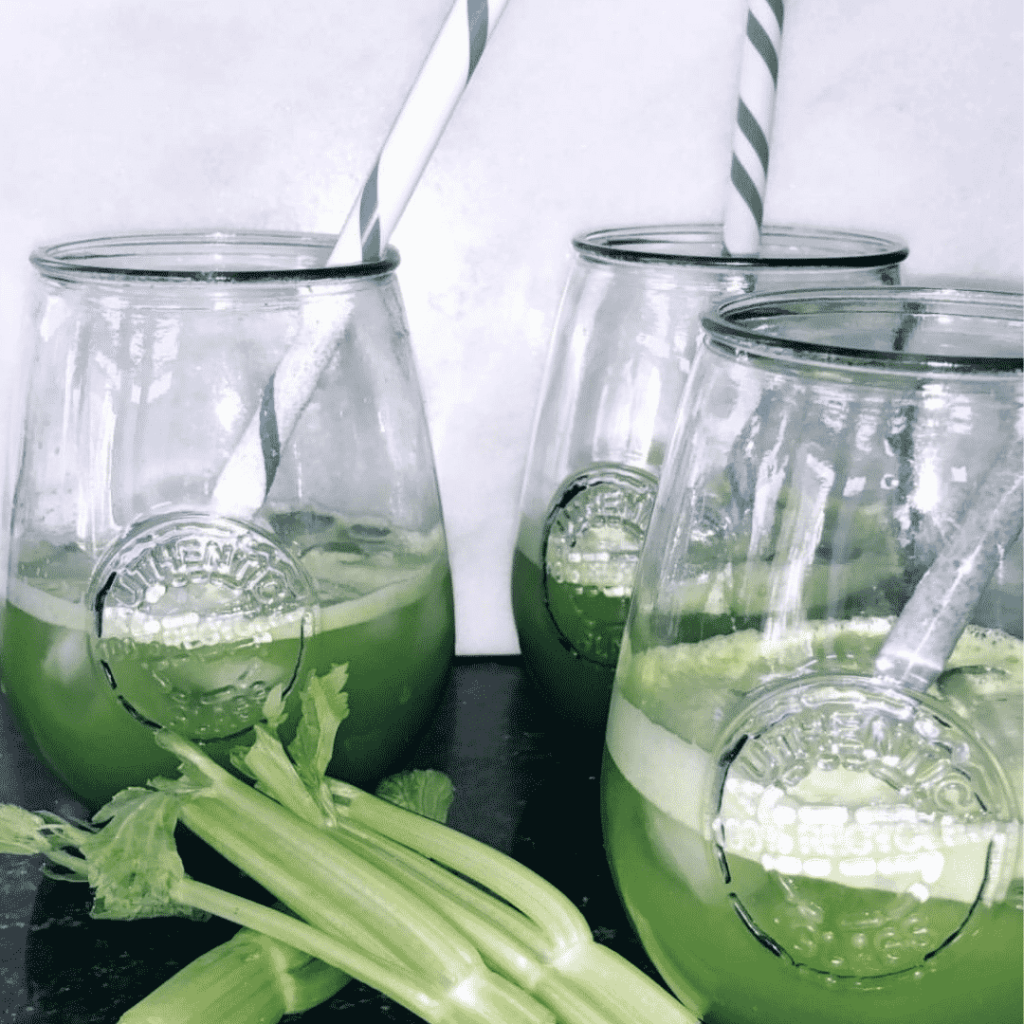
8 Surprising & Real Health Benefits of Celery Juice Are health benefits from celery juice really worth the hype? We explain how this nutrient-dense food can improve your health! It’s easy to think of celery stalks as a low-calorie diet food, but it’s so much more than that. Celery is a powerful food packed with anti-inflammatory properties that offer a wealth of health benefits. And celery juice is the trendiest best way to get your dose. We’ll cover where the celery juice craze started, and how it could actually help you feel better.  Is a cup of celery juice really worth adding to an already balanced diet? Read about these health benefits first, and then you tell us! PS. If you’d love to learn more about juicing in general, check out my juicing recipes and tips for beginners guide to get started. What Is Celery Juice? Celery juice is exactly what it sounds like. It’s the liquid content of a piece of raw celery.  In other words, a stalk of celery in juice form. When it comes to celery juice, think of it as electrolytes in the form of green juice. Celery is made up of mostly water, hydrating the body at a cellular level. The most common way to make celery juice is by using a juicer. When you add the whole celery to the juicer it squeezes out any liquid content, and that’s what you end up drinking. You can also complete the juicing process by using a high-speed blender and a fine strainer like a mesh sieve or nut milk bag. Those will help you remove the pulp. But honestly, it’s easiest to use a juicer! Why Is It So Popular? The Medical Medium, Anthony Williams, actually started the movement of drinking pure celery juice years ago. And let’s just say, social media ran with it. But when you see nutritional benefits like these, you can’t really blame everyone for jumping onboard! Williams claims drinking cold-pressed celery juice in the morning can improve gut health, weight loss, acne, and even flush out viruses. Since then additional research has rebutted some claims, and reinforced others.  There has been research on alzheimer’s disease, cancer cells, heart disease, chronic inflammation, and overall health.  For example, other research suggested that celery juice can help control blood pressure and act as an anti-inflammatory, but doesn’t necessarily lower cholesterol, prevent digestive disorders, promote clear skin, or aid in weight loss. No matter which research you find most compelling, celery juice is popular because it’s nutritious and a powerful anti-inflammatory food. Anti-inflammatory foods are rich in nutrients and have common benefits like lowering blood pressure, improved mental health, improved cognitive function, and relief from other chronic issues. We recommend incorporating healthy anti-inflammatory foods into your diet whenever you can! The Best Time of Day to Drink Celery Juice It is recommended to drink celery juice right away in the morning on an empty stomach. After consuming 8 to 16 ounces of celery juice, it’s best to let the juice digest for at least 30 minutes. Keep in mind, celery juice is not high in calories. Celery juicing creates a healthy drink, not a meal. After the digestion period, it’s important to eat a substantial breakfast in order to power through the day. Drinking celery juice first thing in the morning on an empty stomach has been shown to strengthen the digestion of other foods that you eat throughout the remainder of the day! This nutrient-packed drink aids in gut health and by consuming it at the start of your day, it allows your stomach to start out on the right foot. If you are unable to consume your celery juice first thing in the morning, however, you can also drink it about 15 to 30 minutes before a meal or 30 to 60 minutes after eating a light snack. You simply want to drink it with as little food in your stomach as possible in order to reap the most benefits. Vitamins and Minerals in Celery Juice While seen by some as just a low-calorie “diet food” celery actually comes with tons of powerful nutrients too. Celery is a great source of powerful antioxidants, which help protect cells, blood vessels, and organs. It’s also packed with essential nutrients and has vitamin A, vitamin K, vitamin C, potassium, folate, magnesium, iron, sodium, beta carotene, and flavonoids. Celery is a great source of phytonutrients, which can help reduce inflammation. There are at least 12 kinds of antioxidant nutrients found in a single stalk of celery. Who would have thought?! 8 Health Benefits of Drinking Celery Juice So let’s get to it. With some conflicting research, is celery juice really that good for you?  While we can’t promise any particular results, we can share some of the best health benefits of celery juice that we’ve either experienced ourselves, or are common accepted. Depending on your specific body or health conditions, your reaction may vary from ours, or other regular drinkers. These are some of the most common health benefits from drinking celery juice. Anti-Inflammatory Action Celery is filled with antioxidants. These have anti-inflammatory, antibacterial and anti-viral properties. Two antioxidants in particular, polyphenols and flavonoids, act as anti-inflammatory agents in the body. The anti-inflammatory properties found in celery juice are said to help with inflammation issues such as acne, bloating, constipation, IBS, and more. Aids In Digestion Many of us are all too familiar with the feeling of bloating, indigestion, acid reflux, and even constipation. These uncomfortable sensations are caused by low stomach acid. This is where celery juice comes in! The natural sodium found in celery (yes, there is sodium in celery!) stimulates the production of stomach acid, and when consumed first thing in the morning, it helps aid in digestion for the remainder of the day. Some even say celery juice works like a natural laxative by relaxing nerves that could have previously been damaged by an unhealthy lifestyle.  How we prep our stomach to digest foods throughout the day is extremely important in helping keep unpleasant

8 Surprising & Real Health Benefits of Celery Juice Read More »

Top 20 Best Anti-Inflammatory Foods Your Diet Needs

Top 20 Best Anti-Inflammatory Foods Your Diet Needs The best anti-inflammatory foods can provide major health benefits for your immune system. By simply incorporating more of these nutrient-dense foods into your diet, you can help avoid chronic inflammation, inflammatory diseases, and other health conditions. Whole foods with anti-inflammatory effects can make a lasting impact on the quality of your life. We all know that a healthy diet can vastly improve how we feel, how often we get sick, and even our weight loss journey. But do you know exactly which types of food have medicinal properties, and which ones are doing the most harm to your overall health? Certain foods cause inflammation in the body, and can cause issues like autoimmune diseases, metabolic syndrome, acute inflammation, and other types of immune response. Other foods have powerful antioxidants and anti-inflammatory compounds that actually help your body.  We’re going to explain what inflammation is, how it impacts the body, which foods to avoid, and which foods to eat for a healthier life. Table of contents What Is Inflammation? Common Symptoms of Inflammation Foods That Cause Inflammation Benefits of Anti-Inflammatory Foods Top 20 Anti-Inflammatory Foods Berries Citrus Fruits Turmeric Ginger Garlic Green Tea Dark Leafy Green Vegetables Almonds Walnuts Fatty Fish Olive Oil Seeds Beans Avocados Tomatoes Broccoli Peppers Grapes Cherries Dark Chocolate Anti-Inflammatory Diet for Weight Loss Sample Anti-Inflammatory Diet Plan Breakfast Lunch Dinner Snacks What Is Inflammation? When our bodies encounter something foreign like viruses, bacteria, toxic chemicals, or an injury, it activates our immune system. In response to the alarm, your immune system sends off inflammatory cells to fight the good fight. This is an inflammatory response. These cells try to trap any outside offenders and heal any injured tissue. On the external side, this might look like pain, swelling, bruising, or redness. So you can see, we need the inflammatory response to heal. It’s an important part of our immune system and overall health. However, when inflammation doesn’t go away, we need to start paying attention. Chronic inflammation is when your body continues to send inflammatory cells when there is no reason to. Chronic inflammation has been linked to Alzheimer’s disease, asthma, cancer, heart disease, Rheumatoid arthritis (RA), and Type 2 diabetes. Autoimmune disorders, exposure to toxins and untreated acute inflammation can all lead to chronic inflammation. There are also some lifestyle factors that may increase your levels of inflammation. Drinking excess alcohol, a high BMI, chronic stress, and smoking can all impact inflammation. Common Symptoms of Inflammation The most common symptoms of acute inflammation are: Flushed skin at injury site Pain and tenderness Swelling Heat The most common symptoms of chronic inflammation include: Abdominal pain Chest pain Fatigue Fever Joint pain Mouth sores Foods That Cause Inflammation Just like anti-inflammatory foods can add to your foods, there are also foods that actually make it worse. These are the most common foods that cause inflammation. While you’re adding the good nutrition to your diet, you’ll want to avoid the bad stuff too. Foods that cause inflammation often have ingredients that are tough to digest and process. This can confuse your body and create an inflammatory response. Try your best to avoid these common inflammatory foods: Processed foods White bread Pastries Friend foods Snacks (chips, cookies, crackers) Soda Red meat Processed meats (lunch meats, hot dogs, bacon, cured meats) Margarine Shortening Lard Highly processed seed oils Benefits of Anti-Inflammatory Foods An anti-inflammatory diet will support your immune system by giving it the nutrient rich ingredients it craves. Adding healthy vitamins, minerals, omega-3 fats and anti-oxidants can have a major positive impact on your health. Some of the most common benefits of anti-inflammatory foods are: Lower blood pressure Better mental health Improved cognitive function Chronic issue relief Top 20 Anti-Inflammatory Foods Naturally anti-inflammatory foods can help your body stay healthy. Adding these foods to your diet can have both immediate and long term impacts on your quality of life. Here are the top foods that fight inflammation. Berries Berries aren’t just beautiful in color; they’re incredibly good for you, too. Of all fruits, they’re packed with the most antioxidants and anti-inflammatory properties. Choices like strawberries, blackberries, cranberries, and blueberries have amazing vitamins, minerals, fiber, and polyphenols. Citrus Fruits Berries aren’t the only fruit with great anti-inflammatory benefits. Citrus fruits like oranges, grapefruits, lemons, and limes have powerful levels or vitamin C, giber, potassium, calcium, B vitamins, copper, and anti-inflammatory phytochemicals like flavonoids and carotenoids! Turmeric Chinese and Ayurvedic medicine incorporates herbs and spices into their practices regularly as a means to treat a variety of ailments, including inflammation. Turmeric has compounds with anti-inflammatory and antioxidant effects. It’s even been known to control inflammation, pain, and upper respiratory infections. To learn more check out the five health benefits of turmeric. Ginger Ginger has so many healing properties. When taken as a supplement it reduces inflammation in the intestines, and it also aids with digestion. Ginger is known to treat a wide range of diseases with anti-inflammatory responses. Ever since I learned about these amazing health benefits I’ve started more and more ginger into my cooking at home. Seeking out herbs that support a healthy inflammation response can truly help support your whole body and relieve occasional pain. Garlic Garlic is loved by many for it’s high nutrition and low caloric levels. But it also offers great anti-inflammatory benefits. Garlic contains diallyl disulfide, an anti-inflammatory compound. If you have sore or inflamed joints and muscles, you can even rub them with garlic oil. Garlic also helps with fighting off common colds and high blood pressure. Green Tea If you love a little green tea as part of your morning routine, you’re in luck! Green tea is packed with antioxidants called catechins, and they reduce inflammation. It has even been known to reduce inflammation-driven conditions like heart disease, Alzheimer’s and certain cancers. Keep in mind green tea has lots of natural caffeine too. This drink is best suited for morning-time so you don’t disrupt any sleep patterns. Dark Leafy Green Vegetables Studies have linked vitamin

Top 20 Best Anti-Inflammatory Foods Your Diet Needs Read More »

21 Healthy Quinoa Recipes You’ll Want to Make ASAP

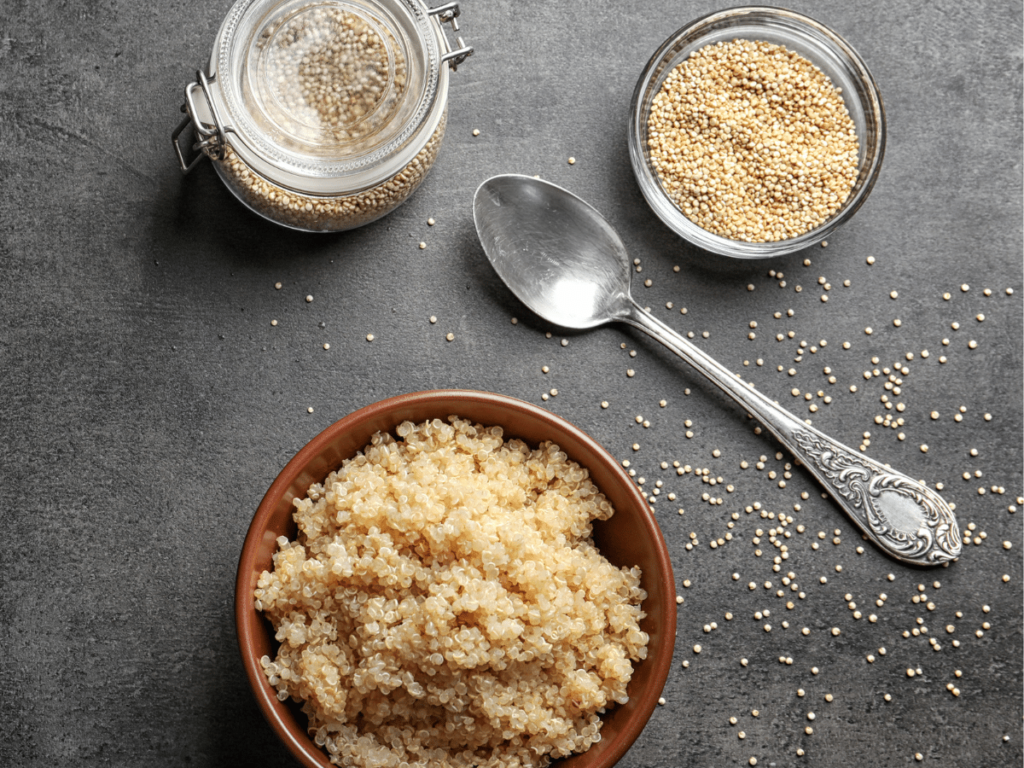
21 Healthy Quinoa Recipes You’ll Want to Make ASAP On the hunt for the best quinoa recipes? We don’t blame you! Quinoa—an edible seed and plant-based protein—is known for being a nutritional powerhouse and easy to incorporate into any meal needing a healthy boost.   And here’s a fun fact: although technically a seed, quinoa is classified as a whole grain. One cup of cooked quinoa offers around 8 grams of protein and 5 grams of fiber. Here, we’ll take a look at some key quinoa benefits, followed by our favorite recipes for a healthy quinoa meal you can make any time of the day! The Benefits of Quinoa Looking for a good reason to eat quinoa? It has plenty! Here are some of the biggest quinoa benefits to keep in mind: It’s Packed with Protein and Fiber Quinoa is considered a complete protein, meaning it contains all nine essential amino acids that our bodies can’t make on their own—which is a pretty big deal in the protein world! Unlike some other grains, quinoa also contains lysine, an essential amino acid typically found in sports supplements marketed toward those looking to add lean muscle. Lysine has also been said to strengthen the immune system and increase serotonin levels.  Moreover, quinoa is high in fiber, which is great for your digestive health! Some scientists have even found that the fiber in quinoa is linked to a longer life.  Related: Collagen Protein vs. Whey Protein: Differences and Benefits It’s a Source of Antioxidants Antioxidants help reduce inflammation in the body and may also help prevent cell damage from free radicals, which can cause conditions such as cancer and cardiovascular disease. Quinoa also contains quercetin and kaempferol, two flavonoids known to have anti-inflammatory, anti-viral, anti-cancer, and anti-depressant effects. It’s Perfect For a Plant-Based or Vegan Diet Since quinoa contains all nine essential amino acids, it’s an ideal protein choice for those looking for nonanimal sources. It is also a great source of nutrients such as iron, zinc, magnesium, folate, and vitamin B1. (All of the good stuff!) It’s Low in Sugar Quinoa is low in sugar and carbohydrates, which is helpful for anyone trying to prevent or manage diabetes. It also has a low glycemic index, which measures how rapidly certain foods raise blood sugar levels.  Foods high on the glycemic index are known to cause hunger and can lead to obesity and chronic diseases like type 2 diabetes and heart disease. Is Quinoa Gluten-Free? Yep, quinoa is gluten-free! If you suffer from celiac disease or choose to follow a gluten-free diet, quinoa is a great option.  Even better? Studies have found that opting for quinoa over typical gluten-free ingredients such as refined tapioca, potato, corn, and rice flour, can significantly boost the amount of nutrients and antioxidants you get in your diet. Quinoa Breakfast Recipes Let’s start your day off right with these healthy breakfast ideas using quinoa! 1/21 – Rise and Shine Breakfast Quinoa  Photo Credit: Get Healthy U Rise and shine with this sweet and energizing quinoa breakfast recipe from Get Healthy U! All you need is some quinoa, vanilla almond milk (or milk of your choice), a sprinkle of cinnamon, and some fresh berries for a delicious and energizing start to your day.  Go To Recipe Related: What 8 Fitness Experts Really Eat For Breakfast 2/21 – Turkish Egg and Quinoa Breakfast Bowl Photo Credit: Half Baked Harvest This savory yet healthy breakfast from Half Baked Harvest uses some pretty amazing ingredients: Greek yogurt, fresh herbs and garlic, poached eggs (or eggs cooked to your liking), quinoa, sun-dried tomato pesto, spinach, avocado, and goat cheese. The best part? You can make most of the components in advance (score one for meal prep!) or use hard-boiled eggs for quick assembly in the morning. Go To Recipe 3/21 – Strawberry Quinoa Pancakes Photo Credit: Recipe Runner For a healthier twist on pancakes, Recipe Runner offers up a delectable strawberry quinoa option that brings a new level of texture and nutrients! They’re made in a similar manner to traditional pancakes, but the added quinoa gives you that much-needed protein boost to power your day. Go To Recipe 4/21 – Blender Blackberry Quinoa Cakes Photo Credit: Cotter Crunch Who doesn’t love a good blender option—especially when you’ve just rolled out of bed? Cotter Crunch delivers a blackberry quinoa cake recipe that’s super easy to make and packed with fiber and protein.  These breakfast cakes are bursting with flavors of blackberry, honey, and vanilla. As a bonus, they are dairy-free with no refined sugar, oil, or butter. Go To Recipe Quinoa Snack Recipes Craving a quick quinoa fix? Here are the perfect quinoa snack recipes:  5/21 – Crunchy Quinoa Snack Bars Photo Credit: That Vegan Babe These quinoa snack bars from That Vegan Babe are no-bake, need just five ingredients, and take 10 minutes to make!  Make them using puffed quinoa (which she shows you how to make yourself), chocolate-flavored powdered peanut butter, maple syrup, coconut oil, and almond milk. Go To Recipe Related: 15 Best Healthy Late-Night Snacks For Weight Loss 6/21 – Cheesy Veggie Quinoa Bites Photo Credit: Cupcakes & Kale Chips There are only four ingredients in these gluten-free cheesy quinoa bites from Cupcakes and Kale Chips! While they’re great for picky toddlers, they’re also ideal for any adult looking for a healthy, filling snack.  Just grab some quinoa, your choice of veggies (really anything you have on hand!), cheddar cheese, an egg, a little salt, and voila! A quick recipe for the perfect cheesy quinoa snack. Go To Recipe 7/21 – No-Bake Peanut Butter Quinoa Energy Balls Photo Credit: Eat Yourself Skinny Introducing your new favorite grab-and-go snack! You’ll definitely enjoy getting a burst of energy from these nutritious and filling no-bake peanut butter quinoa energy balls from Eat Yourself Skinny. This simple recipe calls for rolled oats, shredded coconut, raisins or cranberries, sunflower seeds, and, of course, peanut butter.  Go To Recipe Quinoa Salad Recipes Sometimes you just need

21 Healthy Quinoa Recipes You’ll Want to Make ASAP Read More »