Which Vitamins Are Most Important for Athletic Performance?
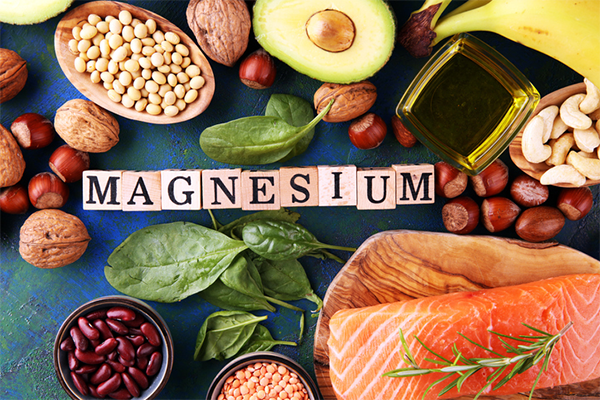
Which Vitamins Are Most Important for Athletic Performance? If you want to know what the best vitamins for athletes are, it helps to know what makes one more important for athletic performance than another. Because, as much as it has to do with a vitamin’s function, it also has to do with: How exercise impacts the body’s supply of it. How hard the vitamin is to get in a normal diet. How its recommended daily intake is decided. That third factor highlights the difference between the amount of a vitamin you need to avoid deficiency and the amount required to optimize athletic performance. “The recommended levels of vitamins and minerals are meant to serve the needs of the entire population,” says BODi Principal Scientist Paul Falcone. “However, different people — especially athletes — have different needs, and research has shown safety and efficacy when consuming certain vitamins at levels much higher than recommended.” So, it’s not simply a matter of deficiency — though even a marginal one can lead to a decrease in your body’s energy production and performance. For athletes and others who exercise frequently, research indicates there are a few vitamins and minerals that are 1. Important for performance, 2. Overlooked, and/or 3. Disproportionately utilized during intense athletic activity. Let’s review them. Magnesium Magnesium is an essential mineral that helps with hundreds of important functions, including protein synthesis, nerve conduction, and muscle contraction. But research suggests nearly half of us don’t get enough of it, which is reason alone to add more to your diet. Less publicized among magnesium’s many duties, however, is its role in bone health. “Magnesium is essential for strong bones as it actually helps provide them structure,” Falcone says. “However, bones also serve as magnesium storage for other parts of the body. Therefore, consuming magnesium is important to serve the needs of the whole body and to support bone mineral density, which is the measure of bone strength.”* When it comes to exercise performance, a review of research found that the need for magnesium increases the more physical activity you perform. There are several reasons for this: It plays a key role in the stabilization of ATP (the body’s source of energy) in the body, as well as muscle recovery and muscle cramp prevention. It’s lost in sweat. As with co-electrolytes sodium, potassium, and calcium, magnesium is expelled when the body perspires. It’s found in foods that people eat the least. Unlike sodium, potassium, and calcium, which are more readily available in the American diet, magnesium exists at its highest concentrations in more obscure foods like Brazil nuts and pumpkin seeds. This is why Beachbody Performance Hydrate has a higher amount of magnesium than other competing products. Iron Reduce aerobic fitness to its simplest definition and it’s the efficiency with which the body delivers oxygen to working tissues. That oxygen travels via hemoglobin, a transport protein which contains a binding site called “heme,” at the center of which is iron. Iron deficiency — although confined disproportionately to certain female and ethnic populations and those with specific disorders — is the most prevalent nutritional deficiency in the U.S. Furthermore, iron is harder than many other minerals to get in the diet, especially for vegans and vegetarians, since the most bioavailable form of it is found in red meat, poultry, and seafood. “Dietary iron comes in different forms, with the type found in plant foods being more difficult to absorb,” Falcone says, noting that “vitamin C can help improve the body’s ability to absorb iron from plant foods.” So it’s important to not only ensure you consume enough iron, but that you also consider its sources and whether enough of it is ultimately being absorbed. Vitamin D Data suggests a majority of Americans have suboptimal levels of vitamin D often because it’s difficult to get from food. (Good sources include fish like salmon, tuna and sardines, mushrooms, and fortified foods like milk, orange juice, and cereal.) “While sunlight is a great way to get vitamin D, sun exposure can be minimal during certain times of the year and also depends on latitude,” Falcone says. “Supplementation may provide an easy way to ensure you’re getting sufficient amounts of vitamin D year round, no matter where you live.” Vitamin D helps your body absorb and maintain proper blood levels of calcium. More importantly, sufficient levels of Vitamin D are linked to cardiovascular function, cognitive health, and immune health.* Other High-Performance Vitamins Above are the primary vitamins and minerals your body needs if you train regularly, but there are also several other vitamins you should prioritize, including: Vitamins B-1 through B-3 play a central role in the conversion of food to energy in the body.* Vitamins B-6 and B-12 help your body make red blood cells and promote proper nerve function.* Biotin plays a key part in metabolism in addition to supporting healthy skin and hair.* Folate (folic acid) is essential for DNA production.* *These statements have not been evaluated by the Food and Drug Administration. This product is not intended to diagnose, treat, cure, or prevent any disease. The post Which Vitamins Are Most Important for Athletic Performance? appeared first on BODi. If you want to know what the best vitamins for athletes are, it helps to know what makes one more important for athletic performance than another. Because, as much as it has to do with a vitamin’s function, it also has to do with: How exercise impacts the body’s supply of it. How hard the […] The post Which Vitamins Are Most Important for Athletic Performance? appeared first on BODi. Jordan Burchette{authorlink}https://www.beachbodyondemand.com/blog/vitamins-for-athletesBODi BODi is a Health Esteem platform to help you embrace the person you are today so you can take action to achieve all your health and fitness goals. https://bodiblog.wpenginepowered.com/wp-content/plugins/bod-blog/assets/vendor/beachbodydigital/wordpress-core-plugins/beachbody.png
Which Vitamins Are Most Important for Athletic Performance? Read More »