8 Best Core Exercises for Seniors to Build Strength
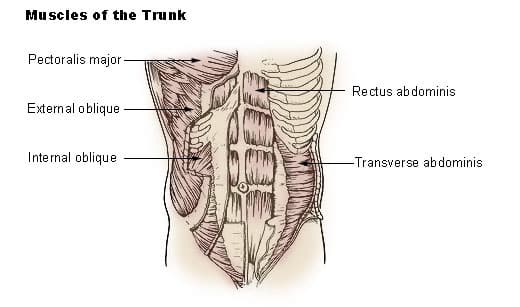
8 Best Core Exercises for Seniors to Build Strength Discover easy and effective core exercises for seniors to enhance strength and stability. Perfect for safe, at-home workouts. Get started today! Ab workouts aren’t limited to athletes and the under-30 crowd. As a matter of fact, seniors rank as one of the top groups who should be doing core strengthening exercises on a regular basis. As we age, it’s important to maintain our physical health and fitness level, and core exercises are a great way to achieve that. Your core encompasses your ab muscles as well as your back muscles. Not only do these exercises help build overall strength, but they also improve balance and stability, reduce lower back pain, and enhance good posture. And no, I’m not just talking about crunches and sit-ups! In this article, I will explore the best core exercises for seniors to help build strength, and improve overall stability, that are perfect for performing at home. What Is Your “Core”? The “core” is more than just the visible ab muscles you see on display in popular fitness magazines. It’s made up of all the muscles in your trunk, which assist in nearly every movement you make. Photo Credit: http://www.jointventurespt.com/ Key Core Muscle Groups Glutes: The meaty muscle in your buttocks is called the gluteus maximus, and it helps propel you from seated to standing, power up a flight of stairs, and walk around the block. You also have the gluteus medius, which is a smaller muscle on either side of your buttocks that helps keep you steady while you stand, walk, or jog. Rectus abdominis: The rectus abdominis is the main “six-pack” muscle that runs from your rib cage to your pubic bone. It primarily works to flex or bend your trunk. Obliques: The obliques are made up of a pair of external oblique muscles — one on each side of your trunk — and a pair of internal oblique muscles, which are located just below the external obliques. Together, these muscles twist and bend your trunk from side to side. Transverse abdominis: The transverse abdominis is your deepest ab muscle. It helps with breathing and works to stabilize your pelvis and low back. You also have your pelvis, low back, hips, and psoas muscles that make up the core body. They help to bend and straighten the spine and keep it stable during activity, as well as connect your legs to your trunk. Keep reading to see my favorite core exercises for seniors that will target all of these muscle groups! Why Core Exercises for Seniors Matter Core exercises are essential for seniors because they offer numerous benefits that improve overall health and wellness. By engaging in core exercises regularly, seniors can build strength, endurance, and stability, which are all crucial for maintaining an active and independent lifestyle. A few key benefits of core exercises for seniors include: Improves Posture and Reduces Back Pain Whether you’re moving or sitting still, your core muscles are in charge of keeping you upright. When these muscles are weak, we tend to slouch, causing back discomfort and pain. Improving your core strength will keep your trunk upright and slouching at a minimum, which eases back pain over time. If back pain is one of your issues, check out these simple back strengthening exercises for seniors, and my guide to using exercises to relieve back pain! Helps With Everyday Activities Strong core abdominal muscles make it easier to do the daily activities many of us take for granted, like walking up and downstairs, bending down to tie our shoes, and getting out of bed in the morning. If you enjoy sports, core strength will help you swing a golf club, run a 5K, and swim laps more easily. Improves Balance and Coordination Many of your core abdominal muscles work to keep you stable while sitting, standing, and walking. When these muscles are strong and healthy, they’re better able to do this all-important job, which allows you to maintain balance and coordination without much thought. How Long Will It Take to Strengthen Your Core As A Senior? The amount of time it will take you to strengthen your core muscles depends on how strong your core is, to begin with. Core strength training should be a part of your weekly exercise routine. Make sure to aim for multiple repetitions a week for overall health. A strong core takes time to build but will give you balance and stability for those daily activities you love to do. Safety Tips for Seniors When Doing Core Exercises As we age, we become more susceptible to injuries, especially during physical activities. When performing a core focused exercise program, it’s essential to prioritize safety and take precautions to prevent accidents. Here are some safety tips and crucial guidelines for seniors to follow when doing these core exercises: Proper Form One of the most crucial aspects of any workout is proper form. Seniors should take time to learn the correct way to do lower abdominal exercises to prevent injuries. Engage the core muscles, keep the back straight, and avoid straining the neck during any movement. Breathing Techniques Seniors should utilize proper upper body breathing techniques during core exercises. Inhale deeply before starting the movement and exhale through the mouth slowly, engaging the core muscles during the exhale. Breathing techniques can ensure proper oxygenation and prevent dizziness, crucial for seniors. Warm-up Exercises Prior to starting any workout, it’s crucial to perform warm-up exercises, especially for seniors. Gentle stretches of the back, neck, and legs are essential to loosen up muscles and prevent injuries. Warm-up exercises also prepare the body for the actual workout and improve overall blood circulation. Modifications as Needed Lastly, seniors should always be mindful of their physical limitations and make necessary modifications during core exercises. Seniors with limited mobility can perform seated core exercises or use stability balls to ease the pressure on the back. If any exercise causes pain or discomfort, seniors should
8 Best Core Exercises for Seniors to Build Strength Read More »
