
If Menopause Is Making You Gain Weight, Try These 7 Supplements
Menopause—typically diagnosed after you’ve gone 12 months without a period—can occur in your 40s or 50s, but the average age is 51 for women in the United States.
For many women, menopausal weight gain is a real issue. The silver lining? It’s normal! But with the right diet, lifestyle, and menopause supplements, it doesn’t have to be.
What Causes Weight Gain During Menopause?

Factors that contribute to menopause weight gain include:
- Hormones
- Age
- Genetics
- Lifestyle (active vs. sedentary)
The biggest culprits for menopausal weight gain are genetics and a change in metabolism. During menopause, the loss of estrogen and progesterone that occurs creates metabolic changes in the body, including decreased muscle mass. This leads to fewer calories burned, which means the potential for more body fat.
Can Menopause Affect Your Body Shape?

Unfortunately, yes—menopausal weight gain may affect your body shape. Research shows that weight gain during menopause can cause significant shifts in body composition. You are also more likely to gain belly fat, leading some women to transition from a pear-shaped figure to an apple-shaped figure.
The good news? You can get rid of it! Along with a healthy diet and staying active, we’ve rounded up the seven best supplements to try if menopause is causing weight gain.
1. Vitamin D

Mounting studies show that vitamin D can aid in weight loss. Research has found that those with higher body fat tend to have lower blood levels of vitamin D compared with those of a healthier weight.
Vitamin D comes with an array of other benefits, including:
- Keeping your immune system healthy
- Maintaining strong bones and teeth
- Helping your body absorb calcium and phosphorus
- A decreased risk of colorectal and bladder cancer
It is recommended for people 50 to 70 years old to get 15 micrograms daily (600 IU) daily, and those over 70 should get 20 micrograms daily (800 IU). Some may take 5,000 IU or more daily, depending on deficiency levels and how their bodies absorb vitamin D.
2. Calcium

Calcium is known as the bone health super vitamin. With age (and menopause) comes the breaking down of bone tissue faster than it can be built, which makes this mineral vital for maintaining the normal functioning of muscles and nerves.
Because menopause leads to increased bone loss, menopausal women are more at risk of developing osteoporosis. But there’s good news: research suggests that higher calcium intake, in addition to vitamin D, may be associated with lower body weight and better metabolic health.
The daily recommended calcium intake for women over 50 years of age is 1,200 milligrams.
3. Magnesium
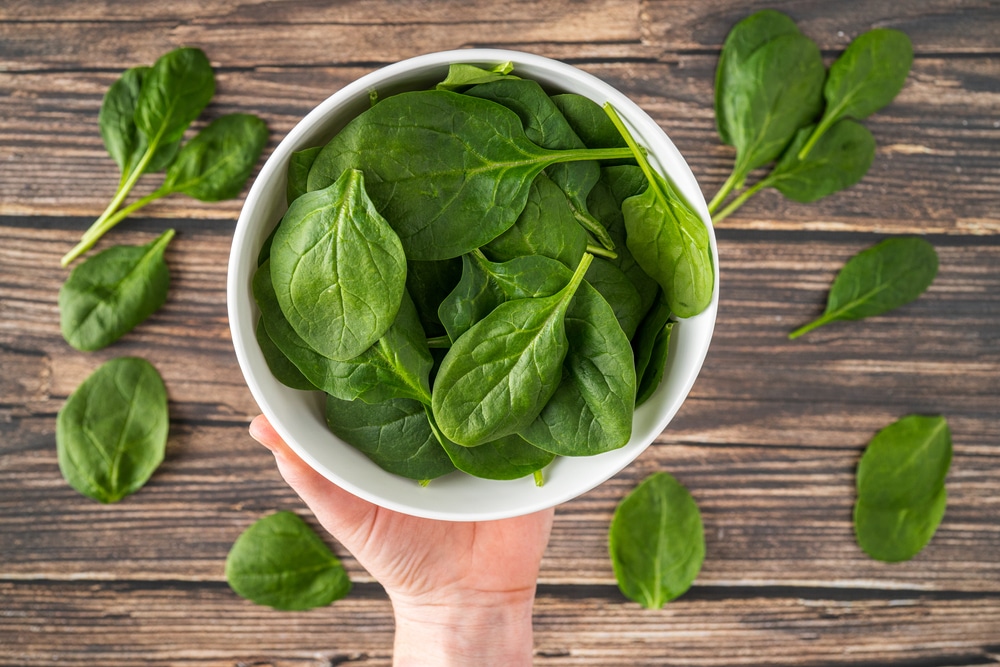
Do you suffer from leg cramps, fatigue, migraines, sleep issues, weakness, nausea, or loss of appetite? If you have one or more of these symptoms, you could be suffering from magnesium deficiency.
During menopause, magnesium helps keep your bones strong and combats your increased risk of osteoporosis. It can also improve sleep, support heart health, and reduce your risk of depression.
Three of the most common types of magnesium taken as supplements include:
- Magnesium Glycinate: Helps with high blood pressure, type 2 diabetes, migraines, bone health, serotonin levels, and depression
- Magnesium Oxide: Can be used for heartburn, sour stomach, acid indigestion, and constipation
- Magnesium Citrate: Commonly used as a short-term laxative
Research shows that higher magnesium intake helps better control insulin resistance and glucose blood levels—two factors that can contribute to weight gain.
The recommended daily magnesium intake for women over 50 years of age is 320 milligrams.
4. B Vitamins
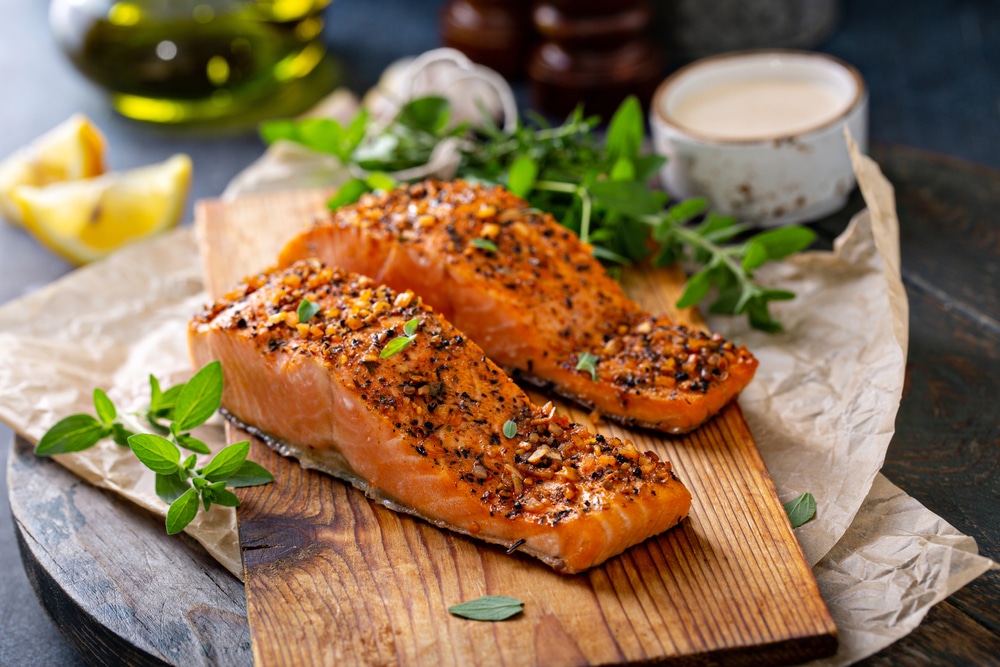
B vitamins are water-soluble, incredibly powerful, and full of health benefits—especially during menopause!
For menopausal women, studies have shown great benefits from vitamin B intake. Here are some of the findings:
- Vitamins B6 and B12 may help support cognitive function, decrease your risk of dementia, and improve bone mineral density.
- Vitamin B6 may lower the risk of depression in older adults, including those going through menopause.
- Vitamin B9 (also known as folate) may help reduce the frequency and severity of hot flashes.
As for menopausal weight gain? Some studies suggest adequate vitamin B12 levels may be associated with a lower risk of weight gain and obesity.
The daily recommended B12 intake for women over 50 is 2.4 micrograms.
5. Collagen

As one of the body’s main building blocks, collagen makes up about 30 percent of your total body protein and 70 to 80 percent of your skin. Collagen supports skin elasticity while keeping it supple and firm. It also makes your nails strong and shiny.
Unfortunately, your skin loses about 30 percent of its collagen during the first five years of menopause. Taking a collagen supplement is a great way to counter this loss.
And here’s the kicker: collagen may help relieve joint pain (thus keeping you more active) while helping you feel fuller and eat less—two essential ways to improve weight loss.
Your daily collagen intake ranges from 2.5 grams to 15 grams, depending on your supplement. It is important to pay careful attention to the instructions and recommendations on your supplement label.
6. Omega-3s
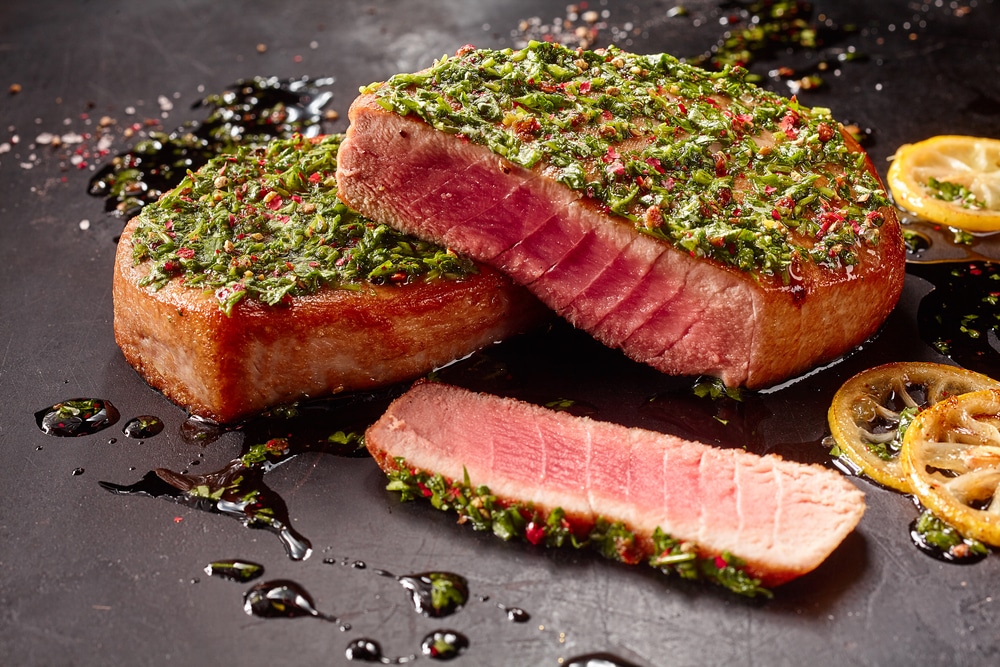
Omega-3 fatty acids are important for regulating blood clotting and inflammation. They have been shown to help prevent heart disease and stroke and may help control lupus, eczema, and rheumatoid arthritis.
They are also thought to help with menopause! Some research suggests they may reduce the symptoms of major depressive disorders and hot flashes in menopausal women. It also suggests that fish oil, a type of omega-3 supplement, may also burn fat and help with weight loss—thus helping with menopausal weight gain.
The recommended daily omega-3 intake for women is 1.1 grams (1100 milligrams).
7. Vitamin C
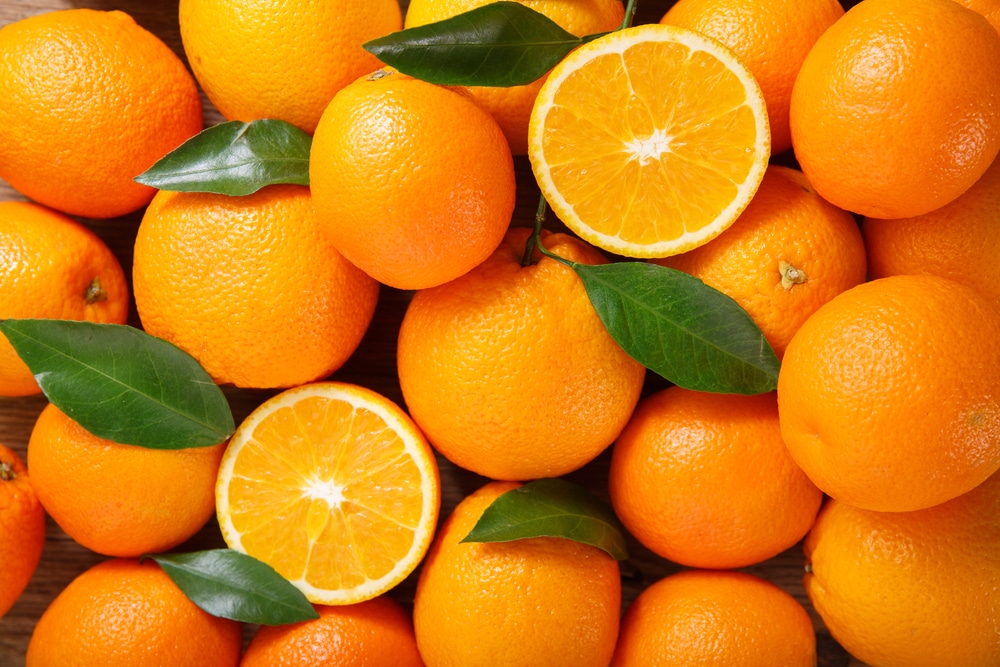
Vitamin C may be the most well-known supplement people take—and for good reason!
Some of the benefits provided by vitamin C include:
- Boosting your immune system and energy levels
- Reducing inflammation
- Decreasing the severity of cold symptoms
- Supporting brain cell functions
- Reducing the risk of cardiovascular disease
Vitamin C is water-soluble (meaning your body uses the amount it needs and rids itself of any excess through urine) and aids in collagen production. Moreover, those who are deficient in vitamin C may be more resistant to fat loss!
The recommended daily vitamin C intake is at least 75 mg for women.
Walking For Weight Loss | Your 14-Day Plan

Guess what, my friends, walking works. Study after study proves that people who walk regularly stay more youthful, stronger, and happier in old age. To get started, try my free 14-day challenge and get walking for a weight loss plan.
Walking For Weight Loss | Your 14-Day Plan
14 Health Benefits of Cucumbers (And a Few Refreshing Recipes)
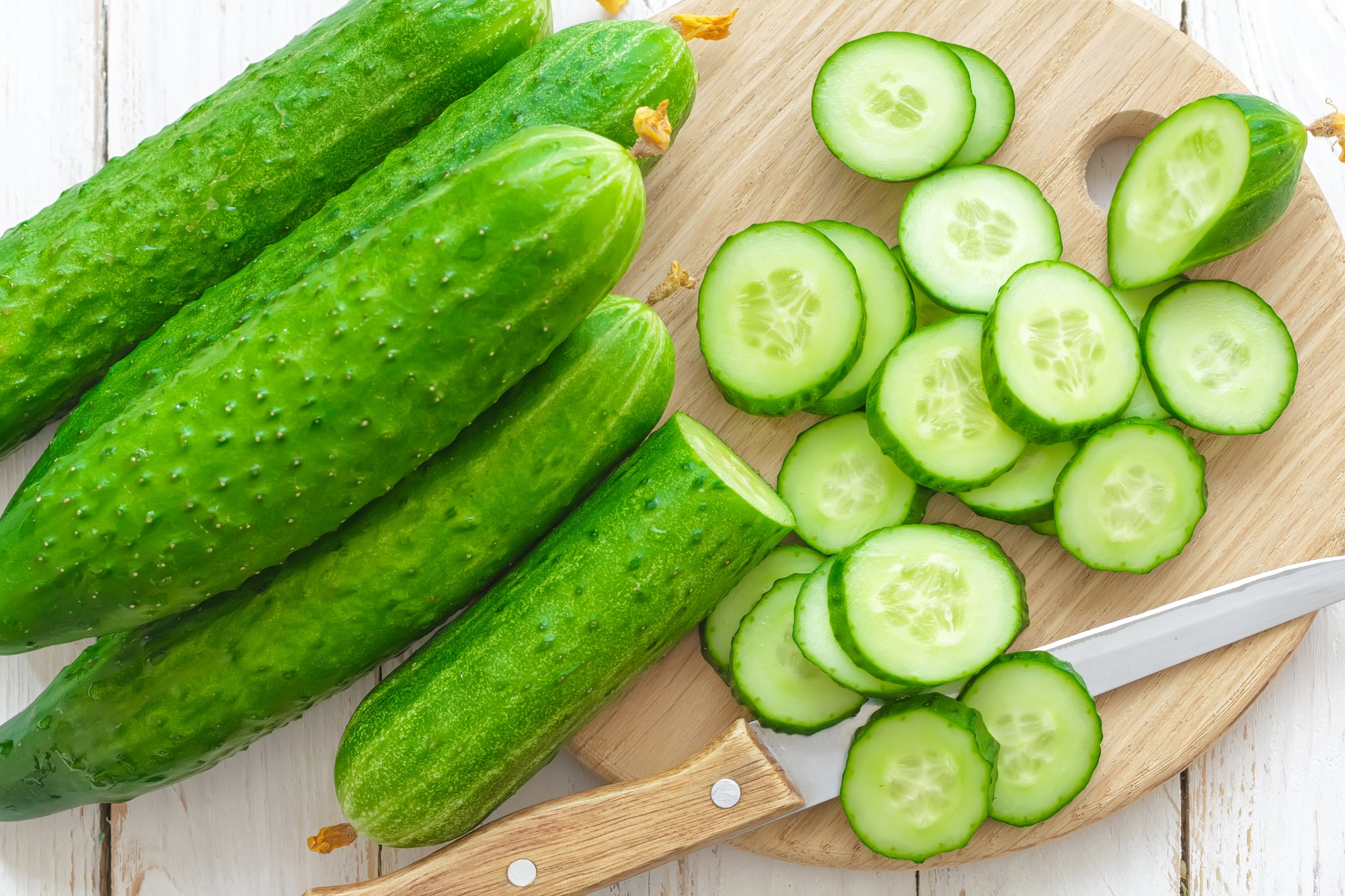
From healthy skin to improved memory, check out the top 14 health benefits of cucumbers! And if you’re lucky enough to have a load from your garden or farmers market on hand, you’ll definitely want to check out some of our favorite cucumber recipes, too.
14 Health Benefits of Cucumbers (And a Few Refreshing Recipes)
53 Best Weight Loss Snacks

To keep you from going crazy with calories even when the saltiest of cravings hit, my team and I rounded up our best weight loss snack recipes that are super easy to throw together. And when you don’t have time or you’re on the go, we also made a list of our favorite healthy purchased snacks too.
Chris Freytag, CPT{authorlink}https://gethealthyu.com/if-menopause-is-making-you-gain-weight-try-these-7-supplements-2/Get Healthy U | Chris Freytag